
























Canon PowerShot SX740: Why This Old Camera Is Trending Again
Nov 6, 2025
Darlene Lleno
Darlene Lleno brings a unique perspective to DIY Photography as someone who grew up surrounded by camera gear but chose words over lenses. With five years of writing experience, she specializes in photography content that’s both technically informed and genuinely passionate. Growing up with a photographer twin brother meant camera talk was everyday conversation in her household. While he mastered capturing moments, Darlene discovered she preferred being the subject and the storyteller behind the scenes. As a travel enthusiast and mother of two, she understands the importance of preserving life’s precious moments. When not exploring new destinations or writing for DIY Photography, you’ll find her reading or tending to her garden. Her approach to photography writing is refreshingly authentic, she may not be behind the camera, but she knows exactly what it takes to help others capture the shots that matter most.
Share:
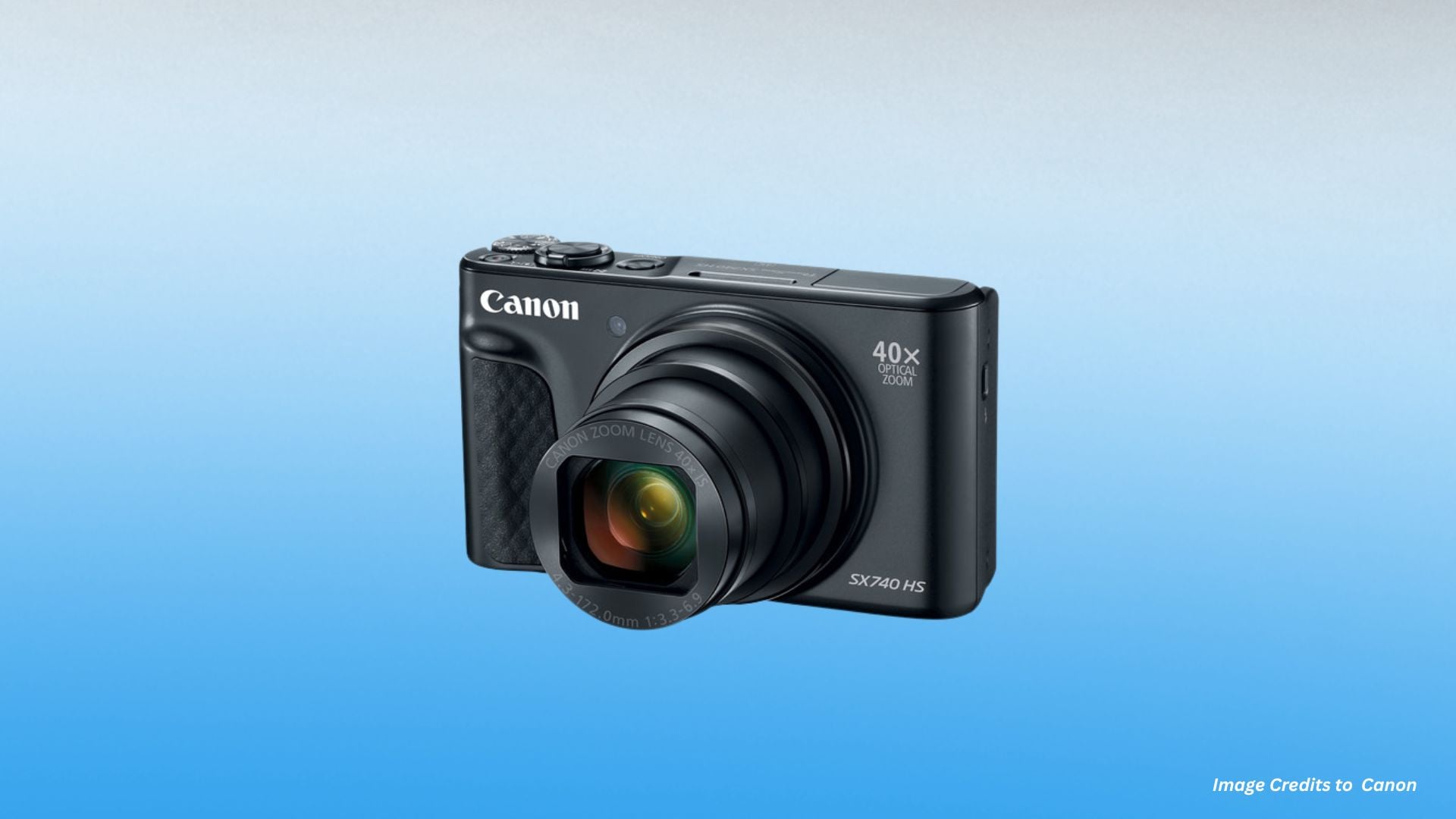
The Canon PowerShot SX740 created an unusual situation in early 2025. This camera from 2018 became increasingly difficult to find as demand surged. Photographers weren’t looking for the newest technology. They wanted that 40x optical zoom in a body small enough to fit in a jacket pocket.
Canon officially discontinued production in March 2025. By May, most retailers showed “out of stock” across their websites. The camera that originally retailed for $400 started appearing on secondary markets at higher prices. A seven-year-old discontinued model was selling above its original price point.
Search interest remained high even after stock disappeared. The Canon PowerShot SX740 addressed specific needs that newer cameras overlooked. That 24-960mm zoom range in such a compact form factor created genuine value for many photographers.
What Made the Canon PowerShot SX740 Special
This camera packed impressive zoom capability into a genuinely portable package. The 40x optical zoom ranged from 24mm wide-angle to 960mm telephoto. That’s serious reach in full-frame equivalent terms.
You could capture wide landscape shots one moment, then zoom across a field to photograph distant subjects the next. No lens changes required. No extra gear weighing down your bag.
The body measured just 110mm wide and weighed 299 grams with battery included. It actually slipped into jacket pockets without creating an awkward bulge. Most superzoom cameras need dedicated camera bags just to transport them.

The Zoom Range That Changed Everything
Most compact cameras max out around 10x or 20x zoom. The Canon PowerShot SX740 delivered 40x. That zoom range became its defining characteristic.
The 24mm wide end handled group shots and architecture beautifully. Zoom all the way to 960mm and you could capture details that others missed entirely. Sports photography from budget seats became viable. Wildlife photography from safe distances worked surprisingly well.
Five-axis optical stabilization helped keep images sharp throughout the zoom range. Even at maximum telephoto, your photos maintained clarity. Canon included Zoom Framing Assist as well. When you lost track of your subject at full zoom, pressing the button temporarily zoomed out to help you reframe. The camera then snapped back to your previous zoom level.
Real Camera Controls You Actually Need
The Canon PowerShot SX740 provided genuine manual controls. The mode dial gave you aperture priority, shutter priority, and full manual mode. You weren’t limited to automatic settings like entry-level point-and-shoots.
Physical buttons controlled key functions without diving into menus. The interface remained straightforward enough for beginners. Experienced photographers felt comfortable with the layout right away.
Despite its compact size, the camera felt secure in hand. Textured grips prevented accidental slips. The build quality proved adequate for regular travel photography use.

The Canon PowerShot SX740 Lite Version
Canon introduced the SX740 HS Lite in 2024. This variant matched the original in nearly every specification. The single difference was the absence of USB charging capability.
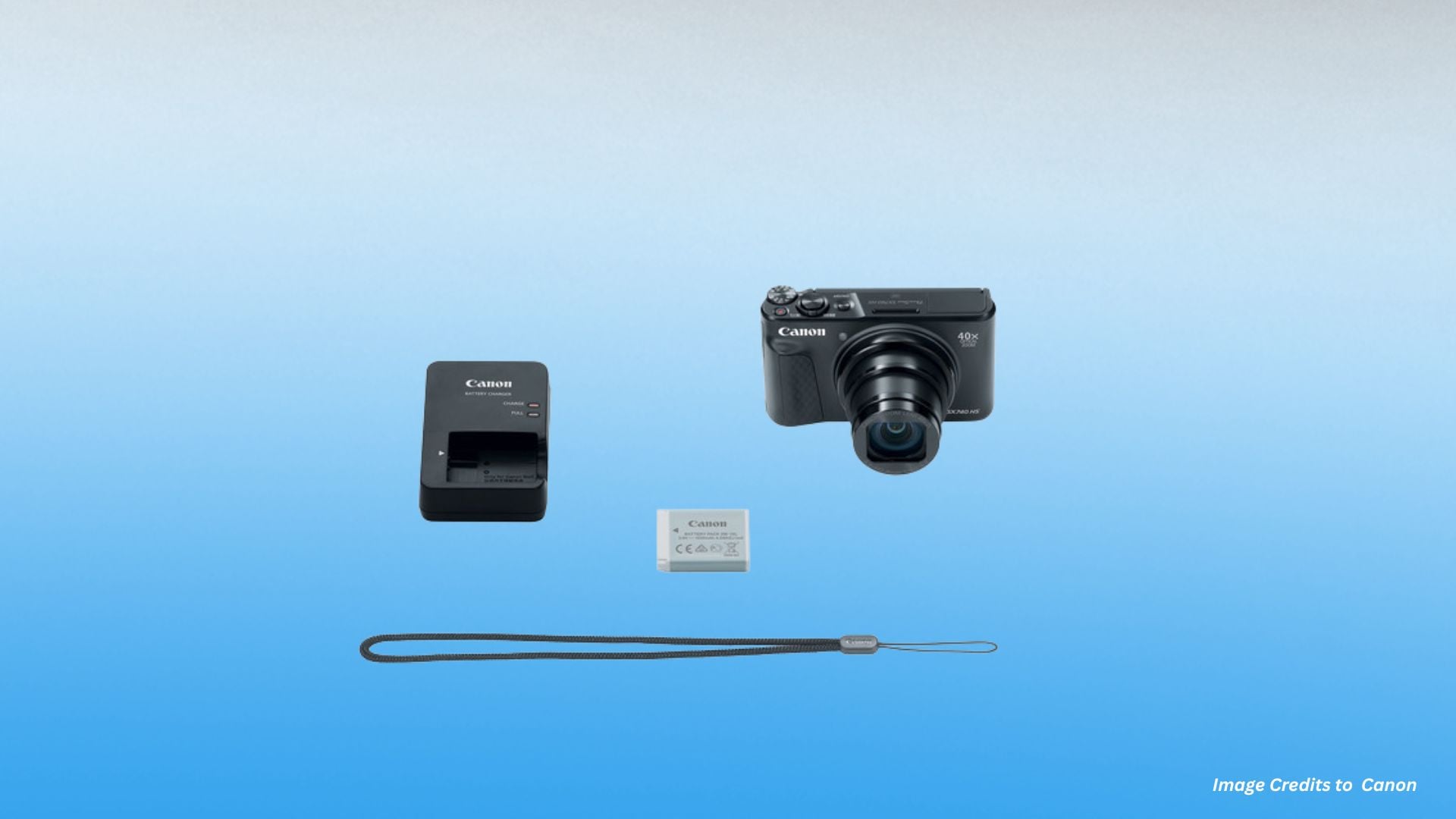
You needed to use the included battery charger rather than charging via USB. Every other feature remained identical. Same sensor, same lens, same shooting capabilities. Battery life delivered around 265 shots per charge under normal conditions.
Why This Camera Became So Popular
The camera industry seemed to miss the demand signals completely. A seven-year-old design shouldn’t have generated such strong sales. Yet people kept purchasing every unit that reached store shelves.
Canon Japan briefly resumed limited production runs in mid-2024. The camera climbed to second place in Japanese compact camera sales rankings. Retailers struggled to maintain any inventory despite the production increase.
The compact camera resurgence caught many observers off guard. Instant cameras had already made their comeback. Then compact cameras followed with unexpected momentum.
The Market Gap It Filled
Canon’s PowerShot V1 launched with content creators and vloggers in mind. It excels at video work with good image quality. However, its zoom only reaches 50mm equivalent. The SX740 extends to 960mm. That’s a substantial difference for certain photography needs.
No other truly pocketable camera offered comparable zoom reach. When Canon discontinued the SX740 in March 2025, finding new units became progressively harder. By summer 2025, new stock had essentially vanished.
Bridge cameras provide similar zoom ranges. They’re considerably bulkier and heavier though. You need a dedicated bag to carry them around. The Canon PowerShot SX740 genuinely fit in coat pockets.

Real Performance and Trade-offs
The 1/2.3-inch sensor showed its limitations in low light situations. ISO performance topped out at 3200. Push beyond ISO 1600 and noise became increasingly visible. Modern smartphones often produce cleaner images indoors thanks to computational photography.
That small sensor size enabled the impressive zoom range though. Physics doesn’t change based on what we want. Larger sensors require proportionally larger lenses and heavier bodies.
Outdoor photography in good lighting looked quite good. Colors appeared natural and vibrant. Detail remained sharp through most of the zoom range. Maximum telephoto got somewhat softer but remained usable for web sharing and social media.
Video Recording Capabilities
The Canon PowerShot SX740 recorded 4K video at 30fps. The 4K mode applied a 1.35x crop factor to the sensor. Wide-angle shots became narrower. Telephoto reach extended even further though.
Image stabilization performed surprisingly well for handheld shooting. You could walk while filming without excessive shake. Zoom adjustments during recording remained smooth.
Full HD 1080p at 60fps utilized the entire sensor without cropping. Many users preferred 1080p for maintaining wider framing options. Recording time maxed out at 30 minutes per clip.

Features It Lacked
RAW file support was completely absent. The camera only captured JPEGs. This limited post-processing flexibility significantly. You needed to nail exposure in-camera. Photographers accustomed to RAW workflow definitely noticed this omission.
The 3-inch screen lacked touch functionality. All navigation required physical button presses. No electronic viewfinder came built-in either. Shooting in bright sunlight conditions proved challenging.
Autofocus speed lagged behind modern mirrorless systems. Fast-moving subjects tested the camera’s limits. Burst mode reached 10fps but locked focus on the first frame only.
How It Compared to Alternatives
The Panasonic Lumix TZ90/ZS70 offered 30x zoom in a similar compact body. It included RAW shooting capability and touch controls. The built-in electronic viewfinder helped in bright conditions. Canon’s advantage came down to pure zoom reach.
Sony’s HX99 packed 30x zoom into an even smaller package. Image quality matched fairly closely between the two. Both cameras served comparable markets and user needs.
Phone cameras continued improving at a rapid pace. Night mode and multi-frame HDR produced impressive results from tiny sensors. The Canon PowerShot SX740 couldn’t compete with smartphone computational power. Its singular advantage remained in optical zoom capability.
Where This Camera Really Excelled
Wildlife and bird photography benefited enormously from 960mm equivalent reach. You could photograph subjects from comfortable viewing distances. Animals remained undisturbed in their natural behavior. The zoom range worked excellently for capturing distant subjects without causing disturbance.
Concert photography worked reasonably well with this zoom capability. You could frame performers from less-than-ideal seating positions. The small sensor struggled with concert lighting conditions. The extended reach compensated for this limitation.
Travel photography suited this camera’s strengths perfectly. One compact device covered virtually every focal length you might need. The zoom range effectively replaced carrying multiple lenses.
Sports and action photography pushed the camera’s capabilities. Fast shutter speeds worked adequately in good lighting. Indoor sports presented challenges with noise at higher ISOs.
Getting Better Results With the Canon PowerShot SX740
These practical approaches helped maximize camera performance.
Shoot in bright light whenever possible. The sensor performed significantly better with ample available light. Golden hour outdoor photography produced particularly appealing results.
Stick to optical zoom only. Image quality degraded noticeably beyond 40x when using digital zoom. Cropping photos during post-processing produced better results than digital zoom.
Keep stabilization enabled for all shooting. It made a substantial difference at longer zoom ranges. Hand-holding at 960mm equivalent required both steady technique and electronic assistance.
Maintain the lowest practical ISO settings. Higher ISOs introduced visible grain relatively quickly. The Auto ISO feature often pushed settings higher than necessary. Manual ISO control helped preserve better overall image quality.
Should You Try Finding One Now
Locating a Canon PowerShot SX740 in late 2025 presents real challenges. Production ceased in March 2025. Most major retailers depleted their inventory by summer. Secondary market prices reflect the scarcity with inflated pricing.
Used units often sell above original retail pricing. eBay and Facebook Marketplace listings appear occasionally. Condition varies significantly among used models.
This camera served specific photography needs exceptionally well. Photographers wanting maximum zoom in minimal size found great value here. No alternative truly matched the combination of pocketability and reach.
Skip the search if image quality ranks as your top priority. Modern mirrorless cameras deliver substantially better image files. They also cost more and weigh considerably more.
Who Benefited Most From This Camera
Parents capturing children’s activities found this camera particularly useful. The zoom reached across playgrounds and sports fields easily. The lightweight design encouraged daily carry. The flip-up screen simplified shooting from awkward angles.
Travelers valued the all-in-one convenience. One compact package handled diverse shooting situations. No lens swapping reduced gear-related stress. Extra batteries fit easily in any bag corner.
Nature enthusiasts discovered solid value in this camera. Wildlife photography became accessible without expensive telephoto lenses. Hiking with minimal gear weight became more practical.
Budget-conscious content creators benefited from the feature set. Video quality proved decent with exceptional zoom flexibility. The vlogging-friendly flip screen worked perfectly for solo recording sessions.
What Comes Next From Canon
Canon officially discontinued the SX740 HS in March 2025. Industry reports suggested a potential successor arriving by late 2025. Speculation points toward Z series or G series branding. The SX designation likely won’t return to Canon’s lineup.
Future models will probably address the missing features. RAW format support seems like an obvious addition for successor models. Touch screens and electronic viewfinders may become standard inclusions. Improved low-light performance would significantly enhance usability.
Computational photography integration could help bridge the smartphone gap. Canon needs to combine smartphone-level image processing with optical zoom advantages. That combination would create compelling differentiation.
Market demand clearly exists for these cameras. Sales figures demonstrated interest beyond traditional camera enthusiasts. Canon confirmed plans to increase compact camera production capacity earlier in 2025.

Canon PowerShot SX740: The Discontinued Camera That Won’t Stop Trending
The Canon PowerShot SX740 succeeded because it excelled at one thing particularly well. That massive optical zoom in a genuinely pocketable form factor solved real photography problems. Physics hasn’t changed since 2018. The basic formula still works effectively today.
Limitations certainly existed but remained manageable with appropriate expectations. Understanding the camera’s capabilities helped align user expectations properly. This wasn’t designed to compete with full-frame camera systems. It competed differently against smartphones and won specifically on zoom capability.
The pre-discontinuation popularity makes complete sense in retrospect. Photographers discovered a practical tool that simply worked for their needs. Advanced features mattered less than addressing actual shooting requirements. The Canon PowerShot SX740 delivered precisely what its target audience wanted.
Availability became the primary challenge by late 2025. Production ended several months earlier. Remaining new stock disappeared rapidly from retail channels. Secondary market pricing climbed as scarcity intensified.
Whether you locate one used or find new old stock, this camera maintains relevance today. Seven years hasn’t diminished its fundamental strengths. That longevity speaks volumes about thoughtful design decisions. Sometimes older cameras remain desirable for legitimate reasons.
See more from DIYPhotography.net on Google
Add DIYPhotography.net as a trusted source. This makes
our stories more likely to appear in your Google Search results.
 Add as a preferred source on Google

Darlene Lleno
Darlene Lleno brings a unique perspective to DIY Photography as someone who grew up surrounded by camera gear but chose words over lenses. With five years of writing experience, she specializes in photography content that’s both technically informed and genuinely passionate. Growing up with a photographer twin brother meant camera talk was everyday conversation in her household. While he mastered capturing moments, Darlene discovered she preferred being the subject and the storyteller behind the scenes. As a travel enthusiast and mother of two, she understands the importance of preserving life’s precious moments. When not exploring new destinations or writing for DIY Photography, you’ll find her reading or tending to her garden. Her approach to photography writing is refreshingly authentic, she may not be behind the camera, but she knows exactly what it takes to help others capture the shots that matter most.



Join the Discussion
DIYP Comment Policy
Be nice, be on-topic, no personal information or flames.
2 responses to “Canon PowerShot SX740: Why This Old Camera Is Trending Again”
Why does the article use images of totally different cameras?
Does it?