

























Space and Ground-Based Observatory Telescopes That Transformed Our View of the Cosmos
Aug 24, 2025
Soumyadeep Mukherjee
Soumyadeep Mukherjee is an award-winning astrophotographer from India. He has a doctorate degree in Linguistics. His work extends to the sub-genres of nightscape, deep sky, solar, lunar and optical phenomenon photography. He is also a photography educator and has conducted numerous workshops. His works have appeared in over 40 books & magazines including Astronomy, BBC Sky at Night, Sky & Telescope among others, and in various websites including National Geographic, NASA, Forbes. He was the first Indian to win “Astronomy Photographer of the Year” award in a major category.
Share:

Astronomy has advanced through instruments that allow us to see beyond the limits of the human eye. Observatory telescopes, whether placed above Earth’s atmosphere or built on remote mountaintops, give scientists the ability to explore the universe in remarkable detail.
Space telescopes avoid atmospheric distortion and capture light across many wavelengths, from ultraviolet to gamma rays. Ground-based observatories, with mirrors spanning many meters, use advanced technology to study faint galaxies, exoplanets, and the structure of the cosmos. Together, these instruments form the backbone of modern astronomy. They not only provide breathtaking images but also generate precise data that drives discoveries in physics and cosmology.
In this article, we look at 10 space telescopes and 10 ground-based telescopes that are active today. Each plays a crucial role in our growing understanding of the universe, and each has unique capabilities that make it indispensable to science.
Table of Contents
- Space Telescopes
- 1. Hubble Space Telescope (HST)
- 2. James Webb Space Telescope (JWST)
- 3. Chandra X-ray Observatory
- 4. XMM-Newton (ESA)
- 5. Gaia (ESA)
- 6. TESS (Transiting Exoplanet Survey Satellite)
- 7. Fermi Gamma-ray Space Telescope
- 8. NICER (Neutron Star Interior Composition Explorer)
- 9. NuSTAR (Nuclear Spectroscopic Telescope Array)
- 10. Swift Observatory (Neil Gehrels Swift Observatory)
- Ground-Based telescopes
- 1. Very Large Telescope (VLT, Chile)
- 2. Keck Observatory (Hawaii, USA)
- 3. Subaru Telescope (Hawaii, Japan)
- 4. Gran Telescopio Canarias (GTC, Spain)
- 5. Atacama Large Millimeter/Submillimeter Array (ALMA, Chile)
- 6. Green Bank Telescope (USA)
- 7. FAST (China)
- 8. Daniel K. Inouye Solar Telescope (DKIST)
- 9. Magellan Telescopes (Chile)
- 10. Gemini Observatory (International Gemini Observatory, NOIRLab)
Space Telescopes
1. Hubble Space Telescope (HST)
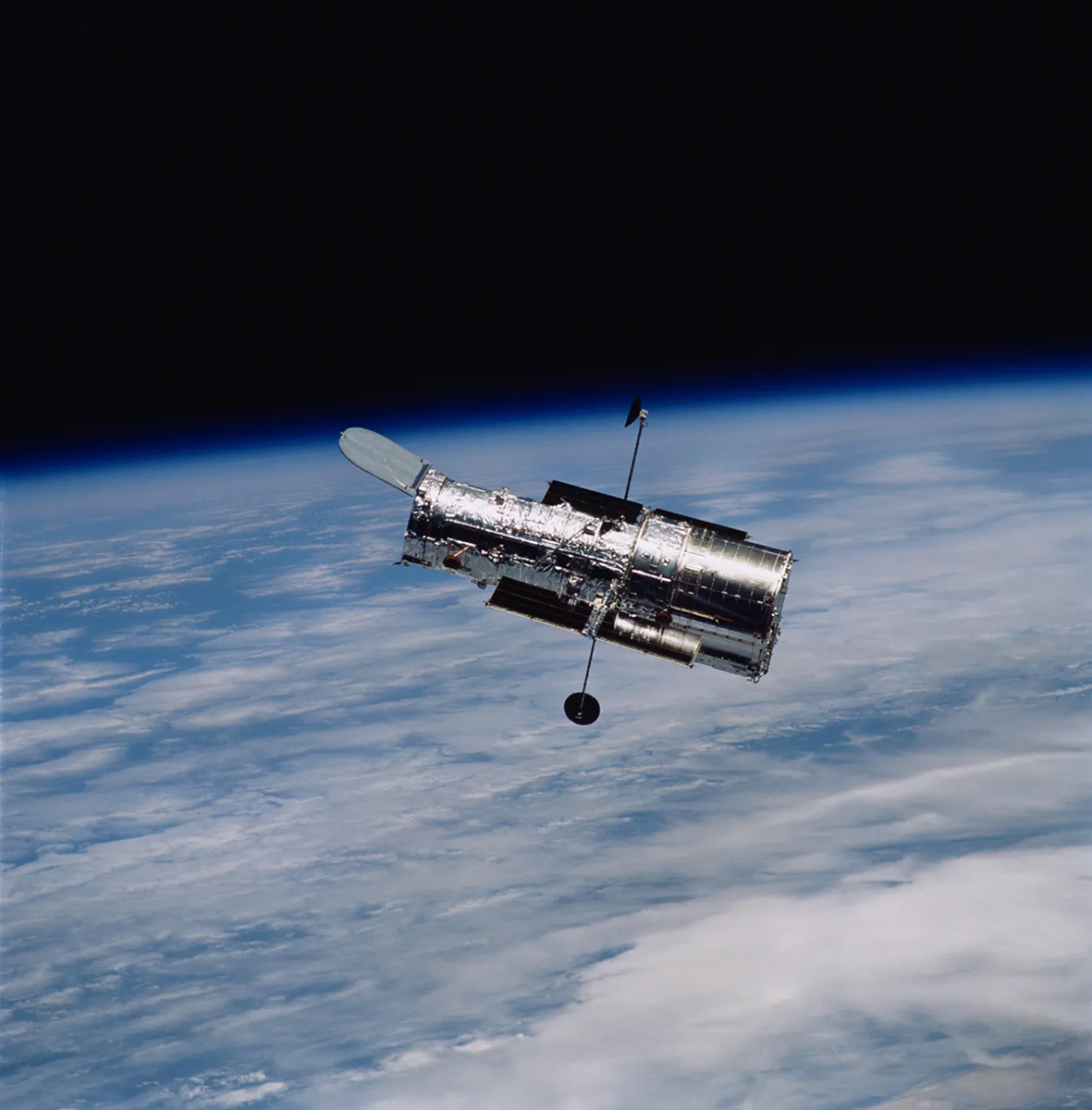
The Hubble Space Telescope has become one of the most important observatories in the history of science. Launched in 1990, it orbits Earth at about 560 kilometers above the surface. Free from atmospheric distortion, Hubble delivers sharp images in ultraviolet, visible, and near-infrared light. Its 2.4-meter primary mirror may seem modest compared to modern ground-based giants, but its location in space gives it unmatched clarity.
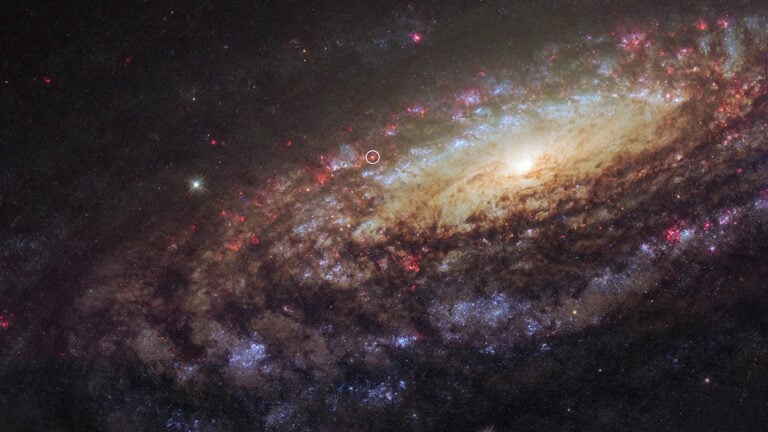
In over three decades of operation, Hubble has observed galaxies billions of light-years away, uncovered the universe’s accelerated expansion, and captured detailed views of planetary atmospheres. The telescope has also monitored supernovae, star-forming regions, and black hole environments. Its success is partly due to servicing missions by astronauts, which upgraded instruments and extended its lifetime. Hubble remains operational today, continuing to provide data that complements new missions. It stands as a symbol of precision, reliability, and the enduring value of space-based astronomy.
[Related reading: Celebrating Hubble’s 35 Years in space: 35 best images]
2. James Webb Space Telescope (JWST)
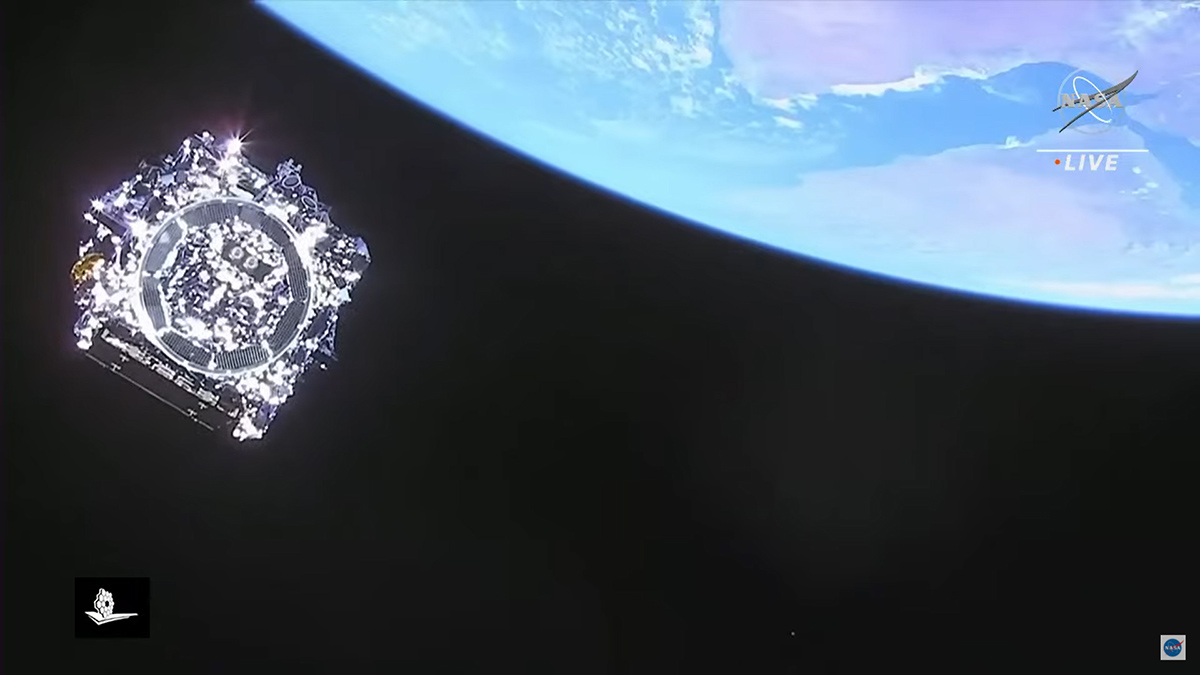
The James Webb Space Telescope represents the next step in space astronomy. Launched in December 2021, it now orbits the Sun near the second Lagrange point, about 1.5 million kilometers from Earth. Its design includes a 6.5-meter segmented primary mirror, covered in gold to optimize infrared reflection.
Roughly the size of a tennis court, a five-layer sunshield keeps the telescope cold enough to detect faint heat signals from distant objects. Webb observes light in the near- and mid-infrared range, allowing it to study the earliest galaxies formed after the Big Bang, as well as the birth of stars and planets. It is also capable of analyzing the atmospheres of exoplanets, searching for signatures of habitability. Built as a partnership between NASA, ESA, and CSA, Webb carries four powerful scientific instruments. Its discoveries are already reshaping our understanding of the universe and will continue to influence astronomy for decades.
[Related reading: A glimpse of the distant past: JWST’s deep dive into Abell S1063]
3. Chandra X-ray Observatory
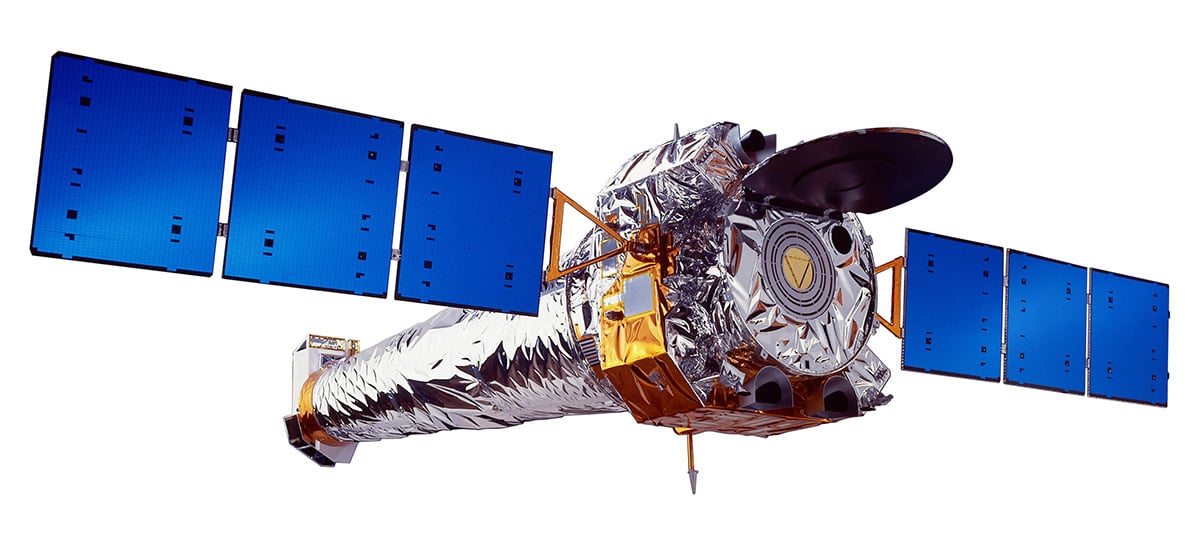
The Chandra X-ray Observatory has been operating since 1999 and remains the most powerful X-ray telescope in space. It was launched aboard the Space Shuttle Columbia and now orbits in a highly elliptical path that takes it up to 133,000 kilometers from Earth. This orbit keeps it away from radiation belts, allowing long, uninterrupted observations. Chandra’s mirrors are coated to reflect X-rays at shallow angles, focusing them onto advanced detectors.
The observatory has revealed the structure of supernova remnants, mapped the hot gas in galaxy clusters, and studied the environments around black holes. It has also been vital in measuring dark matter distributions and testing models of cosmic structure formation. Chandra’s sensitivity is hundreds of times greater than previous X-ray missions. Despite being in service for over two decades, it continues to provide unique insights into some of the most energetic phenomena in the universe.
[Related reading: Chandra’s Cosmic Collection: A Dazzling Tour of the High-Energy Universe]
4. XMM-Newton (ESA)
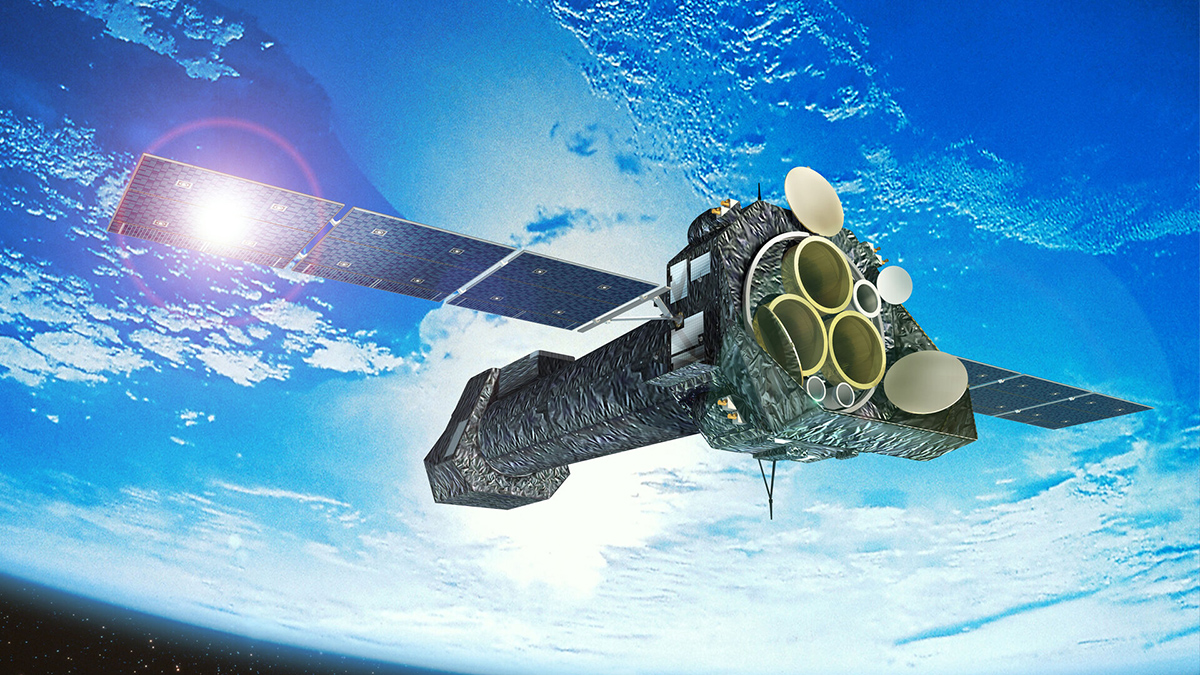
The XMM-Newton observatory, launched by the European Space Agency in 1999, remains one of the most productive X-ray telescopes in operation. It carries three advanced X-ray telescopes, each equipped with 58 nested mirrors that reflect X-rays at grazing angles. Together, they collect more X-rays than any previous mission of its kind.
XMM-Newton also has optical and ultraviolet instruments that operate in parallel, providing complementary data. The telescope orbits Earth in a 48-hour highly elliptical path, enabling long observations free from interference. It has contributed to research on black holes, neutron stars, supernova remnants, and active galaxies.
Scientists also use it to investigate galaxy clusters and the distribution of dark matter. The mission has produced a massive archive of data, with thousands of scientific papers published. Even after more than twenty years of service, XMM-Newton remains an essential tool for astronomers studying high-energy processes in the universe.
[Related reading: The “Missing Matter”: XMM-Newton Photographed Universe’s Hidden Mass]
5. Gaia (ESA)
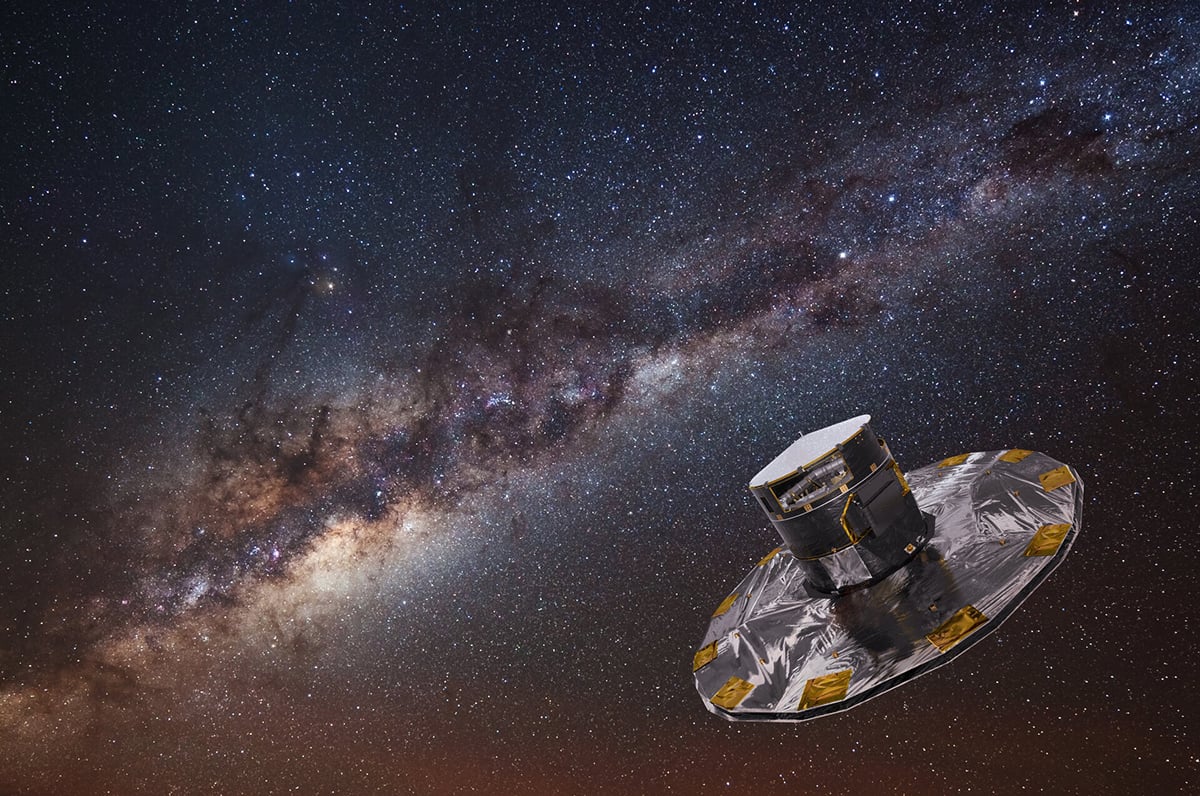
Gaia is a European Space Agency mission launched in 2013 with a goal unlike any other: to map the Milky Way in three dimensions. It orbits around the Sun–Earth L2 point, about 1.5 million kilometers from Earth, ensuring a stable environment for its instruments. Gaia measures the positions, distances, and motions of more than a billion stars with extraordinary precision. Its data provide an unprecedented view of the structure and evolution of our galaxy.
Gaia’s catalog helps astronomers trace stellar motions, identify exoplanets through subtle wobbles in starlight, and discover transient events such as supernovae. The mission also studies asteroids in the solar system and quasars in the distant universe. The scale of its dataset is unmatched, and it continues to release new results that support research across nearly every branch of astronomy. Gaia has fundamentally changed how we understand the Milky Way and its history.
[Related reading: This is the most detailed map of the Milky Way, ever]
6. TESS (Transiting Exoplanet Survey Satellite)
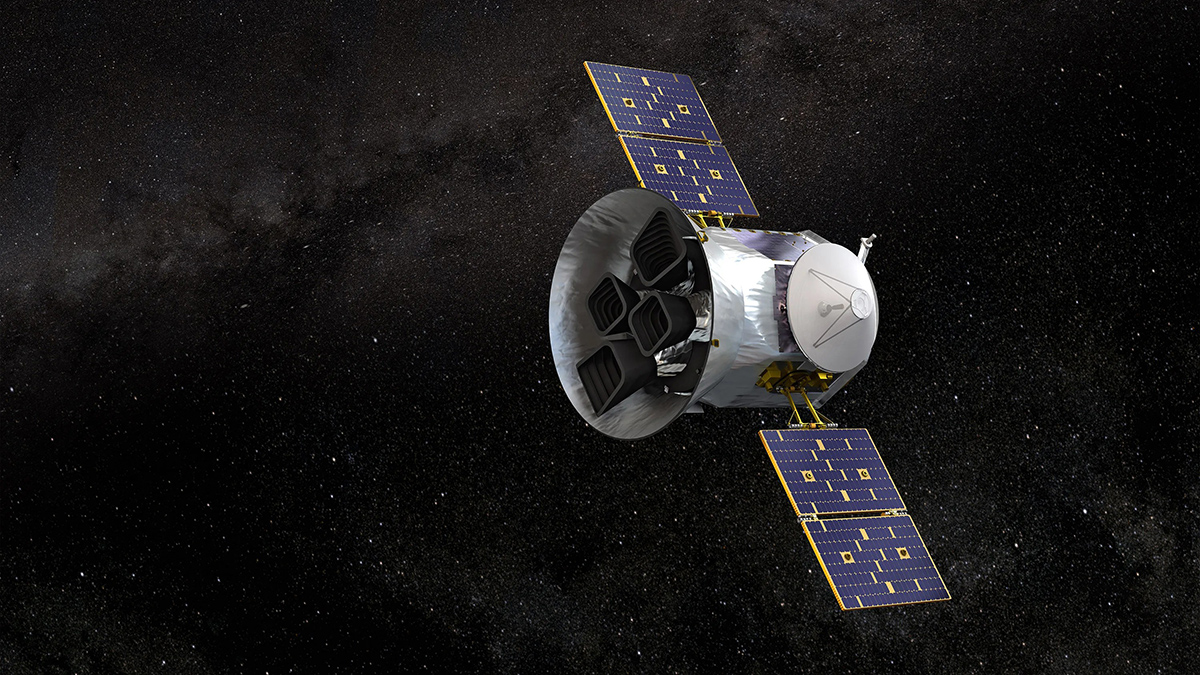
NASA’s Transiting Exoplanet Survey Satellite, or TESS, launched in 2018 and continues the search for new worlds around nearby stars. The spacecraft carries four wide-field cameras that together cover large areas of the sky. TESS monitors the brightness of hundreds of thousands of stars, looking for dips caused by planets passing in front of them.
Unlike its predecessor, Kepler, which focused on distant regions, TESS surveys stars that are closer and brighter. This makes follow-up observations with ground-based telescopes easier and more productive. TESS has already discovered thousands of candidate exoplanets, including Earth-sized worlds in habitable zones. The mission’s data also support stellar studies and transient event detection.
Operating in a stable orbit that resonates with the Moon, TESS provides continuous coverage without Earth’s shadow interrupting observations. Its discoveries expand the catalog of known exoplanets and guide future missions that aim to study planetary atmospheres in detail.
[Related reading: NASA’s newest satellite sends its first test image, and it’s stellar]
7. Fermi Gamma-ray Space Telescope
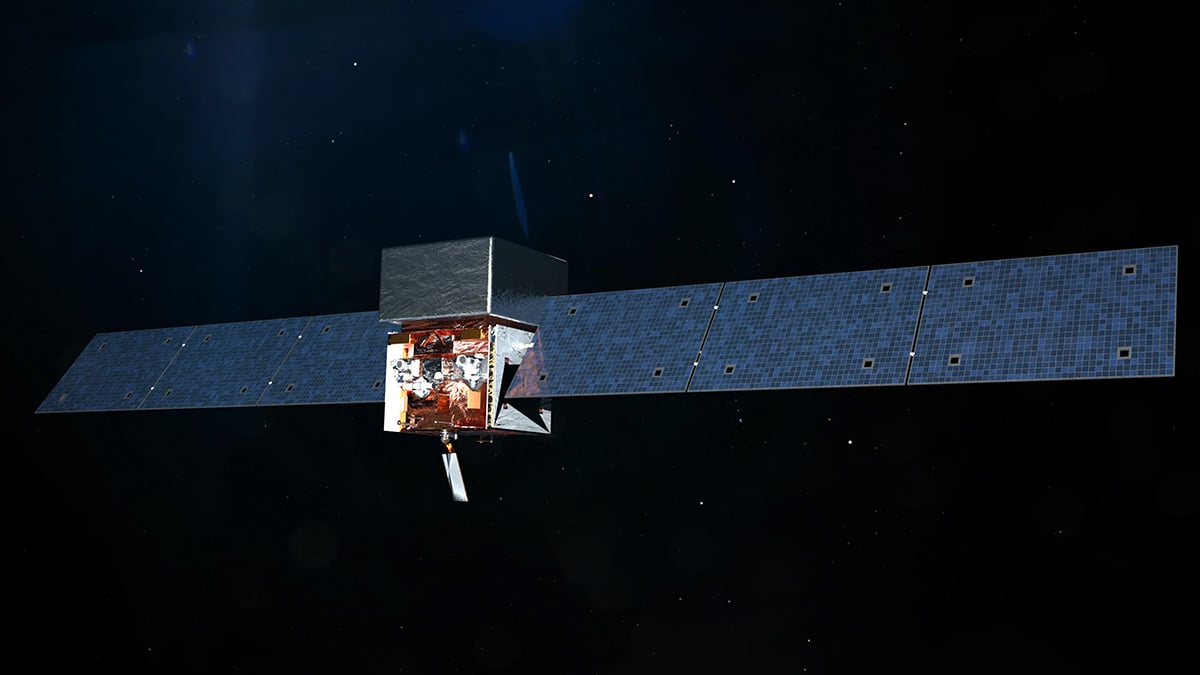
The Fermi Gamma-ray Space Telescope, launched in 2008, studies the universe at the highest energies. Gamma rays are produced by some of the most violent cosmic events, including supernovae, pulsars, and active galactic nuclei. Fermi carries two primary instruments: the Large Area Telescope, which surveys the entire sky every three hours, and the Gamma-ray Burst Monitor, which detects short-lived bursts of gamma rays from across the universe.
The mission has discovered thousands of gamma-ray sources, many of which were previously unknown. It has provided new insights into pulsars, mapped the diffuse gamma-ray background, and contributed to studies of cosmic rays and dark matter.
Fermi also plays a role in multi-messenger astronomy, helping to locate sources of gravitational waves detected by LIGO and Virgo. Its continuous all-sky monitoring makes it an indispensable tool for high-energy astrophysics. The telescope remains fully operational and scientifically productive.
8. NICER (Neutron Star Interior Composition Explorer)
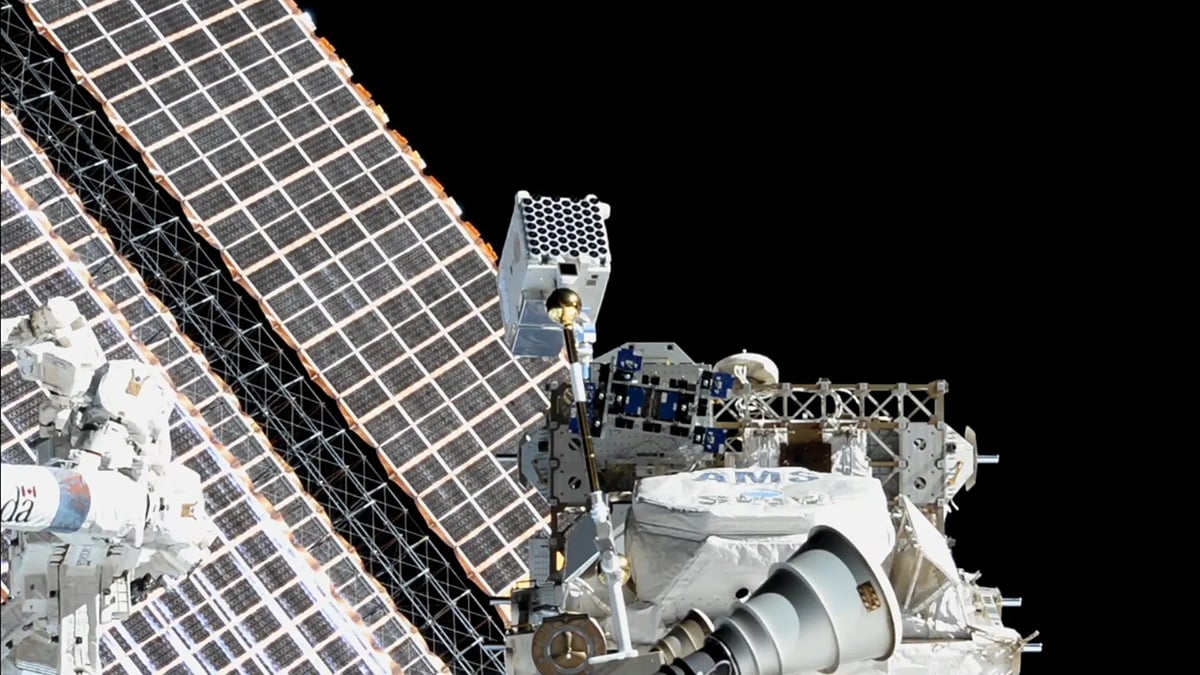
NICER is a specialized X-ray telescope mounted on the International Space Station since 2017. Its main goal is to study neutron stars, which are the collapsed remnants of massive stars. NICER uses 56 X-ray detectors to measure light with high timing precision. This allows scientists to probe the structure and behavior of neutron stars, including their dense cores where matter exists in extreme states.
The mission has also tested X-ray navigation techniques that could guide future spacecraft autonomously. Beyond neutron stars, NICER observes black holes, pulsars, and other X-ray sources. Being on the ISS gives it flexibility, as it can point toward targets quickly and respond to transient events.
The mission has already achieved significant results, including precise measurements of neutron star radii. NICER demonstrates how a relatively small, targeted experiment can deliver data of great importance to astrophysics.
9. NuSTAR (Nuclear Spectroscopic Telescope Array)
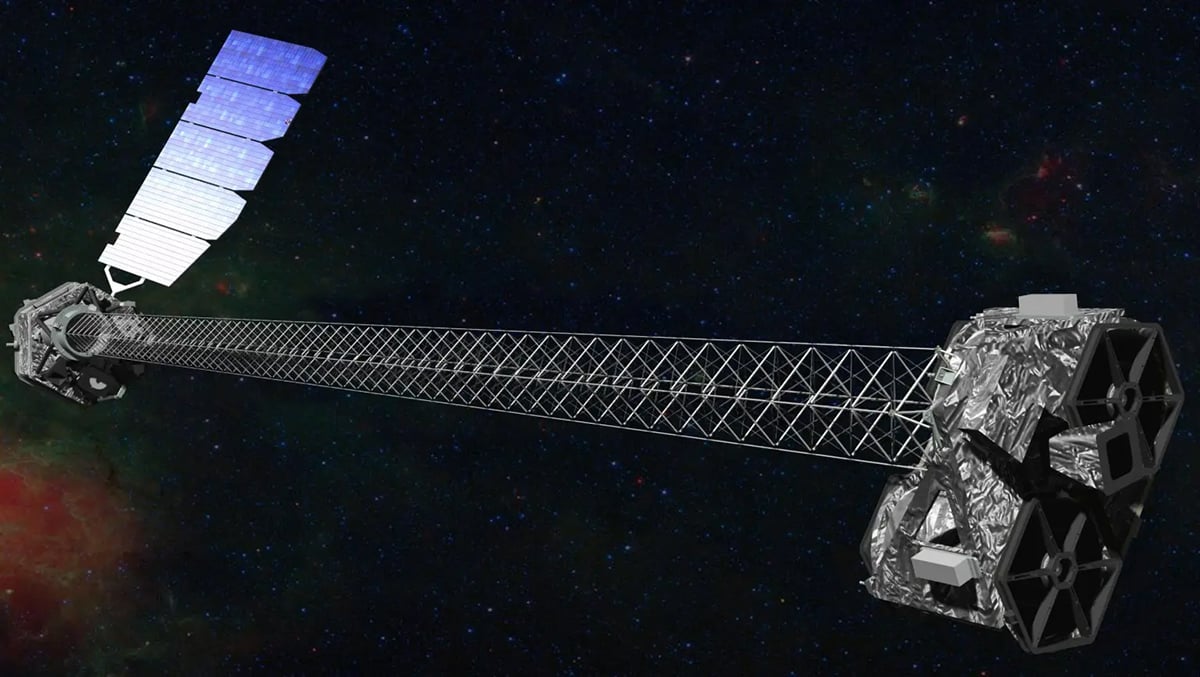
NuSTAR, launched in 2012, is the first space telescope capable of focusing high-energy X-rays. Previous missions could only detect such radiation with limited resolution. NuSTAR uses a set of mirrors and deployable optics to achieve sharp imaging in the 3–79 keV range. As part of its design, it carries two co-aligned observatory telescopes that direct X-rays onto specialized detectors. NuSTAR’s orbit allows long, uninterrupted observations above Earth’s atmosphere.
The mission investigates black holes, supernova remnants, and the physics of high-energy processes. It has measured the spin of black holes and mapped the radioactive elements produced in supernova explosions.
NuSTAR also studies the structure of the Sun in hard X-rays, complementing solar missions. The telescope works in coordination with other observatories, including Chandra and XMM-Newton, providing a complete view across the X-ray spectrum. With its unique capabilities, NuSTAR continues to make discoveries that expand our knowledge of extreme cosmic environments.
10. Swift Observatory (Neil Gehrels Swift Observatory)
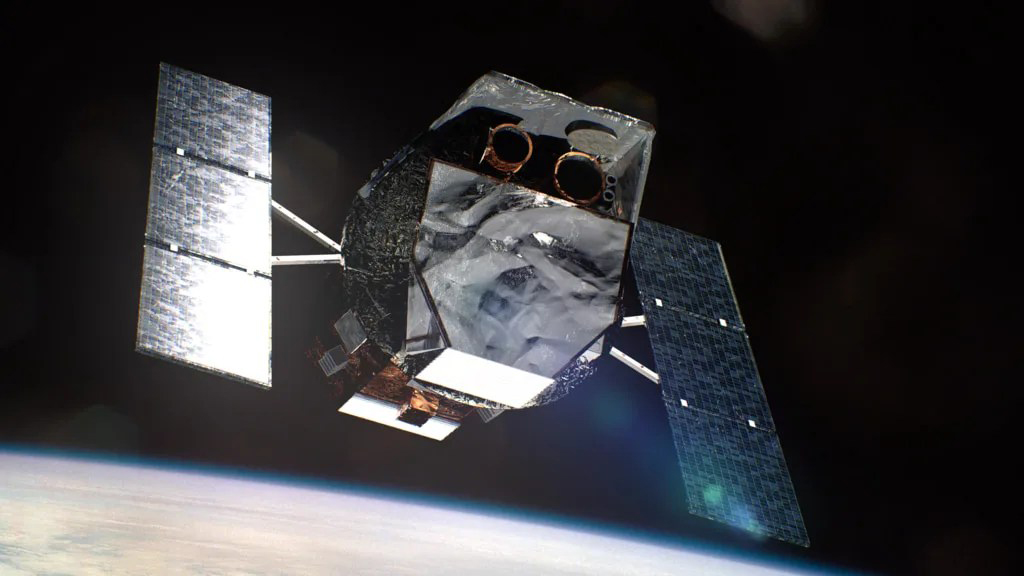
The Neil Gehrels Swift Observatory, launched in 2004, was designed to study gamma-ray bursts, the most energetic explosions in the universe. Swift carries three instruments: the Burst Alert Telescope, the X-ray Telescope, and the Ultraviolet/Optical Telescope. Together, they allow rapid detection and follow-up observations across multiple wavelengths.
When a gamma-ray burst occurs, Swift can automatically reorient itself within a minute to capture data from the event. This quick response has enabled detailed studies of both short and long bursts, helping scientists understand their origins in neutron star mergers or collapsing stars.
Beyond gamma-ray bursts, Swift monitors active galaxies, supernovae, and other transient phenomena. Its contributions extend into multi-messenger astronomy, working in coordination with gravitational wave detectors and other observatories.
After more than twenty years in space, Swift remains highly productive and continues to deliver essential data for high-energy astrophysics and time-domain astronomy.
[Related reading: NASA’s epic photo shows huge rings of light around a black hole]
Ground-Based telescopes
1. Very Large Telescope (VLT, Chile)
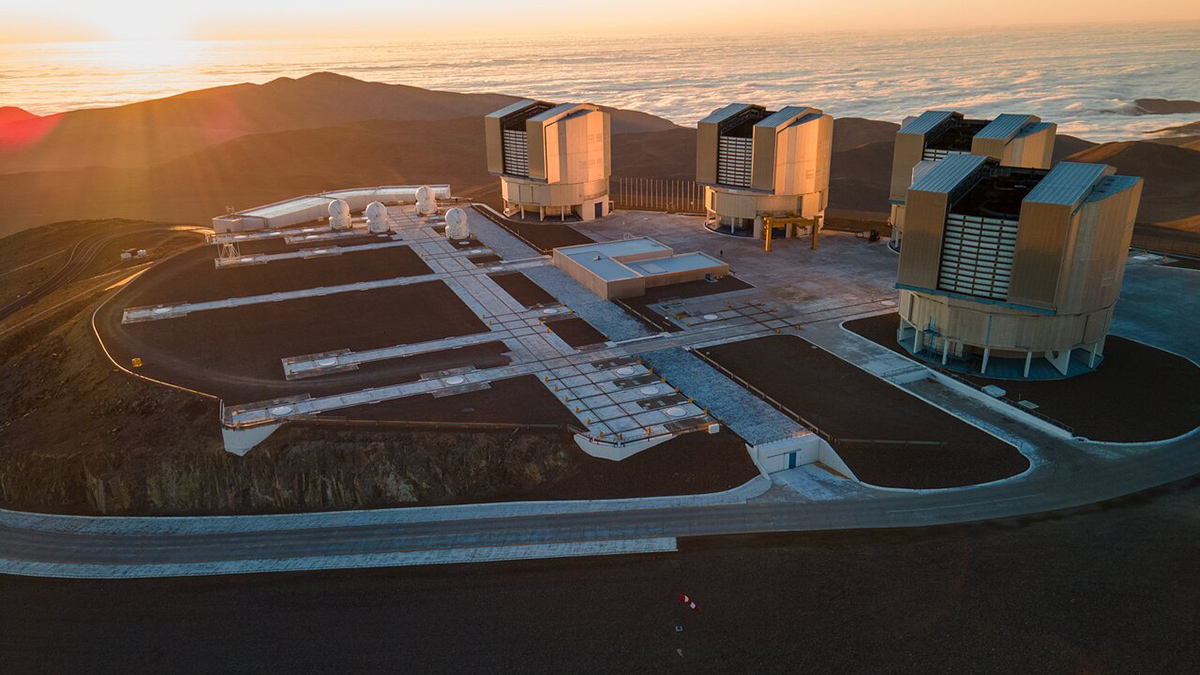
The Very Large Telescope, operated by the European Southern Observatory, is one of the most advanced ground-based observatories in the world. Located on Cerro Paranal in Chile’s Atacama Desert, the VLT consists of four 8.2-meter Unit Telescopes and four smaller Auxiliary Telescopes. These can operate individually or combine their light using interferometry, achieving the resolving power of a much larger telescope.
The VLT covers optical and near-infrared wavelengths with a wide range of instruments. It has been central to discoveries about exoplanets, star formation, and the center of the Milky Way. Adaptive optics systems correct for atmospheric distortion, giving images nearly as sharp as those from space telescopes.
The observatory also supports surveys of distant galaxies and large-scale cosmic structures. Its location offers clear skies and minimal light pollution, making it one of the most productive observatories on Earth. The VLT continues to drive major advances in astronomy.
[Related reading: A Double Blast in Space: VLT photographs a Double-Detonation Supernova]
2. Keck Observatory (Hawaii, USA)
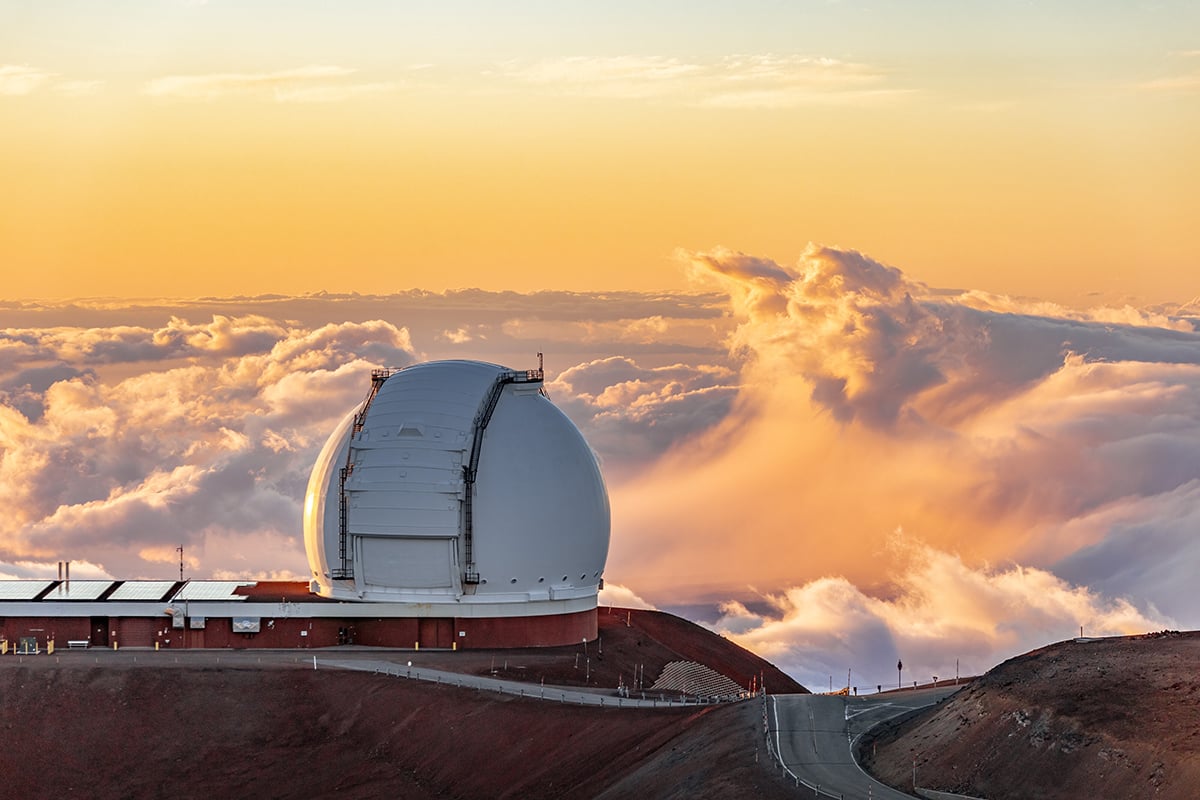
The W. M. Keck Observatory, located on Mauna Kea in Hawaii, operates two of the largest optical telescopes in the world. Each telescope has a 10-meter primary mirror composed of 36 hexagonal segments that function together as a single surface.
Keck’s instruments cover optical and infrared wavelengths, with capabilities for imaging, spectroscopy, and adaptive optics. These systems correct atmospheric turbulence in real time, enabling sharp observations. Keck has been instrumental in confirming the existence of exoplanets, studying distant galaxies, and measuring the expansion of the universe. It also played a key role in demonstrating that a supermassive black hole lies at the center of the Milky Way.
The observatory’s high altitude provides exceptionally clear skies and dry air, essential for infrared astronomy. As one of the most scientifically productive observatories, Keck continues to contribute to discoveries that shape modern astrophysics.
[Related reading: JWST and Keck Photographs Active Skies on Saturn’s Moon]
3. Subaru Telescope (Hawaii, Japan)
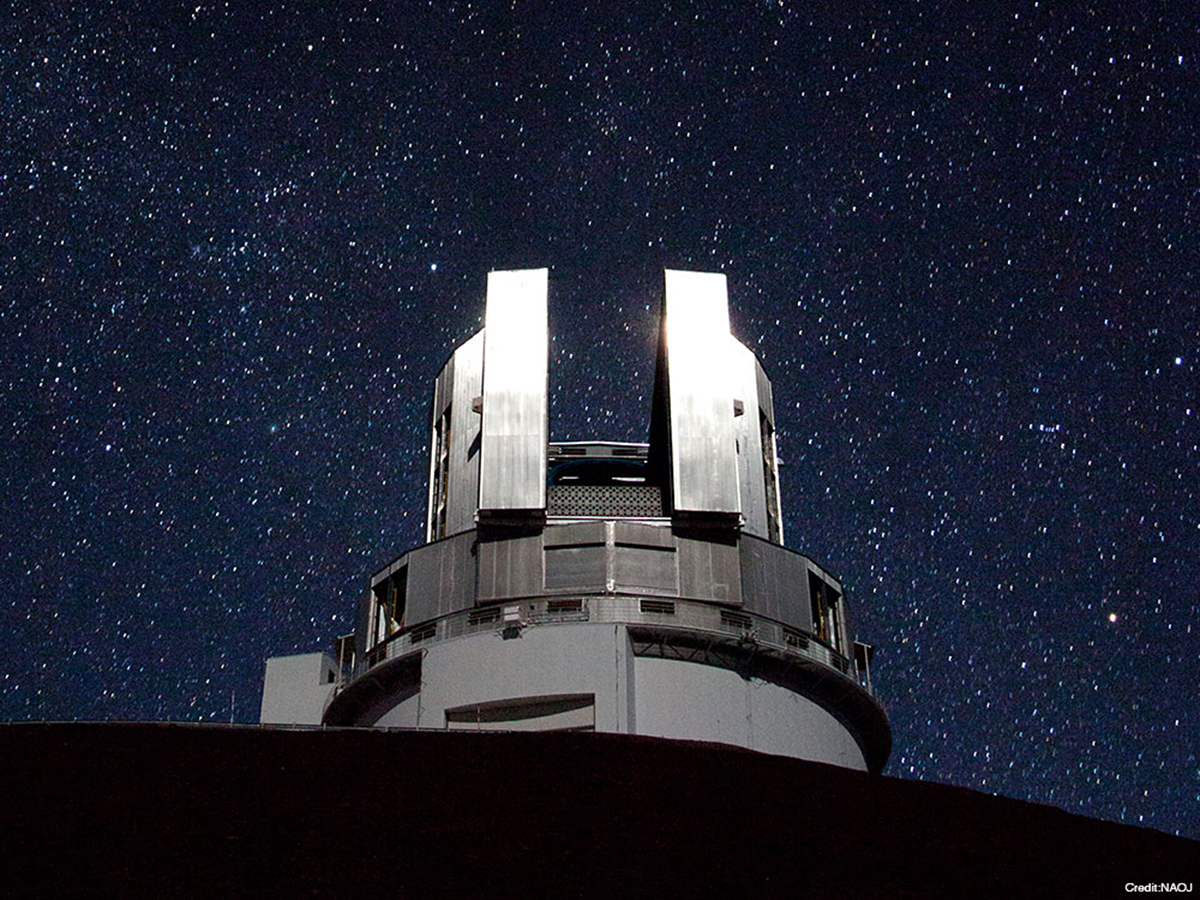
The Subaru Telescope, operated by the National Astronomical Observatory of Japan, sits alongside Keck on Mauna Kea. It has an 8.2-meter single-piece primary mirror, one of the largest monolithic mirrors in the world.
Subaru is known for its wide-field capabilities, thanks to instruments like the Hyper Suprime-Cam, which can image large areas of the sky with high resolution. This makes it especially effective for surveys of galaxies, dark matter distribution, and cosmic structure.
Subaru also contributes to exoplanet research and studies of the early universe. Its location at over 4,000 meters altitude provides stable, clear conditions ideal for astronomy. The telescope is part of international collaborations and often works in coordination with other observatories.
With ongoing upgrades to instruments and adaptive optics, Subaru remains a vital tool for large-scale surveys and detailed studies across a wide range of astronomical fields.
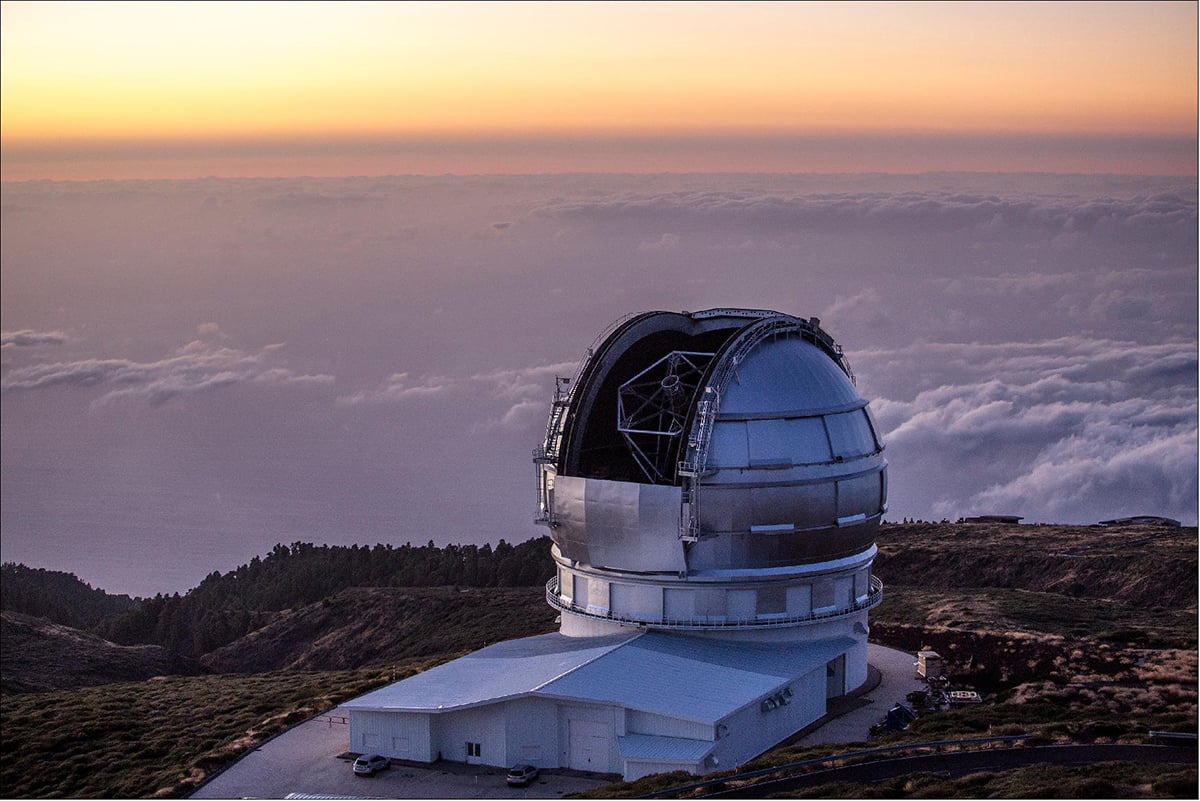
4. Gran Telescopio Canarias (GTC, Spain)
The Gran Telescopio Canarias, located on La Palma in the Canary Islands, is the world’s largest single-aperture optical telescope. Its primary mirror measures 10.4 meters across, made of 36 hexagonal segments. The observatory operates in the optical and near-infrared range and is equipped with advanced spectrographs and imaging instruments.
GTC has contributed to research on exoplanets, stellar populations, and distant galaxies. It also plays an important role in time-domain astronomy, monitoring supernovae and other transient events. The telescope’s location at the Roque de los Muchachos Observatory offers excellent sky conditions, with low light pollution and stable atmosphere.
GTC is an international project led by Spain with partners from Mexico and the United States. Its powerful capabilities make it one of the leading facilities for optical astronomy, delivering data that support research across many areas of astrophysics.
5. Atacama Large Millimeter/Submillimeter Array (ALMA, Chile)
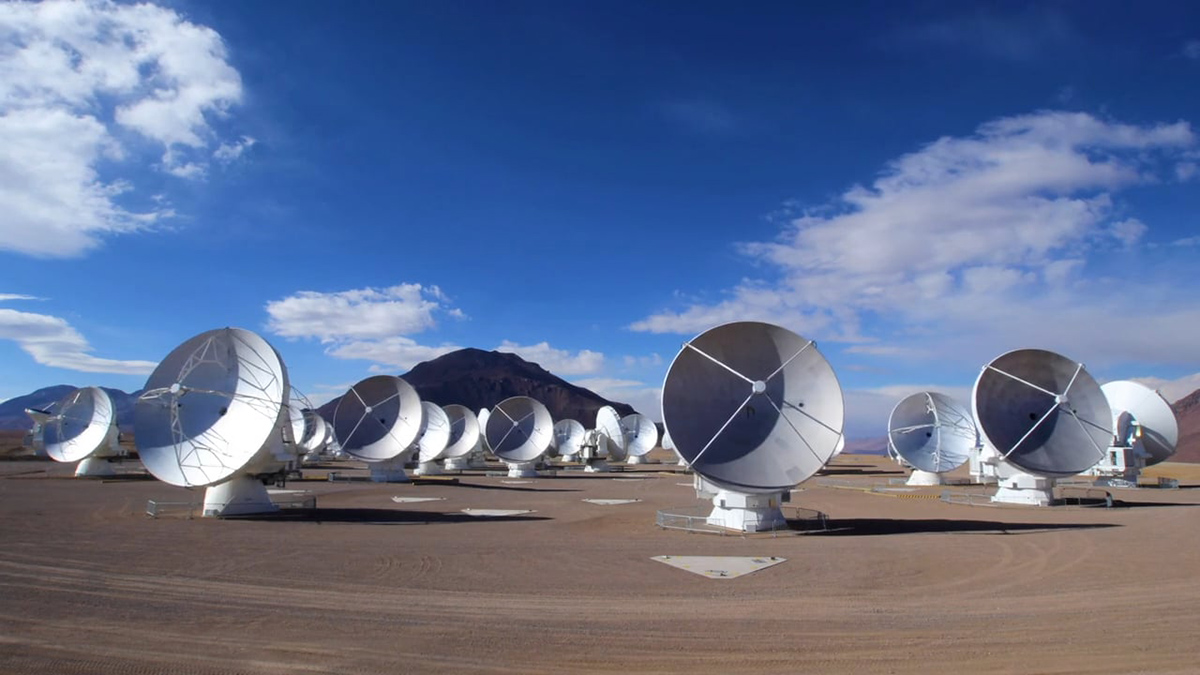
ALMA is the world’s most advanced radio observatory for millimeter and submillimeter wavelengths. Located on the Chajnantor Plateau in northern Chile at 5,000 meters, ALMA consists of 66 antennas that can be arranged over distances up to 16 kilometers.
By combining signals through interferometry, ALMA achieves extremely high resolution, equivalent to a telescope many kilometers wide. It studies cold regions of the universe, such as molecular clouds where stars and planets form.
ALMA has produced detailed images of protoplanetary disks, revealing gaps where planets are likely forming. It also investigates the chemistry of galaxies, the structure of galaxy clusters, and the distribution of gas in the early universe. Its high-altitude site provides dry, stable conditions essential for submillimeter observations.
ALMA operates as a partnership between Europe, North America, East Asia, and Chile. It continues to provide groundbreaking results in astrophysics and cosmology.
[Related reading: ALMA Photographs a Giant Cocoon around Stephenson 2 DFK 52]
6. Green Bank Telescope (USA)
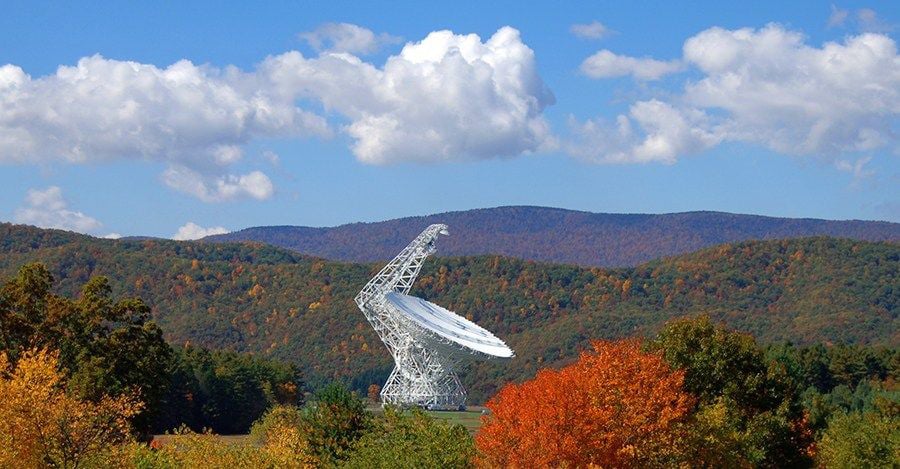
The Green Bank Telescope, located in West Virginia, is the world’s largest fully steerable radio telescope. Its dish measures 100 meters across and can point to nearly any part of the sky. The telescope operates across a wide range of radio frequencies, enabling studies of pulsars, interstellar gas, and galaxies. It has been used to search for signals from extraterrestrial civilizations as part of SETI projects.
The Green Bank Telescope also contributes to timing arrays that aim to detect low-frequency gravitational waves through pulsar observations. Its location within the National Radio Quiet Zone minimizes interference from human-made signals, ensuring sensitive measurements.
The telescope is operated by the Green Bank Observatory and continues to play a leading role in radio astronomy. Its versatility and sensitivity make it an essential instrument for both targeted studies and large-scale surveys of the universe.
7. FAST (China)
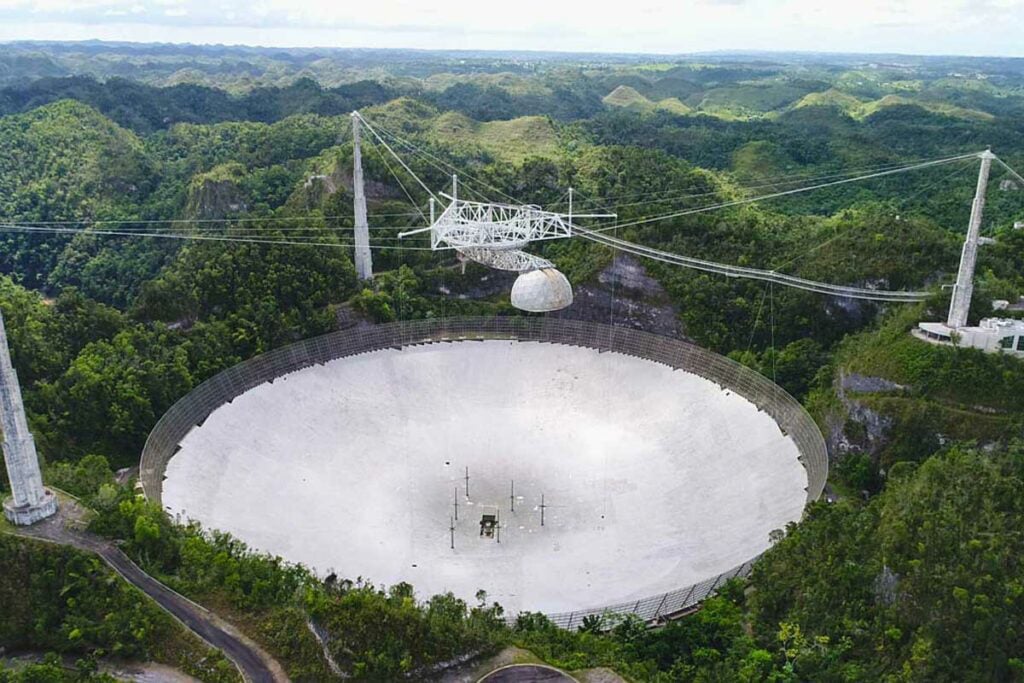
The Five-hundred-meter Aperture Spherical Telescope, or FAST, is the largest single-dish radio telescope in the world. Located in Guizhou Province, China, it has a dish 500 meters in diameter, built into a natural karst depression.
FAST operates in the frequency range of 70 MHz to 3 GHz, making it highly sensitive to faint radio signals. It can detect pulsars, study interstellar gas, and search for fast radio bursts, which are mysterious flashes of radio waves from deep space.
FAST has already discovered hundreds of new pulsars and contributes to research on gravitational waves and cosmic magnetism. Its immense size gives it unparalleled sensitivity, though its fixed design limits how far it can tilt.
The telescope is a national facility but welcomes international collaboration. FAST represents a major step forward in radio astronomy and continues to deliver important scientific discoveries.
8. Daniel K. Inouye Solar Telescope (DKIST)
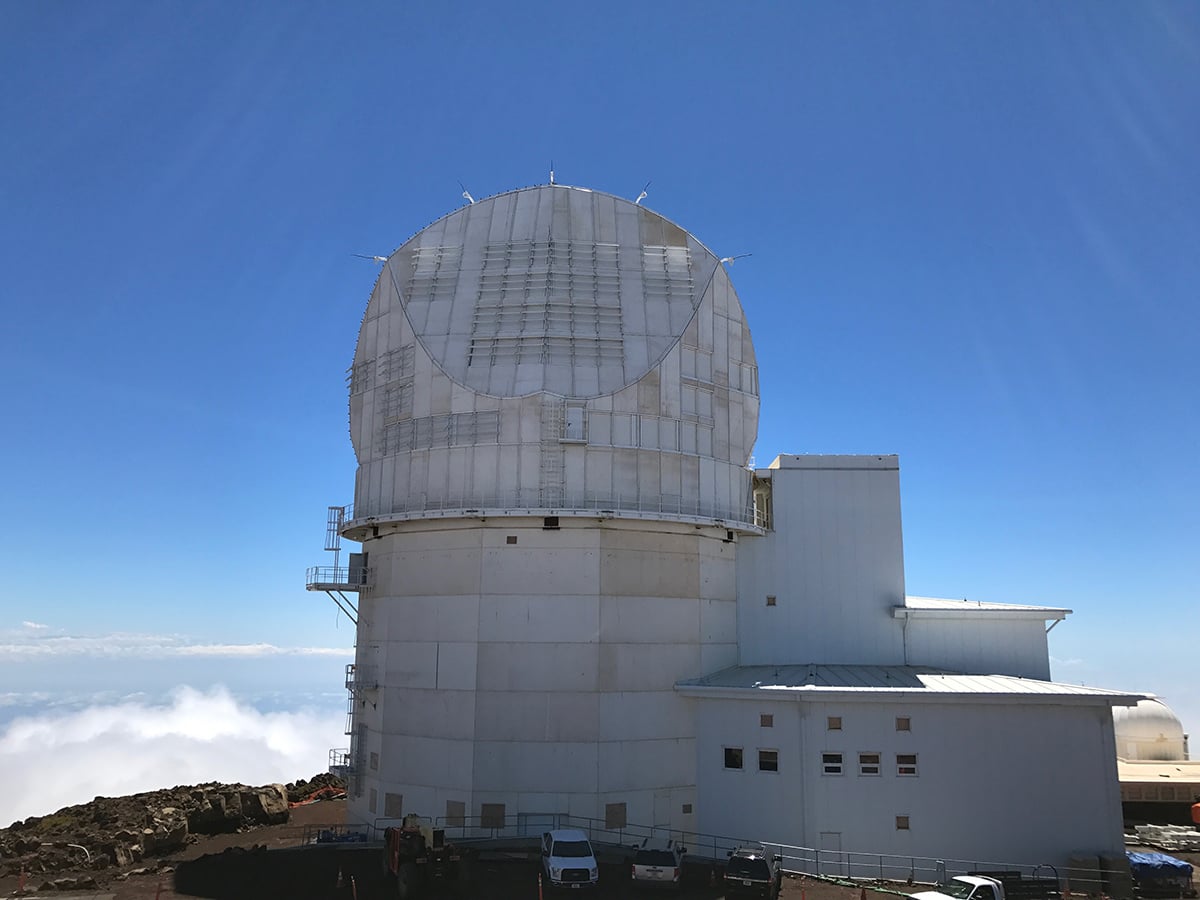
The Daniel K. Inouye Solar Telescope, located on the summit of Haleakalā in Hawai‘i, is the most advanced solar telescope in the world. With a 4-meter primary mirror, DKIST provides unprecedented resolution for studying the Sun’s atmosphere. It is designed to observe solar magnetic fields, which drive phenomena such as sunspots, flares, and coronal mass ejections.
The telescope operates at visible and near-infrared wavelengths and is equipped with state-of-the-art instruments, including spectropolarimeters and imaging spectrographs. Its adaptive optics system corrects for atmospheric turbulence, allowing scientists to resolve details on the Sun’s surface as small as 30 kilometers across.
DKIST’s data is vital for understanding the Sun’s influence on Earth, particularly space weather that affects satellites, power grids, and communication systems. Managed by NSF’s NOIRLab, DKIST represents a global effort in solar research and will serve as the cornerstone of solar physics for decades.
[Related reading: Here is the most detailed photo of the sun ever taken]
9. Magellan Telescopes (Chile)
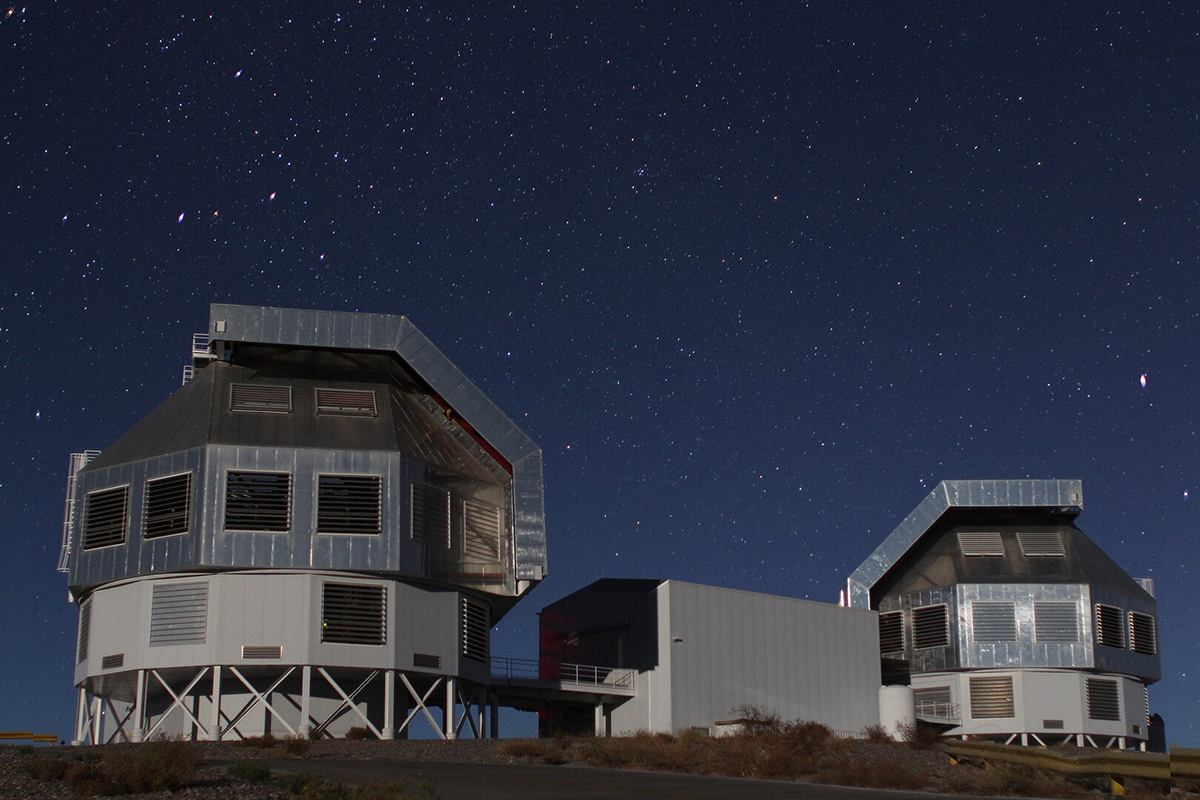
The Magellan Telescopes are twin 6.5-meter optical telescopes located at Las Campanas Observatory in Chile. Operated by a consortium of U.S. and international institutions, they provide high-quality imaging and spectroscopy in the optical and near-infrared ranges.
The observatory telescopes are equipped with advanced instruments, including adaptive optics systems that deliver sharp images by correcting atmospheric distortions. The Magellan Telescopes have been used for a wide range of studies, from the discovery and characterization of exoplanets to investigations of galaxy formation and evolution.
They also contribute to cosmology by measuring distant supernovae and studying large-scale structures. The observatory’s location offers dark, stable skies that are ideal for precision astronomy. The Magellan facilities remain highly productive, and their data support cutting-edge research across many branches of astrophysics.
10. Gemini Observatory (International Gemini Observatory, NOIRLab)
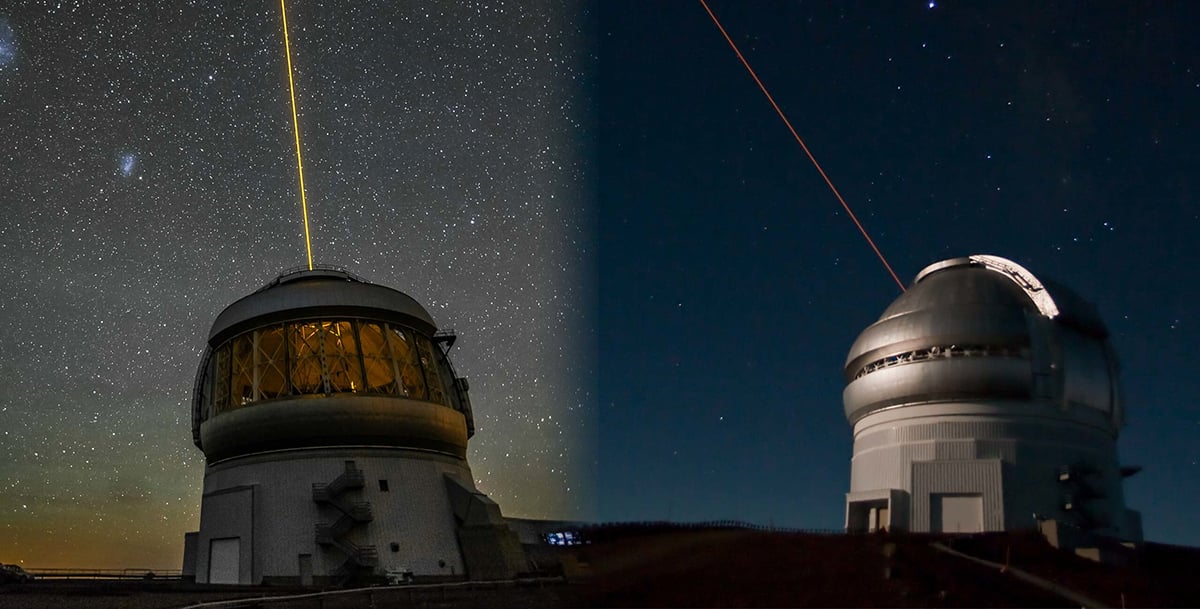
The International Gemini Observatory operates two identical 8.1-meter optical/infrared telescopes that view the entire sky from both hemispheres. Gemini North sits on Maunakea in Hawaiʻi. Gemini South stands on Cerro Pachón in Chile. The facility is operated by NSF’s NOIRLab, with international partners.
Each telescope uses a segmented meniscus primary mirror and precision altitude-azimuth mounting for stable, flexible tracking. A broad suite of imagers and spectrographs supports high-impact programs in exoplanets, galaxies, and time-domain astronomy. Adaptive optics systems sharpen images by correcting atmospheric blur.
At Gemini South, the GeMS multi-conjugate adaptive optics facility delivers wide-field, near-diffraction-limited imaging. The observatory regularly enables rapid follow-up of transient events and complements surveys across the spectrum. Its location, instrument flexibility, and open access model make it a cornerstone of modern ground-based astronomy.
Together, the twin telescopes continue to deliver competitive performance and reliable operations for the global community.
[Related reading: Gemini North Photographs the Interstellar Comet 3I/ATLAS]
Telescopes define how we explore the universe. Space observatories remove atmospheric blur and see wavelengths blocked at the ground. They track faint light from early galaxies, explosive transients, and energetic particles.
Ground-based facilities bring aperture, instrument variety, and rapid response. They deliver deep spectroscopy, precise imaging with adaptive optics, and wide-field surveys that map the sky at scale. Working together, these instruments create a complete picture.
A gamma-ray trigger in orbit can steer optical telescopes to a new transient within minutes. A radio array can trace cold gas while an infrared telescope studies star and planet formation in the same region. Astrometry guides exoplanet searches. X-ray timing reveals extreme physics around compact objects. Each platform adds a piece to the story, and the story moves quickly. The twenty observatory telescopes profiled here anchor that progress.
Clear skies!
See more from DIYPhotography.net on Google
Add DIYPhotography.net as a trusted source. This makes
our stories more likely to appear in your Google Search results.
 Add as a preferred source on Google

Soumyadeep Mukherjee
Soumyadeep Mukherjee is an award-winning astrophotographer from India. He has a doctorate degree in Linguistics. His work extends to the sub-genres of nightscape, deep sky, solar, lunar and optical phenomenon photography. He is also a photography educator and has conducted numerous workshops. His works have appeared in over 40 books & magazines including Astronomy, BBC Sky at Night, Sky & Telescope among others, and in various websites including National Geographic, NASA, Forbes. He was the first Indian to win “Astronomy Photographer of the Year” award in a major category.


Join the Discussion
DIYP Comment Policy
Be nice, be on-topic, no personal information or flames.