

















Fascinating Facts You Should Know About History of Photography
Jul 8, 2026
Alysa Gavilan
Alysa Gavilan has spent years exploring photography through photojournalism and street scenes. She enjoys working with both film and mirrorless cameras, and her fascination with the craft has grown over the decades. Inspired by Vivian Maier, she is drawn to capturing everyday moments that often go unnoticed.
Share:

Photography has a history filled with unexpected twists, strange inventions, and remarkable moments that still influence the way we take pictures today. While most people think the history of photography is simply a timeline of cameras becoming smaller and better, the real story is much more entertaining.
From the first selfie that took minutes to capture to cameras still sitting on the Moon, photography has always been driven by curiosity, experimentation, and a little bit of luck.
If you’ve ever searched “what is the history of photography,” these fascinating facts offer a fun way to understand how the medium evolved from its earliest days into the digital world we know today.
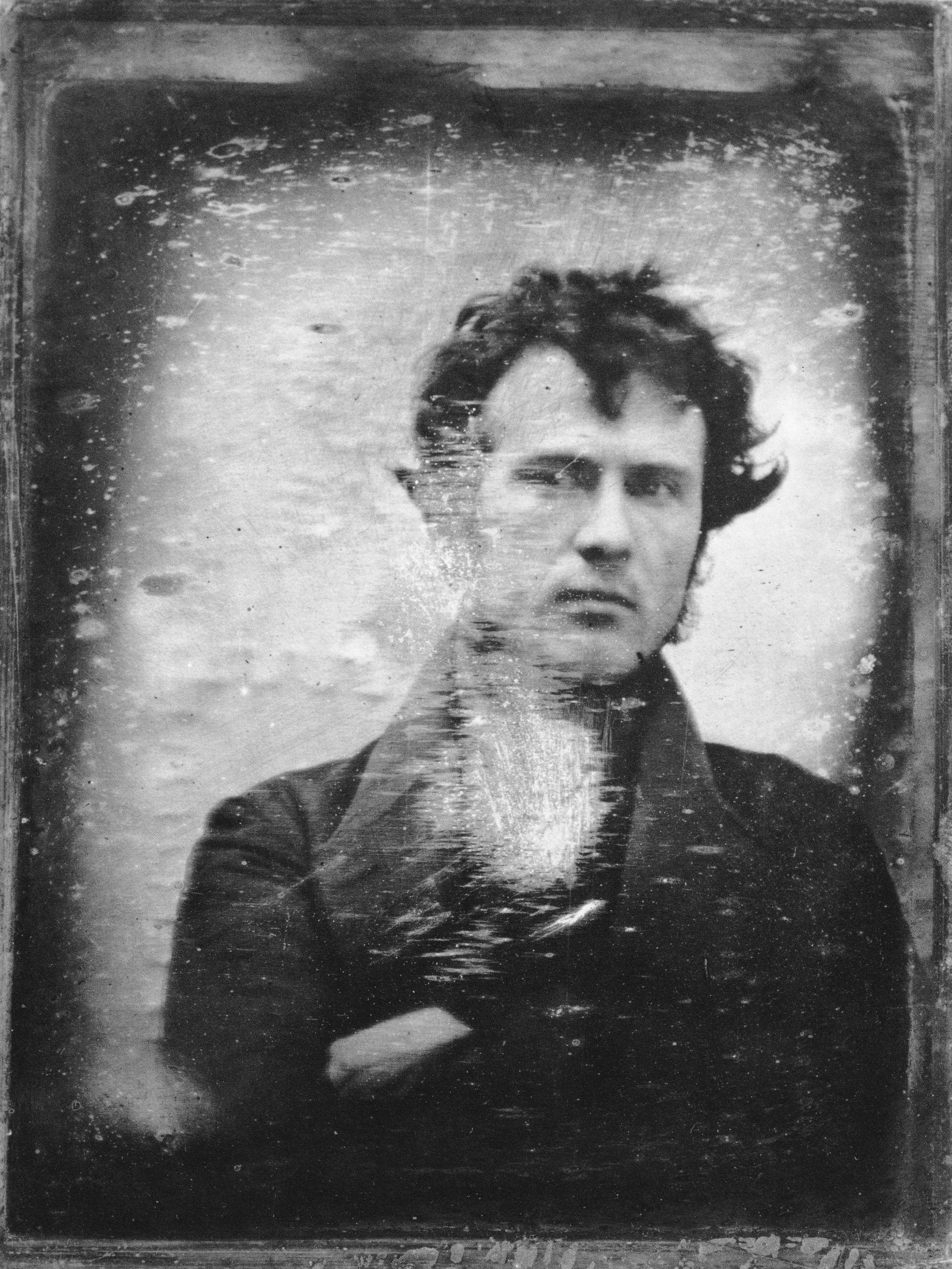
The First Selfie Took Several Minutes
Selfies are often seen as a modern invention, but photographers were turning the camera on themselves almost as soon as photography existed.
In 1839, American photographer Robert Cornelius created what is widely considered the first photographic self portrait. He uncovered the camera lens, ran into position, remained perfectly still for several minutes, then rushed back to end the exposure. The image survives today as one of photography’s earliest milestones.
Compared with today’s instant smartphone selfies, it is a reminder of just how much patience early photography required.
Early City Photos Made Crowds Disappear
Some of the oldest photographs of busy cities look strangely empty.
This was not because the streets lacked people. Early cameras needed exposure times that often lasted several minutes. Anyone walking through the frame moved too quickly to register clearly on the photographic plate, effectively vanishing from the image.
Only people who stayed in one place long enough appeared in the final photograph, creating the illusion of deserted streets.

Victorians Rarely Smiled for a Good Reason
One of the biggest myths in photography history is that people in the Victorian era never smiled because they were unhappy.
The real explanation is much more practical. Holding a smile for several seconds or even minutes during a long exposure was uncomfortable. Formal portraits also reflected the customs of the time, when serious expressions were associated with dignity and respect.
The familiar instruction to “say cheese” became popular much later as cameras became much faster.
Fake Ghost Photos Fooled Thousands
Photo manipulation did not begin with Photoshop.
In the late nineteenth century, photographers used double exposures and darkroom tricks to create ghostly figures that appeared beside their subjects. Known as spirit photography, these images convinced many grieving families that they had photographed deceased loved ones.
Investigators eventually exposed the techniques, making spirit photography one of history’s earliest examples of photographic deception.
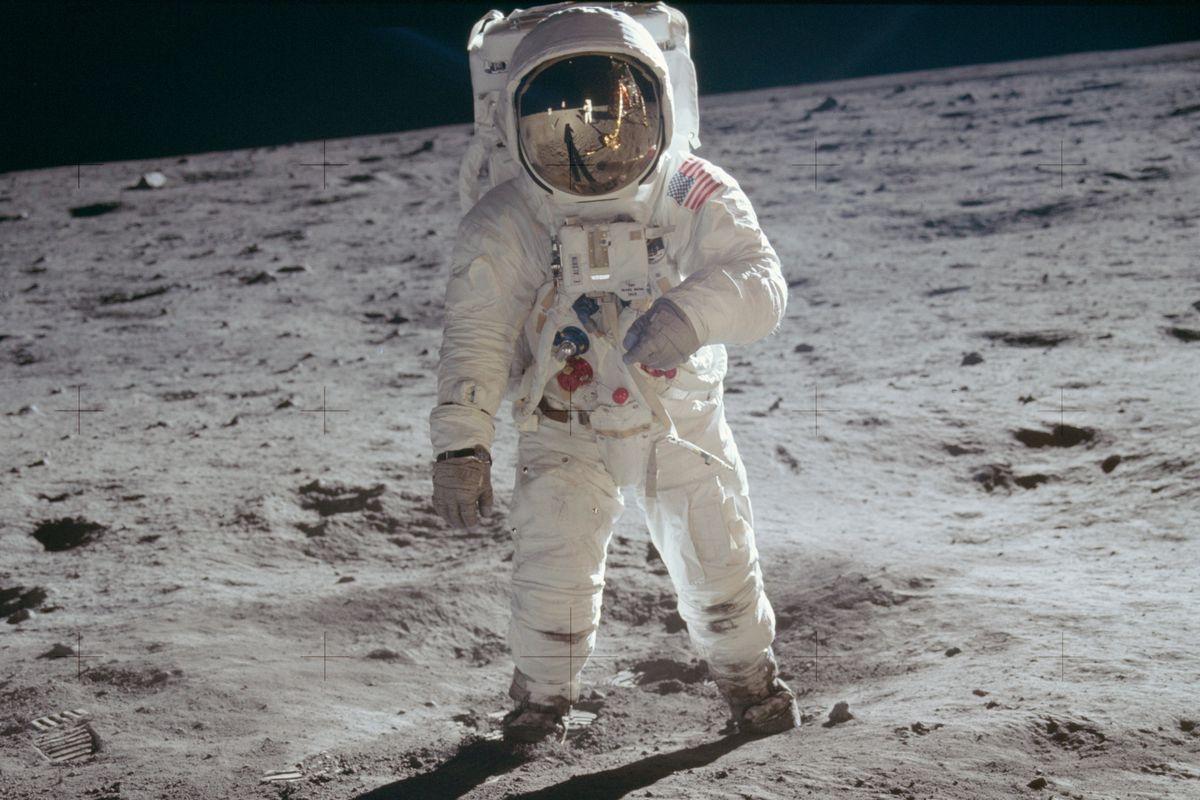
Cameras Are Still Sitting on the Moon
One of the strangest chapters in the history of photography is literally out of this world.
During the Apollo missions, astronauts used specially modified Hasselblad cameras to document the lunar surface. To reduce weight before returning to Earth, they brought home the film magazines but left many of the camera bodies behind.
Those cameras remain on the Moon today.
The First Digital Camera Weighed Almost Eight Pounds
Digital photography began with a camera that looked nothing like the sleek devices we use today.
Kodak engineer Steven Sasson built the first digital camera prototype in 1975. It weighed nearly eight pounds, captured a black and white image at just 100 by 100 pixels, and needed about 23 seconds to save a single photo onto a cassette tape.
Despite its modest specifications, it laid the foundation for every digital camera that followed.

Instant Photography Started With a Child’s Question
Sometimes major inventions begin with surprisingly simple conversations.
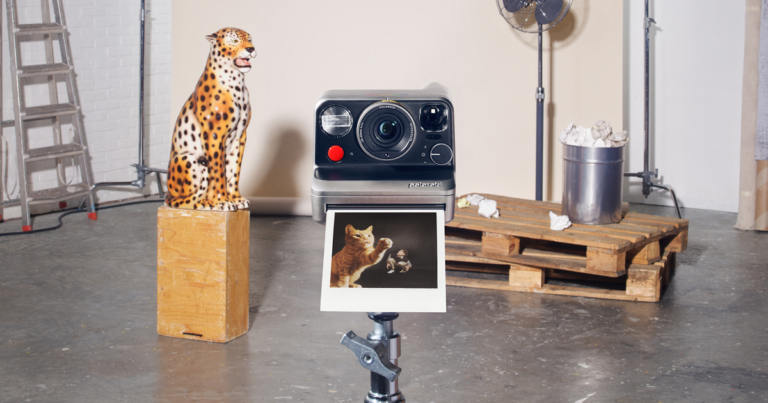
In 1943, inventor Edwin Land was photographing his family when his young daughter asked why she could not immediately see the picture. That question inspired him to develop instant photography.
Five years later, the first commercial Polaroid camera changed photography by allowing people to watch their images appear within minutes.
The World’s Most Expensive Camera Is Nearly a Century Old
Photography history is also filled with valuable collectibles.
In 2022, a rare Leica 0 Series prototype built in 1923 sold for more than €14 million at auction, making it one of the most expensive cameras ever sold.
Only a small number of these prototypes were produced before Leica transformed photography with compact 35mm cameras.

Painters Once Feared Photography Would Replace Art
Concerns about new technology disrupting creativity are nothing new.
When photography became popular in the nineteenth century, some artists worried cameras would make painting obsolete. Instead, photography established itself as its own artistic and documentary medium while painting evolved into new styles such as Impressionism.
History has repeatedly shown that creative tools often expand artistic possibilities rather than eliminate existing forms of expression.
The First Photobombs Happened Long Before Social Media
Photobombing is much older than Instagram.
Long exposure times meant anyone who wandered into a scene and remained visible long enough could accidentally become part of the final photograph. Some early street photographs include unidentified people who unintentionally found themselves preserved in history.
Those unexpected appearances may be photography’s earliest photobombs.
Photography’s History Is Full of Surprises
Understanding the history of photography is about much more than memorizing dates or camera models. It is a story of inventors solving impossible problems, artists adapting to new technology, and photographers constantly finding creative ways to capture the world around them.
The next time you press the shutter, remember that you are continuing a story that began nearly 200 years ago, and its next surprising chapter may already be unfolding.
See more from DIYPhotography.net on Google
Add DIYPhotography.net as a trusted source. This makes
our stories more likely to appear in your Google Search results.
 Add as a preferred source on Google

Alysa Gavilan
Alysa Gavilan has spent years exploring photography through photojournalism and street scenes. She enjoys working with both film and mirrorless cameras, and her fascination with the craft has grown over the decades. Inspired by Vivian Maier, she is drawn to capturing everyday moments that often go unnoticed.
Related Posts
 When Was Photography Invented? The Fascinating History of the First Cameras and Photographs
 History.JPG: The American Museum of Natural History Digitizes its Photography Collection for Online Public Access
 The Most Interesting Facts About Photography You Need to Know
 Completely Useless and Extremely Interesting Photography Facts You Didn’t Know You Needed
Join the Discussion
DIYP Comment Policy
Be nice, be on-topic, no personal information or flames.