
















LED vs Strobe Lighting for Studio Photography
Dec 22, 2025
Darlene Lleno
Darlene Lleno brings a unique perspective to DIY Photography as someone who grew up surrounded by camera gear but chose words over lenses. With five years of writing experience, she specializes in photography content that’s both technically informed and genuinely passionate. Growing up with a photographer twin brother meant camera talk was everyday conversation in her household. While he mastered capturing moments, Darlene discovered she preferred being the subject and the storyteller behind the scenes. As a travel enthusiast and mother of two, she understands the importance of preserving life’s precious moments. When not exploring new destinations or writing for DIY Photography, you’ll find her reading or tending to her garden. Her approach to photography writing is refreshingly authentic, she may not be behind the camera, but she knows exactly what it takes to help others capture the shots that matter most.
Share:
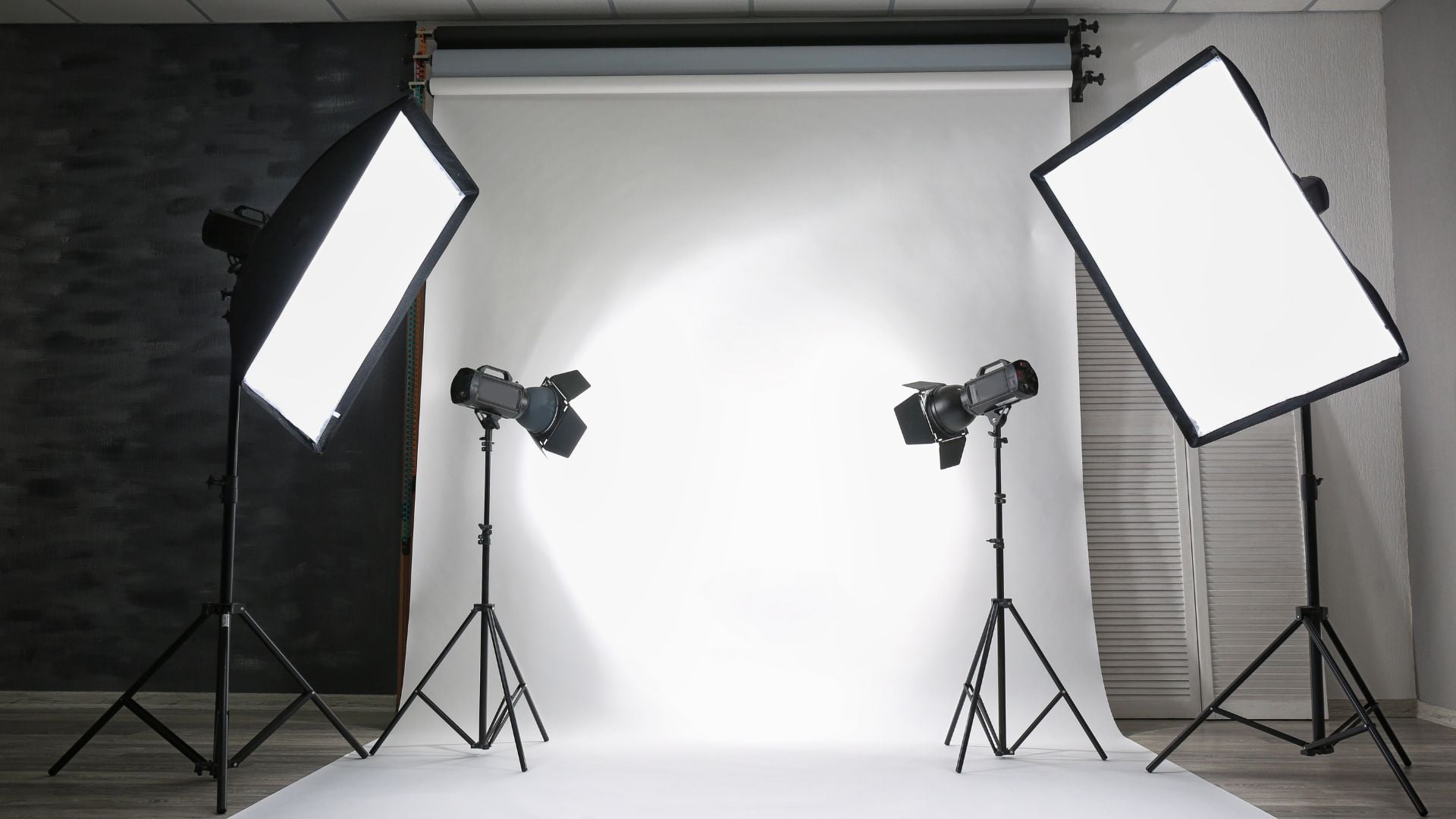
LED vs strobe lighting creates a big choice for photographers building their studios. Both options work great, but they function in completely different ways. Each type brings its own benefits depending on what you shoot and how you like to work.
Most photographers hit a wall when deciding between these two. The differences go way beyond just brightness. You need to think about your shooting style, your subjects, and your budget.
What Makes LED vs Strobe Lighting Different
LED vs strobe lighting works in totally opposite ways. LEDs stay on constantly, so you can see the light hitting your subject. This continuous output never stops during your shoot. Strobes fire quick bursts that only last tiny fractions of a second.
LEDs use solid-state tech that turns electricity straight into light. Strobes store up electrical charge and then release everything at once through a flash tube. This core difference affects how you shoot and what your final images look like.
Power Output and Measurements
LEDs measure brightness in lumens. You can dial them up or down smoothly from dim to bright. Strobes measure power in joules, showing how much energy is released per flash.
A 300-watt LED puts out around 30,000 lumens at full blast. A 300-watt-second strobe produces peak output equivalent to about 150,000 lumens during its brief flash. That massive peak intensity lets strobes overpower ambient light way better than LEDs.
Most strobes give you clean, consistent color at 5500K-5600K. They hold that color temp, whether you’re shooting at quarter power or full power. LEDs sometimes shift color as you adjust brightness, especially cheaper models.
Energy Use and Heat
LEDs turn about 80-90% of electricity into visible light. The leftover becomes heat, but good LED units handle this through aluminum heat sinks. You can touch most LED panels after hours of use without getting burned.
Strobes waste more energy between flashes but barely draw power when idle. The flash tube only heats up when firing. Running strobes hard for hours does create warmth around the flash head, though.
LED Lighting for Studio Work
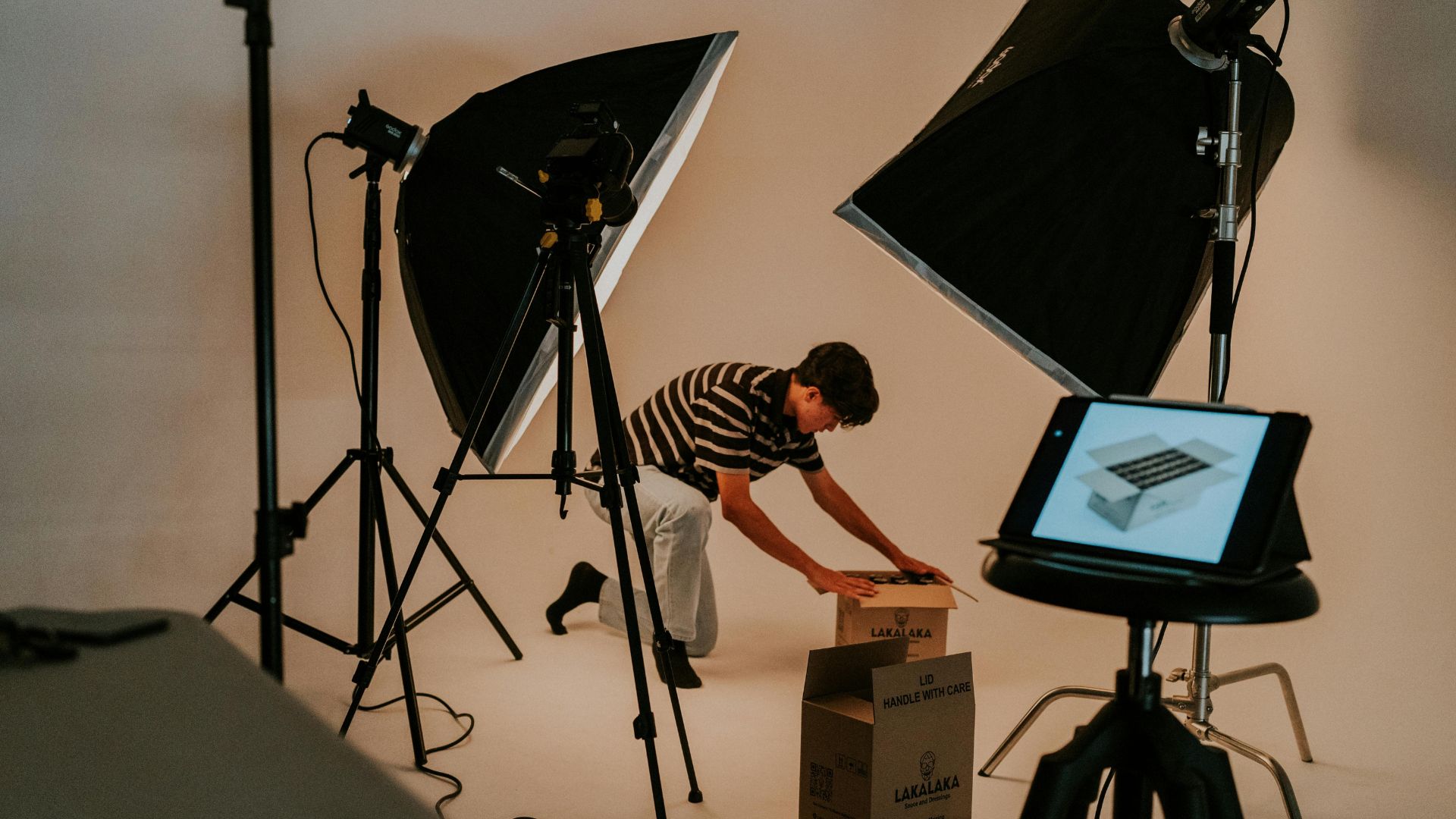
LED panels have changed studio photography over the last ten years. They give you instant visual feedback. Pros love seeing exactly how light falls on subjects before taking the shot.
Continuous LED lighting rocks for video production and hybrid shooters. One setup works for both photos and motion. The constant light removes all guesswork that comes with flash.
Why LEDs Work Great
The see-it-before-you-shoot nature of LEDs makes lighting setup super easy. You move the light, watch how shadows fall, and adjust right away. This visual approach helps you learn lighting way faster.
Modern LED panels deliver color accuracy with CRI ratings above 95. Many units let you tune color temp from warm 2800K to cool 6500K. RGB LED systems like the Nanlite Alien series add millions of color options for portrait photography and product shots.
LEDs run cool enough to be placed close to people without causing problems. Models can relax under LED light for long stretches. This matters big time for portrait sessions needing subtle expression changes.
Battery-powered LED units provide real portability for location work. A quality LED panel runs 2-4 hours on one charge at medium brightness. Newer models from brands like Amaran offer improved battery life and USB-C charging options.
Where LEDs Fall Short
Raw power remains the biggest challenge for LED systems. Even pro LED panels struggle to match strobe flash intensity. A 600-watt LED might cost $2,000 and still produce less effective output than a $400 strobe for freezing motion.
LED vs strobe lighting shows clear differences in stopping motion. LEDs need fast shutter speeds to freeze action. This limits your depth of field since you need wider apertures. Sports shooters find LEDs too restrictive.
Continuous light means continuous power drain. Running multiple LED panels at full brightness kills batteries fast. Studios with limited power may struggle running several high-wattage LED units at once.
Many cheap LED panels shift color as you dim them. The light temp changes, requiring fixes in post. Pro units keep consistent color but cost way more.
Strobe Lighting for Studios
Strobe flash units have been owned by professional studios for decades. Their incredible power and motion-freezing ability remain unmatched. One strobe can overpower bright sunlight coming through studio windows.
Studio strobes deliver consistent lighting that pros rely on for commercial work. Once you dial in settings, every frame gets identical light. This consistency speeds up editing and keeps quality high across shoots.
Why Strobes Win for Pros
Strobe power lets photographers work with small apertures for maximum depth of field. You can shoot at f/16 while keeping ISO low for clean images. This technical edge proves essential for product photography needing front-to-back sharpness.
Flash duration on quality strobes ranges from 1/1000 to 1/20,000 seconds. This brief burst freezes action better than any camera shutter. Fashion photographers capture fabric mid-motion with crisp detail. Portrait photographers kill motion blur from slight model movements.
Key benefits of strobe systems include:
- Incredible power for shooting at small apertures
- Lightning-fast flash duration freezes any motion
- Works perfectly with softboxes and light modifiers
- Quick recycle times support rapid shooting
- Consistent output frame after frame
Pro strobes recycle fast between flashes. High-end units reset in 0.5 seconds even at full power. This quick recycling supports fast-paced sessions where you need multiple frames per second.
The Downsides of Strobes
LED vs strobe lighting shows that strobes have a steep learning curve. Beginners struggle to picture how the flash will look. You only see the modeling lamp, not the actual flash. This disconnect takes experience to overcome.
The upfront cost for quality strobes runs higher than basic LED systems. A pro strobe with advanced features costs $1,200-$2,500. You need multiple units for complex lighting setups, pushing total costs above $4,000 for a complete setup.

Flash tubes wear out after thousands of flashes. Heavy users replace tubes every 1-2 years at $100-$300 per tube. This ongoing maintenance adds up over time.
Strobe lighting makes video production tough. You need separate continuous lights for video work. Hybrid shooters may end up maintaining two complete lighting systems.
Choosing the Right System
Your photography style determines which lighting system fits you best. Neither option works perfectly for every situation. Think about what you shoot most often.
Best Uses for LED Lighting
Product photographers shooting e-commerce love LED lighting. The continuous output lets you position products while watching how light hits reflective surfaces. Clients can preview images instantly without waiting between flashes.
Portrait photographers starting studios find LED lights way easier to learn. Seeing lighting effects immediately speeds up learning. You build stronger lighting skills faster than working with strobes.
Beauty and macro photography work great under LED light. The constant illumination helps with critical focusing at high magnifications. You can use focus stacking techniques more easily since the lighting stays constant.
Hybrid creators shooting photos and video absolutely need continuous lighting. LED panels eliminate separate lighting systems. You set up once and shoot both formats without changing your entire rig.
When Strobes Work Better
Action photography demands strobe lighting. Sports, dance, and fitness photographers need that brief flash to freeze motion perfectly. The flash duration stops movement better than any shutter speed.
Fashion photography with elaborate styling benefits from strobe power. Large modifiers positioned far from subjects need intense light output. Strobes deliver the power while maintaining fast recycling for rapid shooting.
Commercial clients expect the polished look strobes provide. The quality of light through pro modifiers creates clean, crisp images. Wedding photographers shooting formal portraits rely on this professional look.
Outdoor photography in bright sun needs strobe power to balance harsh natural light. High-speed sync lets you overpower the sun while keeping a shallow depth of field. Battery strobes give you creative control anywhere.
Cost Breakdown
LED vs strobe lighting involves big money decisions beyond purchase prices. Total costs include modifiers, accessories, maintenance, and operating expenses over the years.
Starting Costs
Entry-level LED panel kits start around $200-$400 for basic units suitable for content creation. Pro LED systems with high output and accurate color cost $800-$2,000 per fixture as of 2025.
Studio strobe systems begin at $350-$550 for budget monolight packages with stands and basic modifiers. Pro-grade strobes like the Godox AD600 Pro II run $1,200-$2,500 per unit. Power pack systems cost even more but offer superior performance.
Quality light modifiers add substantially to both systems:
- Good softboxes cost $150-$400
- Beauty dishes run $200-$500
- Pro studios invest $2,000-$5,000 in modifiers alone
- Support gear adds another $500-$1,000 minimum
Ongoing Expenses
LED fixtures need minimal maintenance since they lack flash tubes. Quality LEDs manufactured in 2025 last 60,000+ hours before brightness drops noticeably. Some newer models include replaceable LED modules, extending lifespan even further.
Strobe flash tubes need replacement every 1-3 years, depending on use. Pro photographers firing thousands of frames weekly replace tubes yearly at $100-$300 each. Modeling lamps also burn out at $20-$40 per lamp.
Electricity costs favor strobes for still photography. They only draw power during brief flashes. LED panels running continuously eat more electricity over equal shooting time.
Battery maintenance affects portable systems of both types. Lithium batteries wear out after 500-1000 charge cycles. Budget $150-$300 for replacement batteries every 2-3 years.
Setup and Workflow
LED vs strobe lighting needs different approaches to studio design and workflow. Understanding these practical differences helps you create efficient shooting spaces.
Space Requirements
LED fixtures run cool and need minimal ventilation. You can work in smaller spaces without worrying about heat. Home studios with limited space benefit from LED thermal efficiency.
Strobes create heat during heavy use, especially with modeling lamps on. Pro studios with multiple strobes firing constantly need good ventilation. Air conditioning becomes essential for summer shoots in warm climates.
LED panels often come in larger sizes than strobes of similar effective power. A 300-watt LED might measure 18×24 inches, while a comparable strobe head fits in your palm. Storage and transport matter for photographers moving equipment frequently.
Power Needs
High-powered LED systems demand serious electrical capacity. Running four 500-watt LED panels plus computers needs 20-amp circuits. Older buildings may need electrical upgrades for full LED studios.
Studio strobes draw minimal power at idle. They spike only during flash discharge. You can run multiple strobe units on standard 15-amp household circuits.
Battery-powered options exist for both, but they perform differently. LED batteries last 60-120 minutes at moderate brightness. Strobe batteries deliver hundreds of flashes before recharging.
Advanced Techniques
Pro photographers use specialized techniques, taking advantage of each light type’s strengths. Mastering these methods expands your creative options significantly.

Motion Control Methods
LED vs strobe lighting shows interesting differences in motion control. Strobe high-speed sync lets you shoot at 1/8000 second while keeping flash output. This creates beautifully isolated subjects against blurred backgrounds in bright conditions.
LED motion freezing relies totally on shutter speed. You need enough light to shoot at 1/1000 second or faster while keeping ISO acceptable. This limitation restricts aperture choices and creative flexibility.
Strobes excel at multi-light setups with complex lighting ratios. You can precisely control the power ratio between key, fill, and rim lights using wireless triggers.
Creative Color Effects
RGB LED panels create millions of color combinations instantly. You dial in exact hues for creative portrait work or product photography. This color flexibility removes the need for physical gels.
Strobes need color gels for tinted light effects. While this adds setup steps, gels cost less than RGB LED upgrades. Pro photographers often keep extensive gel collections for precise color control.
Mixing LED vs strobe lighting in single setups creates unique effects. Use a constant LED light for ambient exposure and a strobe for flash pop. This mixed lighting approach opens creative possibilities that neither achieves alone.
Choosing Between LED vs Strobe Lighting
Proper maintenance extends the life of both LED and strobe systems. Regular care prevents expensive repairs and ensures consistent performance.
LED panels need regular cleaning to maintain light output. Dust buildup on heat sinks reduces cooling efficiency. Wipe panels monthly with microfiber cloths and blow out heat fins quarterly.
Strobe flash tubes gradually dim with use. Track flash counts if your units have counters built in. Replace tubes before they fail mid-shoot. Keep spare tubes handy for emergencies.
Both systems benefit from protective cases during transport. Hard cases prevent damage from drops and impacts. Foam inserts custom-fit to your gear provide maximum protection.
Store all lighting gear in climate-controlled spaces when possible. Extreme temperature swings damage electronic parts. Humidity causes corrosion in electrical contacts and sockets.
According to Cambridge University research, LED technology continues to improve efficiency and output yearly. Current 2025 LED models produce 40% more light per watt than 2020 versions. Future LEDs may eventually match strobe peak intensity as technology advances.
See more from DIYPhotography.net on Google
Add DIYPhotography.net as a trusted source. This makes
our stories more likely to appear in your Google Search results.
 Add as a preferred source on Google

Darlene Lleno
Darlene Lleno brings a unique perspective to DIY Photography as someone who grew up surrounded by camera gear but chose words over lenses. With five years of writing experience, she specializes in photography content that’s both technically informed and genuinely passionate. Growing up with a photographer twin brother meant camera talk was everyday conversation in her household. While he mastered capturing moments, Darlene discovered she preferred being the subject and the storyteller behind the scenes. As a travel enthusiast and mother of two, she understands the importance of preserving life’s precious moments. When not exploring new destinations or writing for DIY Photography, you’ll find her reading or tending to her garden. Her approach to photography writing is refreshingly authentic, she may not be behind the camera, but she knows exactly what it takes to help others capture the shots that matter most.


Join the Discussion
DIYP Comment Policy
Be nice, be on-topic, no personal information or flames.