




















Imperfect Photos Are Trending in 2026: Why Raw Beats Perfect
Feb 10, 2026
Alysa Gavilan
Alysa Gavilan has spent years exploring photography through photojournalism and street scenes. She enjoys working with both film and mirrorless cameras, and her fascination with the craft has grown over the decades. Inspired by Vivian Maier, she is drawn to capturing everyday moments that often go unnoticed.
Share:

In 2026, imperfect photos are reshaping what it means to make meaningful imagery.
The sharp, polished aesthetic that dominated social feeds and studio galleries for years is giving way to images that feel raw, human, and distinctly real. This shift shows up in blurred motion, candid expression, unpolished lighting, and visual storytelling that values authenticity over technical perfection.
The Photography in Design Trend Report for 2025 report even highlights this movement toward candid and less perfected styles as a defining trend, showing that audiences now crave honesty and personal connection in images over staged, flawless results.
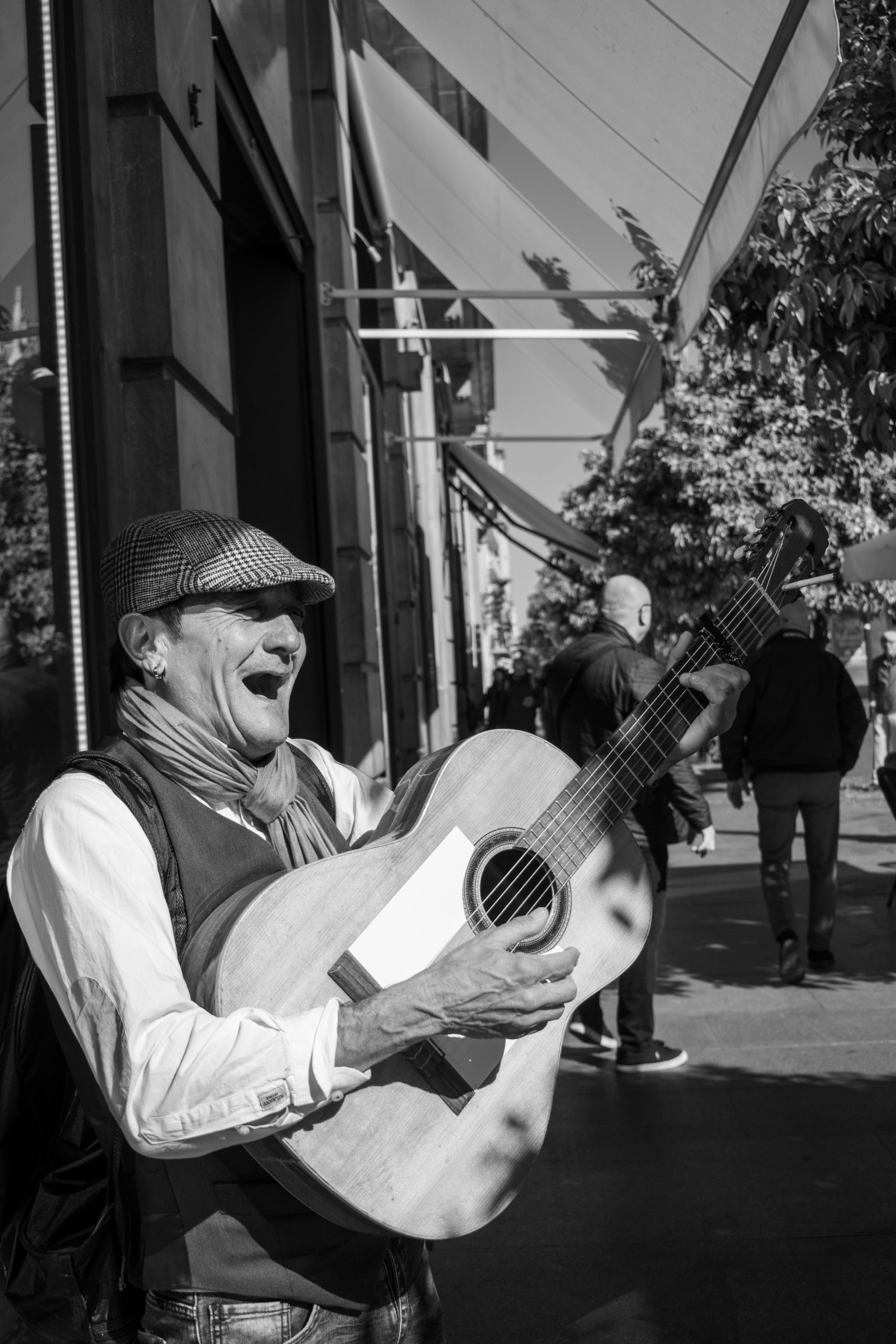
Real Moments Resonate With Viewers More Strongly
One of the most consistent reasons imperfect photos are winning is that audiences connect with them on an emotional level. Photos that catch natural expression and unguarded moments often feel more relatable than images that are carefully posed or heavily edited.
The Photography Trends 2025 report notes that candid photography is trending because it feels genuine and immediate, creating a sense of trust with viewers.
You might notice this when a slightly out‑of‑focus image makes you feel like you were there, capturing that moment exactly as it happened. These imperfections, once seen as technical flaws, are now part of how stories are told visually.
With smartphone feeds overflowing with polished images, a raw, unfiltered moment stands out and creates deeper engagement. That emotional resonance is becoming a key factor in how photographers approach image capture and presentation.
Imperfect Techniques Create Stronger Visual Character
In 2026, photographers are intentionally using what were once considered mistakes to add style and character to images.
Motion blur, grainy textures, and even overexposed highlights are showing up more often because they convey mood and movement in ways that crisp images cannot.
These visual imperfections help communicate a sense of place and moment that polished imagery often suppresses. A handheld shot in low light that introduces blur can express chaos, energy, or spontaneity. Grain can lend a mood that feels tactile and emotional. These techniques are not errors but tools for creative visual communication.

Social Platforms Reward Unrehearsed Imagery
Social media platforms continue to influence what kinds of photography get the most attention. Algorithms do not explicitly prefer imperfection over perfection, but they do reward engagement. Candid, imperfect photos tend to generate more comments and shares because they feel relatable and authentic.
When you post a spontaneous image with emotional depth, people are more likely to respond because they see themselves in those moments. These images often invite personal conversation, making them perform better than slick, overly produced shots that can feel distant or impersonal.
Because feeds move quickly, images that feel genuine are more likely to pause a viewer’s scroll and invite a tap or comment. As photography trends shift, unpolished aesthetics are part of how creators build visual connections online and distinguish their work from highly edited content that blends into the background.
Imperfection Reflects Cultural Shifts In Storytelling
Photography trends reflect broader cultural movements, and in 2026 those movements favor honesty and complexity. People increasingly reject highly staged, artificial presentations in favor of representation that feels true to life.
Audiences today are surrounded by polished content everywhere they look. In response, photographers are embracing imperfection as a visual language that feels more aligned with personal experience. Whether you are documenting ordinary life, editorial subjects, or travel stories, images that feel candid tell a narrative that is more human and emotionally resonant.
This shift also shows up in the rising popularity of styles such as abstract texture and dark, moody imagery, which emphasize design and atmosphere over perfect exposure or symmetrical composition. These techniques signal a desire to go beyond the surface and explore deeper layers of visual expression.

Imperfect Photos Help Define The Photographer’s Voice
In a world where many images now look technically similar because of powerful lenses and advanced processing, imperfection becomes a way for photographers to develop a distinct visual voice.
You can use blur, dynamic range quirks, off‑center composition, and raw color to communicate your artistic identity in a way that stands apart from purely technical achievement.
Instead of uploading flawlessly edited photos that could be mistaken for any other photographer’s work, capturing images that reflect your personal perspective helps you build a recognizable style. Imperfect photos can showcase the narrative you want to tell, grounded in your experience and creative intent.
This trend toward creative imperfection is not about rejecting skill. Instead, it is about using skill to shape imagery that feels intentional and expressive. Photographers increasingly use their understanding of light, framing, and timing to create images where imperfection enhances meaning rather than detracts from quality.
Imperfect Imagery Encourages Creative Risk‑Taking
Finally, embracing imperfection encourages you to take creative risks that elevate your work. When perfection is not the only goal, you are freer to explore unusual angles, spontaneous moments, and experimental techniques that might otherwise be dismissed as mistakes.
For example, capturing motion blur in low light or using flare and grain as compositional elements can lead to images that feel fresh and unexpected. These choices expand your visual vocabulary and help you develop new ways of seeing.
The acceptance of imperfection as a trend opens the door for photographers to innovate, break rules, and push boundaries. This experimental mindset is key to evolving your art form and connecting with audiences who are drawn to imagery that feels genuine, expressive, and emotionally rich.

Imperfect Photos Are Redefining Excellence In 2026
In 2026, imperfect photos are winning because they reflect how people want to see and share visual stories. They resonate emotionally, stand out on social platforms, and allow photographers to express creativity beyond technical precision.
As photography continues to evolve, embracing imperfection can help you tell stories that feel real and memorable. Imperfect photos are definitely not a sign of lack of skill. If anything, they are a deliberate choice that reflects your perspective and intention.
In a world full of flawless visuals, imperfect imagery often feels more human, more evocative, and ultimately more powerful.
See more from DIYPhotography.net on Google
Add DIYPhotography.net as a trusted source. This makes
our stories more likely to appear in your Google Search results.
 Add as a preferred source on Google

Alysa Gavilan
Alysa Gavilan has spent years exploring photography through photojournalism and street scenes. She enjoys working with both film and mirrorless cameras, and her fascination with the craft has grown over the decades. Inspired by Vivian Maier, she is drawn to capturing everyday moments that often go unnoticed.




Join the Discussion
DIYP Comment Policy
Be nice, be on-topic, no personal information or flames.