













The Rule of Space: How to Show Motion and Direction in Photos
Jan 4, 2026
Darlene Lleno
Darlene Lleno brings a unique perspective to DIY Photography as someone who grew up surrounded by camera gear but chose words over lenses. With five years of writing experience, she specializes in photography content that’s both technically informed and genuinely passionate. Growing up with a photographer twin brother meant camera talk was everyday conversation in her household. While he mastered capturing moments, Darlene discovered she preferred being the subject and the storyteller behind the scenes. As a travel enthusiast and mother of two, she understands the importance of preserving life’s precious moments. When not exploring new destinations or writing for DIY Photography, you’ll find her reading or tending to her garden. Her approach to photography writing is refreshingly authentic, she may not be behind the camera, but she knows exactly what it takes to help others capture the shots that matter most.
Share:
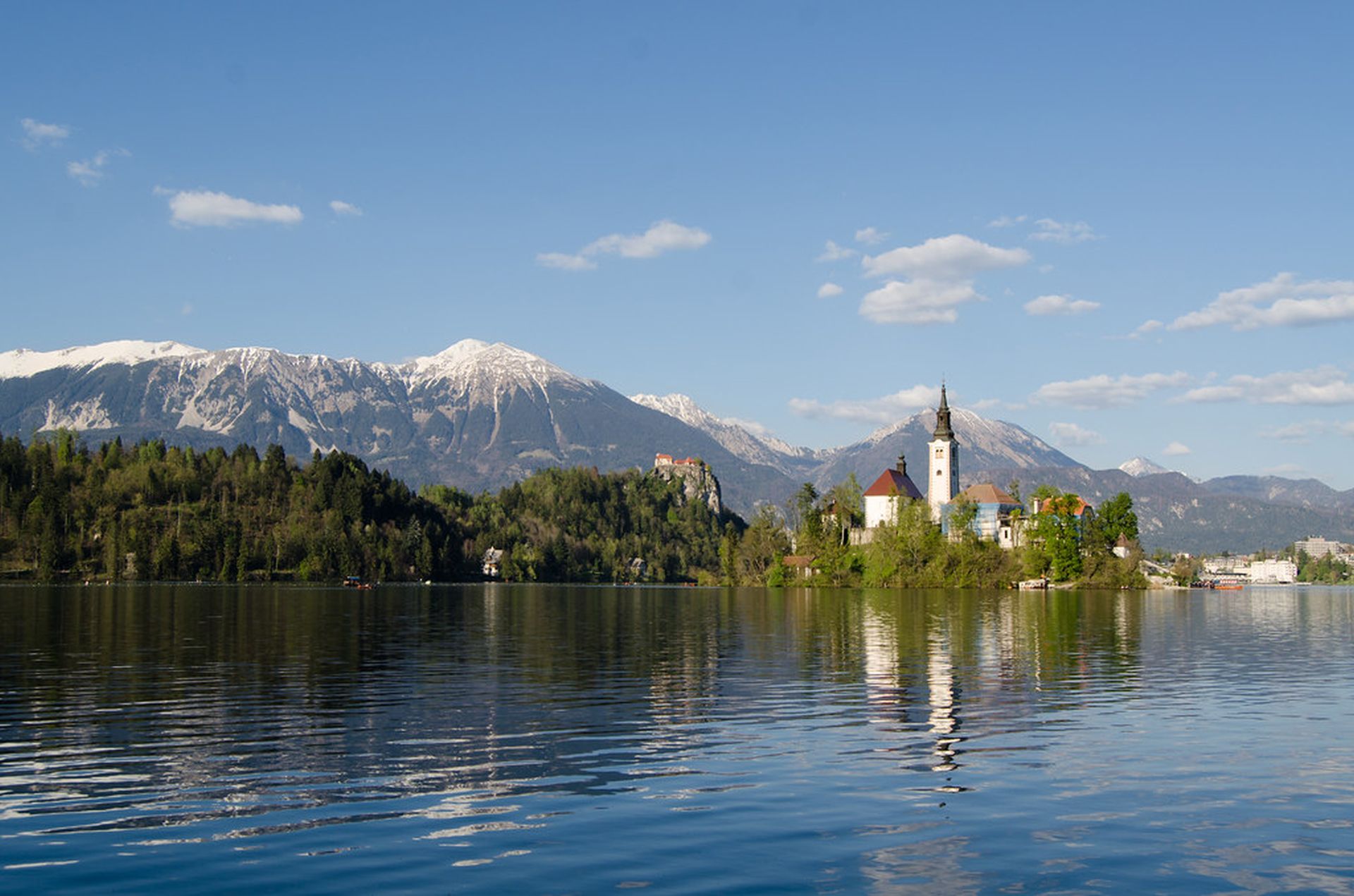
Rule of space photography guides viewers through your frame using empty areas. The technique leaves more space ahead of subjects than behind them. This creates feelings of motion, direction, and story naturally.
Most photographers center everything without thinking. This rule challenges that instinct completely. It works for moving subjects like cars and runners. It also works for stationary subjects looking off-frame. The extra space becomes part of your story.
Composition techniques like this separate snapshots from compelling photos. Understanding where to place space transforms static images into dynamic ones instantly.
How the Rule of Space Creates Movement
Empty space ahead of subjects creates visual pathways naturally. Your eyes follow these paths automatically without thinking. The space acts like the future or destination for your subject.
Rule of space photography works through psychological principles. Brains expect to see where things go next. When you provide that space, images feel complete. Without it, photos feel cramped and uncomfortable instantly.
The empty area tells viewers what happens next. A car gets space to drive into. A person gets room to walk toward. This anticipation keeps eyes engaged with your frame longer.
Space for Moving Subjects
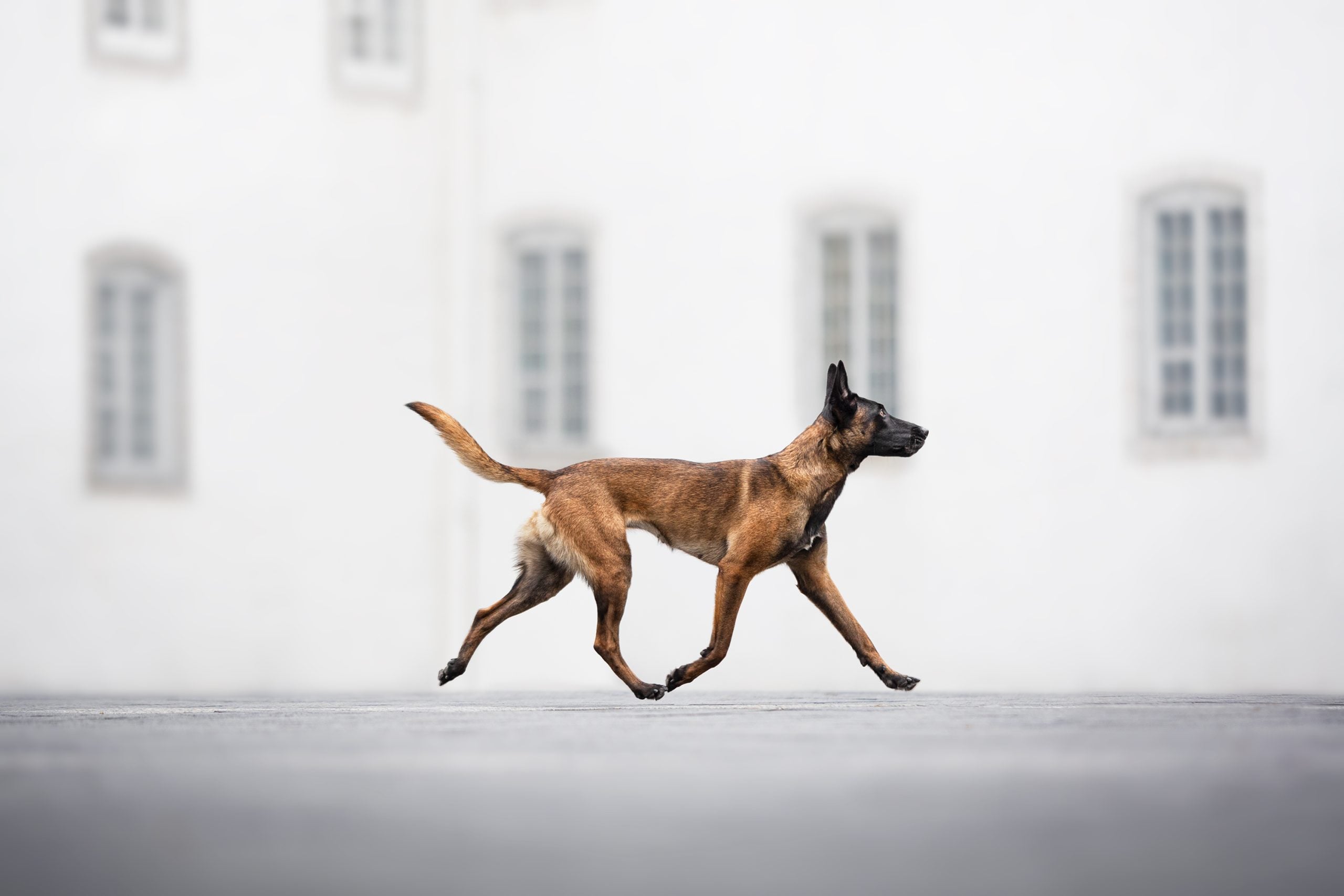
Action photography benefits most from this technique obviously. Place moving subjects on one side of your frame. Leave tons of empty space on the other side.
The space shows where subjects travel next. This creates momentum you can feel visually. Cars driving left to right need space on the right. Runners moving forward need space ahead of them always.
Putting fast subjects near frame edges feels totally wrong. They look like they’re escaping or getting cut off. The action feels finished rather than ongoing and active.
Space for Looking Subjects
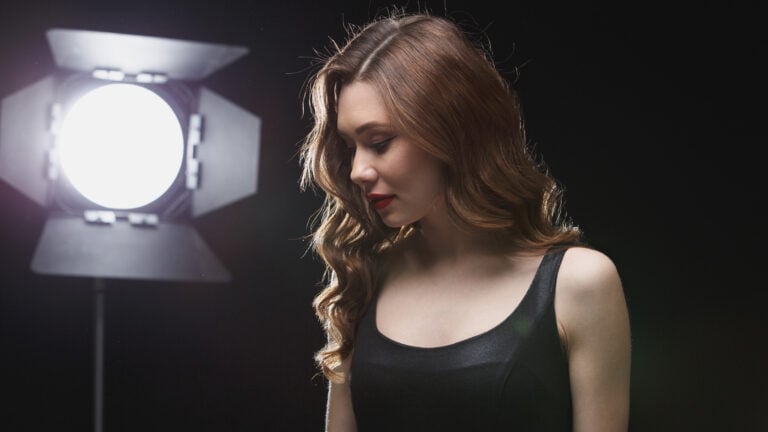
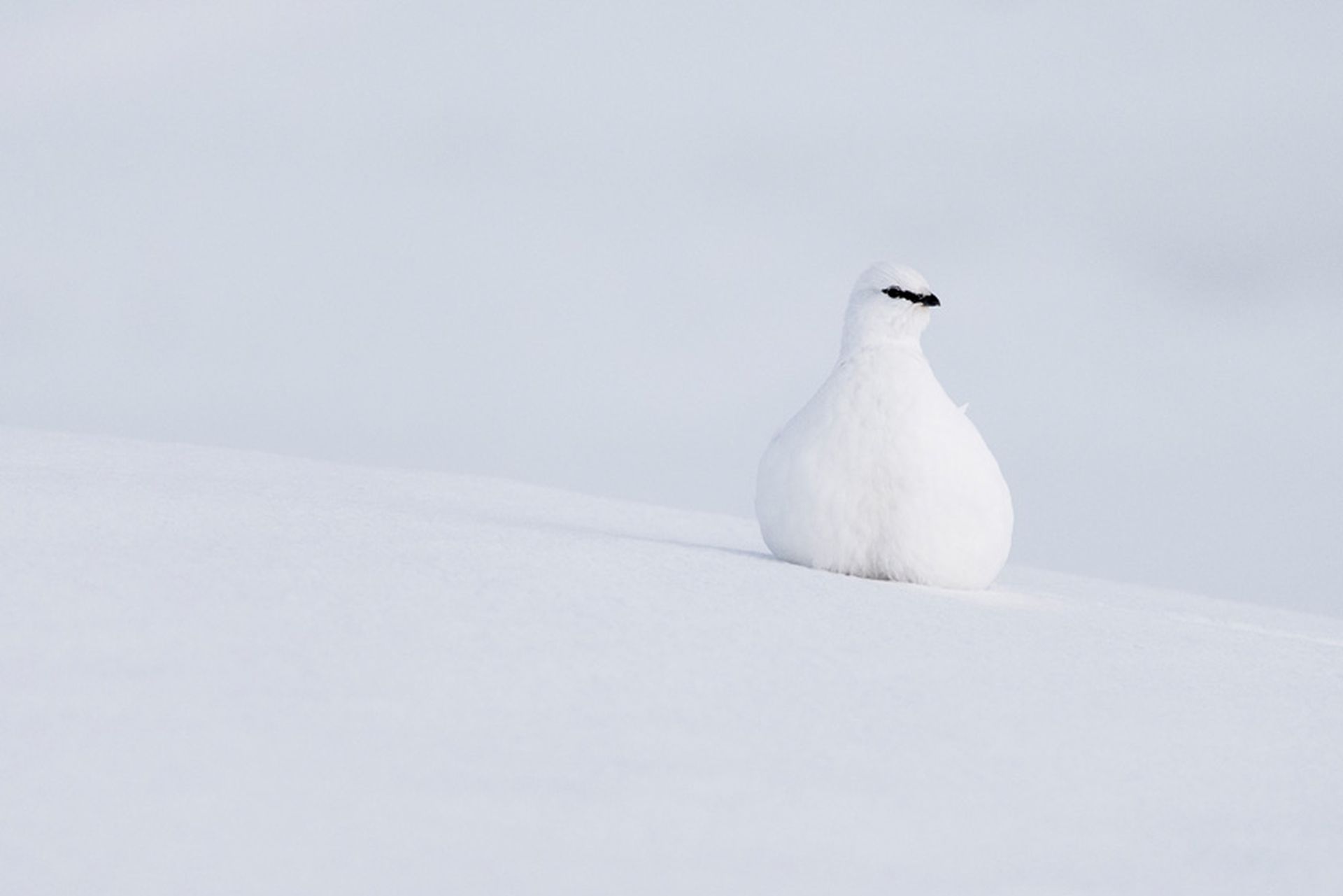
Stationary subjects gain direction through gaze alone. Portrait photography uses this constantly for storytelling. Where subjects look becomes just as important as the subjects themselves.
Place your subject on one side when they’re looking off-frame. Give massive empty space in the direction they’re gazing. Eyes naturally follow that gaze into the emptiness provided.
This creates mystery and questions automatically. Viewers wonder what the subject sees there. The empty space holds potential stories and meanings without showing anything.
Applying Rule of Space Photography
Different situations need different space considerations. Here’s how to use this technique across photography styles.
Action and Sports Photography
Fast-moving action demands generous space ahead of subjects. Sports photography depends on showing where athletes go next. The space conveys speed and energy visually.
Position your subject entering the frame from one side. Fill most of your frame with the path ahead. This shows their trajectory clearly and creates dynamic tension.
Track moving subjects and lead them through your viewfinder. Give more space than seems necessary initially. The extra room amplifies the feeling of forward motion dramatically.
Portrait and People Photography
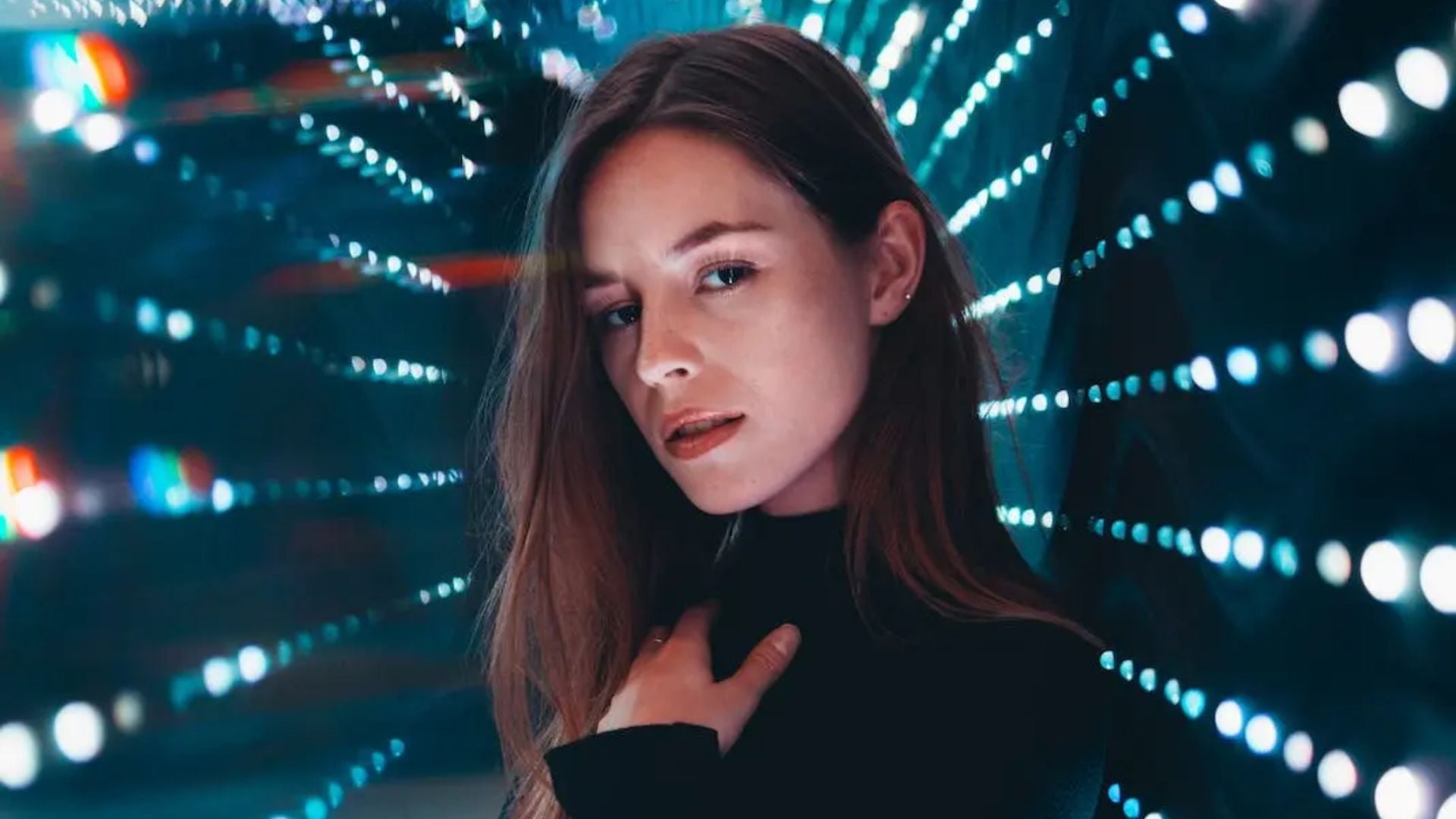
Portraits with subjects looking off-frame need space desperately. Position people on one side of your frame. Let their gaze direction determine where space goes.
The empty space creates contemplation and mood automatically. Subjects looking toward space feel thoughtful and open. Subjects looking toward frame edges feel trapped or blocked.
Environmental portraits combine movement and gaze beautifully. Someone walking through a scene gets space ahead. Their gaze direction adds another layer of meaning naturally.
Wildlife and Nature Photography
Wildlife photography relies heavily on the rule of space. Animals in motion need clear paths ahead of them. Birds flying get space to fly into naturally.
Stationary animals looking off-frame create storytelling opportunities. The space suggests what caught their attention there. Viewers imagine predators, prey, or interesting surroundings automatically.
According to Cambridge in Colour, space direction affects emotional responses significantly. Forward space feels hopeful while blocked space creates tension intentionally.
Technical Considerations for Space
Getting rule of space photography right requires specific technical choices. Here’s what actually matters when composing these shots.
Framing and Composition
Use the Rule of Thirds as your starting point naturally. Place subjects at intersection points consistently. The remaining two-thirds becomes your directional space automatically.
Leave two-thirds of your frame for the space ahead. One-third gets the subject itself. This ratio feels balanced while creating obvious direction and movement.
Check your subject’s position relative to frame edges carefully. Too close to edges kills the space effect. Leave generous room between subjects and frame boundaries always.
Anticipating Movement
Predict where subjects move before pressing the shutter. Lead fast-moving subjects through your viewfinder actively. Give them room to travel into constantly during shooting.
Panning techniques work great with rule of space photography. Follow moving subjects smoothly while maintaining space ahead. The motion blur plus space creates incredible energy together.
Pre-focus on spots where action happens next. Compose with proper space already built in. When subjects enter that zone, you’re ready instantly.
Using Negative Space
Negative space and rule of space work together perfectly. The empty areas serve double duty in frames. They balance compositions while showing direction simultaneously.
Keep negative space clean and simple always. Busy backgrounds ruin the directional effect completely. Smooth skies, plain walls, or blurred backgrounds work best.
Color matters in your negative space too. Neutral tones let subjects stand out clearly. Bright distracting colors pull attention away from directional flow badly.
Common Mistakes With Rule of Space
Photographers mess this up in predictable ways constantly. Here’s what to avoid when using this technique.
Wrong Direction Space
The biggest mistake is leaving space in the wrong direction. Subjects moving right need space on the right side. Subjects looking left need space on the left obviously.
Check gaze direction and movement direction carefully every time. One glance tells you which side needs space. Getting this backward ruins the entire compositional effect instantly.
Double-check before shooting action sequences especially. Fast movement makes it easy to mess up. Pause and verify space placement matches movement direction always.
Not Enough Space
Timid space allocation weakens the effect significantly. The space needs to feel generous and obvious. Small amounts of extra room don’t create the intended impact.
Give way more space than feels comfortable initially. The technique works best when space feels almost excessive. This amplifies the sense of direction and potential movement dramatically.
Crop generously when editing if you shot too tight. Remove content behind subjects to increase forward space. This fixes composition issues after the fact effectively.
Centering Out of Habit
Default centering kills rule of space photography completely. Centered subjects have equal space on both sides. This creates no direction or flow at all.
Break the centering habit through deliberate practice constantly. Force yourself to place subjects off-center always. Use your camera’s Rule of Thirds grid religiously.
Review your photos and identify centering patterns honestly. Notice when you default to center placement automatically. Conscious recognition helps break bad habits faster.
Breaking the Rule of Space
Sometimes violating this rule creates stronger impact intentionally. Here’s when breaking it actually works better.
Creating Tension Deliberately
Place subjects near frame edges they’re moving toward sometimes. This creates uncomfortable tension that grabs attention. The cramped feeling suggests urgency or conflict effectively.
Subjects with no space ahead feel trapped visually. This works great for showing isolation or struggle. The lack of space becomes your storytelling device directly.
Street photography uses this technique for emotional impact. Crowded urban scenes benefit from intentionally cramped framing sometimes.
Showing Completion or Arrival
Subjects reaching frame edges suggest completion or endings. A runner crossing a finish line can touch the edge. This shows the journey finished rather than continuing forward.
Past tense moments work with minimal forward space. Something that already happened doesn’t need future space. The lack of forward room reinforces the completed action.
This creates finality that traditional rule of space avoids. Choose based on the story you’re telling specifically.
Emphasizing What’s Behind
Sometimes what’s behind subjects matters more than what’s ahead. Leaving space behind shows where subjects came from. This tells origin stories rather than destination stories.
Environmental context behind subjects adds meaning to images. Show the path already traveled instead of the path ahead. This shift in perspective creates different emotional responses entirely.
Digital Photography School notes that context dictates when to break compositional rules. Story needs trump technical guidelines every time without question.
Combining Space With Other Techniques
Rule of space photography works great with other compositional methods. Here’s how to layer multiple techniques effectively.
Space Plus Leading Lines
Leading lines combined with directional space create power. Lines guide eyes while space shows destination. Together they create incredibly strong visual flow naturally.
Roads or paths provide leading lines automatically. Position subjects following these lines with space ahead. The combination amplifies both techniques’ effects significantly.
Architectural elements create lines you can use. Railings, walls, or building edges all work. Pair these with proper space for maximum impact always.
Space and Depth of Field
Shallow depth of field isolates subjects beautifully. Blur backgrounds in your directional space completely. This removes distractions while maintaining the space feeling.
Sharp space ahead shows destination details clearly. Viewers see where subjects move or look toward. This adds context while following rule of space principles.
Deep depth keeps everything sharp throughout your frame. This works well for environmental storytelling shots. Context details in the space ahead add narrative depth.
Practicing Rule of Space Photography
Building skill with this technique takes deliberate practice. Here are exercises that actually help you improve.
Start by shooting obvious moving subjects only first. Cars, bikes, or runners make learning easy. Practice placing them with generous space ahead consistently.
Progress to stationary subjects with clear gaze direction. People looking off-frame or animals watching something. Focus on creating space in the right direction.
Try the same scene with space both ways. Shoot once with proper forward space placement. Then shoot with space behind subjects to see differences. Compare how each version feels emotionally different.
Real-World Practice
Visit locations with lots of movement happening naturally. Busy streets, sports fields, or parks work great. Practice tracking subjects and providing space ahead constantly.
Photograph people in public spaces regularly. Notice where they look and position space accordingly. This trains your eye to see gaze direction faster.
Review your work and identify space placement patterns. Notice when you get it right versus wrong. Conscious analysis builds better compositional instincts naturally.
Transform Photos With Better Space
Rule of space photography changes how you compose images. Empty areas become just as important as subjects themselves. The space tells stories and creates emotions without showing anything.
Use this technique for moving subjects and looking subjects. Give generous space in the direction they travel or gaze. This creates flow, anticipation, and narrative automatically in frames.
Practice until space placement becomes totally automatic. Your best work comes from knowing when to apply this rule. Sometimes breaking it creates even stronger emotional impact than following it. Understanding both approaches gives you complete creative control over directional storytelling.

Darlene Lleno
Darlene Lleno brings a unique perspective to DIY Photography as someone who grew up surrounded by camera gear but chose words over lenses. With five years of writing experience, she specializes in photography content that’s both technically informed and genuinely passionate. Growing up with a photographer twin brother meant camera talk was everyday conversation in her household. While he mastered capturing moments, Darlene discovered she preferred being the subject and the storyteller behind the scenes. As a travel enthusiast and mother of two, she understands the importance of preserving life’s precious moments. When not exploring new destinations or writing for DIY Photography, you’ll find her reading or tending to her garden. Her approach to photography writing is refreshingly authentic, she may not be behind the camera, but she knows exactly what it takes to help others capture the shots that matter most.

Join the Discussion
DIYP Comment Policy
Be nice, be on-topic, no personal information or flames.