






















How to Protect Your Camera Gear While Traveling
Nov 30, 2025
Dunja Đuđić Kalinin
Dunja Djudjic is a multi-talented artist based in Novi Sad, Serbia. With 15 years of experience as a photographer, she specializes in capturing the beauty of nature, travel, concerts, and fine art. In addition to her photography, Dunja also expresses her creativity through writing, embroidery, and jewelry making.
Share:
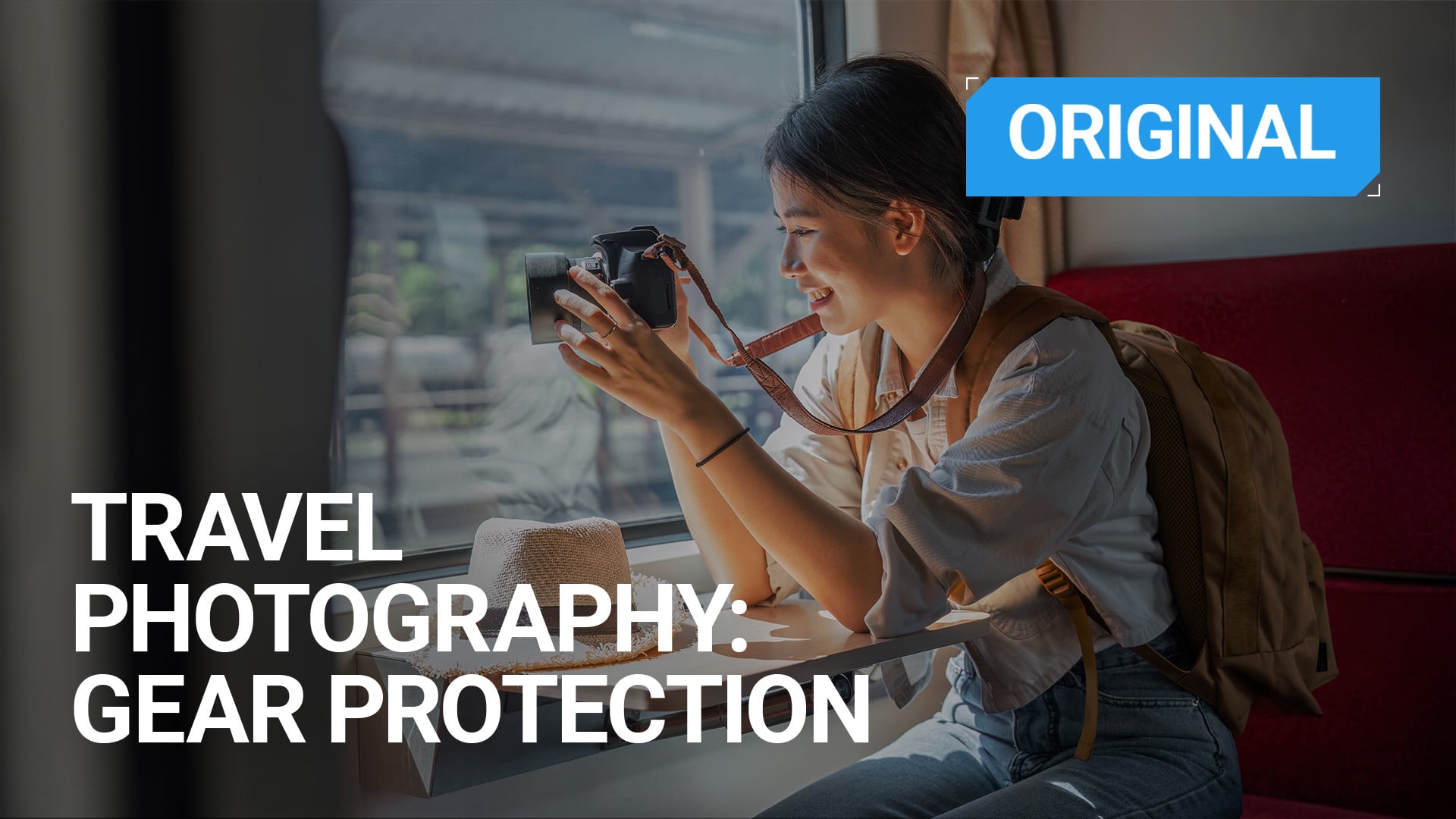
Travel is exciting, but on the flip side, you may be concerned about your gear. Thankfully, adopting a few smart habits goes a long way in keeping your precious camera safe. In this guide, you’ll learn how to protect your camera while traveling with simple, field-tested tips for weather, dust, and salt, plus airport and anti-theft tactics. We’ll cover flight-safe packing, quick daily cleaning, and a lightweight kit that keeps you shooting anywhere – without slowing you down.
[Related Reading: Travel Photography: The Ultimate Guide to Shooting Stunning Images on the Road]
Weatherproofing and Dust Protection
When you travel, you’re chasing good compositions and good light with your camera. But it will inevitably face more than that. An unexpected (or expected) shower, dust or humidity, cold or heat, salt and sand. Thankfully, many cameras and lenses have gaskets and seals, but the weather sealing has limits. This is why a compact rain cover or a simple plastic bag is always handy to have in your camera bag. I sometimes use it to protect the camera while shooting, and sometimes to cover the entire bag, as my larger camera bag isn’t waterproof.
As for your lenses, you can use a lens hood to protect the front element from dust, water, and fingerprints. Just make sure to use proper hoods for your wide and tele lenses. Keep a small towel in an outer pocket so you can wipe your lens down fast. Slip-on body and hot shoe caps are also super-handy as they stop grit from creeping inside. I also have a cover on my LCD screen, I never take it off except for cleaning – it keeps my screen scratch-free.
In sandy, dusty, or salty places, change lenses in a sheltered spot. Turn your back to the wind and point the mount down. I actually always to this, even in safe, indoor spaces. Force of habit, I guess. Before you wipe the lens, make sure to blow off any grit so you don’t scratch the lens.
Moisture control also matters. I like to keep silica gel packs in my camera bags, in several compartment. Don’t forget to swap or recharge them as they saturate. If you’re near the coast, wipe your gear with a lightly damp microfiber cloth, then dry. This reduces salt residue and therefore corrosion risk.
If you move from cold to warm air, don’t take your camera out straight away. I like to keep it in my bag for at least half an hour to warm slowly. This prevents condensation inside the body and the lens.
Quick Maintenance on the Road
We need to protect our camera while traveling just as we do in any other shooting scenario, so here’s a checklist to keep in mind. These are some quick tips on how to clean your camera on the road:
- Use a hand blower, then a soft brush, and then a microfiber cloth on the lens
- Clean LCD and viewfinder last
- Check seams, buttons, and the lens mount for grit
- Wash or replace cloths often to avoid scratches
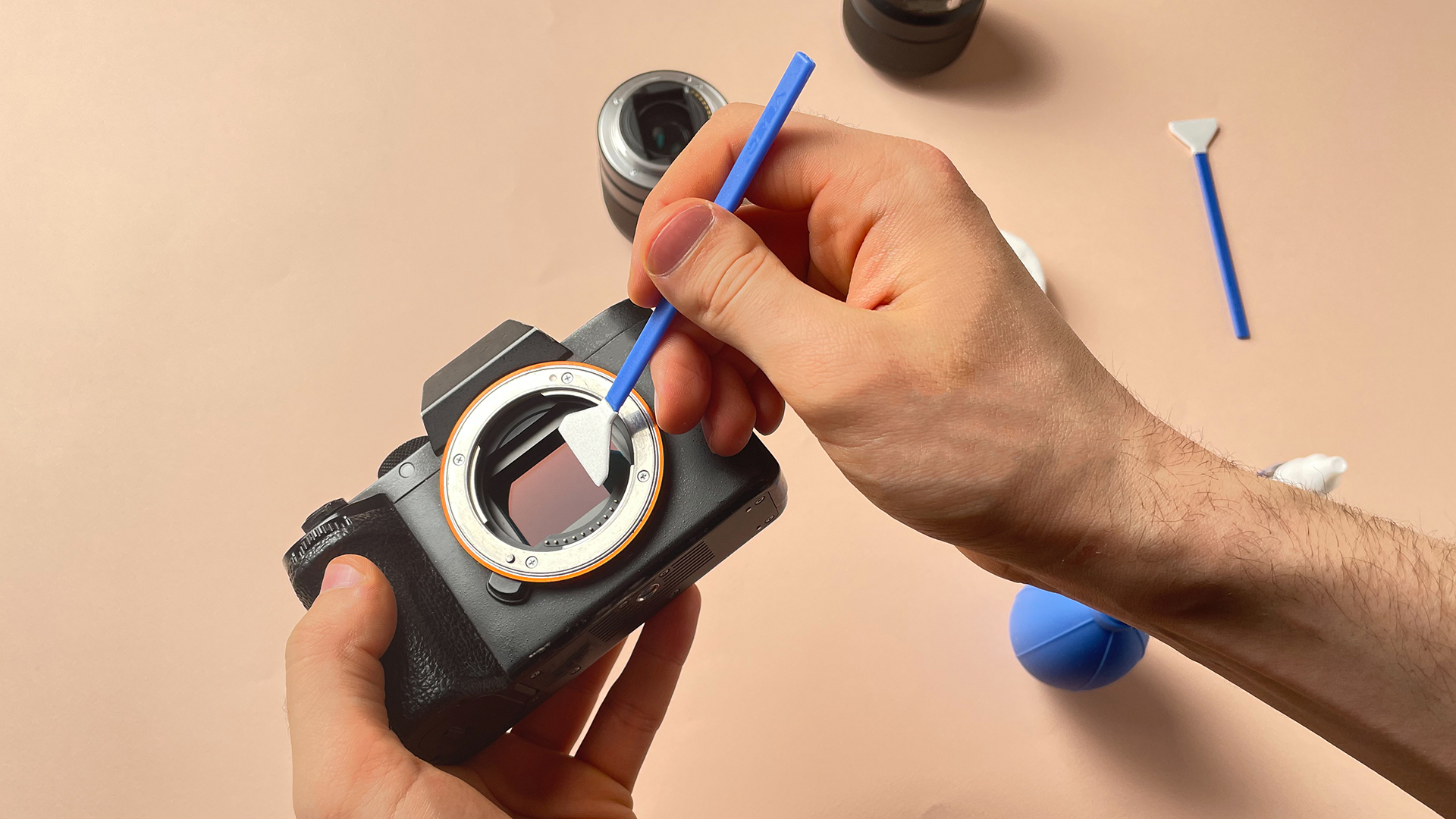
If you need to clean your sensor, make sure to follow manufacturer guidance. Use the right swabs and fluid for your sensor size. I prefer having my sensor cleaned professionally, I don’t trust myself with something as fiddly. But if there’s a situation on the road when you just have to do it, make sure to do it properly so you don’t do your camera more harm than good.
Avoiding Theft
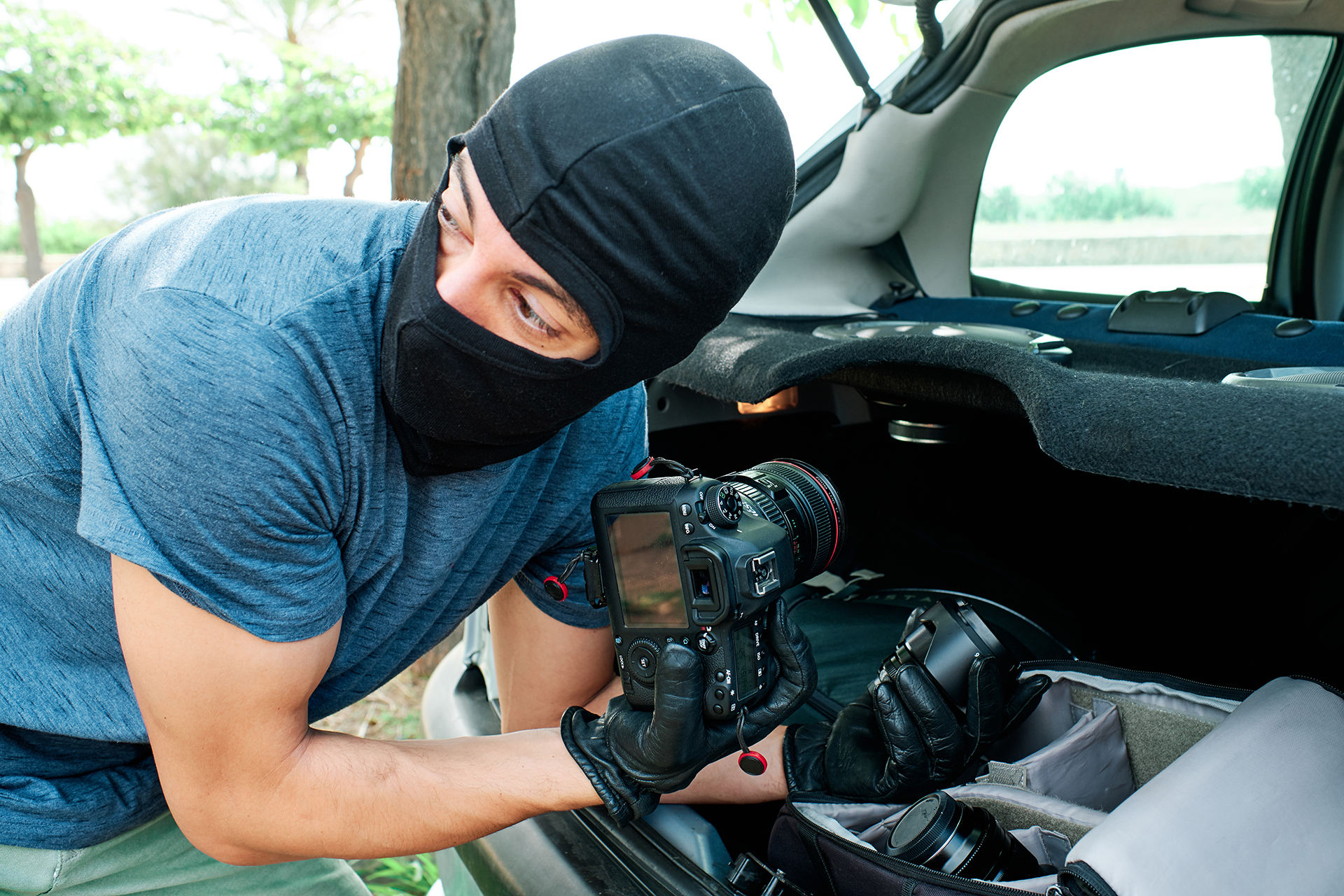
Sadly, keeping your gear safe while traveling means keeping it safe from other people, too. Thieves often target gear that looks expensive and easy to grab. So, don’t wear a bag that screams “expensive camera inside!” Use a plain backpack or messenger bag insert that doesn’t advertise a camera brand. Keep your camera cross-body and close to you when in crowds.
Carry only what you need for the day. Although, if you walk around a lot, you probably already do this, as you don’t want to lug tons of gear around. But I’d advise you never to leave your gear visible in a car. If you must store gear there, hide it in a trunk and take the memory cards with you.
Prepare your paperwork before you leave. Take a photo of each gear item and its serial number and save receipts and serial photos in the cloud. Check your insurance, as travel policies often exclude camera theft. It’s advisable to insure your gear, and you’ll likely need a dedicated photo policy.
[Related Reading: Follow these steps to prevent camera theft]
Remember to back up your photos! Even if, despite all your efforts, your gear gets stolen, at least your photos will still be there. Copy your cards each night to an external drive and a cloud folder, and keep backups separate from your main bag. Remove cards from cameras when parking or staying overnight.
When you set up a tripod in busy areas, tether your bag to a fixed point. A thin cable lock or a carabiner adds seconds to a grab-and-go theft – enough to help you or someone else notice, or simply discourage the thief. Stand where you can see people approach and don’t lose sight of your gear. If something feels off or you feel like you’re in danger, trust your gut and move. Your safety comes first – gear can be replaced.
[Related Reading: Watch: Photographer confronts people who stole his $25,000+ camera gear]
Secure Storage and Packing Tips
The best travel camera bag is compact, padded, and subtle – small enough to slide under the seat or in the overhead compartment. Avoid putting your gear into the checked luggage. When I see how those are treated at the airports… Ugh.
[Related Reading: Here’s how to manage cables, chargers and batteries when traveling]
Inside the bag, use dividers to stop lenses from knocking together. Keep heavy items lower and near your back for balance. You can also use internal loops or small carabiners to tether pouches. Toss in a lightweight cable lock for trains and hostels. A tracker tag like AirTag inside the bag helps you find it in case it gets lost or stolen. The batteries can go with you in the carry-on, but do check this article to get familiar with possible limitations.
[Related Reading: Use these four gadgets to protect your camera gear from theft]
For film photographers, this one’s important: make sure not to have unprocessed film scanned at the airport – the scanners could ruin it. You can put it in a clear bag or pouch so you can request a hand check.

Protection and Camera Maintenance While Traveling is Not That Hard
It may seem a little overwhelming, but the end goal is simple – keep shooting and come home with the images you imagined. With a small kit, a few smart habits, and a plan for airports and crowds, you can protect camera while traveling and still move fast and light. Pack the essentials, back up regularly, trust your instincts, and keep your eyes on the good light (and your gear bag, occasionally).
If this helped, share it with a travel-photo friend, bookmark the checklist for your next trip, and let me know if you’d add any of your favorite safety tips in the comments. Safe travels and happy shooting – see you out there with a clean sensor, a dry bag, and a full card.
See more from DIYPhotography.net on Google
Add DIYPhotography.net as a trusted source. This makes
our stories more likely to appear in your Google Search results.
 Add as a preferred source on Google

Dunja Đuđić Kalinin
Dunja Djudjic is a multi-talented artist based in Novi Sad, Serbia. With 15 years of experience as a photographer, she specializes in capturing the beauty of nature, travel, concerts, and fine art. In addition to her photography, Dunja also expresses her creativity through writing, embroidery, and jewelry making.
Related Posts
 PSA: Protect your lenses by turning off image stabilization when traveling
 Use these four gadgets to protect your camera gear from theft
 Mindshiftgear’s Moose Peterson bag will auto close on your gear to protect it
 The Inrigo is a “smart” completely waterproof backpack to protect your gear in any conditions
Join the Discussion
DIYP Comment Policy
Be nice, be on-topic, no personal information or flames.