












How to Choose Gear That Actually Improves Your Photography
Jan 27, 2026
Alysa Gavilan
Alysa Gavilan has spent years exploring photography through photojournalism and street scenes. She enjoys working with both film and mirrorless cameras, and her fascination with the craft has grown over the decades. Inspired by Vivian Maier, she is drawn to capturing everyday moments that often go unnoticed.
Share:

Buying a camera today can feel like stepping into a maze. Every time you look online, you see promises of more megapixels, faster lenses, bigger sensors, and autofocus systems that seem to read your mind. You might wonder if spending thousands of dollars will suddenly make your photos amazing.
According to YouTube photography vlogger Arthur R, most people are being pushed toward gear they simply do not need. His advice focuses on practical, real-world choices for photographers who want to take better photos and videos without overthinking every spec.
If you’ve ever felt lost in the endless options, his guidance helps you cut through the noise and focus on what really matters.
Focus on What Matters, Not the Specs
Arthur R stresses that chasing the newest, most powerful camera is often a distraction. Modern cameras, whether APS-C, Micro Four Thirds, or entry-level full-frame, are already highly capable.
Reliability, ease of use, and comfort often matter far more than megapixels, rolling shutter performance, or open gate video.
A camera that sits unused on a shelf, no matter how impressive on paper, contributes nothing to your skills. Instead, the priority should be a setup that encourages you to pick it up and actually shoot.
Choosing the Right Camera Body
For most photographers, the camera body is less critical than you might think. What matters most is reliable autofocus, good color reproduction through decent dynamic range, and ergonomics that feel comfortable in your hands.
Sensor size and advanced technical specifications often have little impact on everyday photography. APS-C cameras and entry-level full-frame models can all produce excellent results.
Complexity is a bigger hurdle than the body itself. If your camera is easy to use, you’ll carry it more often, and that matters far more than chasing the latest flagship model.
Lenses Are Where It Counts
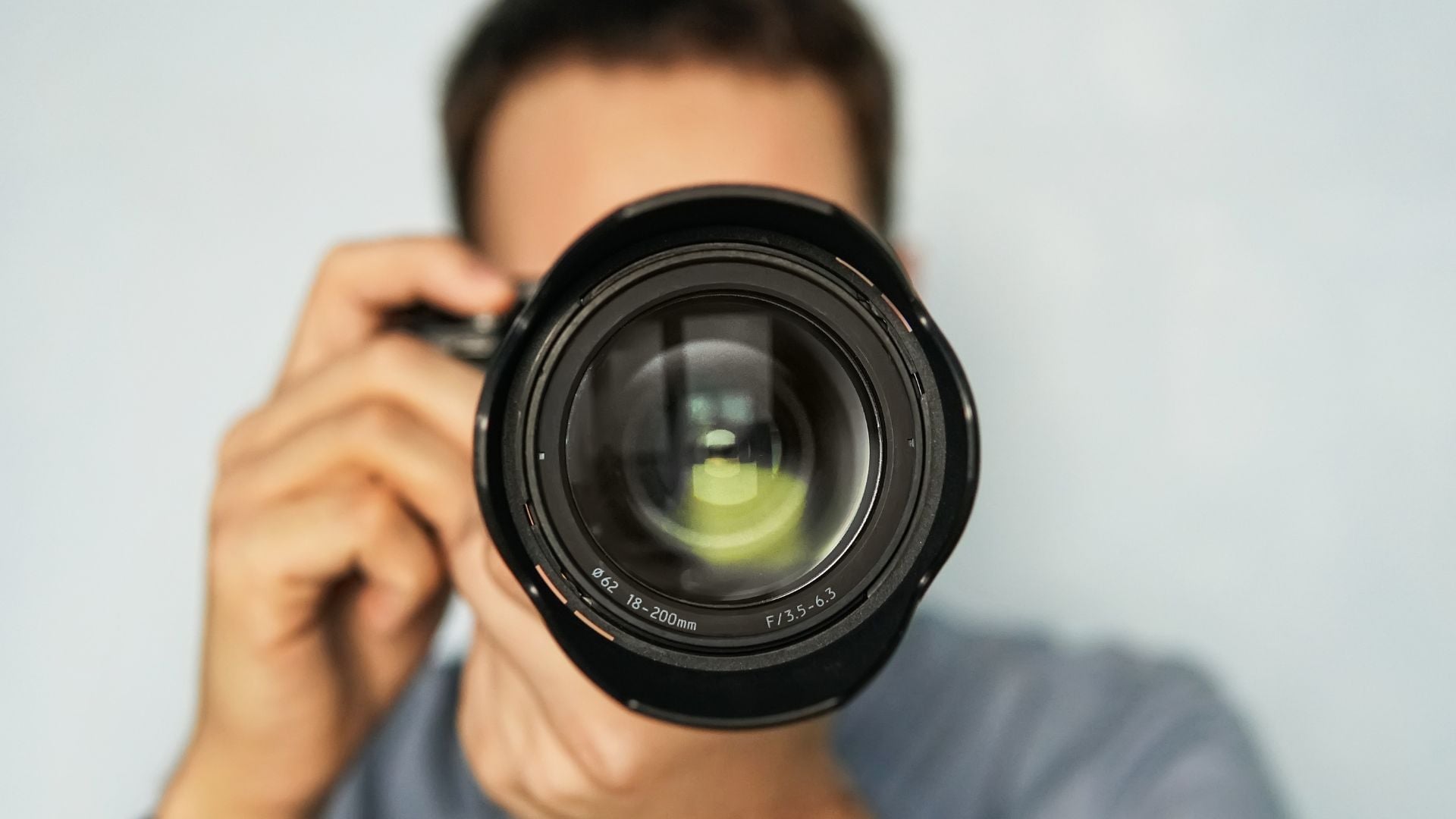
Where Arthur R recommends spending more attention is on lenses. A sharp, versatile, reasonably fast lens will make a bigger difference in your photography than any camera body upgrade.
Compact primes, pancake lenses, or small zooms keep your setup lighter and easier to carry, which increases the chance that you’ll actually use it.
For most photographers, one reliable lens is enough, with an optional second lens for specific needs. Overloading yourself with multiple lenses or heavy bags often backfires because it makes the gear less likely to leave the shelf.
Simplifying Accessories
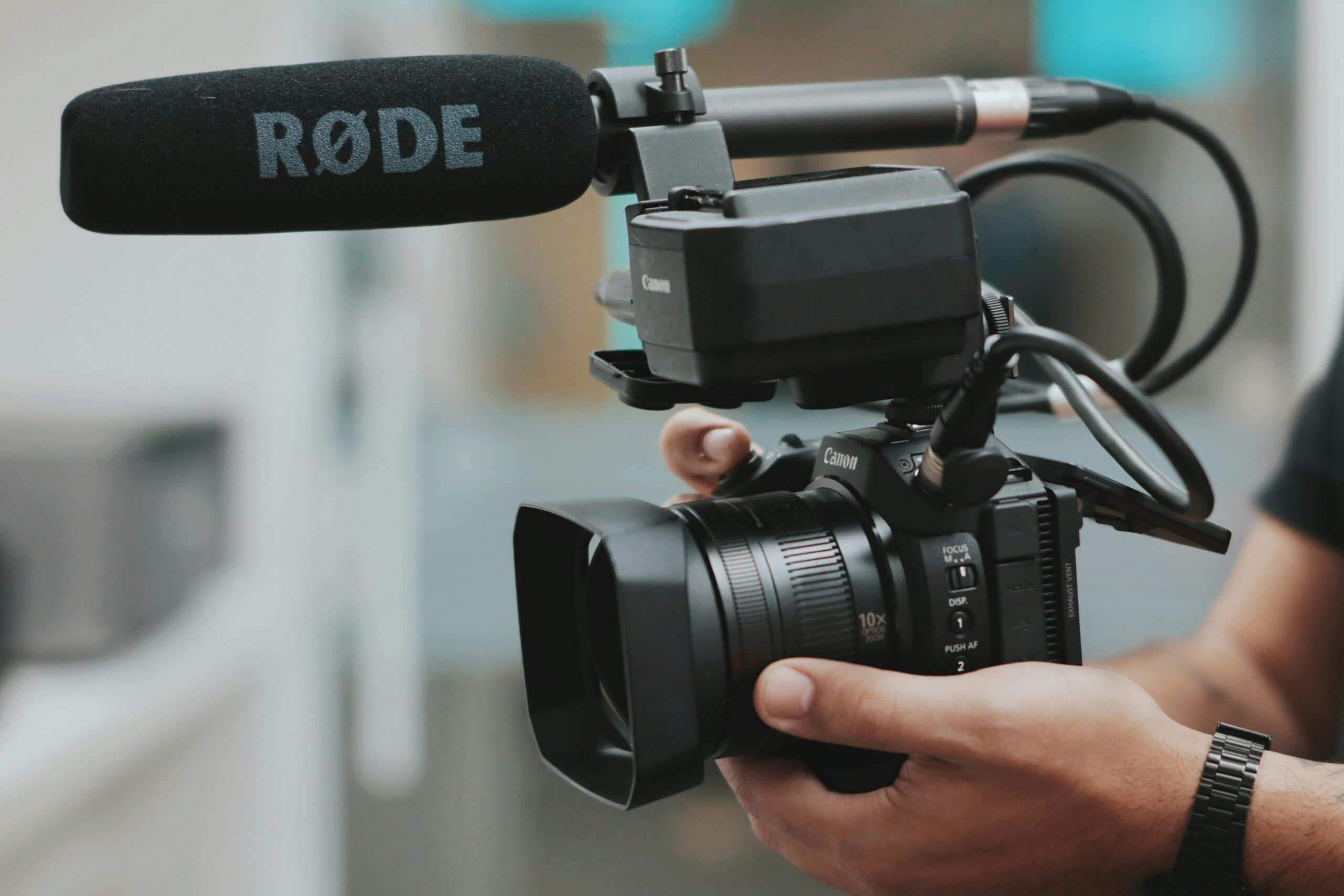
It is easy to get carried away with microphones, cages, tripods, and other gadgets.
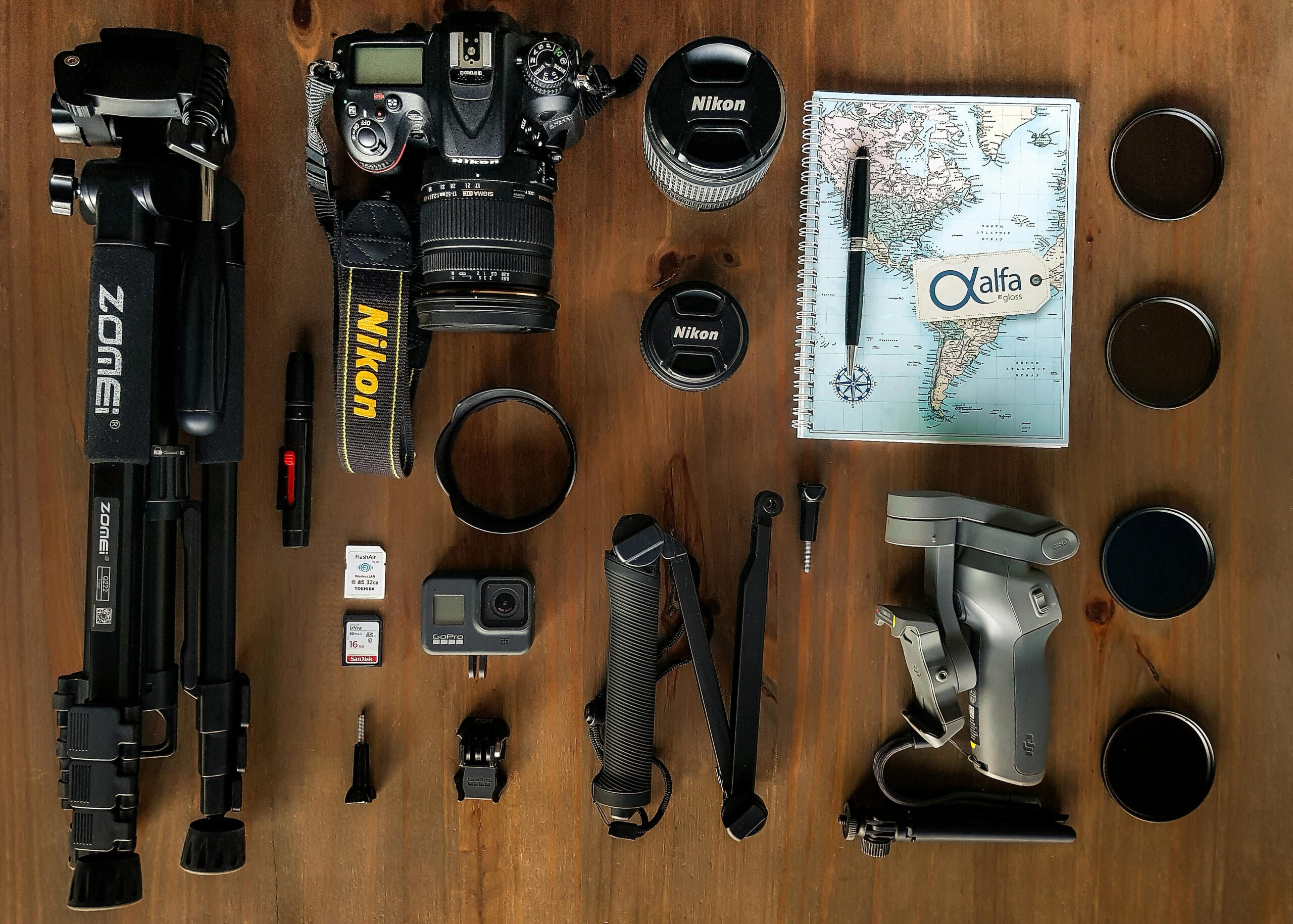
Arthur R points out that most people need just a few essentials: one dependable microphone for video, an extra battery, a good memory card, a variable ND filter, and a basic tripod.
Accessories should support your shooting, not complicate it. Inexpensive or used equipment often works perfectly fine, proving you don’t have to overspend to get good results.
Avoid Buying for the Future
A common trap is buying gear intended for a potential future upgrade. For example, a full-frame lens on an APS-C camera rarely provides real benefits.
The practical approach is to get what fits your current camera and shooting style. Once you master your setup and identify a genuine need to upgrade, you can replace or expand intelligently.
Invest in Skill Over Gear
Arthur R highlights that limitations often come from skills, not hardware.
Missed settings, weak composition, or unfamiliarity with your camera are far more limiting than sensor size or lens sharpness.
High-end cameras do not automatically make better photographers. Learning to use what you have effectively and mastering a single focal length often leads to faster improvement than constantly upgrading gear.
Choose Gear That Makes Shooting Enjoyable
The best camera is one that makes you want to pick it up.
A camera that is enjoyable to carry and operate will be with you more often than a perfect but intimidating setup. This principle applies to bodies, lenses, and accessories alike.
Many photographers find success with cameras several years old, demonstrating that careful selection and thoughtful use matter more than chasing the newest release.
A Buying Guide for 2026
Practical camera buying in 2026 is about matching gear to your needs, not chasing the latest trends.
Start with reliable, easy-to-use equipment, prioritize lenses over bodies, simplify accessories, and focus on skill development. This approach ensures that your camera encourages creativity instead of creating stress.
Based on Arthur R’s video, the key takeaway is clear: invest in gear that fits your life and shooting habits, and you’ll get better results without overspending. A camera that inspires you to shoot regularly is far more valuable than the most advanced setup collecting dust!

Alysa Gavilan
Alysa Gavilan has spent years exploring photography through photojournalism and street scenes. She enjoys working with both film and mirrorless cameras, and her fascination with the craft has grown over the decades. Inspired by Vivian Maier, she is drawn to capturing everyday moments that often go unnoticed.


Join the Discussion
DIYP Comment Policy
Be nice, be on-topic, no personal information or flames.