















When Was Photography Invented? The Fascinating History of the First Cameras and Photographs
Jun 11, 2026
Leonard Skapp

Alex Baker is a portrait and lifestyle driven photographer based in Valencia, Spain. She works on a range of projects from commercial to fine art and has had work featured in publications such as The Daily Mail, Conde Nast Traveller and El Mundo, and has exhibited work across Europe
Share:
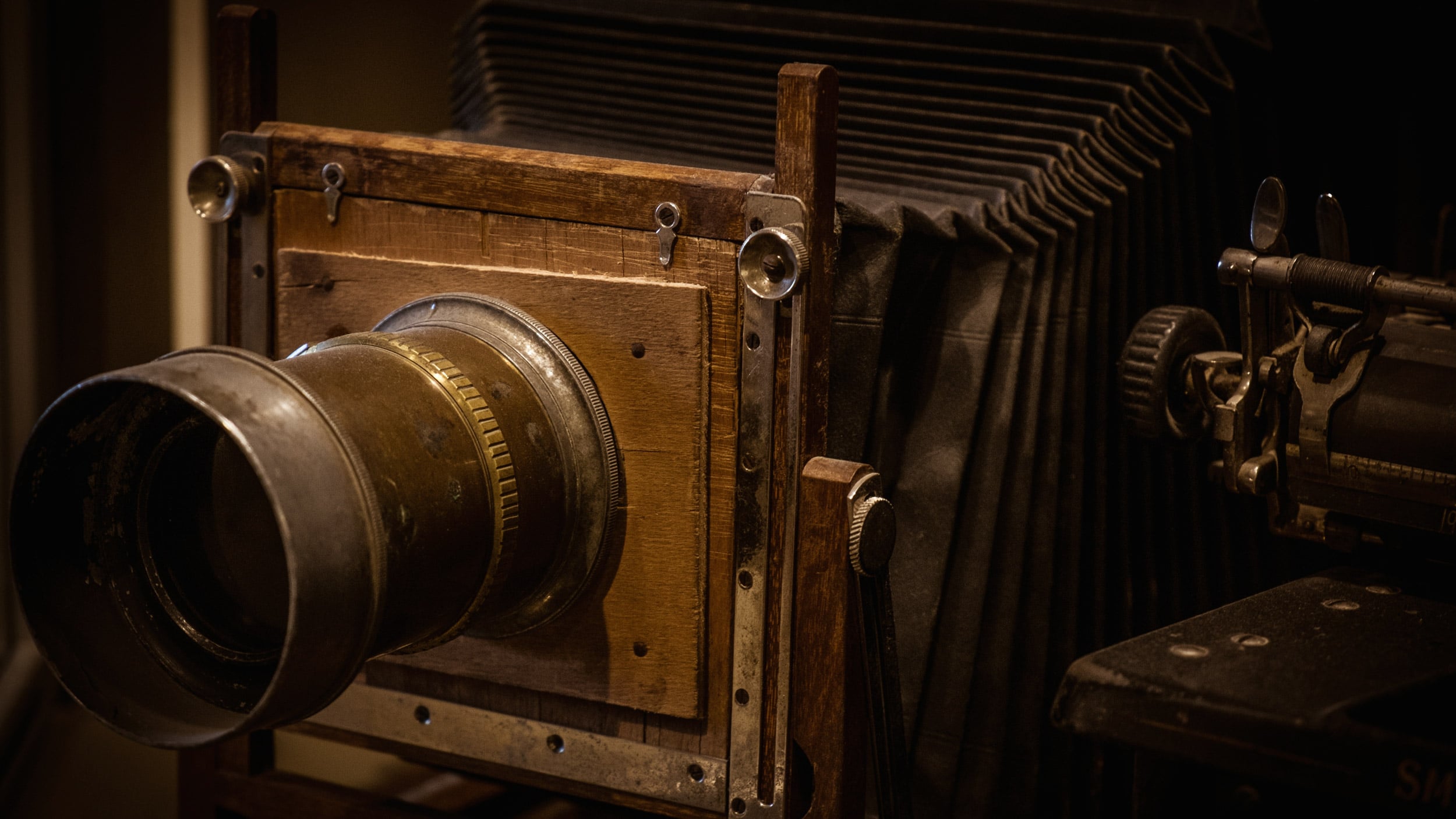
If you ask when photography was invented, you’ll quickly run into a problem because while you might find a general list of dates of when the first camera was invented, there actually isn’t one single answer, it’s a little bit more complex than that. Photography didn’t suddenly appear one day when someone built a camera and pressed a shutter button. Instead, it emerged through a series of discoveries spanning a century or more.
The optics came first, the chemistry came later, and the people who transformed those discoveries into a practical medium and then an art form came later still. So, when was photography invented? Was there photography in 1850? And when was the first camera invented? To answer those questions, we need to go back much further than the first photograph.
Cameras existed before photography
The idea behind the camera is far older than photography itself. As far back as 500BC, people understood the principles of the camera obscura, Latin for “dark chamber,” although the term itself wasn’t used until the 1600s. Light entering a darkened room through a small hole would project an upside-down image of the outside world onto a wall or screen.
Versions of the camera obscura were described in the ancient world and later studied by scholars, including the Arab scientist Ibn al-Haytham in the 11th century and Aristotle, who used it to study a solar eclipse. Artists would eventually use camera obscuras as drawing aids, helping them accurately reproduce landscapes, buildings, and portraits.
The problem was that the image couldn’t be preserved. The camera could project an image, but nobody had yet discovered how to permanently capture it.
Early experiments with light-sensitive materials
Long before photography became practical, several experimenters came close to discovering it. Around 1717, German scientist Johann Heinrich Schulze observed that a light-sensitive mixture of silver salts would darken when exposed to light. In a famous experiment, he used cut-out letters on a bottle to create temporary photographic effects, essentially producing images using light and shadow. However, he did not develop a way to preserve these results permanently.
Later, around 1800, English scientist Thomas Wedgwood carried out some of the first reliably documented attempts to capture images using a camera-like setup. Working with Humphry Davy, he produced detailed photograms by placing objects directly onto light-sensitive paper. While the results were recognisably image-like, they could not be fixed and would quickly fade when exposed to light.
These experiments were not photography as we know it today, but they were crucial steps toward it, showing that light-sensitive materials could form images.
When was photography invented?
Most historians credit French inventor Nicéphore Niépce with creating the first permanent photograph around 1826 or 1827. Using a camera obscura and a light-sensitive substance coated onto a metal plate, Niépce produced an image known as View from the Window at Le Gras.
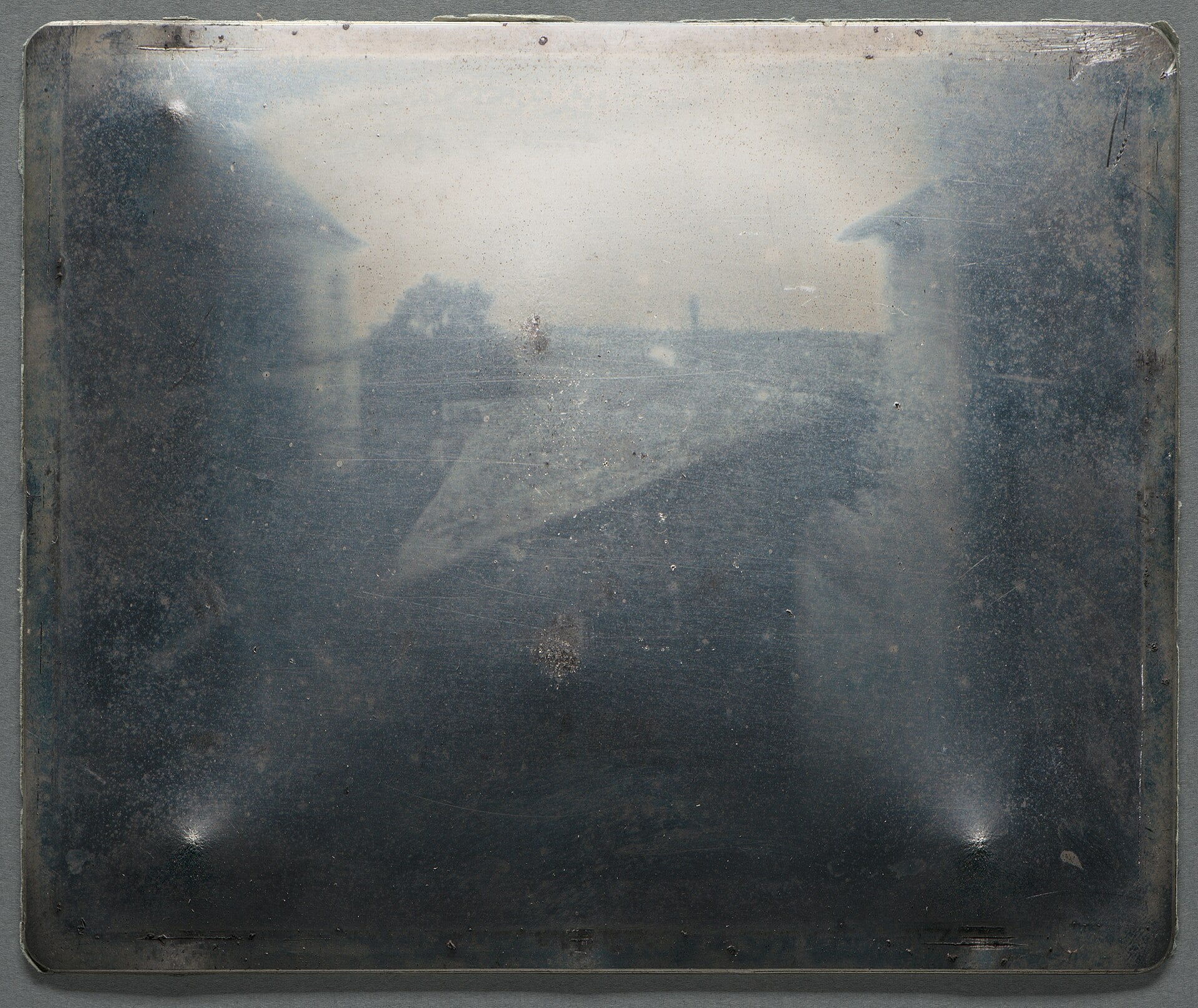
The exposure reportedly took many hours, but the result was revolutionary: for the first time, an image created by light could be permanently recorded. That achievement is generally considered the birth of photography. However, photography didn’t become practical or widely accessible until the following decade.
The photo invention that changed everything
The big breakthrough that brought photography to the public came in 1839. Building on earlier work, Louis Daguerre introduced the daguerreotype process, which dramatically reduced exposure times and produced highly detailed images. Portrait studios quickly appeared across Europe and North America, offering people something previously reserved for the wealthy: an accurate likeness of themselves.
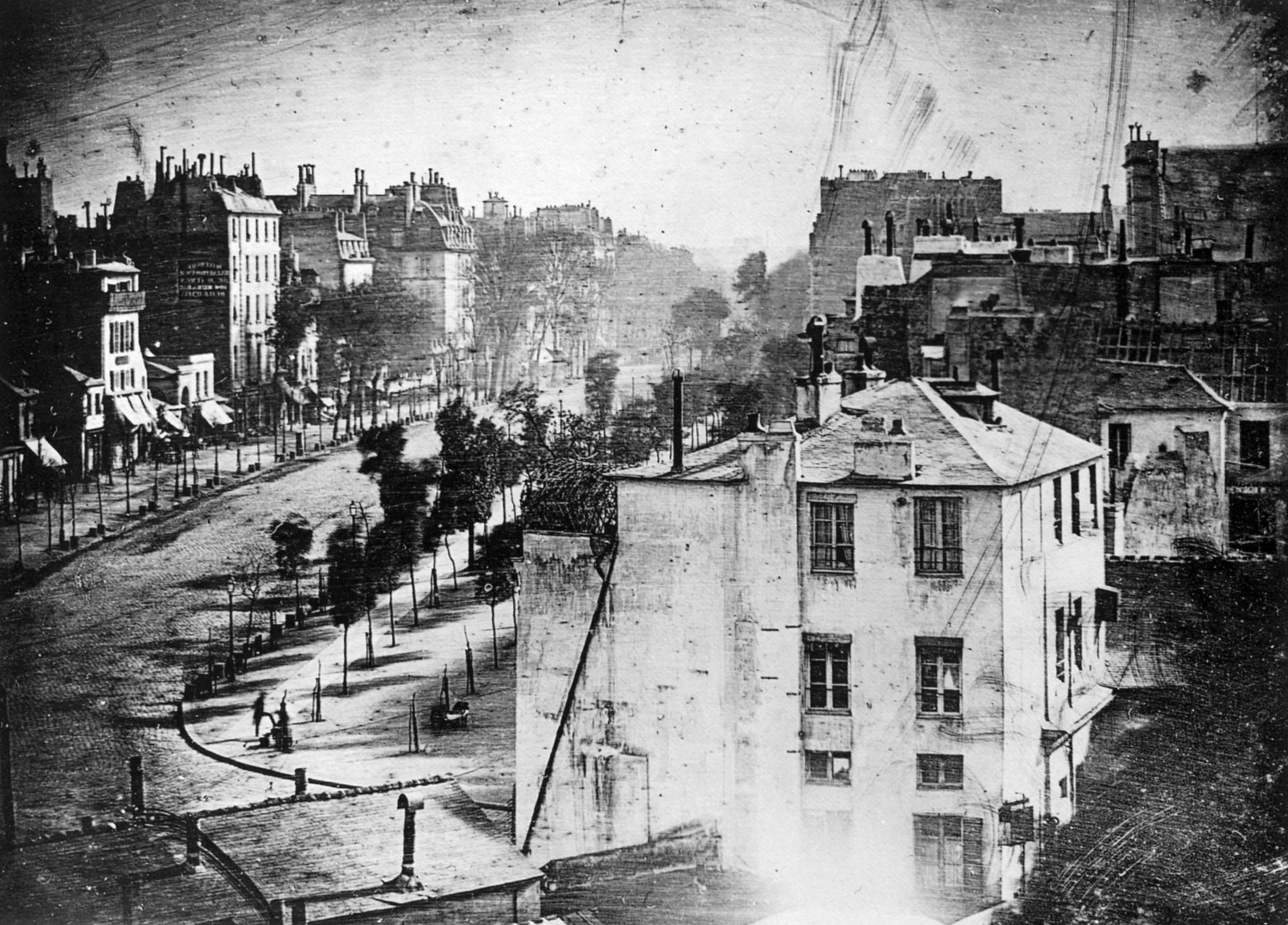
At roughly the same time, English scientist William Henry Fox Talbot developed the calotype process. Unlike daguerreotypes, which produced a single image, calotypes used paper negatives that could be reproduced multiple times, a concept that would shape photography for generations. These developments transformed photography from a scientific experiment into a practical medium.
The overlooked pioneers of early photography
Photography’s history is often told through the inventors who developed the chemistry and equipment. However, the medium also owes a great deal to the people who demonstrated what photography could actually be used for.
One of the most important figures is Anna Atkins. Atkins was a botanist who adopted the cyanotype process shortly after it was invented in 1842. Using the technique, she created detailed images of algae and plants by placing specimens directly onto sensitised paper and exposing them to sunlight.
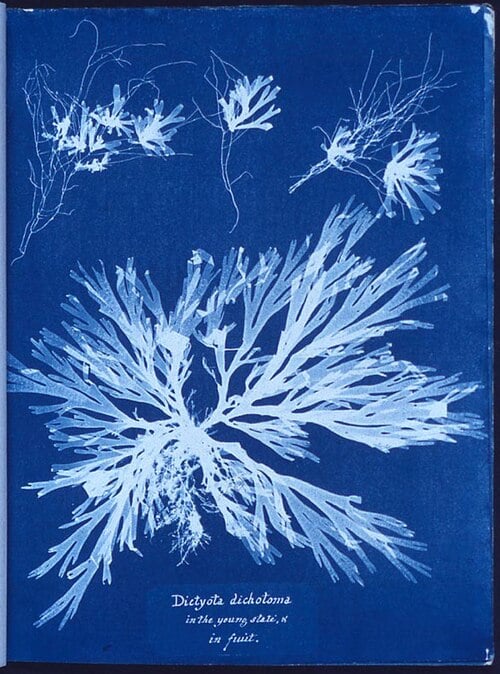
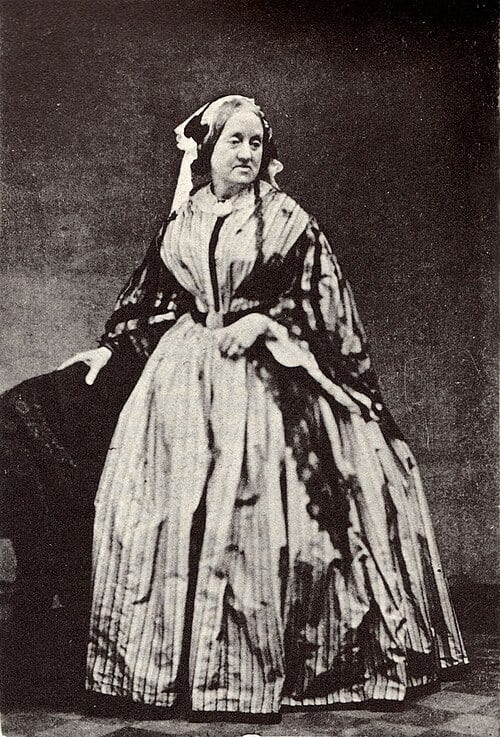
RPS Yorkshire [1], Public domain, via Wikimedia Commons]
In 1843, she published Photographs of British Algae: Cyanotype Impressions, which is widely considered the first book illustrated with photographs. While Atkins did not invent cyanotypes, she helped establish photography as a practical tool for science, documentation, and publishing. In many ways, her work demonstrates that the history of photography isn’t only about who invented the technology, it’s also about who found meaningful ways to use it.
What are cyanotypes?
Cyanotypes are one of the oldest photographic processes still in use today. Invented by John Herschel in 1842, the process uses iron salts rather than the silver-based chemistry common in many early photographic techniques. The result is the distinctive blue-and-white image that has become synonymous with cyanotype printing.
The process was relatively simple, inexpensive, and accessible, which helped it gain popularity among scientists, artists, and educators. Today, cyanotypes remain popular with photographers interested in alternative processes, and much of that continued interest can be traced back to the pioneering work of Anna Atkins.
Was there photography in 1850?
By 1850, photography was already becoming a major industry. Portrait studios were operating in cities throughout Europe and the United States. People were commissioning family portraits, documenting their travels, and collecting photographs much as we do today.
Photographers were also recording architecture, landscapes, scientific subjects, and major historical events. While cameras were still cumbersome by modern standards, photography had moved far beyond the experimental stage.
In fact, if someone living in 1850 walked into a photographic studio, they would immediately recognise many aspects of the photographic experience that still exist today: posing for a portrait, sitting under studio lighting, and waiting for the finished image.
From glass plates to mass production
After photography became more commercially viable, the technology began evolving quickly. In the mid-19th century, the wet collodion process replaced earlier methods and introduced the use of glass plates coated with light-sensitive chemicals. This significantly improved image sharpness and reduced costs, but it came with a catch: photographers had to prepare, expose, and develop the plate while it was still wet. This meant carrying portable darkrooms into the field, especially for landscape and war photography.
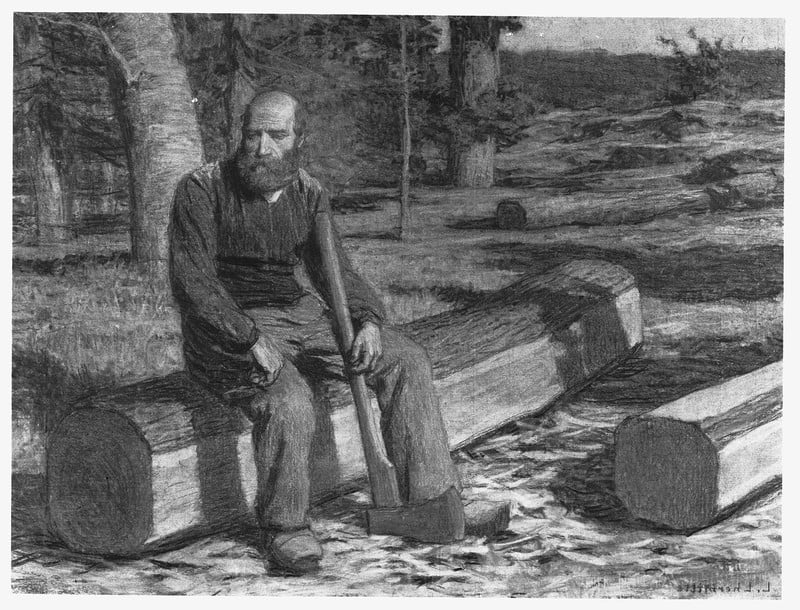
Despite the inconvenience, glass plate photography dominated for decades and helped establish photography as both an art form and a documentary tool. By the late 19th century, things began to change again. Dry plates were introduced, allowing photographers to shoot without immediate development. This was a major step toward portability and ease of use, and it opened the door for photography to move beyond professionals and specialists.
Then came the real turning point. In 1888, George Eastman launched the first Kodak camera with the slogan: “You press the button, we do the rest.”
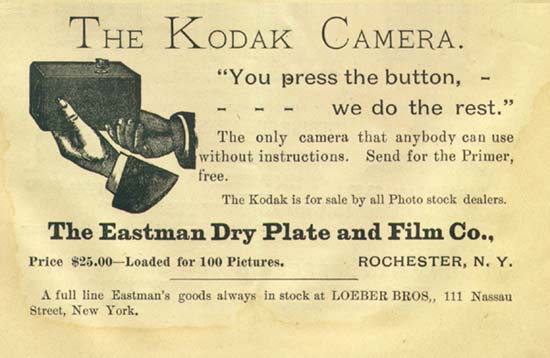
This was the beginning of photography as a mass-market activity. The camera came preloaded with film, and when it was finished, the entire camera was sent back to be developed and reloaded. Suddenly, photography wasn’t just for scientists, studios, or trained specialists, it was for everyone.
The rise of film photography
Kodak’s innovation helped standardise roll film, which became the foundation of 20th-century photography, and opened the door for Thomas Edison to pioneer the first motion picture camera.
Instead of individual glass plates, photographers could now shoot multiple exposures on flexible film. This made cameras smaller, faster, and far more practical for everyday use. By the early 1900s, film photography had become the dominant format. Cameras were being produced at scale, prices were dropping, and photography was rapidly becoming part of everyday life. From family snapshots to journalism, advertising, and scientific documentation, film made photography truly global.
A medium built by many people
It’s tempting to think of photography as the invention of a single genius, but the reality is far more interesting and complex. Photography emerged through centuries of discoveries in optics, chemistry, and engineering. It was shaped by inventors such as Nicéphore Niépce, Louis Daguerre, William Henry Fox Talbot, and John Herschel. But it was also shaped by practitioners like Anna Atkins, who showed the world how photographs could be used to document, educate, and communicate.
So, when was photography invented? The short answer is the 1820s. The longer answer is that photography evolved through the work of many people over many decades. And nearly 200 years later, we’re still building on those foundations every time we pick up a camera.
See more from DIYPhotography.net on Google
Add DIYPhotography.net as a trusted source. This makes
our stories more likely to appear in your Google Search results.
 Add as a preferred source on Google
Filed Under:
Tagged With:

About Leonard Skapp
Leonard “Len” Skapp is a photographer with a particular interest in cameras, lenses, accessories, camera bags, lens filters, tripods, camera straps, and, on rare occasions, photography itself. Equal parts reviewer and enthusiast, he enjoys digging into the technical details behind the latest gear and translating them into plain English for fellow photographers. He maintains that every purchase is a carefully considered investment, although his bank account and overflowing camera cupboard continue to dispute this claim.
We love it when our readers get in touch with us to share their stories. This article was contributed to DIYP by a member of our community. If you would like to contribute an article, please contact us here.
Related Posts
 Fascinating Facts You Should Know About History of Photography
 History.JPG: The American Museum of Natural History Digitizes its Photography Collection for Online Public Access
 Why Has The Falling Man – One Of The Strongest Photographs in History Disappeared [strong graphics]
 Forget Harry Potter, Chinese students have invented an invisibility ‘cloak’ that fools AI cameras
Join the Discussion
DIYP Comment Policy
Be nice, be on-topic, no personal information or flames.
One response to “When Was Photography Invented? The Fascinating History of the First Cameras and Photographs”
Daguerreotypes are still made today and predate the cyanotype. The cyanotype is easier done and therefore more popular but that does not make the statement that it is the oldest photo process practiced today. There are many places where you can learn to make daguerreotypes.