





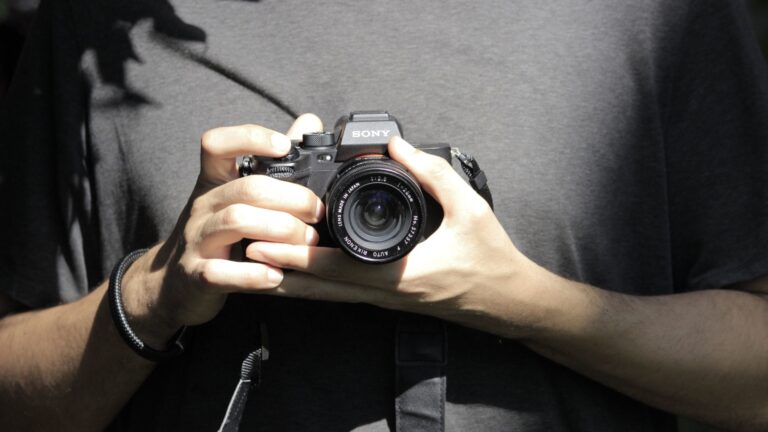














The Fascinating Processes Behind Historic Photos
Jan 20, 2026
Alysa Gavilan
Alysa Gavilan has spent years exploring photography through photojournalism and street scenes. She enjoys working with both film and mirrorless cameras, and her fascination with the craft has grown over the decades. Inspired by Vivian Maier, she is drawn to capturing everyday moments that often go unnoticed.
Share:
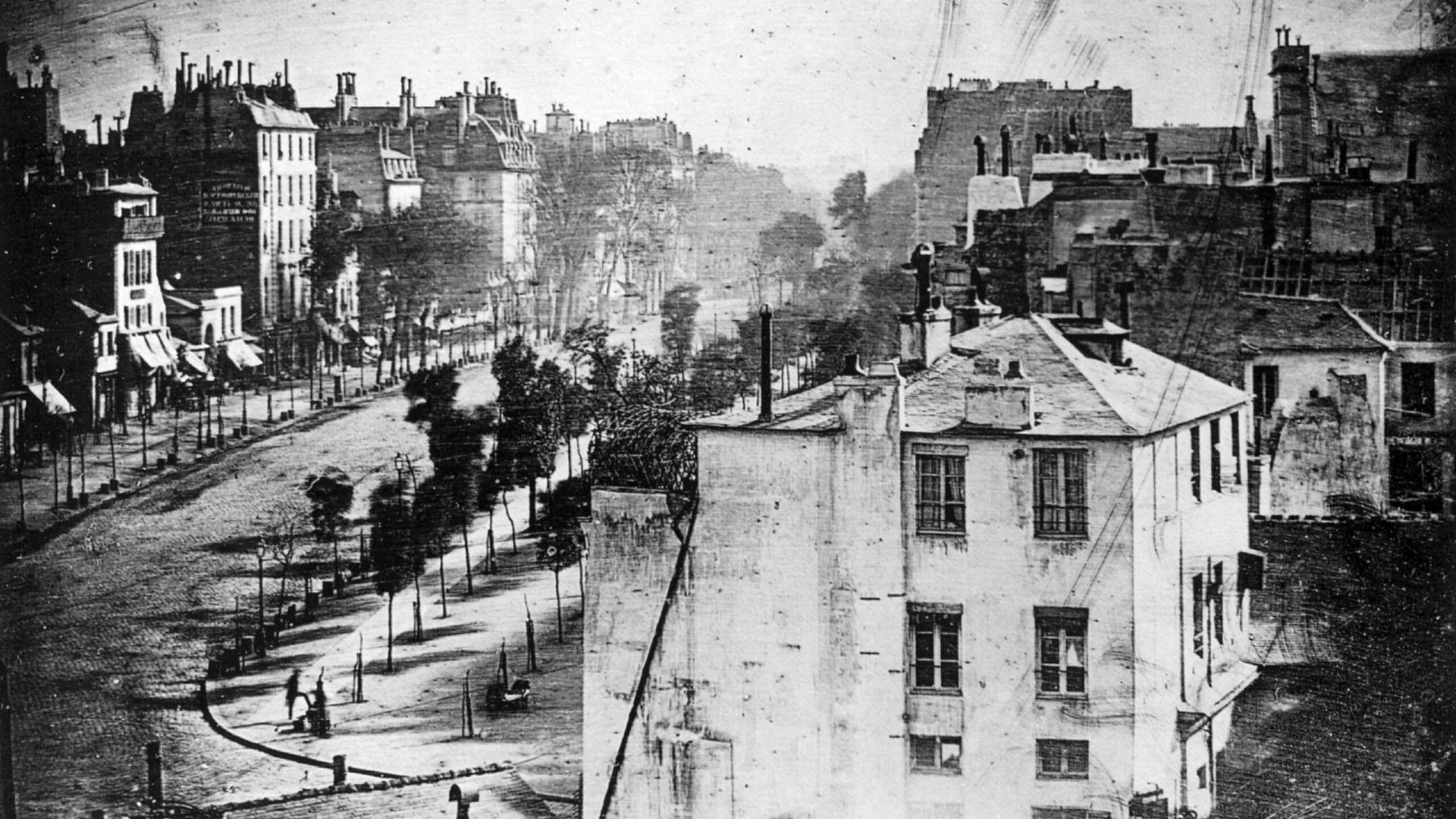
I’ve been reading lately news about old photographs being auctioned left and right, like Oscar Wilde’s rare print or even the latest acquisition of the only known photos of Ada Lovelace. It got me curious about the processes behind these historic images.
How were they made, and why do they have such a distinct look compared to modern photos?
Exploring the old photographic processes opens a fascinating window into the history of photography. These techniques, many dating back to the 19th century, required patience, precision, and a deep understanding of chemistry.
From the first permanent images to early experiments with color, each process carries a unique aesthetic and tells a story about how photography evolved. Learning about them can also inspire you to experiment in your own work and see photography in a new light.
Daguerreotype
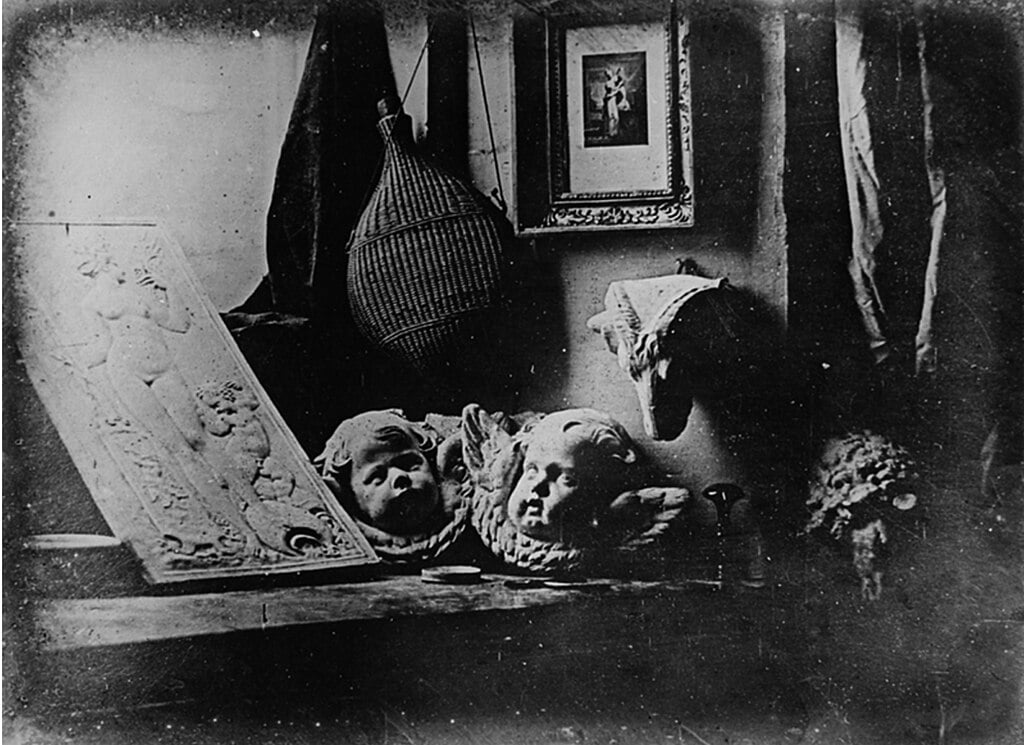
The daguerreotype is widely considered the first commercially successful photographic process, introduced by Louis Daguerre in 1839. Unlike modern photography, daguerreotypes produced a single, unique image on a polished silver-plated copper sheet. The surface was highly reflective, and images had a mirror-like quality.
Creating a daguerreotype was a meticulous process. Photographers polished the metal plate, sensitized it with iodine vapor to make it light-sensitive, and exposed it in a camera for several minutes.
After exposure, the plate was developed using mercury vapor, fixed with a salt solution, and often sealed behind glass to prevent tarnishing. Daguerreotypes are instantly recognizable for their crisp detail, high contrast, and slight three-dimensional appearance.
They were popular for portraiture in the mid-19th century, giving families and individuals a permanent likeness long before affordable printing options existed.

Calotype
In the 1840s, William Henry Fox Talbot developed the calotype, an early paper-based photographic process that allowed for multiple copies from a single negative.
Unlike the daguerreotype, which created a one-of-a-kind image, the calotype produced a translucent negative on paper that could be contact-printed to create multiple positives.
The process began with paper treated with silver iodide, exposed in a camera, and developed with gallic acid. Calotypes produced softer images compared to daguerreotypes, with a grainy, textured quality that many find charming.
Despite being less detailed, calotypes were an important step toward modern photography because they introduced the concept of reproducible negatives, laying the foundation for mass-produced prints.
Albumen Print
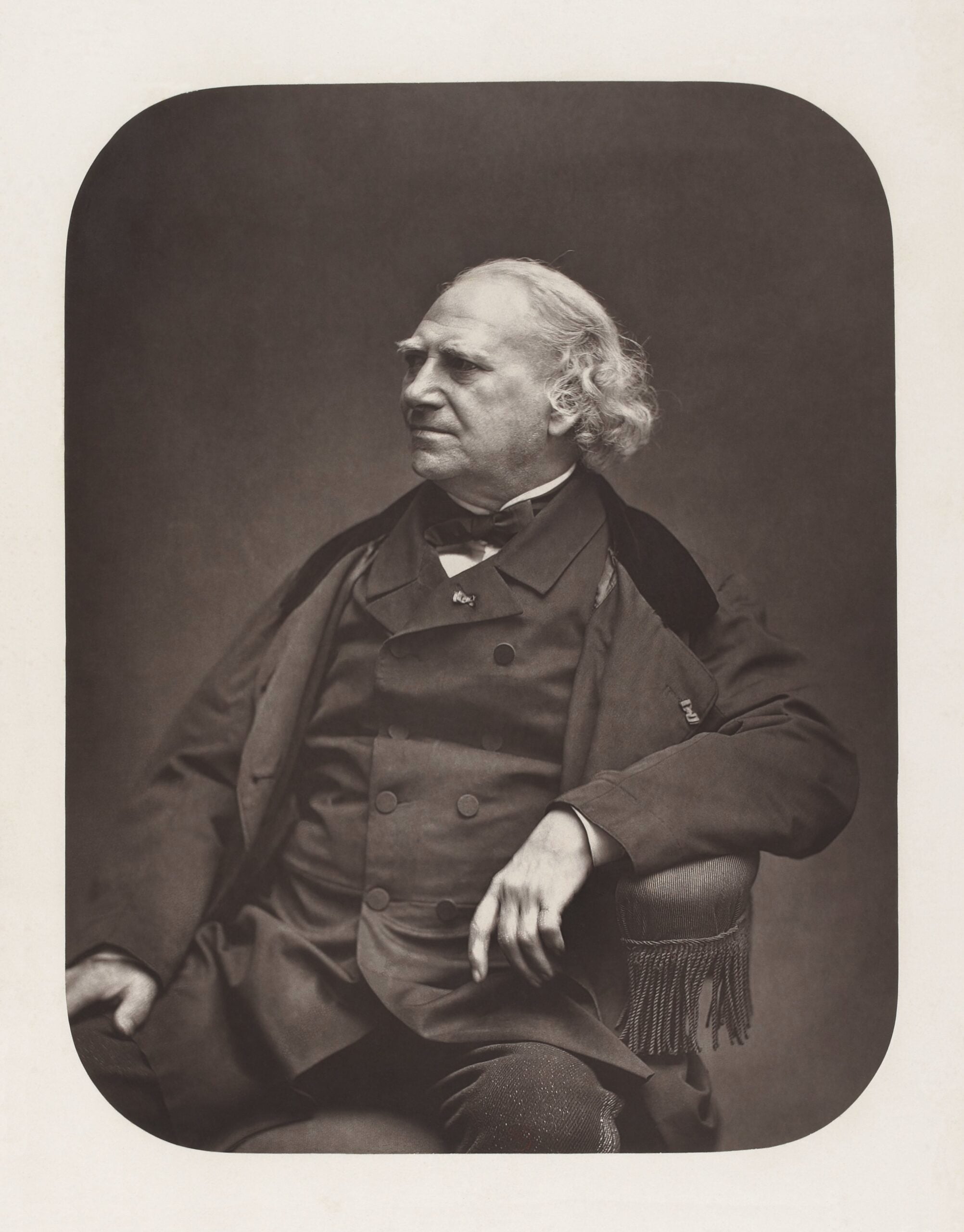
The albumen print dominated photographic printing from the 1850s through the end of the 19th century. Invented by Louis Désiré Blanquart-Evrard, it used egg whites to bind light-sensitive silver salts to paper, creating a glossy surface that enhanced tonal range and detail.
Albumen prints were typically made from glass negatives. After coating paper with the albumen solution, the photographer would contact-print it under sunlight, producing an image with warm highlights and delicate shadows.
These prints were widely used for portraits, landscapes, and cartes de visite, small visiting card-sized photographs collected and shared among friends and family.

Wet Collodion (Tintype and Ambrotype)
The wet collodion process, introduced by Frederick Scott Archer in 1851, became one of the most versatile and popular 19th-century methods.
It involved coating a glass or metal plate with a collodion solution, sensitizing it in a silver nitrate bath, and exposing it while still wet. The plate had to be developed immediately, requiring a portable darkroom if used outdoors.
Two variations of this process were ambrotypes and tintypes. Ambrotypes used glass plates and produced a positive image when backed with black material, while tintypes used thin sheets of iron coated with collodion, creating a durable and inexpensive alternative for portraits.
Wet collodion photographs offered sharp detail and rich tonal range, making them favorites among professional photographers of the era.
Cyanotype
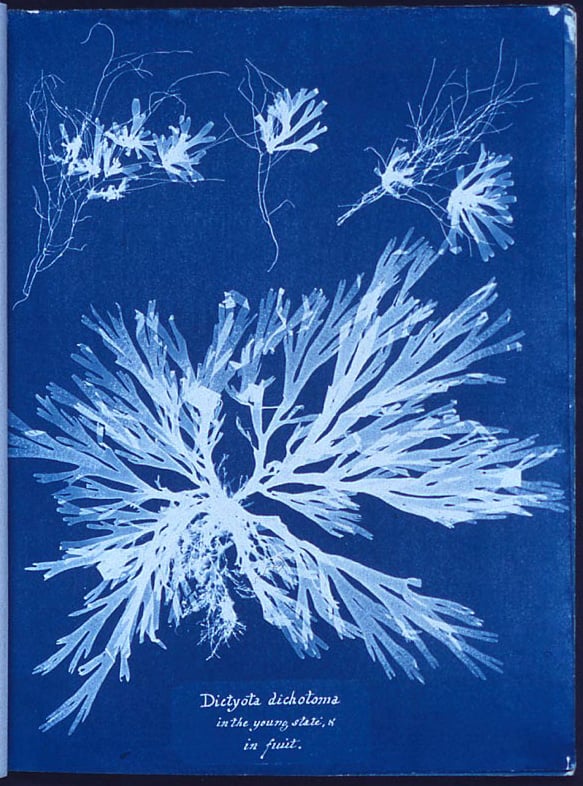
Cyanotype, invented by Sir John Herschel in 1842, is a simple and striking process known for its distinctive blue color. Photographers create images using a paper or fabric coated with a mixture of ferric ammonium citrate and potassium ferricyanide. After exposure to UV light, typically sunlight, the treated surface develops Prussian blue hues.
Cyanotypes were widely used for scientific illustrations, architectural plans, and botanical studies, as they were inexpensive and durable.
Anna Atkins, an English botanist, famously used cyanotype to document plant specimens, producing one of the first books illustrated with photographs. The bold, monochromatic blue makes cyanotypes instantly recognizable and aesthetically unique.

Platinum and Palladium Prints
Platinum and palladium prints were prized for their subtle tonal range and permanence. Unlike silver-based processes, these prints use metal salts applied to paper, resulting in images with soft grays and deep blacks that are resistant to fading.
Introduced in the late 19th century, they were often favored by fine art photographers.
The process requires coating the paper with a solution of platinum or palladium salts, exposing it in contact with a negative, and developing it with potassium oxalate. Each print is one-of-a-kind, and photographers valued the ability to produce delicate, detailed images with a matte surface.
Even today, platinum prints are highly collectible for their beauty and archival quality.

Gum Bichromate
Gum bichromate is a versatile, painterly process that allows photographers to manipulate tone and texture in their prints. Introduced in the mid-19th century, it combines gum arabic, potassium dichromate, and pigment, applied to paper and exposed to UV light.
One of the unique aspects of gum bichromate is that you can layer multiple exposures and colors to create complex, artistic effects. The process requires patience and experimentation, but it produces images that resemble paintings as much as photographs.
It was often used for expressive portraiture and creative landscapes, giving photographers an almost limitless range of aesthetic possibilities.
Autochrome
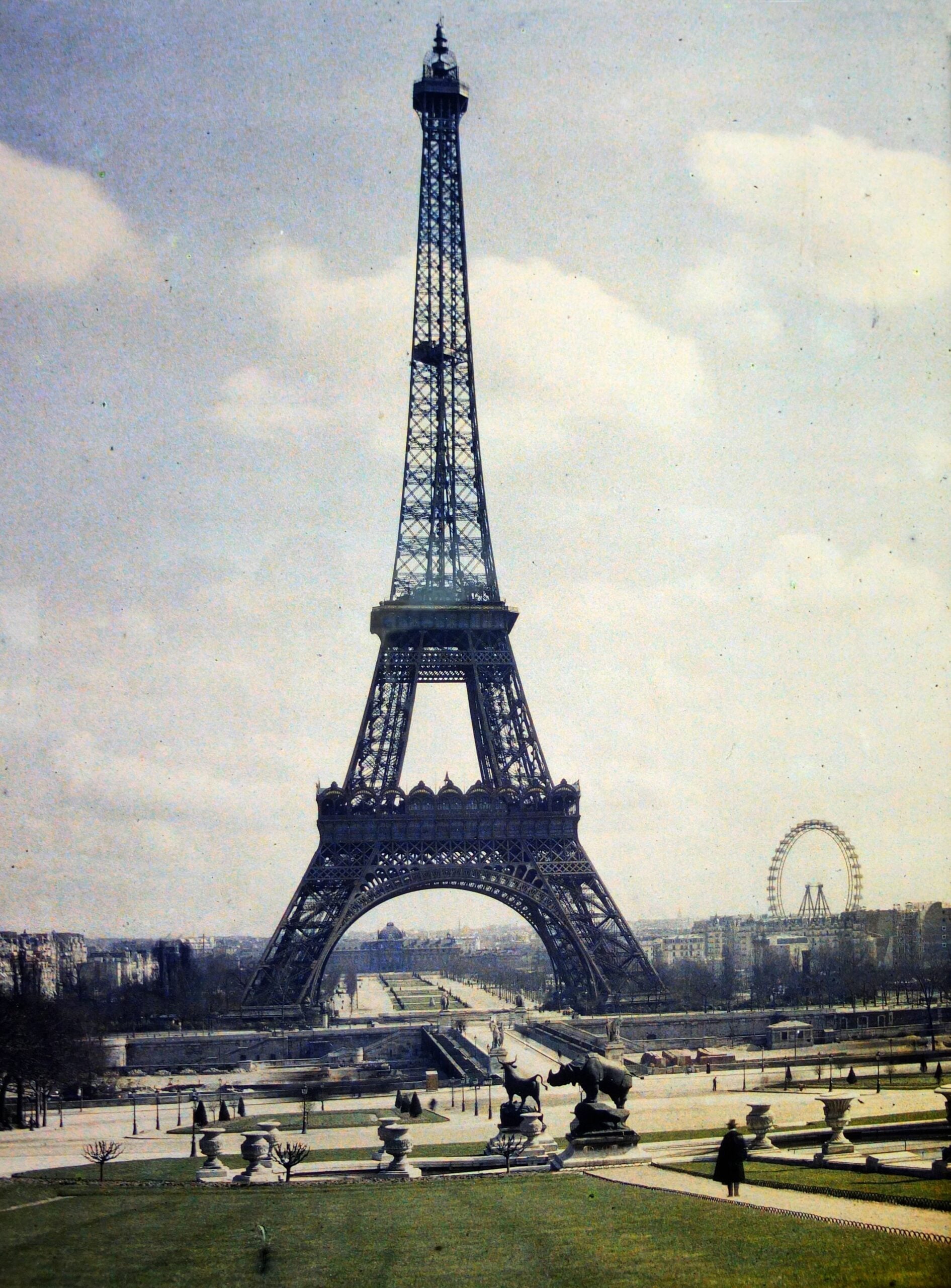
The autochrome process, introduced in 1907 by the Lumière brothers, was the first widely successful color photographic technique. It used a mosaic of dyed starch grains to filter light, capturing color directly on a glass plate.
Autochromes produced soft, impressionistic images with muted colors and a distinctive pointillist effect. The plates were exposed in a camera and then viewed by transmitted light, often with a backlight or projector.
Despite technical limitations, autochrome allowed photographers to experiment with color photography for the first time, paving the way for future innovations.
These old processes remind us that photography is not just about capturing a moment — it is about shaping how we see and interpret the world, one carefully prepared plate or print at a time.
See more from DIYPhotography.net on Google
Add DIYPhotography.net as a trusted source. This makes
our stories more likely to appear in your Google Search results.
 Add as a preferred source on Google

Alysa Gavilan
Alysa Gavilan has spent years exploring photography through photojournalism and street scenes. She enjoys working with both film and mirrorless cameras, and her fascination with the craft has grown over the decades. Inspired by Vivian Maier, she is drawn to capturing everyday moments that often go unnoticed.


Join the Discussion
DIYP Comment Policy
Be nice, be on-topic, no personal information or flames.
One response to “The Fascinating Processes Behind Historic Photos”
In New Zealand Son Recently been to Porirua The Warehouse to Buy 6 Living & Co Rolling Organiser 62L Clear and then go to Tawa bp to Fill the Petrol on Tuesday 20 January 2026.
And So DIYPhotography, Canada, Mexico, Central America, Caribbean, South America, Polynesia, Greenland, Europe, United States, Japan, New Zealand, Africa, West Asia, Philippines, Vietnam, Laos, Cambodia, Thailand, Myanmar, Micronesia, Melanesia, Singapore, Central Asia, South Asia, North Korea, South Korea, Malaysia, Indonesia, Brunei, East Timor, Bermuda, Saint Pierre and Miquelon and Everyone, now all go have a best upgraded realest strongest extremely biggest fighting and moreover to get all the money, everything, whatever and many more out from 3 Sextuple Country List: List 1 China/Mongolia/Taiwan/Macau/Hong Kong/Australia, List 2 North Korea/South Korea/Central Asia/South Asia/Myanmar/Vietnam and List 3 Laos/Thailand/Cambodia/Philippines/Micronesia/Melanesia into 1 Quadruple Country List: List 1 New Zealand/United States/Europe/Singapore for every time.