

















Curious About Film Photography? Here’s Everything You Need to Know
Aug 23, 2025
Darlene Lleno
Darlene Lleno brings a unique perspective to DIY Photography as someone who grew up surrounded by camera gear but chose words over lenses. With five years of writing experience, she specializes in photography content that’s both technically informed and genuinely passionate. Growing up with a photographer twin brother meant camera talk was everyday conversation in her household. While he mastered capturing moments, Darlene discovered she preferred being the subject and the storyteller behind the scenes. As a travel enthusiast and mother of two, she understands the importance of preserving life’s precious moments. When not exploring new destinations or writing for DIY Photography, you’ll find her reading or tending to her garden. Her approach to photography writing is refreshingly authentic, she may not be behind the camera, but she knows exactly what it takes to help others capture the shots that matter most.
Share:
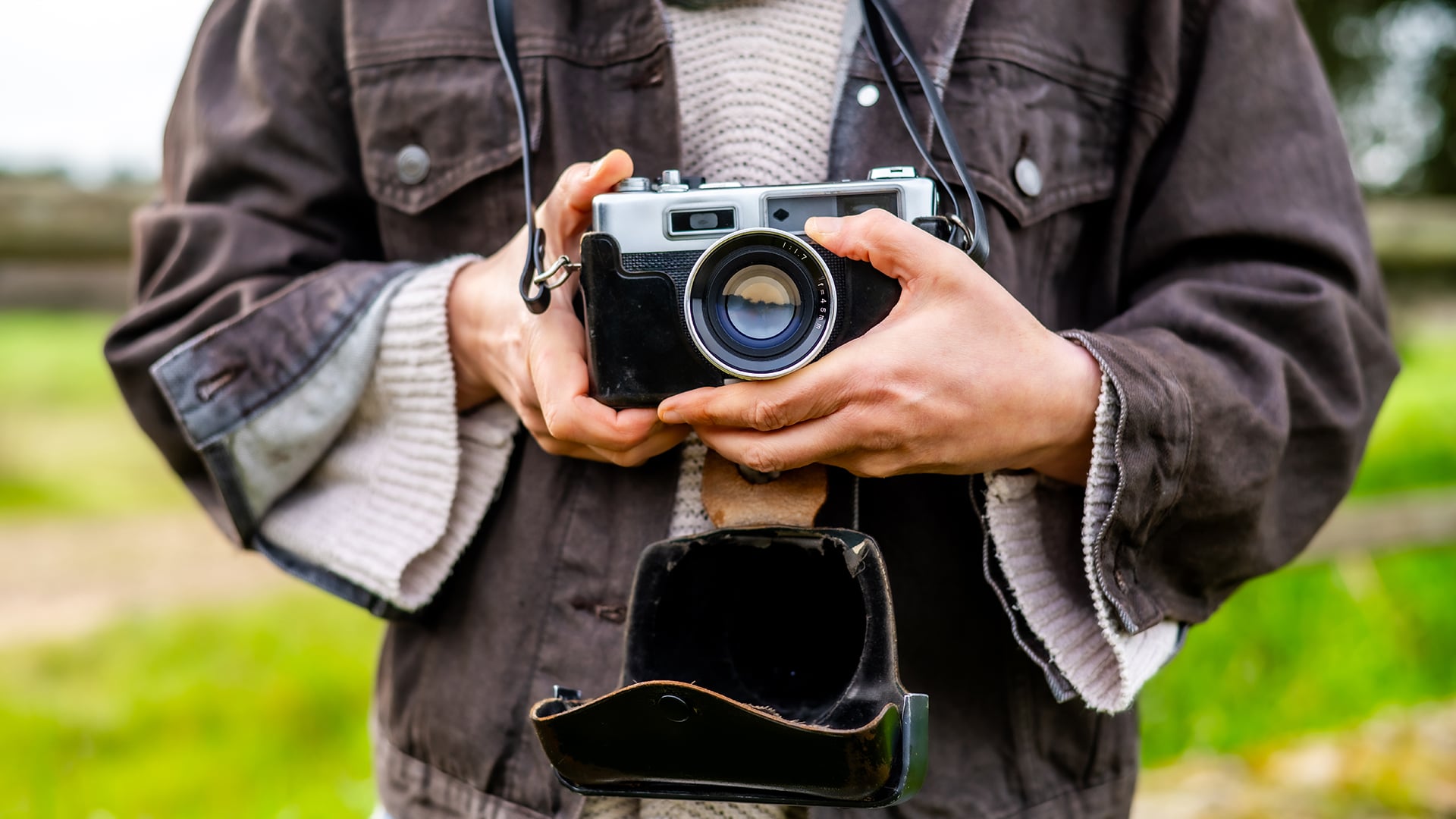
Film photography is the process of capturing images on light-sensitive film rather than a digital sensor, developing that film with chemicals to reveal the picture. This guide to film photography covers everything you need to get started: how film works, what gear you need, which film stock to choose, and how to shoot, develop, and scan your first rolls.
Film photography captures moments with a timeless quality that digital cameras can’t quite match. This old-school way of taking pictures uses chemicals on special film to record what you see, giving you results with that distinctive grain and color that many photographers absolutely love.
More and more people are picking up film cameras these days. There’s something special about the slow, thoughtful process that comes with shooting on film. You can’t just spray and pray like with digital – every shot counts because film costs money and you’ve only got so many frames per roll.
A Beginner’s Guide to Film Photography: The Basics
Here’s how film photography works: light hits tiny silver crystals in your film, creating an invisible image. You won’t see anything until you develop that film in chemicals, either at home or at a lab. It takes patience, but the results often beat digital when it comes to character and depth.
The grain you see in film photos comes from those silver crystals. Each type of film gives you different looks. Some films are amazing for skin tones, while others work better for landscapes or when you’re shooting in dim light.
You’ll find that different films have their own personality. Once you start experimenting, you’ll probably develop favorites for different situations.
Film photography operates on the same fundamental principles as digital photography, but the medium itself creates unique characteristics that can’t be perfectly replicated. Understanding these basics will help you make better decisions about equipment, techniques, and creative approaches.
[Related Reading: Tips for Film Photography: How to Stop Wasting Rolls]
Types of Photographic Film
Film comes in several varieties, each designed for specific purposes and shooting conditions. Your choice of film stock will dramatically affect the final look of your photographs.
Color negative film is what most beginners should start with. It’s forgiving, which means you can mess up your exposure a bit and still get decent shots. Labs can easily make prints from these negatives or scan them for you.
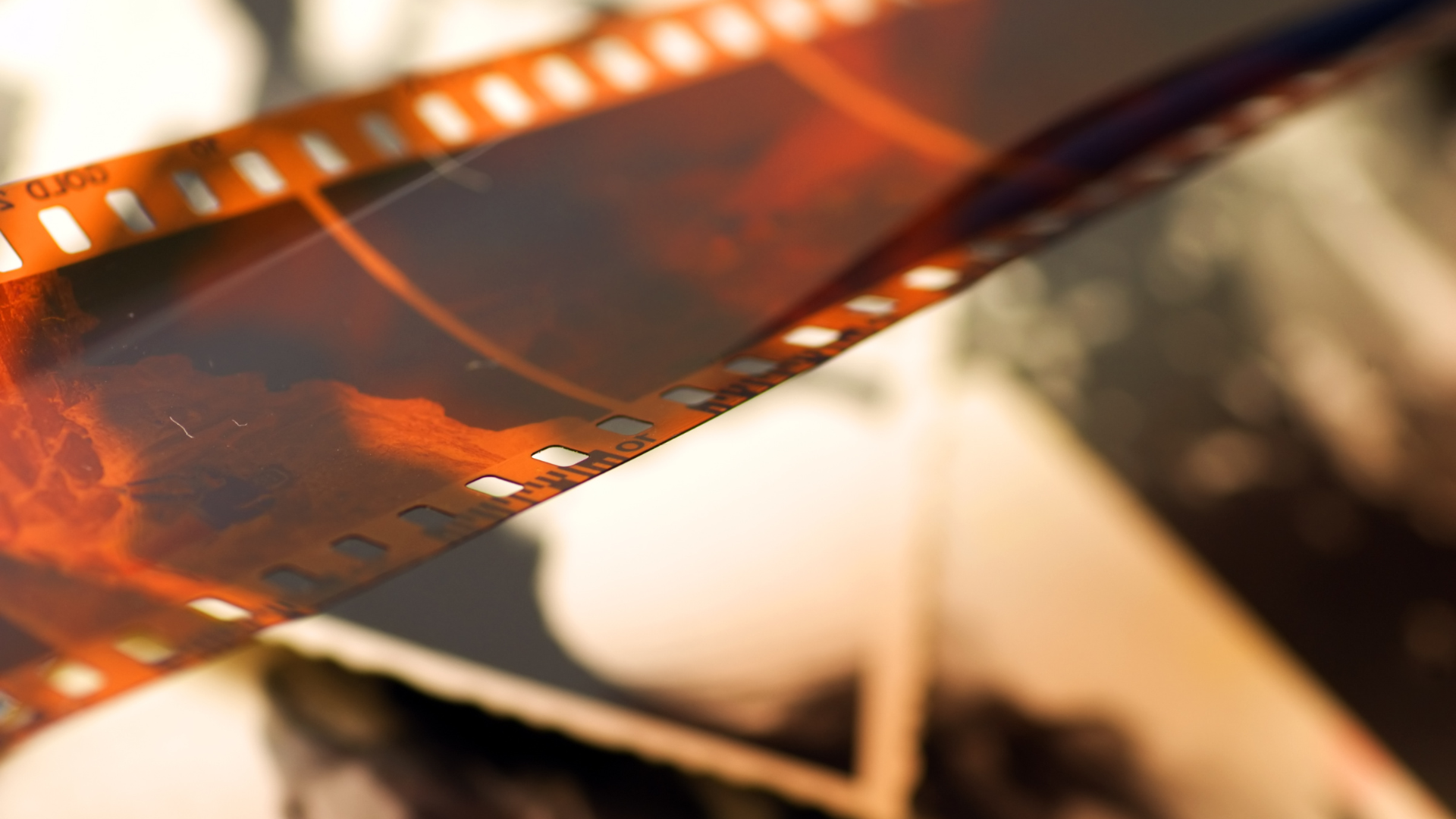
Black and white film gives you those classic, dramatic photos. Many photographers love it for portraits and street photography. Plus, you can develop black and white film at home pretty easily, which saves money and gives you more control.
Slide film creates those super sharp, colorful transparencies. Professional photographers used to love this stuff, but it’s really picky about exposure. Get it wrong by even a little bit, and your shot might be ruined.
Camera Types for Film Photography
Different camera formats offer unique advantages depending on your photography goals and budget. Each type has its own learning curve and produces distinct results.
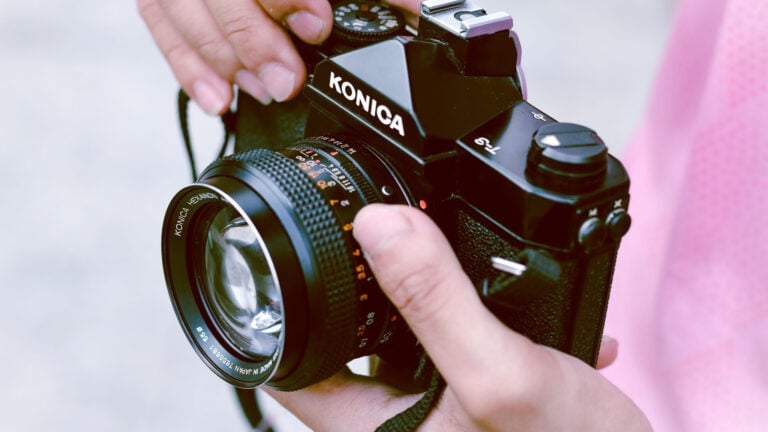
SLR cameras were the workhorses of professional photography for decades. What you see through the viewfinder is exactly what the lens sees, thanks to mirrors and prisms inside the camera. Canon cameras like the AE-1 or Nikon models like the FM are still fantastic choices if you’re just starting out.
Rangefinder cameras work differently. Instead of looking through the lens, you use a separate viewfinder. Nikon’s classic SP rangefinder cameras are famous for this design, though you can find cheaper alternatives that work just as well for learning.
Medium format cameras use bigger film than regular 35mm cameras. This means more detail and less grain in your final images. They’re bulkier and more expensive, but the image quality is incredible.
Large-format cameras use individual sheets of film that are 4×5 inches or even bigger. These cameras produce amazingly detailed photos, but you need a tripod for every shot, and the process is much slower.
Understanding Film Science
The chemistry and physics behind film photography affect every aspect of image creation. Understanding these principles helps you make better technical and creative decisions.
How Film Works
Film photography relies on complex chemical reactions that occur when light interacts with silver halide crystals. Understanding this process helps you predict how different conditions will affect your images.
The science behind photographic film involves light-sensitive silver halide crystals suspended in gelatin emulsion. When light hits these crystals, it creates a latent image that becomes visible only after chemical development.
Different crystal sizes and compositions create the characteristics we see in different films. Fine-grain films use smaller crystals for smoother images, while high-speed films use larger crystals for better light sensitivity.
Film Characteristics
Each film stock has unique characteristics that affect how it responds to light and processing. Understanding these differences helps you choose the right film for specific situations.
Each film stock has its own response curve, which determines how it handles different light levels. Understanding these curves helps you choose the right film for specific shooting conditions.
Color films use multiple emulsion layers to record red, green, and blue light separately. The way these layers interact creates each film’s distinctive color palette and contrast characteristics.
Essential Equipment for Film Photography
Building a film photography kit requires careful consideration of both budget and intended use. You don’t need the most expensive gear to create great images, but certain tools will make your journey much easier.
Camera Bodies and Lenses
Choosing your first film camera sets the foundation for your entire photographic journey. Consider both current needs and future growth when making this important decision.
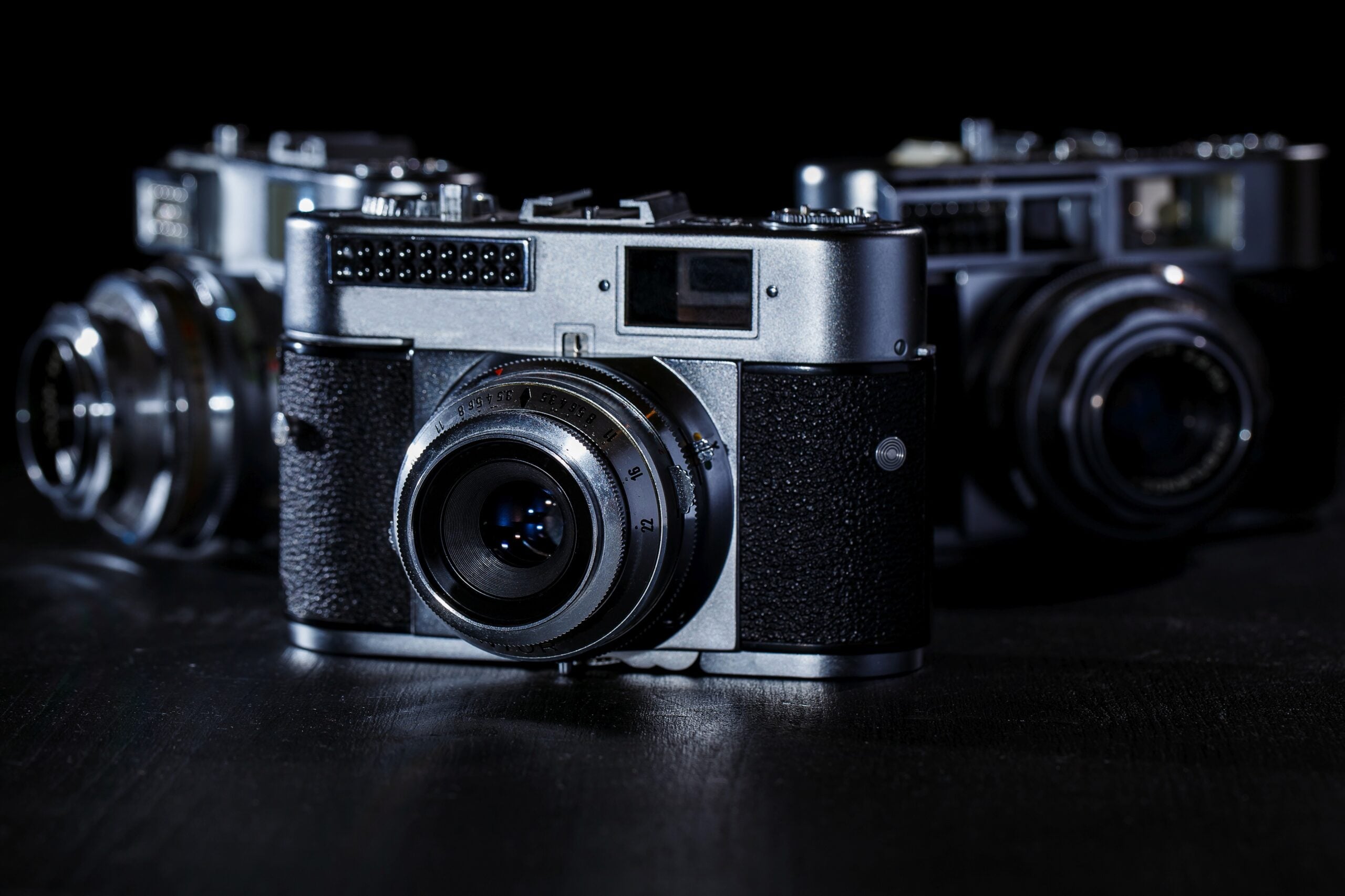
Your first camera should be a reliable 35mm SLR with manual controls. Look for one with a working light meter; it’ll help you get proper exposures while you’re learning. Don’t worry about getting the fanciest camera right away.
Prime lenses usually give better results than zoom lenses on film. A 50mm lens sees about the same as your eyes do, making it perfect for general photography. A 20mm wide-angle lens captures expansive scenes, while an 85-135mm telephoto is great for portraits.
Film Selection and Storage
Your choice of film dramatically affects the final look of your photographs. Understanding different film characteristics helps you match the right stock to your creative vision.
Different films give you completely different looks. Kodak Portra films are famous for gorgeous skin tones in portraits. Fuji films tend to have more vibrant, slightly cooler colors. For black and white, Ilford and Kodak both make excellent films with different contrast levels.
Keep your film cool and dry. Storing it in the fridge extends its life, but let it warm up to room temperature before you use it. Never leave film in hot cars or humid places – heat and moisture will ruin it.
Accessories and Tools
The right accessories can dramatically improve your film photography experience and help you achieve consistently better results. These tools bridge the gap between amateur snapshots and professional-quality images.
A good handheld light meter helps when your camera’s meter isn’t working or doesn’t have one. Professional light meters often give more accurate readings than built-in camera meters, especially in tricky lighting conditions.
Get a solid tripod for sharp photos in low light or when using slow shutter speeds. Carbon fiber tripods are lighter but cost more than aluminum ones. Pick what fits your budget and how much walking you plan to do.
Keep lens cleaning supplies handy. Microfiber cloths and proper cleaning solutions remove dust and fingerprints without scratching your lens coatings.
Film Photography Techniques
Mastering film photography techniques requires understanding both the technical and creative aspects of analog image-making. These skills take time to develop but become second nature with practice.
Exposure Fundamentals
Getting proper exposure is critical in film photography since you can’t review images immediately or easily correct mistakes later. Understanding exposure principles helps you capture images that match your creative vision.
Film photography means understanding how aperture, shutter speed, and ISO work together. Unlike digital, you can’t change ISO mid-roll since your entire roll of film has the same speed rating.
The exposure triangle works the same way as digital, but film reacts differently to mistakes. Color negative film handles overexposure pretty well, but loses shadow detail when underexposed. Slide film demands perfect exposure with almost no room for error.
Metering Methods
Different metering patterns help you achieve accurate exposure in various shooting situations. Learning when to use each method improves your consistency and creative control.
Spot metering measures light from just a small area, usually the center of your frame. This works great when you have high contrast scenes and want to expose for a specific subject.
Center-weighted metering looks at the middle of your frame but considers the whole scene. Most photographers find this method works well for everyday shooting.
Matrix metering analyzes different zones across your frame to figure out the best exposure. Newer cameras are pretty smart about this, but older cameras might not have this feature.
Focus Techniques
Achieving sharp focus in film photography requires skill and practice. Manual focus gives you complete creative control but demands technical precision.
Manual focus takes practice, but it gives you total control. Use your camera’s focusing aids like split-prism screens to nail sharp focus. These work best in good light.
Depth of field preview buttons show you how much of your scene will be sharp at your chosen aperture. Smaller apertures (higher f-numbers) keep more in focus, while larger apertures blur the background.
Zone focusing works great for street photography when you need to shoot fast. Pre-focus your lens to a certain distance and use small apertures to keep subjects sharp within a range.
Developing and Processing Film
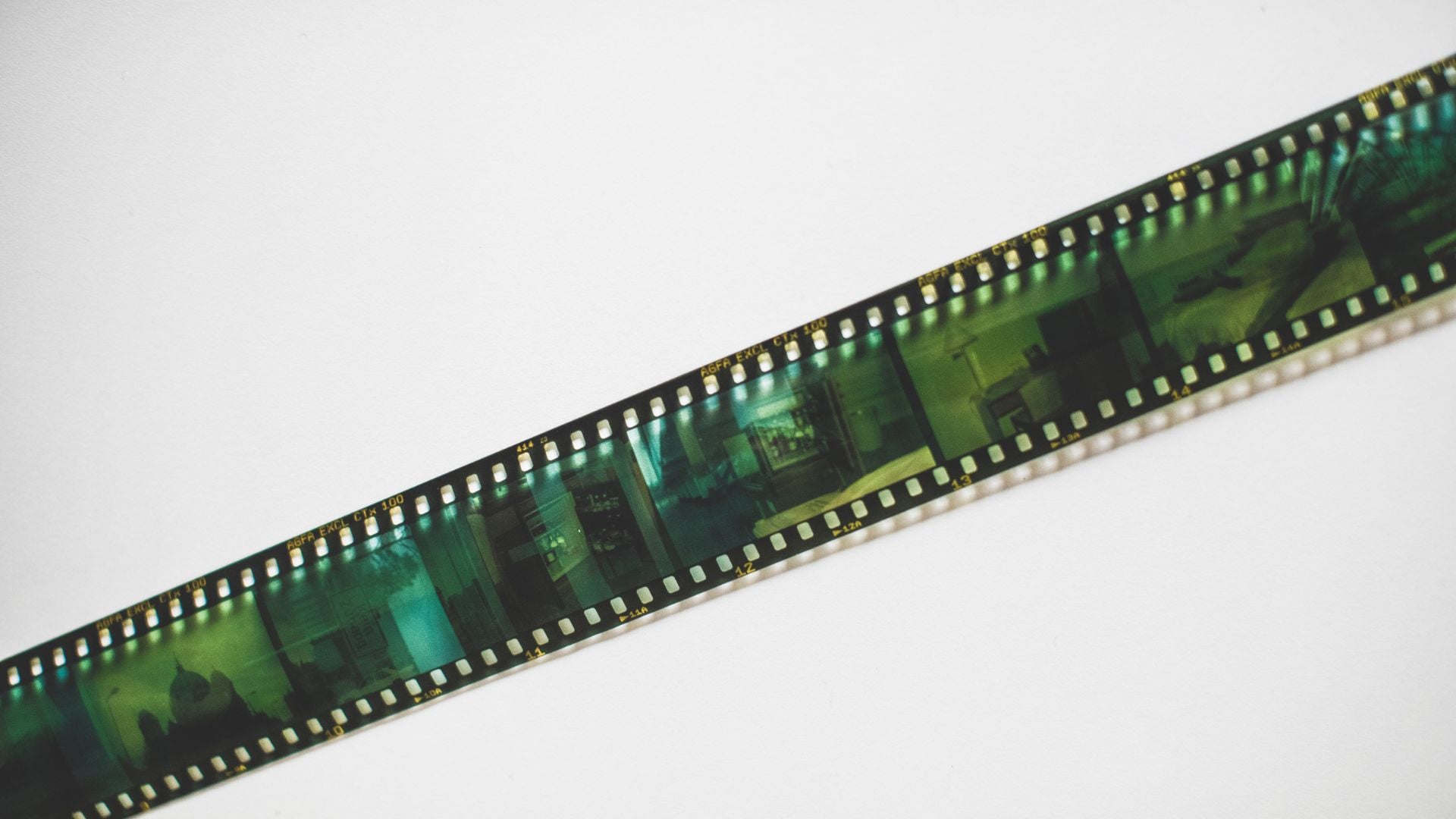
Film processing transforms your exposed film into viewable images. Whether you choose to develop at home or use professional services affects both cost and creative control over your final results.
Home Development Setup
Creating your own darkroom opens up creative possibilities and gives you complete control over the development process. Even a basic setup can produce professional-quality results.
Setting up your own darkroom gives you complete control over how your photos look. You need a space that blocks out all light, has good air circulation, running water, and steady temperatures. Even a bathroom can work if you set it up right.
Basic gear includes developing tanks, film reels, measuring cups, a thermometer, a timer, and containers for your chemicals. Stainless steel reels last longer than plastic ones, but they’re trickier to load film onto.
Chemical Processing Steps
Understanding the chemical process helps you troubleshoot problems and achieve consistent results. Each step serves a specific purpose in converting your latent image into a permanent photograph.
Black and white development uses three main chemicals:
- Developer – converts your invisible image to visible silver
- Stop bath – stops the developer from working
- Fixer – removes leftover chemicals and makes your image permanent
Color film processing is more complicated and needs precise temperature control. Most people send color film to labs, though you can do it at home if you’re really dedicated.
Scanning and Printing Options
Converting your film images to digital files or traditional prints requires different approaches and equipment. Your choice affects image quality, workflow, and long-term archival considerations.
Digital scanning turns your film photos into computer files so you can edit and share them. Flatbed scanners with film holders work fine for casual use, while dedicated film scanners give better quality.
Professional drum scanners create the absolute best scans, but cost way more. Many photo labs offer scanning services at different quality levels depending on your budget.
Traditional darkroom printing uses enlargers to project your film onto photo paper. This hands-on process lets you dodge, burn, and adjust contrast in ways that digital editing can’t quite replicate.
Common Film Photography Challenges
Every film photographer encounters obstacles that can affect image quality or cause complete failures. Understanding these challenges helps you avoid costly mistakes and develop better shooting habits.
Exposure Issues
The film’s limited exposure latitude means mistakes are less forgiving than with digital sensors. Learning to recognize and compensate for challenging lighting situations improves your success rate significantly.
Film doesn’t forgive exposure mistakes like modern digital cameras do. Underexposed photos lose shadow detail and look muddy. Overexposed ones blow out highlights, though color negative film handles this better than slide film.
Practice with your camera’s meter and learn to spot tricky lighting. Backlit subjects, bright snow, and dark objects against bright backgrounds can fool your meter into giving bad readings.
Camera Maintenance Problems
Vintage film cameras require more maintenance than modern digital equipment. Regular care and understanding of common problems help keep your camera functioning reliably.
Old film cameras can develop problems after sitting around for years. Sticky shutters, mirror issues, and dead meters are pretty common with vintage gear. Regular servicing prevents most problems, but finding good repair shops is getting harder.
Light seals break down over time, causing light leaks that show up as streaks or fogging on your developed film. You can replace these yourself with some patience, and it costs way less than professional repair.
Film Handling Mistakes
Proper film handling prevents costly errors and ensures your precious shots make it through the entire process successfully. Small mistakes can ruin entire rolls of valuable images.
Loading film wrong gives you blank rolls or partial exposures. Practice with cheap expired film in bright light before trying it with good film. Make sure the film advances properly by checking that the rewind crank turns as you wind the film.
Extreme temperatures mess with film performance. Really cold weather makes film brittle and can cause static marks. Extreme heat shifts colors and hurts image quality.
Advanced Film Photography Concepts
Once you’ve mastered basic film photography techniques, advanced concepts open up new creative possibilities. These techniques require more skill but can produce truly unique results.
Multiple Exposures and Creative Techniques
Creative techniques unique to film photography can produce effects that are difficult or impossible to achieve with digital cameras. These methods require planning and practice but offer distinctive artistic possibilities.
Many film cameras let you expose the same frame multiple times for artistic effects. Plan your shots carefully since bright subjects will overpower darker areas in your final image.
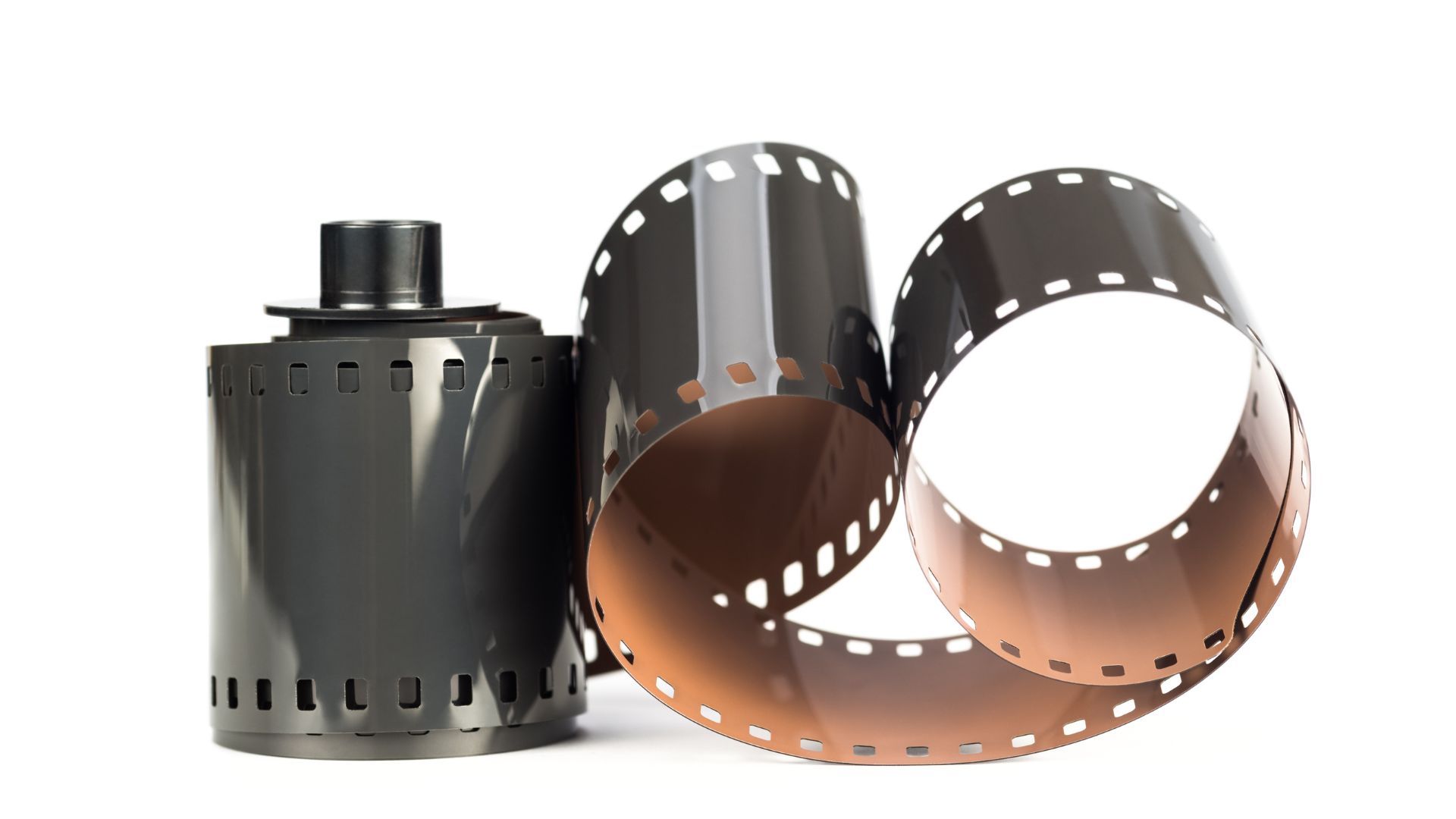
Push and pull processing changes how you develop film to make up for deliberate over or underexposure. Pushing (overdeveloping) lets you shoot at higher ISOs but increases grain and contrast. Pulling does the opposite.
Alternative Film Processes
Experimental processing techniques create unique looks that digital filters can’t replicate. These alternative approaches require more knowledge but produce distinctive artistic results.
Cross-processing develops color negative film in slide chemistry or the other way around. This creates weird color shifts and high contrast for artistic looks.
Bleach bypass skips one step in color development, keeping some silver with the color dyes. You get high-contrast images with washed-out colors that look pretty dramatic.
Professional Film Photography Practices
Professional photographers use specific techniques and workflows to ensure consistent, high-quality results. These practices help you achieve more reliable outcomes and develop better shooting habits.
Professional photographers often bracket important shots, taking the same photo at different exposures to make sure they get it right. Film costs make this expensive, so only do it for really important shots.
Keep notes about your shooting, especially when trying new films or techniques. Write down camera settings, lighting conditions, and what film you used for each shot. These notes help you improve and repeat successful techniques.
Film Photography in the Digital Age
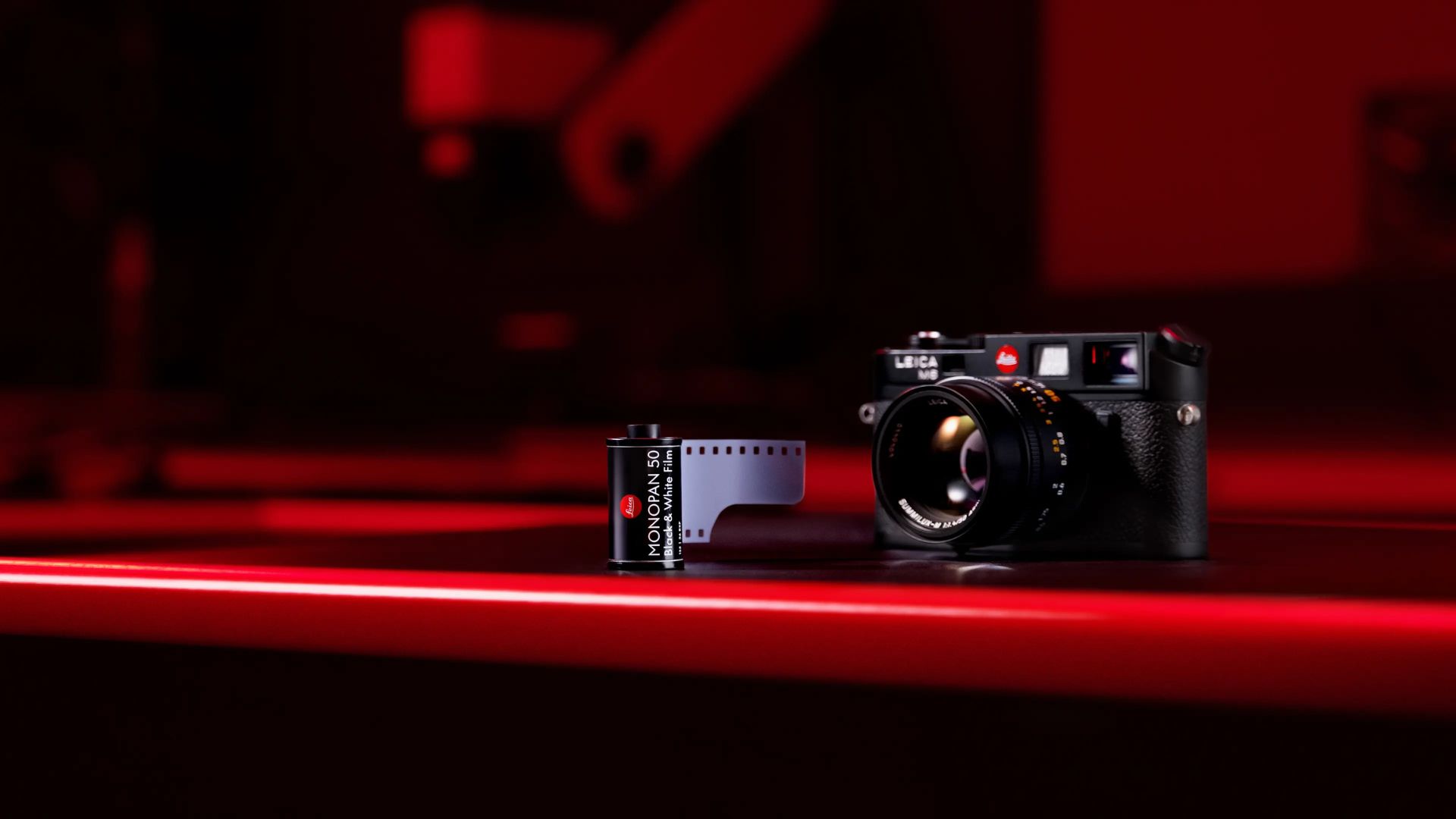
Modern film photography exists alongside digital technology, creating new hybrid workflows and opportunities. Understanding how to blend analog and digital techniques expands your creative options.
Hybrid Workflows
Combining film capture with digital processing creates workflows that leverage the strengths of both mediums. This approach gives you a film’s unique aesthetic with digital convenience and flexibility.
Lots of photographers shoot film but use digital tools for editing. High-quality scanning lets you get the film look while using modern editing software for tweaks and corrections.
Modern scanning software can automatically remove dust and scratches while keeping the film grain and colors you want. This gives you the best of both worlds.
Cost Considerations
Film photography requires ongoing investment in materials and processing. Understanding these costs helps you budget effectively and find ways to make film photography more affordable.
Film photography costs more per shot than digital, but this can actually make you a better photographer. When each frame costs money, you think more carefully about composition and exposure.
Buy film in bulk to save money per roll. Store unused film properly so it doesn’t go bad. Consider developing your own black and white film to cut processing costs.
Finding Film and Processing Services
The film photography infrastructure has changed dramatically since digital became dominant. Knowing where to find supplies and services helps you maintain a reliable workflow.
Film selection has shrunk since digital took over, but you can still find plenty of options through specialty shops and online dealers. Professional films like Kodak Portra and Fuji stocks are still being made because there’s enough demand.
Photo labs have gotten fewer, but still exist in most big cities. Mail-order processing serves photographers in areas without local labs. Research lab quality and how long they take before picking one.
Popular Film Stocks to Try
Different film stocks offer unique characteristics that affect the final look of your photographs. Understanding these differences helps you choose films that match your creative vision and shooting conditions.
Color Negative Films
Color negative films offer the most flexibility and forgiveness, making them ideal for beginners and situations where lighting conditions might vary significantly.
- Kodak Portra 400 is probably the most popular portrait film out there. It handles skin tones beautifully and has great exposure latitude. Portra 160 gives finer grain for studio work, while Portra 800 works well in lower light.
- Fuji Pro 400H produces slightly cooler tones with excellent shadow detail. Many wedding photographers love this film for its consistent results across different lighting conditions.
- Kodak Gold 200 offers great value for everyday shooting. It’s not as refined as professional stocks, but it gives pleasant colors and costs way less.
Black and White Films
Black and white films offer timeless aesthetic appeal and are easier to process at home. Each film has distinct grain structure and tonal characteristics.
- Ilford HP5 Plus is a versatile 400-speed film that handles push processing really well. You can shoot it at ISO 800 or even 1600 with good results.
- Kodak Tri-X has been around forever and gives a classic grain structure that many photographers love. It’s another great choice for push processing.
- Ilford FP4 Plus is a slower 125-speed film that produces incredibly fine grain and smooth tones. Perfect for portraits and still life work.
Slide Films
Slide films produce incredibly sharp, saturated images but require precise exposure. They’re perfect when you want maximum image quality and don’t mind the technical demands.
- Fuji Velvia 50 creates incredibly saturated colors, especially in landscapes. The grain is almost invisible, but exposure needs to be spot-on.
- Kodak Ektachrome E100 offers more natural colors than Velvia with excellent sharpness. It’s easier to expose correctly than most slide films.
Building Your Film Photography Skills
Developing proficiency in film photography takes time and practice. A systematic approach to learning helps you build skills efficiently and avoid common pitfalls.
Start with one camera and one type of film. Learn how they work together before branching out. Practice the basics of exposure and focus until they become second nature.
Join local photography groups or online communities where you can share work and get feedback. Seeing how other photographers approach film helps you develop your own style.
Don’t be afraid to make mistakes. Every photographer has ruined rolls of film while learning. Those mistakes teach you more than perfect shots sometimes do.
Consider taking a darkroom class if you can find one. Working with your hands in the darkroom connects you to photography in ways that digital editing can’t match.
Creative Film Photography Projects
Structured projects help you explore film photography’s creative potential while building technical skills. These focused exercises push you to experiment with different techniques and subjects.
Pinhole Photography
Pinhole cameras strip photography down to its most basic elements, helping you understand fundamental principles while creating unique images with infinite depth of field.
Building your own pinhole camera is a great way to understand the basics of photography. These cameras have no lenses, just tiny holes that create surprisingly sharp images with infinite depth of field.
You can make pinhole cameras from anything light-tight, from cardboard boxes to old film canisters. The process teaches you about exposure times and the fundamentals of how cameras work.
Experimental Techniques
Film photography’s chemical nature allows for experimental techniques that create unique, unrepeatable effects. These approaches push creative boundaries and produce distinctive artistic results.
Try shooting with expired or unusual films for unpredictable results. Old film often produces color shifts, increased grain, and other interesting effects that can’t be replicated digitally.
Load different types of film in your camera for creative double exposures. Mix black and white with color film, or try shooting slide film in a camera designed for negative film.
Documentary Projects
Film photography’s deliberate pace makes it particularly well-suited for thoughtful documentary work. The physical nature of film creates lasting archives that digital files can’t match.
Film photography works particularly well for long-term documentary projects. The slower pace forces you to think more carefully about each shot, often resulting in stronger storytelling.
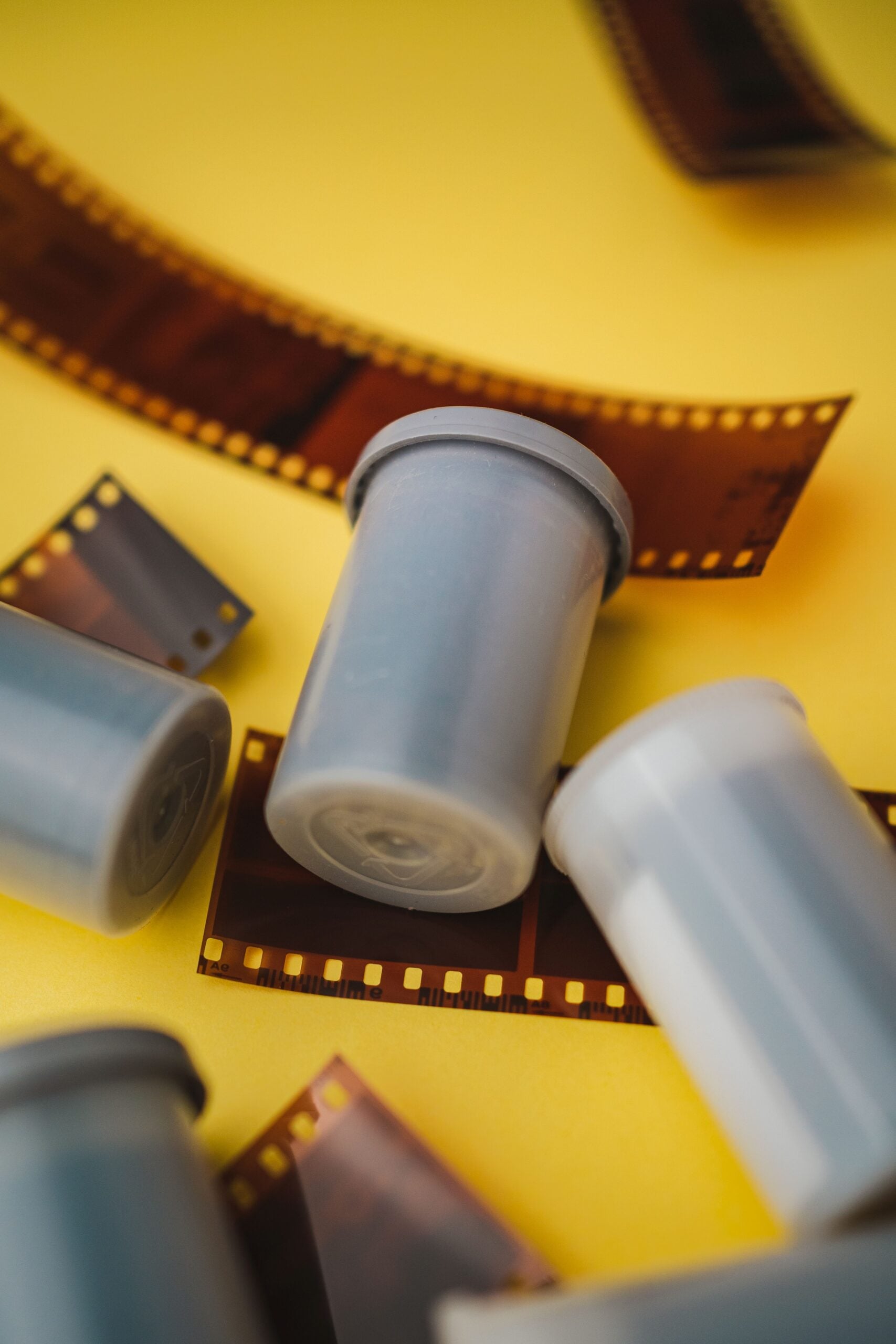
Consider documenting your neighborhood, family events, or local culture using film. The physical nature of film negatives creates a tangible archive that digital files can’t match.
Technical Film Photography Tips
Advanced technical knowledge helps you push film photography’s boundaries and achieve consistently professional results. These techniques require practice but significantly expand your creative options.
Macro Photography
The film’s fine-grained structure and smooth tonal transitions make it excellent for detailed close-up work. Understanding macro techniques helps you capture intricate subjects with stunning detail.
Film excels for macro work because of its fine-grained structure and smooth tonal transitions. Extension tubes and close-up filters work just as well with film cameras as they do with digital.
Use slide film for macro photography when you want maximum sharpness and color saturation. The fine grain of slow slide films like Velvia 50 produces incredibly detailed close-up images.
Low Light Photography
Film handles low-light conditions differently than digital sensors, producing grain instead of noise. Understanding these characteristics helps you work effectively in challenging conditions.
Film handles low light differently from digital sensors. Instead of noise, you get grain, which many photographers find more pleasing. High-speed films like Kodak T-Max 3200 or Ilford Delta 3200 work well in very dim conditions.
Push processing lets you shoot normal films at higher ISOs. A roll of Tri-X rated at ISO 800 or 1600 and push-processed gives you more flexibility in low-light situations.
Long Exposure Photography
The film’s freedom from heat-related noise makes it ideal for extended exposures. Understanding reciprocity failure helps you achieve proper exposure during very long exposure times.
Film doesn’t suffer from the same heat-related noise issues that affect digital sensors during long exposures. This makes it perfect for night photography, star trails, and other extended exposure techniques.
However, film does suffer from reciprocity failure during very long exposures. Most films need exposure compensation for exposures longer than one second. Check your film’s data sheet for reciprocity information.
The Future of Film Photography
Film photography continues to evolve even as digital technology dominates the market. Understanding current trends helps you participate in this vibrant community and access new opportunities.
Market Trends
Despite predictions of its demise, film photography maintains a dedicated following and continues to attract new practitioners. This ongoing interest ensures the continued availability of materials and services.
Film photography isn’t going anywhere. While it’ll never be as widespread as it was before digital, there’s a dedicated community keeping it alive. New films occasionally come to market, and camera manufacturers still service older equipment.
Young photographers are discovering film and bringing fresh perspectives to this classic medium. Social media has actually helped film photography find new audiences who appreciate its unique aesthetic.
New Equipment
Occasional releases of new film cameras and continued production of film stocks demonstrate ongoing market demand. These developments ensure film photography remains viable for dedicated practitioners.
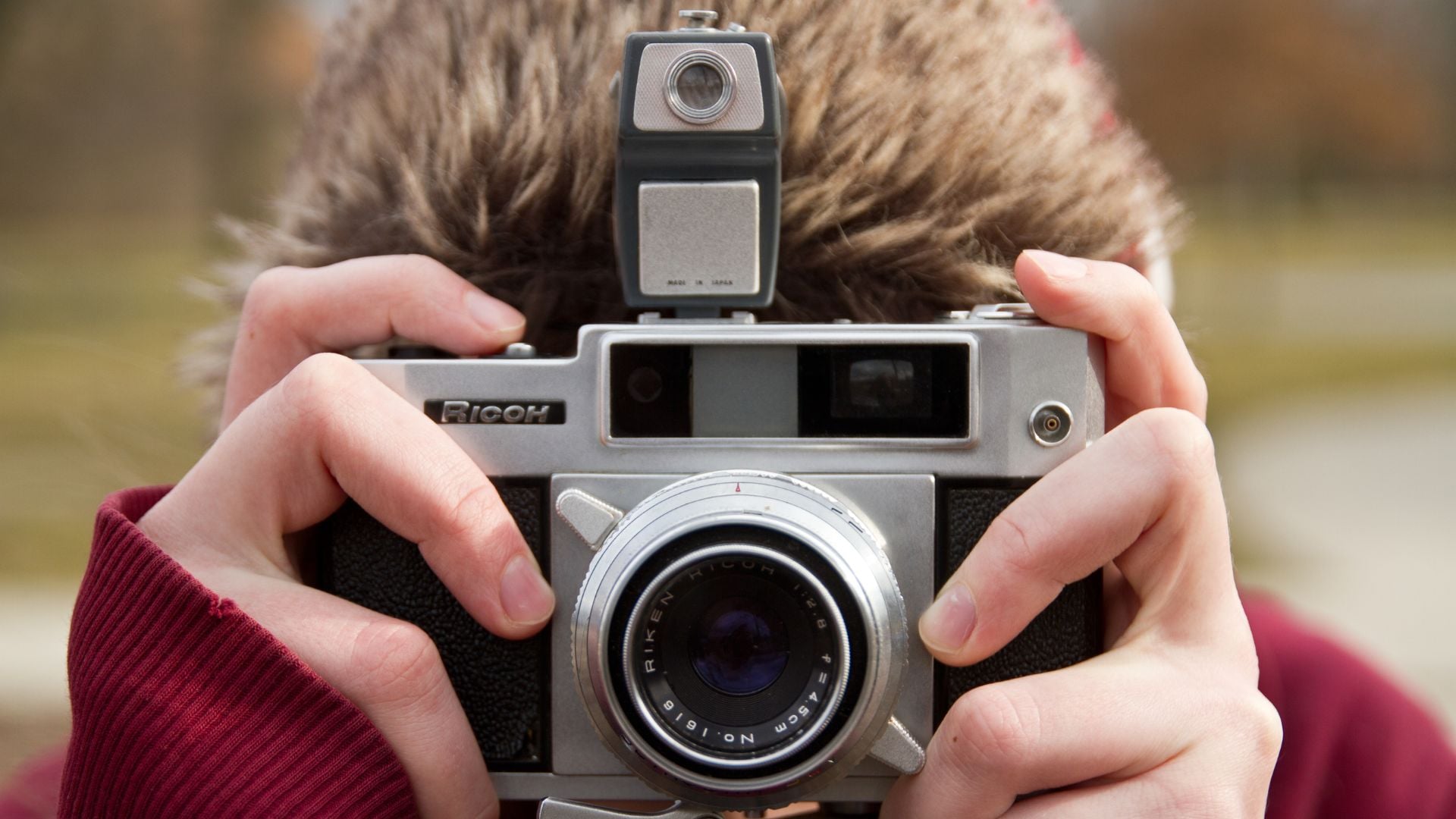
Companies like Yes!Star are releasing new film cameras, proving there’s still demand for analog equipment. While these aren’t as sophisticated as vintage cameras, they show that the market for film gear remains viable.
Even celebrities like Dua Lipa are launching film cameras, bringing film photography to younger audiences and demonstrating its continued cultural relevance.
Hybrid Approaches
Modern photographers often combine film and digital techniques to leverage the strengths of both mediums. This flexible approach allows for creative experimentation while maintaining practical workflows.
Many photographers now use film for personal projects while shooting digital for commercial work. This hybrid approach lets them enjoy film’s unique qualities without sacrificing the convenience digital offers for client work.
Creating film-like looks with digital cameras has become popular, but many find that actual film still offers something digital can’t quite replicate.
Learning Resources and Community
Connecting with other film photographers and accessing quality educational resources accelerates your learning and keeps you inspired. The film photography community remains active and welcoming to newcomers.
Professional Organizations
Established photography organizations continue to support film photographers alongside digital practitioners. These groups provide valuable resources and networking opportunities.
The American Society of Media Photographers (ASMP) has been supporting professional photographers since 1944 and continues to advocate for photographers’ rights and education. While not exclusively focused on film, many members still use analog techniques for their work.
ASMP provides valuable resources for understanding the business side of photography, including pricing guidelines, contracts, and legal advice that applies to both digital and film photographers.
Educational Materials
Quality educational content helps you learn proper techniques and avoid common mistakes. Combining multiple learning sources provides a comprehensive understanding of film photography principles.
B&H Photo’s educational content covers all aspects of film photography, from camera selection to processing techniques. Their step-by-step guides make complex processes accessible to beginners.
Many photography schools still teach film techniques as part of their curriculum, recognizing that understanding analog processes makes you a better photographer regardless of what equipment you ultimately use.
Specialized Film Photography Equipment
Understanding specialized equipment helps you tackle specific challenges and expand your creative possibilities. These tools address particular needs that standard camera gear might not handle well.
Light Meters for Film Photography
Film photography often benefits from precise light measurement, especially when using cameras without built-in meters or in challenging lighting conditions.
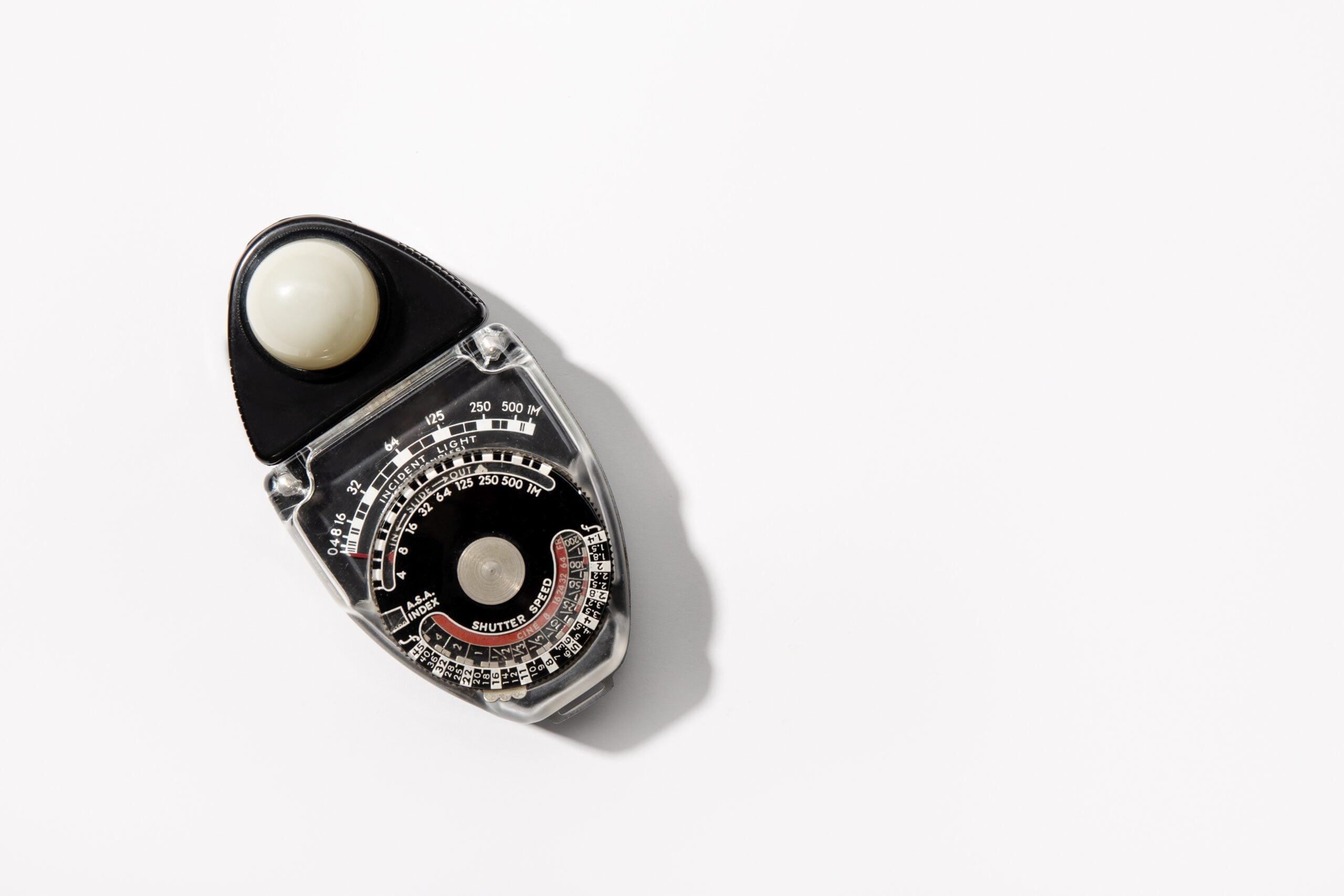
Old analog light meters can still provide accurate readings for film photography. These vintage meters are often available at reasonable prices and work perfectly for determining proper exposure.
Modern compact light meters that attach directly to your camera’s hot shoe offer convenience and accuracy for photographers using cameras without working meters.
Camera Maintenance and Care
Proper maintenance keeps vintage film cameras functioning reliably. Understanding basic care procedures helps you avoid costly repairs and extends your equipment’s life.
Regular cleaning and lubrication prevent many common camera problems. Light seal replacement is one of the most common maintenance tasks that can dramatically affect image quality.
Professional camera servicing becomes more important with film cameras since they’re often decades old. Finding qualified repair technicians requires research, but ensures your equipment stays functional.
Capture the World Through the Lens of Film Photography
This guide to film photography has covered the essentials, but the real reward comes from shooting: film photography rewards patience and thoughtfulness with images that have character you can’t get anywhere else. The deliberate process makes you a better photographer overall, whether you stick with film or eventually move to digital. Every shot matters when you’re shooting film, and that mindset creates stronger photographs regardless of what camera you’re using.
The resurgence of analog photography shows that people still value the unique qualities that only film can provide. Whether you’re drawn to the look of film or want to learn photography fundamentals the traditional way, film photography offers a rewarding creative journey that connects you to photography’s roots while producing timeless images.
See more from DIYPhotography.net on Google
Add DIYPhotography.net as a trusted source. This makes
our stories more likely to appear in your Google Search results.
 Add as a preferred source on Google

Darlene Lleno
Darlene Lleno brings a unique perspective to DIY Photography as someone who grew up surrounded by camera gear but chose words over lenses. With five years of writing experience, she specializes in photography content that’s both technically informed and genuinely passionate. Growing up with a photographer twin brother meant camera talk was everyday conversation in her household. While he mastered capturing moments, Darlene discovered she preferred being the subject and the storyteller behind the scenes. As a travel enthusiast and mother of two, she understands the importance of preserving life’s precious moments. When not exploring new destinations or writing for DIY Photography, you’ll find her reading or tending to her garden. Her approach to photography writing is refreshingly authentic, she may not be behind the camera, but she knows exactly what it takes to help others capture the shots that matter most.
Related Posts
 A New Down Under Film Company with a Very Curious Name and Brand
 Everything you ever wanted to know about film formats – shot on 35mm film
 Everything you need to know before you start film photography
 This simple product photography walkthrough offers everything you need to know to get started in product photography
Join the Discussion
DIYP Comment Policy
Be nice, be on-topic, no personal information or flames.