





















Toy Cameras Aren’t Serious Gear. That’s the Point.
Feb 3, 2026
Alysa Gavilan
Alysa Gavilan has spent years exploring photography through photojournalism and street scenes. She enjoys working with both film and mirrorless cameras, and her fascination with the craft has grown over the decades. Inspired by Vivian Maier, she is drawn to capturing everyday moments that often go unnoticed.
Share:
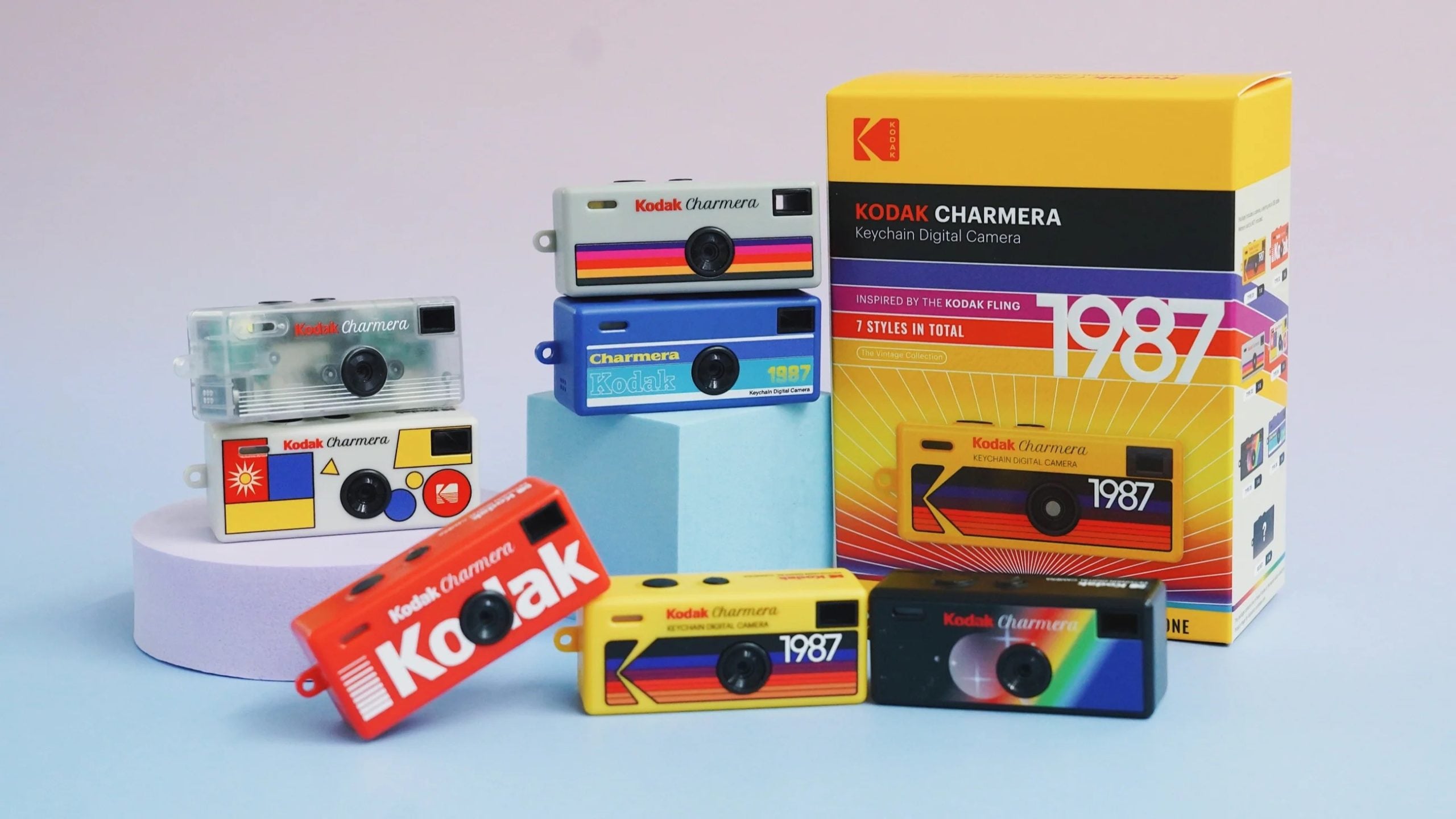
Digital toy cameras like Kodak’s Charmera have been capturing attention in the photography world. You may have seen them in Instagram feeds, on café tables, or tied to backpacks.
Cameras like that promise a kind of freedom that many photographers crave: freedom from menus, from endless specs, from over-editing, and even from the constant urge to perfect every frame.
With their plastic bodies, fixed lenses, and quirky digital quirks, these cameras offer a very different experience from your usual mirrorless or DSLR. If you are tempted by one, it’s worth asking yourself what you are actually buying into and why it could matter to your photography.
What Makes Cameras Like The Charmera Different
Cameras like the Charmera occupy a unique middle ground. They are digital but behave less like one compared to what we’re used to. There’s no full image review, no adjustable focus, and usually no meaningful customization. You point, you shoot, and the camera decides the rest.
This minimalism is intentional: it forces you to focus on timing, framing, and observation. For photographers who feel bogged down by complex gear, it can feel like a breath of fresh air.
While the hardware is basic, the creative experience is anything but. You learn to trust your instincts, experiment with light and angles, and embrace surprises in your shots. That unpredictability is part of the charm and one of the most cited reasons enthusiasts keep reaching for these cameras.
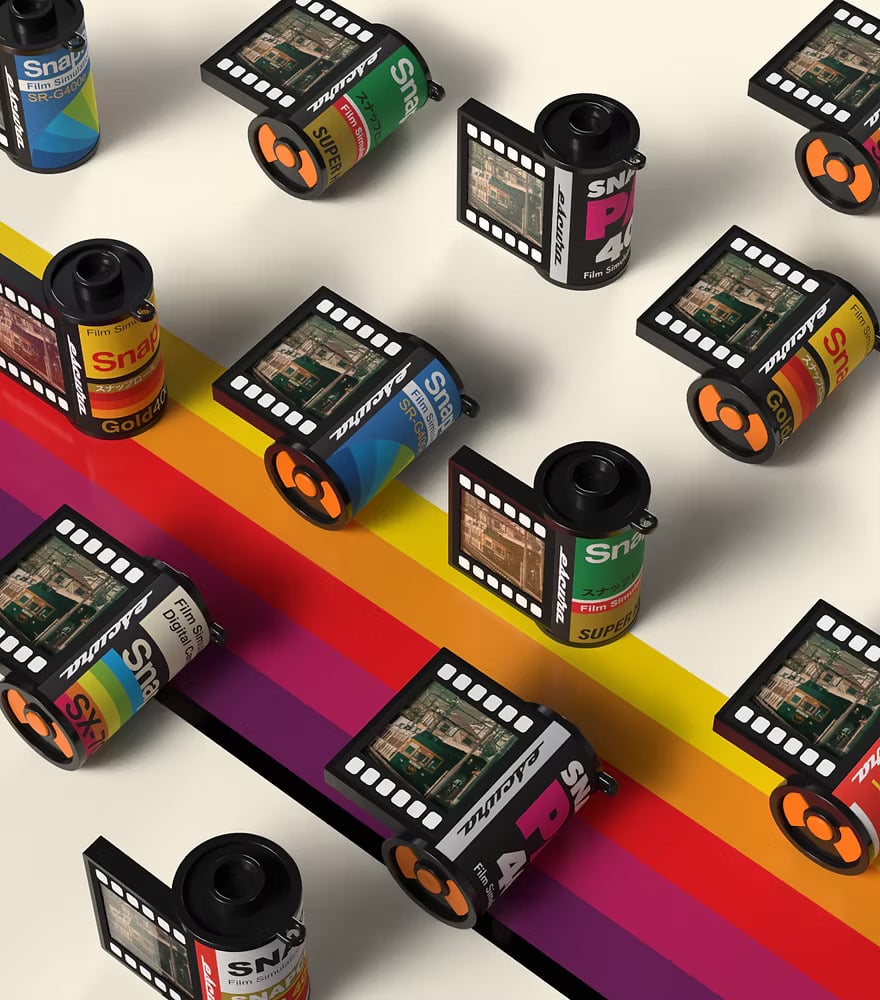
The History Of Toy Cameras And Their Appeal
The concept of toy cameras is not new. For decades, cameras like the Holga, Diana, and Lomo LC-A have inspired photographers with their imperfections.
Originally designed as inexpensive alternatives to more advanced cameras, these devices produced images with vignetting, light leaks, soft focus, and unexpected color shifts. Many photographers came to see these “flaws” as part of their artistic appeal.
The digital toy camera is a modern iteration of the same philosophy: embracing limitations to spark creativity.
You could say that cameras like the Charmera are a bridge between the nostalgia of analog toy cameras and the convenience of digital photography. They aim to deliver the joy of unpredictability while eliminating the need for film processing or scanning. For some users, that nostalgia combined with instant results makes them irresistible.
Why Photographers Are Drawn To Them
One major appeal is simplicity.
Modern cameras are powerful but often overwhelming. Autofocus modes, picture profiles, stabilization, ISO adjustments, and constant firmware updates can turn shooting into a technical chore.
A camera like the Charmera removes those choices. You do not tweak settings but actually engage with the moment. For many, that simplicity translates to more fun and less stress.
Shooting without a big screen alters your approach. You move more deliberately, think more critically about composition, and trust your instincts. Many users say this encourages better visual judgment and sharper awareness of lighting and distance.
At the same time, it can be challenging. For important events or fleeting moments, the lack of immediate feedback can be frustrating. Some photographers worry about missed shots, and the occasional unusable image is almost guaranteed.
Learning to accept mistakes and imperfections is part of the process, and for many, that is also where growth happens.

Image Quality And Its Limitations
Cameras like the Charmera are not about high resolution or technical precision.
Their small sensors and simple lenses mean highlights can clip easily, shadows break down quickly, and colors are inconsistent. Low light performance is limited, and motion blur can appear fast.
Yet, in good light, the results are often charming. The soft focus, slight vignetting, and unpredictable color shifts create a nostalgic, cinematic aesthetic that is difficult to replicate with post-processing alone.
This “imperfection” is precisely what many photographers love. These quirks can turn an ordinary street scene or travel snapshot into something visually engaging.
The Lo-Fi Look And Its Creative Benefits
The signature lo-fi look can be a creative boon. You can produce images that feel playful, personal, and spontaneous. Some photographers use these cameras to force experimentation or to focus on storytelling over technical perfection. The limitations of the camera become a form of creative constraint that pushes you to think differently.
For example, if you cannot adjust focus, you are compelled to position yourself carefully and observe your surroundings. If the exposure is fixed, you learn to anticipate light and shoot at times when conditions work best. Constraints like these can encourage a more intuitive approach to photography.
For beginners and hobbyists, cameras like the Charmera can accelerate learning. By removing settings and automation, you are pushed to observe, time your shots, and anticipate action. Even seasoned photographers say the constraints often inspire fresh ideas and unexpected compositions.
Additionally, these cameras can make you less reliant on post-processing. With fewer settings to manipulate, you learn to craft the image in-camera. This emphasis on intentional shooting is something even experienced photographers can benefit from.
Durability And Portability
These cameras are lightweight and easy to carry, often fitting comfortably into a bag or pocket. You are more likely to bring them along than a bulky mirrorless setup, which naturally increases your shooting frequency.
Many users find themselves capturing moments they otherwise would have missed. The portable form factor encourages spontaneous photography, from street corners to travel excursions.
At the same time, the construction is usually plastic and affordable, which makes them less durable than professional gear. Care is needed to prevent scratches or drops, but the lightweight build also contributes to the sense of freedom and casual use.
Cost And Accessibility
While some may see the price as high for what the hardware offers, the real value lies in the experience. You are investing in a tool that encourages presence, spontaneity, and creativity.
Unlike high-end cameras, toy cameras are forgiving, approachable, and make it easy to focus on photography as an activity rather than a technical challenge.
For parents, travelers, or people who do not want to carry heavy equipment, this is an accessible way to explore photography without overcommitment. Some cameras are priced under $200, making them low-risk for experimentation.
Fun, But Know Its Limits
The pros are clear: playful experimentation, portability, minimalism, creative constraint, nostalgia, and learning opportunities. The cons are equally obvious: low technical image quality, lack of control, potential frustration, and limited durability.
Your decision should weigh the type of photography you enjoy against these trade-offs.
You probably do not need a toy camera like the Charmera in the traditional sense. Most photographers can capture excellent images with their existing gear. However, if you value fun, experimentation, and a fresh perspective, it can be a rewarding addition.
The key is understanding what you are getting: a camera that emphasizes creativity, spontaneity, and presence, even if it sacrifices image quality and control.
In the end, cameras like the Charmera are tools for engaging differently with the world. They do not replace professional equipment, but they can remind you why photography is enjoyable in the first place.
If you approach them with realistic expectations and a sense of curiosity, they can reinvigorate your creative practice, even if the images are technically imperfect.
See more from DIYPhotography.net on Google
Add DIYPhotography.net as a trusted source. This makes
our stories more likely to appear in your Google Search results.
 Add as a preferred source on Google

Alysa Gavilan
Alysa Gavilan has spent years exploring photography through photojournalism and street scenes. She enjoys working with both film and mirrorless cameras, and her fascination with the craft has grown over the decades. Inspired by Vivian Maier, she is drawn to capturing everyday moments that often go unnoticed.
Related Posts
 Leica cameras aren’t expensive enough so they made a Limited Edition run of 100 red ones
 85mm lenses aren’t just for portraits as this foggy landscape challenge shows
 Fuji define target market for the GFX and aims to gets serious about video
 The Comedy Wildlife Photography Awards announces 2020 finalists and they’re serious meme material
Join the Discussion
DIYP Comment Policy
Be nice, be on-topic, no personal information or flames.