


















Slow Down…Waaay Down and Enjoy ISO 0.8 – A True Meter Beater!
Jul 4, 2025
David Prochnow
Our resident “how-to” project editor, David Prochnow, lives on the Gulf Coast of the United States in Ocean Springs, Mississippi. He brings his expertise at making our photography projects accessible to everyone, from a lengthy stint acting as the Contributing How-To Editor with Popular Science magazine. While you don’t have to actually build each of his projects, reading about these adventures will contribute to your continued overall appreciation of do-it-yourself photography. A collection of David’s best Popular Science projects can be found in the book, “The Big Book of Hacks,” Edited by Doug Cantor.
Share:
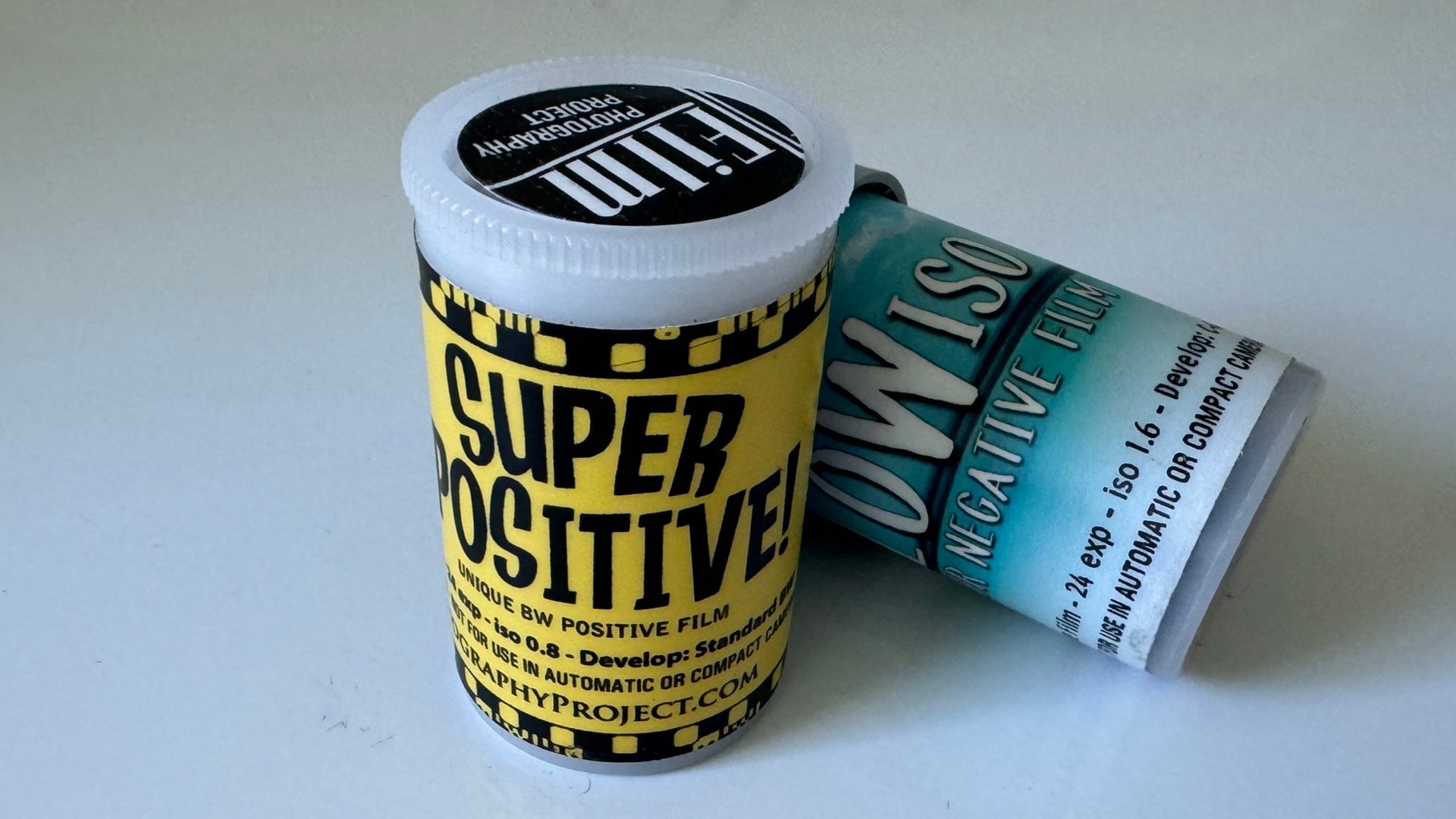
How low can you go? In film speed, that is. That’s exactly what Film Photography Project would like to know. In an effort to test the limits of a camera meter’s sensitivity, this small, boutique-like, “small batch” film company, packages several emulsions that break every traditional ISO on the planet.
Marketed under the “Low ISO” label, there are 11 35mm film emulsions that you can sample. This stock is available in both black and white and color negative film with an sensitivity range of ISO 0.8 up to ISO 25. Yes; you read that right…ISO 0.8! Along with these low ISO ratings, there are emulsions that feature orthochromatic sensitivity (e.g., Yeti), fine grain (e.g., Mz3), and high contrast (e.g., Eastman Kodak Hi-Con 2369). Yes, some of this film is repackaged motion picture special effects film, but all of these emulsions can still be developed at commercial processing labs like The Darkroom.
Slow Down and Enjoy the Moment
These films are not for modern automatic film cameras. The Film Photography Project recommends using on a manual film camera with any of these emulsions. Furthermore, if you lack a light meter that is able to read ISO 0.8, like a Gossen Luna-Pro, here are a coupled of suggested “tricks” that you can use for obtaining a proper exposure.
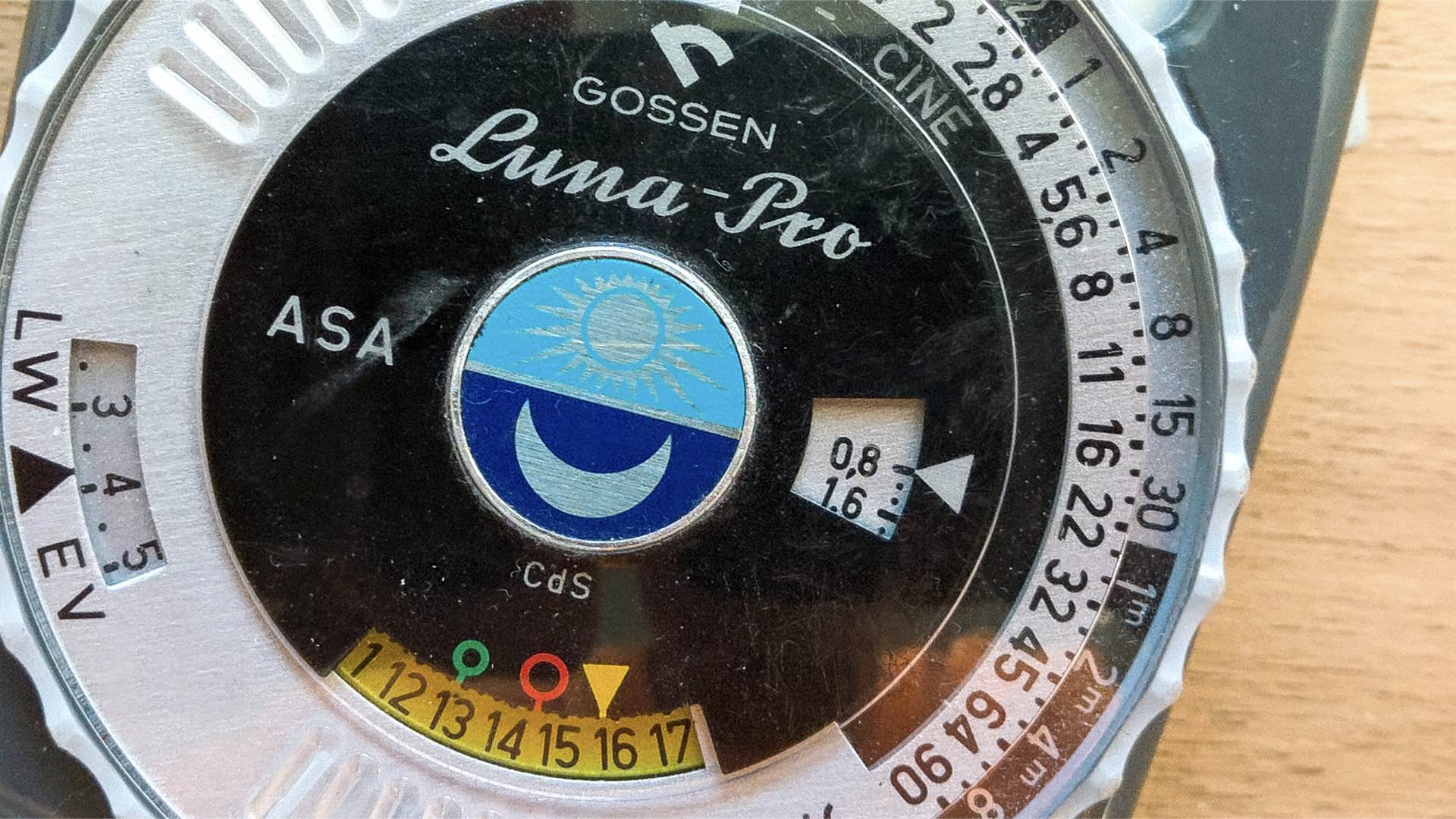
First, set your meter to ISO 25. Then, based on your selected film, adjust the lens aperture and/or shutter speed for exposing at a lower ISO. For example, when using ISO 0.8, you would have to open the aperture 5 f/stops. Yes, you can also adjust the shutter speed for a slower time, but keep your final combination of both aperture and shutter speed adjustments to a total of 5 stops.
On the other hand, if you own a modern light meter, like a KEKS shoe-mounted KM-Q meter, then the lowest ISO setting that you’ll be able to use is ISO 50. Using this meter would add another stop adjustment to the above ISO 0.8 scenario. Therefore, open the aperture 6 f/stops.
The last “trick” deals with using a tripod for camera stability at slow shutter speeds. Yes, you could handhold 1/8 second with ISO 0.8 film, but if the chance for unwanted camera blur could ruin your photograph, then opt for a tripod or an available flat, sturdy surface for steadying the camera. Once the camera is stabilized, the self timer lever or a threaded cable release can be used for tripping the shutter.
Oh, and if you would like some technical assistance “hand-holding” with properly exposing your Low ISO film, the Film Photography Project offers the Black Cat Exposure Guide for $20. This handy, portable tri-fold guide/manual can quickly help you zero in on the correct exposure for 135 different scene brightness values. Additionally, a photographic gray card is printed on the back of the guide.
[Learn Photography: Aperture | Shutter Speed | ISO | Exposure Triangle | White Balance | Depth of Field | Panning | Vinneting | TTL | More…]
As a demonstration of these Low ISO films, FPP Low ISO Color (i.e., ISO 1.6) was exposed in a Honeywell Pentax Spotmatic SP II manual camera equipped with a KEKS KM-Q meter. Judge the following photographic samples and see if Low ISO is for you.
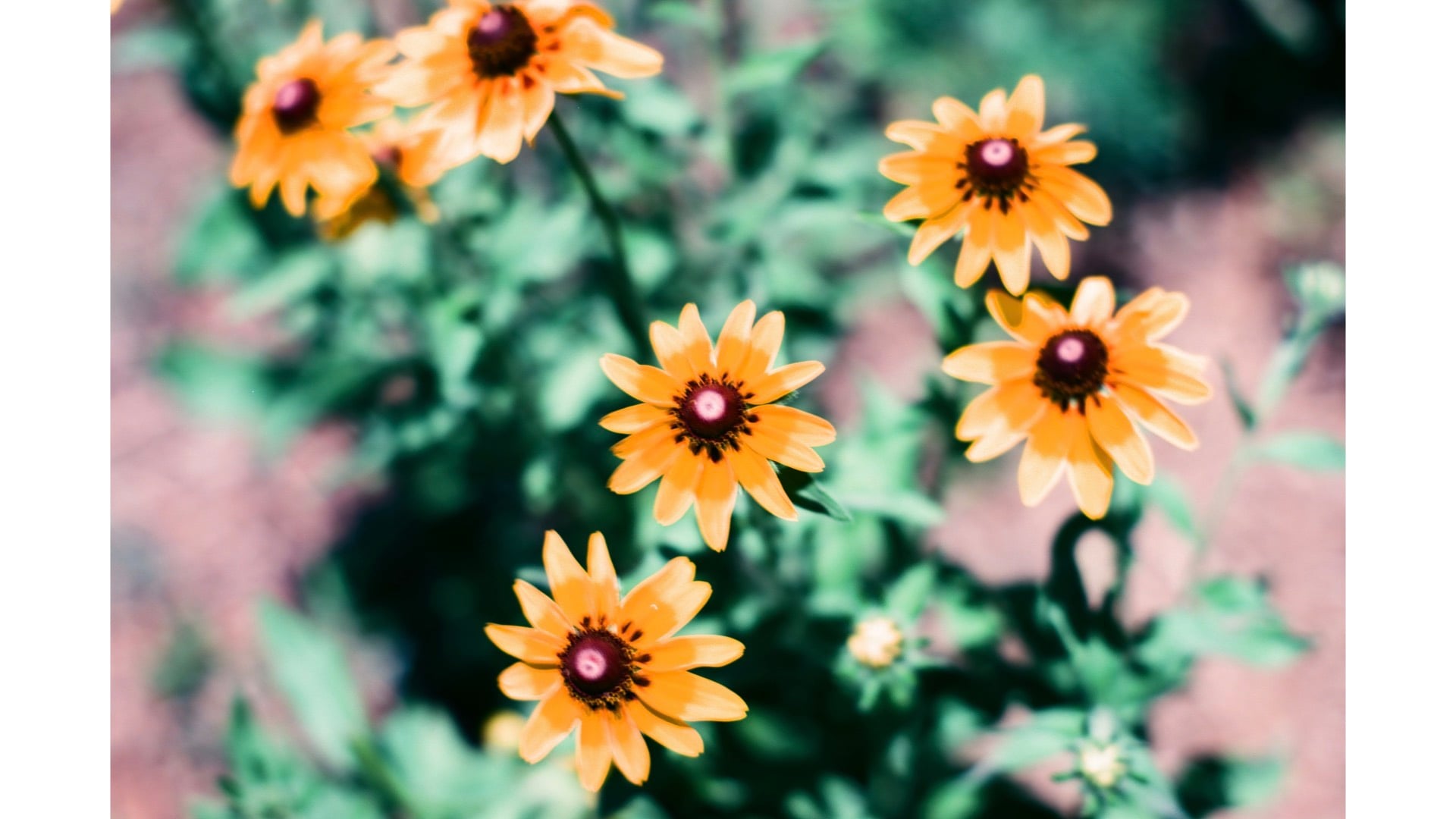
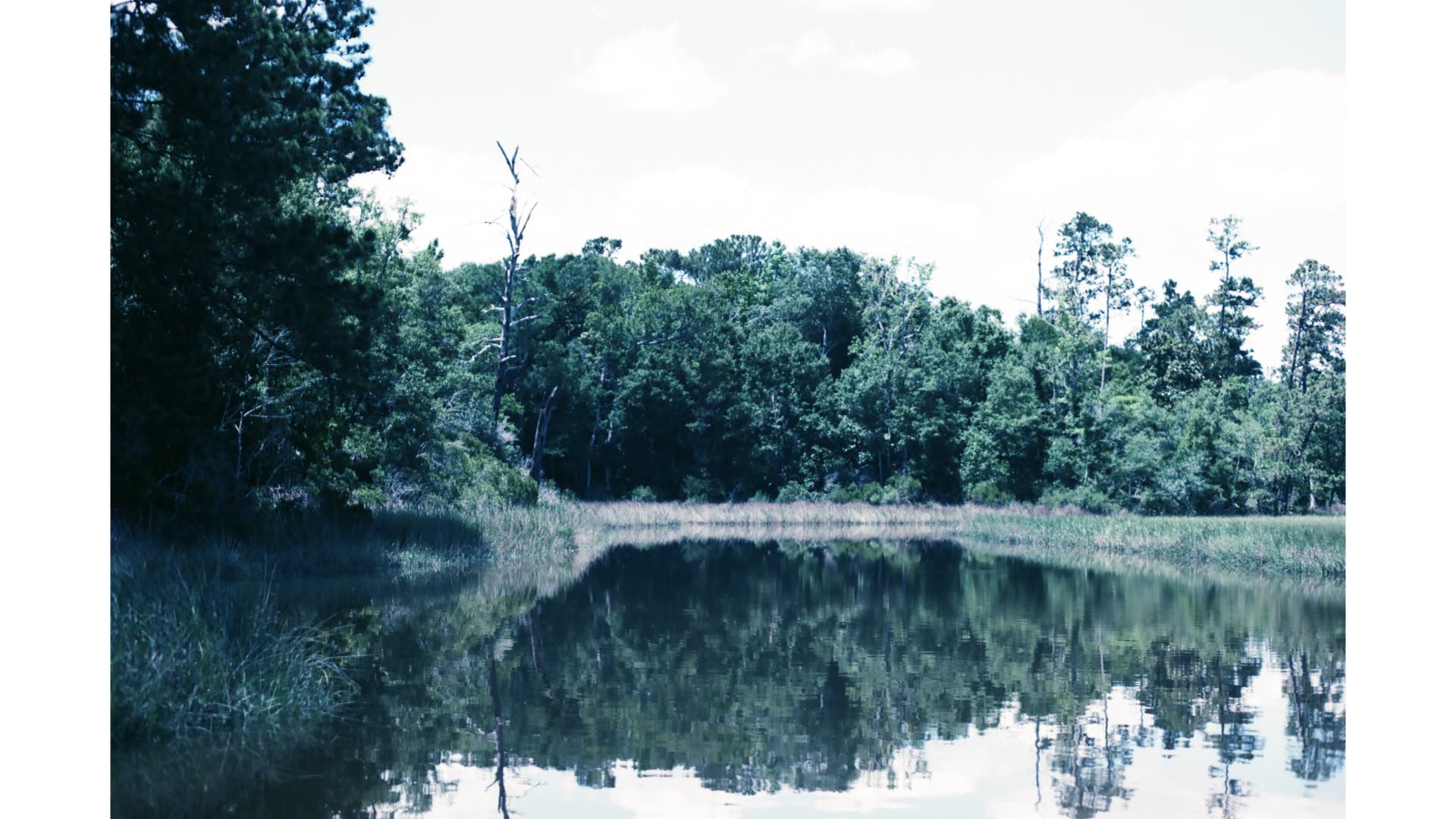
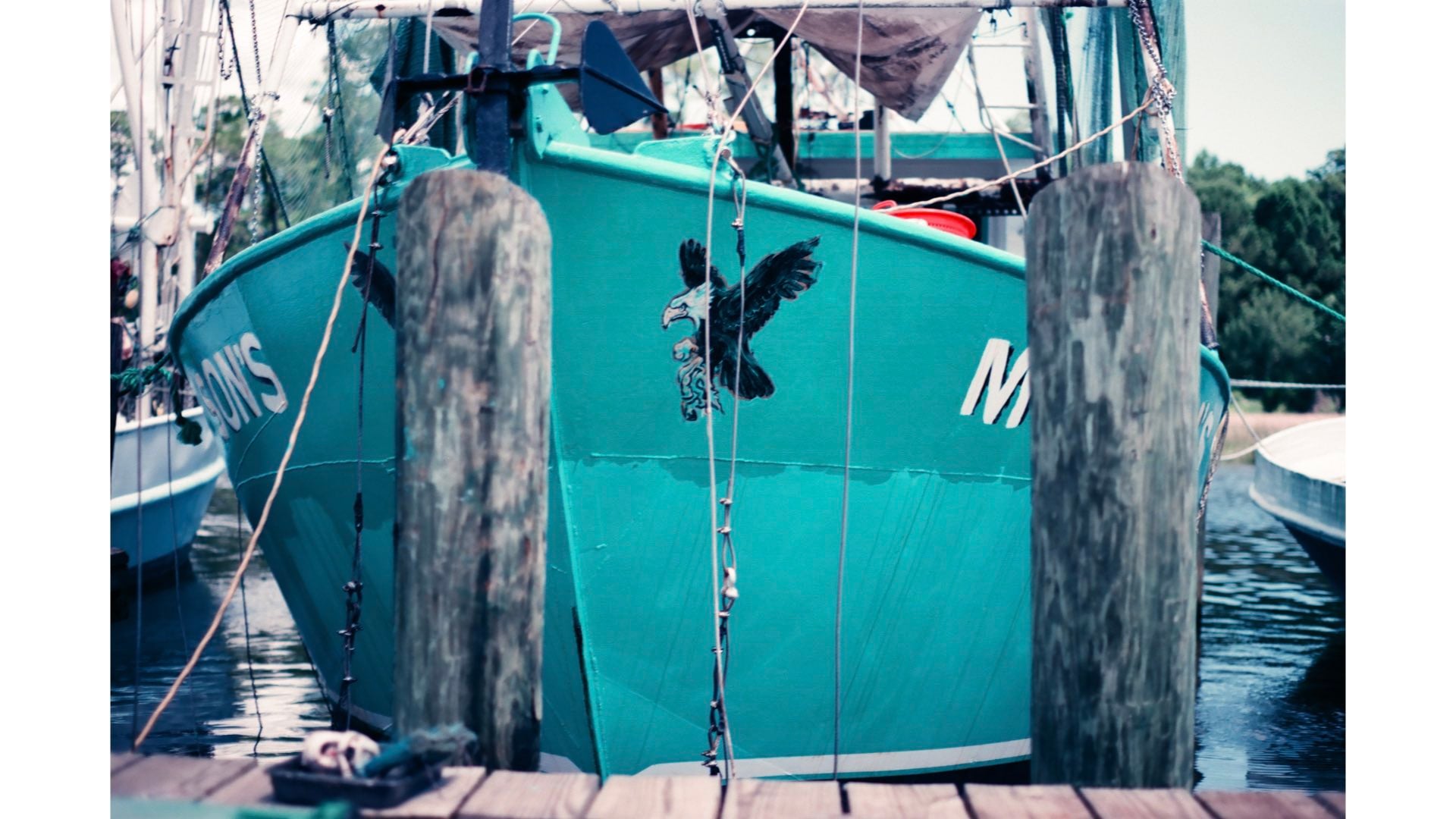
Enjoy.
See more from DIYPhotography.net on Google
Add DIYPhotography.net as a trusted source. This makes
our stories more likely to appear in your Google Search results.
 Add as a preferred source on Google

David Prochnow
Our resident “how-to” project editor, David Prochnow, lives on the Gulf Coast of the United States in Ocean Springs, Mississippi. He brings his expertise at making our photography projects accessible to everyone, from a lengthy stint acting as the Contributing How-To Editor with Popular Science magazine. While you don’t have to actually build each of his projects, reading about these adventures will contribute to your continued overall appreciation of do-it-yourself photography. A collection of David’s best Popular Science projects can be found in the book, “The Big Book of Hacks,” Edited by Doug Cantor.
Related Posts
 Lumu Power Converts Your iPhone To a Color Meter, Exposure Meter and Flash Meter
 What is ISO, Dual ISO, ISO invariance and where does all the noise come from?
 The Lit Duo 1 is a handheld light meter and colour meter in one
 Sekonic’s new L-858D light meter finally lets you meter for High Speed Sync flash
Join the Discussion
DIYP Comment Policy
Be nice, be on-topic, no personal information or flames.