





















Should You Snap Up the Kodak Snapic A1? TLDR; YES!
Mar 18, 2026
David Prochnow
Our resident “how-to” project editor, David Prochnow, lives on the Gulf Coast of the United States in Ocean Springs, Mississippi. He brings his expertise at making our photography projects accessible to everyone, from a lengthy stint acting as the Contributing How-To Editor with Popular Science magazine. While you don’t have to actually build each of his projects, reading about these adventures will contribute to your continued overall appreciation of do-it-yourself photography. A collection of David’s best Popular Science projects can be found in the book, “The Big Book of Hacks,” Edited by Doug Cantor.
Share:
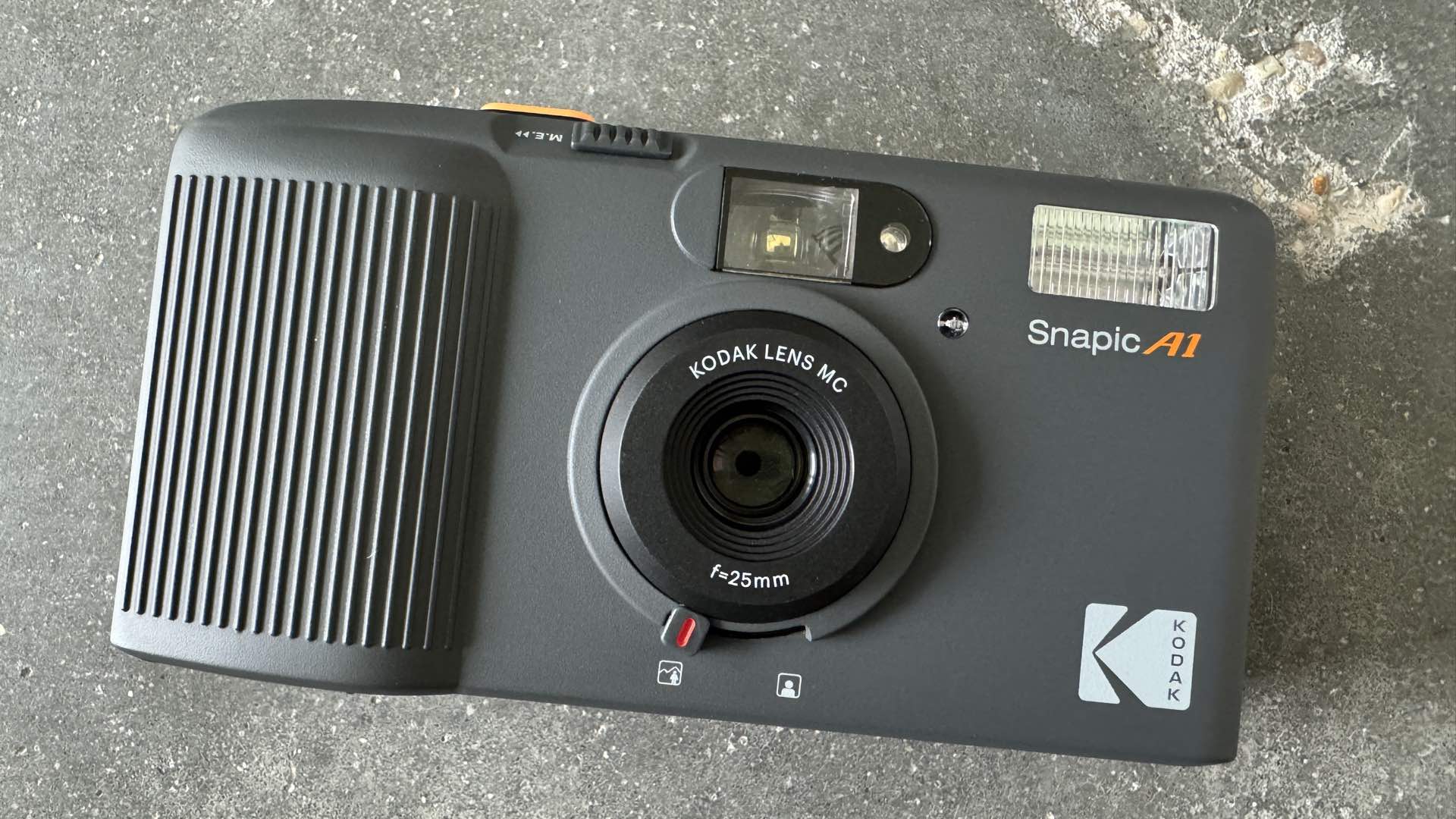
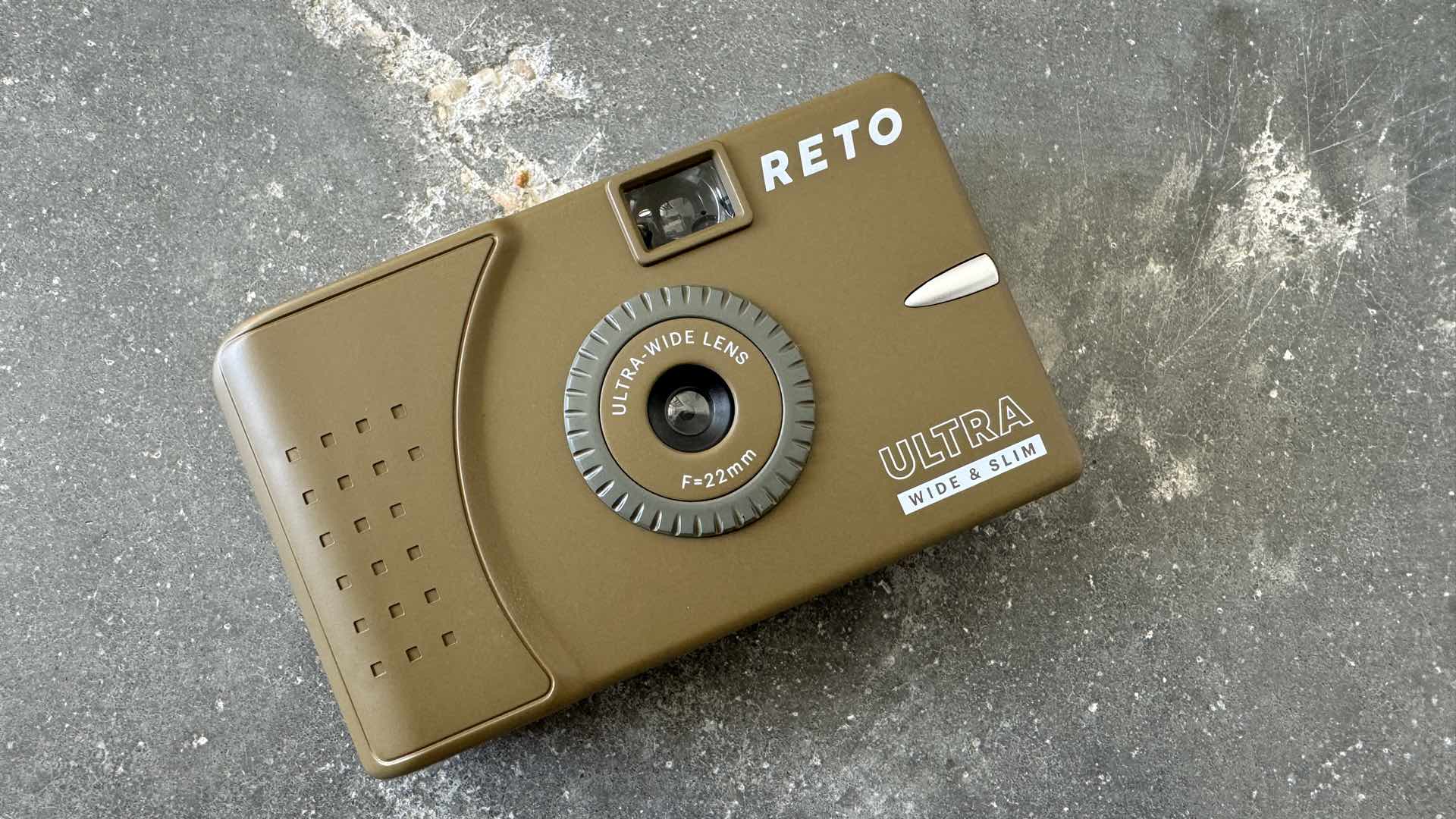
One quick glance at the Kodak Snapic A1 camera and you might think that it shares a casual resemblance to a RETO Ultra Wide & Slim camera. And you’re right! It’s more than just being a lookalike, however. The Snapic is, in fact, the latest creation from RETO Productions.
Thankfully, this isn’t some skin-deep similarity, the Kodak Snapic A1 builds on the RETO genera of cameras by adding a touch more finesse along with several very strong improvements.
Add a 3-element glass lens along with a motor drive system which are both supported by an informative OLED display and you have a pocketable camera that delivers photographic results that rival those produced by the current crop of film cameras that cost five to eight times as much. In a world where new film cameras command a luxury price tag, the Snapic remains refreshingly true to its RETO roots with a price that is astonishingly close to a lunch for two at the Tesla Diner.
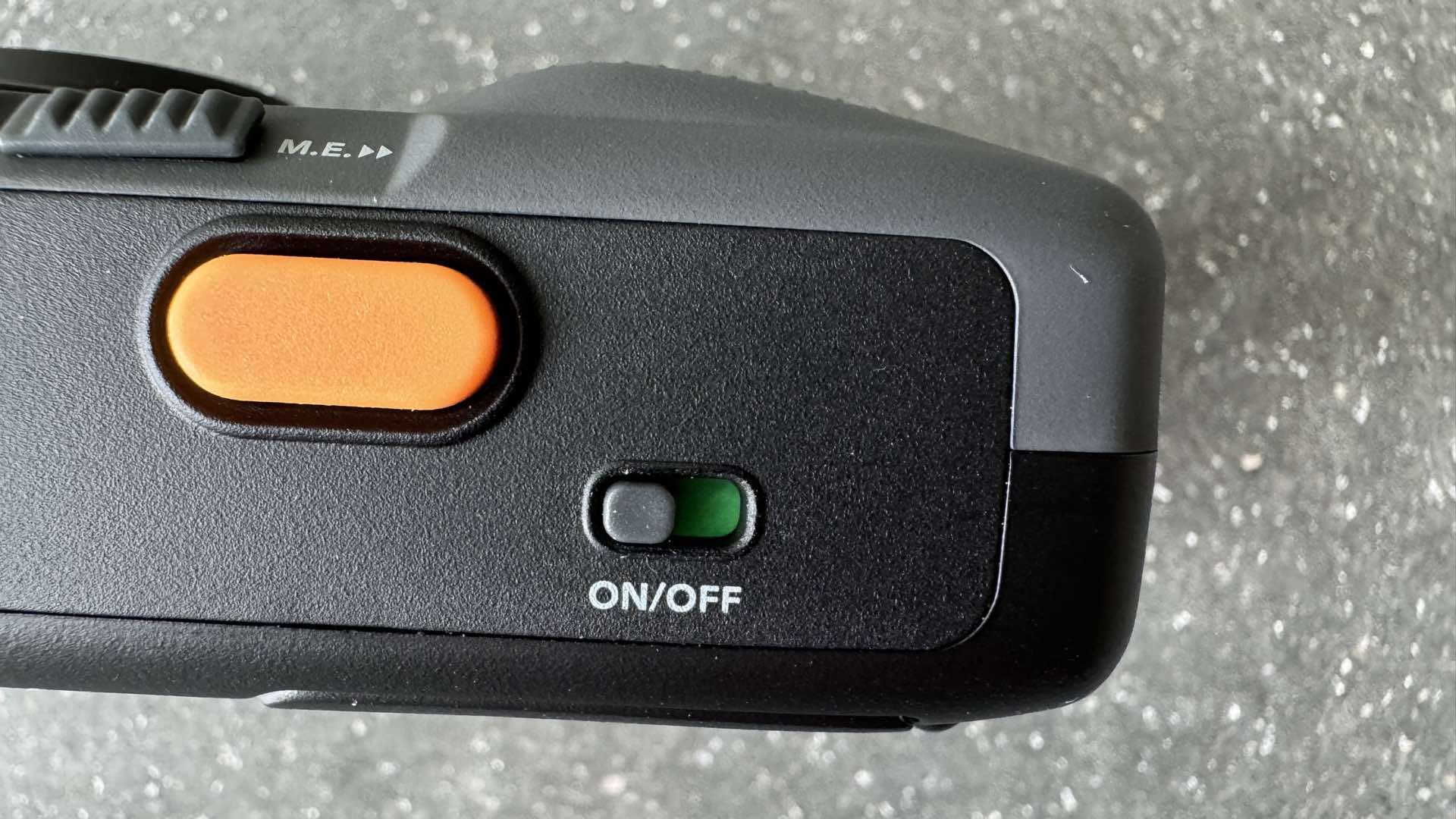
That isn’t to say that all is bliss with the Snapic. Far from it; for example, the power switch is ridiculously small and is positioned way too close to the shutter release button. Likewise, the trigger on the shutter is slightly balky and kinda squishy. Once fired, the shutter speed is fixed at 1/100 second.
Get Snappy Happy
Another source of minor irritation is the 2-step double exposure system. Yes, 2-step. The entire process starts easy enough: press and hold the “Multiple Exposure” button until an icon blinks in the OLED display. You are now ready to take the first photograph. After you snap that pic, you have to slide, a totally dissimilar, spring-loaded switch, that appears to be rearming the shutter release, before you can take your second photograph. Ugh.
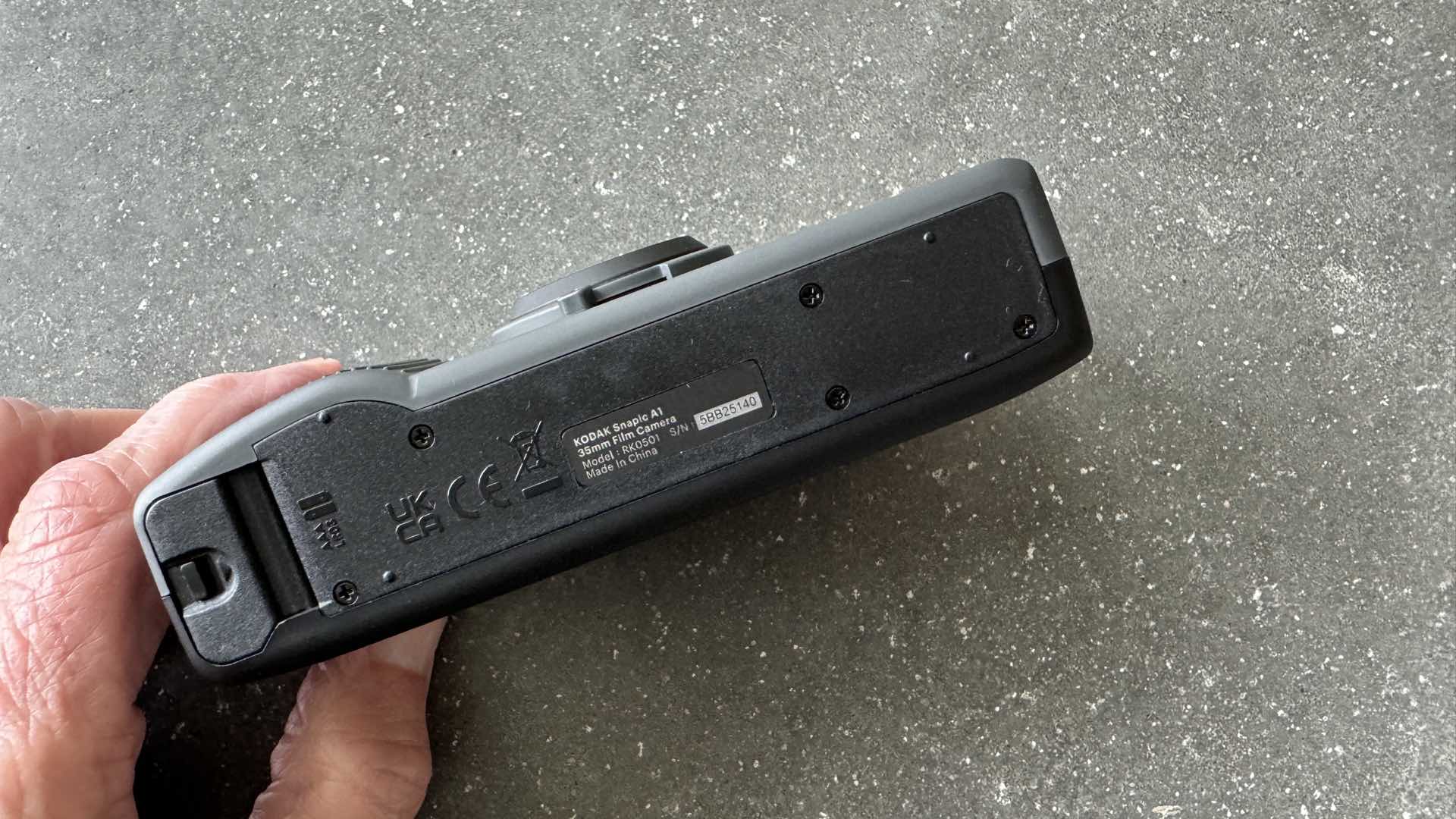
Two last and final bugbears that deserve mentioning are the lack of lens filter threads and the absence of a tripod mount. Thankfully, these two omissions are minor distractions for a camera as diminutive as this darling.
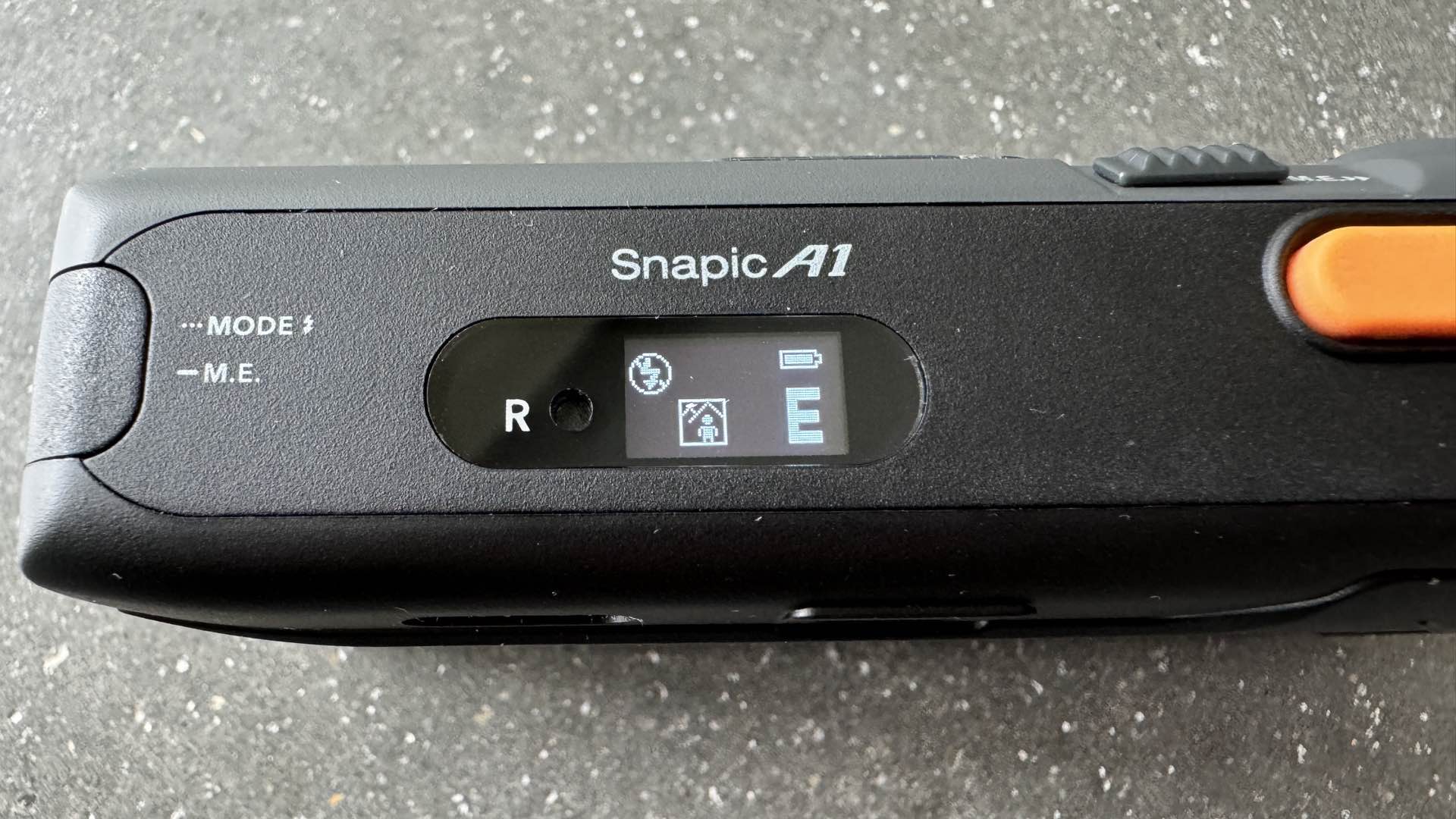
But that’s it for all of the dislikes, the rest of the Snapic A1 performance equates to an extremely functional little camera. A bright viewfinder with frame lines gives the perfect display of the 25mm f/9.5 lens coverage while a two-stage focusing lever gives a quick shift from infinity-1.5m to 1.5m-0.5m. The selected focus range is then indicated by the OLED display. Better yet, just leave it set at infinity to 1.5m and you can’t go wrong.
Sure these modest specifications are inviting, but what about the photographs that the Kodak Snapic A1 can take? Are they any good? Well, judge for yourself. Several rolls of ISO 100 film were exposed under various lighting conditions and here are some of the photographs.
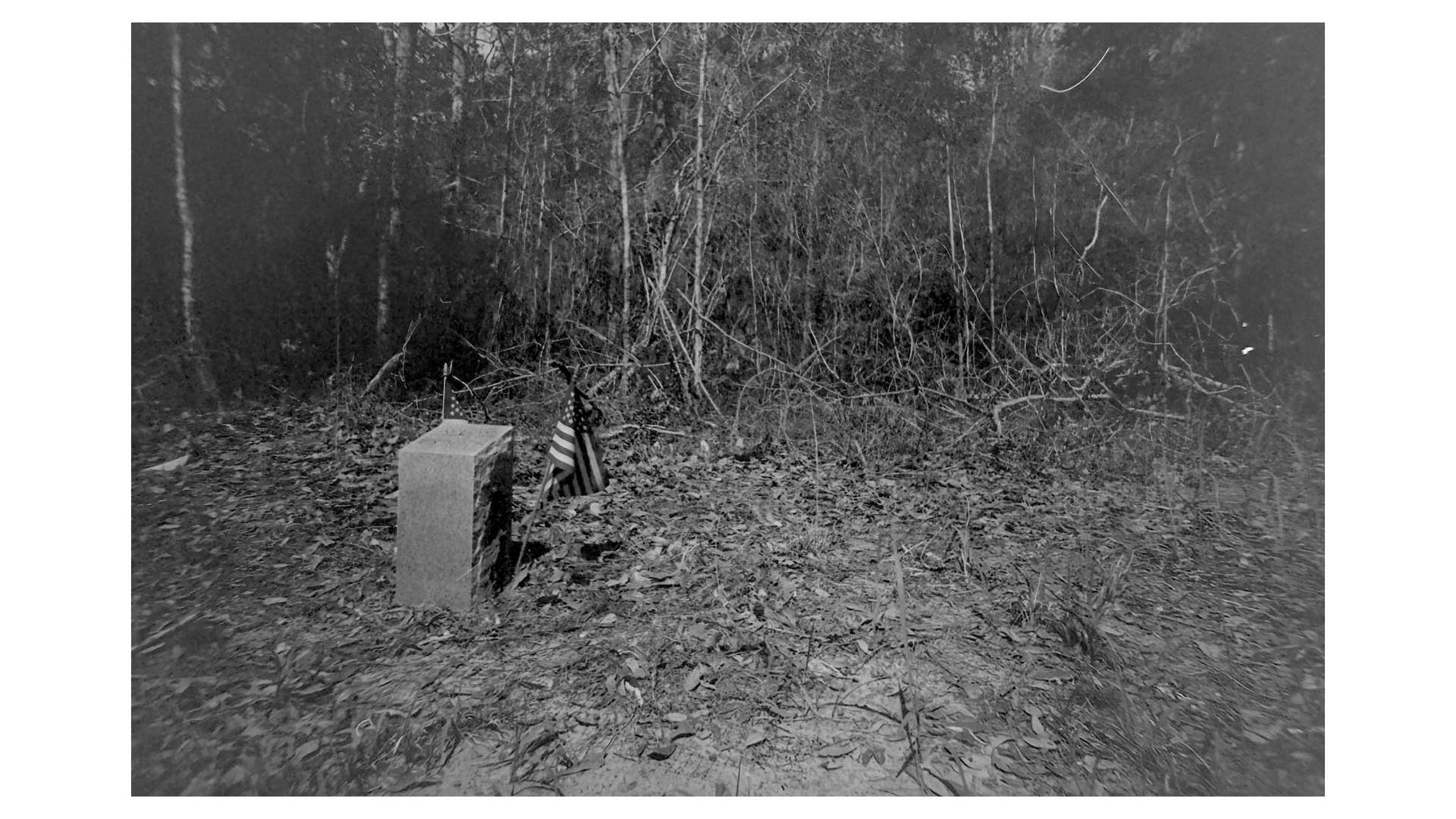
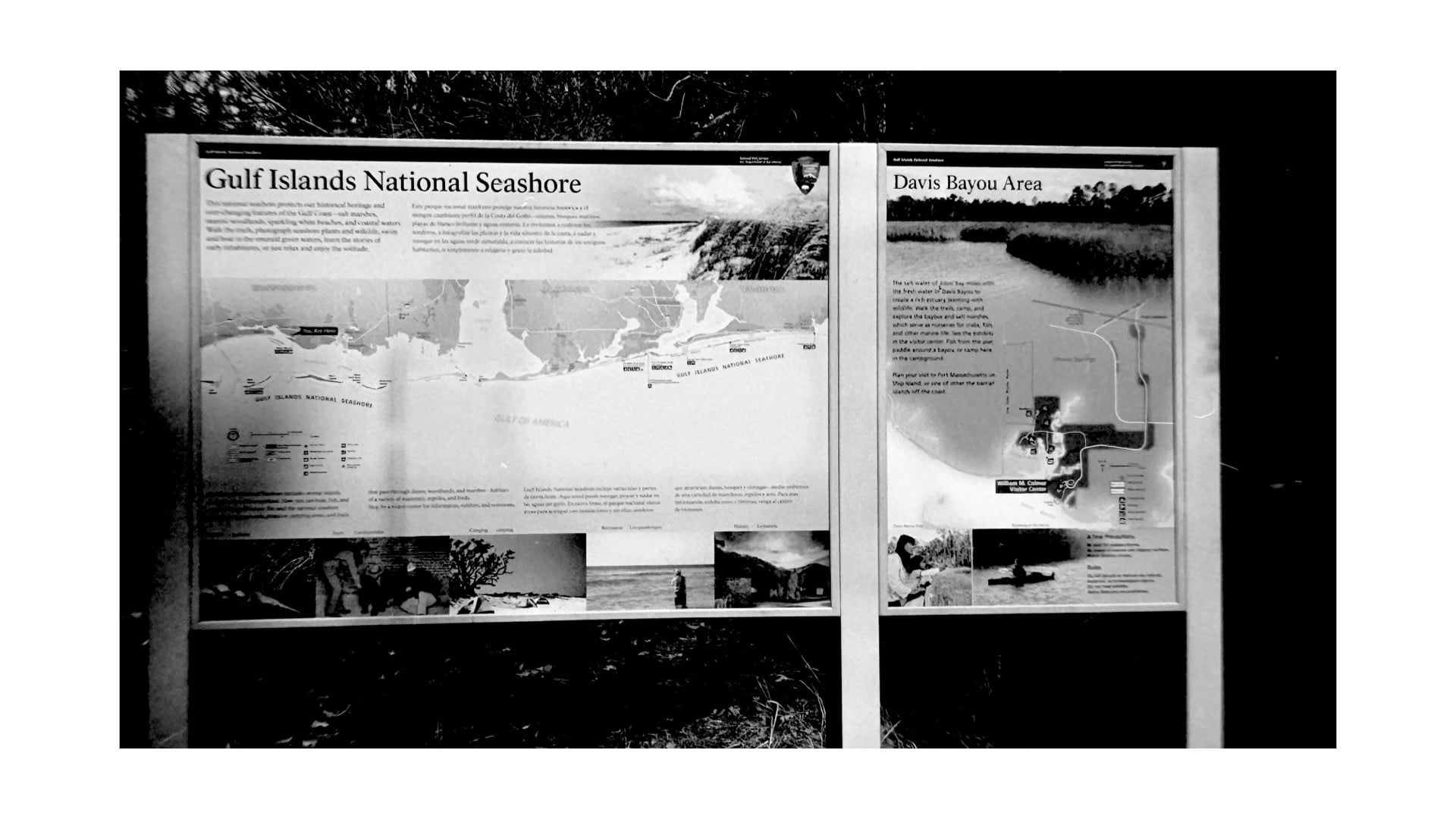

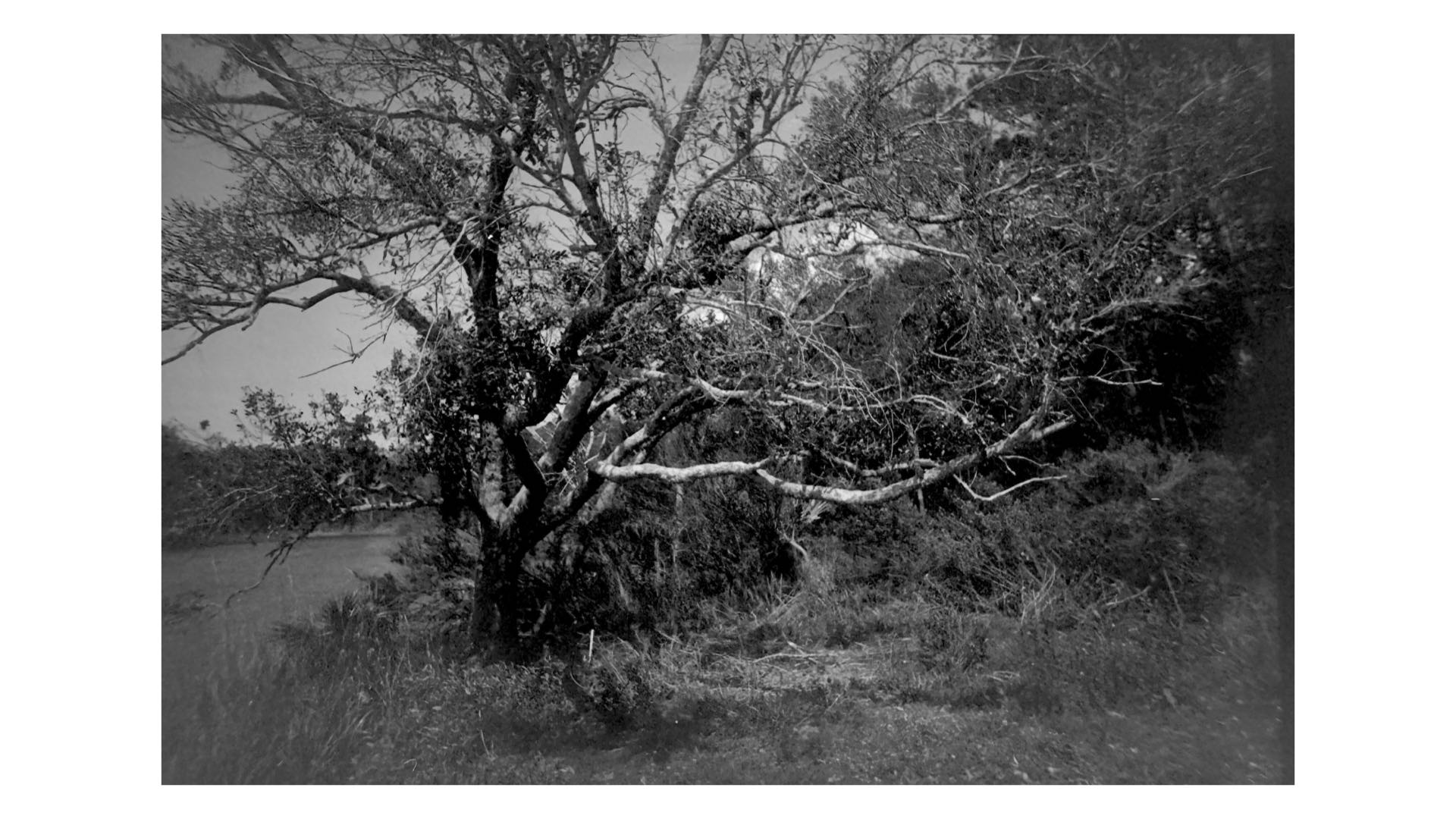
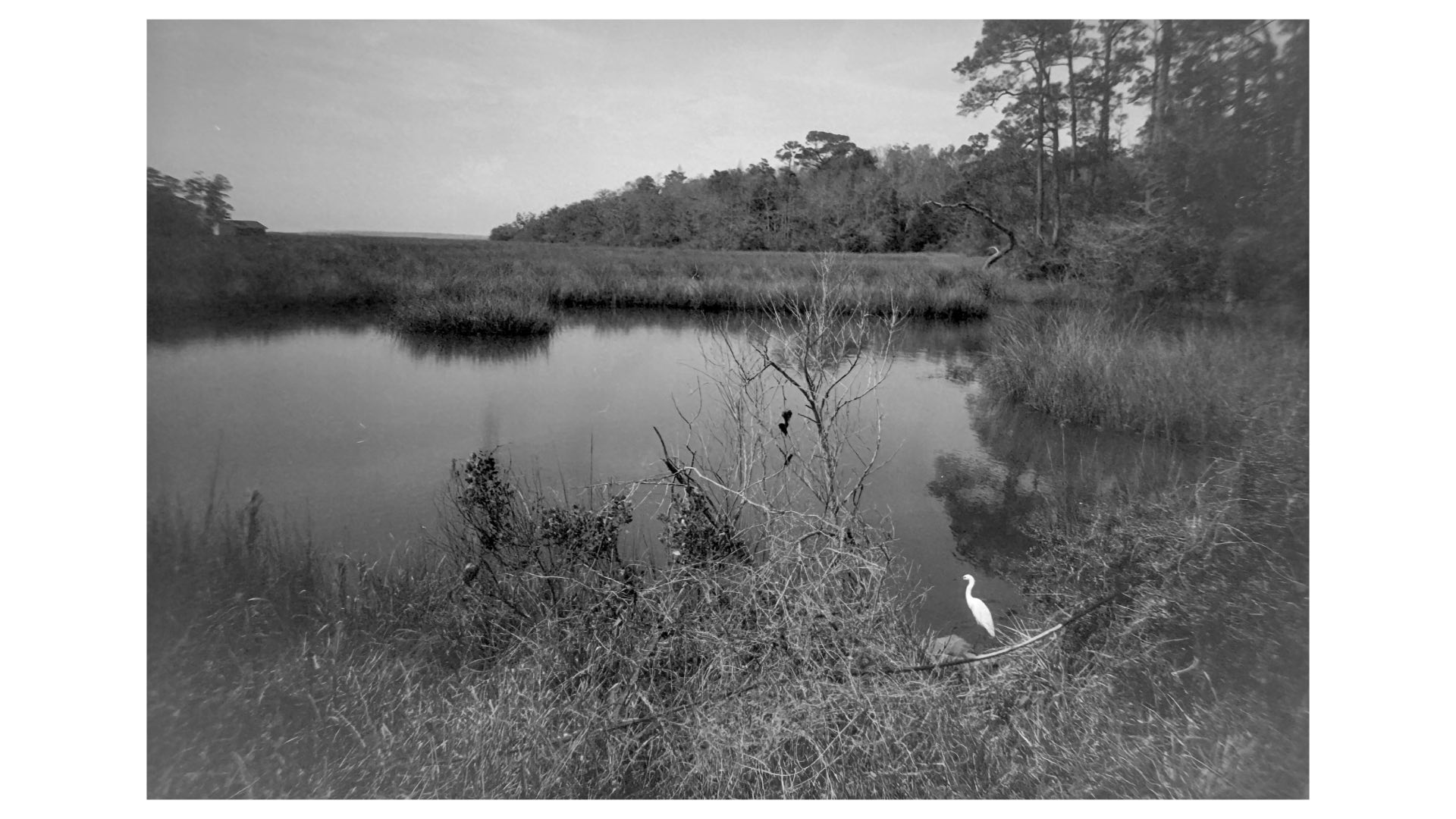
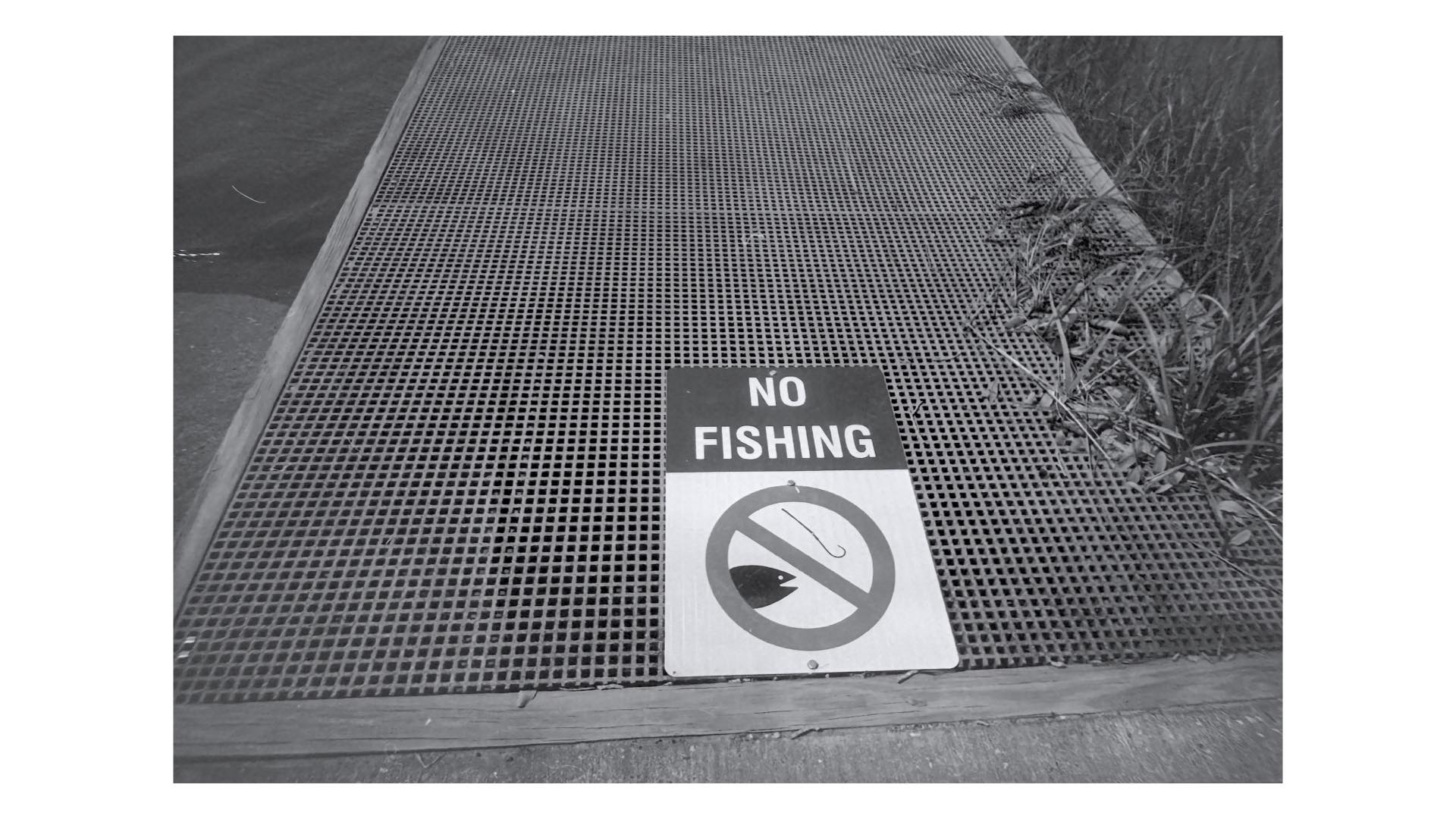
Using film with a camera that has minimal controls begs the question: what’s the best film speed for use with the Snapic? Unfortunately, there’s no easy answer. Therefore, you’d be wise to experiment with 100, 200, and 400 ISO film. Based on your results, standardize on that speed and the Kodak Snapic A1 will quickly become your favorite modern film camera. Which makes it the perfect companion for grabbing some quick food shots at the Tesla Diner.
The Kodak Snapic A1 is priced at $99.
Enjoy.

See more from DIYPhotography.net on Google
Add DIYPhotography.net as a trusted source. This makes
our stories more likely to appear in your Google Search results.
 Add as a preferred source on Google

David Prochnow
Our resident “how-to” project editor, David Prochnow, lives on the Gulf Coast of the United States in Ocean Springs, Mississippi. He brings his expertise at making our photography projects accessible to everyone, from a lengthy stint acting as the Contributing How-To Editor with Popular Science magazine. While you don’t have to actually build each of his projects, reading about these adventures will contribute to your continued overall appreciation of do-it-yourself photography. A collection of David’s best Popular Science projects can be found in the book, “The Big Book of Hacks,” Edited by Doug Cantor.


Join the Discussion
DIYP Comment Policy
Be nice, be on-topic, no personal information or flames.