




















Are Your Old Photos Worth Money? Here’s What Collectors Look For
Aug 31, 2026
Alysa Gavilan
Alysa Gavilan has spent years exploring photography through photojournalism and street scenes. She enjoys working with both film and mirrorless cameras, and her fascination with the craft has grown over the decades. Inspired by Vivian Maier, she is drawn to capturing everyday moments that often go unnoticed.
Share:

Old photographs can look like little more than forgotten pieces of family history, but some of them have a surprisingly active market. From 19th century daguerreotypes to snapshots showing long vanished streets, unusual fashions or important events, collectors still buy original photographs for their historical and visual value.
The catch is that age alone does not make a photograph valuable. For most old family pictures, the real question is what the photograph shows, who made it, how rare it is and whether someone is looking for exactly that kind of image.
What makes an old photograph valuable?
There is a market for old photographs, but it is highly selective. Ordinary portraits and unidentified family snapshots are common, and many sell for only a few dollars or less.
The photographic process can also matter. Daguerreotypes, ambrotypes, tintypes, and early albumen prints belong to different periods and have their own collector communities. A photograph’s condition, size, photographer, subject and provenance can all affect its value.
Historical significance can make an even bigger difference. Photographs showing notable people, unusual occupations, military history, significant events or places that have changed substantially can attract specialized collectors.
Auction records show the enormous difference this can make. A photograph personally owned by 19th century golfer Old Tom Morris recently sold for $85,350, while another photograph from the same collection sold for $27,195.60.

Old does not automatically mean expensive
The biggest misconception about selling old photographs is that anything from the 1800s must be valuable. The market does not work that way.
Large quantities of vintage photographs survive, particularly ordinary studio portraits and family snapshots. Collectors therefore have plenty of material to choose from. Recent sales records include antique photographs changing hands for relatively modest amounts, including examples selling for around $20 to $60.
The same principle applies to photographs from the 20th century. A box containing dozens of unidentified family pictures may have considerable sentimental value but little resale value. An unusual photograph from the same period, particularly one with identifiable people, locations or events, can be much more interesting to a specialist collector.
Who buys old photographs?
Collectors are not necessarily interested in photographs simply because they are old. Many collect around a specific subject, period, photographer, location or photographic process. Military photographs, transportation images, early sports photography, local history and photographs of historic buildings can all appeal to niche markets.
There is also a market for photographs as works of art. Major auction houses such as Christie’s maintain dedicated photography departments and sell photographs from the 19th, 20th and 21st centuries. At the high end, the market includes established photographers and historically important works, with individual photographs selling for millions of dollars.
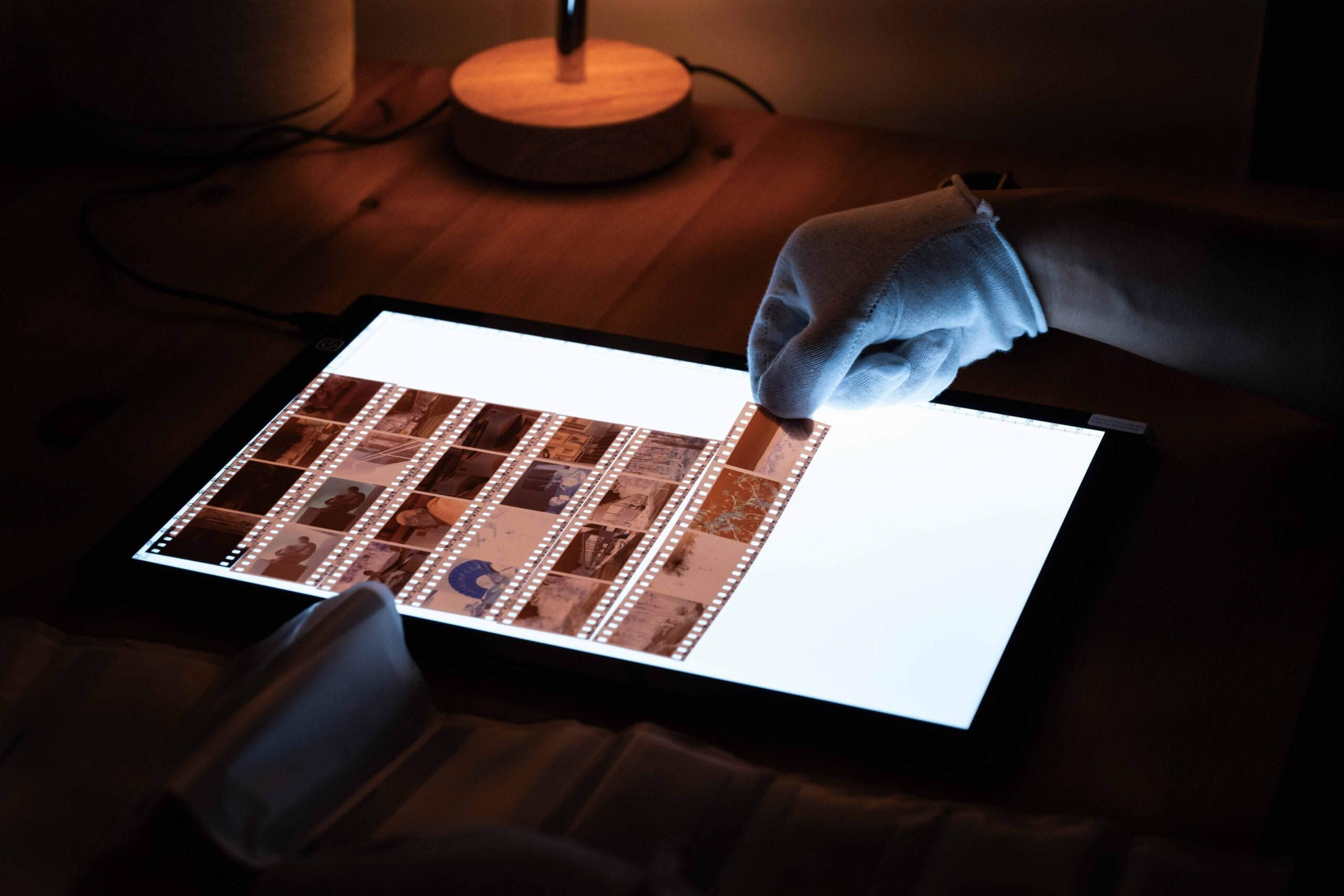
For someone clearing out an old family collection, however, the more realistic market is usually much smaller. Identifying the photographs before selling them can make a significant difference. Names, dates, photographer stamps, handwritten notes and information about where an image came from can provide the context that collectors need.
So, is there a market for old photographs?
Yes, but it is a niche market rather than a guarantee of easy money. Most old photographs are inexpensive, while a small number can be surprisingly valuable because they preserve something rare, historically important or difficult to find.
So before throwing that box of old photographs away, it may be worth turning the pictures over first. The clue to their value could be written on the back.
See more from DIYPhotography.net on Google
Add DIYPhotography.net as a trusted source. This makes
our stories more likely to appear in your Google Search results.
 Add as a preferred source on Google

Alysa Gavilan
Alysa Gavilan has spent years exploring photography through photojournalism and street scenes. She enjoys working with both film and mirrorless cameras, and her fascination with the craft has grown over the decades. Inspired by Vivian Maier, she is drawn to capturing everyday moments that often go unnoticed.




Join the Discussion
DIYP Comment Policy
Be nice, be on-topic, no personal information or flames.
One response to “Are Your Old Photos Worth Money? Here’s What Collectors Look For”
In New Zealand on Monday 31 August 2026 Son Recently been to Wellington Tawa to throw, then Post Office to have a look at the Letter and See this Got 1 Letter about Spark NZ, then Tawa Books & Post Counter to pay the Spark NZ Bill.
And then Son go home.
And So DIYPhotography, Canada, Mexico, Central America, Caribbean, South America, Polynesia, Greenland, Europe, United States, Japan, New Zealand, Africa, West Asia, Philippines, Vietnam, Laos, Cambodia, Thailand, Myanmar, Micronesia, Melanesia, Singapore, Central Asia, South Asia, North Korea, South Korea, Malaysia, Indonesia, Brunei, East Timor, Bermuda, Australia, United Kingdom, Macau, Hong Kong, Taiwan, Mongolia, Saint Pierre and Miquelon and Everyone, now all go have a best upgraded realest strongest extremely biggest fighting and moreover to get all the money, everything, whatever and many more out from 4 Quintuple Country List: List 1 China/Mongolia/Taiwan/Macau/Hong Kong, List 2 North Korea/South Korea/Central Asia/South Asia/Myanmar, List 3 Laos/Thailand/Cambodia/Philippines/Vietnam and List 4 Russia/West Asia/Eastern Europe/Southeast Europe/Central Europe into 4 Single Country List: 1st List New Zealand, 2nd List United Kingdom, 3rd List Singapore and 4th List United States for every time.