















Best Gifts for Astrophotographers in 2026: Ideas for Every Budget
Nov 23, 2026
Soumyadeep Mukherjee
Soumyadeep Mukherjee is an award-winning astrophotographer from India. He has a doctorate degree in Linguistics. His work extends to the sub-genres of nightscape, deep sky, solar, lunar and optical phenomenon photography. He is also a photography educator and has conducted numerous workshops. His works have appeared in over 40 books & magazines including Astronomy, BBC Sky at Night, Sky & Telescope among others, and in various websites including National Geographic, NASA, Forbes. He was the first Indian to win “Astronomy Photographer of the Year” award in a major category.
Share:
Getting started with astrophotography involves a little more than buying a camera and pointing it at the night sky. A beginner soon discovers that focusing in the dark takes practice, camera lenses collect dew, and even a small amount of unwanted light can disrupt an observing session. A suitable gift can make these early experiences easier and help someone get more out of their equipment.
You do not have to spend a fortune, either. Some of the most useful accessories cost less than $100. At the other end of the price range, a tracking mount or smart telescope can open up a much wider range of targets. Here are 15 gift ideas for someone you love who wants to photograph the Moon, planets, star fields, and deep-sky objects. I have bought and used many of these products, and they are really good!
Affordable astrophotography must-haves: Gifts under $100
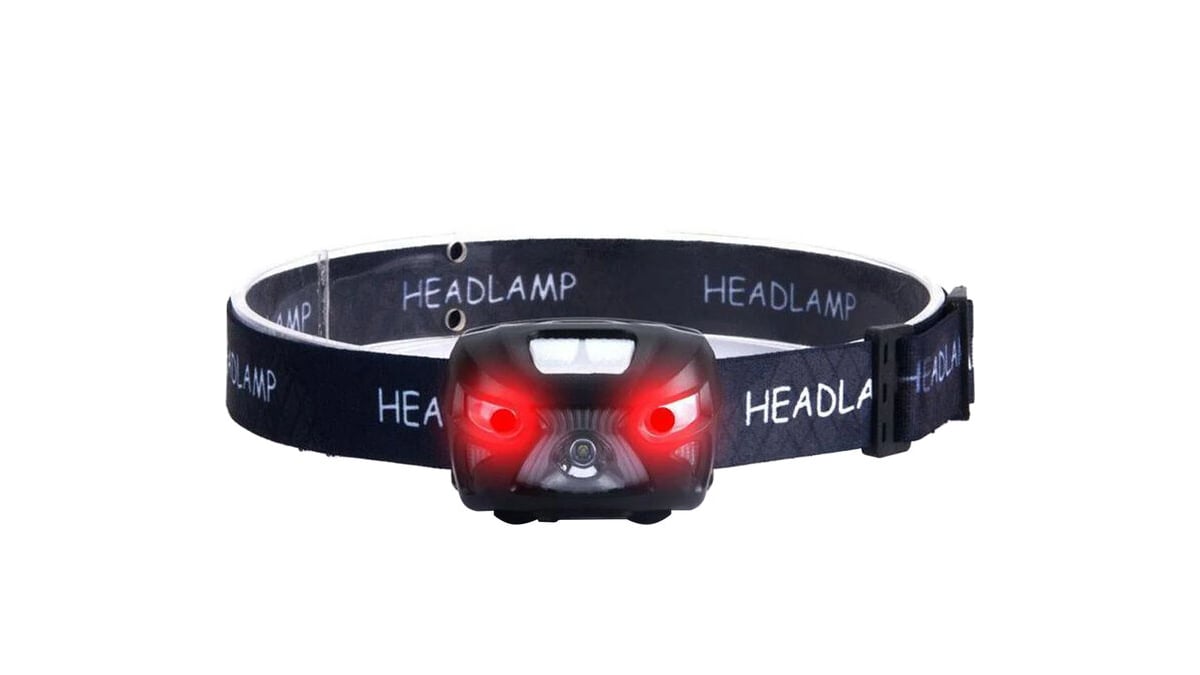
Move Shoot Move Astrophotography Red LED Headlamp: $15.99 on B&H
An ordinary flashlight can be surprisingly disruptive during a night-sky photography session. Its white beam affects your night vision and can disturb other photographers working nearby. The Move Shoot Move headlamp has a separate red LED and a dedicated button that switches straight to red light. It also has two white-light brightness settings for tasks that need more illumination. The rechargeable battery keeps the unit compact, while the headlamp design leaves both hands free. That comes in handy when changing lenses, adjusting a tripod, checking camera settings, or setting up equipment in the dark.
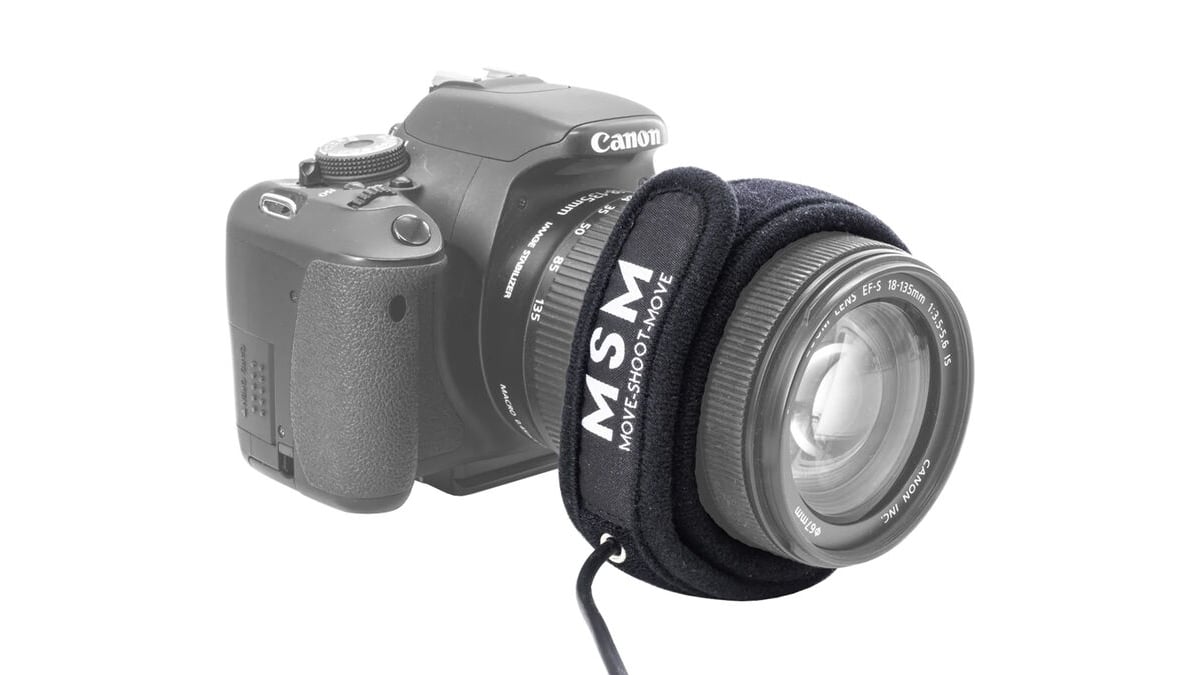
Move Shoot Move JR-002 Lens Warmer: $19.99-$22.99 on B&H and Amazon
A clear night can still ruin an imaging session when moisture settles on the front element of a lens. As the glass cools, it can fall below the surrounding air’s dew point. A thin layer of condensation then reduces contrast and softens the image. The MSM lens warmer helps prevent this by gently heating the lens barrel. Its 16.7-inch band fits lenses up to 5.3 inches in diameter and has three temperature settings. It draws power from a USB source, so the recipient will also need a suitable power bank. For anyone who photographs through long, humid nights, this can be a useful addition to their kit.
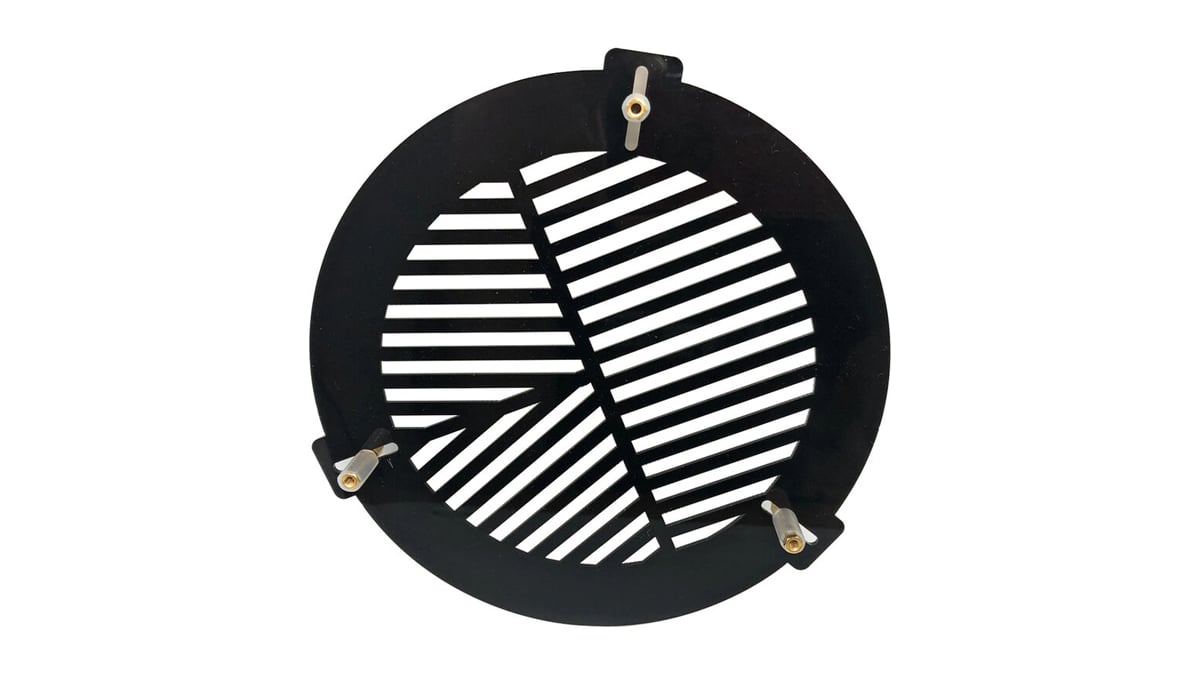
Starfield FM-80 Bahtinov Focus Mask: $25 on B&H
Achieving accurate focus is one of the first challenges a new astrophotographer faces. A star may look sharp on a camera display but still appear slightly blurred in the final image. The Starfield FM-80 Bahtinov mask helps remove some of that guesswork. Placed over a compatible 80mm telescope aperture, its patterned openings create diffraction spikes around a bright star. The photographer adjusts focus until the central spike sits correctly between the other two. It is a simple accessory, but it can save considerable time during setup and help get sharper results.
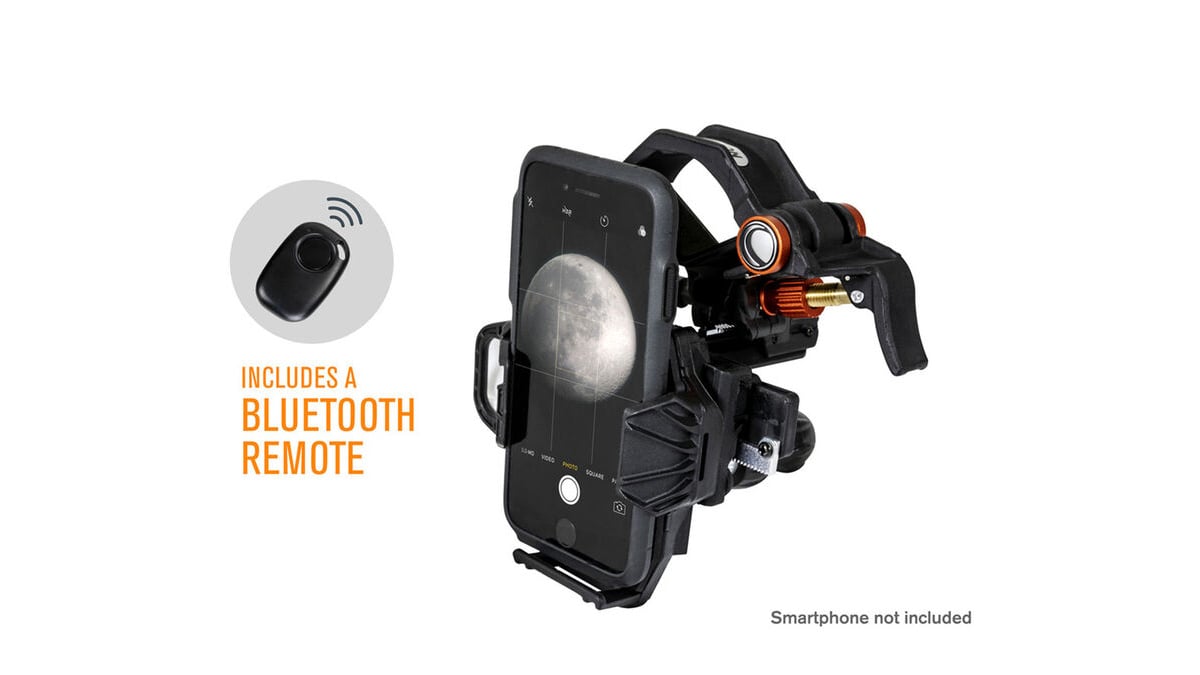
Celestron NexYZ DX Smartphone Adapter: $69.99 on B&H and Amazon
Many beginners already own a telescope but have never tried photographing through it. The Celestron NexYZ DX gives them a nice way to experiment with smartphone astrophotography. It holds a phone in front of an eyepiece and provides adjustments along three axes. These controls help align the phone’s camera with the telescope’s optical path. Once aligned, the phone can record views of the Moon, bright planets, and other suitable targets. It will not replace a dedicated astronomy camera, but it offers an introduction to capturing telescope views without a complicated setup.
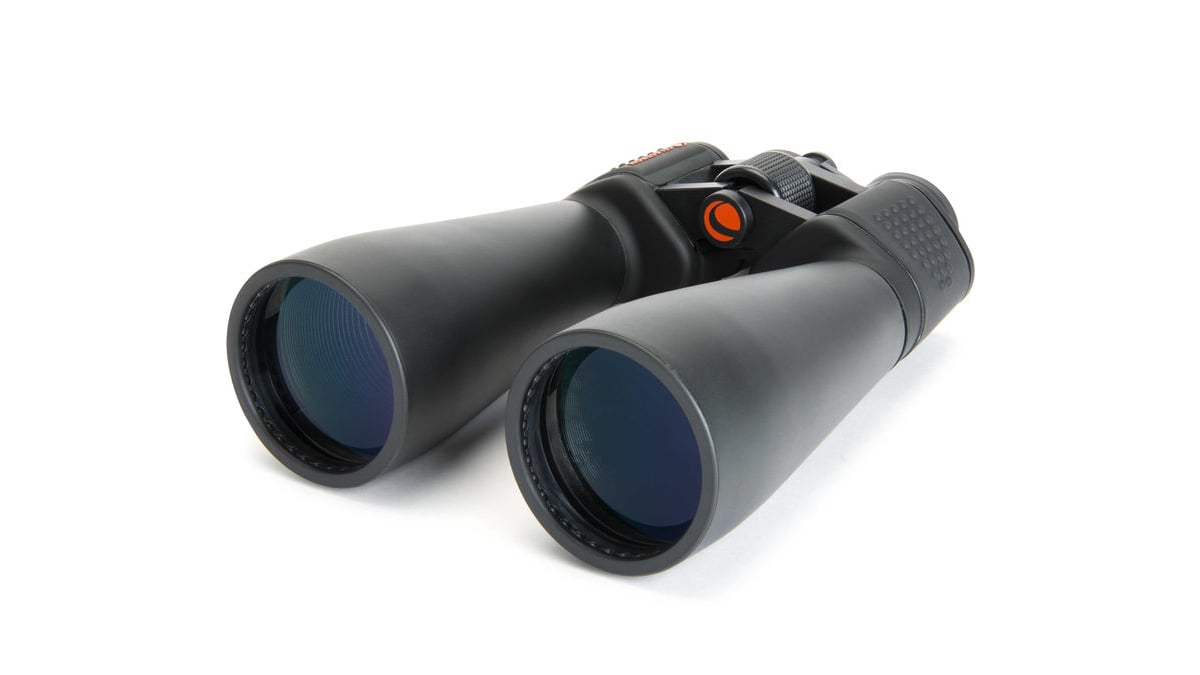
Celestron 15×70 SkyMaster Binoculars: $89-$99.99 on Amazon and B&H
Not every night under the stars needs to involve a camera. A pair of binoculars can help beginners learn the sky, locate bright objects, and decide what they want to photograph. The Celestron SkyMaster has 15x magnification with large 70mm objective lenses. The aperture gathers more light than smaller binoculars, making the instrument useful for viewing star clusters, the Moon, and brighter deep-sky objects. At 15x magnification, however, hand movement becomes noticeable. A tripod or binocular support will make longer observing sessions much more comfortable.
Useful astrophotography upgrades: Under $500
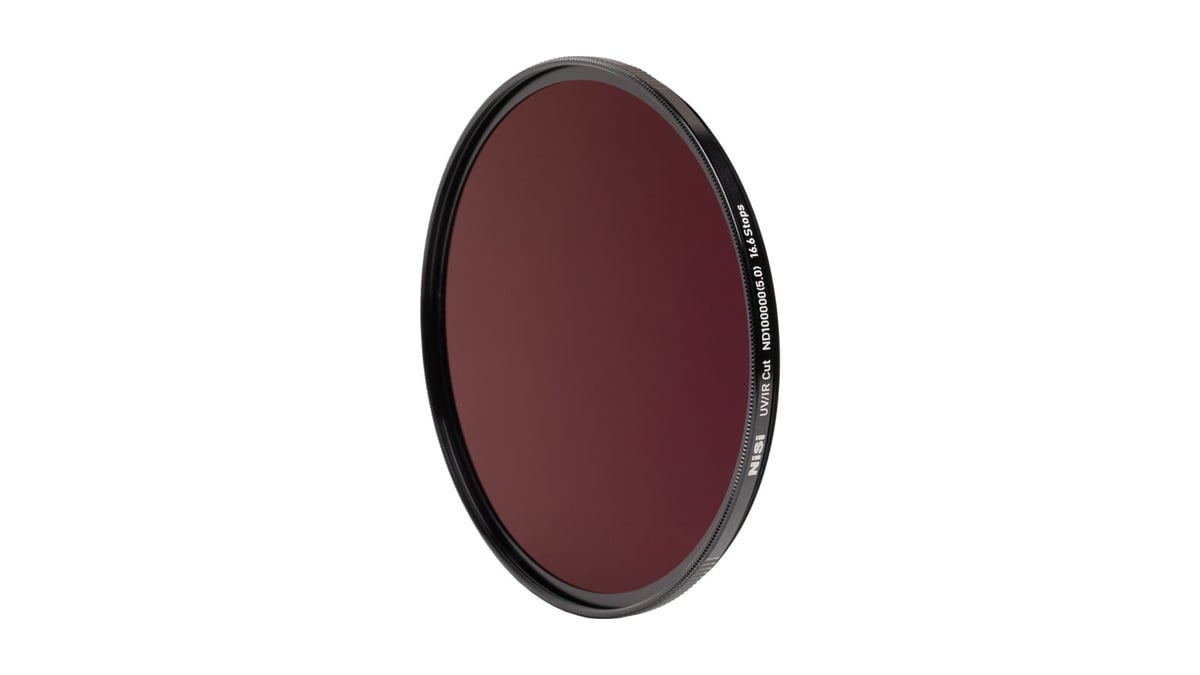
NiSi Solar Pro Nano 95mm ND Filter: $169 on B&H and Amazon
Photographers interested in solar imaging need to take special care when choosing filters. The NiSi Solar Pro Nano is a strong neutral-density filter designed for photographic use. It can help photographers capture the Sun with compatible camera equipment, including during solar events. Its 95mm size also means buyers must check that it fits their lens or filter holder. This is not a general-purpose solar safety filter for looking through a telescope or binoculars. Never use it for direct visual observation, and never look at the Sun through an optical viewfinder. Anyone buying it should follow the manufacturer’s instructions and use a safe camera-based viewing method.
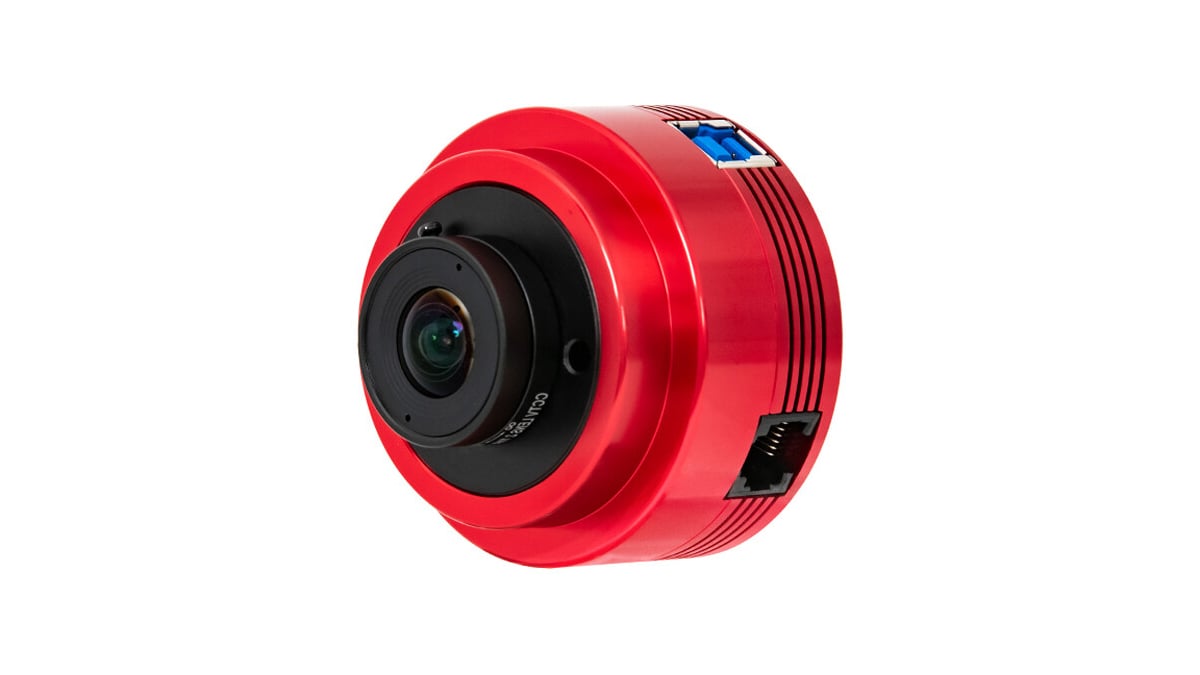
ZWO ASI662MM Monochrome Astronomy Camera: $299 on B&H
A dedicated astronomy camera is a significant step beyond photographing through a DSLR or mirrorless camera. The ZWO ASI662MM uses a monochrome sensor, which records luminance information without a color filter array. This makes it particularly useful for planetary imaging, where photographers capture thousands of short exposures and combine the sharpest frames. Its small pixels and fast USB 3.0 connection suit high-frame-rate capture. A monochrome camera can also form part of a more advanced setup using separate color filters. The recipient will need a compatible telescope and computer, so this is best for someone ready to explore dedicated imaging software.
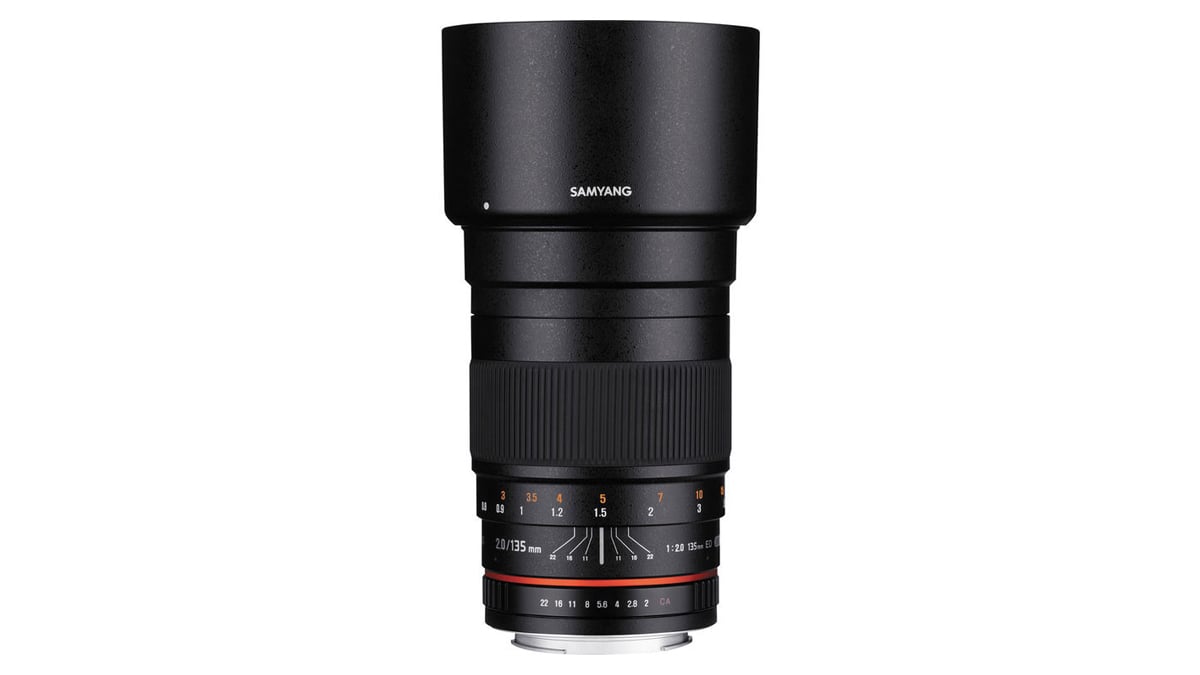
Samyang 135mm f/2 Lens: $399 on B&H and Amazon
A fast telephoto lens can give a beginner access to a different scale of night-sky photography. The Samyang 135mm f/2 has a wide maximum aperture, which lets in plenty of light for relatively short exposures. Its focal length frames large nebulae, star fields, and sections of the Milky Way more tightly than a wide-angle lens. The lens also works for ordinary portrait and landscape photography, so it need not stay in the camera bag during the day. Before buying it, do check for the compatible mount.
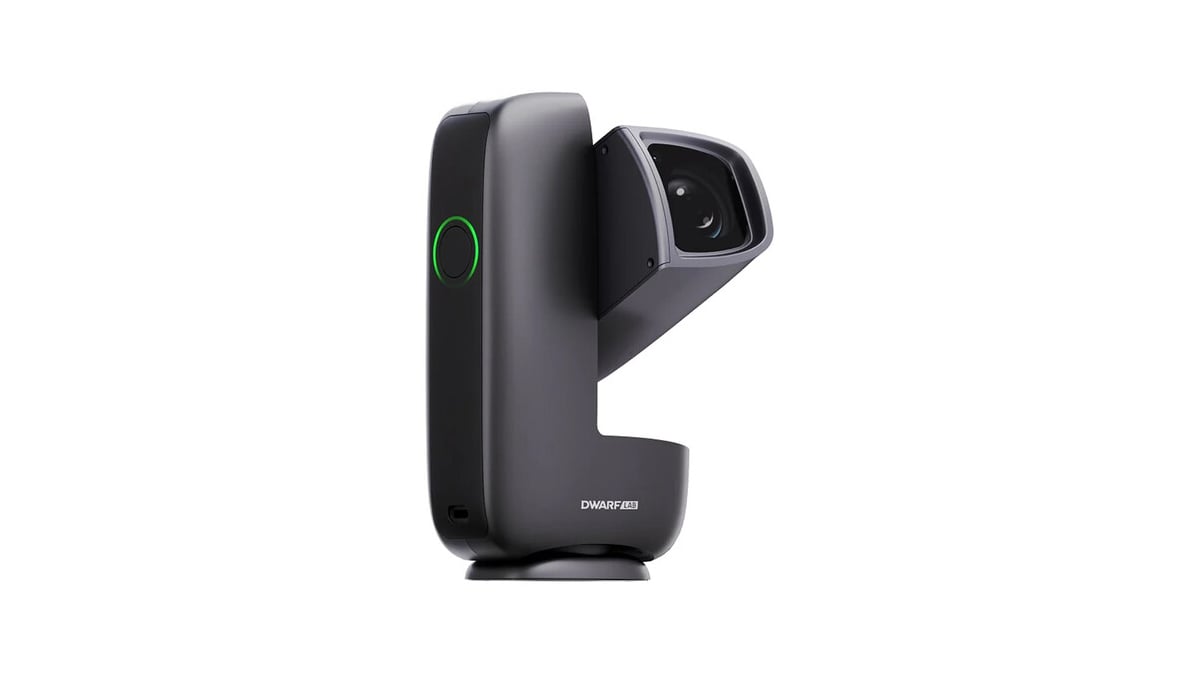
Dwarflab Dwarf Mini Smart Telescope: $399-$419 on B&H and Amazon
Some beginners want to photograph deep-sky objects but would prefer not to assemble a traditional telescope setup. The Dwarflab Dwarf Mini takes a more compact approach. It has the optics, imaging hardware, and automated controls in a small smart telescope. Users operate it through a mobile app, which guides them through selecting targets and capturing images. This style of instrument can make the first steps less intimidating, especially for someone who travels to observe from different locations. It also gives beginners a chance to learn how stacking and processing improve astronomical images without first investing in several separate components.
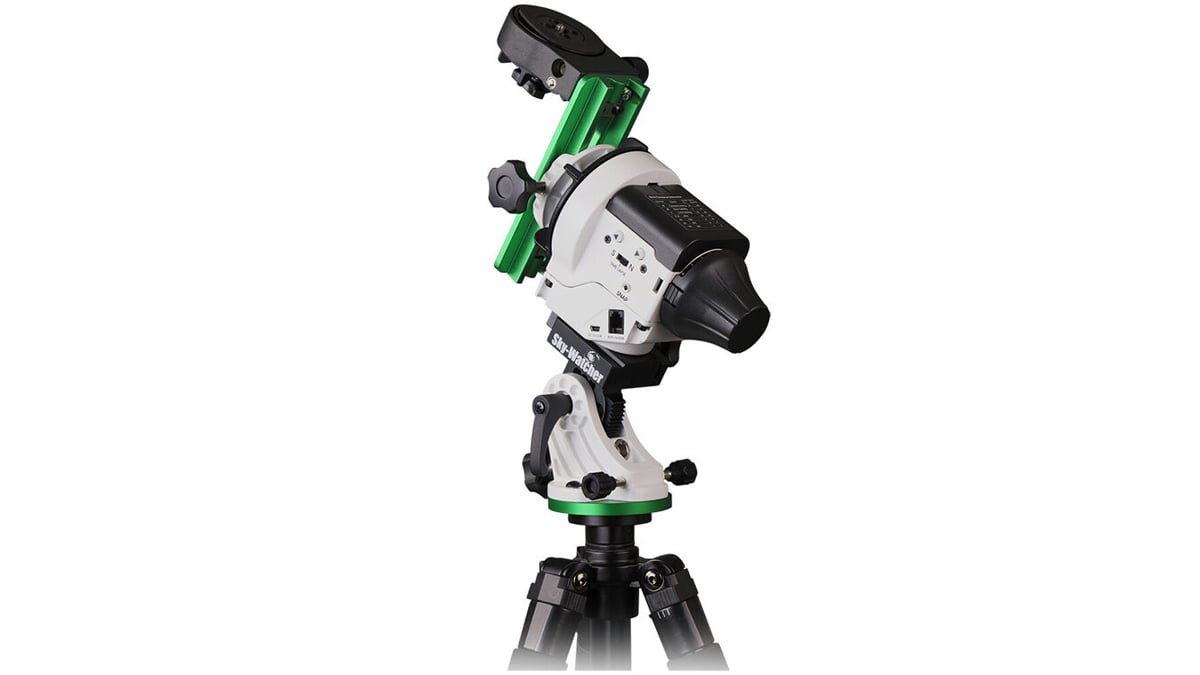
Sky-Watcher Star Adventurer 2i Pro: $469 on B&H and Amazon
Long exposures can turn stars into short trails because Earth rotates while the camera remains fixed. A tracking mount compensates for that movement by following the sky. The Star Adventurer 2i is a portable equatorial tracker designed for camera-and-lens setups. It can help beginners capture longer exposures of the Milky Way, constellations, and larger deep-sky targets. The Pro Pack includes accessories that make the system more useful for astrophotography. You will need to balance the camera, align the mount with the celestial pole, and choose suitable exposure settings.
A big step forward: Astrophotography gifts under $1,000
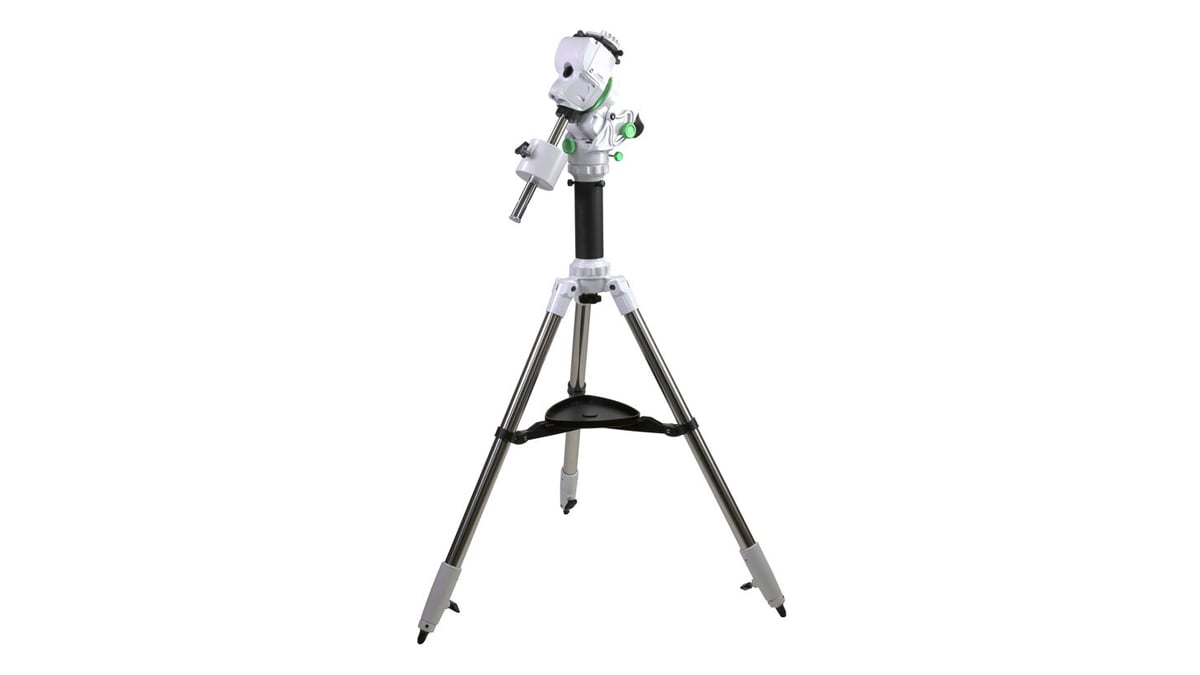
Sky-Watcher Star Adventurer GTi Mount: $679 on B&H and Amazon
The Star Adventurer GTi takes portable tracking a step ahead by adding GoTo control. After alignment, the mount can move to selected objects in the sky, saving beginners the effort of finding every target manually. Its equatorial design also tracks the apparent movement of the sky during longer exposures. It suits compact camera-and-lens combinations and lighter telescope setups, making it a useful option for someone who wants to move beyond a basic star tracker.
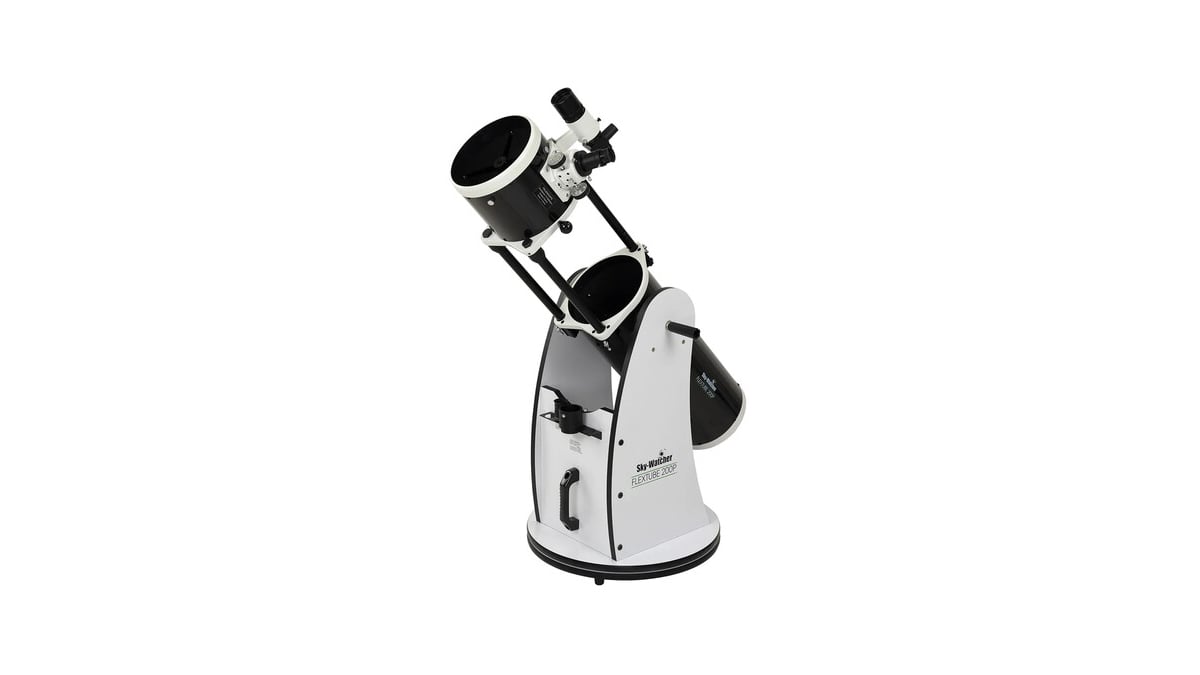
Sky-Watcher Flextube 200P 8-inch Collapsible Dobsonian: $739 on B&H
Astrophotography gifts do not always have to involve cameras. An 8-inch Dobsonian can give a beginner a much closer look at the objects they hope to photograph one day. The Flextube 200P has a large aperture that gathers plenty of light for visual observing. Its collapsible tube also makes storage and transport easier than with many full-length Newtonian telescopes. The manual Dobsonian base is designed mainly for visual use, though. It does not track the sky, so it is not a suitable platform for conventional long-exposure deep-sky photography. It is best for someone who wants to learn the night sky through the eyepiece.
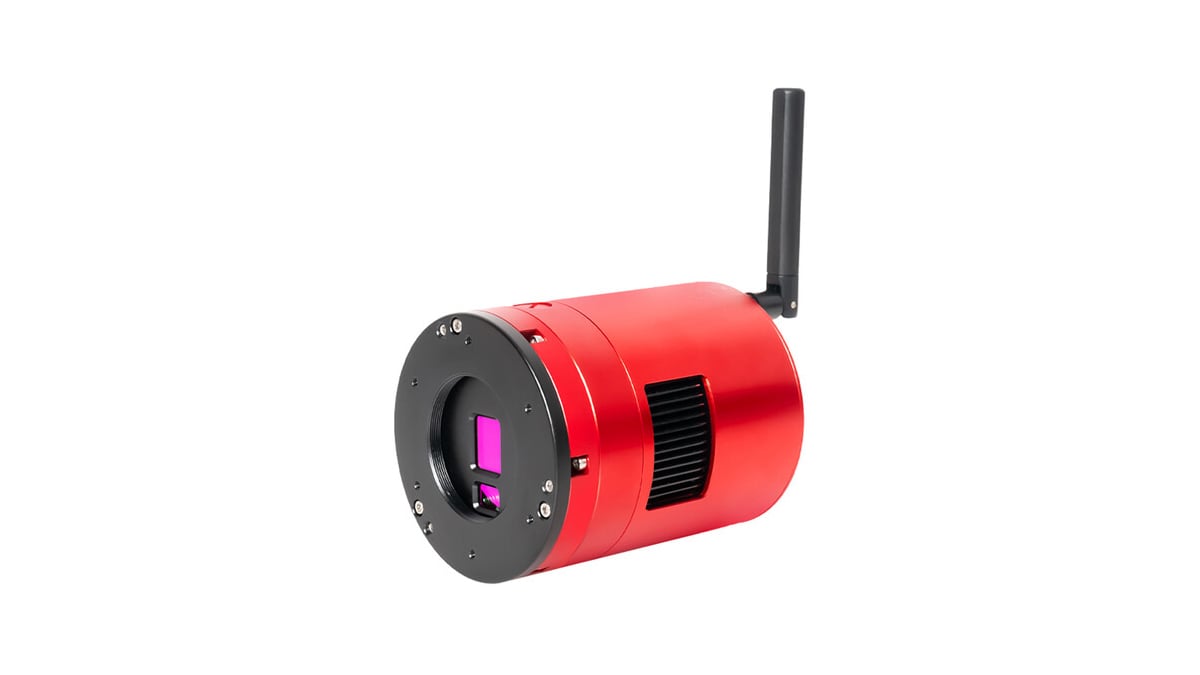
ZWO ASI585MC Air Wireless Smart Astronomy Camera: $799-$999 on B&H and Amazon
The ZWO ASI585MC Air is for someone ready to build a more advanced imaging system. It combines a color astronomy camera with wireless control and processing features, reducing the need for a separate computer at the telescope. The camera uses Sony’s IMX585 sensor and can capture planetary, lunar, and deep-sky targets when paired with suitable optics and a tracking mount. Its integrated control features also help manage an imaging session from a connected device. It is not a standalone telescope: the recipient will need a compatible optical tube, mount, power supply, and other accessories to complete the setup.
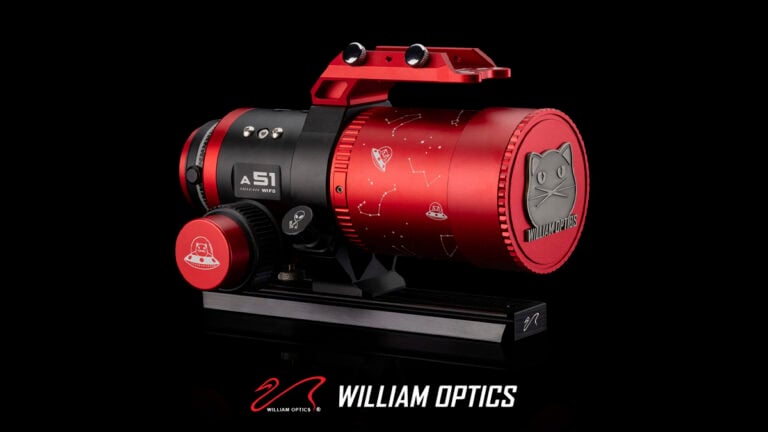
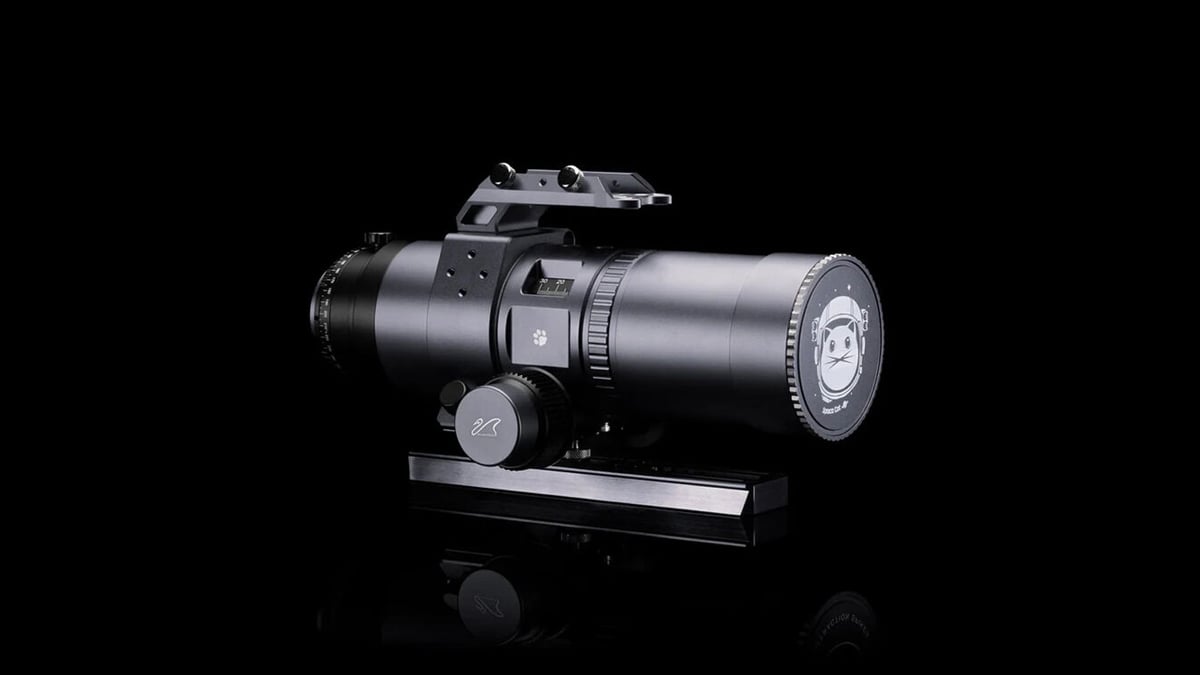
William Optics Cat 51 WIFD 51mm Refractor: $878 on B&H
For a beginner who wants to build a traditional deep-sky imaging rig, the William Optics Cat 51 WIFD is a compact refractor worth considering. It has a 51mm aperture, a 250mm focal length, and an f/4.9 focal ratio. Its four-element Petzval optical design does not require a separate field flattener, which keeps the imaging train simpler. The WIFD focuser and camera-angle rotator also give users useful control over camera positioning. This is an optical tube, not a complete telescope system. You will still need a camera, tracking mount, and suitable power and control equipment.
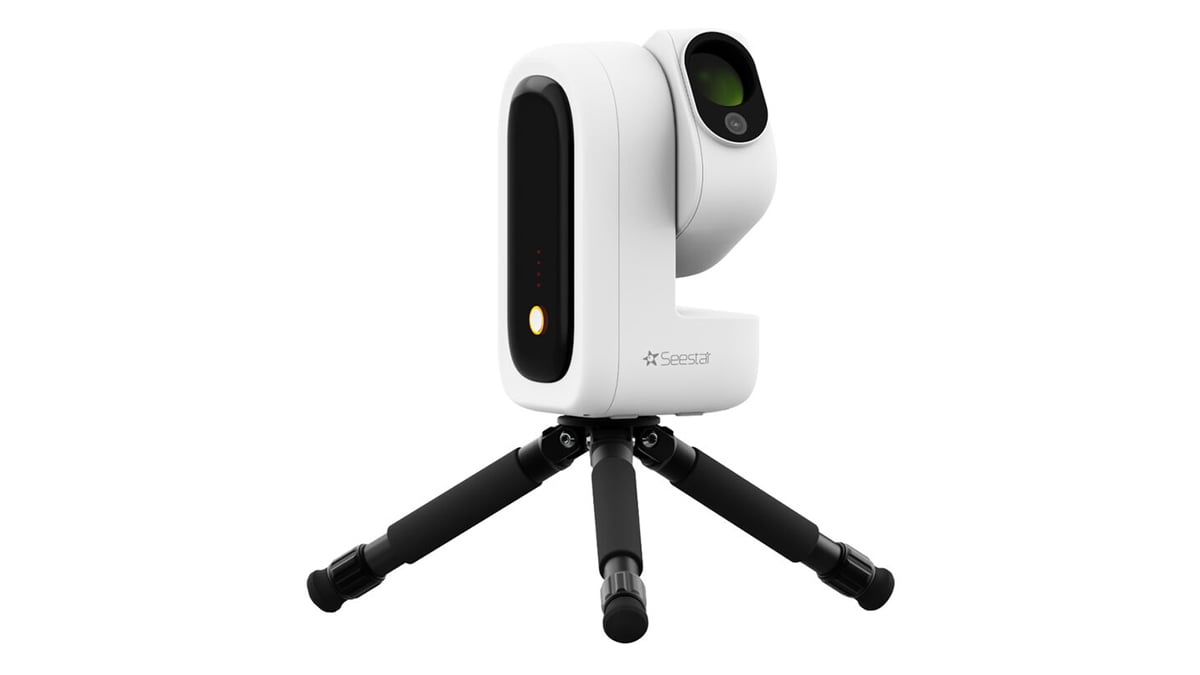
ZWO Seestar S50 Pro Smart Telescope: $999 on B&H and Amazon
The Seestar S50 Pro brings several parts of an astrophotography setup together in one instrument. Its 50mm apochromatic telephoto system uses ED glass and works alongside a separate wide-angle camera. The telescope handles deep-sky imaging, while the wide-angle camera can capture a much larger view of the surroundings and sky. Built-in filters, automated target selection, and image stacking help newcomers get started without learning every part of a conventional imaging workflow. The system can also save images in FITS format for further processing. It is a substantial gift for someone who wants to spend more time capturing objects and less time assembling equipment.
What are you choosing to gift from this guide? And who are you going to gift it to? Let us know in the comments.
Clear skies!
See more from DIYPhotography.net on Google
Add DIYPhotography.net as a trusted source. This makes
our stories more likely to appear in your Google Search results.
 Add as a preferred source on Google

Soumyadeep Mukherjee
Soumyadeep Mukherjee is an award-winning astrophotographer from India. He has a doctorate degree in Linguistics. His work extends to the sub-genres of nightscape, deep sky, solar, lunar and optical phenomenon photography. He is also a photography educator and has conducted numerous workshops. His works have appeared in over 40 books & magazines including Astronomy, BBC Sky at Night, Sky & Telescope among others, and in various websites including National Geographic, NASA, Forbes. He was the first Indian to win “Astronomy Photographer of the Year” award in a major category.
Related Posts
 [Strong Graphics] Big Ideas, Small Budget – How To Create Fun Conceptual Images On A Small Budget
 Here Are Ideas Photo Ideas with A $6 Shiny Purse and Smartphone Flashlight
 Here are seven macro photography ideas you can shoot at home and on a budget
 Here are five last-minute gifts for photographers, under $50
Join the Discussion
DIYP Comment Policy
Be nice, be on-topic, no personal information or flames.