


















Best Camera for Travel Photography: Find Yours by Travel Style
Oct 11, 2025
Dunja Đuđić Kalinin
Dunja Djudjic is a multi-talented artist based in Novi Sad, Serbia. With 15 years of experience as a photographer, she specializes in capturing the beauty of nature, travel, concerts, and fine art. In addition to her photography, Dunja also expresses her creativity through writing, embroidery, and jewelry making.
Share:

The best camera for travel photography means different things to different travelers. For a backpacker, it’s something lightweight and affordable. If you’re a vlogger, it’s all about video quality and a flip screen. And for an adventure hiker, it needs to survive dust, rain, or, god forbid, a 10-foot drop.
That’s why we wanted to give you a travel camera guide that recommends the best camera for travel photography based on traveler type. So, let’s dive right in and find the camera ready for your journey.
[Related Reading: Travel Photography: The Ultimate Guide to Shooting Stunning Images on the Road]
The Budget Backpacker
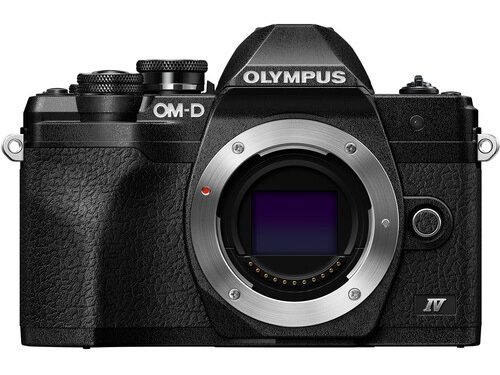
When you’re traveling for weeks or months on a shoestring budget, every gram and dollar counts. The best camera for travel photography in this case is one that’s light, affordable, and reliable enough to document your journey without weighing you down, both literally and financially.
The OM System OM-D E-M10 Mark IV is a compact mirrorless camera that checks all the boxes. With a Micro Four Thirds sensor, in-body stabilization, and a flip-down touchscreen, it delivers solid image quality in a package that fits easily in a daypack or sling. In this scenario, it pairs perfectly with the M.Zuiko 14–42mm pancake zoom. It covers everything from wide landscapes to casual portraits with minimal bulk.
This setup is perfect for traveling photographers who want more than a smartphone but aren’t ready to carry heavy lenses or spend thousands on gear. It’s great for more experienced photographers, but also a good choice for travel photography beginners.
On the flip side, it won’t perform miracles in low light, and the lens isn’t the sharpest out there. Still, this kit will offer you exceptional value and portability for the price.
Weight: 383 g (13.5 oz) with battery
Estimated Cost: $599.99 for the camera body only, $799.99 for the camera + lens kit.

The Vlogger or Content Creator
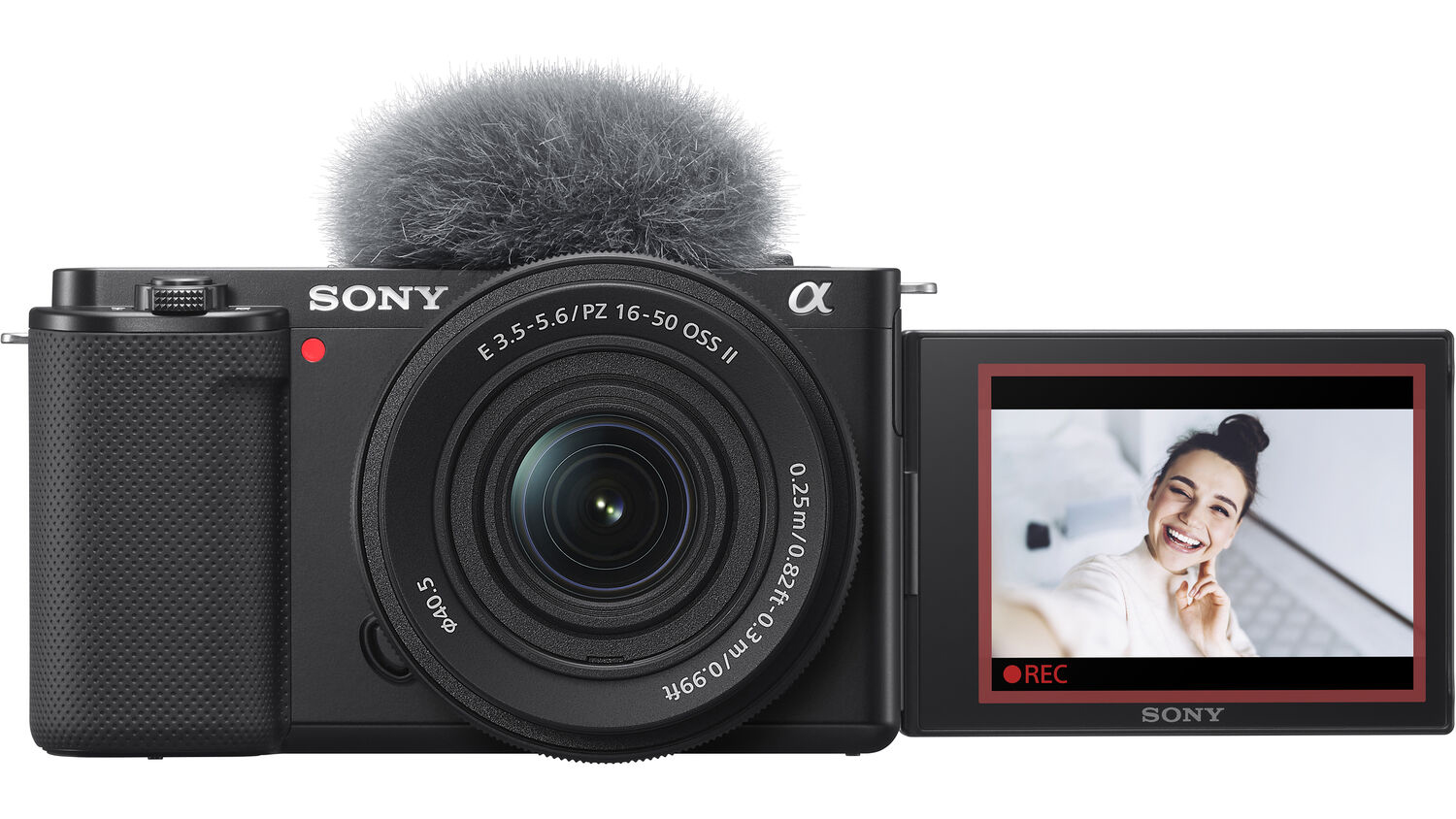
For travel vloggers, content creators, and hybrid shooters, the best camera for travel photography isn’t just about stills. It also has to deliver reliable video performance, fast autofocus, good audio options, and ease of use on the go. This is where the Sony ZV‑E10 is built with exactly that in mind.
This compact mirrorless camera offers a 24.2MP APS‑C sensor and impressive video specs for the price. They include 4K recording, fast hybrid autofocus with eye tracking, and a fully articulating screen. Yup, you guessed it – perfect for framing shots while filming yourself. Its compact body weighs just 343 g (0.76 lb), making it easy to carry all day or mount on a mini tripod or gimbal without your muscles being sore for the next three days.
Pair it with Sony’s 16–50mm f/3.5–5.6 OSS power zoom lens for a flexible focal range ideal for street scenes, talking head videos, or B-roll. Add a compact microphone like the Rode Wireless GO II and a small tripod, and you’ve got a full travel content kit that’s capable, portable, and creator-friendly.
I’ve had my eye on this one as well, especially as a travel photographer who’d also like to get into video a bit. What I don’t like is the lack of a viewfinder, something I’m very used to using. Still, it seems really user-friendly , photo and video quality is great, so I’d let it slide.
Weight: 343 g (12.1 oz)
Estimated Cost: $698 (body only) or $798 with 16–50mm kit lens

The Adventure Traveler or Hiker
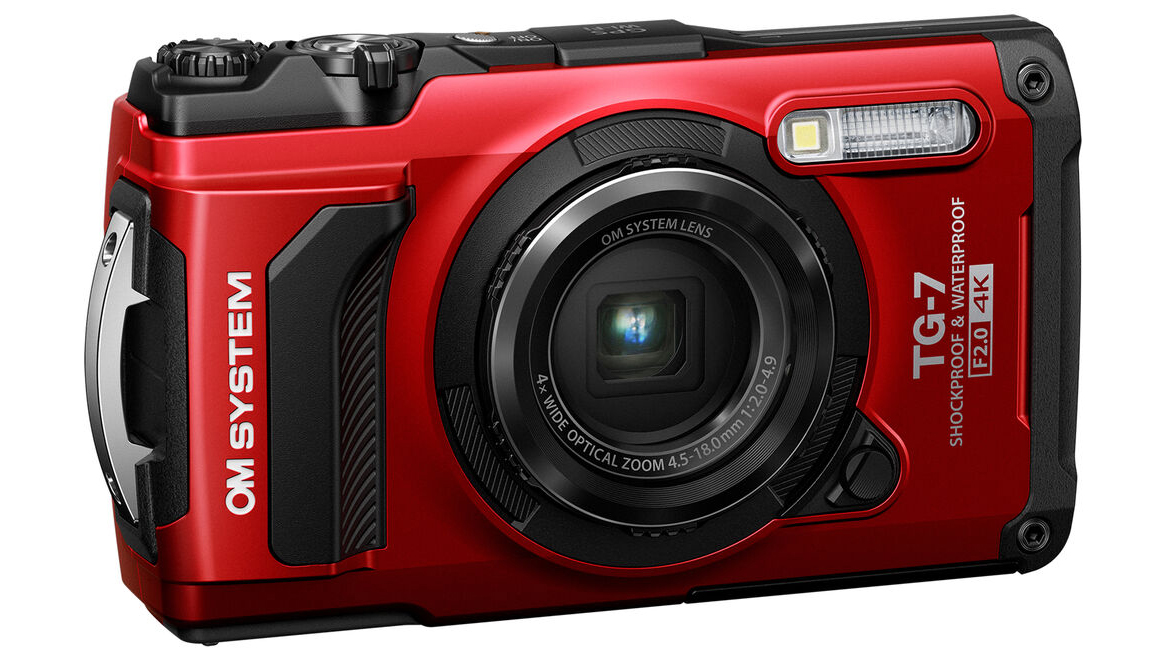
When your trip involves hiking mountain passes, exploring desert ruins, or crossing rivers by kayak, durability and portability matter more than megapixels. The best camera for travel photography in this scenario is one that won’t break. That’s where the OM System Tough TG‑7 comes in.
This little monster is designed to handle the kind of conditions that would ruin most cameras. It’s waterproof down to 15 m (50 ft), shockproof up to 2.1 m (7 ft), crushproof to 100 kg (220 lb), and freezeproof to ‑10 °C (14 °F). Yet it still delivers 12MP JPEGs and RAW files, with a fast f/2.0 lens and built-in macro and underwater shooting modes. Weighing just 249 g (0.55 lb), the TG‑7 fits easily into a jacket pocket or clips onto a backpack strap. It charges via USB and doesn’t require bulky accessories, so the entire kit stays lightweight and compact.
Of course, image quality isn’t on par with larger-sensor cameras. Another drawback is no zoom lens flexibility beyond the built-in 4x optical zoom. However, if you need something rugged to use on your adventures and not worry, this is definitely the best camera for travel photography if your travels are filled with adventure.
Weight: 249 g (8.8 oz)
Estimated Cost: $499

The Urban Explorer or Street Photographer
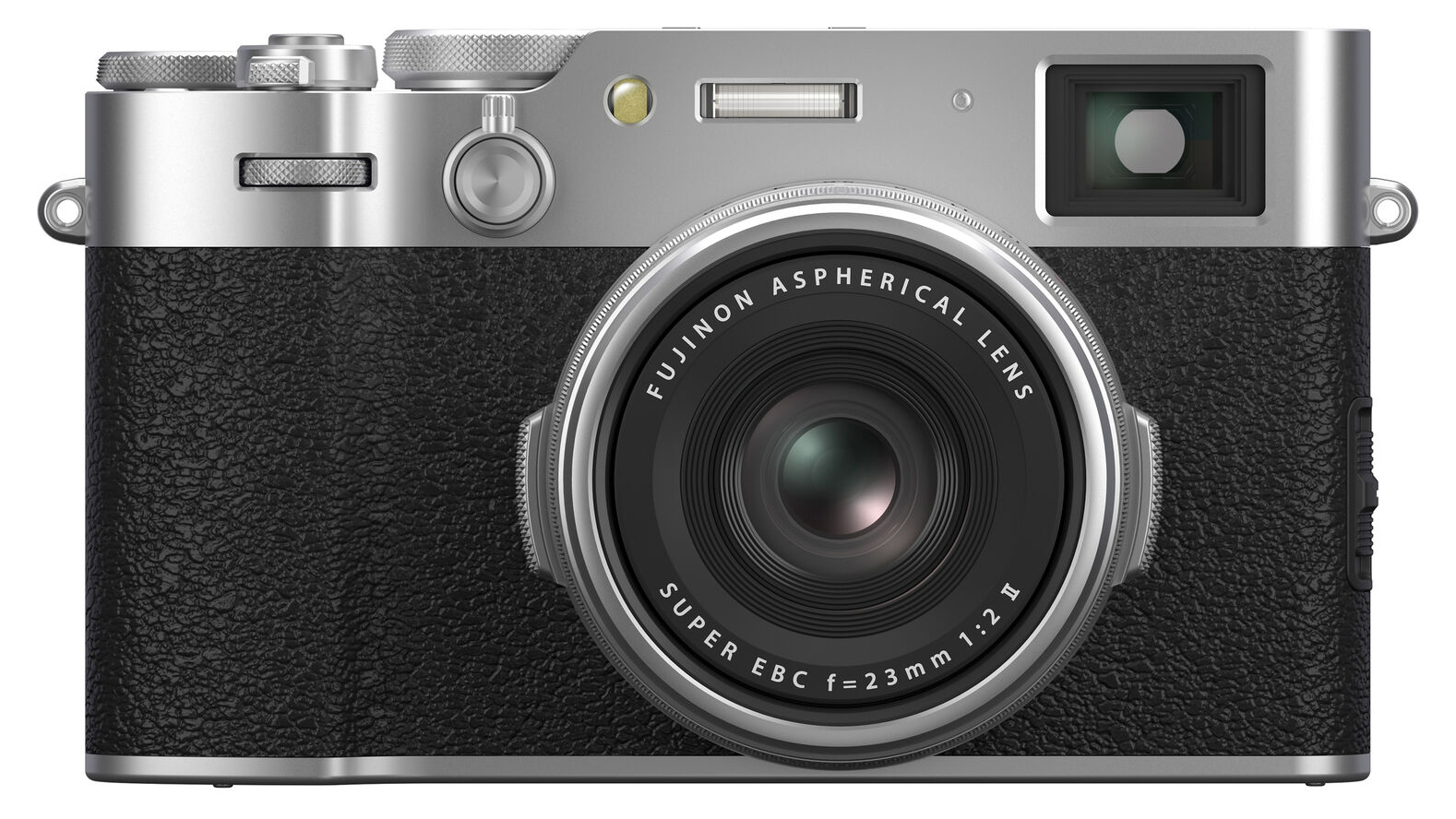
If your travel photos revolve around street scenes, either people, architecture, or both, the best camera for travel photography is one that blends into your surroundings while delivering stunning image quality. Enter Fujifilm X100VI.
With its sharp 23 mm f/2 fixed lens (35 mm equivalent), fast autofocus, and newly updated 40MP APS‑C sensor, the X100VI is one of street photographers’ favorites. It’s compact and discreet, yet powerful enough to rival larger mirrorless setups. Fujifilm’s renowned color science and film simulations make its JPEGs look beautiful straight out of camera, which means less editing and more time shooting.
Unlike bulky DSLRs, the X100VI weighs just 521 g (1.15 lb) and slips into a jacket pocket or sling. Its hybrid viewfinder combines optical and electronic options. It gives you creative flexibility for framing shots in the moment.
What you trade in lens flexibility (there’s no zoom or interchangeable mount), you gain in simplicity and spontaneity. The X100VI invites you to slow down, see light differently, and react to your environment. And after all, embracing these constraints can be an amazing creative experience.
Weight: 521 g (1.1 lb)
Estimated Cost: $1,599

The Serious Hobbyist
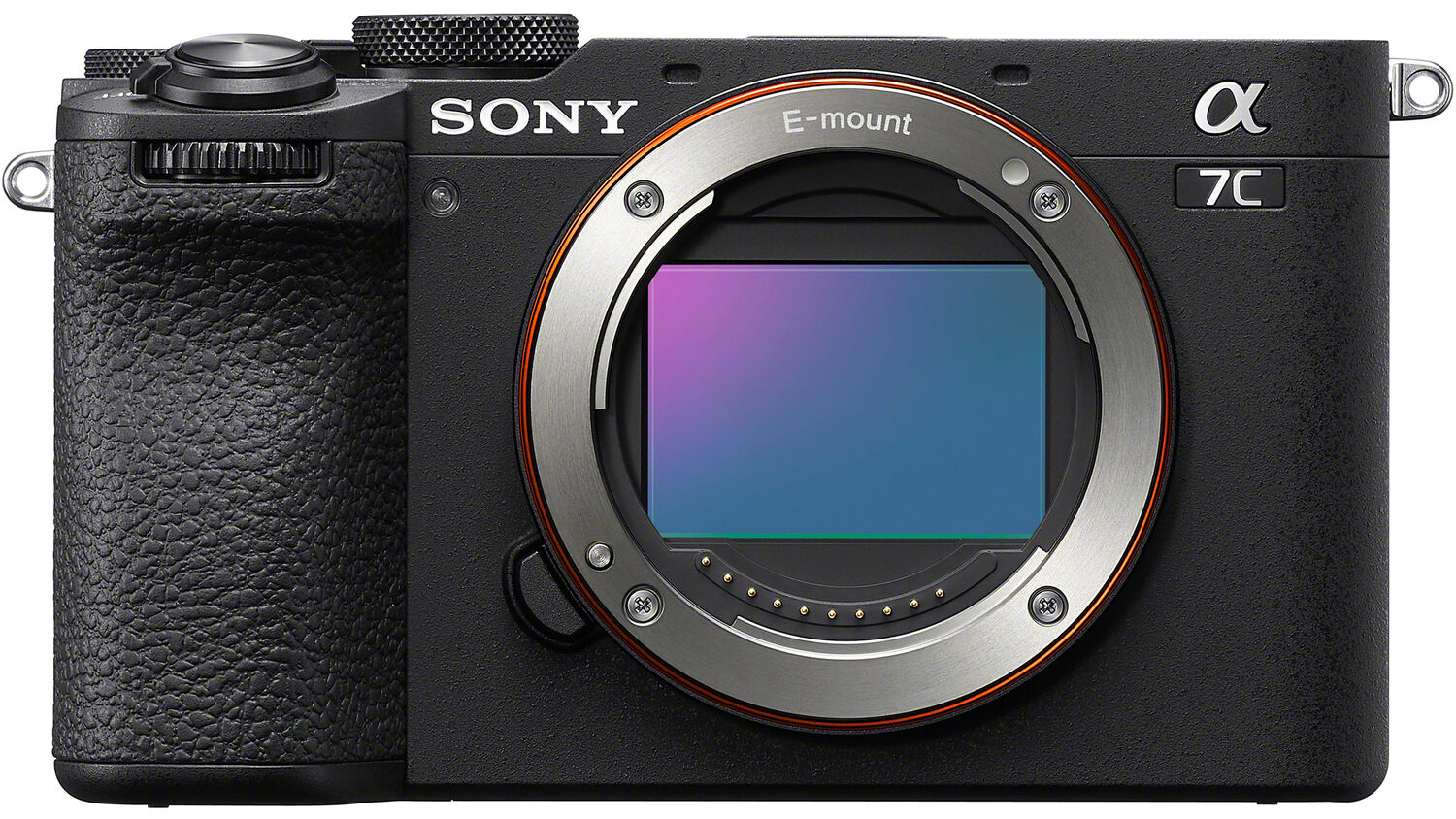
You’re not making money from your photography (yet), but image quality matters. You know your way around settings and you want gear that gives you creative control without the bulk of a traditional DSLR. For this type of traveler, the best camera for travel photography is one that blends full-frame quality with portability — and the Sony α7C II might be a great choice here.
Weighing just 514 g (1.13 lb) for the body, the α7C II offers a 33MP full-frame sensor, 7 stops of in-body image stabilization, 4K video, and advanced autofocus in a compact, rangefinder-style body. It’s ideal for serious shooters who want professional results without carrying extra gear.
You can pair it with a versatile zoom like the Sony FE 24–70mm f/4 (which adds a bit of weight to the kit). Or you can go for a compact prime like the 40mm f/2.5 G and get a lightweight powerhouse.
The fundamental trade-off is, honestly, the price. Full-frame sensors and quality lenses aren’t cheap, and it shows with this camera. However, if you’re a hobbyist who wants to invest in your craft, this is a camera that can grow with you across multiple trips and skill levels.
Weight: 514 g (1.1 lb) with battery
Estimated Cost: $2,298 (body only)

The Solo Traveler
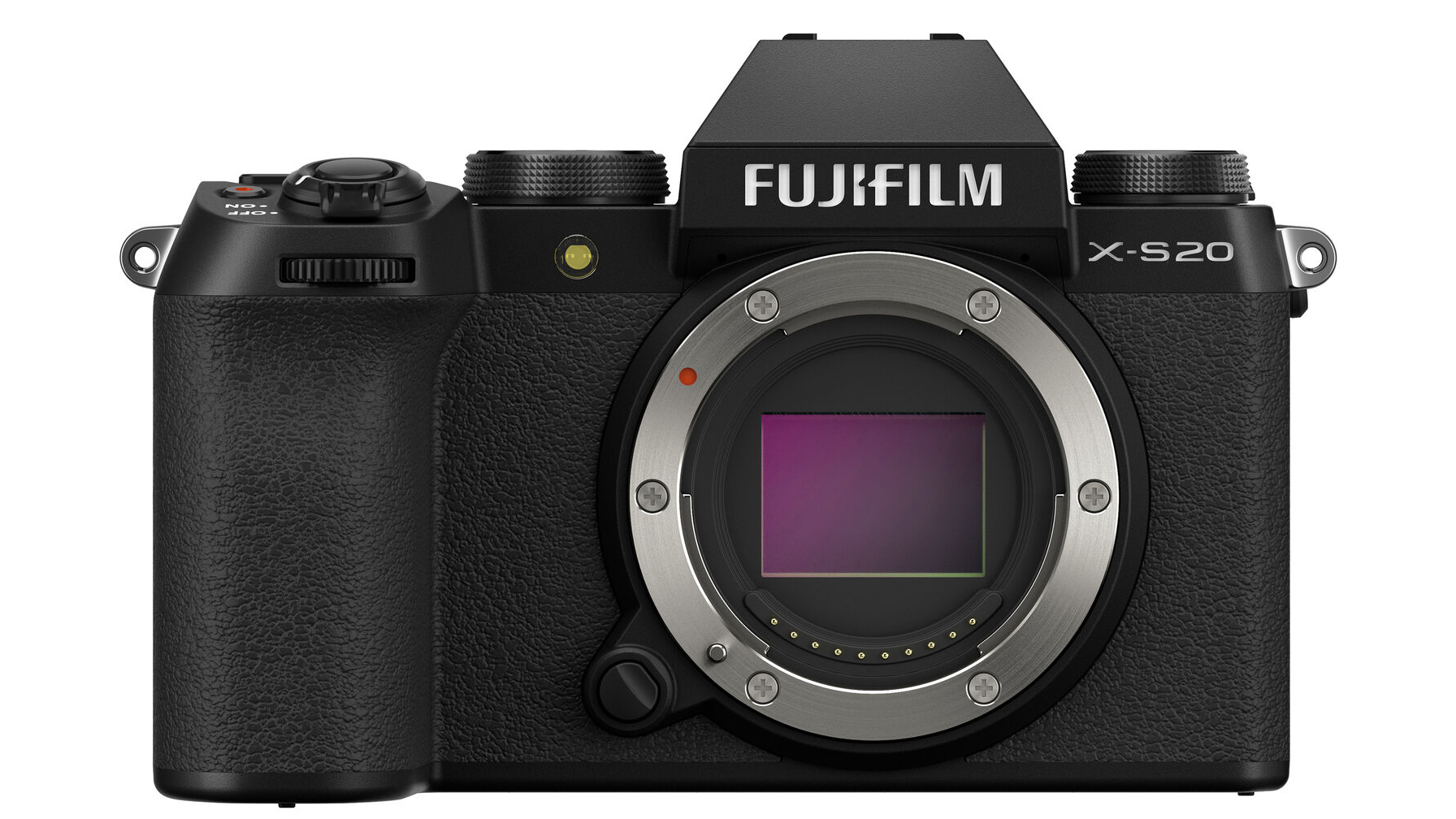
When exploring the world alone, the best camera for travel photography is lightweight, quick to operate, and forgiving when juggling a daypack, phone, and water bottle. It should handle both stills and video, offer reliable autofocus, and ideally support self-shooting.
This is my category, as I like traveling alone. But let me tell you straight away – I don’t have the perfect camera for this occasion. :) Still, judging from forums and experiences of photographers around me, the Fujifilm X-S20 strikes an excellent balance for solo travelers who want quality without complexity.
It features a 26MP APS-C sensor, in-body image stabilization, excellent color profiles, and a fully articulating screen that makes photographing yourself easy. Speaking of taking photos of yourself while traveling, this guide’s helpful too.
To build your kit, you can pair the X-S20 with the 16-50mm f/2.8-4.8 lens lens and get a versatile coverage for landscapes, food, portraits, and even vlogs. The camera also has USB-C charging, which I’m sure you’ll appreciate when outlets are limited.
At 491 g (1.1 lb) for the body alone, it’s light enough for all-day carry, yet powerful enough to serve as your only camera.
Weight: 491 g (1.1 lb) with battery
Estimated Cost: $1,499 for body only, $1,899 with 16-50mm f/2.8-4.8 lens

The Family Vacationer
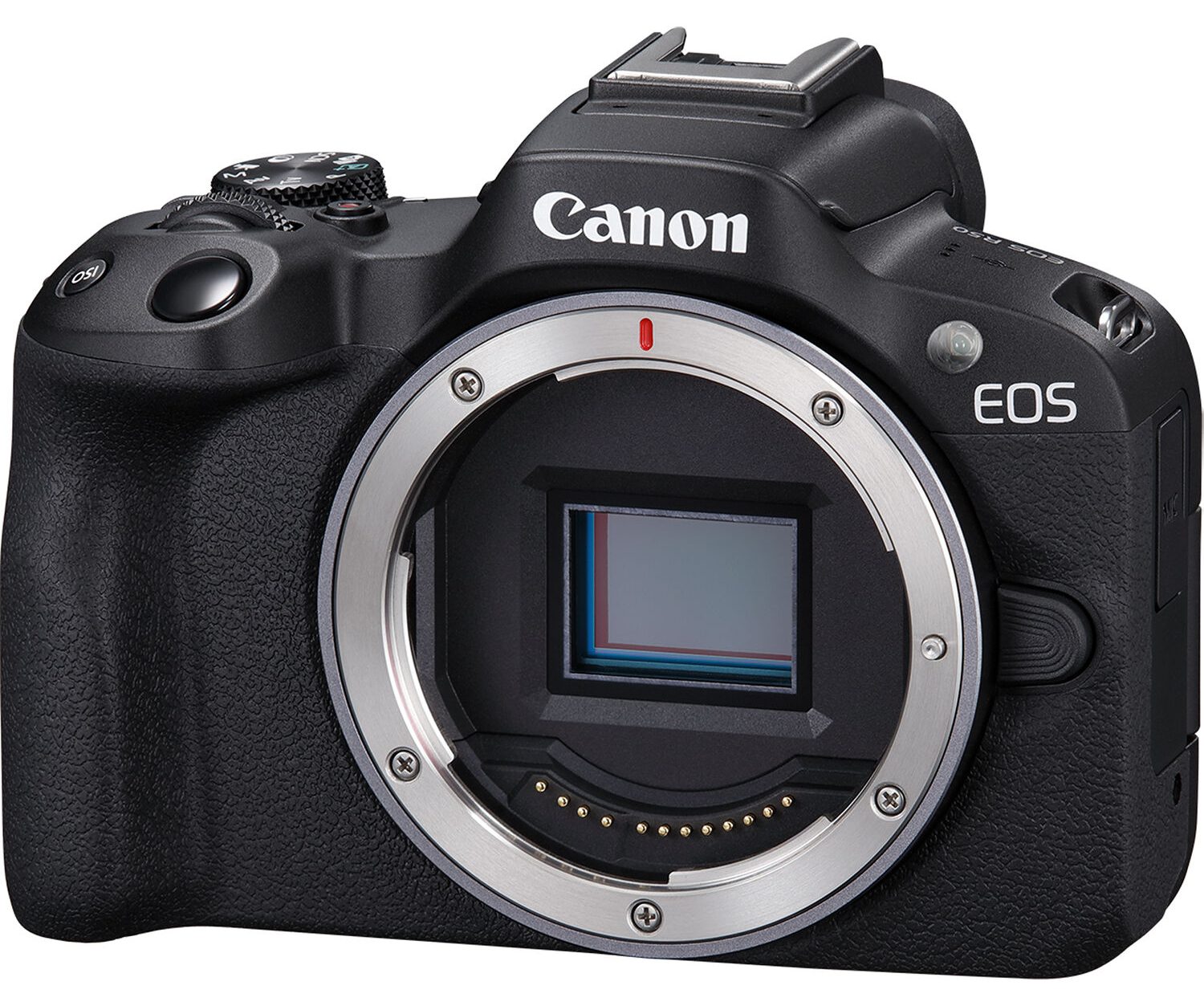
Family trips are filled with fleeting moments, and the best camera for travel photography here is one that’s ready to capture them all without slowing anyone down. It needs to be compact, responsive, and simple enough for anyone in the group to use. Yes, even your kids, if you let them.
The Canon EOS R50 fits the bill. It’s one of Canon’s most beginner-friendly mirrorless cameras, but still offers strong performance where it counts. With a 24.2MP APS-C sensor, Dual Pixel autofocus, and 4K 30p video, it handles everything from stills to short clips with ease. The user interface is streamlined, the touchscreen is intuitive, and the autofocus tracking makes it easy to photograph moving kids or pets.
The body weighs just 328 g (0.72 lb), making it one of the lightest mirrorless options available. It’s easy to sling around your neck for a day at the zoo or tuck into a stroller pocket between stops.
While it doesn’t have in-body image stabilization, pairing it with a stabilized kit lens or zoom keeps things smooth enough for most casual shooting. For families who want better-than-phone quality without a steep learning curve, the R50 hits that sweet spot.
Weight: 328 g (0.72 lb)
Estimated Price: $699 (body only)

The Wildlife or Safari Enthusiast
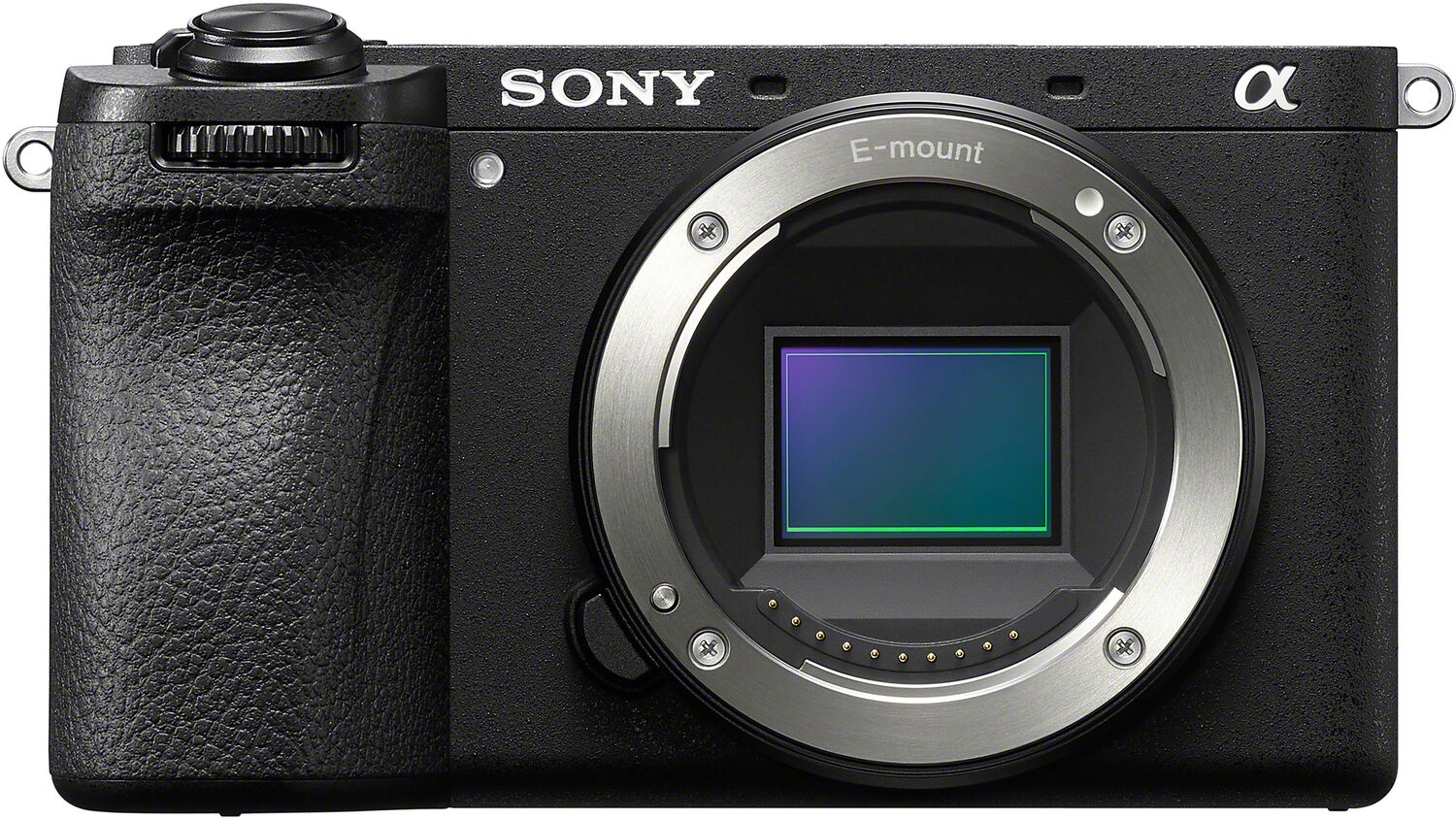
If you photograph wildlife on your travels, your camera needs to be fast, responsive, and capable of handling long lenses. The best camera for travel photography in this category is one that offers perfect autofocus and reach without he extra bulk. Unfortunately, you’ll inevitably have a bulkier kit because you need a longer lens.
[Related Reading: The Ultimate Guide to Wildlife Photography: Gear, Tips & Ethics]
As for the camera, the Sony a6700 is one of the praised ones for traveling wildlife photographers. With a 26MP APS-C sensor, Sony’s advanced subject tracking, and up to 11 fps continuous shooting, it’s built to capture fleeting moments. Its subject detection includes birds, animals, and even insects, making it especially valuable for travelers heading to biodiverse regions. The APS-C crop factor also gives telephoto lenses added reach, which is ideal when photographing distant wildlife.
The camera body weighs 493 g (1.09 lb) with battery and memory card included. It’s light enough to carry on long treks, yet solid enough to pair with a 70–350mm lens, or an even longer one. It also features a weather-sealed body and extended grip for better handling with telephoto glass.
While it’s not as fast as flagship wildlife cameras, it offers exceptional value for enthusiast travelers who want pro-level results in a portable setup.
Weight: 493 g (1.09 lb)
Estimated Cost (body only): $1,598

The Film Photographer
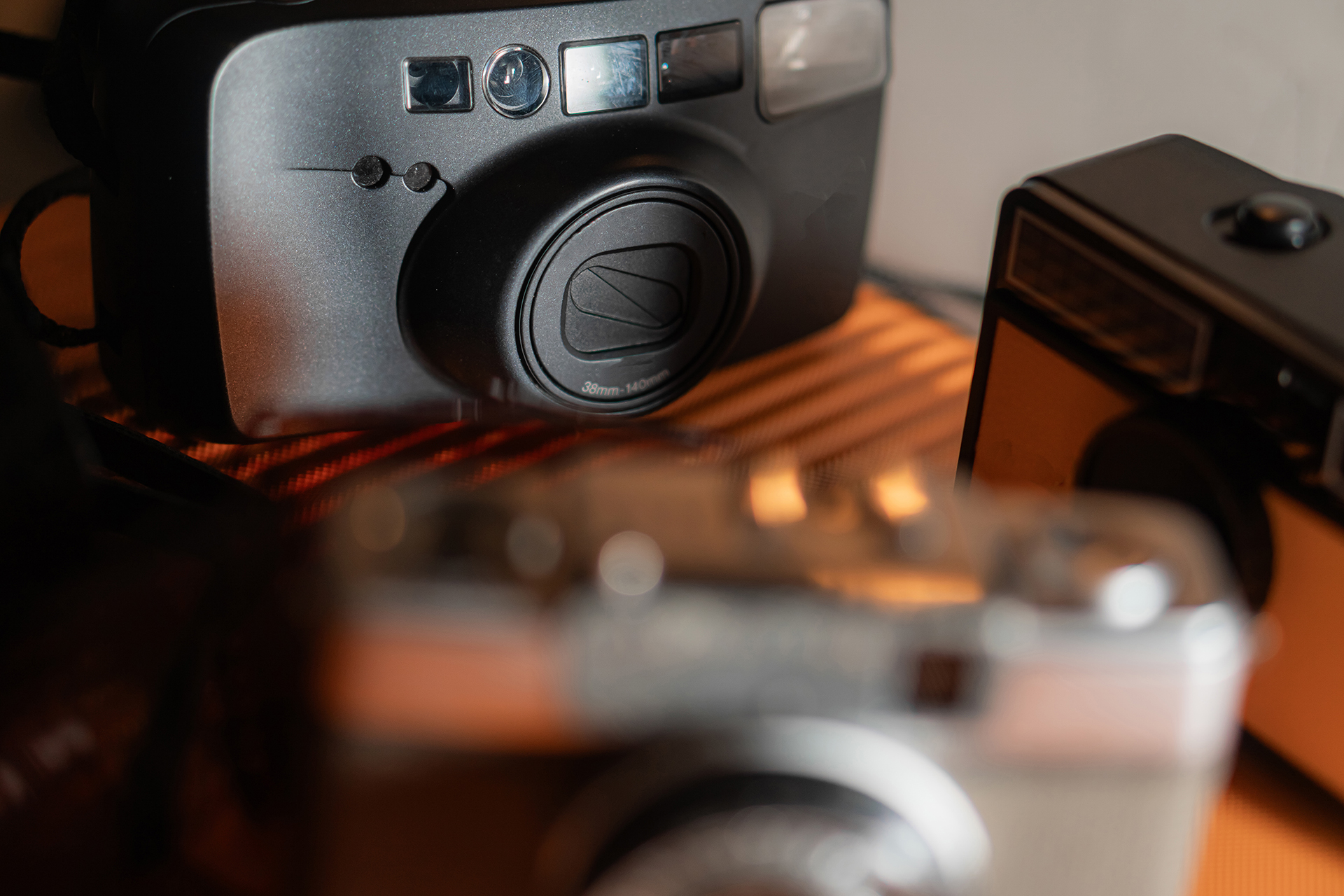
Film cameras can be tricky: they either add bulk if you want interchangeable lenses or introduce constraints like fixed focal lengths and limited settings if you prefer something compact. So, in this category, I’ll give you two cameras on the opposite sides of the spectrum.
[Related Reading: Everybody was All Wrong About this Film Camera. It’s a Gem!]
On the one hand, you have the classic and beloved Olympus MJU II. This tiny 35 mm point-and-shoot comes with a fixed and sharp 35 mm f/2.8 lens, weather resistance, and full auto exposure. It’s ideal for travelers who want to shoot film without thinking too much. The main constraint? No manual controls and no zoom. What you see is what you shoot.
At the other end sits, also beloved, Pentax K1000. It’s a rugged, fully manual 35 mm SLR known for its reliability and simplicity. It’s not small, but it’s durable and leaves you in control of settings. You set the shutter speed, aperture, and focus yourself. And of course, you can change lenses.
Neither camera is in production anymore, so condition and price can vary widely, especially for the MJU II, which has become a cult favorite. But both offer unique ways to connect with the medium and bring a slower rhythm to your travels.
Olympus MJU II Weight: 170 g (0.37 lb)
Pentax K1000 Weight (body only): 620 g (1.37 lb)
Estimated Prices: $200–600 (MJU II), $150–300 (K1000, body only).
So, What’s the Best Travel Camera for You?
As you’ve seen, the best camera for travel photography isn’t about finding one perfect model. It’s more about choosing the right tool for your kind of trip. And with the options out there today, you don’t have to settle for one-size-fits-all gear. From compact film cameras and pocket drones to full-frame cameras and kits, there’s a travel camera that matches your vision, your budget, and your backpack.
So, before you get lost in the specs lists and sample photos, take a moment to think about what kind of traveler you are (or want to be). Your ideal camera isn’t the one with the highest megapixel count, the largest sensor, or the highest price tag. It’s the one that makes you want to shoot more and carry less. It’s the one that will be your ally on your journeys, not a burden. And I sure hope this guide helps you find the one.
See more from DIYPhotography.net on Google
Add DIYPhotography.net as a trusted source. This makes
our stories more likely to appear in your Google Search results.
 Add as a preferred source on Google

Dunja Đuđić Kalinin
Dunja Djudjic is a multi-talented artist based in Novi Sad, Serbia. With 15 years of experience as a photographer, she specializes in capturing the beauty of nature, travel, concerts, and fine art. In addition to her photography, Dunja also expresses her creativity through writing, embroidery, and jewelry making.
Related Posts
 Is personal editing style as important as photographic style?
 The world’s first single shot 8×10 large format digital camera can be yours for a mere $106,000
 The worst wedding photography nightmare (and how to avoid yours)
 HEIPI is a new style of lightweight and compact 3-in-1 travel tripod with a 3-pillar centre column
Join the Discussion
DIYP Comment Policy
Be nice, be on-topic, no personal information or flames.
3 responses to “Best Camera for Travel Photography: Find Yours by Travel Style”
I personally own the EM 10 MK IV… As well as a small stable of other Olympus cameras and half a dozen lenses. Great camera. I am 100% comfortable shooting jpegs and little to no post edits. I doesn’t work well for medium to fast moving subjects, but Olympus/OMDS have other cameras that can fit that bill
At work, I have used the Sony A6700 with a kit style zoom and the absolutely wonderful Sigma 56 1.4… The camera is wonderful and the lens, clinically sharp. Great combo.
I bought Canon R50 with lens 18-45 and 55-210 mainly for traveling. I am not sure how good it is.
No mention of the Nikon Z8? I hear repeatedly this is the best camera for wildlife/safari…