

















What Do You Really Need to Become a Photographer?
Sep 1, 2026
Alysa Gavilan
Alysa Gavilan has spent years exploring photography through photojournalism and street scenes. She enjoys working with both film and mirrorless cameras, and her fascination with the craft has grown over the decades. Inspired by Vivian Maier, she is drawn to capturing everyday moments that often go unnoticed.
Share:

For most people, becoming a photographer does not require a specific degree or an expensive camera. The basic requirements for photography depend largely on what you want to do with it.
Someone taking photographs as a hobby needs little more than a camera and a willingness to learn, while a professional photographer needs technical skills, a strong portfolio, editing knowledge, and, in some fields, specialized equipment or certification.
What are the requirements for photography?
The requirements for photography can be divided into four broad areas: equipment, technical knowledge, creative skills, and practical experience.
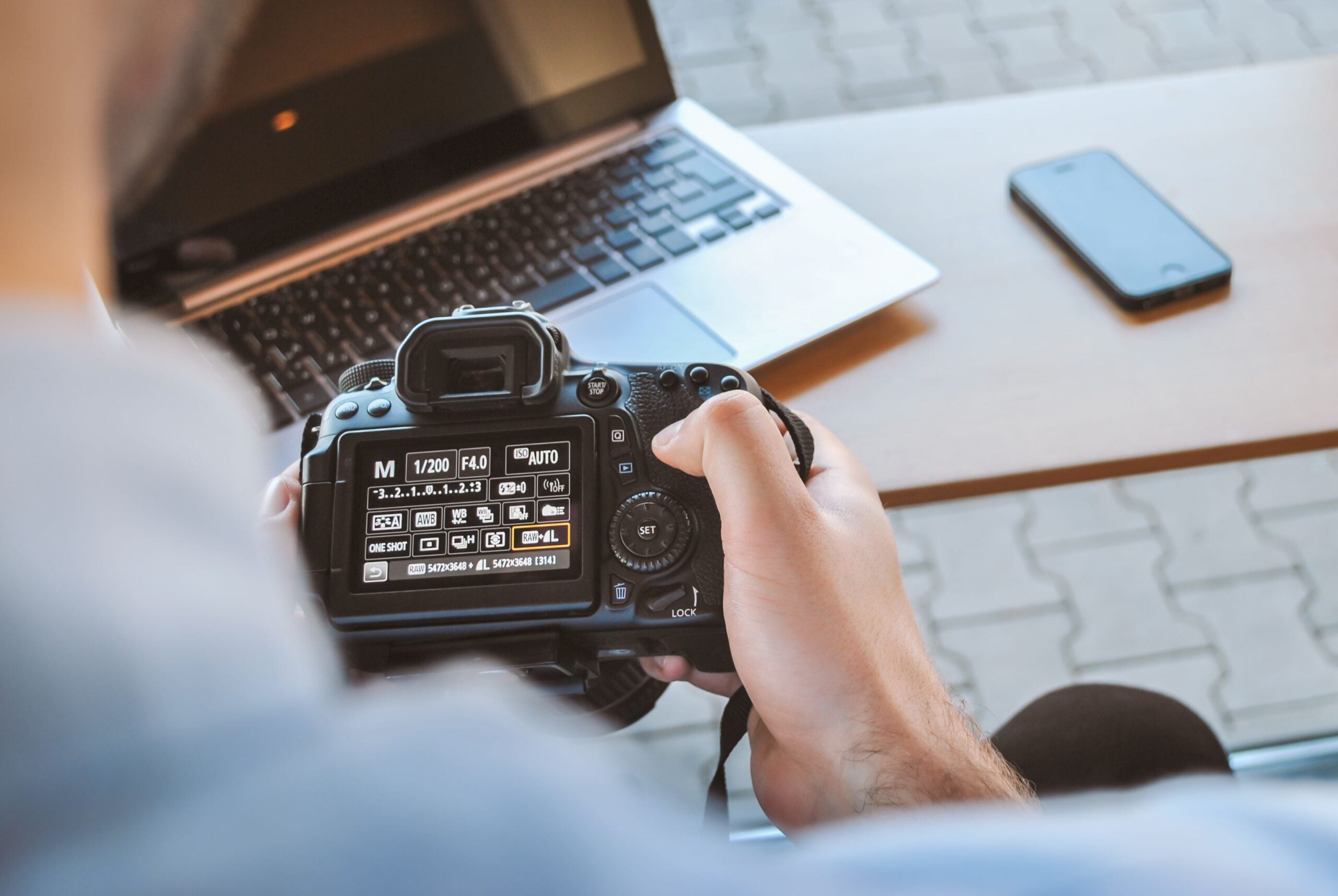
At the most basic level, you need a camera capable of producing the type of images you want to make. This could be a smartphone, compact camera, DSLR, or mirrorless camera. Professional work may require additional equipment such as interchangeable lenses, lighting, tripods, memory cards, and other accessories.
A formal photography qualification is not generally required to work as a photographer. The US Bureau of Labor Statistics says photographers typically enter the occupation with a high school diploma or equivalent, although classes, certificates and degrees can help develop photography skills.
Do you need a degree to become a photographer?
No. A photography degree is not a universal requirement for becoming a photographer.
Education can still be useful, particularly for people who want structured training. Photography courses can teach camera operation, exposure, lighting, composition, digital editing, and photographic design.
Universities, community colleges, vocational schools and private technical schools offer photography courses, while some employers may prefer a bachelor’s degree for particular photography positions.
For many photographers, practical experience matters just as much. Working as an assistant can provide experience with equipment, clients, lighting and real shooting situations. Photographers commonly develop their skills through years of practice and on the job training.
What photography equipment do you need?
You do not need a professional camera to learn photography.
A beginner can start with whatever camera is available and gradually add equipment as specific projects require it. A basic interchangeable lens camera with a suitable lens is enough to learn the fundamentals of exposure and composition. For some types of photography, however, specialized equipment becomes more important.
Portrait photographers may need external lighting and modifiers. Product photographers may need controlled studio lighting, backgrounds and stands. Wildlife photographers often benefit from long telephoto lenses, while landscape photographers may prioritize wide angle lenses, tripods and filters.
The important requirement is not the price of the equipment but knowing how to use it effectively.
What skills do photographers need?
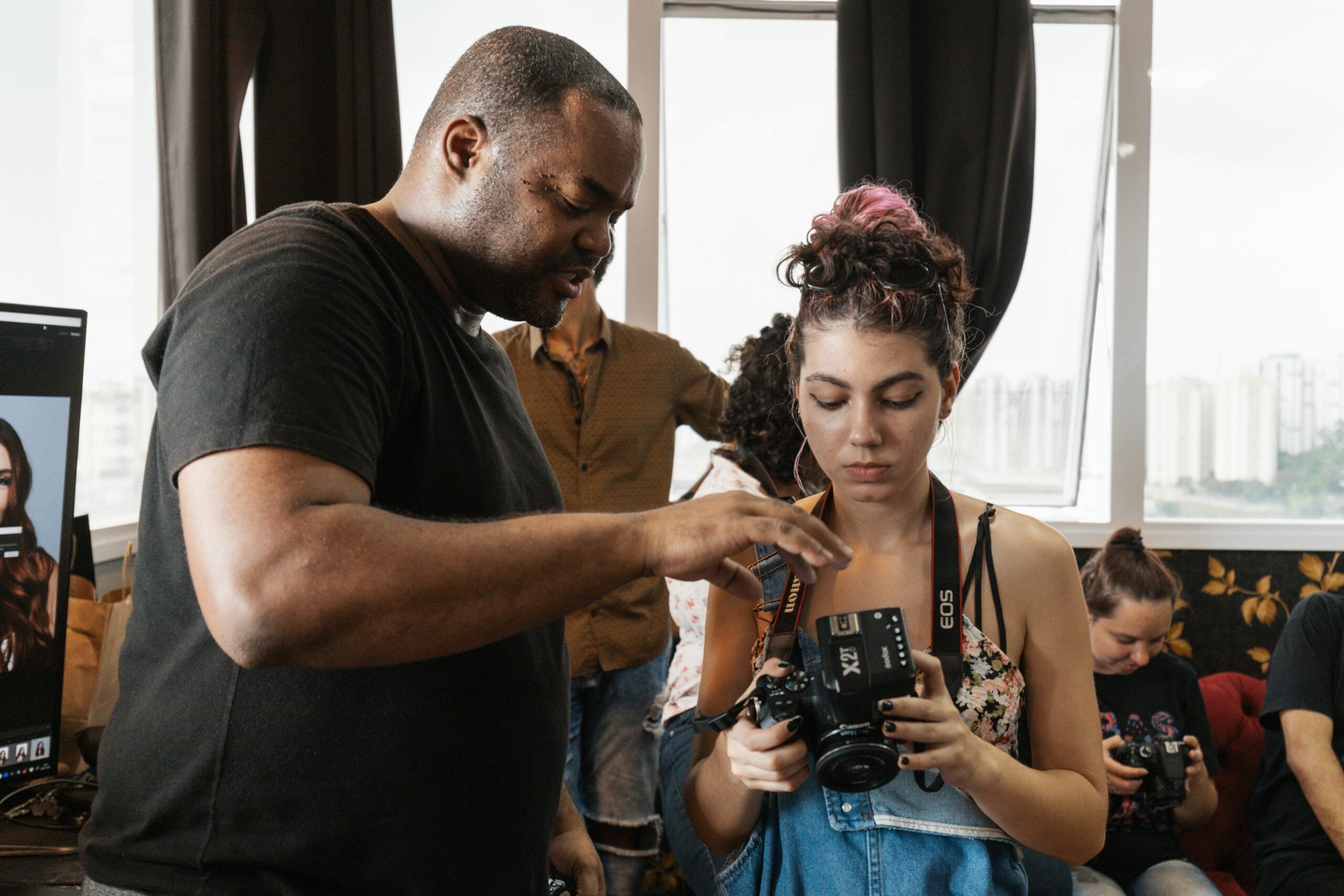
Photography requires a combination of technical and creative skills.
Photographers need to understand exposure, including shutter speed, aperture, and ISO, as well as focusing, lens selection, depth of field, and lighting. Composition is also essential because photographers must decide how subjects, backgrounds, lines, colors and available space work together within the frame.
Modern photography also involves considerable work after the picture is taken. Photographers may need to organize files, make selections, adjust images and prepare photographs for publication, printing or delivery.
Is a portfolio required for photography?
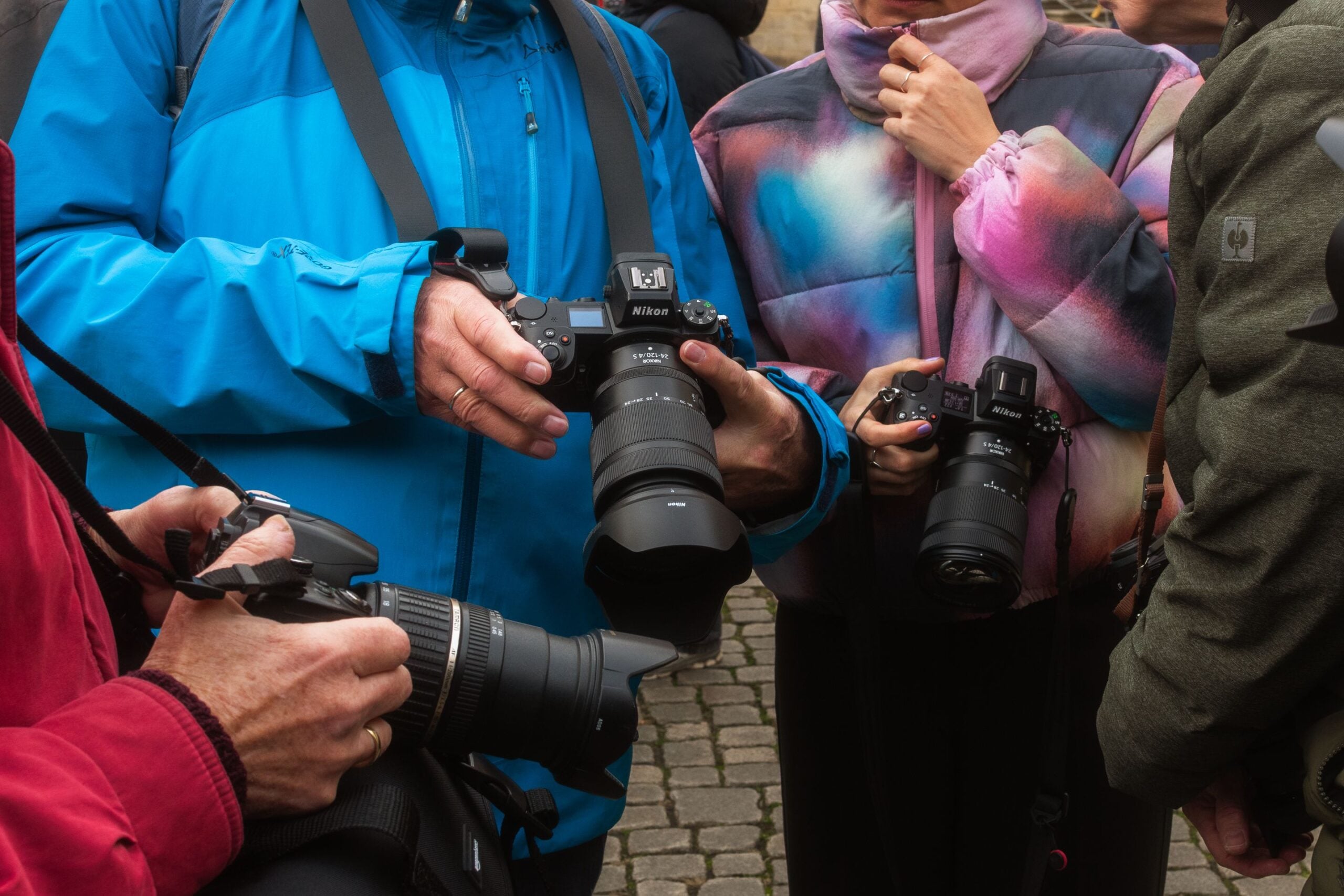
For professional photographers, a portfolio is one of the most important ways to demonstrate ability.
A portfolio gives potential clients and employers a chance to see the photographer’s style, technical ability and consistency. It does not necessarily need to contain hundreds of photographs. A smaller collection of strong images can show what a photographer does well.
For someone starting out, the portfolio can be built through personal projects, collaborations, events or practice shoots. The goal is to show finished work that represents the kind of photography the person hopes to be hired to produce.
Are there other requirements for professional photography?
Some photography jobs have requirements beyond basic photographic skills.
Photographers who work independently need business and customer service skills because they may have to market their services, communicate with clients, set prices and manage projects.
Certain specialties can also have additional requirements. For example, photographers who commercially operate drones in the US must obtain certification from the Federal Aviation Administration. Other countries have their own rules for commercial drone operations.
Ultimately, the requirements for photography depend on the goal. A hobbyist can start with a phone and learn through practice, while someone pursuing photography as a career will need stronger technical knowledge, a portfolio, editing skills and the ability to work with clients.
For anyone considering photography, the first requirement may simply be picking up the camera you already have and seeing what you can make with it.
See more from DIYPhotography.net on Google
Add DIYPhotography.net as a trusted source. This makes
our stories more likely to appear in your Google Search results.
 Add as a preferred source on Google

Alysa Gavilan
Alysa Gavilan has spent years exploring photography through photojournalism and street scenes. She enjoys working with both film and mirrorless cameras, and her fascination with the craft has grown over the decades. Inspired by Vivian Maier, she is drawn to capturing everyday moments that often go unnoticed.
Related Posts
 How To Become A Wedding Photographer In 10 Easy Steps – Photographers Hate This
 What does it take to become a professional photographer?
 Do you want to become a better landscape photographer? Better make The Resolution
 Should I Become a Professional Photographer? What You Need to Know Before You Start
Join the Discussion
DIYP Comment Policy
Be nice, be on-topic, no personal information or flames.