





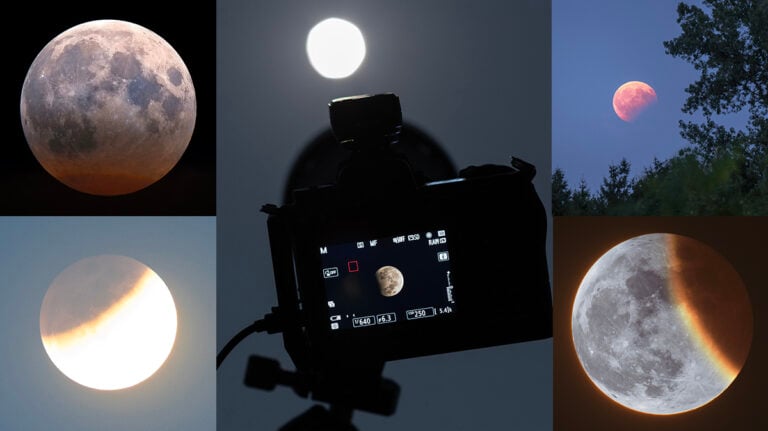














One Image or a Visual Story? The Portfolio Choice Every Photographer Must Make
Dec 17, 2025
Alysa Gavilan
Alysa Gavilan has spent years exploring photography through photojournalism and street scenes. She enjoys working with both film and mirrorless cameras, and her fascination with the craft has grown over the decades. Inspired by Vivian Maier, she is drawn to capturing everyday moments that often go unnoticed.
Share:

Creating a portfolio can feel like standing in front of a blank canvas with countless choices. Your portfolio is more than a collection of images. It is the story you tell about yourself as a photographer. It communicates your style, vision, and skills to clients, galleries, and collaborators.
You might wonder if your portfolio should highlight striking single images or explore a series that conveys a narrative. Both approaches have merit, and understanding their strengths can help you create a portfolio that truly reflects your work and ambitions.
What’s a Portfolio?
A portfolio is a curated selection of your best work. It is not simply every photo you have ever taken, but a thoughtful assembly that demonstrates your technical ability, creativity, and unique perspective. Think of it as your visual resume. It communicates who you are as a photographer without requiring words.
A portfolio is a tool for storytelling. It reflects your eye for detail, your approach to composition, and your understanding of light and color. It can also show your ability to work on different subjects, styles, and projects, giving viewers insight into your versatility and vision.

Why You Need a Portfolio
You need a portfolio because it establishes credibility. A well-constructed collection of images shows that you take your craft seriously and that you have the skills to deliver quality work. It can help you stand out in a competitive market.
Your portfolio also allows you to reflect on your own development as a photographer. By regularly reviewing and updating it, you can track growth, identify strengths, and recognize areas where you might want to push your skills further.
A portfolio is also a professional tool that demonstrates your ability to deliver consistent results. It allows potential clients, curators, or collaborators to evaluate your work quickly and efficiently, making it an essential part of your career.
Where Do You Use a Portfolio
A portfolio can be used in many contexts. For commercial photographers, it is often presented to clients to pitch for projects. In fine art or documentary photography, a portfolio is submitted to galleries, festivals, and awards programs. Online platforms allow you to reach global audiences, showcasing your work on websites, social media, or photography communities.
Even in informal settings, your portfolio has value. When networking at events or sharing your work with peers, a strong, cohesive collection can spark meaningful conversations and opportunities. A portfolio provides a focal point for discussion and demonstrates your capabilities without needing extensive explanation.
Building Your Portfolio
When building your portfolio, the decision between single images or a series is key. Each approach has advantages, and the right choice depends on your goals, the story you want to tell, and the audience you want to reach.

Single-Image Portfolio
A single-image portfolio focuses on images that stand on their own. Each photo must be compelling, technically sound, and instantly engaging. The strength of this approach lies in immediacy. Viewers see an image and instantly understand your skill, style, and vision.
Single-image portfolios are useful for commercial work, stock photography, or situations where potential clients make quick decisions. They allow you to showcase a variety of subjects, techniques, and styles, giving viewers a broad sense of your capabilities.
However, a single-image portfolio requires careful selection. Each image must shine independently while contributing to a cohesive sense of your overall style. The challenge is balancing diversity with consistency. A portfolio that feels scattered can leave viewers unsure about your strengths, while a portfolio that is too uniform may fail to show versatility.
Series Portfolio
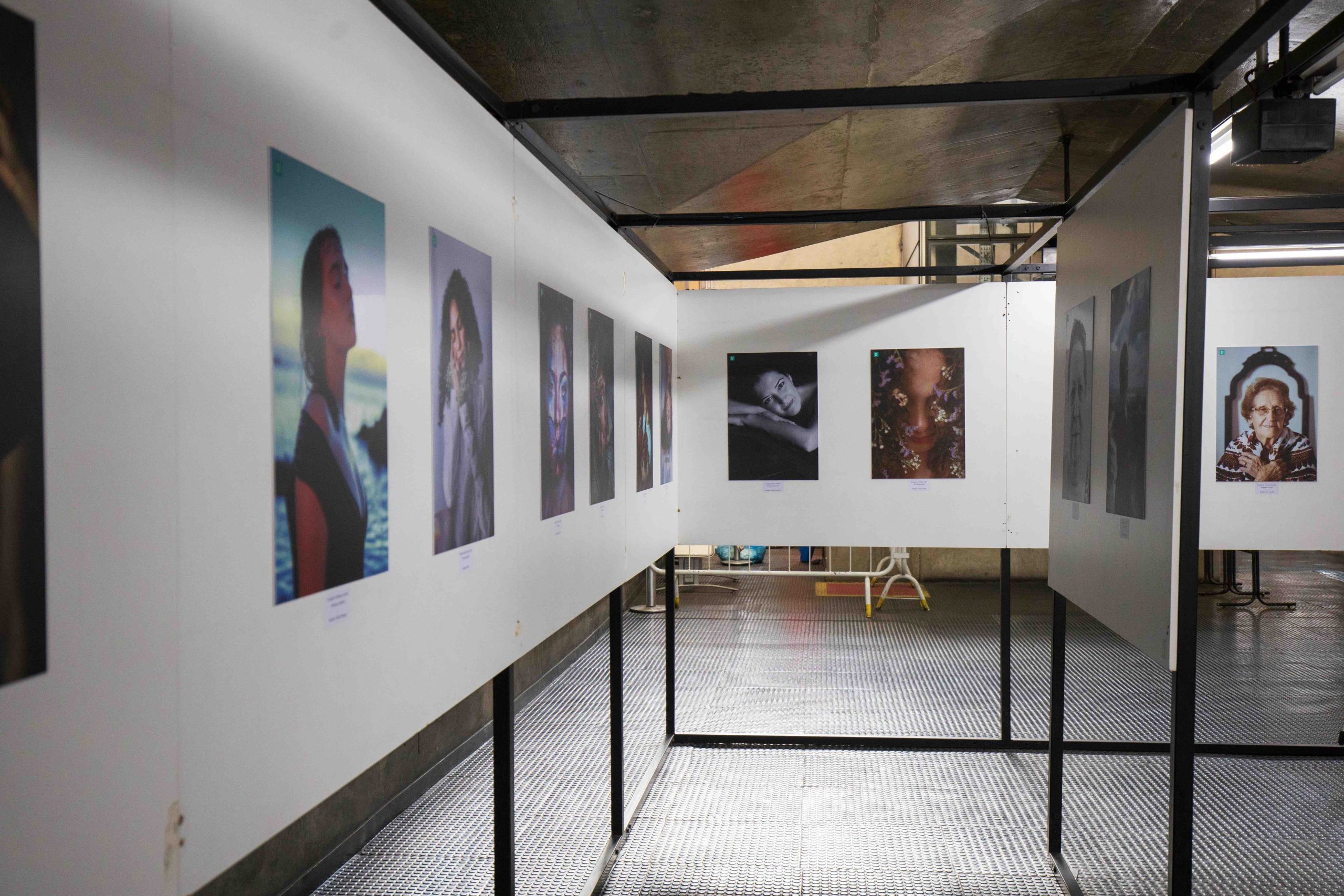
A series portfolio is built around a collection of images that collectively tell a story or explore a theme. Each image contributes to a larger narrative, allowing you to convey concepts, emotions, or visual ideas in a way that single images cannot.
Series portfolios are particularly effective for documentary photography, photojournalism, and fine art. They allow you to show your ability to plan and execute a project from start to finish, demonstrating both technical skill and conceptual thinking. A strong series engages viewers over time, encouraging them to explore the connections between images and discover the depth of your work.
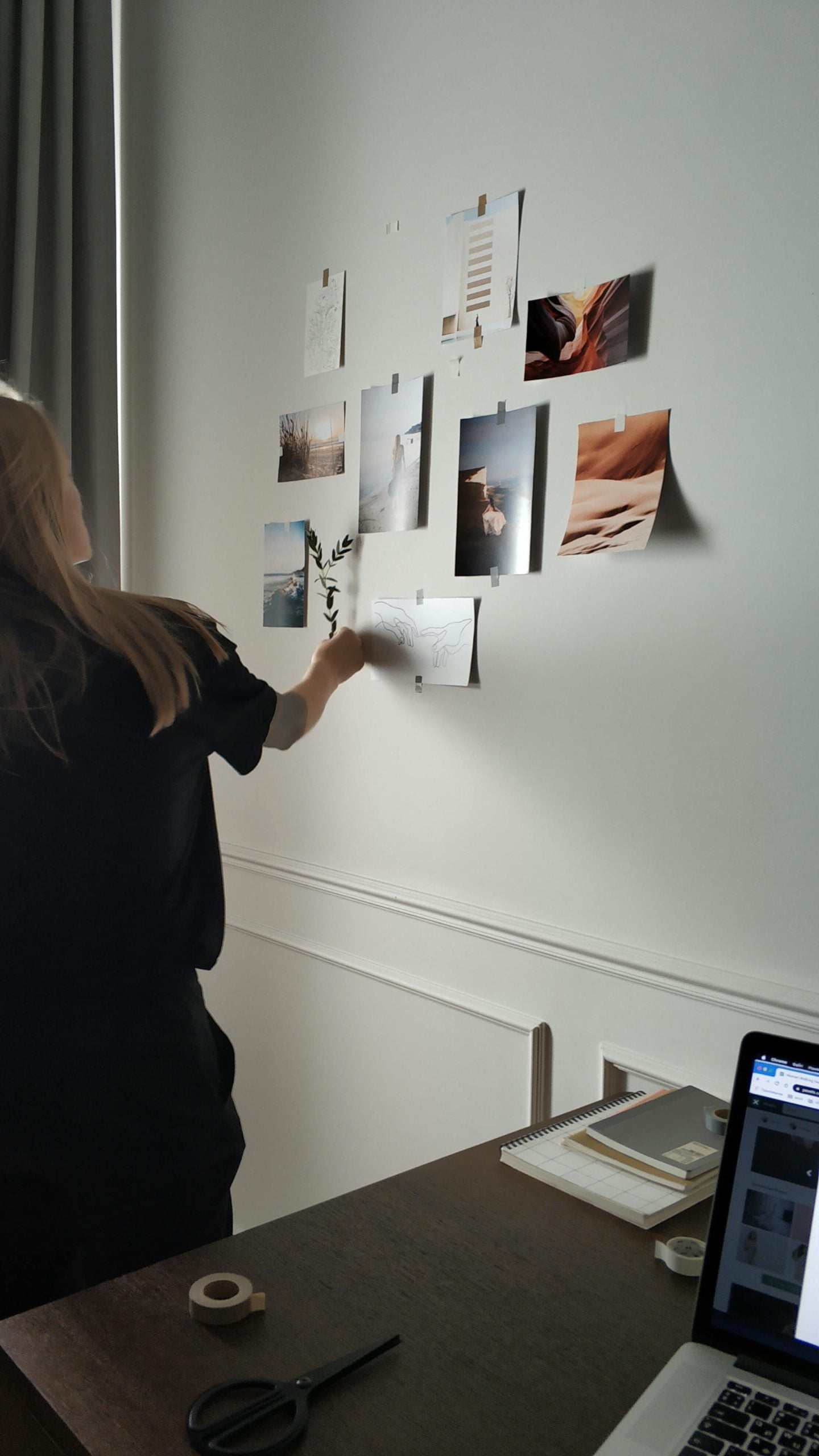
The main consideration for a series portfolio is the need for sequencing. Images must flow logically, creating rhythm, tension, or narrative momentum. The order of images matters, and the overall story should feel complete without being overly rigid. While it requires more effort, a well-executed series can leave a powerful impression that resonates long after viewers have finished exploring your portfolio.
Considerations When Choosing Between Series and Single-Image
Before deciding on single images or a series, you should consider a few key factors.
First, think about your audience. If your work is aimed at clients seeking versatility and immediate visual impact, single images may be more effective. Each image should demonstrate your skills in a self-contained format. On the other hand, if your target audience is galleries, curators, or editorial publications, a series may better showcase your storytelling ability and conceptual thinking.
Second, evaluate your work. Do you have strong individual images that can stand alone, or do your best shots form a narrative that benefits from context? Sometimes, even your most striking images gain more weight when placed in a thematic sequence.
Third, consider your career goals. Single-image portfolios can help you attract diverse assignments across genres, while series portfolios can position you as a specialist in narrative, documentary, or conceptual photography. Understanding where you want to grow and how you want to be perceived will guide your portfolio strategy.
Finally, reflect on the balance between quality and quantity. A single-image portfolio allows you to focus on a few carefully chosen images, while a series requires consistency across multiple frames. Both require thoughtful curation, but the effort involved in creating a cohesive series is often higher.
Tips for Building a Strong Portfolio
Choose Images with Care
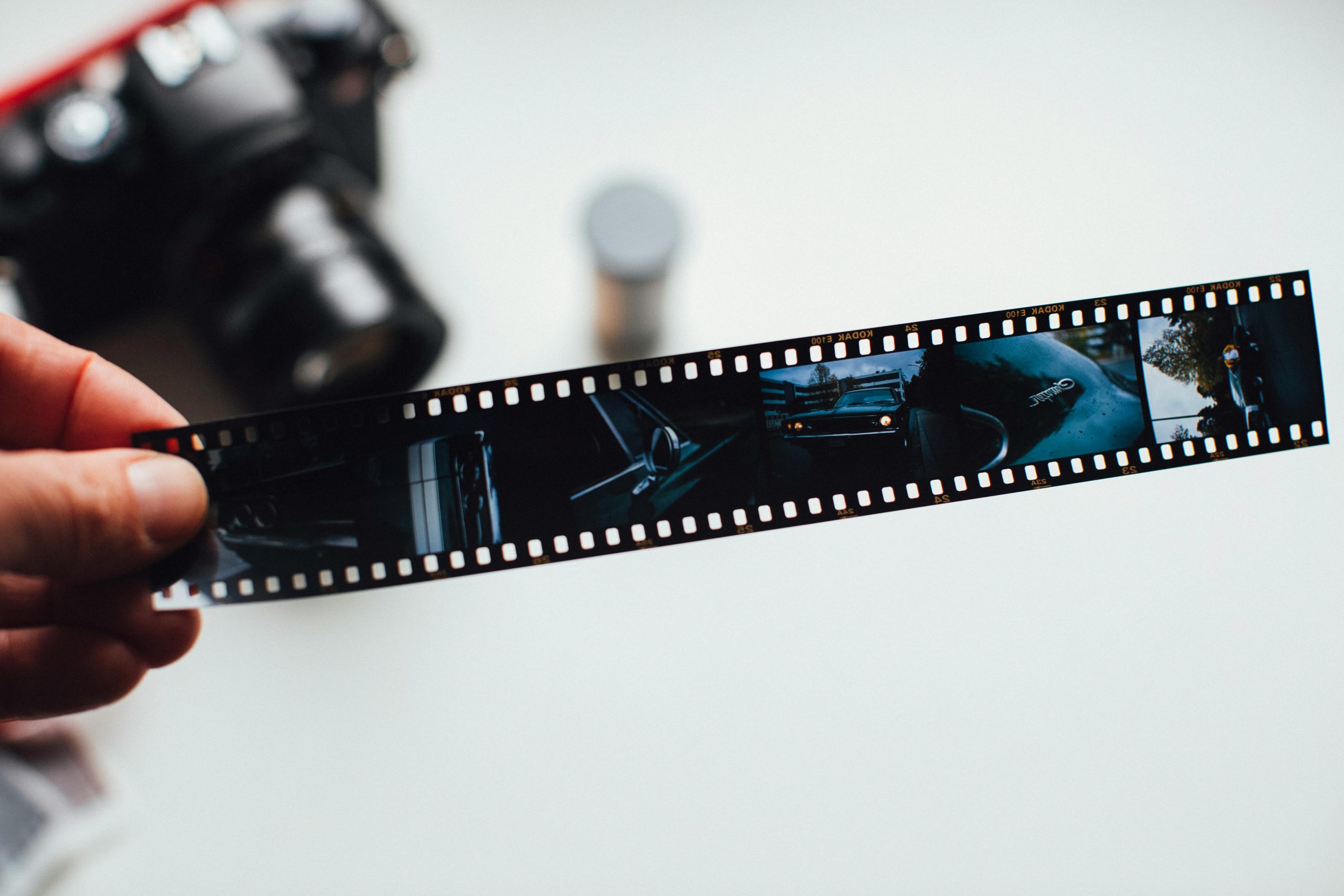
Prioritize quality over quantity. Every image should reflect your skill, creativity, and vision. Avoid including filler content simply to make your portfolio longer. Select only the images that best represent your work and communicate your style.
Understand Your Audience
Tailor your portfolio to the type of work you want to attract. Consider clients, galleries, or collaborators, and select images that align with their expectations while staying true to your artistic identity. Knowing your audience helps ensure that your portfolio has maximum impact.
Maintain Cohesion
Even in a single-image portfolio, look for a visual or thematic thread. Cohesion helps your portfolio feel intentional and professional. Consider how color, lighting, subject matter, or composition can create a sense of unity across your images.
Think About Sequence
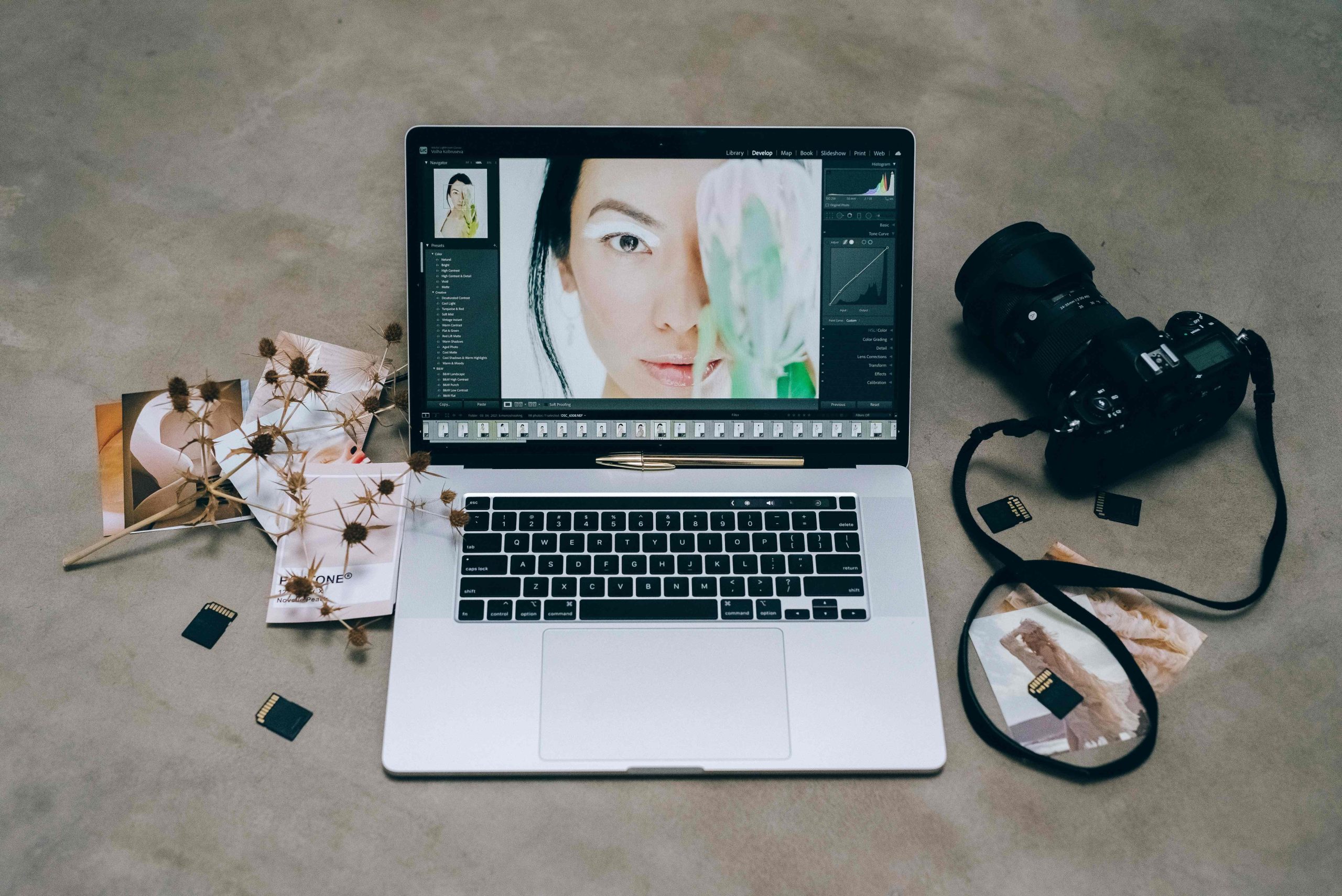
For series portfolios, arrange your images thoughtfully. Consider how each image leads to the next to create a sense of flow and narrative. Sequencing can highlight contrasts, develop tension, or create visual rhythm that makes the series more engaging and memorable.
Keep it Current
Regularly update your portfolio to reflect your latest work. This demonstrates growth and keeps your portfolio relevant. Outdated work can dilute the impression of your skills and creative vision.
Pay Attention to Presentation
A clean, distraction-free layout is essential. For digital portfolios, ensure your website loads quickly and works across devices. Print portfolios should use high-quality paper and careful printing techniques. The way your portfolio is presented can impact the viewer’s perception of your work.
Provide Context When Necessary
Brief captions or descriptions can clarify concepts or provide background, especially for series. Avoid lengthy explanations that overshadow your images. Context should enhance understanding without taking attention away from the visuals.
Consider a Mix
Some photographers find success combining single images with series. Highlight standout images to capture attention, and use series to show depth and narrative skill. This approach can provide the best of both worlds and showcase your versatility.
Your Visual Identity
The choice between single images and series is not a simple one. Single images offer immediate impact and versatility, while series provide depth, cohesion, and narrative strength. Many photographers find that combining both approaches allows them to present a fuller picture of their capabilities.
Your portfolio is your visual identity. It communicates who you are, what you value, and the quality of work you produce. By thoughtfully curating, sequencing, and presenting your images, you can create a portfolio that opens doors, engages viewers, and reflects your vision as a photographer.
Take the time to consider your goals, assess your work, and make a conscious decision about how best to structure your portfolio. By doing so, you can ensure your portfolio tells the story you want the world to see.
See more from DIYPhotography.net on Google
Add DIYPhotography.net as a trusted source. This makes
our stories more likely to appear in your Google Search results.
 Add as a preferred source on Google

Alysa Gavilan
Alysa Gavilan has spent years exploring photography through photojournalism and street scenes. She enjoys working with both film and mirrorless cameras, and her fascination with the craft has grown over the decades. Inspired by Vivian Maier, she is drawn to capturing everyday moments that often go unnoticed.



Join the Discussion
DIYP Comment Policy
Be nice, be on-topic, no personal information or flames.