











Where to Study Photography: The Best Ways to Learn Photography in 2026
Aug 20, 2026
Leonard Skapp
Alex Baker is a portrait and lifestyle driven photographer based in Valencia, Spain. She works on a range of projects from commercial to fine art and has had work featured in publications such as The Daily Mail, Conde Nast Traveller and El Mundo, and has exhibited work across Europe
Share:
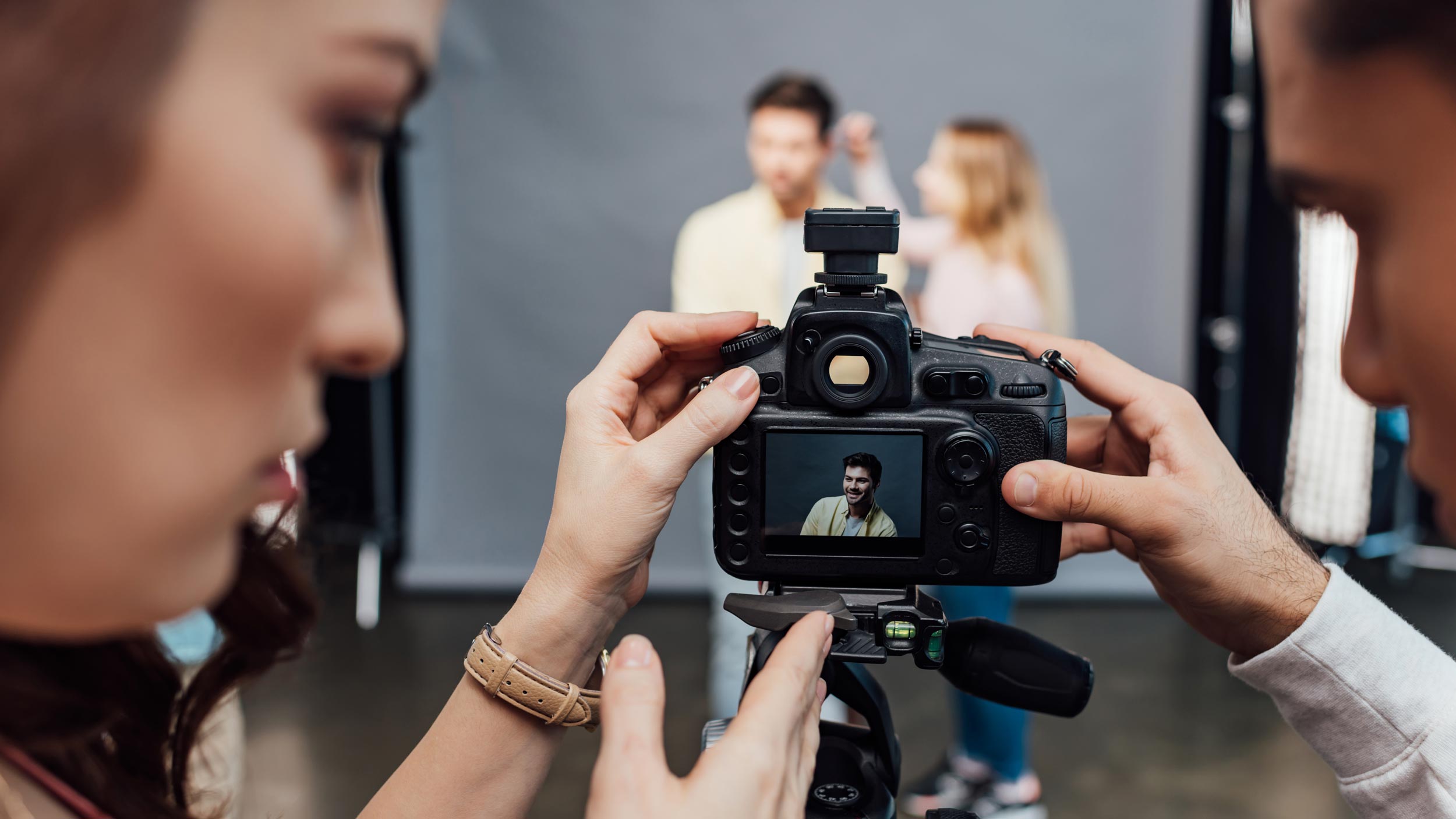
You don’t need a photography degree to become a good photographer. In fact, you don’t necessarily need any formal education at all. Photography is one of those subjects where you can learn an enormous amount by picking up a camera, making mistakes, looking at other people’s work and doing it all over again.
That said, studying photography formally can be incredibly useful, particularly if you want structured teaching, access to equipment and studios, feedback from experienced photographers, or a qualification to put on your CV. The best option depends largely on what you want to get out of your photography education.
Study photography at university or college
If you want a formal qualification, universities and art colleges offer photography degrees and related courses. These can cover much more than camera settings, with subjects such as photographic history, visual culture, lighting, composition, documentary photography, digital post-processing and business.
A degree can also give you access to studios, darkrooms, lighting equipment and other resources that would be expensive to replicate at home. Just as importantly, you’ll have tutors and other photographers around you, which can provide useful feedback and encourage you to experiment.
The downside is the cost and time commitment. A degree is a substantial investment, and you should think carefully about whether you actually need one for the career you want.
Take a photography course
You don’t have to commit to three years of university to study photography. Local colleges, photography schools and independent photographers often offer shorter courses covering everything from the basics of exposure to portrait lighting, studio photography, wedding photography or photo editing.
These can be particularly useful if you know exactly what you want to learn. A weekend course on off-camera flash, for example, may teach you considerably more about lighting than several months of randomly watching YouTube videos.
Learn photography online
The internet has completely changed how accessible photography education is. You can now learn almost anything about photography without leaving your house, from the basics of exposure and composition to advanced lighting, astrophotography and post-processing.
There are thousands of online courses, tutorials, videos and articles covering almost every aspect of photography imaginable. DIYPhotography itself has a huge library of photography tutorials, guides and how-to articles covering everything from camera basics and lighting to specialist techniques and the latest technology.
The advantage is flexibility. You can learn at your own pace, go back over anything you don’t understand and concentrate on the subjects that actually interest you.
The downside is that there’s an enormous amount of rubbish online too. Not every person with a YouTube channel is an expert, and some photography advice is repeated so often that nobody bothers checking whether it’s actually true.
Try to learn from experienced photographers and reputable educational sources, and don’t be afraid to compare advice from several places. Sometimes you’ll find that three photographers have three completely different opinions about the “right” way to do something, which is usually a good reminder that photography doesn’t come with quite as many rules as the internet would have you believe.
Learn from other photographers
One of the best ways to study photography is to study photographs. Look at the work of photographers you admire and try to understand why their images work. Don’t just look at the subject. Examine the composition, lighting, colour, focal length, perspective and timing.
Photography books can be particularly useful because they let you spend time with a photographer’s work without the endless distraction of social media.
Museums and galleries are also worth visiting. Seeing photographs printed at a large scale is a very different experience from scrolling past them on a phone.
Join a photography club
Photography clubs can be an excellent way to learn, particularly if you’re a beginner. You’ll meet other photographers at different levels of experience, have opportunities to get feedback on your work, and may be able to take part in photo walks, competitions, talks and practical sessions.
There’s also something useful about having other people waiting for you to turn up with photographs. It can provide a little motivation when the weather is terrible and staying on the sofa suddenly seems like a much better creative decision.
Find a mentor
If there’s a particular photographer whose work you admire, learning directly from them can be incredibly valuable. That doesn’t necessarily mean sending a famous photographer an email asking them to become your mentor. Look for opportunities to assist photographers, second shoot at weddings, help on commercial shoots or take part in workshops.
Working alongside someone experienced lets you see how they actually approach a shoot, including all the boring practical stuff that tutorials often leave out.
Study photography by doing photography
However you choose to study, the most important part is actually taking photographs. You can read every book ever written about composition and still struggle when you have to make a photograph yourself. Photography is a practical skill, and you need to put the theory into practice.
Give yourself assignments. Photograph the same subject in different lighting conditions. Try genres you normally ignore. Take part in competitions. Ask other photographers for honest criticism and, occasionally, take that criticism without immediately explaining why they are wrong. The camera is the best classroom you’re going to find.
Do you need a photography degree?
For most photography careers, no. There are certainly situations where formal education can be valuable, particularly in fine art, commercial photography, photojournalism or academic careers. But clients generally care much more about the quality of your portfolio than whether you have a framed certificate hanging on the wall.
A brilliant photographer with no degree will generally have an easier time finding work than someone with a photography degree and a mediocre portfolio.
If you’re considering a degree, therefore, look at what the course actually offers. Access to equipment, experienced tutors, industry connections, opportunities to work on real projects and time to develop your portfolio can all be much more valuable than the qualification itself.
So, where should you study photography?
The answer depends on what you’re trying to achieve. If you want a formal education and qualification, a university or college may be the right choice. If you want to improve a particular skill, a specialist course or workshop could make more sense. If you’re learning for fun, online resources, photography clubs and plenty of practice may be all you need.
And if you want to become a professional photographer, don’t forget that learning photography itself is only part of the job. You’ll eventually need to learn about pricing, contracts, marketing, client management, taxes and all the other glamorous things that come with running a business.
The best photography education is probably a mixture of all of these things: learn the theory, study great photographs, get feedback, practise deliberately and then go out and make a ridiculous number of pictures. Just don’t spend so much time studying photography that you forget to actually photograph anything.
Key takeaways
You can study photography through university and college degrees, specialist courses, online education, photography clubs, workshops, mentoring or simply by teaching yourself.
A formal qualification can be useful, but it’s not a requirement for becoming a professional photographer. Your portfolio, experience and ability to consistently produce good work are generally much more important.
Whatever route you choose, combine studying with plenty of practical experience. Photography is a skill you learn by doing, and no amount of reading can completely replace picking up a camera and making mistakes.
See more from DIYPhotography.net on Google
Add DIYPhotography.net as a trusted source. This makes
our stories more likely to appear in your Google Search results.
 Add as a preferred source on Google

About Leonard Skapp
Leonard “Len” Skapp is a photographer with a particular interest in cameras, lenses, accessories, camera bags, lens filters, tripods, camera straps, and, on rare occasions, photography itself. Equal parts reviewer and enthusiast, he enjoys digging into the technical details behind the latest gear and translating them into plain English for fellow photographers. He maintains that every purchase is a carefully considered investment, although his bank account and overflowing camera cupboard continue to dispute this claim.
We love it when our readers get in touch with us to share their stories. This article was contributed to DIYP by a member of our community. If you would like to contribute an article, please contact us here.


Join the Discussion
DIYP Comment Policy
Be nice, be on-topic, no personal information or flames.