























Online Photography Classes: Best Learning Platforms 2025
Nov 21, 2025
Darlene Lleno
Darlene Lleno brings a unique perspective to DIY Photography as someone who grew up surrounded by camera gear but chose words over lenses. With five years of writing experience, she specializes in photography content that’s both technically informed and genuinely passionate. Growing up with a photographer twin brother meant camera talk was everyday conversation in her household. While he mastered capturing moments, Darlene discovered she preferred being the subject and the storyteller behind the scenes. As a travel enthusiast and mother of two, she understands the importance of preserving life’s precious moments. When not exploring new destinations or writing for DIY Photography, you’ll find her reading or tending to her garden. Her approach to photography writing is refreshingly authentic, she may not be behind the camera, but she knows exactly what it takes to help others capture the shots that matter most.
Share:
Online photography classes have changed how photographers learn their craft in 2025. You can now access world-class instruction without stepping into a traditional classroom. Today’s photographers choose from hundreds of specialized courses. These cover everything from basic camera settings to advanced portrait techniques.
Learning photography online has become the go-to method for beginners and pros alike. These platforms give you flexible schedules and affordable pricing. You get direct access to industry-leading instructors. The convenience factor alone has pushed enrollment numbers higher than ever.
Why Choose Online Photography Classes
Photography classes online remove all geographical barriers. You can learn from a pro shooter in New York while sitting at home in California. This means you’re not stuck with whatever local workshops happen to be available.
The cost savings are significant compared to traditional learning. Traditional photography workshops often run into thousands of dollars for weekend courses. Online photography courses typically cost much less. Many platforms offer monthly subscriptions for access to large course libraries.
You control the learning pace completely. Pause, rewind, and replay lessons as many times as you need. This works great when tackling tough concepts like exposure compensation or lighting setups.
Your schedule stays flexible with online learning. Watch lessons at 6 AM or midnight. Learn during lunch breaks or weekend mornings. The classroom comes to you instead of the other way around.

Top Photography Learning Platforms in 2025
Several platforms lead the pack in photography education online. Each one offers different benefits based on how you like to learn. Let me break down the major players and what makes each one worth considering.
Subscription-Based Learning Platforms
Subscription-based platforms give you unlimited access to course libraries for a monthly fee. These work well if you want to explore multiple topics. You can jump between courses without worrying about individual purchases.
The variety is usually massive on these platforms. You’ll find everything from beginner basics to advanced techniques. Popular topics include smartphone photography, social media content creation, and editing workflows.
Quality varies across subscription platforms since instructor standards differ. Read reviews and watch previews before diving in. Look for platforms with strong rating systems and active student communities.
Individual Course Purchase Platforms
Some platforms let you buy courses individually instead of subscribing. You own lifetime access to purchased content. This works great for focused learning on specific topics.
Sales and promotions happen frequently on these platforms. Prices can drop significantly during promotional periods. Watch for deals if you’re budget conscious but want quality instruction.
Course selection tends to be enormous on purchase-based platforms. You’ll find thousands of options across all photography genres. Student reviews become super important for finding quality content. Look for detailed portfolios from instructors before buying.
Premium Instructor Platforms
High-end platforms feature celebrity photographers and industry legends. Production quality typically exceeds standard online courses. You get cinematic video quality and professional supplemental materials.
These platforms cost more than general learning sites. The trade-off is direct access to photographers at the top. Course selection stays smaller but more curated.
Time commitment runs higher on premium platforms. Expect comprehensive multi-week programs instead of quick tutorials. Best suited for serious learners wanting insights from proven professionals.
Specialized Online Photography Education
Beyond general platforms, specialized sites target specific niches and skill levels. These focused platforms often deliver deeper instruction than generalist options. Here are the types of specialty platforms worth checking out.
Post-Processing Focused Platforms
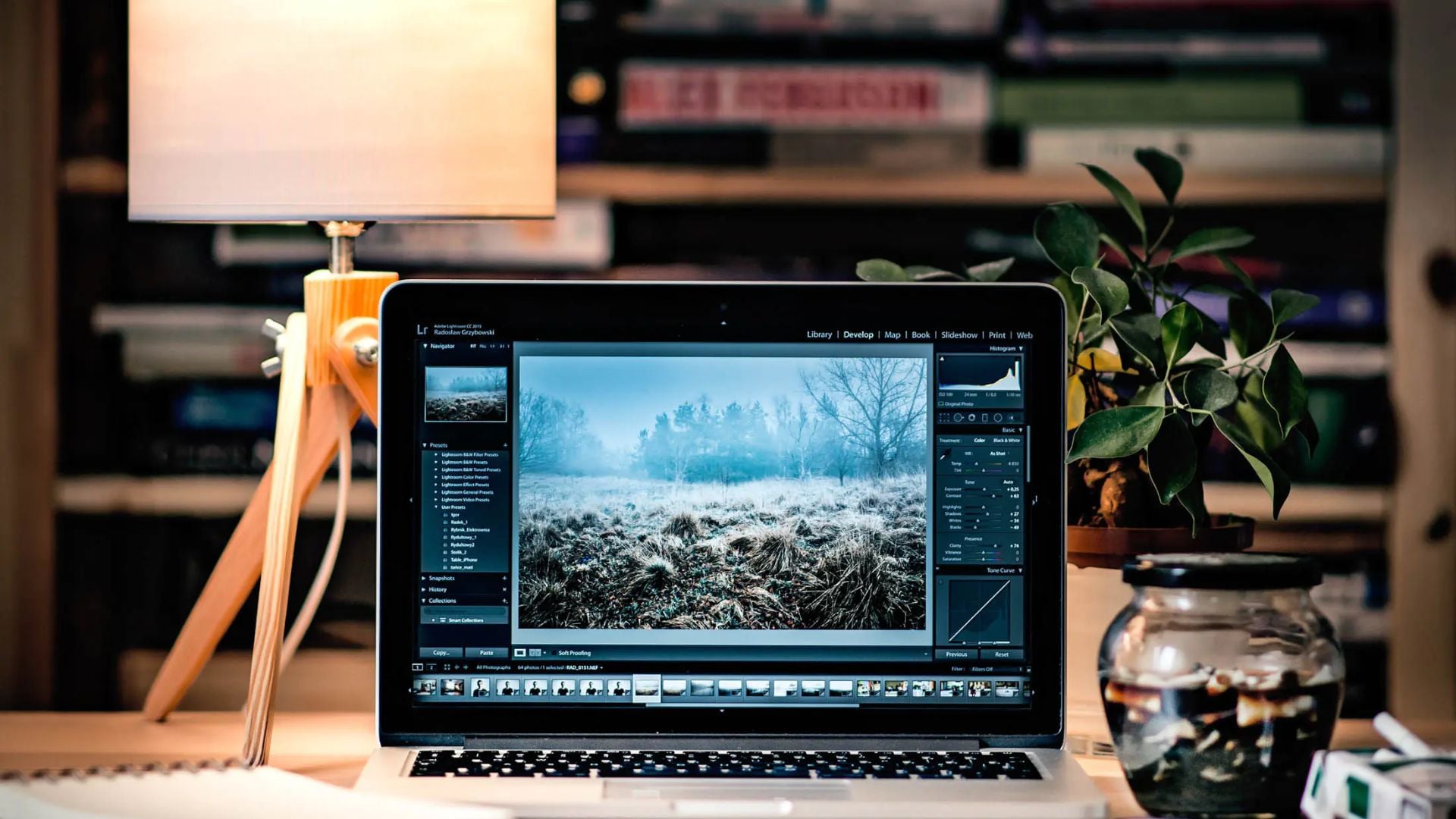
Some platforms focus only on editing and retouching skills. These dive deep into software like Photoshop and Lightroom. Tutorial depth beats what general platforms offer by far.
Libraries typically include hundreds of editing-specific tutorials organized by difficulty. Pro tiers unlock everything plus downloadable practice files. This works great if you understand camera basics but struggle with editing workflows.
Live Workshop Platforms
Certain platforms broadcast live workshops with real-time instructor interaction. Recorded sessions stay available for later viewing. These attract top instructors teaching intensive multi-day courses.
The live format adds value through Q&A sessions. You can get specific questions answered during filming. Topics range from food photography fundamentals to advanced studio lighting setups.
Photography Community Platforms
Community-driven platforms combine courses with active forums and critique systems. Learning happens through both instruction and peer feedback. Subscription often includes magazines, presets, and resources.
Instructors typically bring extensive real-world experience. They break down complex ideas into actionable steps. Strong emphasis on post-processing techniques and efficient workflows.

Choosing the Right Photography Classes Online
Picking the right online photography courses depends on your skill level and goals. Beginners need foundational courses covering exposure, composition, and camera operation. Intermediate shooters benefit from genre-specific training and advanced editing techniques.
Check instructor credentials carefully before enrolling. Review their portfolio and teaching background thoroughly. Read student reviews to see if the teaching style actually works. Watch preview videos to match teaching approaches with your learning preference.
Time commitment matters more than people think when choosing courses. Some students love intensive multi-week programs with daily lessons. Others prefer short lessons spread over several months. Be honest about your schedule before choosing lengthy courses.
Here’s what to evaluate before enrolling:
- Your current skill level and specific knowledge gaps
- Available practice time each week for assignments
- Preferred learning style like video, text, or projects
- Budget for courses and any required equipment
- Specific genres or techniques you want to master

Maximizing Your Online Photography Education
Success with photography classes online needs active participation beyond watching. Don’t just consume videos passively without applying skills. Practice each technique immediately after learning it. Shoot specifically to apply new concepts you just studied.
Join community forums connected to your chosen platform. Other students provide valuable feedback and answer questions. They share their interpretations of course material. This peer interaction makes learning stick much better.
Create a dedicated practice schedule that fits your lifestyle. Block time specifically for courses and hands-on skill practice. Treat this like an investment requiring consistent attention. Most people finish courses in 2 to 3 months with regular effort.
Track your progress through before and after photo comparisons. Photograph the same subjects using newly learned techniques. Visual proof of improvement keeps you motivated through challenging learning periods.
Research shows that consistent daily practice beats sporadic intensive sessions. Even 20 minutes daily produces better skill retention than occasional marathon sessions. Build photography learning into your regular routine for best results.
Getting Started with Photography Learning Platforms
Most platforms offer free trials or sample content to test. Explore multiple options before committing money to subscriptions. Try different teaching styles to find what clicks best for you.
Start with comprehensive beginner courses even if you’ve shot casually for years. Professional instructors often reveal fundamental concepts you missed through self-teaching. These courses create solid foundations for tackling advanced techniques later.
Budget realistically beyond just course subscription fees. Certain techniques need specific equipment to practice properly. Factor in potential costs for lighting gear, software subscriptions, and possible camera upgrades.
Download course materials whenever platforms allow it. Take detailed notes during lessons for quick reference later. Create a personal database of techniques you want to remember. Organization helps when you need to review specific concepts quickly.
The Future of Photography Training
AI integration is changing photography education online significantly. Platforms now offer personalized learning paths based on skill assessments. AI-powered feedback analyzes your uploaded photos automatically. It provides instant critiques on composition and technical execution.
Virtual reality workshops are emerging for immersive learning experiences. Students can virtually attend location shoots with professional photographers. This creates perspectives impossible in traditional online video courses.
Mobile-first learning continues growing as platforms optimize for phones and tablets. Photographers learn during commutes, lunch breaks, or while traveling anywhere. Short microlearning lessons of 5 to 10 minutes work perfectly for mobile consumption.
According to the National Press Photographers Association, mobile learning has significantly increased engagement rates compared to desktop-only platforms. This trend accelerates as smartphone capabilities improve for both viewing and creating content.
Building a Complete Learning Strategy
Online photography classes work best as part of a bigger learning plan. Combine structured courses with hands-on practice and real shooting projects. Join local photography groups to apply skills in social settings with feedback.
Follow working photographers on social media for ongoing inspiration and learning. Study their techniques carefully and try recreating similar shots. This reverse engineering process teaches you tons about composition and lighting decision making.
Enter photo contests regularly to test your skills under pressure. Submit work to stock photography sites for honest market feedback. These real-world applications cement what you learn in online courses better than practice alone.
Consider these additional learning resources to supplement courses:
- Photography podcasts for passive learning during commutes
- YouTube channels for free supplemental tutorials and inspiration
- Photography books for deep dives into specific topics
- Local camera club meetups for hands-on practice and networking
- Online photography communities for critique and feedback
Making the Investment Pay Off
Online photography courses represent a serious investment of time and money. Track which specific techniques actually improve your photographic work. Drop courses that don’t deliver practical value within the first few lessons.
Apply new skills to real projects as soon as possible after learning. This reinforces learning and helps justify course costs. Even small jobs like family portraits or basic event coverage build practical experience quickly.
Build a portfolio specifically showcasing techniques from each completed course. This creates a visual record of your growth over time. Potential clients see your expanding skill set clearly through your work.
Review completed courses periodically to refresh your memory on techniques. Photography skills fade without regular use and practice. Quick refreshers keep techniques sharp and ready to deploy when needed.
Common Mistakes to Avoid
Many students enroll in too many courses simultaneously without finishing any. This creates overwhelm and leads to completing nothing productively. Finish one course completely before starting another one.
Skipping practice assignments kills your progress more than anything else. These exercises target specific skill gaps identified by instructors. Complete them even when they feel boring or overly repetitive.
Comparing your work to experienced instructors too early discourages continued progress. Remember they’ve spent decades honing their craft professionally. Focus on beating your own previous work instead of matching theirs.
Ignoring business skills limits your photography growth significantly. Learn about marketing strategies, pricing models, and client management alongside technical skills. These business fundamentals determine whether photography stays a hobby or becomes sustainable income.
Measuring Your Progress Effectively
Set specific measurable goals before starting any new course. Write down exactly what you want to achieve. Review these goals weekly to stay on track with progress.
Create monthly photo challenges based directly on course content you’re studying. Shoot 10 portraits using one specific lighting technique. Capture 20 landscape photos testing different composition rules. These constraints force immediate skill application.
Ask for honest feedback from other photographers regularly through various channels. Join critique groups or online photography forums for reviews. Constructive criticism reveals blind spots you simply can’t see yourself.
Track both technical improvements like sharper focus or better exposure control. Also monitor creative growth through more compelling compositions and storytelling. Both technical and creative skills matter for becoming a complete photographer.
Your Next Steps
Online photography classes give you unprecedented access to quality education from anywhere worldwide. Whether you’re starting fresh or refining advanced skills, photography learning platforms offer clear structured paths forward. The flexibility and affordability of modern courses make expensive traditional education less necessary than ever.
Success requires genuine commitment beyond just enrolling in courses. Apply techniques consistently in your own shooting practice. Engage actively with student communities for feedback and support. Track your measurable progress through regular deliberate practice.
The time and money you invest in quality online photography courses pays significant dividends. You’ll see results in skill growth and creative confidence. Start with free trials to identify your ideal learning style. Commit to consistent practice schedules that fit your life. Your photography will directly reflect the dedication you bring to continuous learning.
See more from DIYPhotography.net on Google
Add DIYPhotography.net as a trusted source. This makes
our stories more likely to appear in your Google Search results.
 Add as a preferred source on Google

Darlene Lleno
Darlene Lleno brings a unique perspective to DIY Photography as someone who grew up surrounded by camera gear but chose words over lenses. With five years of writing experience, she specializes in photography content that’s both technically informed and genuinely passionate. Growing up with a photographer twin brother meant camera talk was everyday conversation in her household. While he mastered capturing moments, Darlene discovered she preferred being the subject and the storyteller behind the scenes. As a travel enthusiast and mother of two, she understands the importance of preserving life’s precious moments. When not exploring new destinations or writing for DIY Photography, you’ll find her reading or tending to her garden. Her approach to photography writing is refreshingly authentic, she may not be behind the camera, but she knows exactly what it takes to help others capture the shots that matter most.


Join the Discussion
DIYP Comment Policy
Be nice, be on-topic, no personal information or flames.