





















Fujifilm Brings Its Iconic Film Simulations to Video
Nov 21, 2025
Alysa Gavilan
Alysa Gavilan has spent years exploring photography through photojournalism and street scenes. She enjoys working with both film and mirrorless cameras, and her fascination with the craft has grown over the decades. Inspired by Vivian Maier, she is drawn to capturing everyday moments that often go unnoticed.
Share:
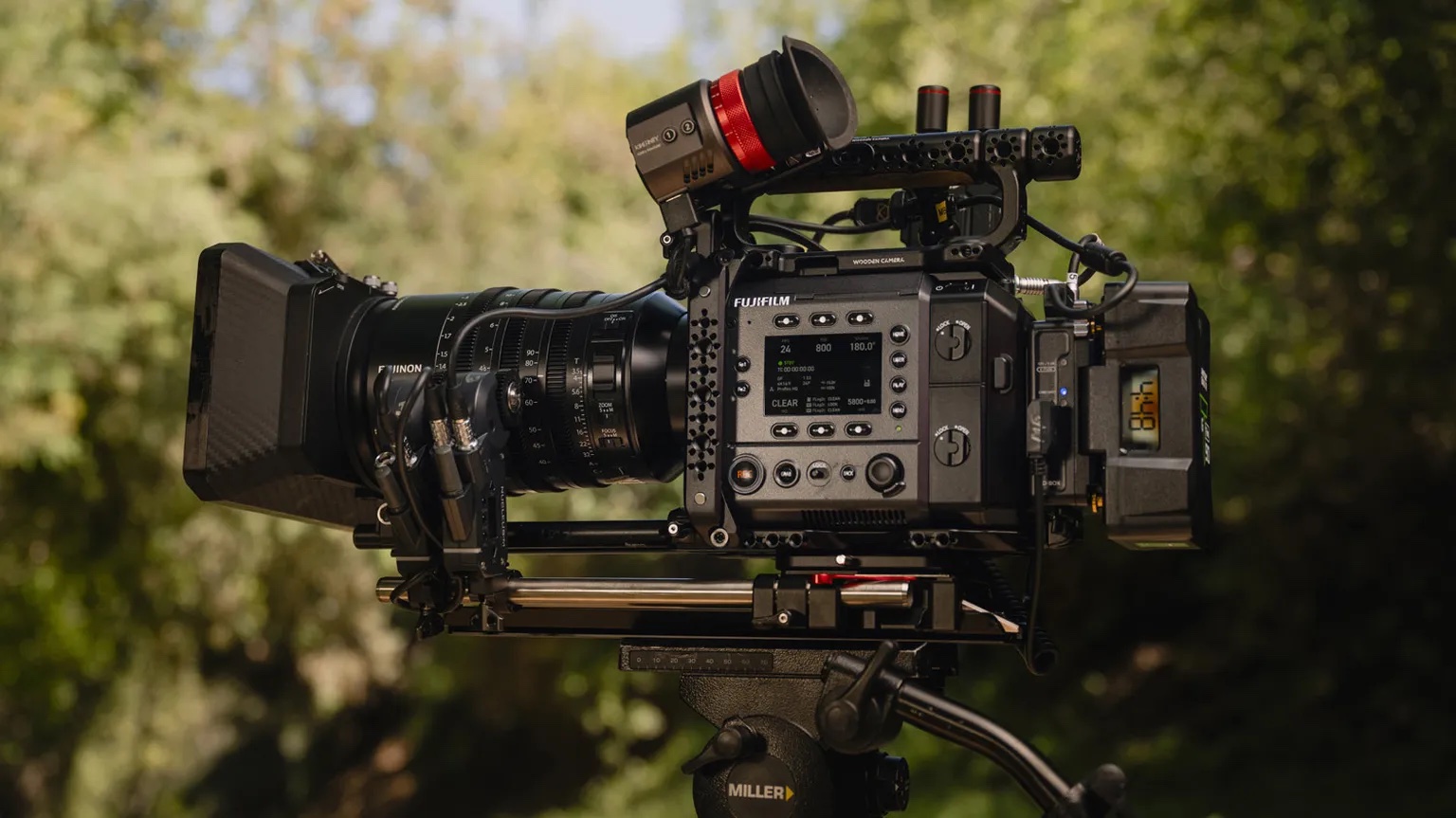
Fujifilm has long been celebrated for its distinctive and vibrant film simulations, the signature color profiles that give its cameras a cinematic and timeless quality. Now, the company is extending the reach of these looks to videographers with the introduction of 3D LUTs that map these iconic simulations onto the F‑Log2 and F‑Log2C log profiles.
This means you can maintain the rich tones and textures that make Fujifilm film simulations so recognizable, even when shooting in flat log for maximum dynamic range. For creators who want the aesthetic of classic film while retaining the flexibility of modern video workflows, this is a significant advancement.
Why the Need for LUTs in Video?
Culling through hours of footage in post-production has always been a challenge for videographers. Shooting in log preserves highlight and shadow detail, but it also results in flat, muted images that require color grading to reach their full potential.
The new LUTs, designed specifically for F‑Log2 and F‑Log2C, allow videographers to apply the visual signature of Fujifilm film simulations directly to their footage.
The result is a transformation from flat log images into vibrant, filmic compositions without sacrificing the latitude needed for post-processing adjustments. This approach brings still photography aesthetics directly into the moving image, bridging the gap between the two mediums.

What Are LUTs and How They Work
LUTs, or Look-Up Tables, are essentially color mapping tools. They translate the input color values of your log footage into a target color space, adjusting contrast, saturation, and hue to create a specific look.
Fujifilm’s new LUTs cover ten of its most iconic simulations, including Eterna, Provia, Velvia, Astia, Classic Chrome, Reala Ace, Pro Neg. Std, Classic Neg., Eterna Bleach Bypass, and Acros.
These LUTs are engineered to work with F‑Log2 and F‑Log2C footage, giving creators the ability to apply the unique tonal characteristics of each simulation while maintaining compatibility with standard video workflows.
By aligning the LUTs with the ITU-R BT.709 color gamut, Fujifilm ensures that the results are consistent across a wide range of monitors and editing platforms.
Loading Fujifilm LUTs Into Your Workflow
Loading these LUTs into your workflow is relatively straightforward. After downloading the official 3D LUT files from Fujifilm’s website, you can import them into your preferred editing software, such as DaVinci Resolve, Adobe Premiere Pro, or Final Cut Pro.
Once imported, you apply the LUT to your F‑Log2 or F‑Log2C footage. The LUT immediately transforms the flat, low-contrast image into one that reflects the selected Fujifilm film simulation. From there, you can fine-tune exposure, contrast, or saturation to better suit the scene.
On compatible Fujifilm cinema cameras, including the GFX Eterna 55, it is even possible to load multiple LUTs in-camera, allowing you to preview the look live during the shoot. This enables a more efficient workflow and more informed creative decisions on set.

Why Videographers Should Consider These LUTs
The impact of these LUTs is considerable for videographers. They allow you to maintain creative continuity across both stills and video, giving your projects a cohesive aesthetic. Shooting in log while applying these LUTs preserves maximum dynamic range while providing the familiar filmic color of Fujifilm’s simulations.
Additionally, the availability of stylized options, such as Eterna Bleach Bypass or Classic Neg, offers filmmakers ready-made cinematic looks that can be further customized to match lighting and narrative intent.
While these LUTs provide a powerful starting point, it is important to remember that they are not an end-all solution. Depending on lighting conditions and subject matter, some fine adjustments may still be necessary, particularly for skin tones or highlights.
However, they do streamline the grading process significantly, saving time while providing a consistent and visually compelling base for creative work.
[Images via Fujifilm]
See more from DIYPhotography.net on Google
Add DIYPhotography.net as a trusted source. This makes
our stories more likely to appear in your Google Search results.
 Add as a preferred source on Google

Alysa Gavilan
Alysa Gavilan has spent years exploring photography through photojournalism and street scenes. She enjoys working with both film and mirrorless cameras, and her fascination with the craft has grown over the decades. Inspired by Vivian Maier, she is drawn to capturing everyday moments that often go unnoticed.
Related Posts
 Fujifilm Film Simulations vs Recipes: What’s the Difference?
 DxO launches the Nik Collection v2.5 with new film simulations and Affinity Photo compatibility
 Free film simulations come to the Nikon Zf (and other Z cameras)
 Take iconic photos in iconic places: 3 tips to instantly make your shots stand out
Join the Discussion
DIYP Comment Policy
Be nice, be on-topic, no personal information or flames.