





















Portrait Photography Tips That Actually Make People Look Alive in Your Frames
Jun 23, 2026
Alysa Gavilan
Alysa Gavilan has spent years exploring photography through photojournalism and street scenes. She enjoys working with both film and mirrorless cameras, and her fascination with the craft has grown over the decades. Inspired by Vivian Maier, she is drawn to capturing everyday moments that often go unnoticed.
Share:
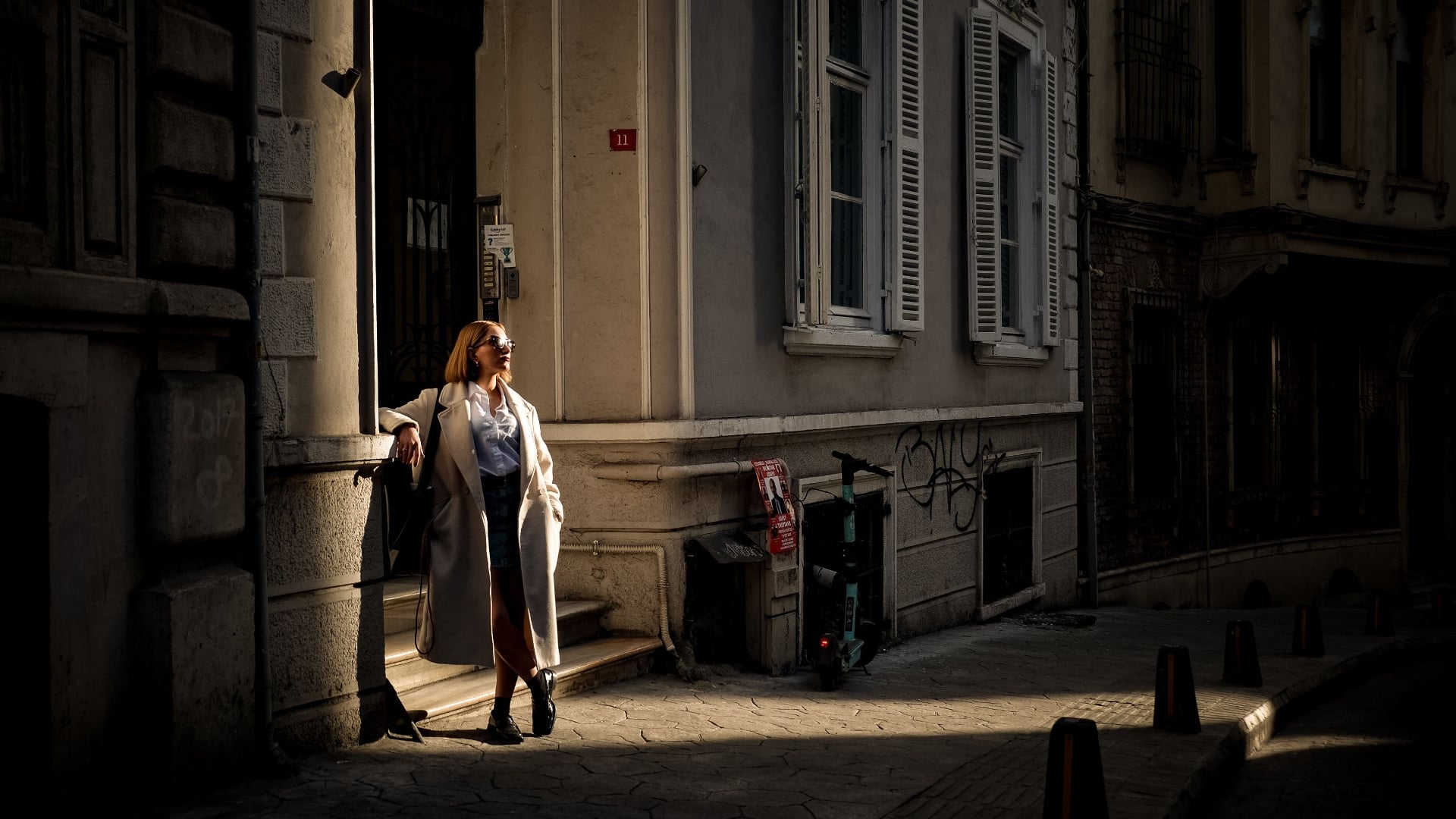
Portrait photography often looks effortless when done well, but anyone who has tried it knows how quickly things can get complicated.
One small shift in expression, a slightly harsh light, or an awkward pose can change the entire mood of an image. That is part of what makes portrait work both challenging and rewarding. It sits at the intersection of timing, communication, and technical control, where small decisions have a noticeable impact on the final result.
This guide breaks down practical tips for portrait photography that can help improve consistency and control, especially for photographers working with natural light, studio setups, or environmental portraits.
What Makes Portrait Photography Distinct
Portrait photography focuses on capturing the personality, expression, or presence of a subject. It is less about documenting appearance alone and more about shaping how someone is perceived in a frame.
Successful portrait work often combines lighting control, subject direction, and composition to communicate character rather than just form.
Unlike genres such as landscape or street photography, portraits require interaction. The photographer is not only capturing but also guiding the subject. That interaction becomes part of the image itself.
Top Tips for Portrait Photography
1. Prioritize Eye Focus
Sharp eyes are one of the most consistent markers of a strong portrait. Even in shallow depth of field, missing focus on the eyes can weaken the entire image. Modern autofocus systems help, but manual checking is still important in controlled setups.
2. Use Natural Light First Before Adding Complexity
Natural light remains one of the most flexible tools for portraits. Window light, open shade, or golden hour conditions can create soft transitions and flattering tones. Learning to shape available light helps build foundational skills before moving to more advanced setups.
3. Keep Backgrounds Simple and Intentional
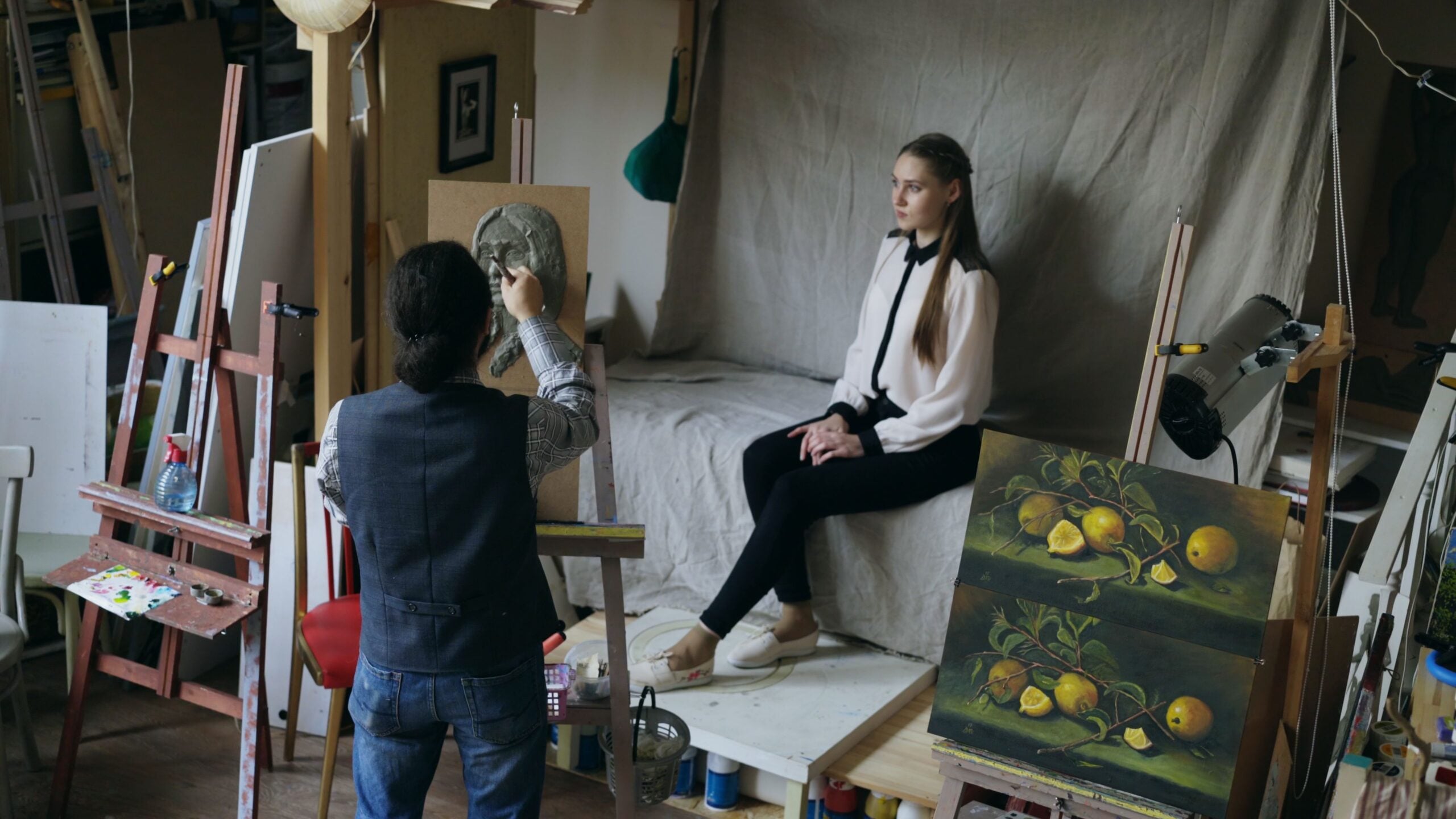
Busy backgrounds compete with the subject. Clean environments or deliberately chosen textures help isolate the subject visually. Depth separation can be improved by increasing distance between subject and background or using wider apertures.
4. Communicate Clearly With the Subject
Most portrait sessions depend heavily on direction. Simple instructions often work better than complex posing language. Small adjustments to posture, head angle, or expression can significantly change the result.
5. Pay Attention to Hands and Body Language
Hands often reveal tension or relaxation in a portrait. Unnatural positioning can distract from the face. Body orientation also affects how open or closed a subject appears in the frame.
6. Control Light Direction and Quality
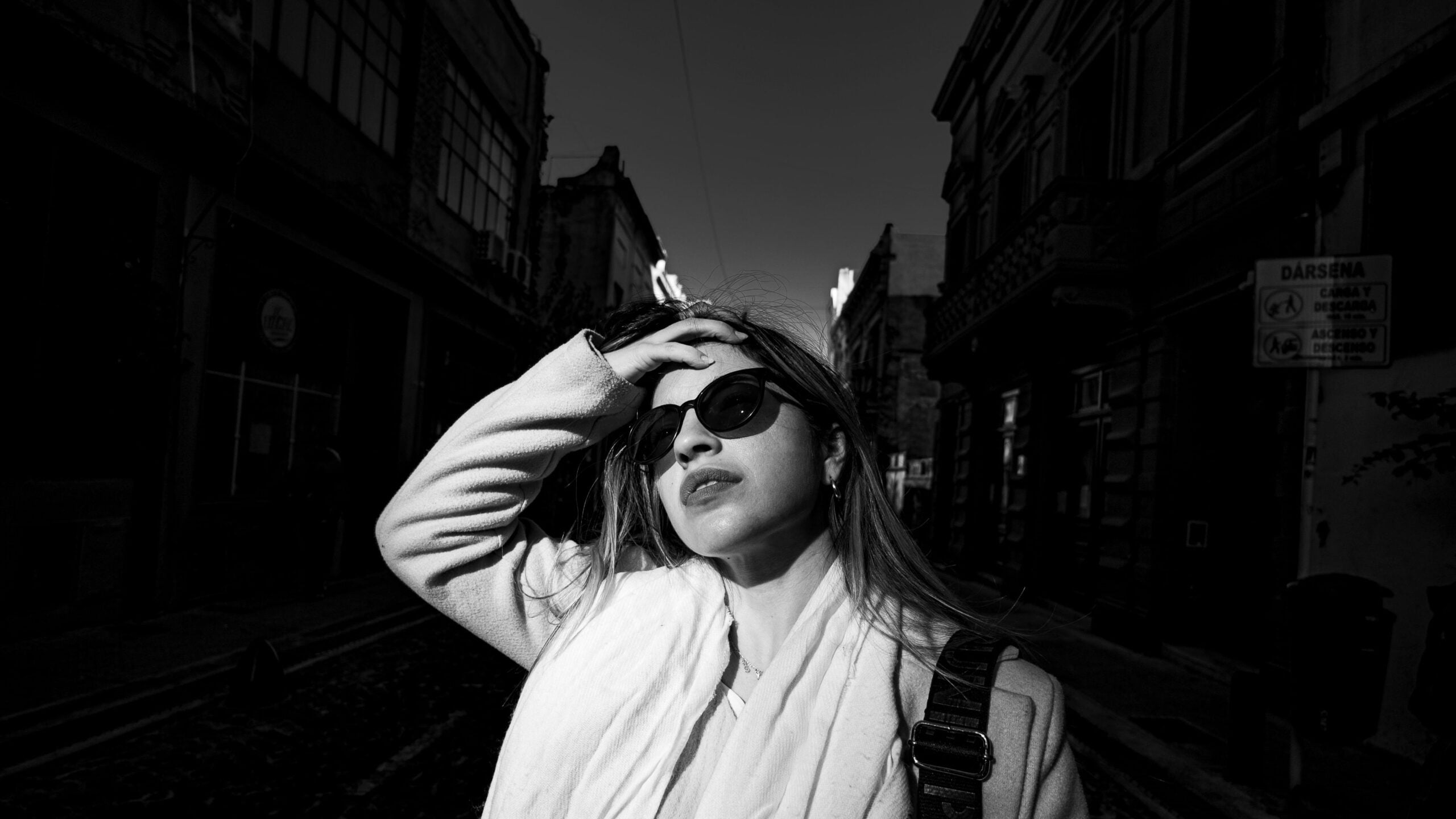
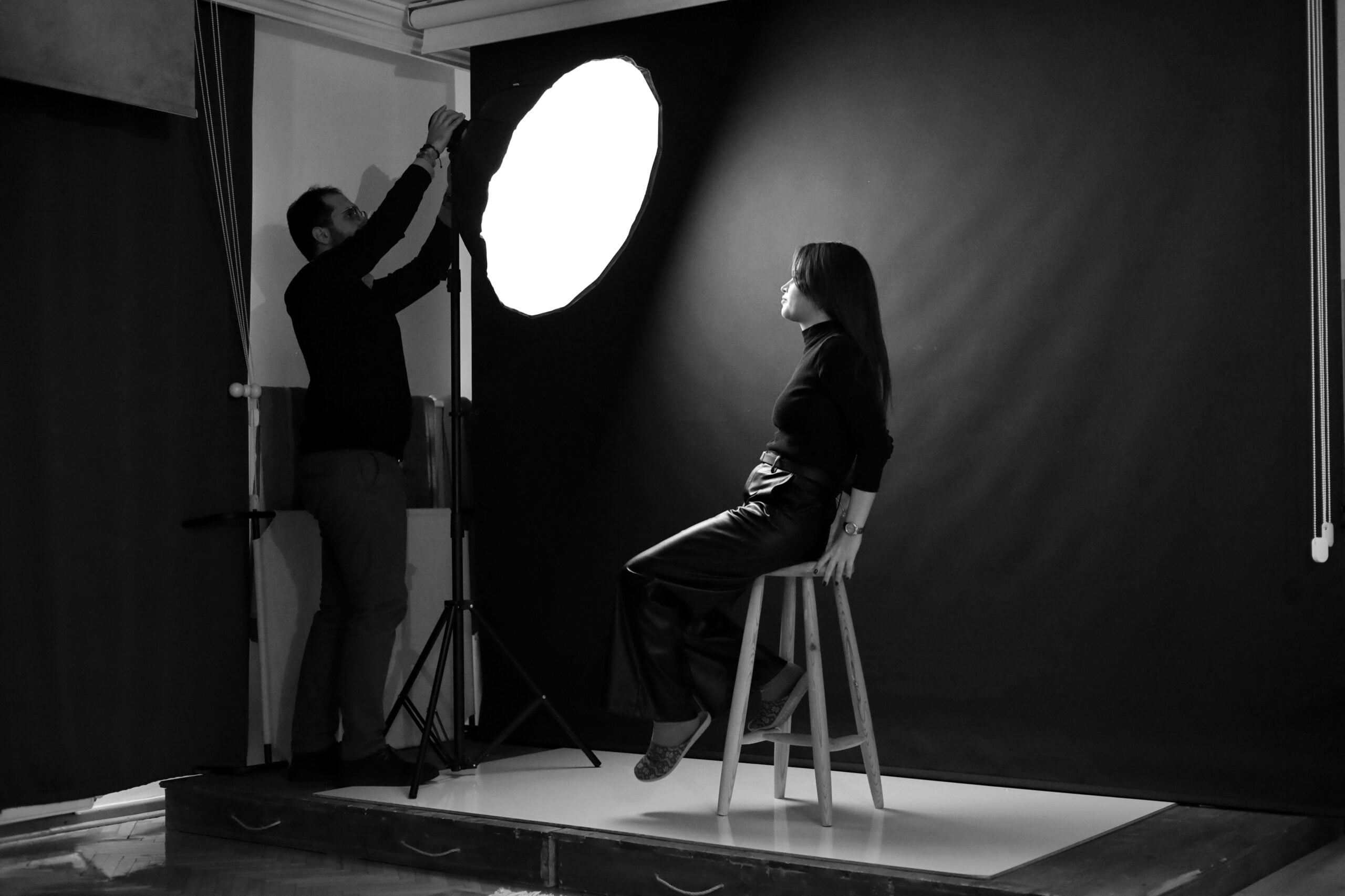
Front light tends to flatten features, while side light adds depth and structure. Backlighting can create separation and atmosphere when handled carefully. Modifiers such as reflectors or diffusers can help shape contrast and softness.
7. Use Focal Length to Control Perspective
Short focal lengths can distort facial features if used too close. Many portrait photographers prefer mid-range focal lengths for more natural proportions. Adjusting distance and lens choice helps manage perspective and compression.
8. Watch for Micro-Expressions
Small changes in expression often matter more than large poses. A slight shift in gaze or mouth position can change the emotional tone of an image. Continuous shooting or patience between frames can help capture natural expressions.
9. Match Styling and Environment to Mood
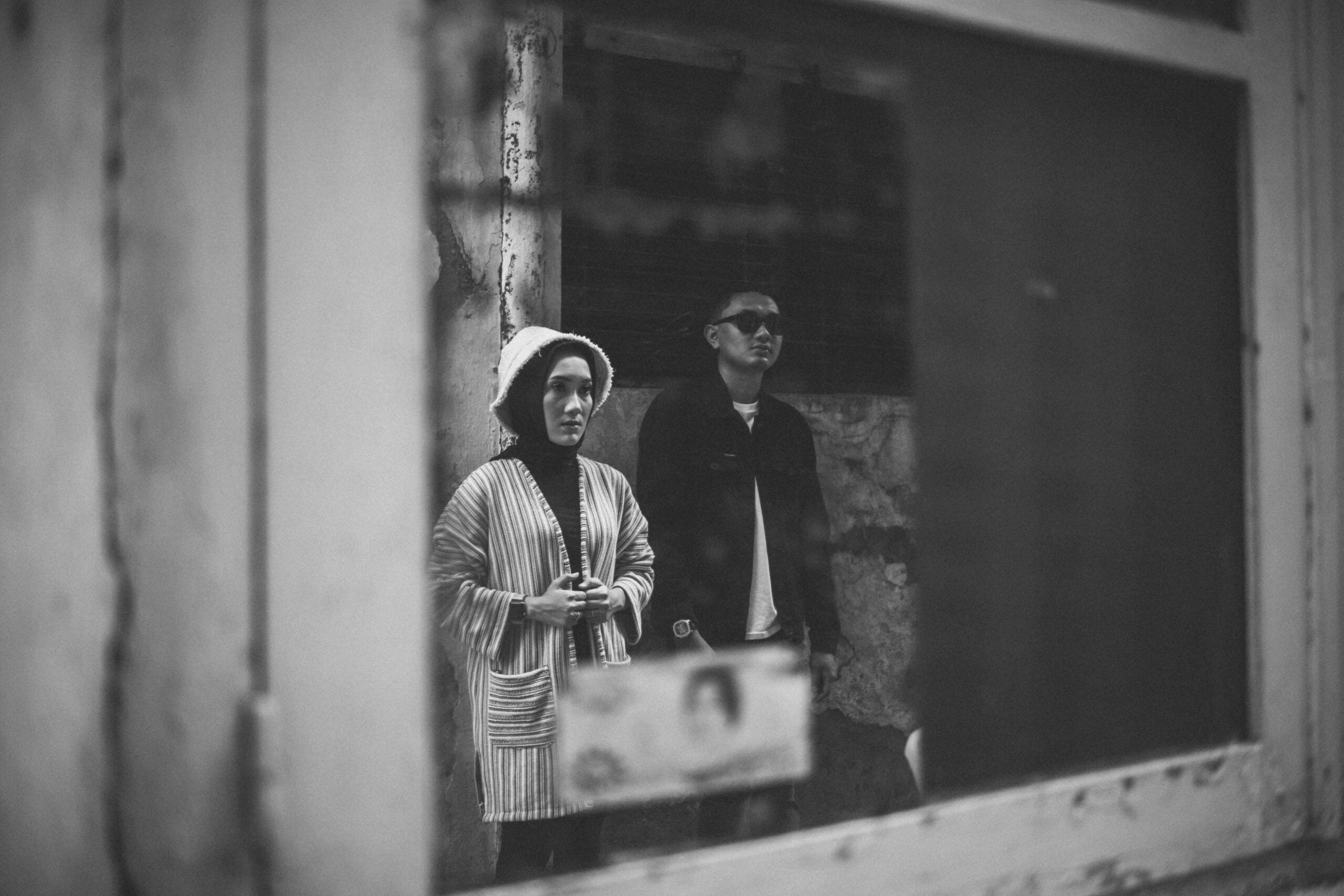
Clothing, location, and color palette all contribute to narrative. A formal outfit in a casual environment creates tension, while cohesive styling creates harmony. Planning these elements helps strengthen visual storytelling.
10. Shoot More Than You Think You Need
Portrait sessions often improve over time as subjects become more comfortable. Early frames may feel stiff, while later ones tend to be more relaxed. Giving space for that progression often results in stronger images.
Common Challenges in Portrait Photography
Portrait photography brings a set of recurring challenges that appear across both beginner and professional work.
One of the most common is subject discomfort. Many people are not used to being photographed, and even confident individuals can become self-conscious once a camera is pointed at them. This can lead to stiff posture, forced expressions, or overthinking every instruction. Building comfort takes time, and the photographer often needs to balance direction with reassurance and space.
Another frequent issue is inconsistency in expression and timing. Unlike static subjects, people change from moment to moment. A strong expression can disappear in a fraction of a second, and small movements can shift the entire feel of a frame. This is why portrait photographers often shoot in short bursts or wait between frames to capture natural transitions rather than fixed poses.
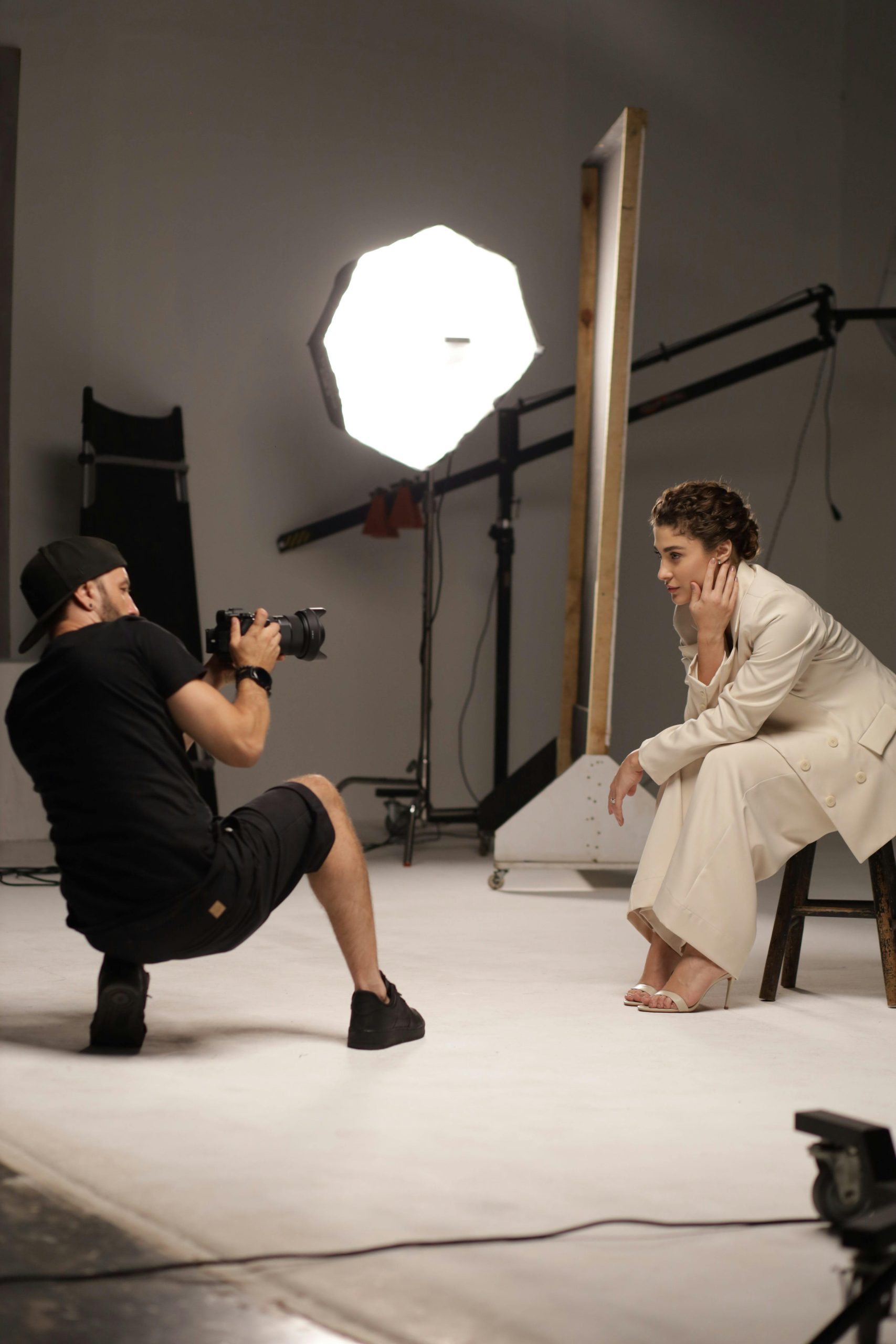
Lighting variability also plays a major role in difficulty. Outdoor portrait sessions are affected by shifting weather, moving clouds, and changes in sun position. Indoor environments can introduce mixed color temperatures from artificial lighting sources. These variations require constant adjustment in exposure and white balance decisions, especially when aiming for consistency across a series.
Focus accuracy becomes more critical in portrait work than in many other genres. Eye sharpness is often expected, and even slight focus errors can make an image feel unusable. This becomes more challenging when subjects are moving slightly or when using wide apertures with shallow depth of field.
Another challenge is over posing or under directing. Too much direction can make images feel rigid, while too little can leave subjects uncertain about what to do. Finding a balance is often a skill developed through experience rather than technical instruction.
Finally, photographers often face pressure to deliver a large number of usable images from a single session. This can lead to rushed decisions or missed opportunities if the session is not paced carefully.
Is Portrait Photography for you?
Portrait photography develops through repetition, observation, and adjustment. Technical skills matter, but communication and timing often decide the outcome more than settings alone. Each session becomes a small study in how people respond to direction and environment.
What tends to shift more in your own portrait work, technical precision or the way subjects respond once they start relaxing in front of the camera?
See more from DIYPhotography.net on Google
Add DIYPhotography.net as a trusted source. This makes
our stories more likely to appear in your Google Search results.
 Add as a preferred source on Google
Filed Under:
Tagged With:

Alysa Gavilan
Alysa Gavilan has spent years exploring photography through photojournalism and street scenes. She enjoys working with both film and mirrorless cameras, and her fascination with the craft has grown over the decades. Inspired by Vivian Maier, she is drawn to capturing everyday moments that often go unnoticed.




Join the Discussion
DIYP Comment Policy
Be nice, be on-topic, no personal information or flames.