




















Storytelling Through Travel Photography: From Snapshot to Narrative
Dec 31, 2025
Dunja Đuđić Kalinin
Dunja Djudjic is a multi-talented artist based in Novi Sad, Serbia. With 15 years of experience as a photographer, she specializes in capturing the beauty of nature, travel, concerts, and fine art. In addition to her photography, Dunja also expresses her creativity through writing, embroidery, and jewelry making.
Share:

Ever returned from a trip with a camera full of photos that somehow don’t feel like the place you just visited? The colors are there. The subjects are there. And yet… the magic isn’t. I remember feeling this after returning from Corfu, Greece. If you’ve ever felt this, you’re not alone, and the likely culprit is composition.
Travel photography composition is what transforms your photos from casual snapshots into narratives that convey the essence of the place you’ve visited. In this article, we’ll explore the most powerful composition techniques that every travel photographer should know. We aimed it more at newbies, but I’m sure more experienced photographers could also pick up a thing or two.
[Related Reading: Travel Photography: The Ultimate Guide to Shooting Stunning Images on the Road]
Why Composition Matters in Travel Photography
Anyone can take a technically sound photo today – phone cameras are brilliant, and auto mode is better than ever. But a technically solid photo isn’t always a meaningful one. This is why smart composition differentiates a snapshot from a meaningful travel image. It helps you tell a visual story, leads the viewer’s eye, and adds emotion and context. Ultimately, it almost makes people feel as if they were there, too.
The techniques we’ll cover are beginner-friendly, but professionals in every genre also use them. Once you learn them, your travel photos won’t just say “I was here” – they’ll say, “Let me show you what I felt.”
Rule of Thirds
Let’s start with the golden rule of composition: The Rule of Thirds.
Imagine your frame is divided into nine equal rectangles by two horizontal and two vertical lines. The rule of thirds says you should place your subject either along those lines or where they intersect, instead of dead center.
Why it works: Our eyes are naturally drawn to these points. A subject placed off-center creates tension, balance, and space for the story to unfold.
Try it in your travel shots:
- Place the horizon on the top third for dramatic foregrounds (like a winding trail or beach).
- Place a lone subject, such as a street vendor or a temple, on one of the side thirds to create a sense of place.
- Break the rule on purpose for symmetry, but learn it first so you can break it with intention.

Leading Lines
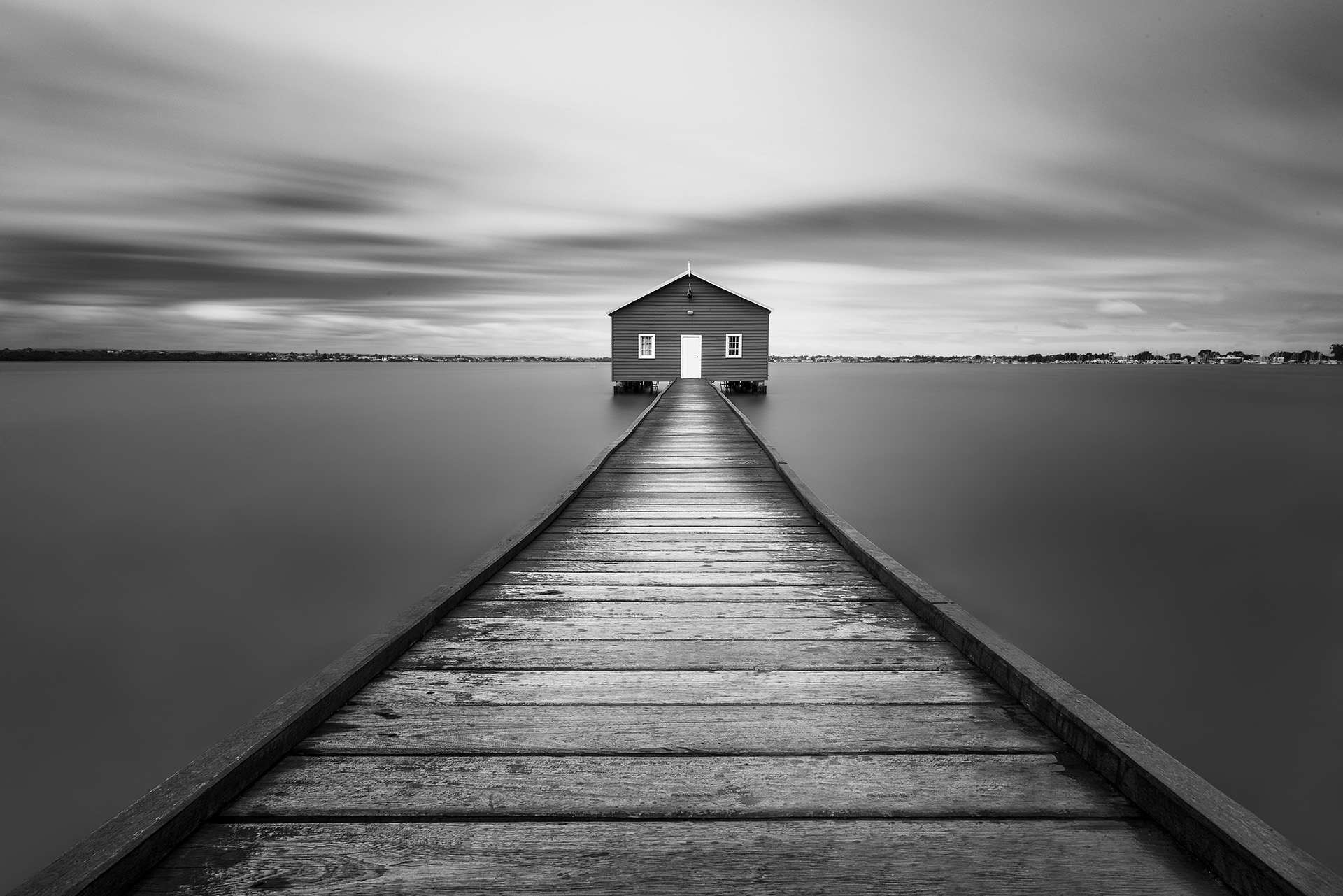
Leading lines are one of the most dynamic tools for storytelling in photography. They guide the viewer’s eye through the image, often right to the subject or focal point.
These lines can be literal (roads, railways, fences) or implied (shadows, rows of market stalls, arms reaching into the frame). They create movement and energy, helping the photo feel alive.
If you want to incorporate this composition technique in your travel photos, look for:
- Bridges leading toward castles or skylines
- Alleyways guiding you to a central figure
- Curved roads through mountain landscapes
- Long shadows at golden hour
You can use leading lines to lead your viewer into the scene and into your story.
Framing
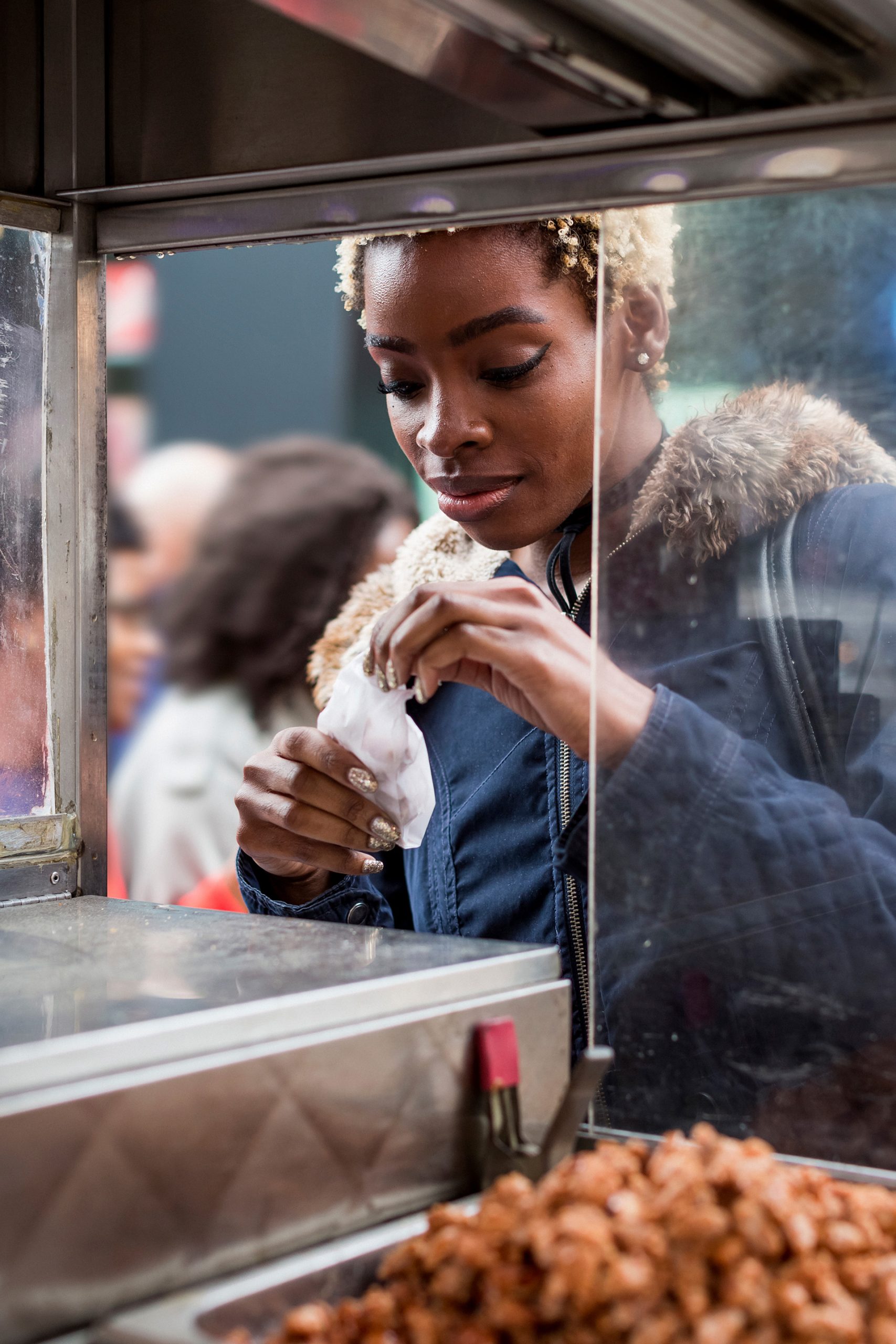
Framing means using elements within your photo to create a frame around your subject. Of course, this doesn’t refer to an actual frame, but finding natural frames in the environment. For example: shooting through a window, doorway, tree branches, or even through a crowd of people.
When used in composition, framing draws attention to the subject, adds depth and dimensionality, and creates more context. It’s a subtle but powerful way to focus the viewer’s attention exactly where you want it, and it works beautifully in travel photography.
Examples:
- Shoot through a market stall’s colorful fabric to frame a vendor
- Use archways or columns to frame ancient ruins or city squares
- Frame a subject between two people or objects for a candid street shot
It’s like whispering to the viewer: “Look here. This is the heart of the story.”
Perspective
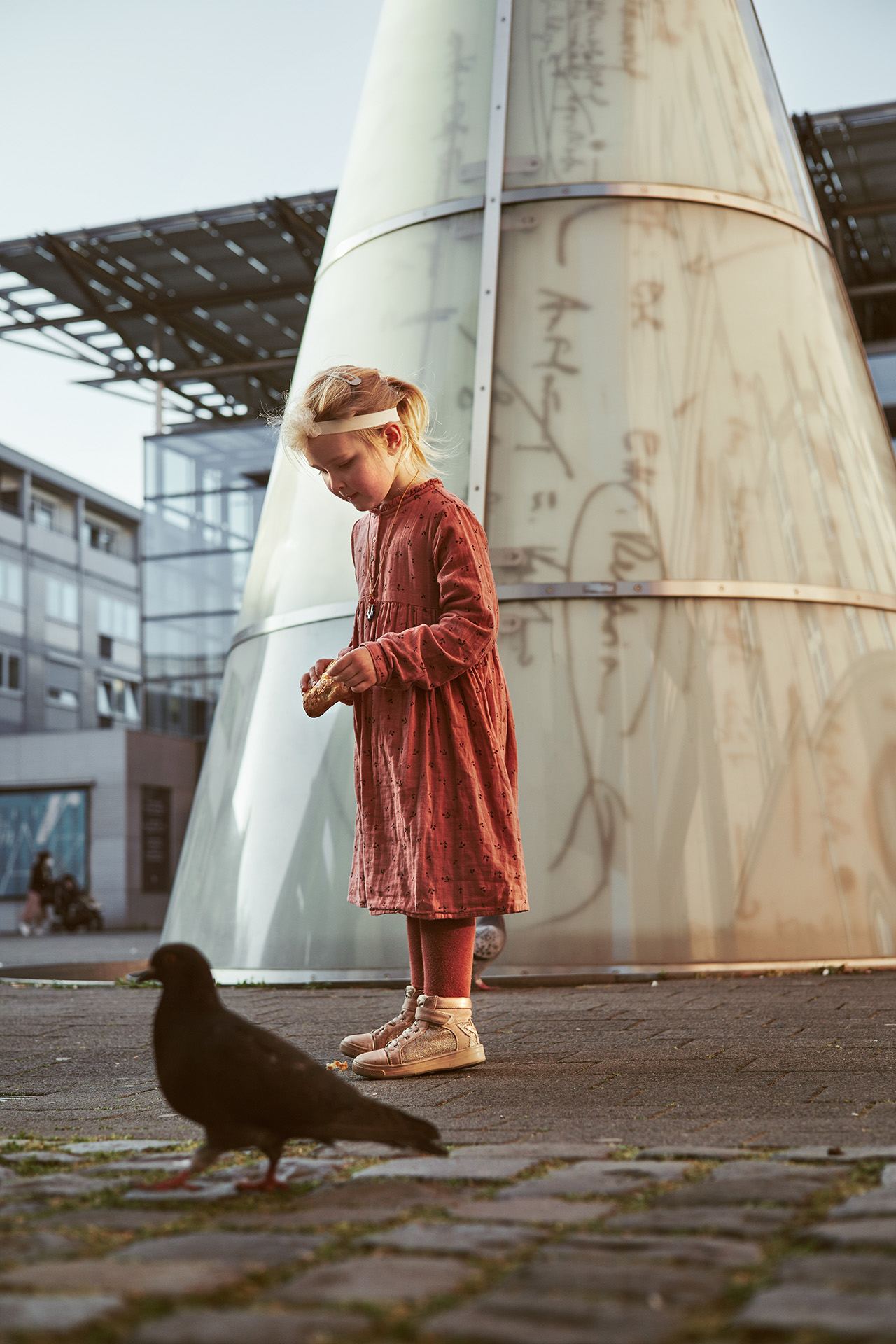
Most travelers take photos from the same angle: standing, eye-level, camera in front. However, storytelling becomes even more interesting when you shift your perspective.
Perspective isn’t just about where you’re standing. It’s about how your position alters the meaning of the image.
- Get low: Shooting from the ground can make a small object seem monumental or put the viewer in the shoes of a child or street animal.
- Go high: A high vantage point can reveal patterns and context. It’s perfect for showing the chaos of a market or the sprawl of a city.
If possible, don’t just shoot and move on. Walk around your subject, crouch down, or climb a few steps. Look through gaps and over ledges. The best perspective is rarely the first one you find.
Fill the Frame to Eliminate the Noise
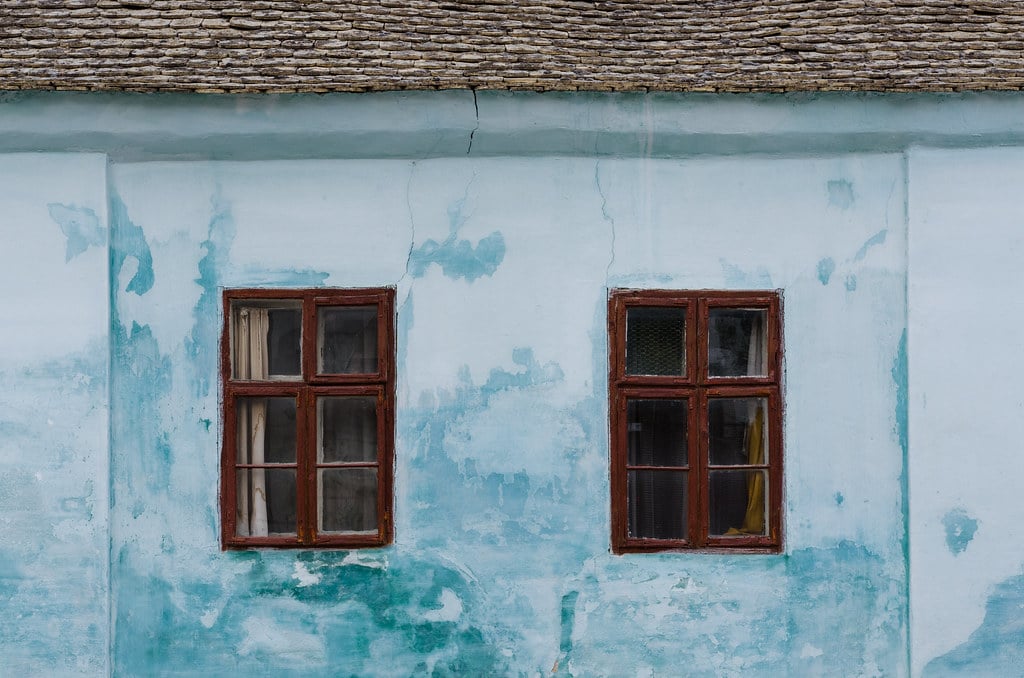
Filling the frame means getting closer or zooming in so your subject dominates the image. It creates intimacy, tension, or a feeling of focus. This way, you’ll also eliminate the distractions that can take away from your subject.
This is especially powerful when shooting portraits of locals (remember to always ask permission, though). It works great with textures and details like tiled walls, food, or crafts. Action shots like street performers or cooking stalls could also benefit from this technique.
Negative Space
While filling the frame adds tension, negative space does the opposite. It can add calm, openness, and visual rest. Personally, this is one of my favorite composition techniques. I realized it as I was going through my travel photos for this article series.
Put simply, negative space is the area around your subject that’s intentionally left empty or uncluttered. This technique is perfect when you want to evoke emotions like solitude, serenity, or vastness.
Quick Composition Tips for Beginners
Let’s pull it all together with some quick and field-tested travel photography tips for beginners. You can keep them in your mind, or even on paper or your phone at first, until these checkpoints become a routine:
- Pause before shooting. Ask yourself what the story is and what you want people to notice.
- Move around, don’t just rely on your zoom lens. Explore different angles and distances, climb up, crouch down.
- Check your background: is it distracting or supportive of your subject? Can you move around to avoid distractions or clutter?
- Use your phone’s or camera’s gridlines. It makes it easier to apply the rule of thirds.
- Take your time: a single well-composed photo is worth more than 50 quick snaps.
- Revisit locations because lighting changes everything. Even the same spot looks different at different times of day.
And remember, composition in travel photography, like any other genre, isn’t about perfection; it’s about your intention.
Common Composition Mistakes to Avoid
We learn from mistakes, and you’ll certainly make them. However, some of them tend to go unnoticed and stick for a very long time (I know this from personal experience). So, let’s mention a few of the most common ones to keep in mind so they don’t stay with you for a long time:
- Centering everything by default: unless there’s a reason and it’s an intentional choice. Play around with composition, and check out more composition techniques you can use
- Messy backgrounds that draw attention away from the subject
- Crooked horizons – pay attention to horizons while shooting, or edit the angle in post if you tilted them
- No foreground interest – it can make landscapes look flat and dull
- Overthinking – don’t let technique kill the moment. Sometimes you feel the best composition before you analyze it. But I’d say this comes with time and practice.
[Learn Photography Composition: Rule of thirds | Symmetry | Triangles | More…]
Composition Is the Language of Travel Stories
Travel photography isn’t about documenting every moment. It’s about choosing the moments that speak and capturing them with care and intention. When you master travel photography composition, you become more than a tourist or a traveler with a camera. You become a storyteller, sharing places not just as they looked, but as they felt.
See more from DIYPhotography.net on Google
Add DIYPhotography.net as a trusted source. This makes
our stories more likely to appear in your Google Search results.
 Add as a preferred source on Google

Dunja Đuđić Kalinin
Dunja Djudjic is a multi-talented artist based in Novi Sad, Serbia. With 15 years of experience as a photographer, she specializes in capturing the beauty of nature, travel, concerts, and fine art. In addition to her photography, Dunja also expresses her creativity through writing, embroidery, and jewelry making.
Related Posts
 ‘Refuge’ is the First Narrative Film Ever to Be Exclusively Lit by Moonlight; Recorded with Sony’s a7S
 Follow these storytelling rules to improve your photography
 Storytelling in Photography: 6 Tips to Make Your Photos More Powerful
 The 2025 Architecture Photography MasterPrize Winners Redefine Architectural Storytelling
Join the Discussion
DIYP Comment Policy
Be nice, be on-topic, no personal information or flames.