




















The Definitive Guide to Best Camera for Portrait Photography in 2025
Aug 28, 2025
Darlene Lleno
Darlene Lleno brings a unique perspective to DIY Photography as someone who grew up surrounded by camera gear but chose words over lenses. With five years of writing experience, she specializes in photography content that’s both technically informed and genuinely passionate. Growing up with a photographer twin brother meant camera talk was everyday conversation in her household. While he mastered capturing moments, Darlene discovered she preferred being the subject and the storyteller behind the scenes. As a travel enthusiast and mother of two, she understands the importance of preserving life’s precious moments. When not exploring new destinations or writing for DIY Photography, you’ll find her reading or tending to her garden. Her approach to photography writing is refreshingly authentic, she may not be behind the camera, but she knows exactly what it takes to help others capture the shots that matter most.
Share:
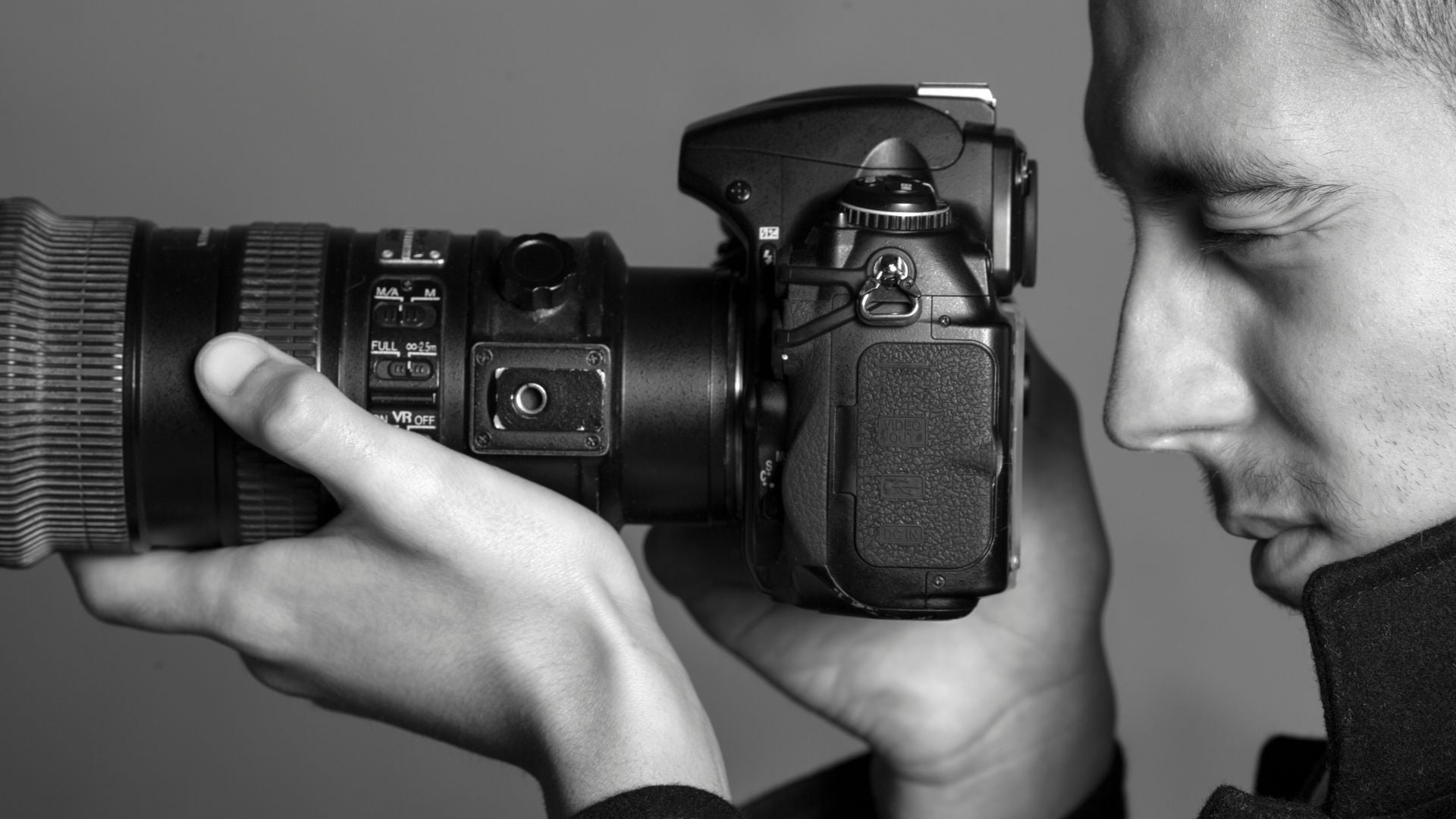
Finding the best camera for portrait photography doesn’t have to make your head spin. With so many cameras hitting the market every year, it’s easy to get lost in all the technical specs and marketing hype. But here’s the thing: the right camera for portraits comes down to a few key features that actually matter for capturing people.
This comprehensive guide breaks down the top camera choices for portrait work based on professional reviews, real-world testing from photography publications, and feedback from working portrait photographers. Whether you’re just starting out or looking to upgrade your current setup, you’ll find options that deliver stunning results without breaking the bank.
What Makes a Camera Great for Portraits
Before we jump into specific camera recommendations, let’s talk about what actually makes a camera good for portrait work. This isn’t about having the most megapixels or the flashiest features.
Portrait photography needs cameras that can nail focus on eyes every single time. You want excellent eye detection autofocus that doesn’t hunt around when you’re trying to capture that perfect expression. The camera should also handle different lighting situations well, from bright outdoor sessions to dimly lit indoor spaces.
Here’s what really matters for portrait work:
- Accurate eye detection autofocus that locks onto subjects quickly
- Good low-light performance for indoor and evening shoots
- Excellent dynamic range to capture detail in shadows and highlights
- Natural skin tone reproduction that doesn’t require heavy color correction
- Comfortable ergonomics for long shooting sessions
Don’t get caught up in the megapixel race either. A 24-megapixel camera with great color science will give you better portraits than a 60-megapixel camera that makes skin look weird. Quality beats quantity every time.
The lens you choose matters more than the camera body in most cases. But we’ll get to portrait lens recommendations later in this guide.
Professional-Grade Cameras That Deliver
These are the cameras that professional portrait photographers actually use day in and day out. They’re not cheap, but they deliver results that justify the investment if photography is your business or serious passion.
1. Sony α7 IV: The Complete Package
The Sony α7 IV keeps showing up in professional portrait photographers’ camera bags for good reason. This full-frame mirrorless camera hits the sweet spot between image quality and practical features that working photographers need.
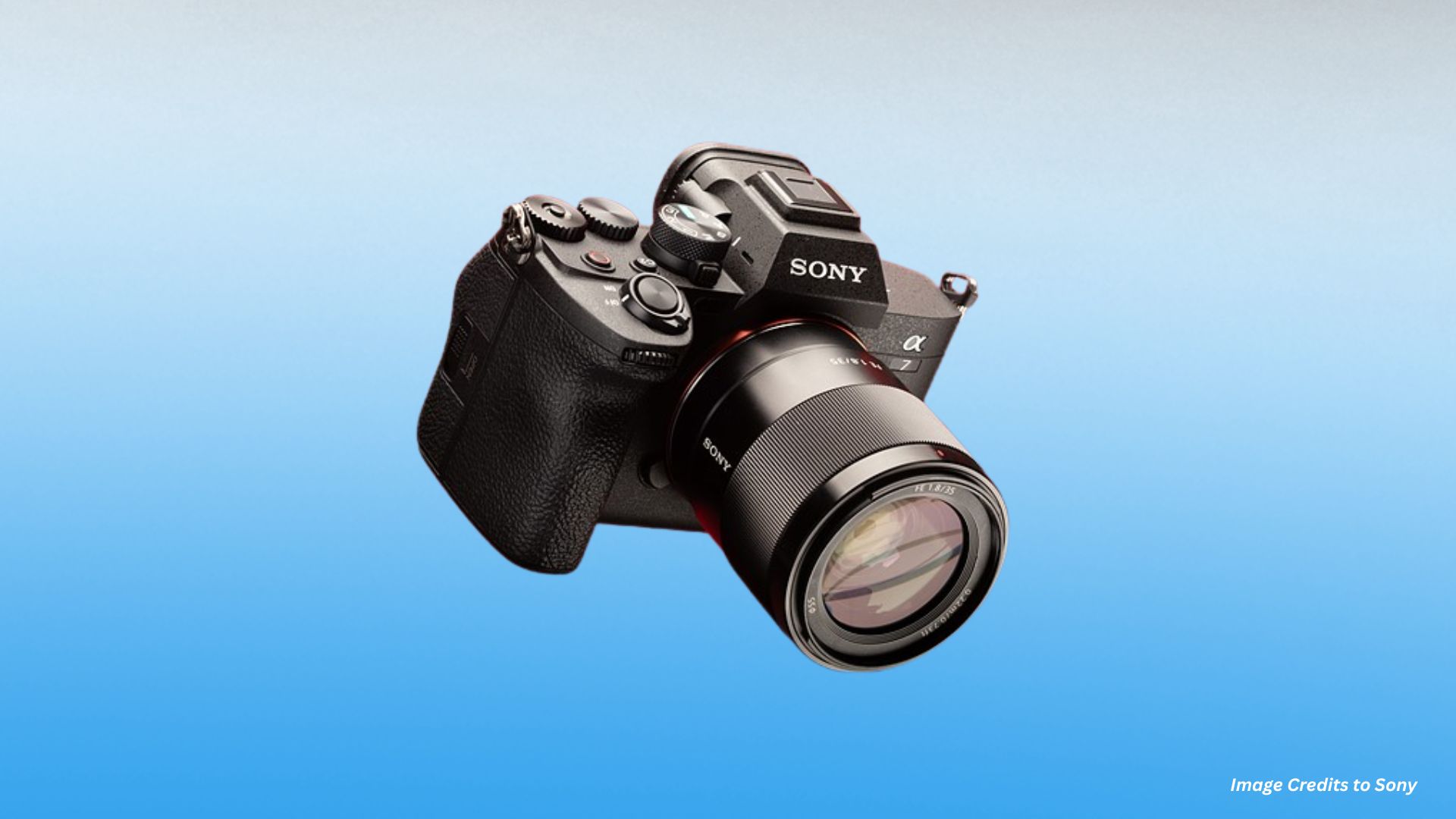
What makes the α7 IV special for portraits:
- 33-megapixel full-frame sensor with excellent detail and dynamic range
- Advanced Real-time Eye AF that works reliably even in challenging conditions
- Dual card slots for backup security during important shoots
- Excellent battery life that lasts through long portrait sessions
- 4K video capability for hybrid photo and video work
Wedding photographers love this camera because it handles everything from bright outdoor ceremonies to dark reception venues. The eye detection autofocus rarely misses, even when shooting at f/1.4 with razor-thin depth of field.
The articulating LCD screen makes it easy to shoot from low angles or over crowds. Plus, Sony’s E-mount system has tons of excellent portrait lenses from both Sony and third-party manufacturers.
2. Canon EOS R5 Mark II: The Innovation Leader
Canon’s EOS R5 Mark II represents the cutting edge of portrait camera technology. It’s packed with features that make portrait photography faster and more accurate than ever before.

The standout features include:
- 45-megapixel full-frame sensor with exceptional detail capture
- Eye Control AF that focuses where you look through the viewfinder
- 30fps burst shooting for capturing perfect expressions
- 8K video recording for the highest quality motion work
- Legendary Canon color science for beautiful skin tones
The Eye Control AF feature sounds gimmicky until you try it. Being able to shift focus points just by looking at different parts of your subject speeds up your workflow dramatically. It’s especially useful when shooting groups where you need to quickly shift focus between people.
Canon’s RF lens lineup includes some incredible portrait lenses like the 85mm f/1.2L that creates bokeh most photographers only dream about.
3. Nikon Z7 II: The Detail Master
Don’t sleep on Nikon for portrait work. The Z7 II delivers some of the best image quality available today, with a handling experience that many photographers prefer over the competition.
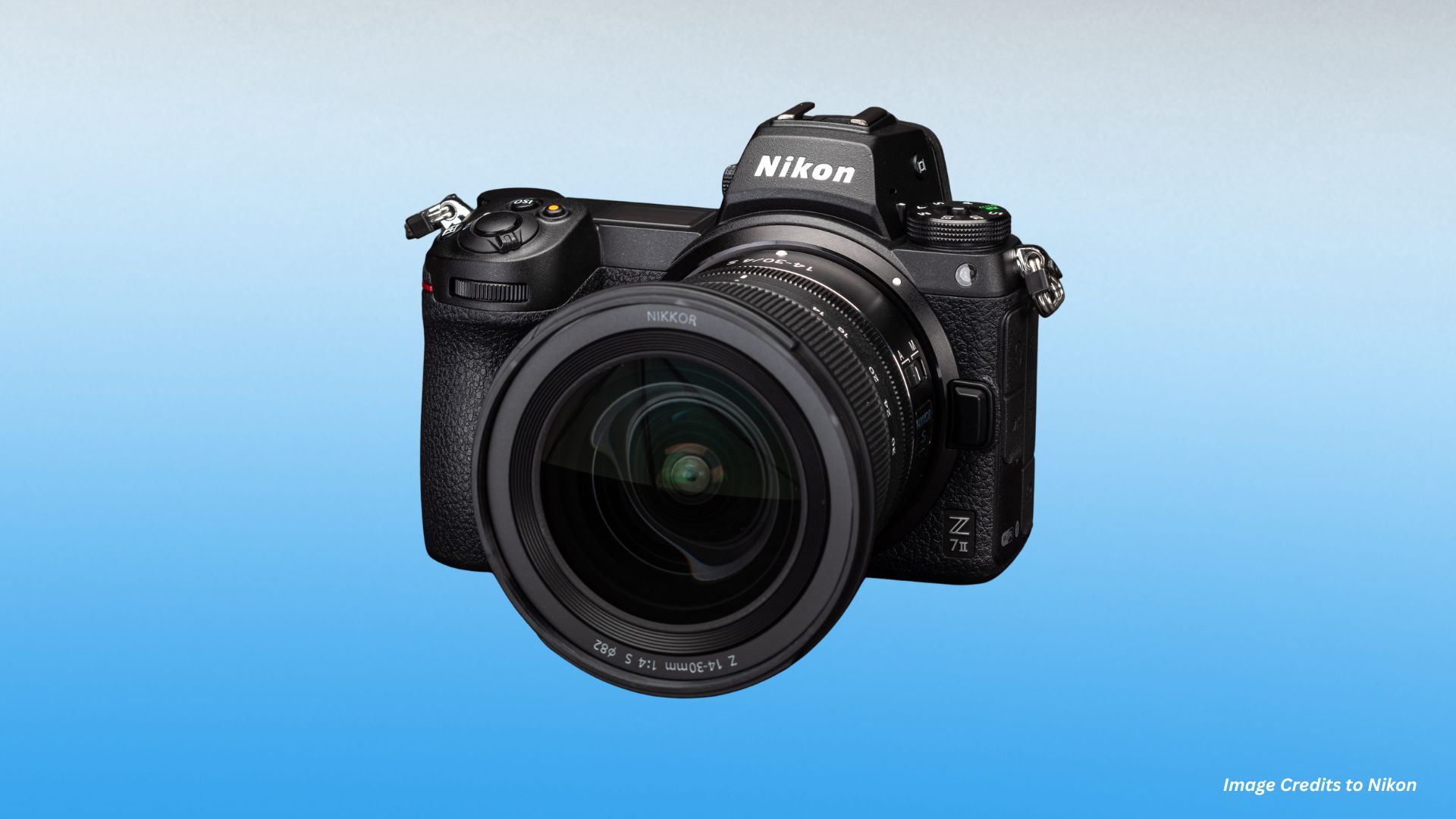
Why portrait photographers choose the Z7 II:
- 45.7-megapixel sensor with incredible detail and dynamic range
- 493 focus points covering nearly the entire frame
- Superior ergonomics with the most comfortable grip in its class
- Dual card slots and excellent weather sealing
- Outstanding lens ecosystem that’s growing rapidly
The Z7 II’s dynamic range is particularly impressive. You can pull amazing detail out of shadows without the noise getting ugly. This makes it perfect for dramatic portrait lighting where you’re working with strong contrasts.
Camera depth of field control is fundamental to achieving professional portrait results. Many photographers who’ve used all three major camera systems say the Z7 II feels the best in their hands during long shoots.
Mid-Range Champions for Enthusiasts
These cameras bring professional features down to more reasonable price points. You’re not giving up much image quality, but you might sacrifice some build quality or advanced features.
4. Canon EOS R6 Mark II: Professional Features, Reasonable Price
The R6 Mark II proves you don’t need the most expensive camera to get professional results. This 24-megapixel full-frame camera excels in the areas that matter most for portrait photography.

Key strengths for portrait work:
- Excellent low-light performance that beats higher-resolution competitors
- 12fps continuous shooting for capturing perfect expressions
- Silent shooting modes perfect for intimate portrait sessions
- In-body image stabilization for sharper handheld shots
- Professional build quality at an enthusiast price
The lower megapixel count actually works in your favor for many portrait situations. The larger pixels gather more light, giving you cleaner images in challenging conditions. Unless you’re printing huge or cropping heavily, 24 megapixels is plenty for beautiful portraits.
Portrait photographers appreciate the silent shutter modes when working with babies or in quiet environments where camera noise could be disruptive.
5. Sony α7R V: Resolution King
When you absolutely need maximum detail for large prints or extensive cropping, the Sony α7R V’s 61-megapixel sensor sets the standard. This camera excels in controlled environments where every detail matters.
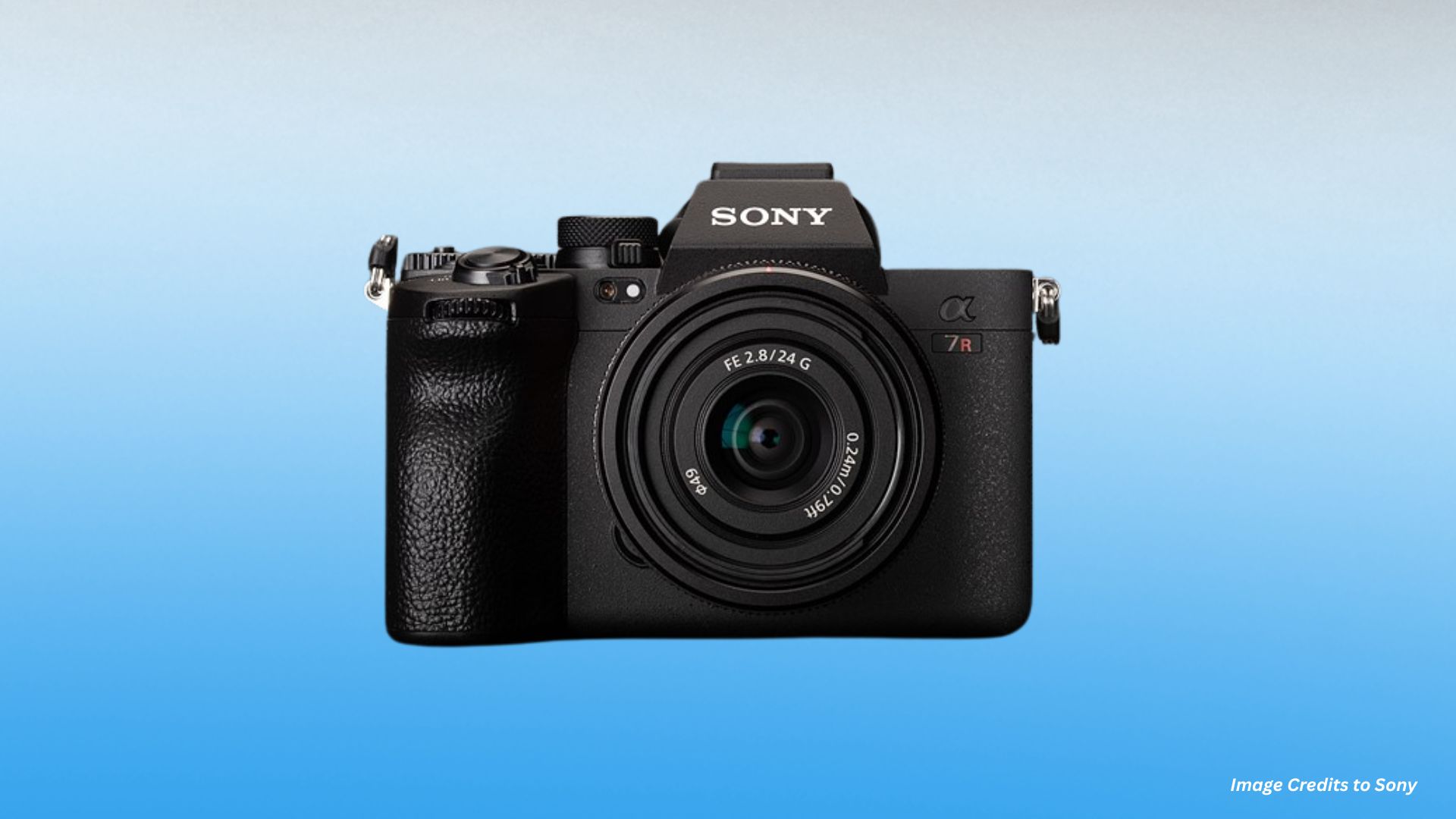
What the α7R V brings to portrait photography:
- 61-megapixel full-frame sensor for incredible detail capture
- Advanced subject recognition that identifies and tracks human subjects
- 8-stop in-body stabilization for sharp handheld shots with long lenses
- Best-in-class electronic viewfinder for precise composition
- Excellent dynamic range for challenging lighting situations
The trade-off with all those megapixels is file size and processing demands. RAW files can be massive, and you’ll need a powerful computer for smooth editing. The camera also shoots slower burst rates compared to lower-resolution alternatives.
This camera makes the most sense for studio photographers or anyone who regularly prints large or crops aggressively in post-processing.
6. Nikon Z8: The Versatile Workhorse
Think of the Z8 as getting 90% of Nikon’s flagship Z9 performance at a more reasonable price. It handles virtually any portrait scenario you can throw at it.
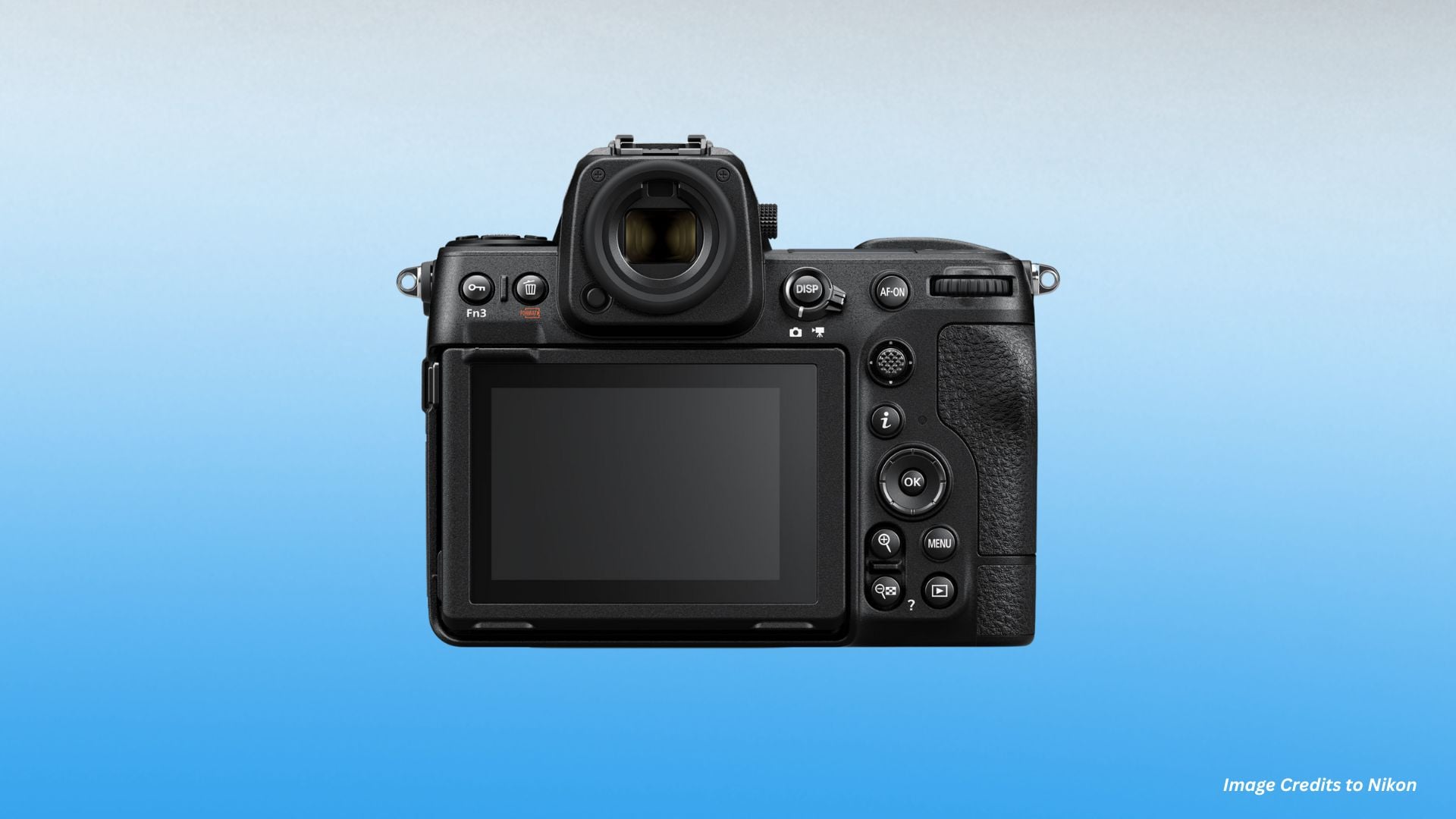
Why working photographers love the Z8:
- 45.7-megapixel stacked sensor with excellent performance
- 120fps burst shooting with the electronic shutter
- Advanced 3D tracking autofocus that’s been refined with firmware updates
- Professional build quality with weather sealing
- Excellent video features for hybrid shooters
The Z8’s electronic shutter eliminates the rolling shutter issues that plague some competitors. This makes it excellent for portraits with any kind of movement, from kids running around to fashion shots with flowing fabric.
Entry-Level Excellence for Beginners
Don’t think you need to spend a fortune to get great portrait results. These cameras prove that modern entry-level gear can produce images that were impossible at any price just a few years ago.
7. Canon EOS R10: The Perfect Starting Point
The Canon EOS R10 consistently gets recommended as the best portrait camera for people just getting started. This APS-C mirrorless camera packs professional-grade autofocus into an affordable package.
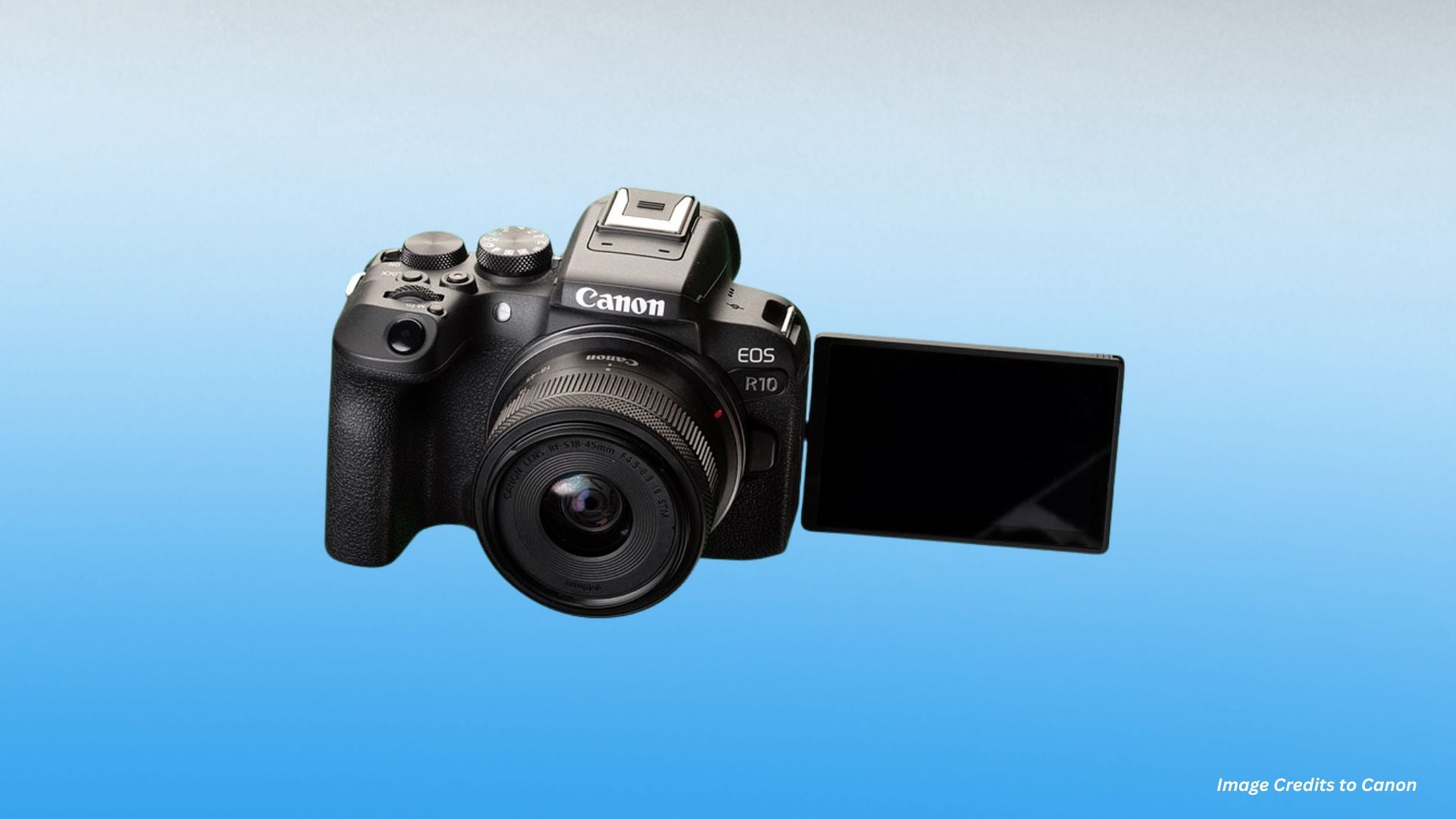
What makes the R10 special for new portrait photographers:
- 24.2-megapixel APS-C sensor with excellent image quality
- Advanced Dual Pixel autofocus with reliable eye detection
- 15fps burst shooting for capturing fleeting expressions
- Intuitive controls that don’t overwhelm beginners
- Affordable RF-S lens options designed specifically for APS-C
The R10’s eye detection autofocus works as well as cameras costing twice as much. Beginners love not having to worry about focus while they’re learning composition and lighting.
The camera lacks in-body stabilization, but this is common in this price range. The excellent grip and intuitive controls more than make up for missing features.
8. Nikon Z50: Compact Powerhouse
The Nikon Z50 earns five-star ratings from photography publications for good reason. It delivers excellent image quality in a compact, affordable package that’s perfect for learning portrait photography.
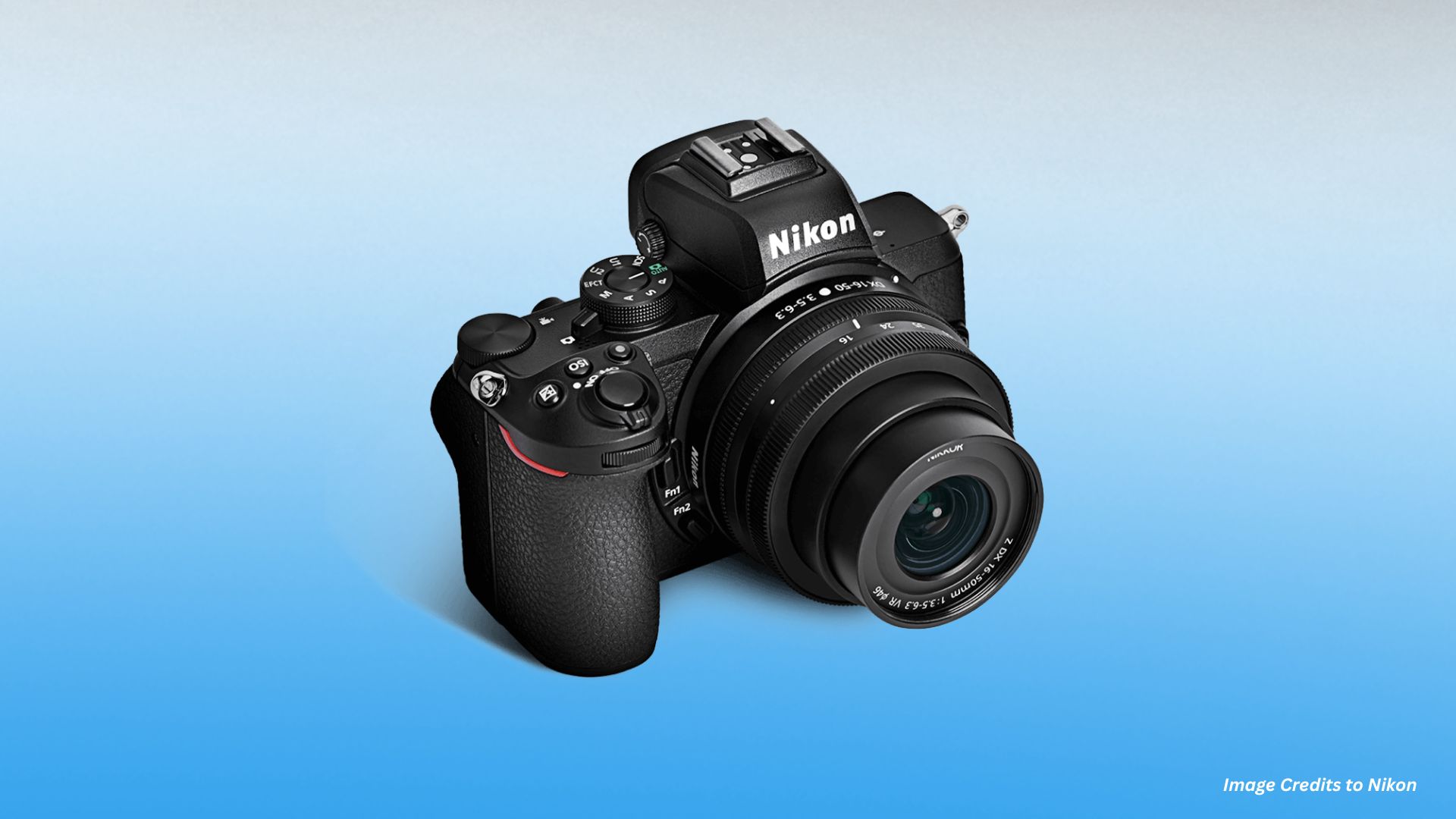
Why the Z50 works great for portraits:
- 20.9-megapixel APS-C sensor with great color reproduction
- 11fps burst mode for capturing perfect moments
- Tilting touchscreen that makes creative angles easy
- Excellent build quality that feels solid and professional
- Compatible with full-frame Z lenses for future upgrades
The Z50’s compatibility with Nikon’s full-frame Z-mount lenses means your lens investments will carry over if you upgrade later. This makes it an excellent long-term choice for photographers planning to grow their skills.
The camera’s compact size makes it perfect for travel and street portrait photography where a smaller camera helps you blend in better.
9. Sony α6400: The Sports Portrait Specialist
For photographers who need lightning-fast autofocus and high burst rates, the Sony α6400 excels at capturing moving subjects. It’s particularly good for sports portraits and active kids.
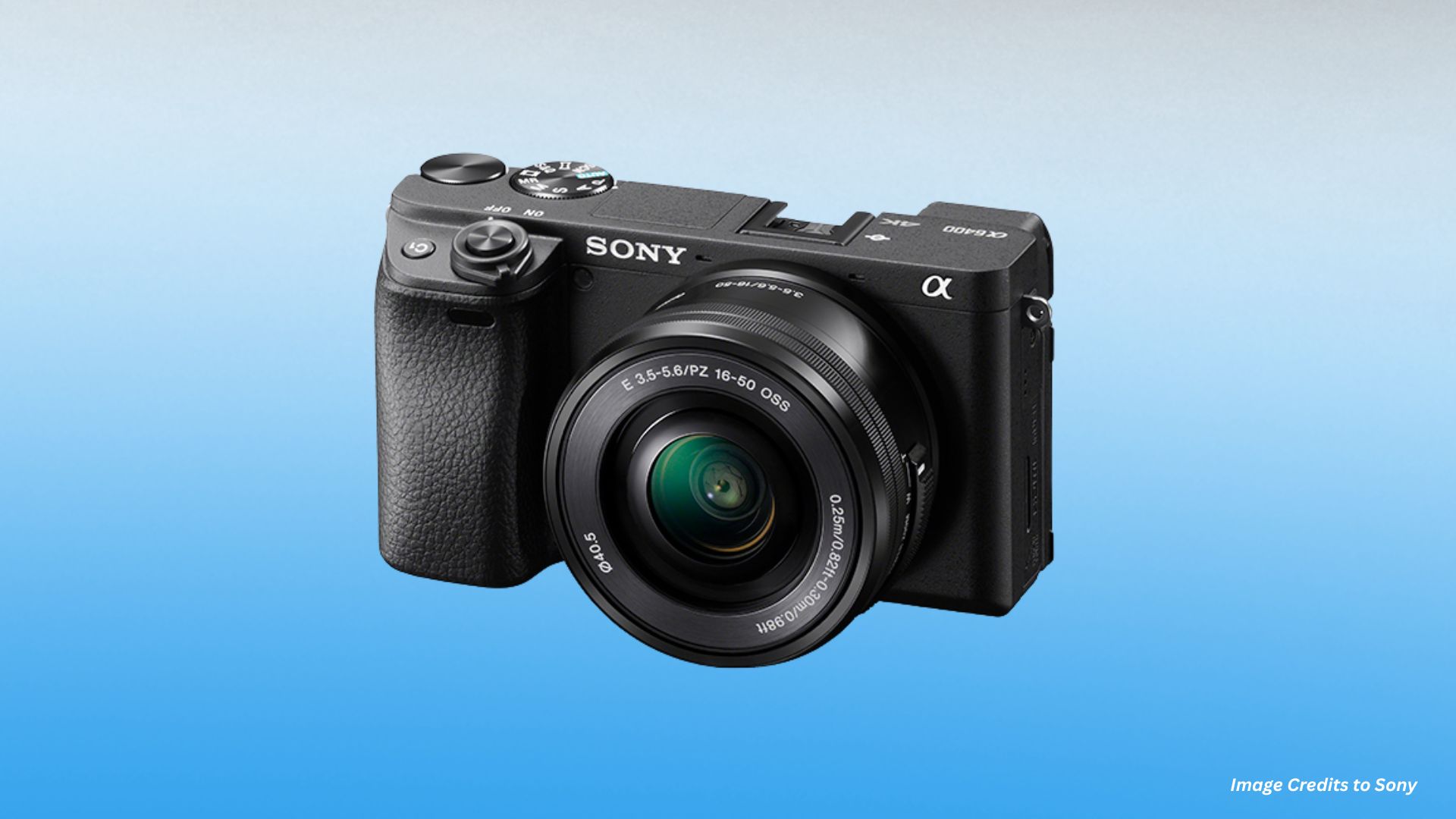
Key features for portrait photography:
- 24.2-megapixel APS-C sensor with excellent detail
- Real-time Eye AF that tracks subjects accurately
- 11fps continuous shooting for perfect timing
- 425 phase-detection AF points covering most of the frame
- Compact size perfect for travel and street photography
The α6400’s autofocus system can track moving subjects with remarkable accuracy. This makes it perfect for capturing natural expressions during active portrait sessions rather than formal posed shots.
Professional photographers often carry the α6400 as a backup to their full-frame cameras, but many find it capable enough to serve as their primary portrait camera.
10. Fujifilm X-T30 II: The JPEG Master
The Fujifilm X-T30 II takes a different approach to portrait photography. Instead of trying to capture the most technically perfect image, it focuses on creating beautiful, film-like colors straight out of the camera.
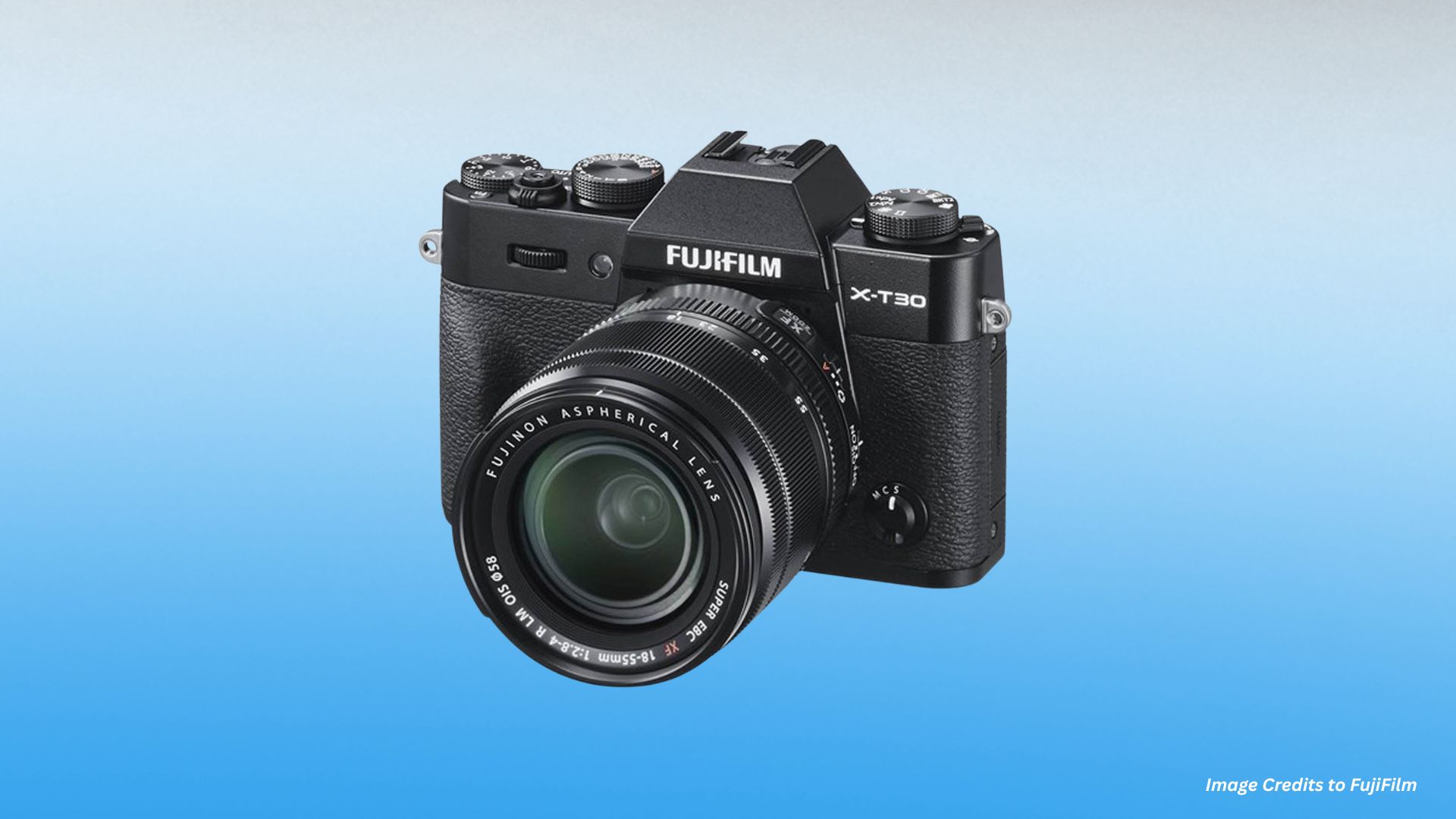
What sets the X-T30 II apart:
- 26.1-megapixel X-Trans sensor with unique color science
- Film simulation modes that replicate classic film stocks
- Excellent out-of-camera JPEGs that need minimal editing
- Retro controls that make photography feel more tactile
- Compact size that’s comfortable for long shooting sessions
Fujifilm’s film simulation modes give you different looks for portraits without needing to spend hours in post-processing. The Classic Chrome mode is particularly popular for portrait work because it gives skin tones a gentle, film-like quality.
The camera’s retro controls take some getting used to, but many photographers find them more intuitive than traditional mode dials once they adapt.
Budget-Friendly Options That Don’t Compromise Quality
Working with a tight budget doesn’t mean you can’t take great portraits. These cameras prove that good portrait photography is more about technique than expensive gear.
11. Canon EOS 2000D/Rebel T7: DSLR Reliability
For photographers working under $500, the Canon EOS 2000D offers solid DSLR reliability and excellent battery life. While it lacks the advanced features of mirrorless competitors, it gets the basics right.
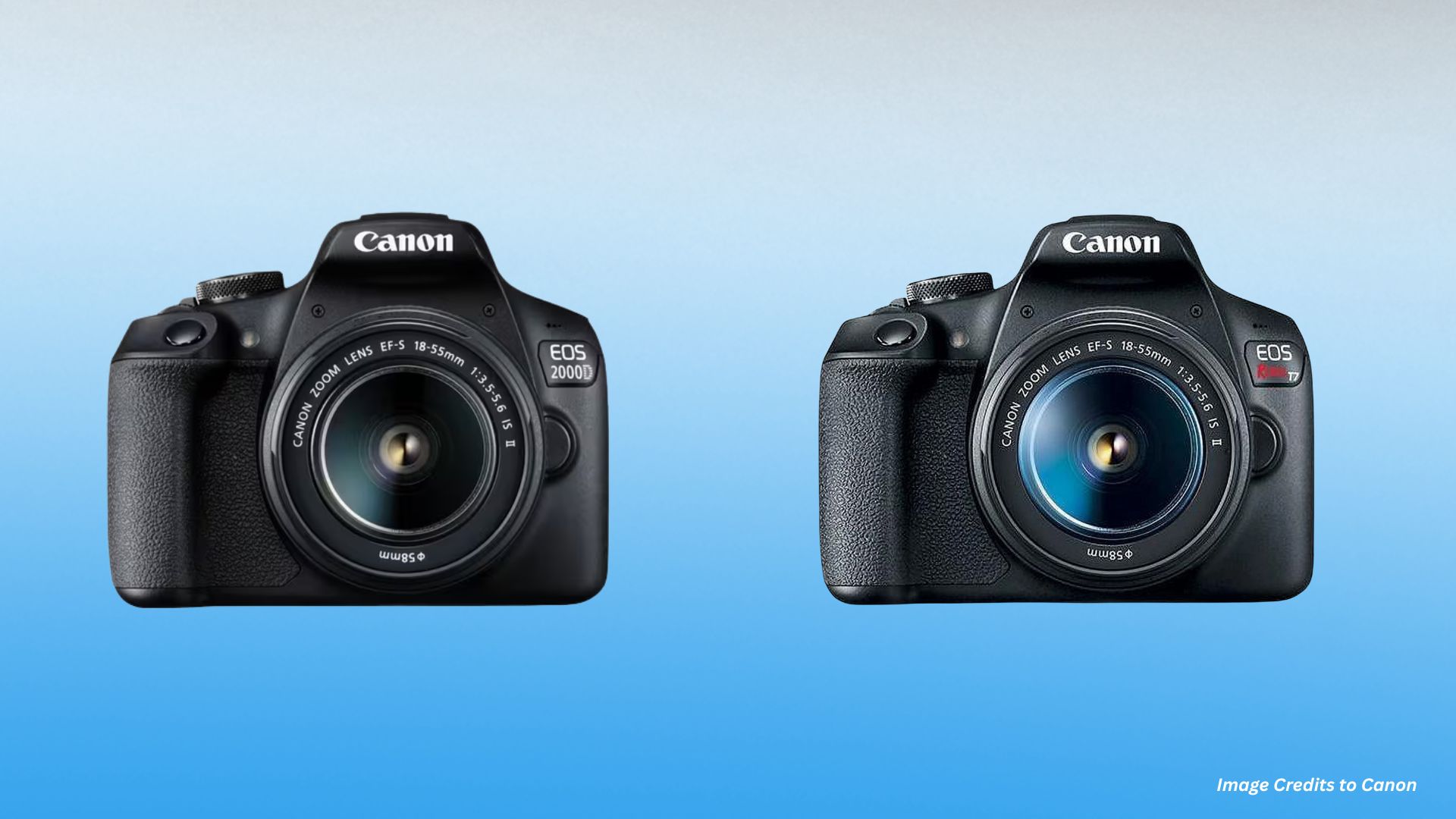
What the 2000D offers portrait photographers:
- 24.1-megapixel APS-C sensor with good image quality
- Optical viewfinder that works in any lighting without draining battery
- Canon’s reliable autofocus system that’s predictable and consistent
- Huge lens selection from decades of EF and EF-S lens development
- Excellent battery life for long shooting sessions
The optical viewfinder might seem old-fashioned, but it has advantages for portrait work. You see exactly what the lens sees without any electronic processing, and the battery lasts for thousands of shots instead of hundreds.
12. Olympus OM-D E-M10 Mark IV: Micro Four Thirds Excellence
Don’t dismiss Micro Four Thirds for portrait work. The Olympus E-M10 Mark IV proves that smaller sensors can produce excellent portrait results when paired with good lenses.
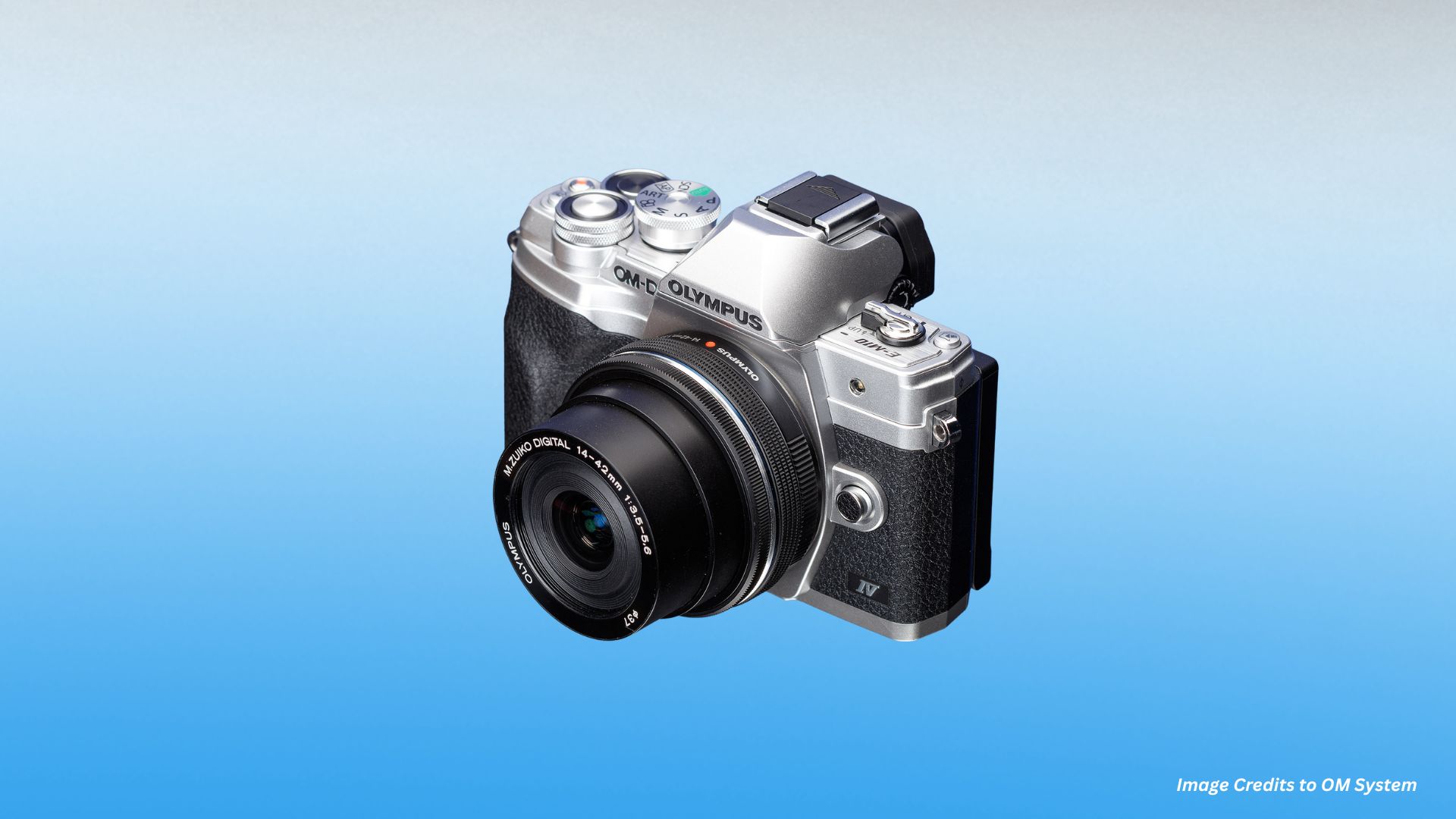
Why the E-M10 Mark IV works for portraits:
- 20.3-megapixel Micro Four Thirds sensor with good detail
- 5-axis in-body stabilization for sharp handheld shots
- Compact lens options that make the whole system portable
- Art filters and effects for creative portrait looks
- Flip-out touchscreen for easy low and high angle shots
The smaller sensor size means you can get the same depth of field with faster, smaller, cheaper lenses. A 45mm f/1.8 lens on Micro Four Thirds gives you the same look as a 90mm f/3.6 lens on full frame, but costs a fraction of the price.
Essential Features to Consider
When you’re comparing cameras for portrait work, focus on these features that actually make a difference in real-world shooting situations.
Autofocus Performance
Modern portrait cameras need excellent eye detection autofocus. This feature has become so important that it can make or break your success rate, especially when shooting with shallow depth of field.
Look for cameras that offer:
- Fast and accurate eye detection for both humans and animals
- Reliable tracking that maintains focus as subjects move
- Customizable AF settings for different shooting scenarios
- Good low-light autofocus performance for indoor work
The best systems work so reliably that you can focus on composition and timing instead of worrying about whether your subject’s eyes are sharp.
Different brands handle eye detection differently. Canon excels in video modes, Sony leads in still photography tracking, and Nikon offers the most customization options.
Dynamic Range and ISO Performance
Portrait photographers often work in challenging lighting conditions. Cameras with excellent dynamic range let you recover detail from shadows and highlights during editing.
What to look for:
- At least 12 stops of dynamic range for flexibility in post-processing
- Clean performance up to ISO 6400 for available light work
- Good shadow recovery without ugly noise or color shifts
- Consistent performance across the ISO range
Modern cameras handle high ISO much better than older models. Don’t be afraid to push ISO for proper exposure rather than trying to keep it artificially low.
Understanding your camera’s metering modes can help you achieve more consistent results, especially in challenging lighting situations.
Lens Ecosystem Considerations
Your camera choice affects your long-term lens investment more than any other factor. Consider the total cost of ownership including lenses when making your decision.
Think about:
- Native lens selection for your preferred focal lengths
- Third-party lens support for budget-friendly options
- Lens rental availability for specialized portrait work
- Future lens roadmap from the manufacturer
Sometimes a more expensive camera body actually costs less in the long run when paired with affordable, high-quality lenses.
Portrait Lens Recommendations by System
The lens you choose has a bigger impact on portrait quality than the camera body in most situations. Here are the best portrait lenses for each camera system.
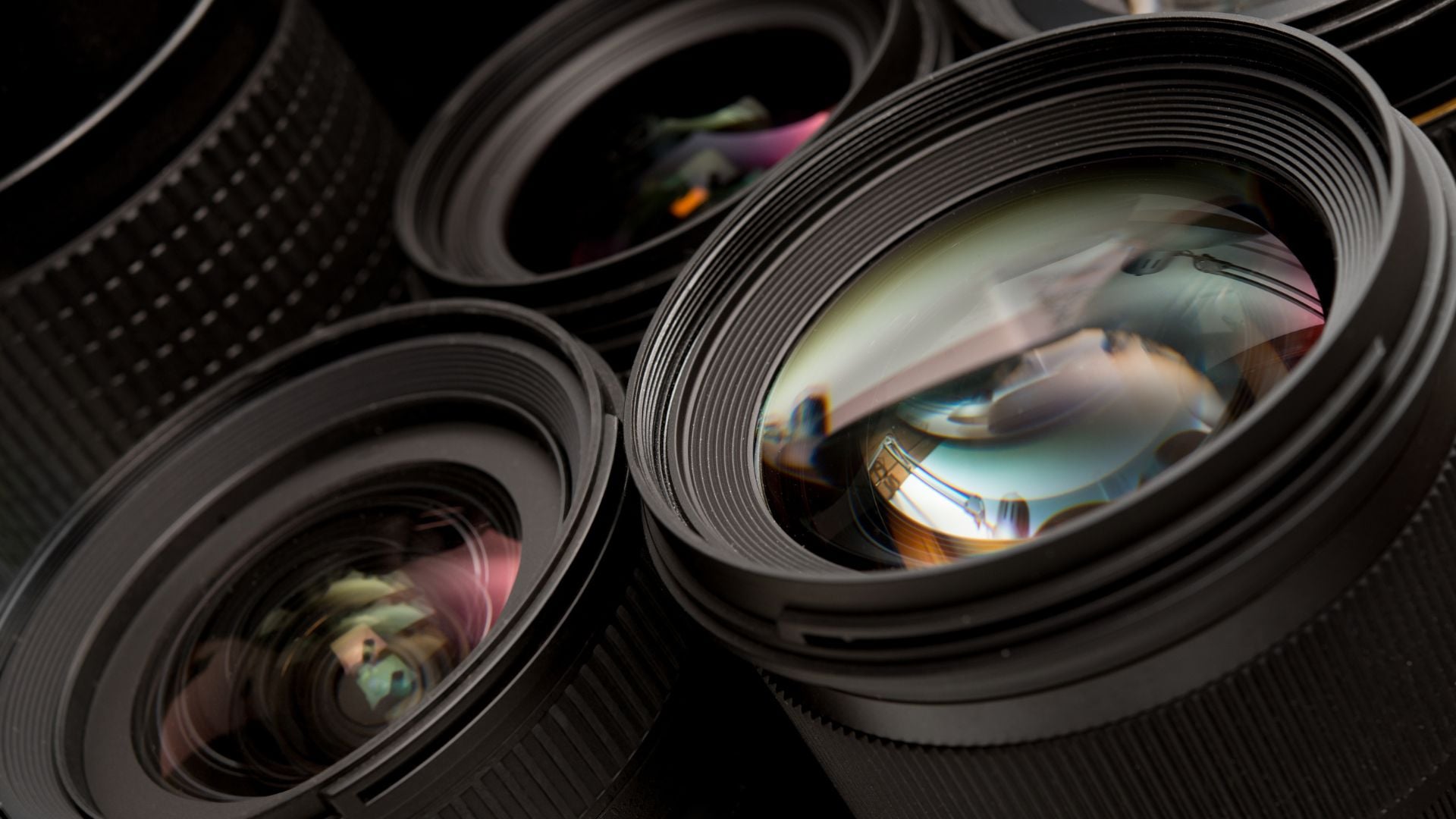
Canon RF Mount Lenses
Canon’s RF mount offers the most comprehensive selection of portrait lenses available today.
Top picks for portrait work:
- RF 85mm f/1.2L – The ultimate portrait lens with incredible bokeh
- RF 50mm f/1.8 STM – Affordable option perfect for beginners
- RF 24-70mm f/2.8L – Versatile zoom for environmental portraits
- RF 70-200mm f/2.8L – Classic telephoto zoom for compression effects
The 85mm f/1.2L offers exceptional shallow depth of field capabilities, though most professional portraits are shot between f/2.8-f/5.6 for optimal sharpness and subject separation. This lens excels when you need maximum background blur or are working in challenging lighting conditions. While expensive, it delivers professional results that justify the investment for serious portrait work. Understanding bokeh quality versus quantity can help you make better lens choices for your portrait work.
Sony E-Mount Options
Sony’s mature E-mount system offers excellent options from both Sony and third-party manufacturers.
Essential portrait lenses:
- FE 85mm f/1.4 GM – Professional-grade performance with fast autofocus
- FE 55mm f/1.8 ZA – Sharp and compact for environmental work
- Tamron 35-150mm f/2-2.8 – The most versatile portrait lens available
- FE 24-70mm f/2.8 GM – Standard zoom with excellent image quality
The Tamron 35-150mm f/2-2.8 might be the perfect portrait lens. It covers everything from environmental shots at 35mm to tight headshots at 150mm, all with a fast aperture.
Nikon Z-Mount Lenses
Nikon’s Z-mount system is newer but already includes some outstanding portrait options.
Best choices for portrait photography:
- NIKKOR Z 85mm f/1.8 S – Excellent performance at a reasonable price
- NIKKOR Z 50mm f/1.8 S – Sharp and lightweight for everyday use
- NIKKOR Z 24-70mm f/2.8 S – Professional standard zoom
- NIKKOR Z 70-200mm f/2.8 VR S – Telephoto zoom with excellent stabilization
The Z 85mm f/1.8 S punches well above its price point. It’s sharp wide open and creates beautiful bokeh that rivals much more expensive lenses.
Camera Settings for Portrait Photography
Getting great portraits isn’t just about having the right camera. You need to understand how to set it up for consistent success.
Aperture Priority Mode
Most portrait photographers work in aperture priority mode because it gives you direct control over depth of field while letting the camera handle shutter speed.
Start with these settings:
- f/4-f/5.6 minimum, with f/8 preferred to keep everyone sharp for small group (2-3 person) portraits to keep everyone sharp
- f/8-f/11 for large group to ensure front and back rows stay in focus for
- f/2.8-f/4 on 50mm lenses, f/4-f/5.6 on 85mm+ lenses for individual portraits with background separation
- f/5.6 to f/8 for sharp environmental portraits showing context
Remember that most lenses perform best when stopped down slightly from their maximum aperture. If you have an f/1.4 lens, try shooting at f/1.8 or f/2 for better sharpness.
Learning how to control depth of field effectively is one of the most important skills for portrait photographers.
ISO and Exposure Considerations
Proper exposure matters more than keeping ISO low. Modern cameras handle noise well, so don’t sacrifice exposure for minimal ISO.
Guidelines for portrait ISO:
- ISO 100-400 for outdoor portraits in good light
- ISO 800-1600 for indoor natural light portraits
- ISO 3200-6400 for low light and evening sessions
- ISO 12800+ only when necessary for proper exposure
Use your camera’s exposure compensation to fine-tune exposure without switching to manual mode. Plus or minus 1/3 stop adjustments can perfect your skin tone rendering. Learning flash basics will dramatically improve your portrait results and give you consistent lighting regardless of available light conditions.
Start with a basic speedlight to master fundamental lighting techniques, this skill development will have more impact on your portrait quality than any camera upgrade. Understanding exposure compensation can help you get better results when your camera’s meter struggles with challenging lighting conditions.
White Balance for Skin Tones
Getting natural skin tones starts with accurate white balance. This is one area where you don’t want to rely on auto settings.
Best practices for white balance:
- Custom white balance using a gray card for most accurate results
- Daylight preset for outdoor portraits in sun
- Shade preset for open shade or overcast conditions
- Avoid auto white balance in mixed lighting situations
Mixed lighting situations like windows with indoor lights create white balance challenges. Consider using flash to balance different light sources rather than trying to fix it in post-processing.
For precise exposure control, some photographers prefer using handheld light meters for critical portrait work, especially in studio environments.
Professional Tips for Camera Selection
These insights from working portrait photographers can help you make the right choice for your specific needs and shooting style.
Match Your Camera to Your Style
Different types of portrait photography have different requirements. Think about how you’ll primarily use your camera before making a decision.
Consider your main portrait work:
- Studio photographers need high resolution and excellent color accuracy
- Wedding photographers prioritize reliability and low-light performance
- Street portrait photographers want compact size and silent shooting
- Family photographers need good autofocus and ease of use
Professional portrait photographers often choose cameras based on the complete system ecosystem rather than individual body specifications. The lenses, flashes, and accessories matter as much as the camera.
Understanding how different camera settings work together is crucial for portrait success. The relationship between aperture, ISO, and shutter speed forms the foundation of good portrait technique, regardless of which camera you choose. Portrait photography has evolved significantly since its invention, but the fundamental goal of capturing human essence remains unchanged.
Budget for the Complete System
A camera body is just the starting point. Factor in all the additional costs when planning your purchase.
Essential additional costs:
- Portrait lenses (budget at least as much as the camera body)
- Memory cards (buy fast, reliable cards from reputable brands)
- Extra batteries (mirrorless cameras use more power than DSLRs)
- Camera bag or case for protection during transport
- Basic accessories like lens filters and cleaning supplies
Many photographers recommend spending at least as much on lenses as you do on the camera body. Good glass will outlast several camera upgrades and has a bigger impact on image quality.
Consider Future Upgrades
Photography is a journey of continuous learning and equipment evolution. Choose a camera system that can grow with your developing skills and changing needs.
Things to consider for future updates:
- Lens compatibility between different camera bodies in the system
- Professional upgrade path if you decide to pursue photography seriously
- Resale value and market demand for your chosen system
- Manufacturer commitment to continued development
Camera systems with strong professional bodies provide clear upgrade paths as your needs evolve. Starting with a system that has nowhere to go can be frustrating as your skills outgrow your equipment.
Common Portrait Photography Mistakes to Avoid
Learning from other photographers’ mistakes can save you time, money, and frustration. Here are the most common errors new portrait photographers make.
Focusing Only on Megapixels
More megapixels don’t automatically create better portraits. A 24-megapixel camera with excellent color science often produces more pleasing results than a 60-megapixel camera with poor skin tone reproduction.
What actually matters more:
- Color accuracy and skin tone reproduction
- Dynamic range for shadow and highlight detail
- Low-light performance for available light work
- Autofocus accuracy and speed
Focus on cameras that handle the fundamentals well rather than chasing specification numbers that sound impressive but don’t improve your actual results.
Ignoring Ergonomics and Handling
You’ll be holding your camera for hours during portrait sessions. Cameras with poor ergonomics cause fatigue and make it harder to concentrate on your subjects and creativity.
Pay attention to:
- Grip size and comfort for your hand size
- Button and dial placement for intuitive operation
- Weight balance with your preferred lenses
- Menu system organization and ease of use
Test cameras in person when possible. What feels comfortable in a store for five minutes might become uncomfortable during a two-hour portrait session with clients.
Overlooking the Lens Ecosystem
The lens has a bigger impact on portrait quality than the camera body in most situations. A high-quality 85mm lens on a modest camera often produces better portraits than an expensive camera with a mediocre lens.
Research the lens options:
- Native lens selection for portrait focal lengths
- Third-party lens availability for budget-friendly options
- Used lens market for affordable professional glass
- Future lens releases planned by the manufacturer
Some camera systems have excellent bodies but limited lens choices. Others offer modest bodies but incredible lens selections. Consider the complete system rather than just the camera specifications.
Learning proper posing techniques and understanding natural light are often more important than having the most expensive camera body. Professional portrait photographers also emphasize the importance of mastering studio lighting setups and outdoor lighting techniques for consistent results.
The Future of Portrait Cameras
Camera technology continues advancing at a rapid pace, with new features that make portrait photography easier and more creative than ever before.
Artificial Intelligence and Autofocus
AI is revolutionizing how cameras recognize and track subjects. Modern systems can identify not just faces and eyes, but also understand pose and predict movement.
Emerging AI features:
- Advanced subject recognition that works in challenging conditions
- Predictive autofocus that anticipates where subjects will move
- Automatic composition suggestions for better portraits
- Smart exposure that optimizes for skin tones automatically
These features are trickling down from flagship cameras to more affordable models, making professional-quality autofocus accessible to beginners.
Computational Photography
Smartphones have pioneered computational photography techniques that are now appearing in dedicated cameras. These features can improve portraits in ways that weren’t possible with traditional photography.
New computational features:
- Multi-shot noise reduction for cleaner high-ISO images
- Focus stacking for extended depth of field when needed
- HDR portrait modes that balance flash and ambient light
- Background replacement and bokeh simulation
While purists might resist these features, they can help photographers achieve results that would otherwise require extensive post-processing skills.
Eye Control and Gesture Recognition
Canon’s Eye Control AF is just the beginning. Future cameras may respond to gestures, voice commands, and other intuitive control methods.
These technologies could transform portrait photography by making camera operation more natural and less intrusive during intimate portrait sessions.
Making Your Final Decision
The best camera for portrait photography is the one that fits your specific needs, budget, and shooting style. Don’t get caught up in internet debates about which brand is “best” because they all make excellent cameras today.
For professionals who need maximum reliability and image quality, the Sony α7 IV, Canon R5 Mark II, or Nikon Z7 II represent excellent investments. These cameras will handle any portrait situation you encounter and provide room for growth as your skills develop.
Enthusiast photographers will find exceptional value in mid-range options like the Canon R6 Mark II or Nikon Z8. These cameras offer most of the performance of their flagship siblings at more reasonable prices.
Beginners should seriously consider the Canon R10, Nikon Z50, or Sony α6400 for their combination of capability and affordability. These cameras provide professional-quality results while offering room to grow without overwhelming new photographers with unnecessary complexity.
Remember that great portrait photography comes from understanding light, connecting with your subjects, and mastering basic technique. The camera is just a tool that captures your vision. Any of the cameras recommended in this guide will serve you well if you focus on developing your skills and creating compelling portraits.
The most important decision is choosing a camera that you’ll actually want to use. Pick something that feels good in your hands, fits your budget comfortably, and inspires you to get out and practice. With consistent practice and the right approach, you’ll be creating stunning portraits regardless of which camera you choose.
Whether you’re documenting your family’s milestones, building a portrait photography business, or exploring creative self-expression, the right camera will become an extension of your artistic vision. Choose thoughtfully, practice regularly, and let your creativity shine through the timeless art of portrait photography.
See more from DIYPhotography.net on Google
Add DIYPhotography.net as a trusted source. This makes
our stories more likely to appear in your Google Search results.
 Add as a preferred source on Google

Darlene Lleno
Darlene Lleno brings a unique perspective to DIY Photography as someone who grew up surrounded by camera gear but chose words over lenses. With five years of writing experience, she specializes in photography content that’s both technically informed and genuinely passionate. Growing up with a photographer twin brother meant camera talk was everyday conversation in her household. While he mastered capturing moments, Darlene discovered she preferred being the subject and the storyteller behind the scenes. As a travel enthusiast and mother of two, she understands the importance of preserving life’s precious moments. When not exploring new destinations or writing for DIY Photography, you’ll find her reading or tending to her garden. Her approach to photography writing is refreshingly authentic, she may not be behind the camera, but she knows exactly what it takes to help others capture the shots that matter most.
Related Posts
 The Definitive Street Photography Guide: Camera Settings, Tips & Techniques
 Color Theory in Photography: Definitive Guide in Using Color Wheels to Create Stunning Images
 The definitive guide to not messing up your solar eclipse timelapse
 The definitive guide to focal length, perspective, and why “zooming with your feet” is nonsense
Join the Discussion
DIYP Comment Policy
Be nice, be on-topic, no personal information or flames.