






















Biologist Photographs 30 Bats to Show How Magnificent They Really Are
Nov 11, 2025
Darlene Lleno
Darlene Lleno brings a unique perspective to DIY Photography as someone who grew up surrounded by camera gear but chose words over lenses. With five years of writing experience, she specializes in photography content that’s both technically informed and genuinely passionate. Growing up with a photographer twin brother meant camera talk was everyday conversation in her household. While he mastered capturing moments, Darlene discovered she preferred being the subject and the storyteller behind the scenes. As a travel enthusiast and mother of two, she understands the importance of preserving life’s precious moments. When not exploring new destinations or writing for DIY Photography, you’ll find her reading or tending to her garden. Her approach to photography writing is refreshingly authentic, she may not be behind the camera, but she knows exactly what it takes to help others capture the shots that matter most.
Share:

Wildlife bat photography captures the hidden beauty of one of nature’s most misunderstood creatures. Nicaraguan biologist José G. Martínez-Fonseca has spent years documenting bats in stunning detail. His work reveals their expressive faces, delicate fur, and incredible variety through the lens.
Most people think bats are scary. Movies and folklore paint them as creepy creatures of the night. But José’s camera tells a completely different story. His close-up portraits show personality, intelligence, and even cuteness in species most of us never get to see up close.
The Scientist Behind the Wildlife Bat Photography
José works as a postdoctoral researcher at Northern Arizona University. He studies how wildlife responds to environmental change. His field research takes him directly into bat habitats across Central America.
Photographing bats in the wild started as scientific documentation. But it quickly became something more. José discovered that his bat photography could change minds and save lives. Each portrait serves a dual purpose. It advances scientific knowledge while challenging public perception.
His work spans Nicaragua’s diverse ecosystems. The country now has 116 documented bat species. That’s one of the highest concentrations per unit area worldwide. José’s team contributed significantly to this discovery through years of dedicated fieldwork.

Why Wildlife Bat Photography Matters for Conservation
Bats face serious threats globally. Habitat loss, climate change, and human fear put many species at risk. Conservation photography plays a vital role in protection efforts.
José runs workshops in Nicaragua training young biologists. Last year, 15 students learned bat handling and detection techniques. His team also works with local communities. They highlight the ecological value bats provide to ecosystems.
These flying mammals pollinate plants, disperse seeds, and control insect populations. A single bat can eat hundreds of insects nightly. They’re essential for healthy ecosystems and agriculture. But fear often overrides facts.
Wildlife bat photography bridges that gap. Stunning images create emotional connections. People protect what they appreciate. José’s portraits transform fear into fascination.

The Technical Challenge of Photographing Bats
Capturing bat photography requires specialized skills. These nocturnal animals move incredibly fast. They navigate using echolocation in complete darkness. Traditional photography techniques simply don’t work.
José handles many bats directly during his research. He collects data and photographs simultaneously. Each species presents unique challenges. Some bats are curious and cooperative. Others remain skittish despite gentle handling.
Free-tailed bats often appear to smile in photos. Their facial structure creates this cheerful expression naturally. Other species have elaborate nose leaves or enormous ears. These features serve important echolocation functions. Macro photography reveals tiny details invisible to the naked eye. Fur texture, wing membrane structure, and facial features become art. Each portrait showcases biodiversity most people never witness.

The Diversity Captured Through the Lens
Over 1,500 bat species exist worldwide. José has photographed 30 different species so far. Each one looks distinctly different from the others. Some sport golden fur. Others display striking black and white patterns.
The Northern Ghost Bat looks like a cotton ball with wings. Flying foxes grow large enough to have three-meter wingspans. Lesser short-nosed fruit bats build leaf tents for shelter. This variety astounds even experienced wildlife photographers.
Some bats have enormous ears relative to body size. Others feature elaborate nose structures resembling leaves or tubes. These adaptations help them hunt specific prey types. Form follows function in the most beautiful ways.
Yellow-shouldered bats appear perpetually happy. Horseshoe bats display intricate facial folds. Sword-nosed bats look almost alien. Each species tells an evolutionary story through its appearance.

Nicaragua’s Bat Conservation Work
Nicaragua faces unique conservation challenges. Resources remain limited compared to developed nations. Documentation of biodiversity continues despite these obstacles. José feels a personal duty to contribute.
His team maintains camera traps across the country. These devices document movement and behavior patterns. They’ve discovered bats in previously unrecorded locations. This data proves essential for protection strategies.
The research extends beyond just species counts. Scientists study diet, movement patterns, and roosting preferences. This information helps develop targeted conservation plans. You can’t protect what you don’t understand.
Community outreach forms a critical component. José’s team dispels myths during presentations. They explain how bats benefit local agriculture and ecosystems. Education changes attitudes more effectively than legislation alone.

Bat Photography and Research
José still has a dream bat to photograph. The Visor Bat from South America tops his list. This alien-looking species fascinates him. Over 1,500 species means endless photographic opportunities remain.
Each field season brings new discoveries. New behaviors, previously unknown roosting sites, and undocumented species await. Wildlife photography continues evolving alongside scientific research.
The intersection of art and science produces powerful results. Beautiful images in scientific publications reach wider audiences. Museums and educational exhibits use José’s work globally. Children’s books feature his bat portraits.
Technology improvements help too. Better cameras, faster lenses, and improved flash systems expand possibilities. But the core mission remains unchanged. Show people the real bats, not Hollywood’s version.
Gallery: Stunning Wildlife Bat Photography Portraits by José G. Martínez-Fonseca


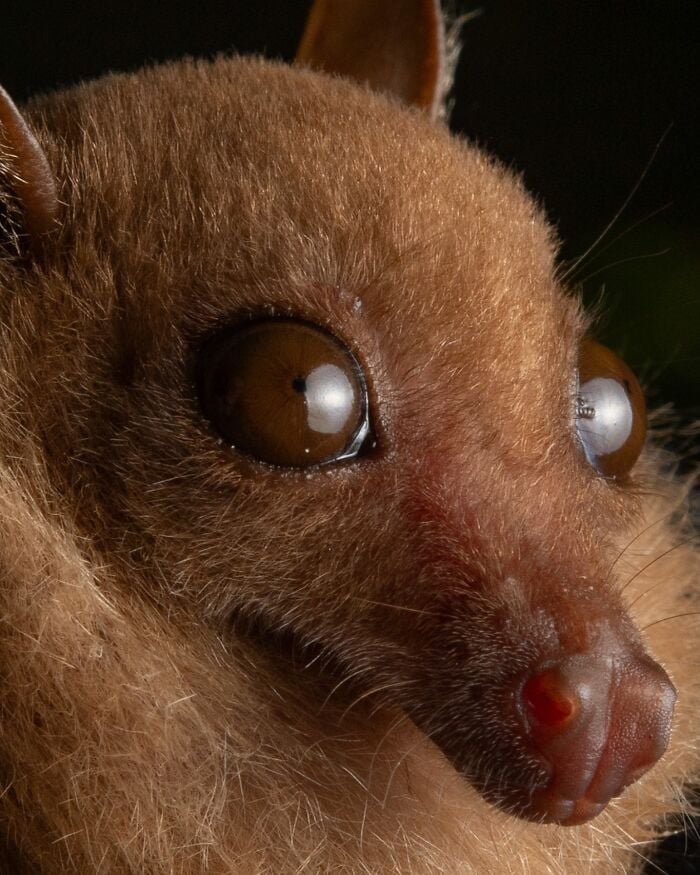


José G. Martínez-Fonseca’s wildlife bat photography proves that perception can change. One stunning portrait at a time, these images reveal truth. Bats aren’t monsters or pests. They’re vital, intelligent, beautiful creatures deserving our protection and appreciation.
See more from DIYPhotography.net on Google
Add DIYPhotography.net as a trusted source. This makes
our stories more likely to appear in your Google Search results.
 Add as a preferred source on Google

Darlene Lleno
Darlene Lleno brings a unique perspective to DIY Photography as someone who grew up surrounded by camera gear but chose words over lenses. With five years of writing experience, she specializes in photography content that’s both technically informed and genuinely passionate. Growing up with a photographer twin brother meant camera talk was everyday conversation in her household. While he mastered capturing moments, Darlene discovered she preferred being the subject and the storyteller behind the scenes. As a travel enthusiast and mother of two, she understands the importance of preserving life’s precious moments. When not exploring new destinations or writing for DIY Photography, you’ll find her reading or tending to her garden. Her approach to photography writing is refreshingly authentic, she may not be behind the camera, but she knows exactly what it takes to help others capture the shots that matter most.
Related Posts
 Photographer Hopes To Draw Attention To Global Warming With Magnificent Polar Photos
 Photographer takes magnificent photos of great white shark 12 feet in the air
 Audubon Photography Awards 2024 opens with magnificent photos of birds in their surroundings
 Photographer captures magnificent photos of abandoned concrete monuments around ex-Yugoslavia
Join the Discussion
DIYP Comment Policy
Be nice, be on-topic, no personal information or flames.