



















This Simple Lighting Tip Will Make Your Photos and Videos Look Cinematic
Nov 11, 2025
Alex Baker
Alex Baker is a portrait and lifestyle driven photographer based in Valencia, Spain. She works on a range of projects from commercial to fine art and has had work featured in publications such as The Daily Mail, Conde Nast Traveller and El Mundo, and has exhibited work across Europe
Share:
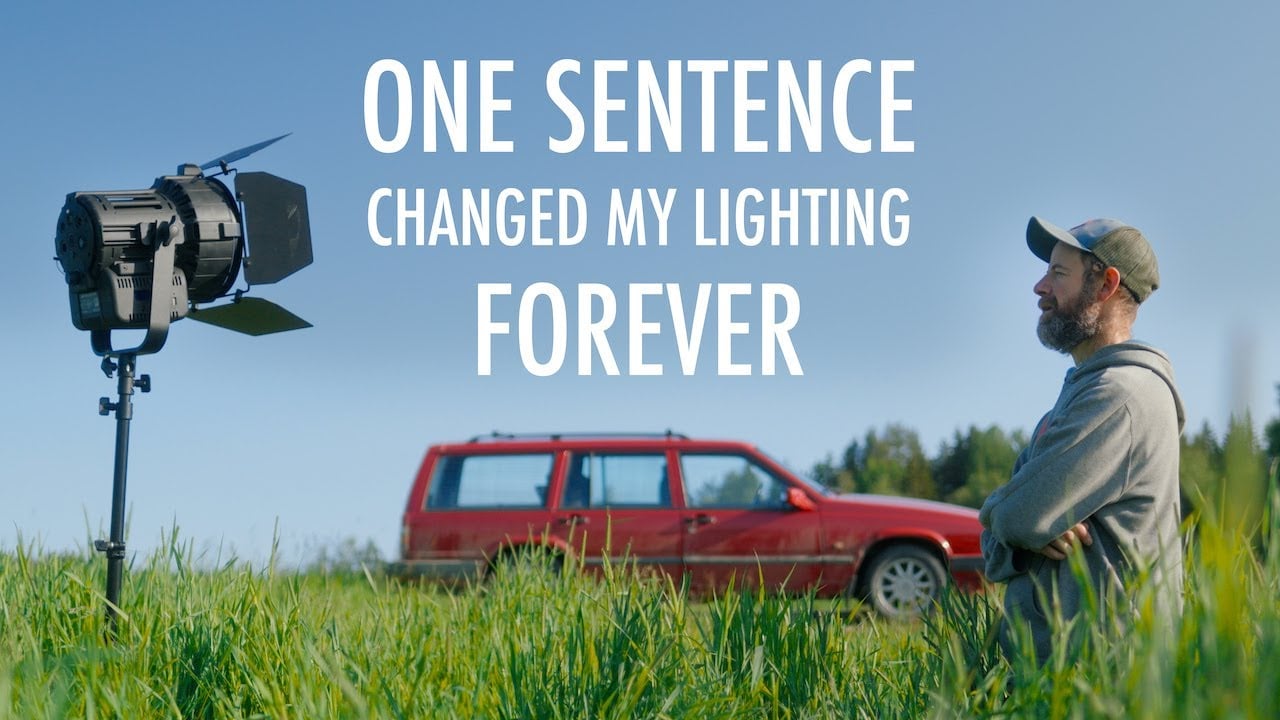
Lighting is what separates a flat, forgettable image from one that feels alive. You can have the best camera in the world, but if the light isn’t right, your shot will fall short. Luckily, great lighting can be learnt, it’s not about luck but about planning and pre-visualising what you want.
In this video, cinematographer Woody James talks about how a gaffer on set once told him a simple tip that literally changed his entire approach to lighting. It’s specifically for film, however, it would work just as well for most types of photography if you want to create that cinematic look that everyone loves.
Plan for the Sun Before You Shoot
Before heading to a location, it helps to know exactly what the light is going to do. That’s where planning apps come in. Tools like Sun Position, Sun Scout, and Lumos show when and where the sun will rise, set, and move throughout the day. Other apps like Photo Pills or Photographer’s Ephemeris also have this feature.
If you’re shooting in a city street, for instance, you can check when sunlight will hit between buildings or when it’ll dip behind a rooftop. A little preparation means you’re not stuck filming in harsh midday light or shadows that don’t flatter your subject.
Planning apps can even forecast future lighting conditions, which is perfect if you’re organising a shoot weeks or months in advance. Once you start using them, it’s hard to imagine working without them.
Work With What’s There
When shooting indoors, the same principles apply. Natural window light can be just as cinematic as a studio setup if you use it intentionally.
Before the shoot, check which direction the windows face and what times of day light streams through. Morning sun might create soft, warm tones; afternoon light could add stronger contrast. Instead of fighting it, use the light that’s available to your advantage. You can’t move the sun, so move your subject instead.
If the light’s too harsh, soften it with sheer fabric or tracing paper. If it’s too flat, block parts of it off to create more shape and contrast. Every adjustment changes the story your image tells.
When Natural Light Isn’t Enough
Sometimes you can’t rely on daylight. Maybe the weather’s overcast, or you’re filming late into the evening. That’s when artificial lights earn their keep. A daylight-balanced LED is a great all-round option. It mimics natural sunlight and blends well with window light if you’re mixing sources.
You don’t need expensive gear, either; what matters most is how you position it. Try placing your light outside a window or just out of frame, so it looks like sunlight streaming in. Removing barn doors can soften the beam, and slightly overexposing your background can give the scene that airy, natural glow.
Think About Direction and Depth
The direction of your light defines the mood of your image. Front light tends to flatten your subject, while side or backlight adds dimension and drama. Before hitting record or the shutter, take a few minutes to walk around your scene. Notice how light falls from different angles. A simple change in direction can make skin tones softer, textures pop, or shapes more defined.
Even with artificial setups, try experimenting. Move your key light to the side, raise it slightly, or tilt it down. Watch what happens to the shadows and highlights. Lighting is as much about observation as it is about control.
The Rule That Changes Everything
All the apps, lights, and gear in the world won’t matter if the fundamental direction is wrong. Here’s the one rule that professional gaffers swear by that completely changed Woody’s approach. It’s simple, but it will instantly improve your lighting forever:
“Don’t let the big light get behind you.”
In other words, avoid positioning your main light source, whether that’s the sun, a window, or your key light, directly behind the camera. When light comes from the same direction as your lens, your image will look flat and lifeless. Shadows disappear, and everything loses shape.
Instead, aim for light that comes from the side or slightly behind your subject. That’s where depth, texture, and cinematic mood live. It’s how you create an image that feels three-dimensional. Watch the whole video below:
See more from DIYPhotography.net on Google
Add DIYPhotography.net as a trusted source. This makes
our stories more likely to appear in your Google Search results.
 Add as a preferred source on Google

Alex Baker
Alex Baker is a portrait and lifestyle driven photographer based in Valencia, Spain. She works on a range of projects from commercial to fine art and has had work featured in publications such as The Daily Mail, Conde Nast Traveller and El Mundo, and has exhibited work across Europe




Join the Discussion
DIYP Comment Policy
Be nice, be on-topic, no personal information or flames.