
















Here’s What Happens When You Shoot with Film from the 1940s
Oct 10, 2025
Alysa Gavilan
Alysa Gavilan has spent years exploring photography through photojournalism and street scenes. She enjoys working with both film and mirrorless cameras, and her fascination with the craft has grown over the decades. Inspired by Vivian Maier, she is drawn to capturing everyday moments that often go unnoticed.
Share:
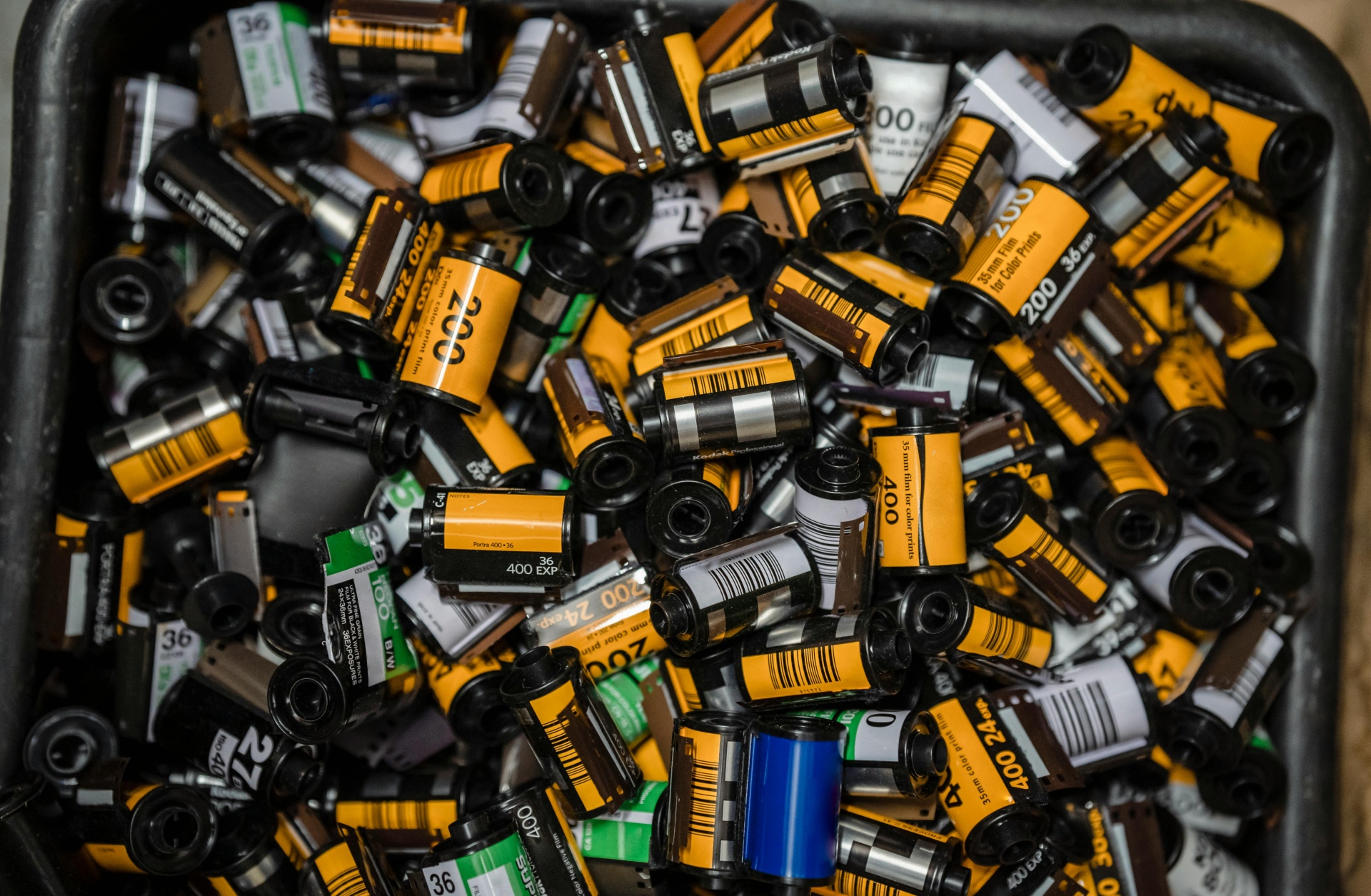
Sometimes we just really forget we have expired film. It happens when you clean out a drawer or open an old camera bag and find a roll that’s been sitting there for years, quietly aging away. You turn it over in your hand, squint at the faded expiration date, and wonder if it’s still worth shooting with your camera. That moment of curiosity, that simple what-if, has inspired countless photographers to take a chance on film that technically shouldn’t work anymore.
And that’s exactly what Mathieu Stern did when he decided to load rolls that were nearly 80 years old into his camera to see what would happen. He loaded ancient black-and-white and color film stocks into a Canon F-1 and went out to see what kind of images, if any, could still be captured after so much time.
When the results came back from the lab, the first reaction was disappointment. The color films returned completely blank. The black-and-white rolls, dating back to the 1940s, looked fogged and featureless at first glance. But instead of giving up, Stern decided to rescan the negatives himself using a macro setup.
That’s when faint, ghostly shapes began to appear. They were not sharp or vibrant, but they carried a mysterious beauty. You could make out vague outlines, textures, and fragments of scenes that had survived decades of heat, humidity, and slow chemical decay. The images, though imperfect, remind you that film is a living material.
Why Use Expired Film
At first, it might seem pointless to shoot with old, unreliable film when modern stocks are easy to find and deliver flawless results. But if you’ve ever held a dusty roll from another era, you’ll understand why people still do it.
There’s a certain thrill that comes with loading expired film into your camera. It feels like rolling the dice, but the outcome will always be one of a kind.
The Mystery Factor
Shooting expired film is like opening a sealed envelope from the past. You never really know what you’ll get until the negatives are developed. Some rolls might surprise you with rich tones and unexpected color shifts, while others may produce nothing but fog. But that uncertainty is part of the magic.
You become more present in the process and more curious about what light is doing to your frame. Every photo feels like an experiment, and when something turns out beautifully by chance, the satisfaction is unmatched.
Unique Aesthetics
One of the main reasons photographers love expired film is the look. It’s imperfect, textured, and full of personality.
Modern film stocks aim for precision and clean tones, but expired film goes in the opposite direction. It can give your photos faded contrasts, unexpected warm or cool shifts, and even strange halos that feel dreamlike.
You might not be able to predict the results, but you’ll often end up with images that feel nostalgic and raw. If you’ve ever wanted your photos to look as though they were discovered in a forgotten shoebox, expired film will take you there.
Budget and Availability
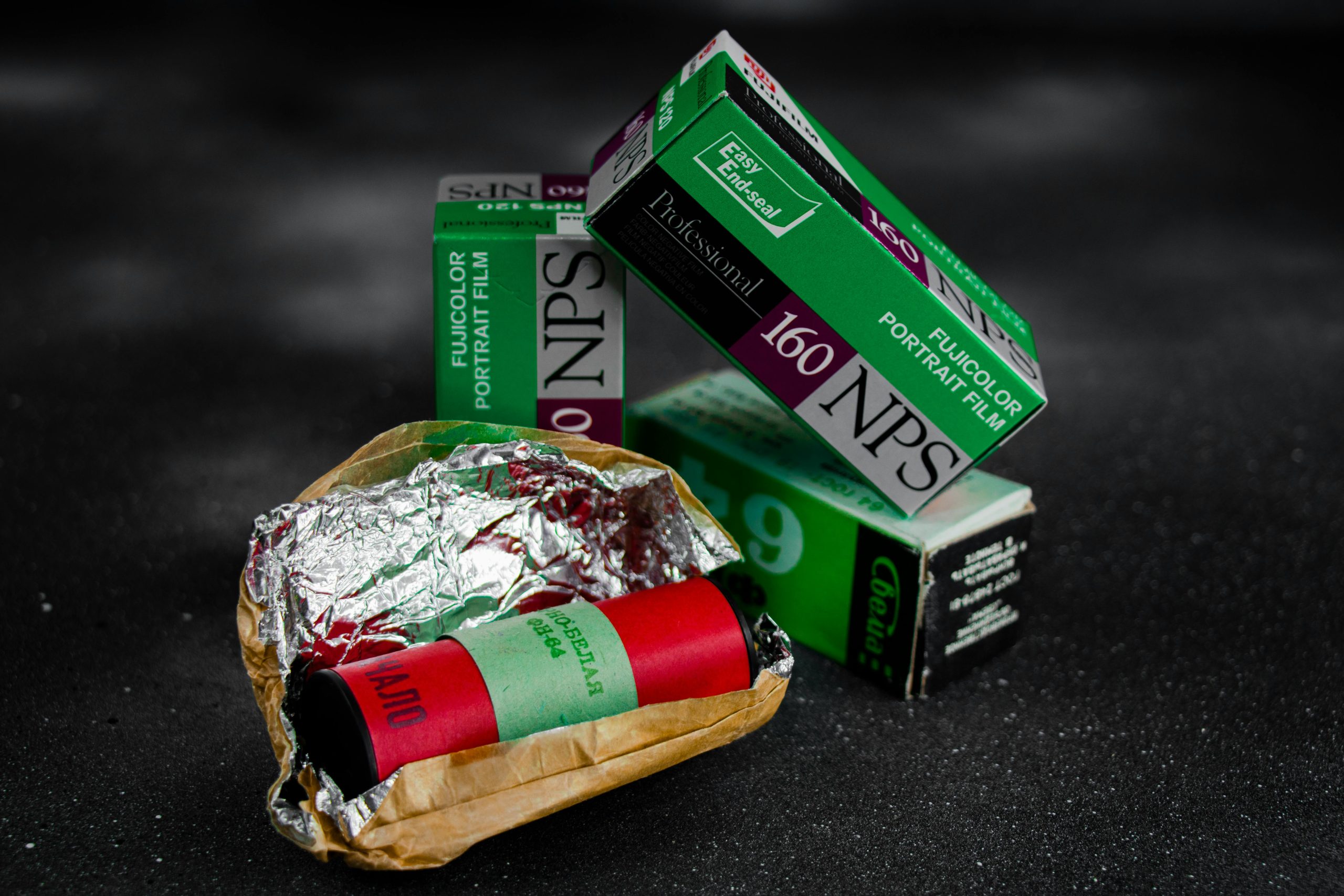
Shooting film isn’t cheap anymore, but expired stock can be a more affordable entry point.
You can sometimes find film rolls at flea markets, online auctions, or tucked away in family closets. They might cost a fraction of new film, and that makes experimenting easier on your wallet. You haven’t lost much even if the results don’t turn out perfectly. Instead, you’ve gained experience and maybe even a few hauntingly beautiful surprises.
It’s also rewarding to think that you’re giving new life to materials that might otherwise be thrown away.
Historical and Emotional Curiosity
Some photographers use expired film to explore history through materials that have literally aged with time.
There’s something poetic about capturing modern scenes on film that was manufactured before you were born. The grain, the fog, and the flaws become reminders of the decades that have passed.
It’s about connecting with a moment that stretches across generations. Every frame becomes part of a larger story, one that links the past to the present through the act of creation.
A Rebellion Against Perfection
Expired film offers you the chance to embrace imperfection in a digital world where every image can be edited to flawless precision. It’s messy, unpredictable, and human.
You can’t fix everything in post-production or rely on sensors to smooth out details. Instead, you’re left with the raw truth of what your camera saw. Each blemish, grain, and discoloration becomes part of your art. Shooting expired film teaches you to appreciate accidents and to value the character that comes from things not going according to plan.
Tips for Shooting Expired Film
A few mindful steps can help you get the best possible results while keeping the process enjoyable if you decide to try your luck with expired film rolls.
Store Expired Films in Cold and Dry Place
Expired film is fragile, and time isn’t kind to it. Heat and humidity accelerate the breakdown of the emulsion, leaving you with fogged images or no images at all.
To slow that process, keep your film in a refrigerator or freezer until you’re ready to shoot. When you take it out, let it warm up gradually to room temperature before loading it into your camera. This prevents condensation from forming, which could ruin the film before you even start shooting.
Rate It Lower
Film loses sensitivity to light as it ages. To compensate, you need to rate it at a lower ISO than what’s printed on the box.
For example, if your film says ISO 400, try exposing it as if it were ISO 200 or even 100. This gives more light to the film, helping you capture stronger images.
Think of it as coaxing life out of tired chemistry. It might take a few tries before you find the sweet spot, but the learning process itself is deeply satisfying. Every roll you shoot will teach you something new about patience and adaptation.
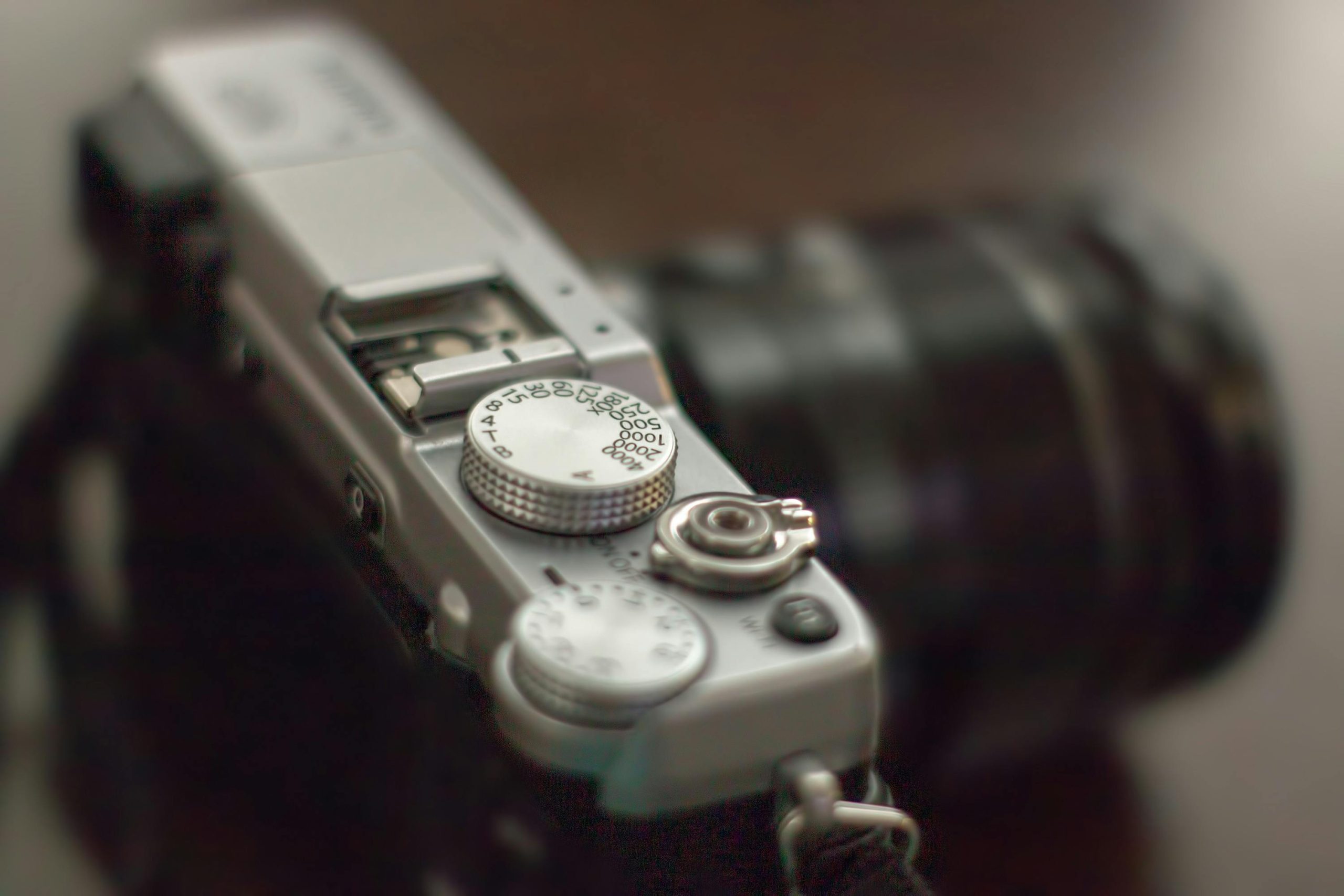
Meter Generously
When you’re unsure how the film will behave, it’s always safer to give it more light rather than less. Underexposed film tends to look muddy and lifeless, while a slightly overexposed shot often retains beautiful tones.
Use your light meter, but trust your instincts too. If the light looks soft or fading, open up your aperture a bit. There’s something rewarding about relying on your intuition, especially when the film’s age makes the technical side uncertain.
Develop with Care
Go gently when it’s time to develop the expired film. Strong developers and vigorous agitation can exaggerate fog and grain. If you develop at home, take your time and avoid rushing the process. Let the film soak slowly, and remember that every decision affects what little image information remains.
Watching the negatives emerge from the tank can be an emotional experience. Even if they’re imperfect, you’ve brought something back to life that many would have assumed was gone forever.

Scan and Rescue the Details
Don’t lose hope if your negatives look blank. Scan them at a high resolution or photograph them with a macro setup and bright, even lighting.
Use editing software to lift shadows and recover contrast. You might find faint shapes or hidden details that weren’t visible before.
That rediscovery can feel like uncovering forgotten memories. It’s proof that film, even after decades, still holds secrets waiting for you to reveal them.
Accept the Outcome
Perhaps the most important advice is to accept whatever you get. Some rolls will come back completely fogged. Others might deliver only one or two usable frames. But every result, even the failures, teaches you something about the craft.
Don’t expect perfection and just enjoy the unpredictability. The joy of shooting expired film can also be found in the experiment, the waiting, and the surprise of what appears on the developed strip.

Alysa Gavilan
Alysa Gavilan has spent years exploring photography through photojournalism and street scenes. She enjoys working with both film and mirrorless cameras, and her fascination with the craft has grown over the decades. Inspired by Vivian Maier, she is drawn to capturing everyday moments that often go unnoticed.



Join the Discussion
DIYP Comment Policy
Be nice, be on-topic, no personal information or flames.