


















I cold-developed a film from a 110-year-old camera
Oct 24, 2024
Dunja Đuđić Kalinin
Dunja Djudjic is a multi-talented artist based in Novi Sad, Serbia. With 15 years of experience as a photographer, she specializes in capturing the beauty of nature, travel, concerts, and fine art. In addition to her photography, Dunja also expresses her creativity through writing, embroidery, and jewelry making.
Share:

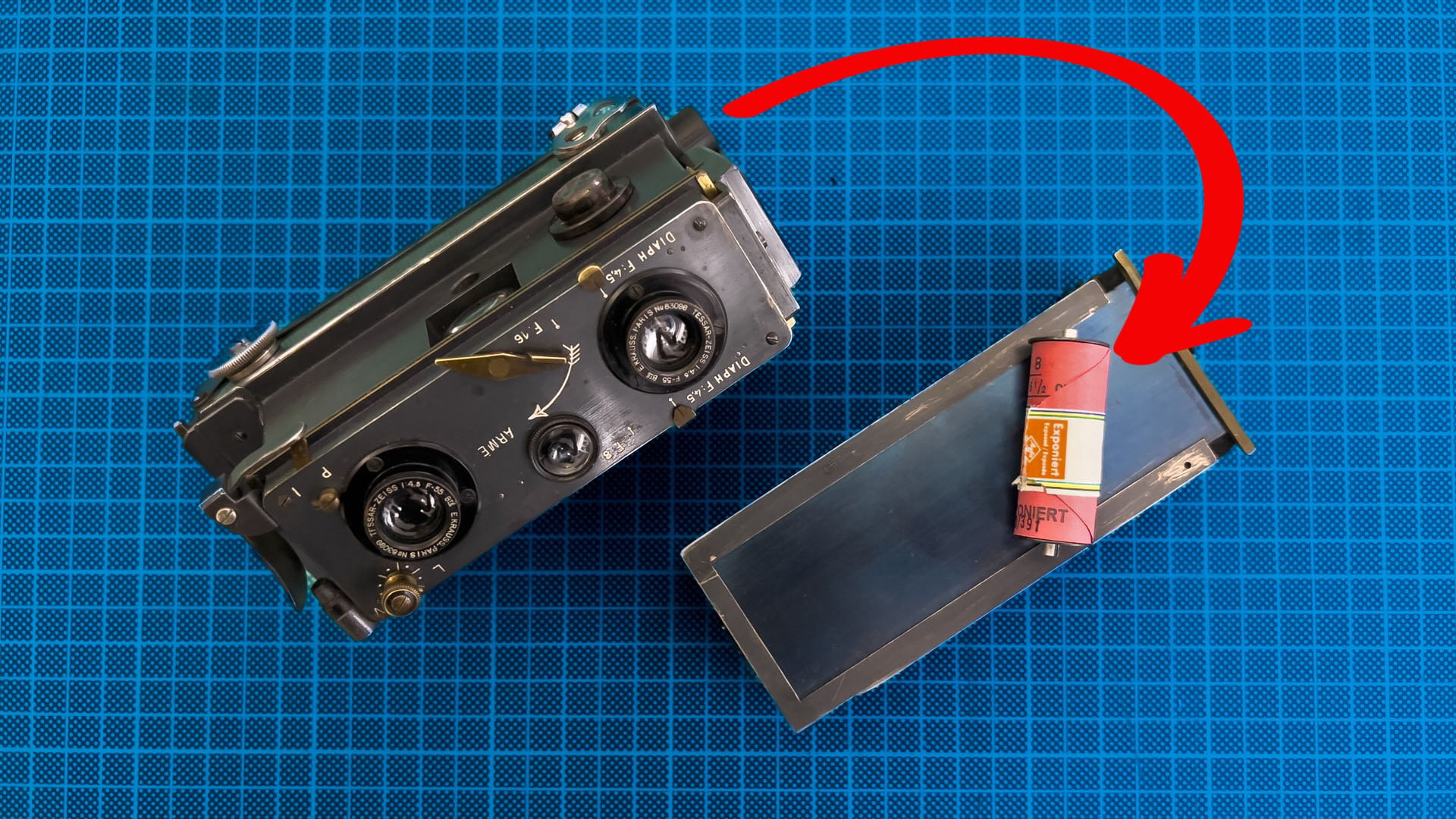
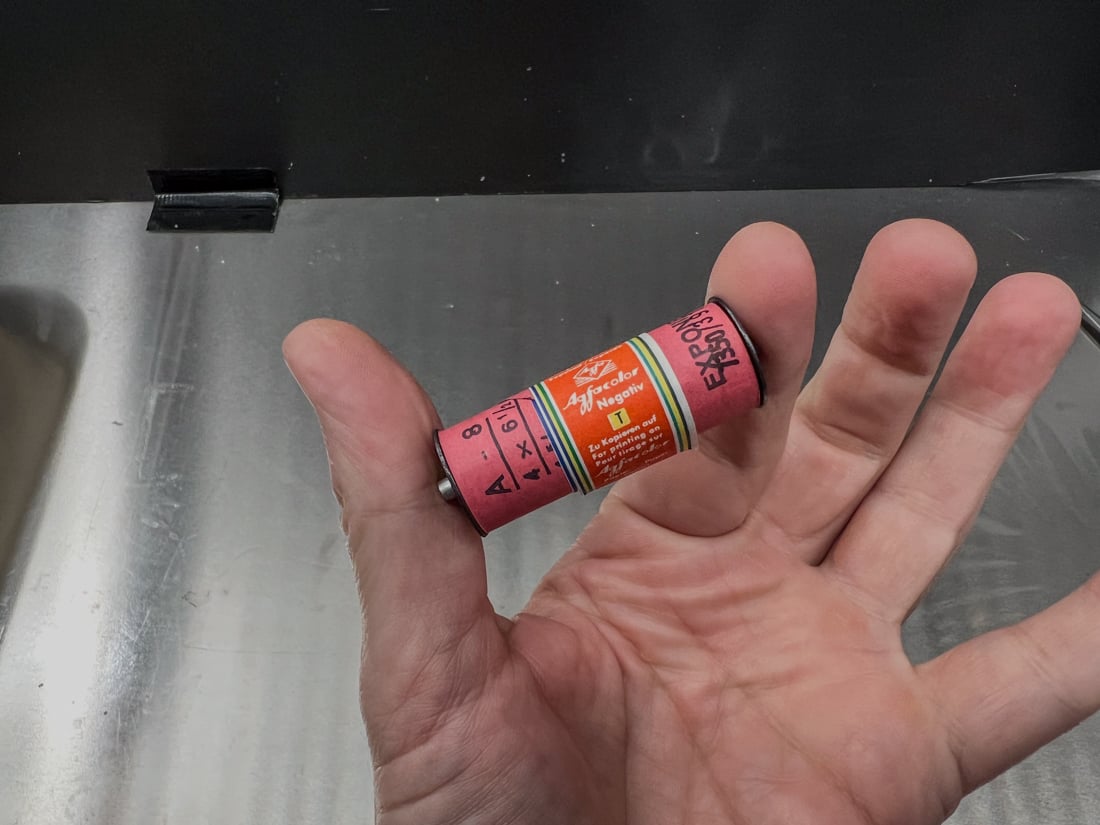
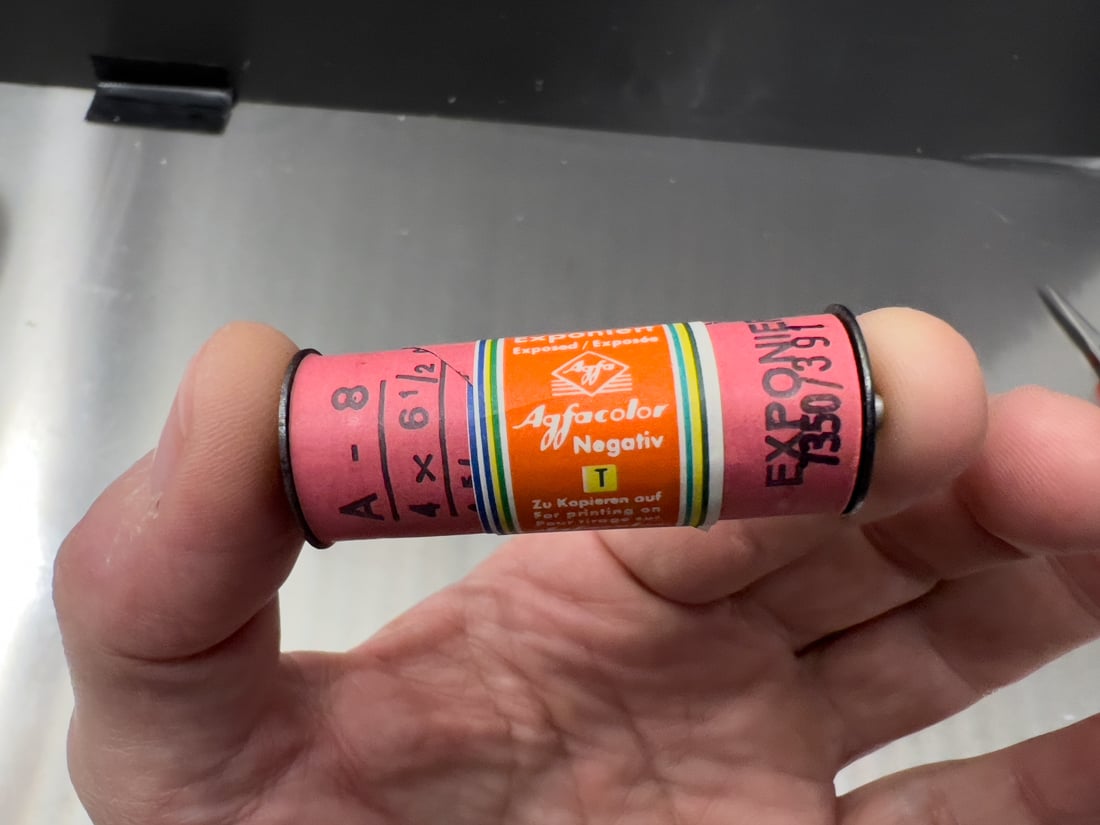
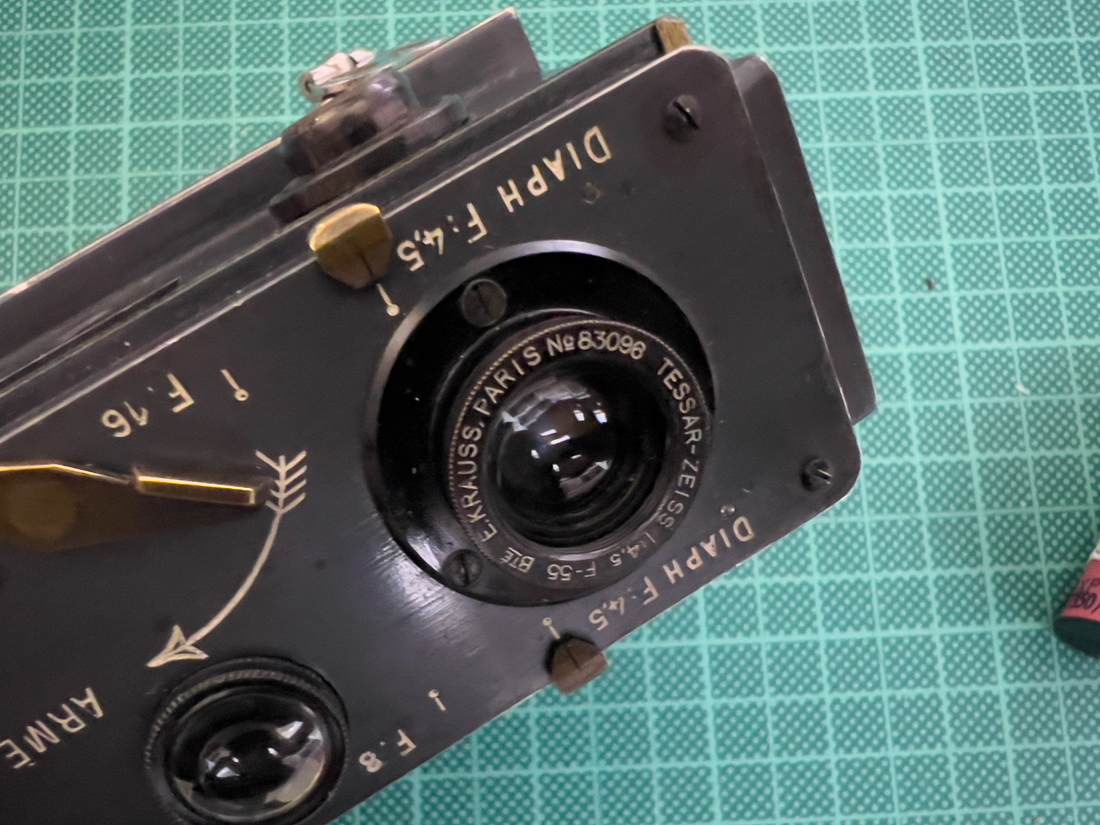
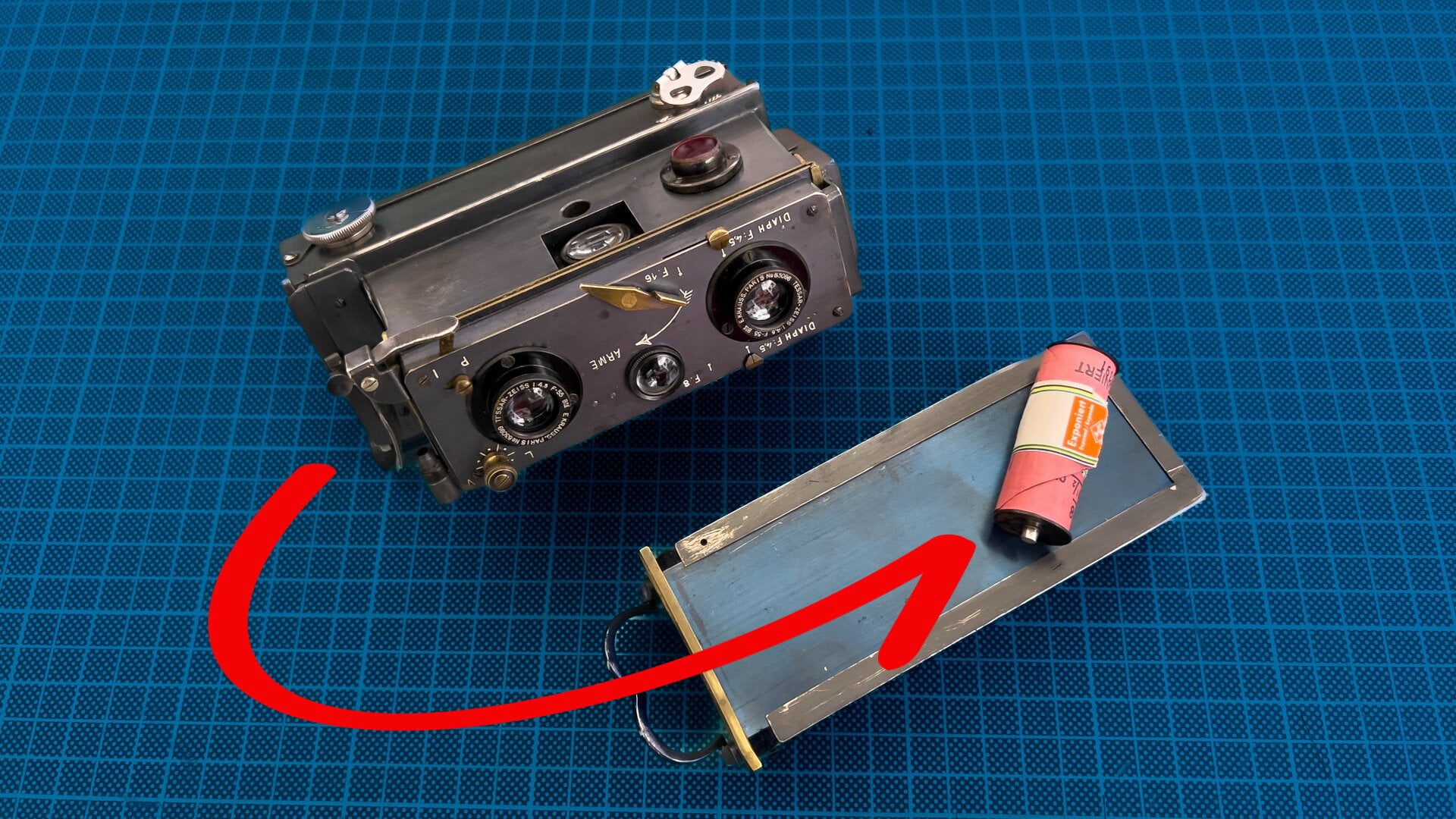
The Richard Verascope à décentrement camera (from 1911) was my latest purchase. My plan for this small stereo camera was to shoot tintypes, but with the roll film holder holding one roll of film in it, the first subject changed.
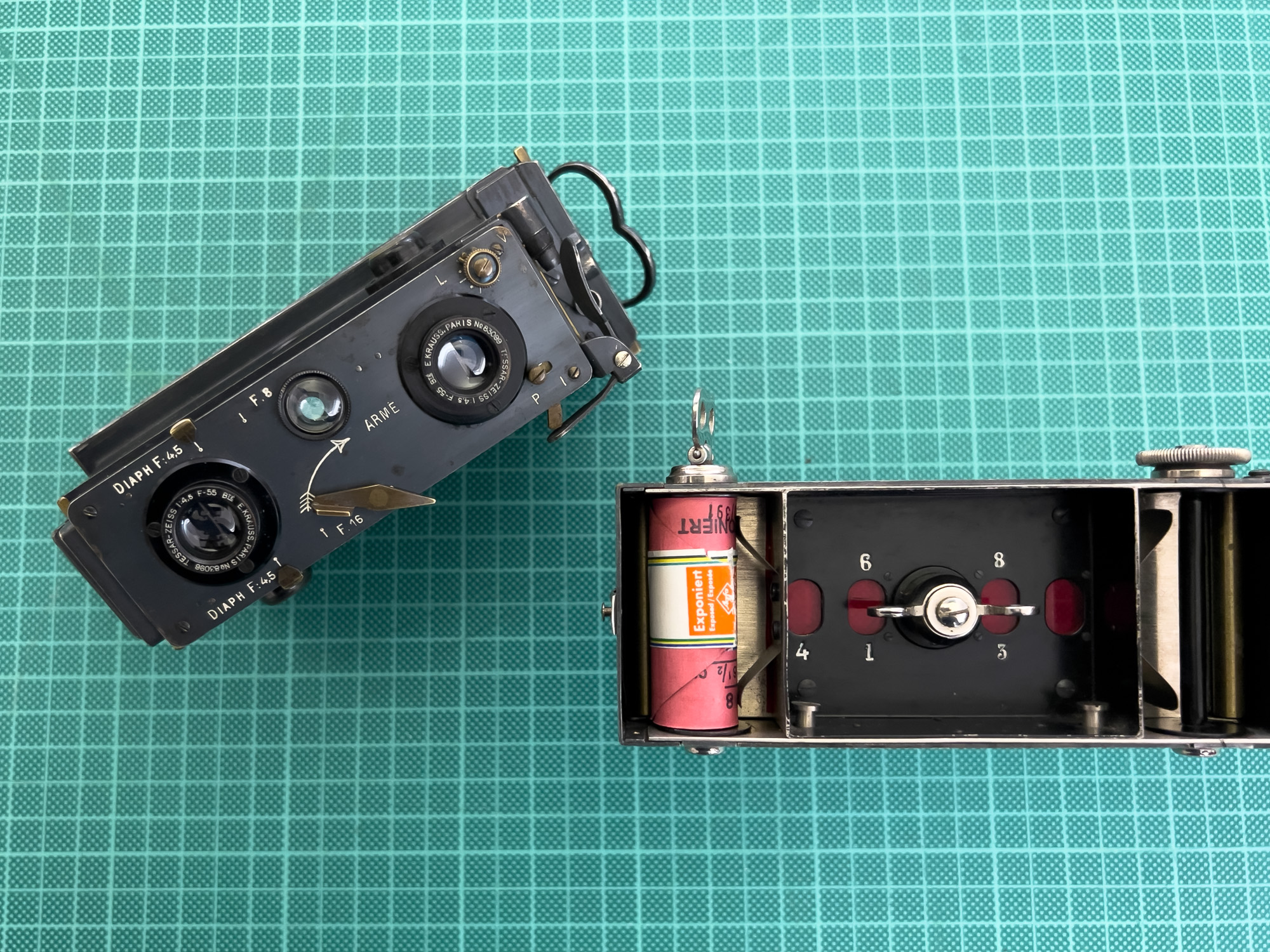
There are so many options to develop this old film (I guess it is between 50 and 70 years old). Stand development, sending it in to specialists, adding Benzo to standard development and there were so many other great advices I received. Interesting wise I got an advice on YouTube form one of my followers that pointed me into short and strong development. After getting deeper into that, I found thisand this article. Maybe you ask yourself now, why should you develop a color film in black and white chemicals.
I recommend to read the short article from Film Rescue:
“The Safest Possible Process For Long Expired Film Is Always B&W (negative) – Even For Color Film
To greatly simplify, color film has two essential components – a light sensitive silver layer that captures the image in B&W and color dye layers to create the color image. During a normal color process, once the silver has served its useful purpose it is bleached from the film, leaving behind only the color dye image. As film ages, the color dye image deteriorates more quickly than the B&W silver image.”
To see my developing process in detail, you may want to watch the video:
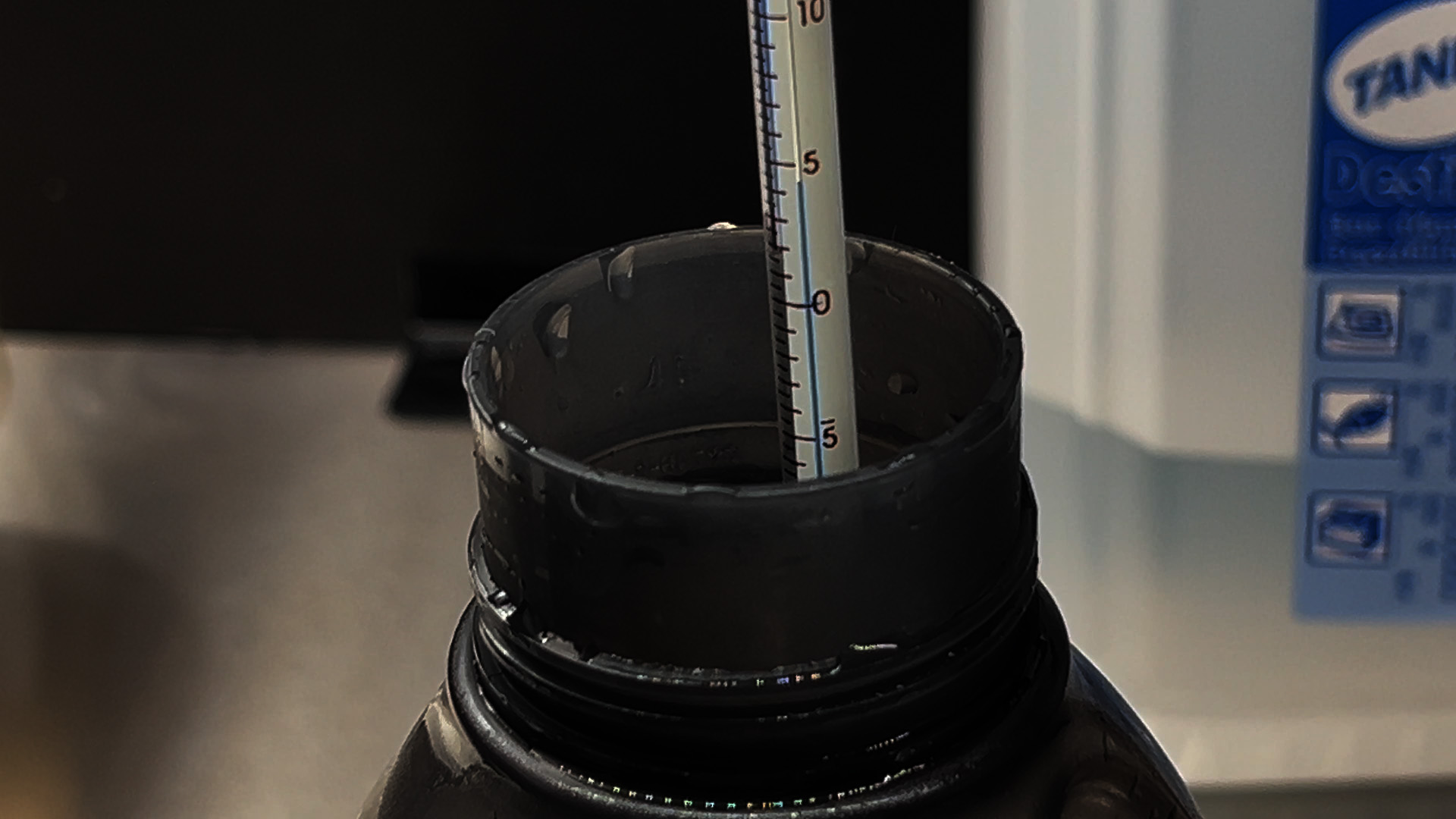
Basically the explanation was to use a strong developer that is cooled down to about 6 degrees celsius.
HC110 should be used (I had that one at home) because it will prevent fog. Before developing the film, you need to create a test strip.
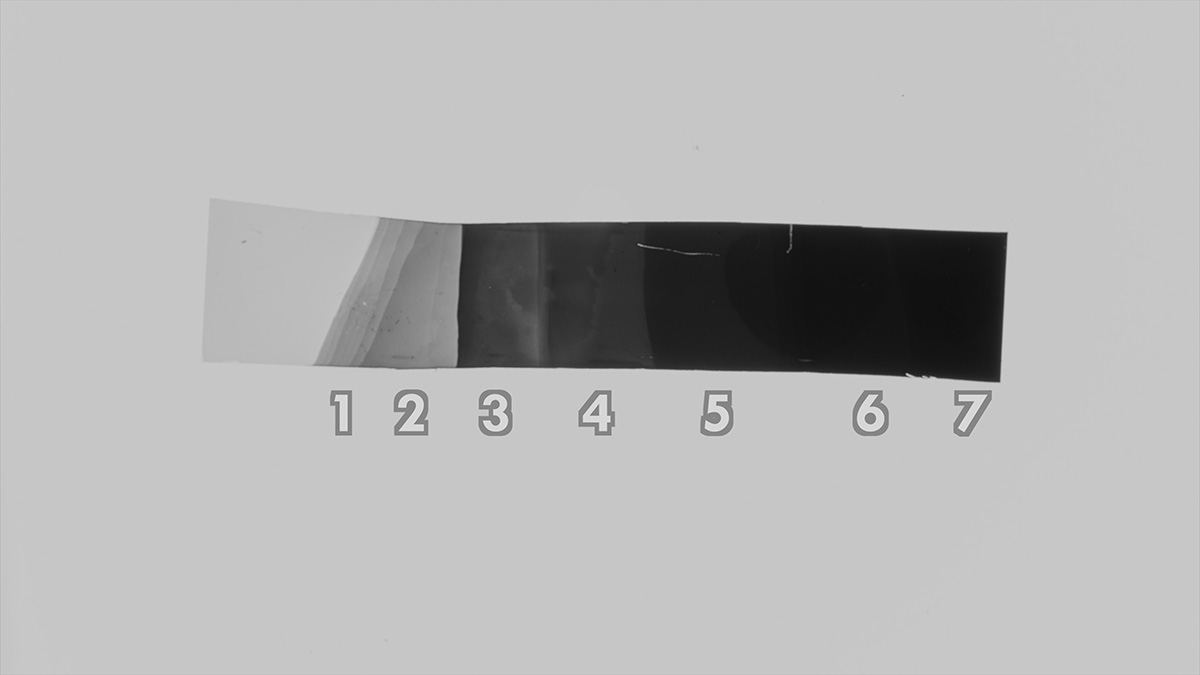
Have a look at my video to get a better idea how I did it:
Because I used rotary development, I subtracted 15% of the time. With that I uploaded a custom program to the Ago Film Processor that adjusts the developing to 7 degrees Celsius. Why 7 degrees?
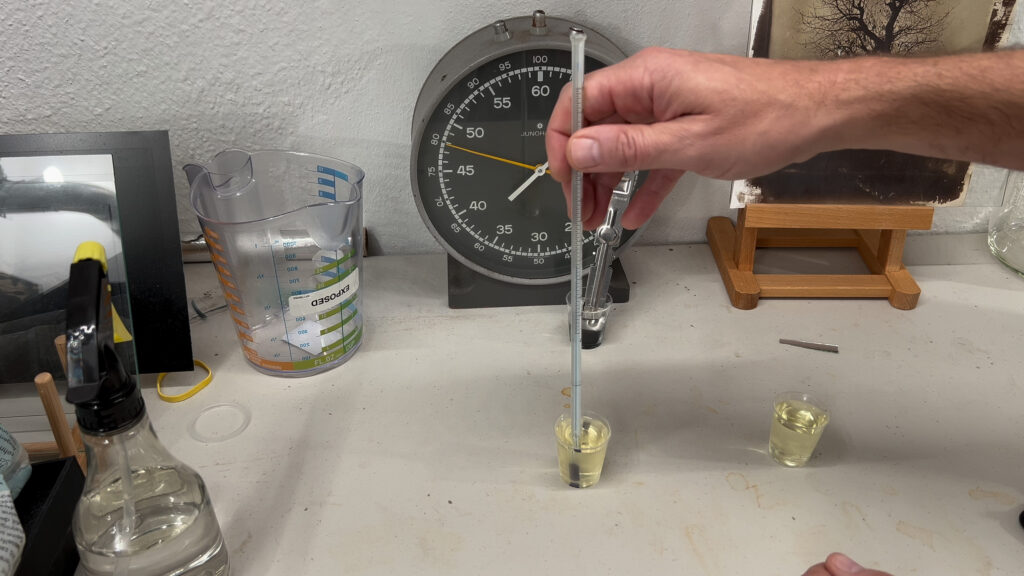
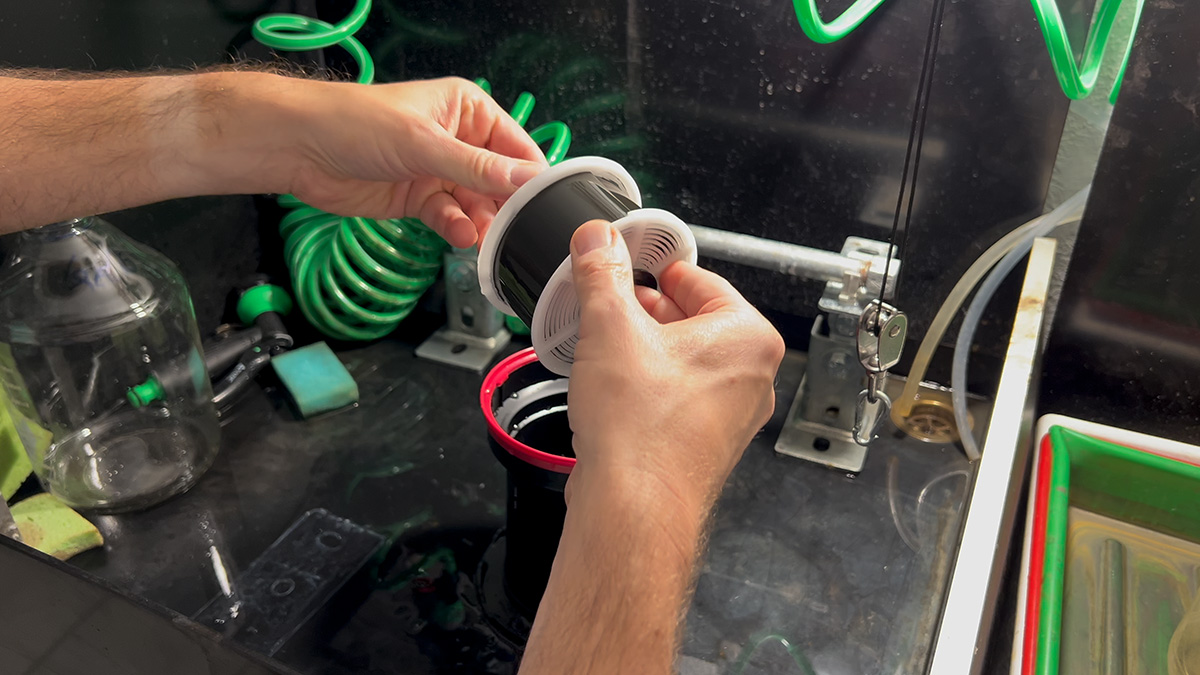
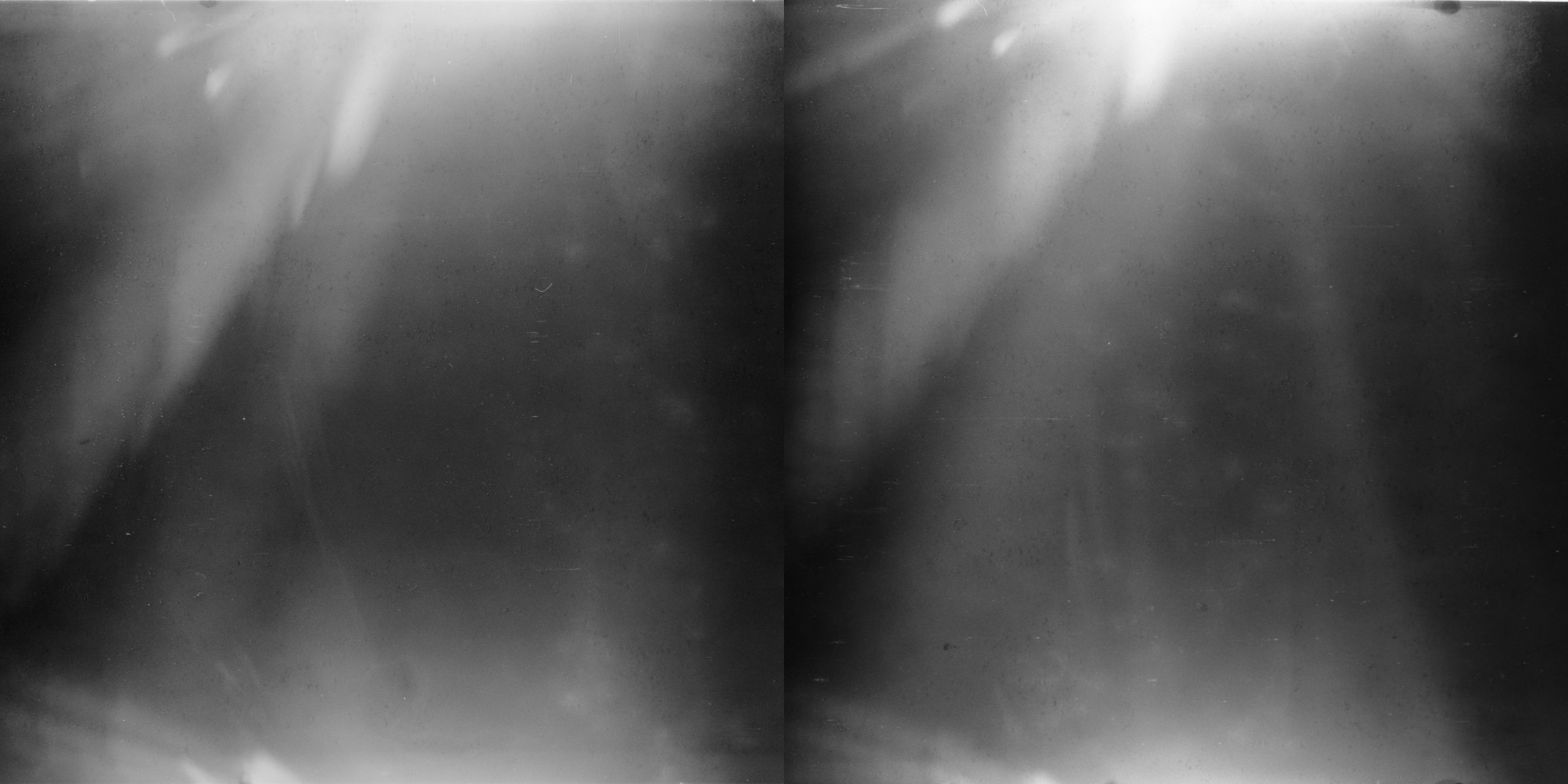
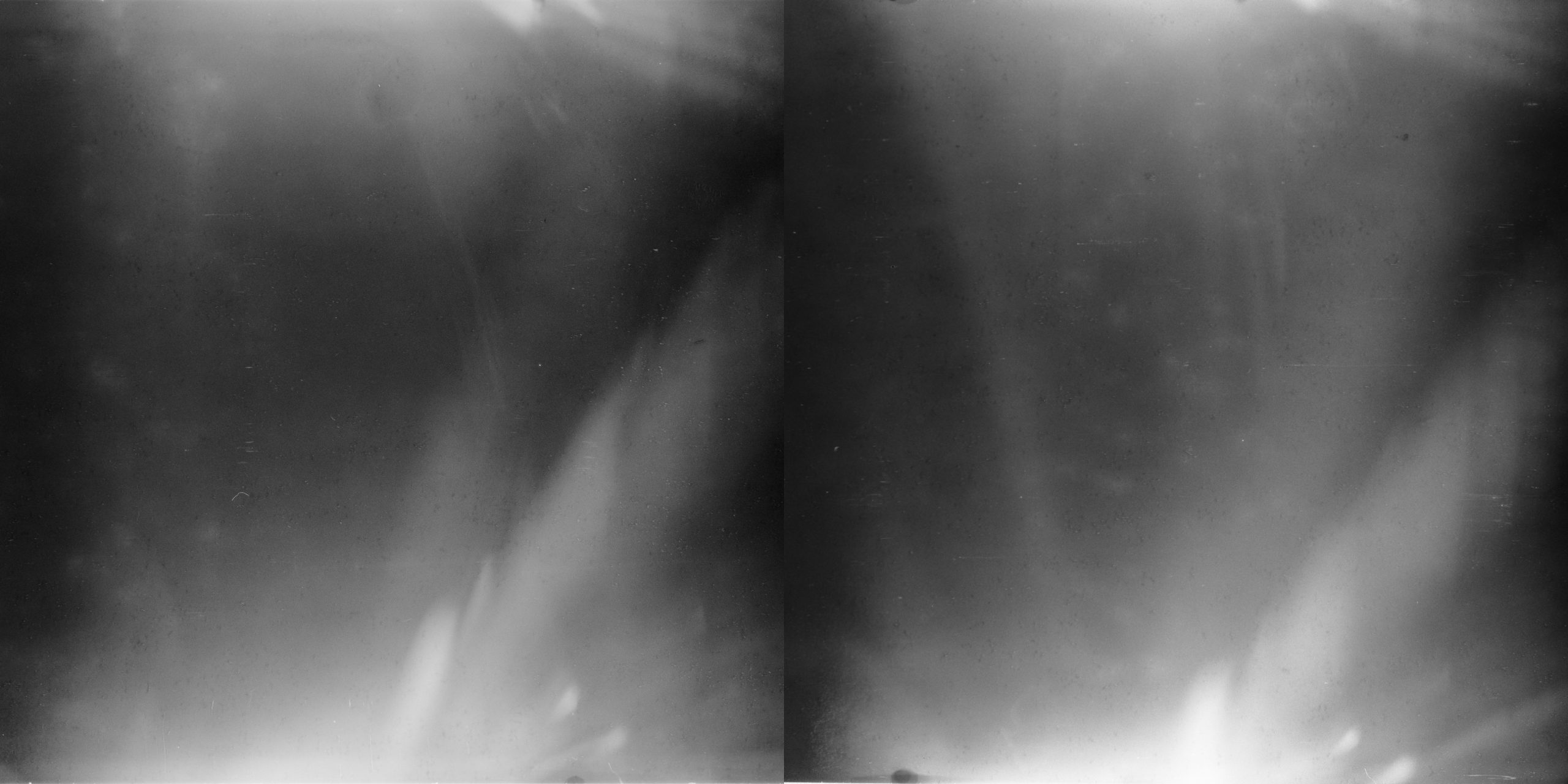
With that knowledge, I developed the film roll. During the development the temperature went up and the AGO Film Processor adjusted the time accordingly. After stopping, fixing and washing. I finally could see what was on the film.
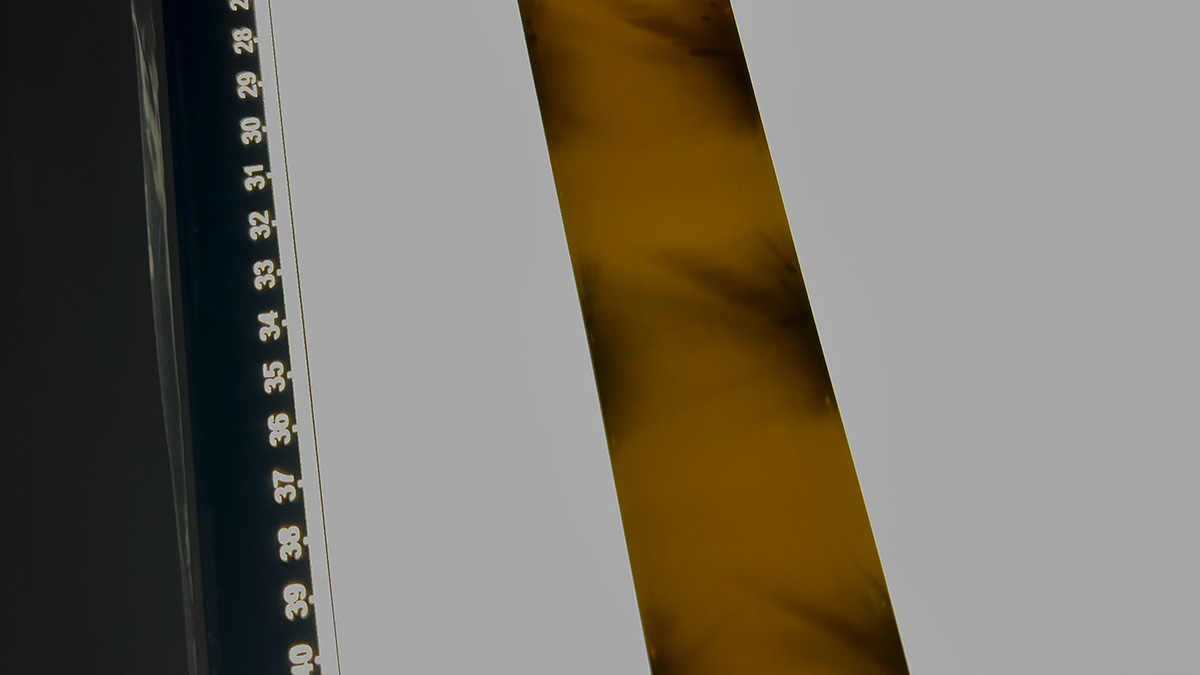
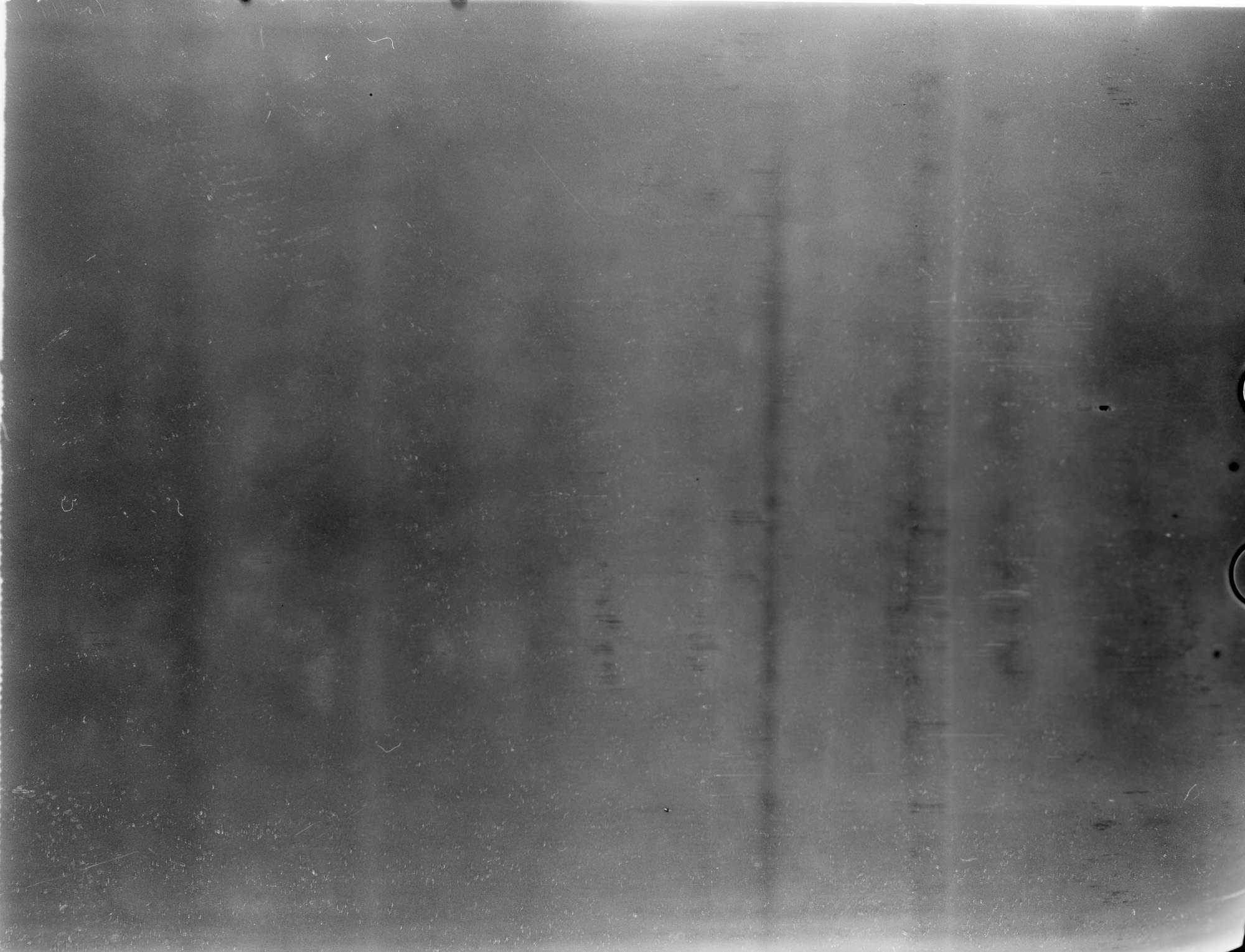
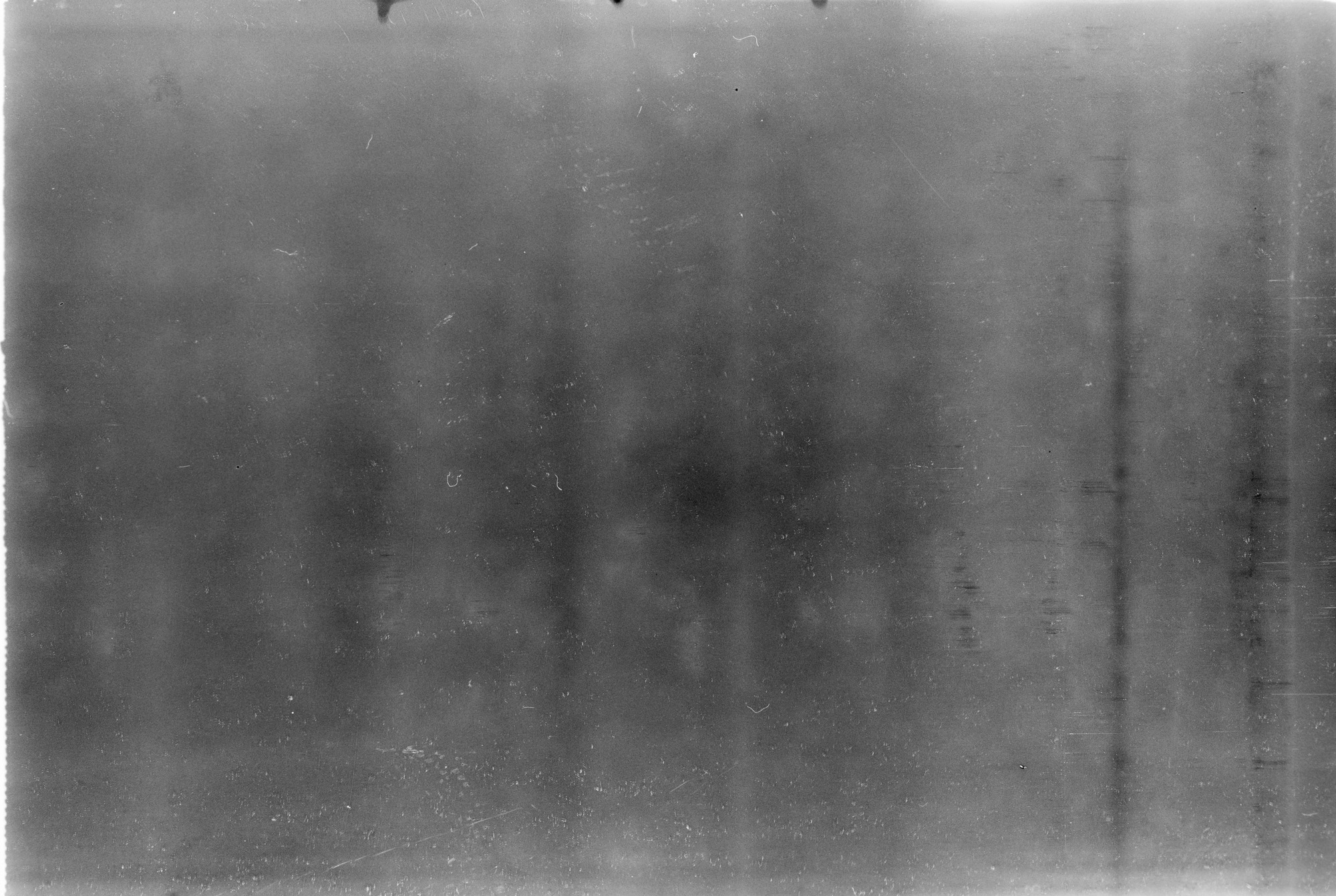
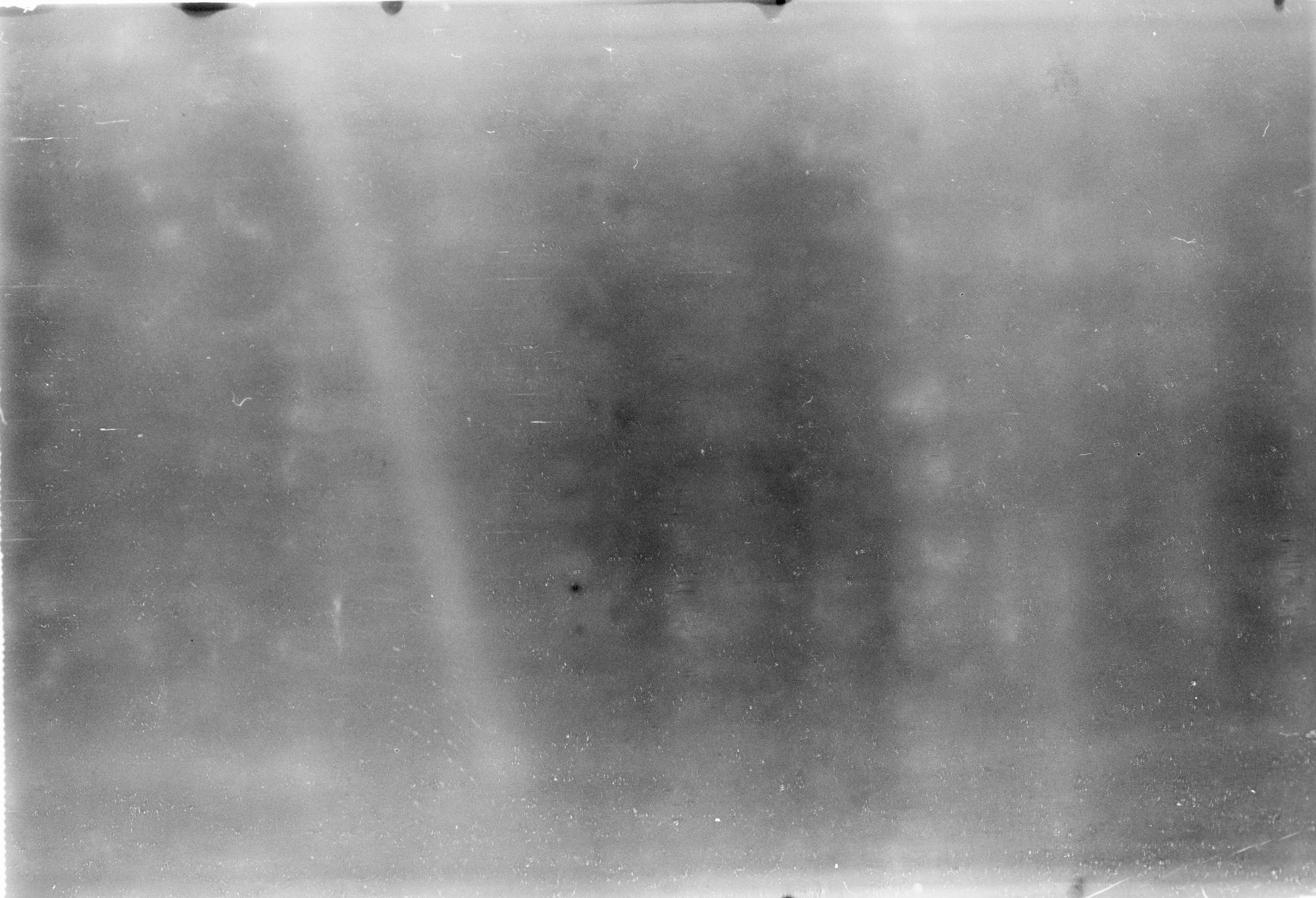
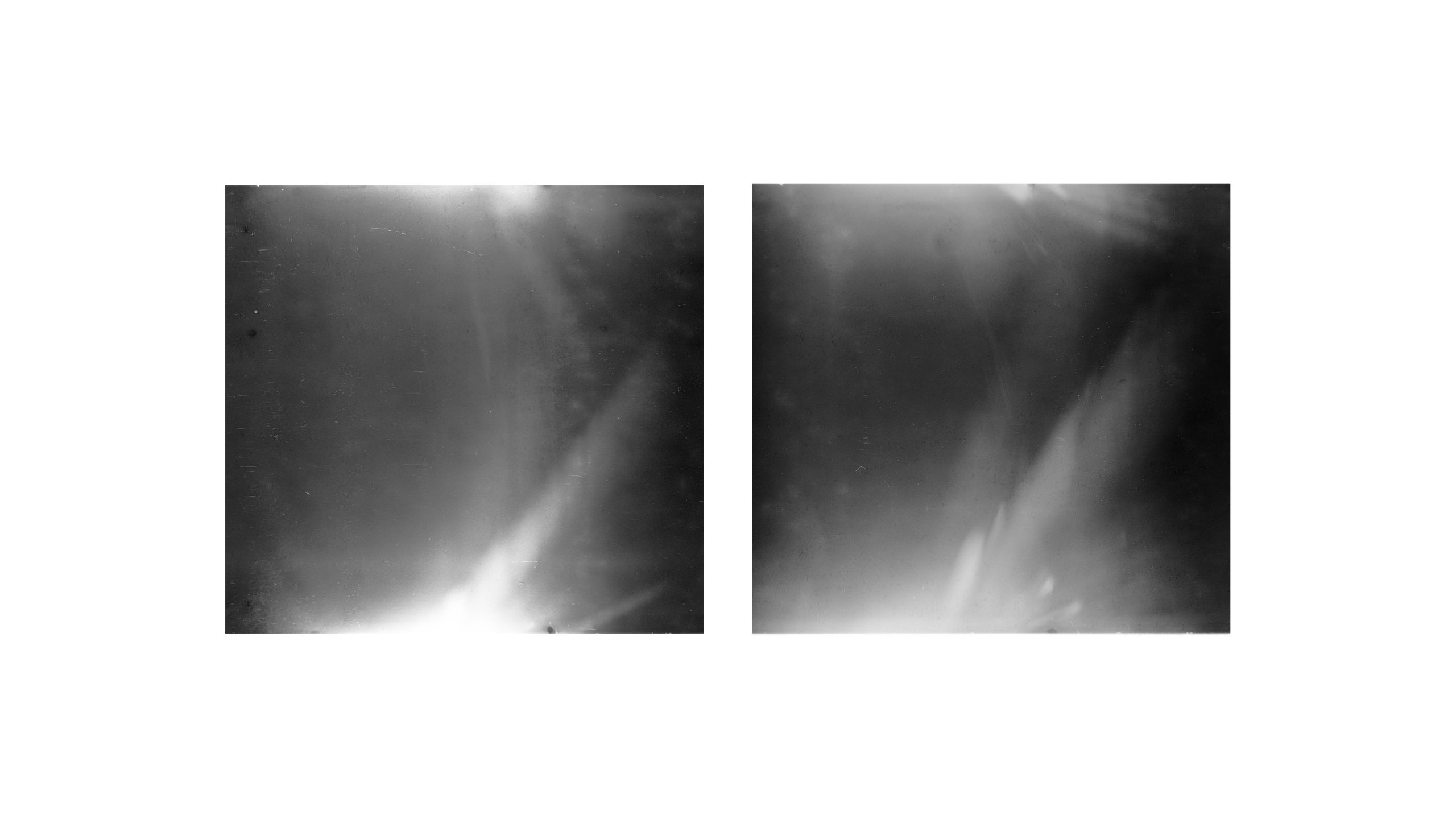
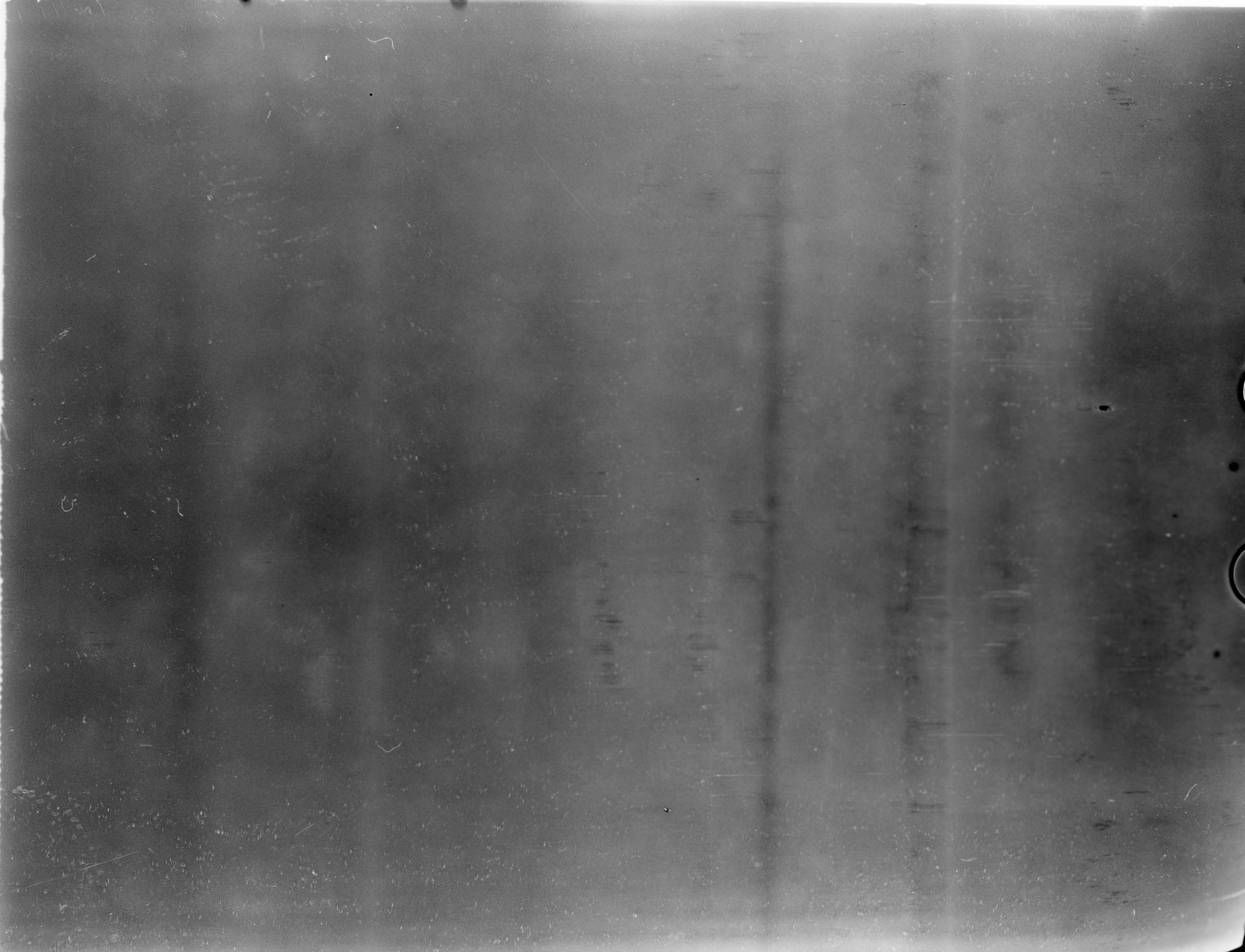
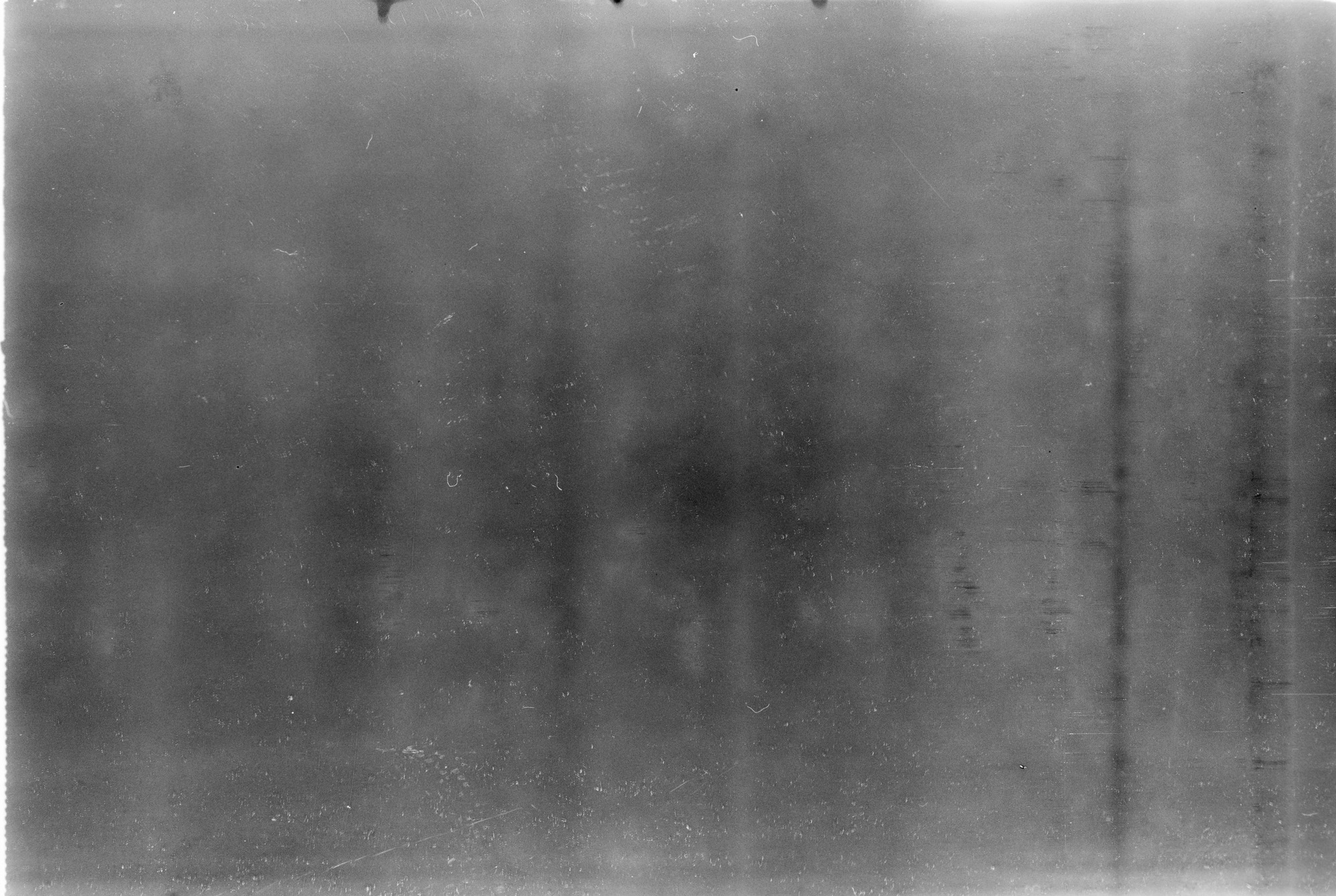
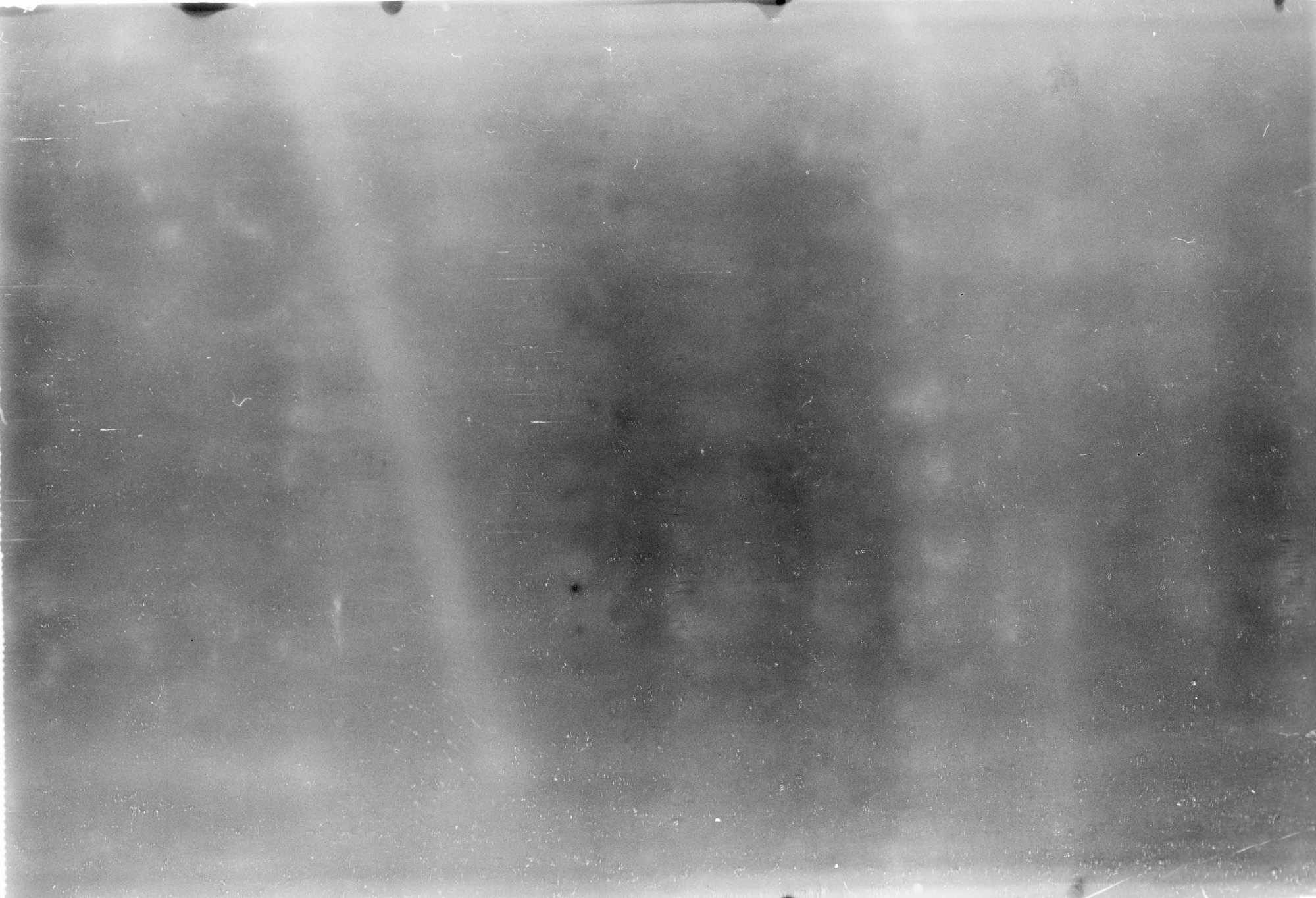
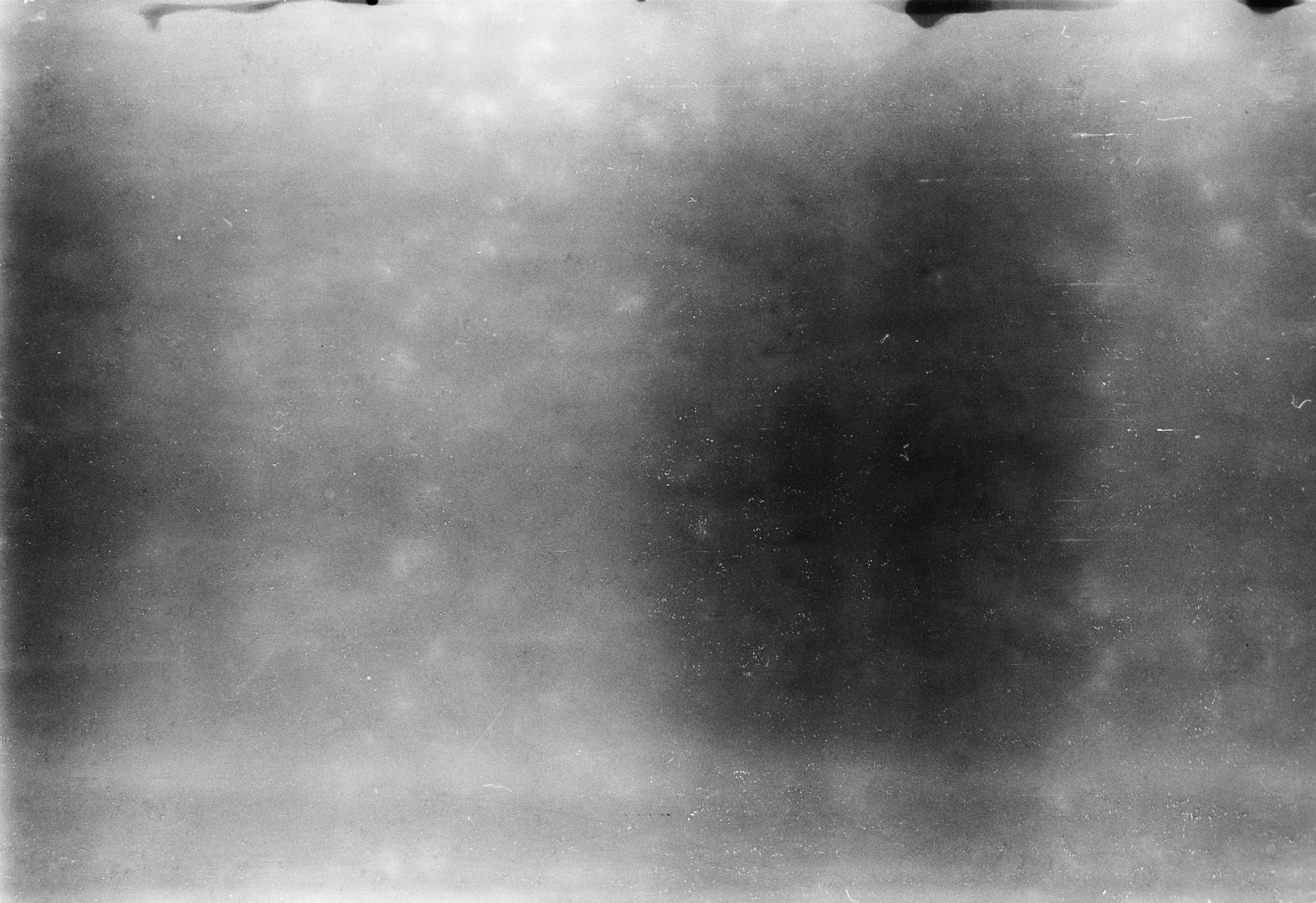
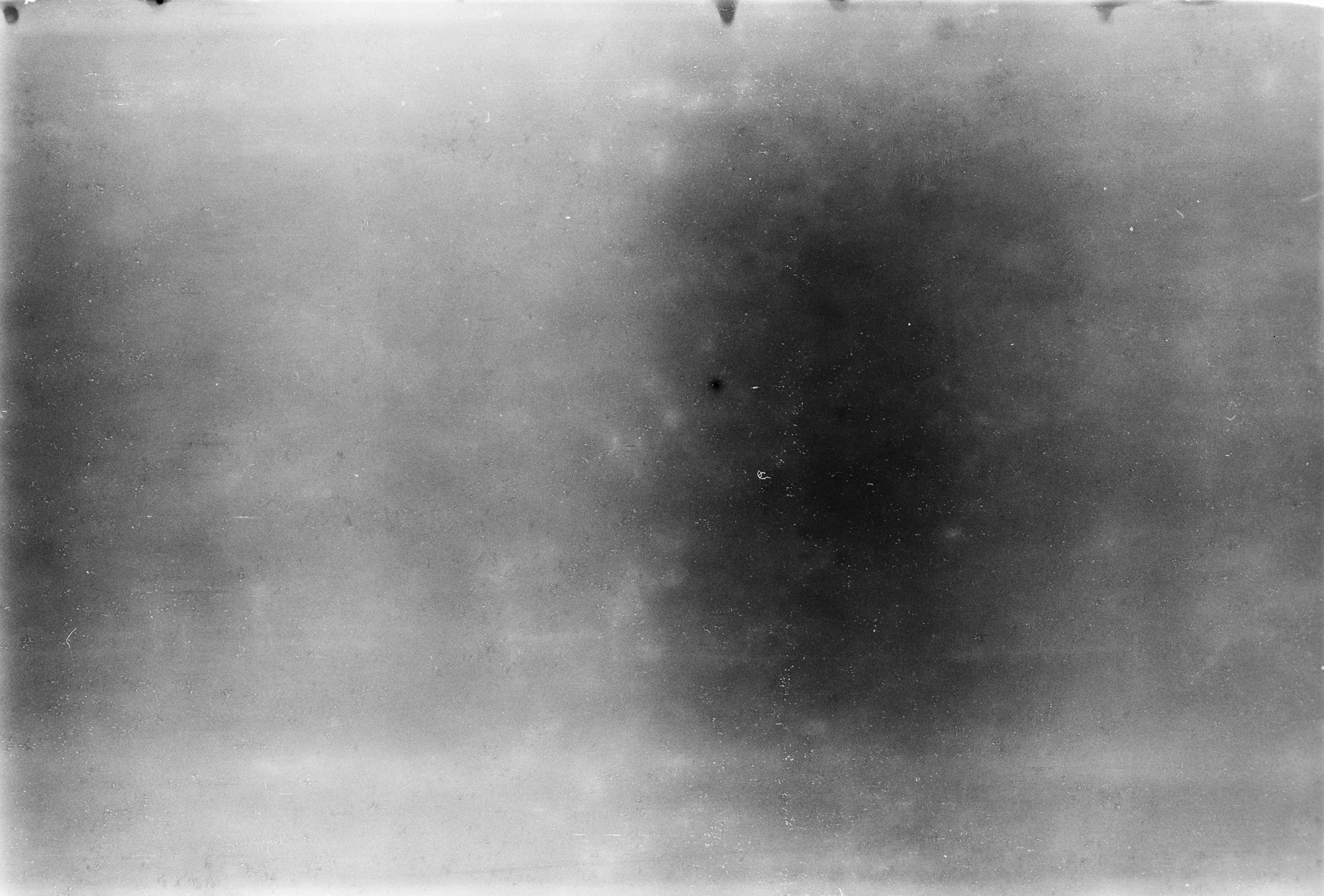
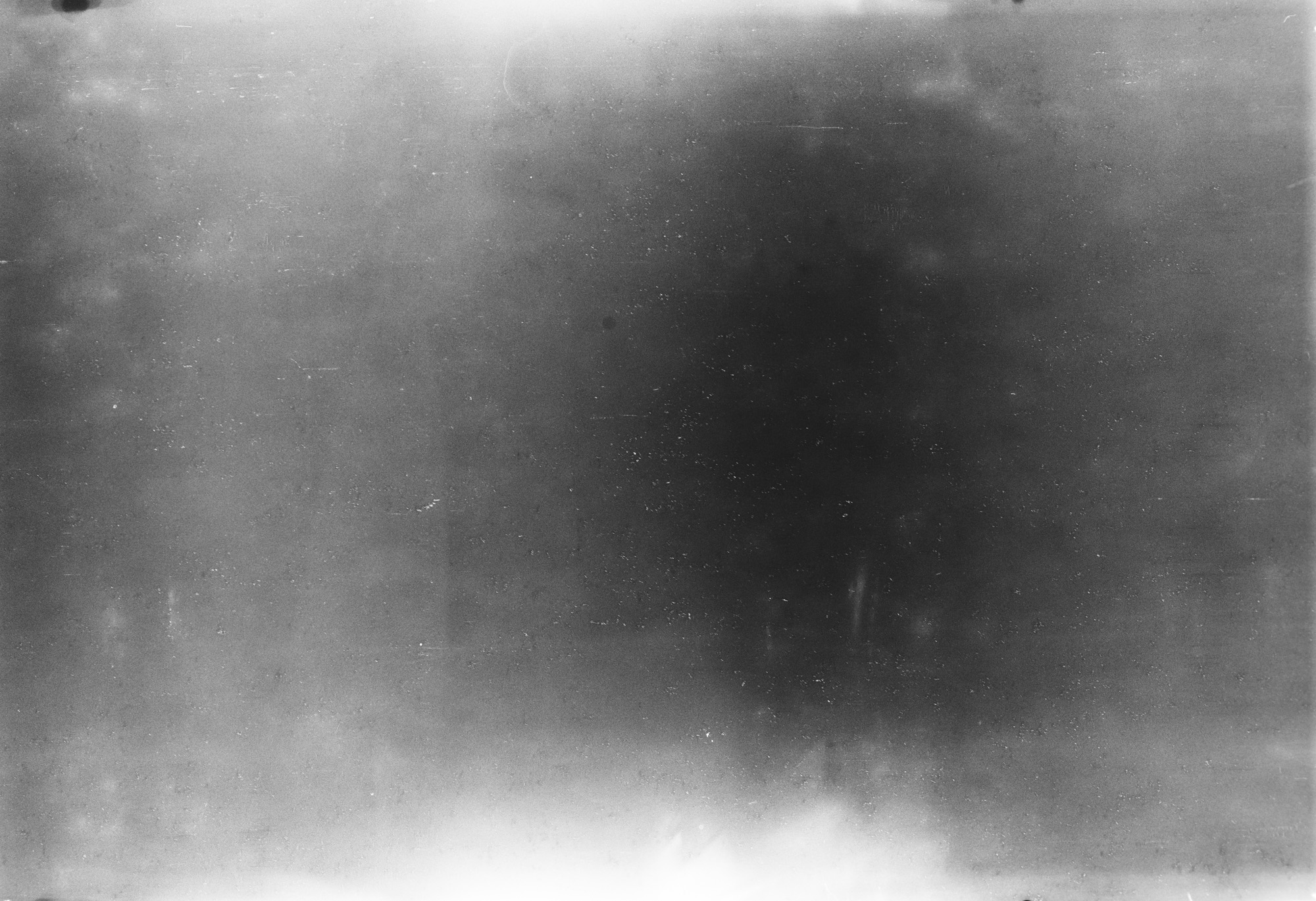
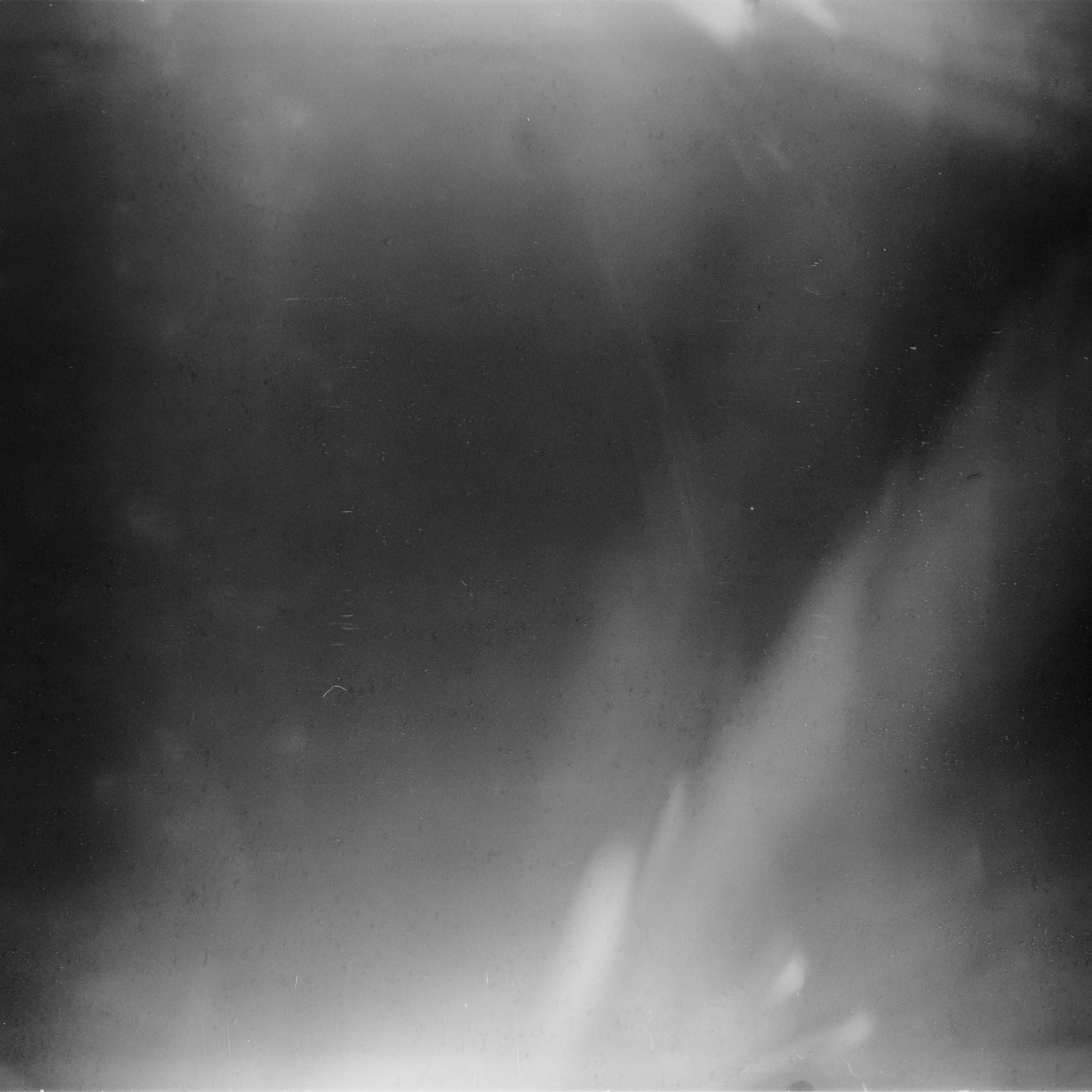
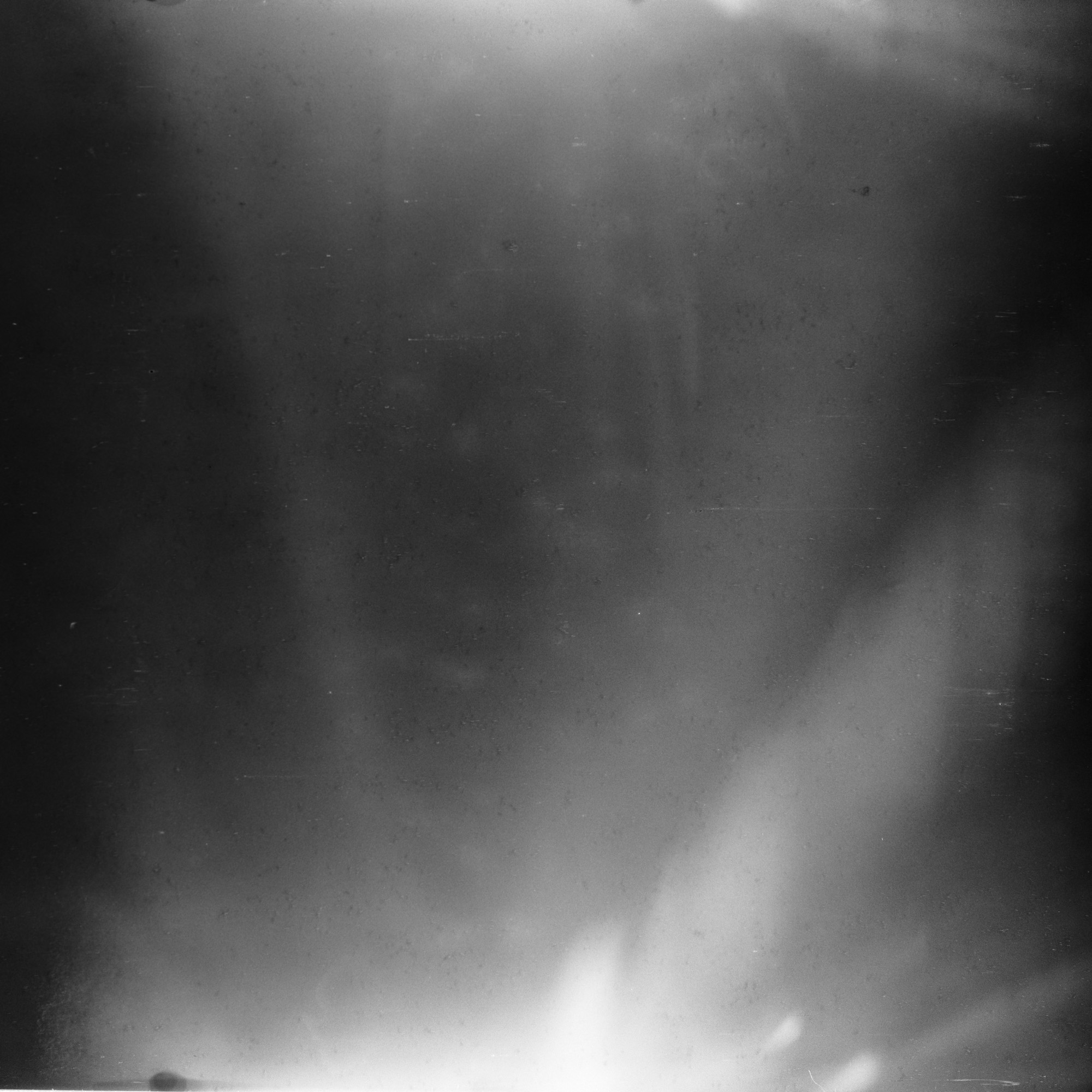
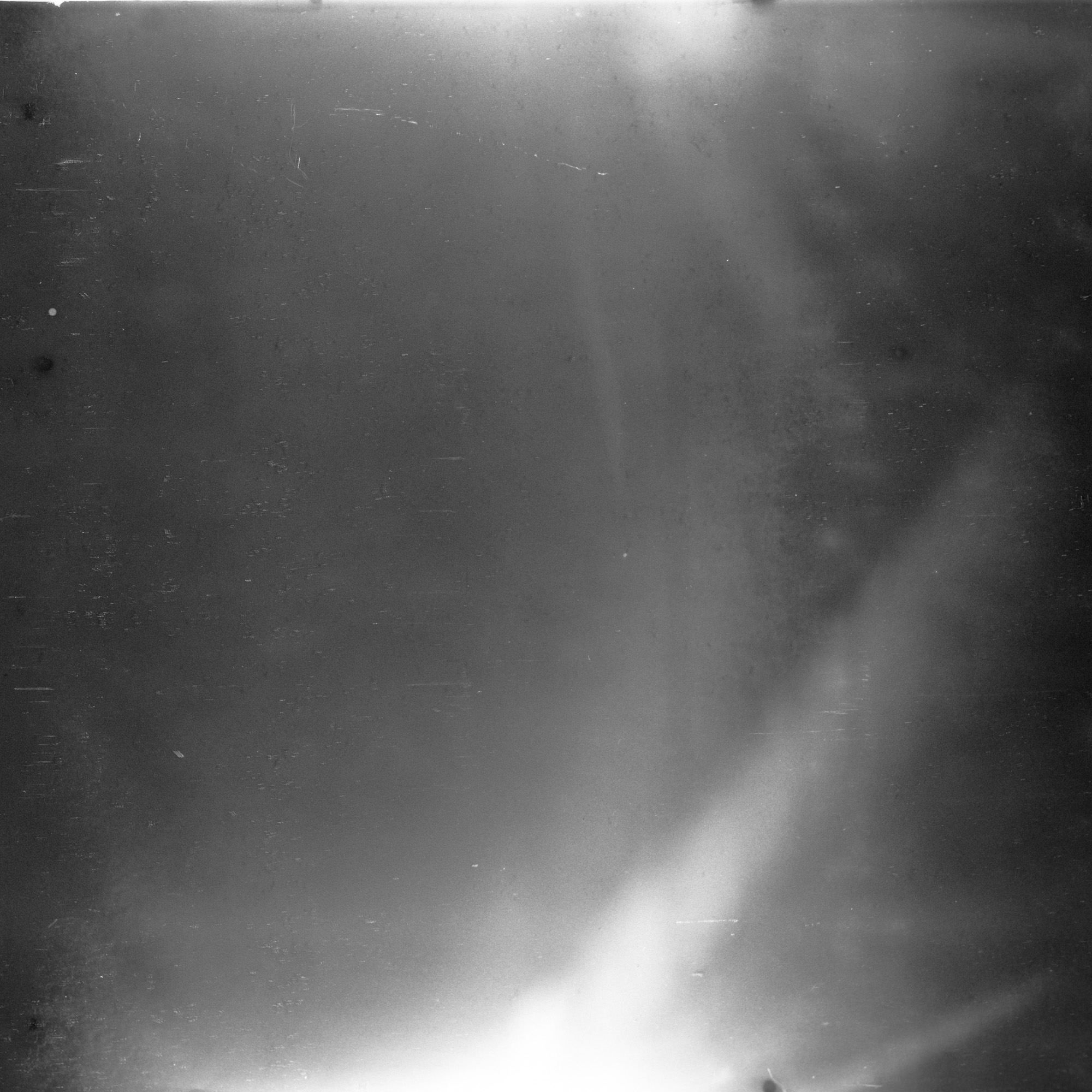
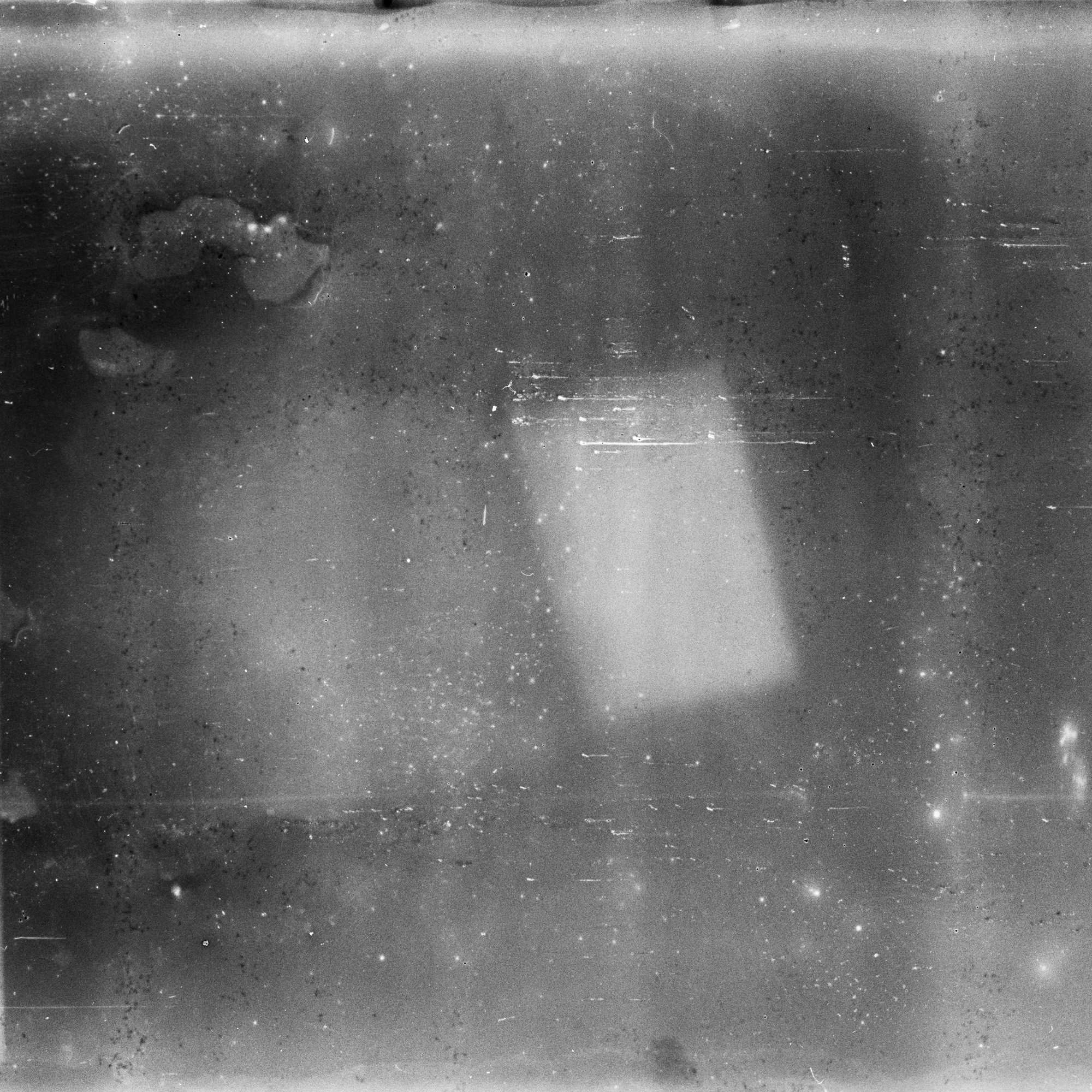
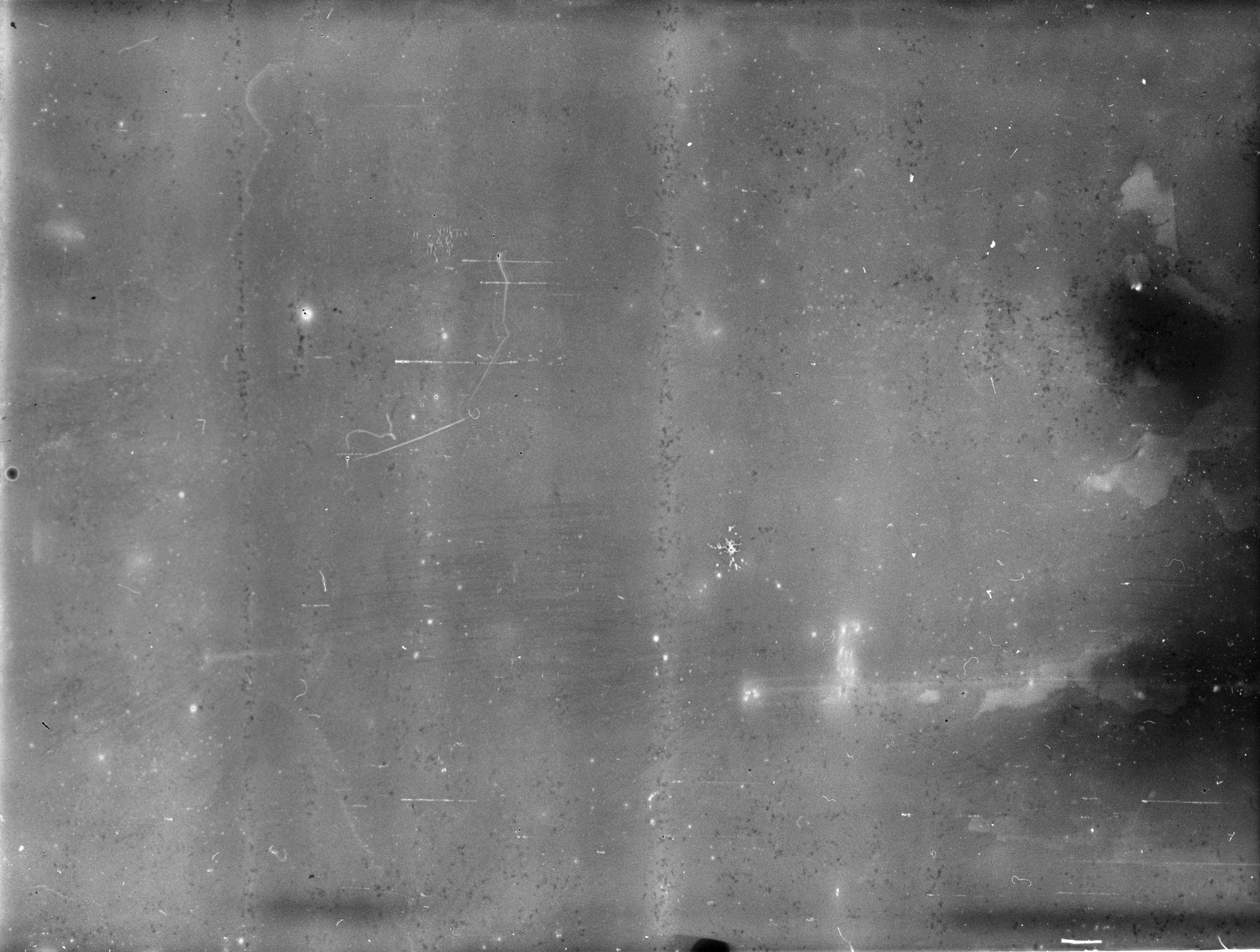
The results were sadly not what I was hoping for. BUT, there is a big but. I learned a lot about developing old film. The density looks good and the images you see show clearly something that was shot in stereo. There is always one pair of pictures that have the same “structure” or “symmetry”, I don’t believe chemicals can create such similar things.
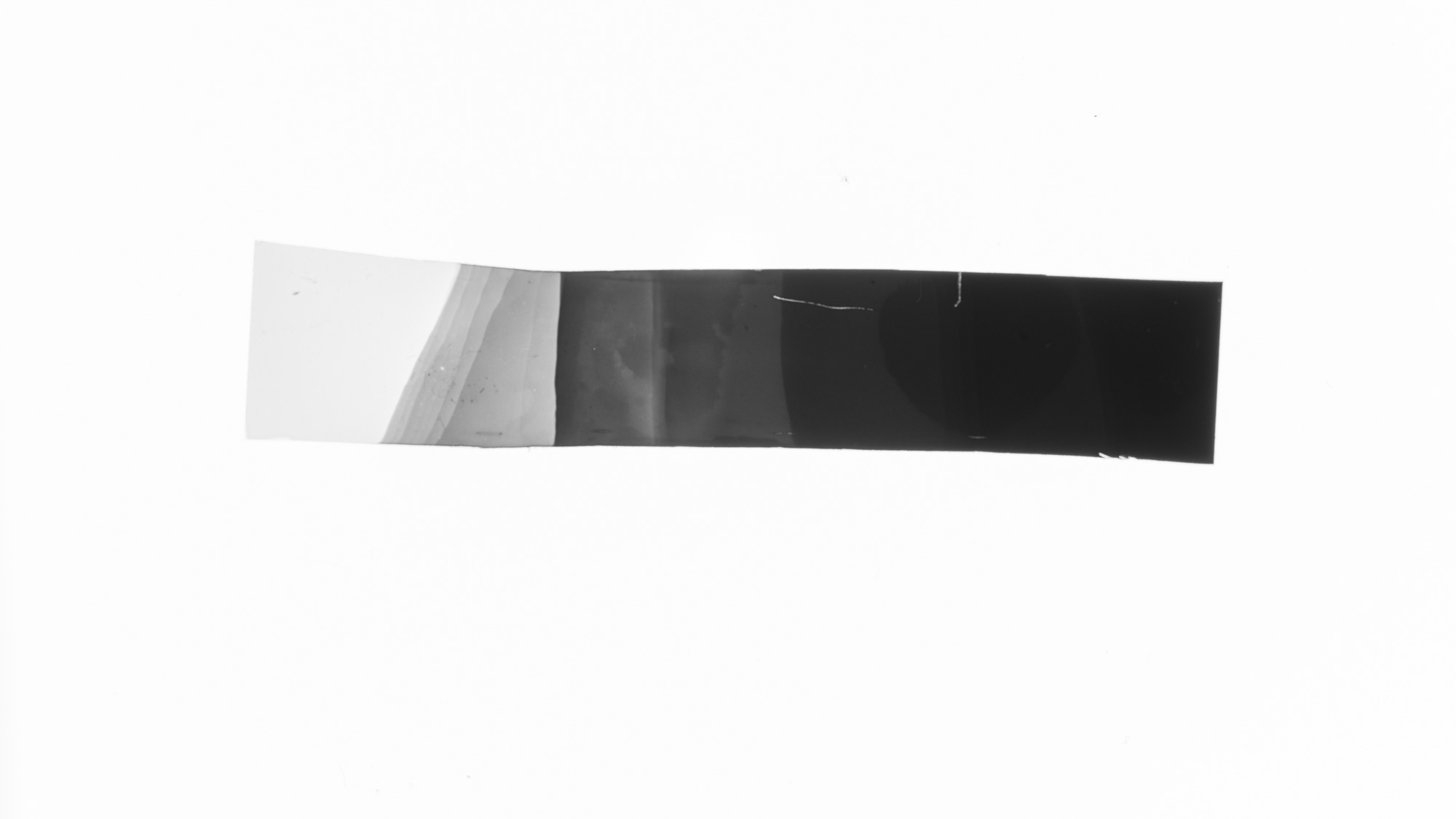
So I tried to build them together and put them into the gallery, so you can get an idea by yourself. There is also another image that shows some kind of picture. Feel free to try it out for yourself. in the future, I will shoot 127 roll film with that camera and after some modification I will shoot 4cm stereo tintypes. If you are interested in stereo tintypes, you can have a look at this project as well.
At the very end I want post another thing I found on a website. Often very old rolls of film were not developed for a reason. Often the owner knew they made a mistake and didn’t want to spend money on the development. Maybe that was the case on my film roll as well. Or if I look at the images again, It could also be light leaks…. Anyway, I will try this process again with the next old roll of film and will let you guys know. I am really interest to hear your opinion about this kind of film processing.

See more from DIYPhotography.net on Google
Add DIYPhotography.net as a trusted source. This makes
our stories more likely to appear in your Google Search results.
 Add as a preferred source on Google

Dunja Đuđić Kalinin
Dunja Djudjic is a multi-talented artist based in Novi Sad, Serbia. With 15 years of experience as a photographer, she specializes in capturing the beauty of nature, travel, concerts, and fine art. In addition to her photography, Dunja also expresses her creativity through writing, embroidery, and jewelry making.



Join the Discussion
DIYP Comment Policy
Be nice, be on-topic, no personal information or flames.