

















NASA-ISRO’s NISAR Captures a Timelapse of a Volcano Erupting
Oct 3, 2026
Soumyadeep Mukherjee
Soumyadeep Mukherjee is an award-winning astrophotographer from India. He has a doctorate degree in Linguistics. His work extends to the sub-genres of nightscape, deep sky, solar, lunar and optical phenomenon photography. He is also a photography educator and has conducted numerous workshops. His works have appeared in over 40 books & magazines including Astronomy, BBC Sky at Night, Sky & Telescope among others, and in various websites including National Geographic, NASA, Forbes. He was the first Indian to win “Astronomy Photographer of the Year” award in a major category.
Share:
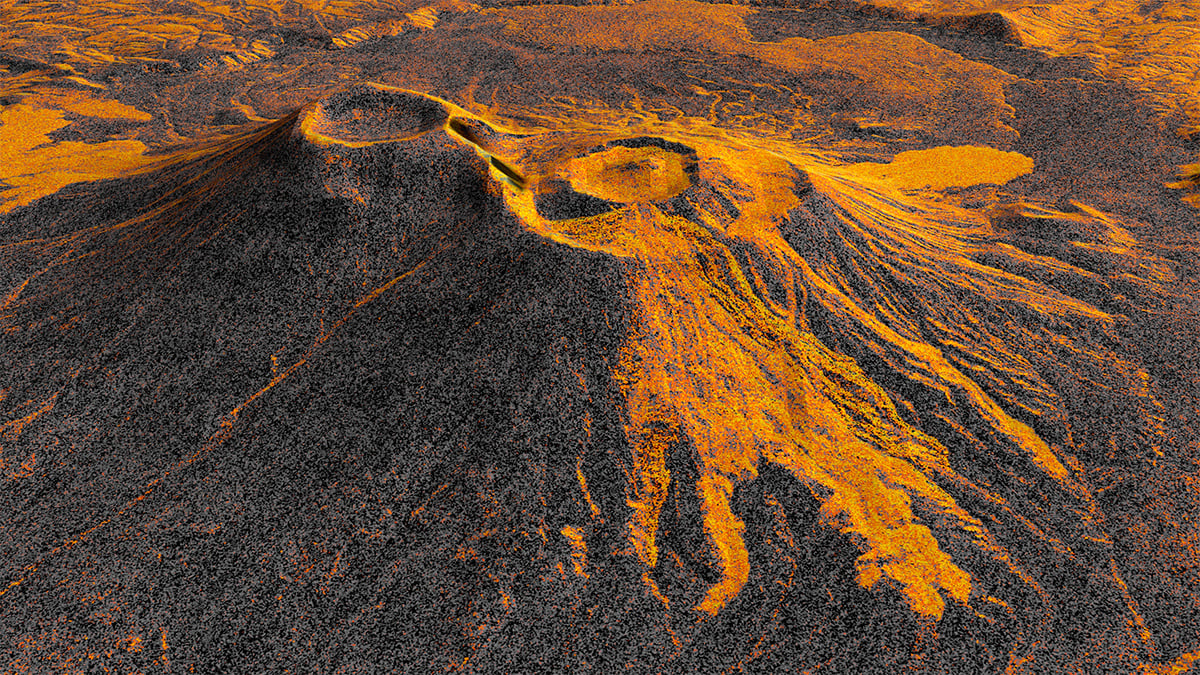
From hundreds of kilometers above Earth, a NASA-ISRO satellite captured a Russian volcano changing shape. Over several months, lava has moved out of its crater and spread across the surrounding landscape. The images came from NISAR, the joint Earth-observation mission operated by NASA and the Indian Space Research Organization (ISRO).
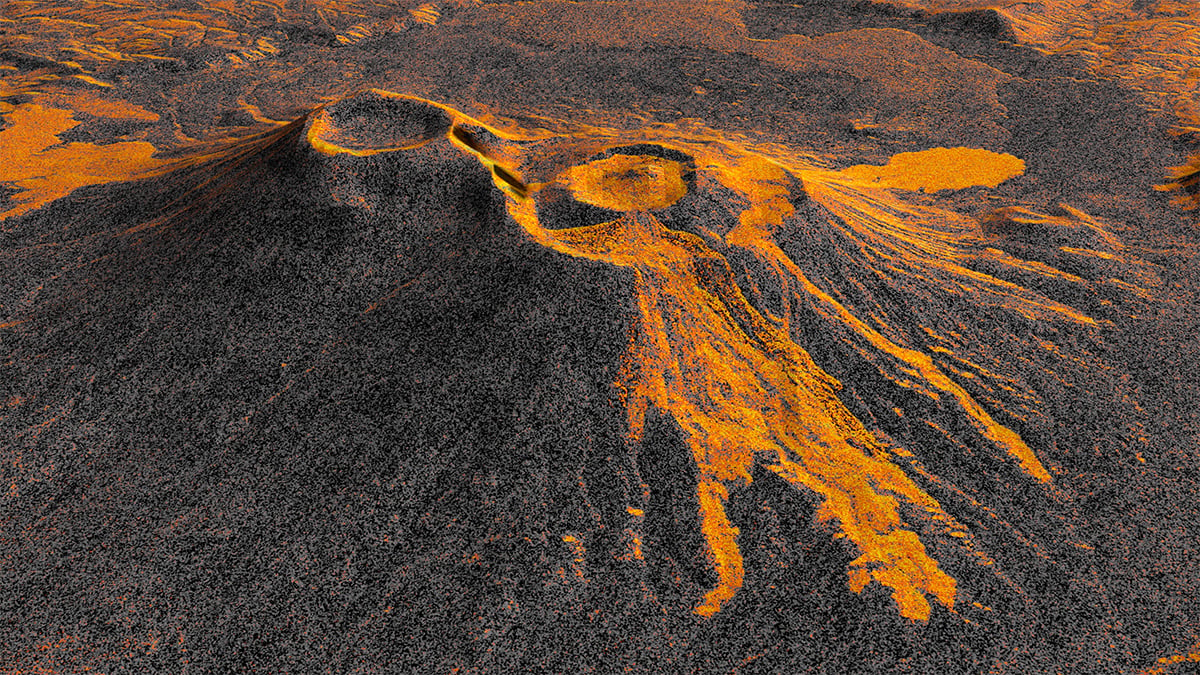
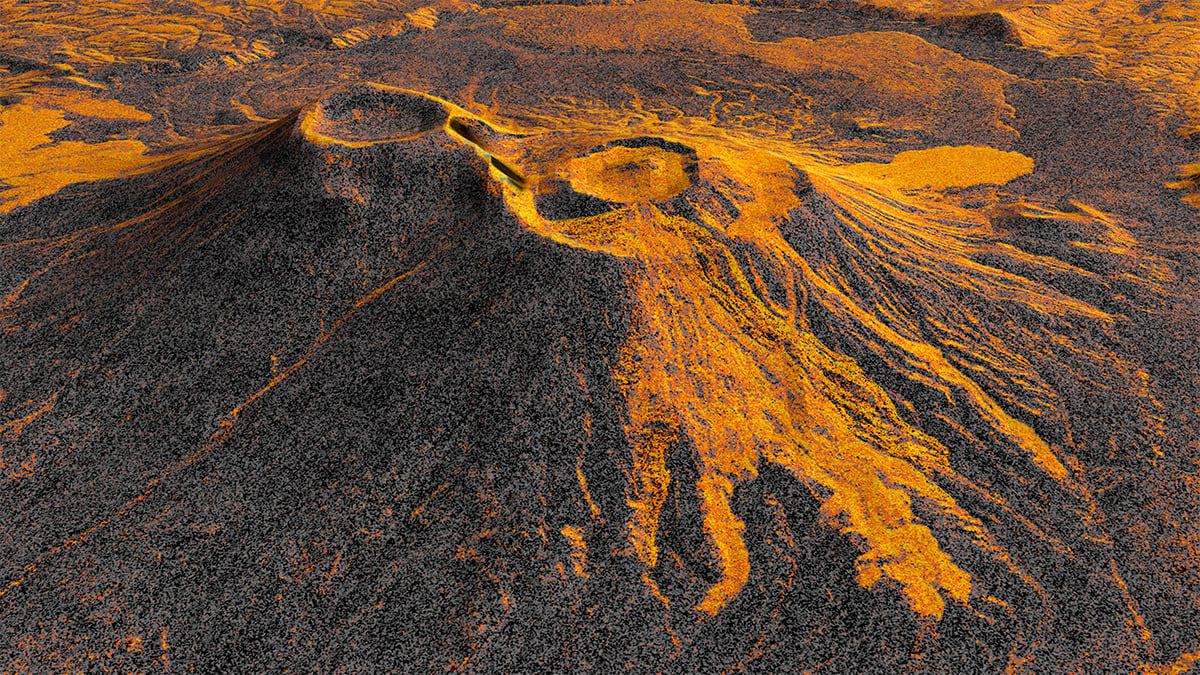
NISAR’s observations of the Krasheninnikov volcano on Russia’s Kamchatka Peninsula cover the period from December 2025 to August 2026. NASA combined 17 observations to show how the eruption developed during those eight months. NISAR used synthetic aperture radar, or SAR, which builds images from microwave signals reflected from Earth’s surface.
The volcano had been quiet for centuries
Krasheninnikov is located on the Kamchatka Peninsula, a region known for its many volcanoes and frequent geological activity. The volcano consists of two volcanic cones, with the northern cone becoming the focus of the recent eruption. According to NASA, that volcano had been quiet since around 1550 before activity began again in 2025.
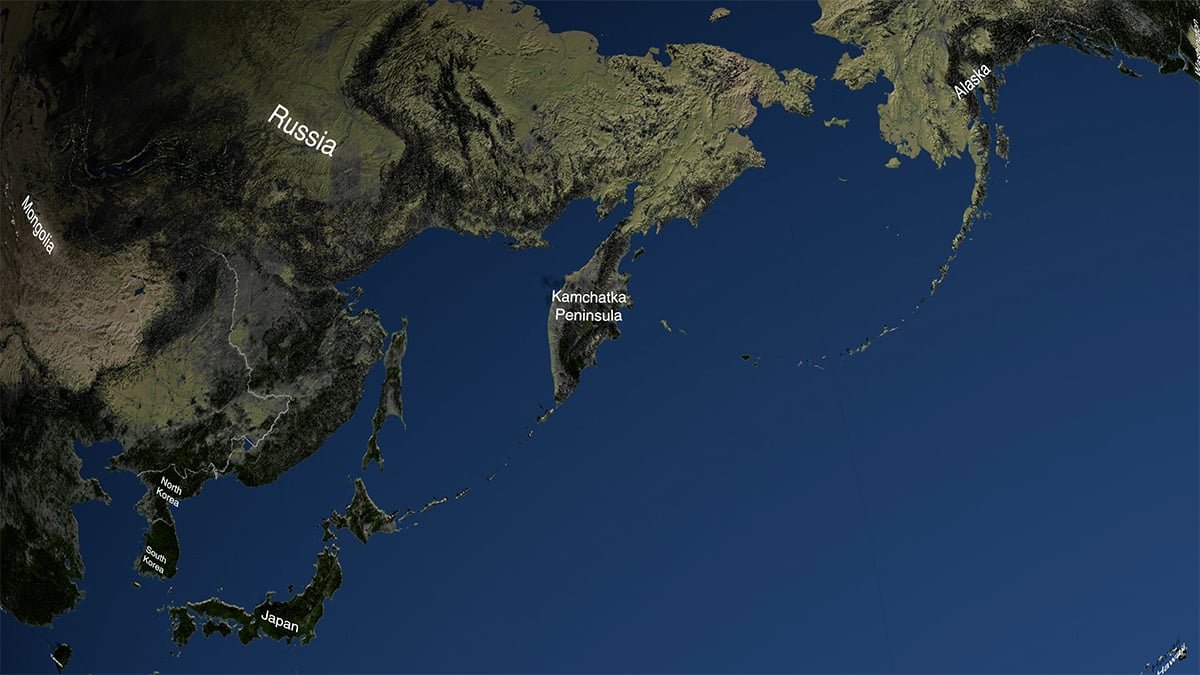
The eruption started in late July 2025, shortly after a magnitude 8.8 earthquake struck offshore on July 30. Lava and debris began emerging from the northern crater, and the eruption continued into the following months. By the end of 2025, NISAR was in a position to start recording the changes.
The satellite first observed Krasheninnikov on December 25, 2025, while the mission was still completing post-launch activities and transitioning to regular science operations. That first image became the starting point for a longer record of the volcano’s changing surface. NASA’s visualization uses 17 observations collected between December 25, 2025, and August 17, 2026.
NISAR’s “images”
The first thing to understand about the new timelapse is that these are radar images and not conventional photographs. Most satellite cameras collect visible or infrared light reflected from the ground. NISAR, by contrast, transmits microwave energy toward Earth and records the signals that return to the spacecraft.
The radar sends pulses toward the surface as NISAR moves along its orbit. Different parts of the landscape scatter that energy in different ways, and the returning signals contain information about the location and physical properties of those surfaces. Computers process those measurements to produce an image.
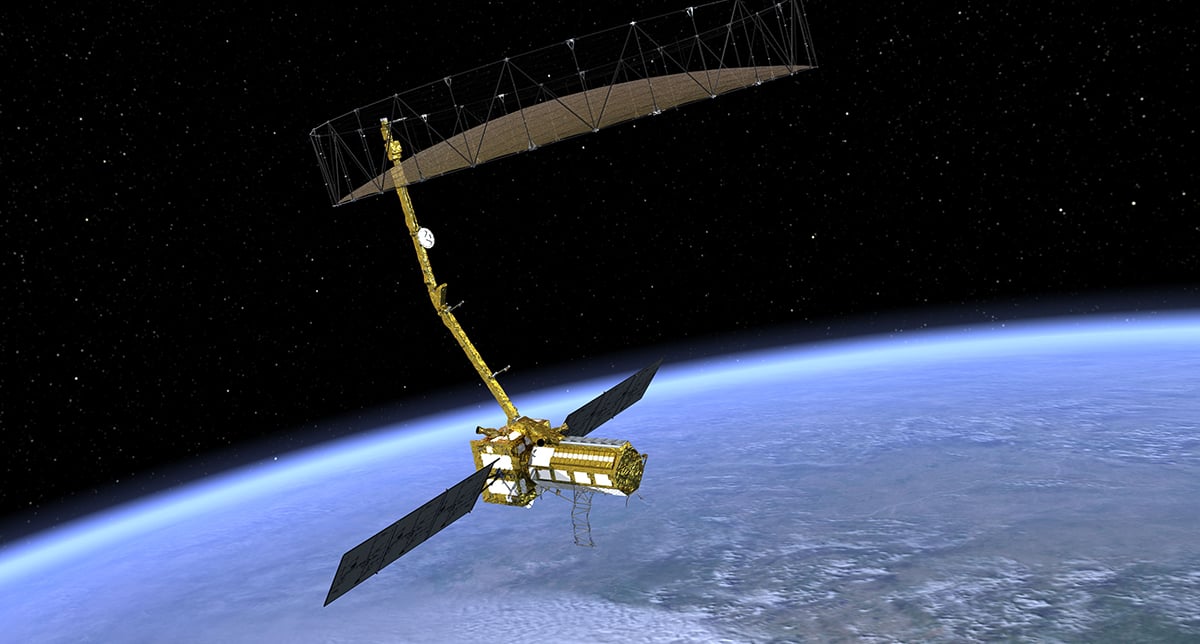
The technique is known as synthetic aperture radar. The word “synthetic” refers to the way NISAR uses the satellite’s movement during an observation. As the spacecraft travels along its orbit, the radar collects measurements from a series of positions. Processing those measurements allows the system to produce an image with a resolution that would otherwise require a much larger physical antenna.
The lava spreading across the crater
The lava first filled an inner caldera before reaching a larger crater. It then spread outward from the volcanic centre. NASA’s visualization shows the main flow moving towards the east, while another flow extends towards the northwest. That northwestern flow may have already been present before NISAR obtained its first observation of the volcano.
In the visualization, NISAR is measuring radar backscatter, which describes how much of the transmitted microwave signal returns towards the satellite. Surface roughness, structure, moisture and other physical properties can all influence that signal.
Lava has different surface characteristics from the surrounding snow, rock, and other terrain. Those differences produce different radar returns, allowing the lava field to stand out in the imagery. A bright region in a SAR image should not automatically be interpreted as a hotter region.
Clear skies!
See more from DIYPhotography.net on Google
Add DIYPhotography.net as a trusted source. This makes
our stories more likely to appear in your Google Search results.
 Add as a preferred source on Google

Soumyadeep Mukherjee
Soumyadeep Mukherjee is an award-winning astrophotographer from India. He has a doctorate degree in Linguistics. His work extends to the sub-genres of nightscape, deep sky, solar, lunar and optical phenomenon photography. He is also a photography educator and has conducted numerous workshops. His works have appeared in over 40 books & magazines including Astronomy, BBC Sky at Night, Sky & Telescope among others, and in various websites including National Geographic, NASA, Forbes. He was the first Indian to win “Astronomy Photographer of the Year” award in a major category.
Related Posts
 Unusual image of Hawaii’s erupting volcano Mauna Loa shows rare lava light pillars
 How I planned and shot an erupting volcano with the Milky Way
 Photographer takes unique self-portraits with an awe-inspiring erupting Icelandic volcano
 These aerial photos and video offer a jaw-dropping view of the erupting Fagradalsfjall volcano
Join the Discussion
DIYP Comment Policy
Be nice, be on-topic, no personal information or flames.