











Hexagon’s MANTIS by Leica Records Film Sets in 3D for VFX
Nov 17, 2026
Alysa Gavilan
Alysa Gavilan has spent years exploring photography through photojournalism and street scenes. She enjoys working with both film and mirrorless cameras, and her fascination with the craft has grown over the decades. Inspired by Vivian Maier, she is drawn to capturing everyday moments that often go unnoticed.
Share:
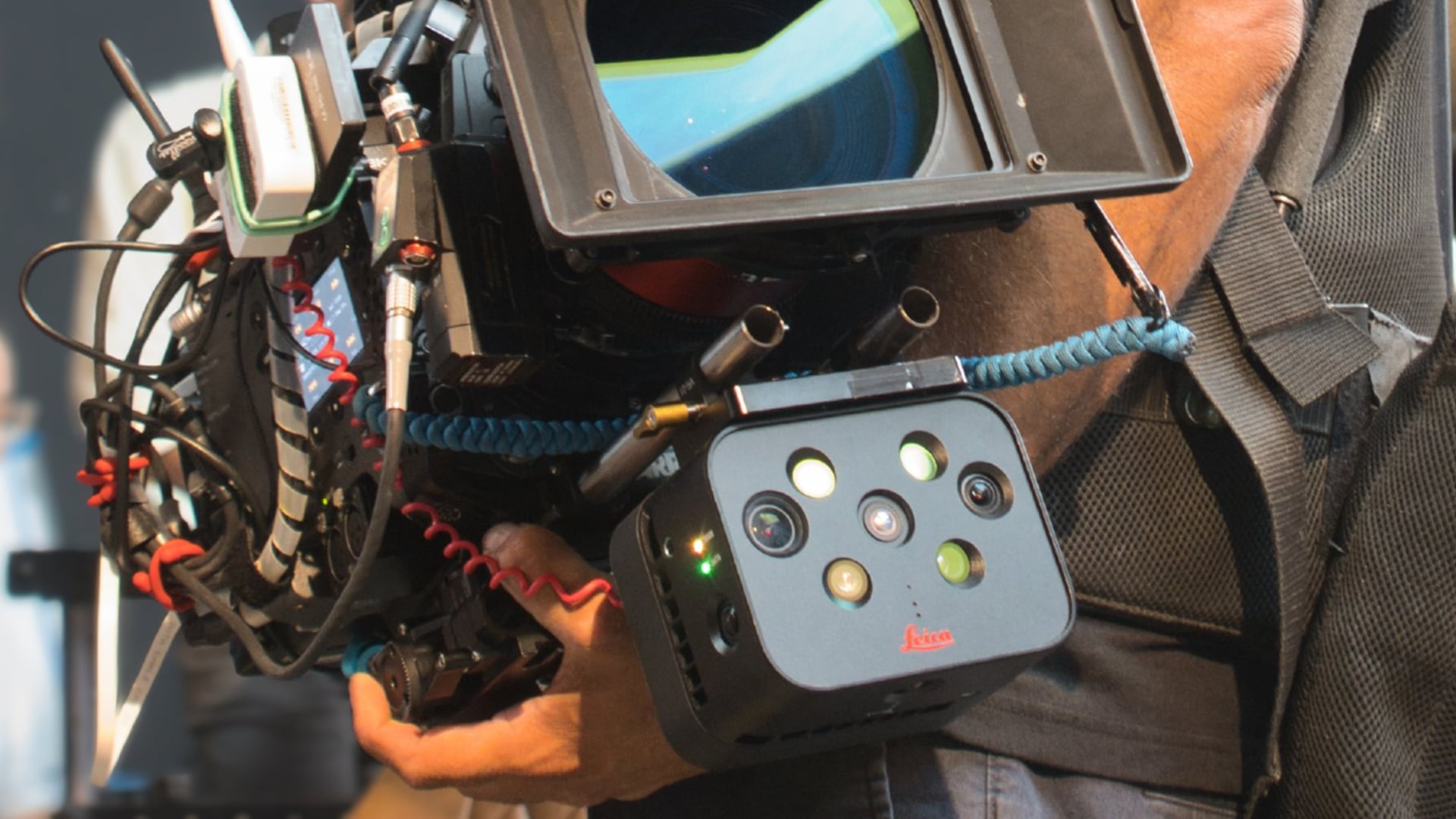
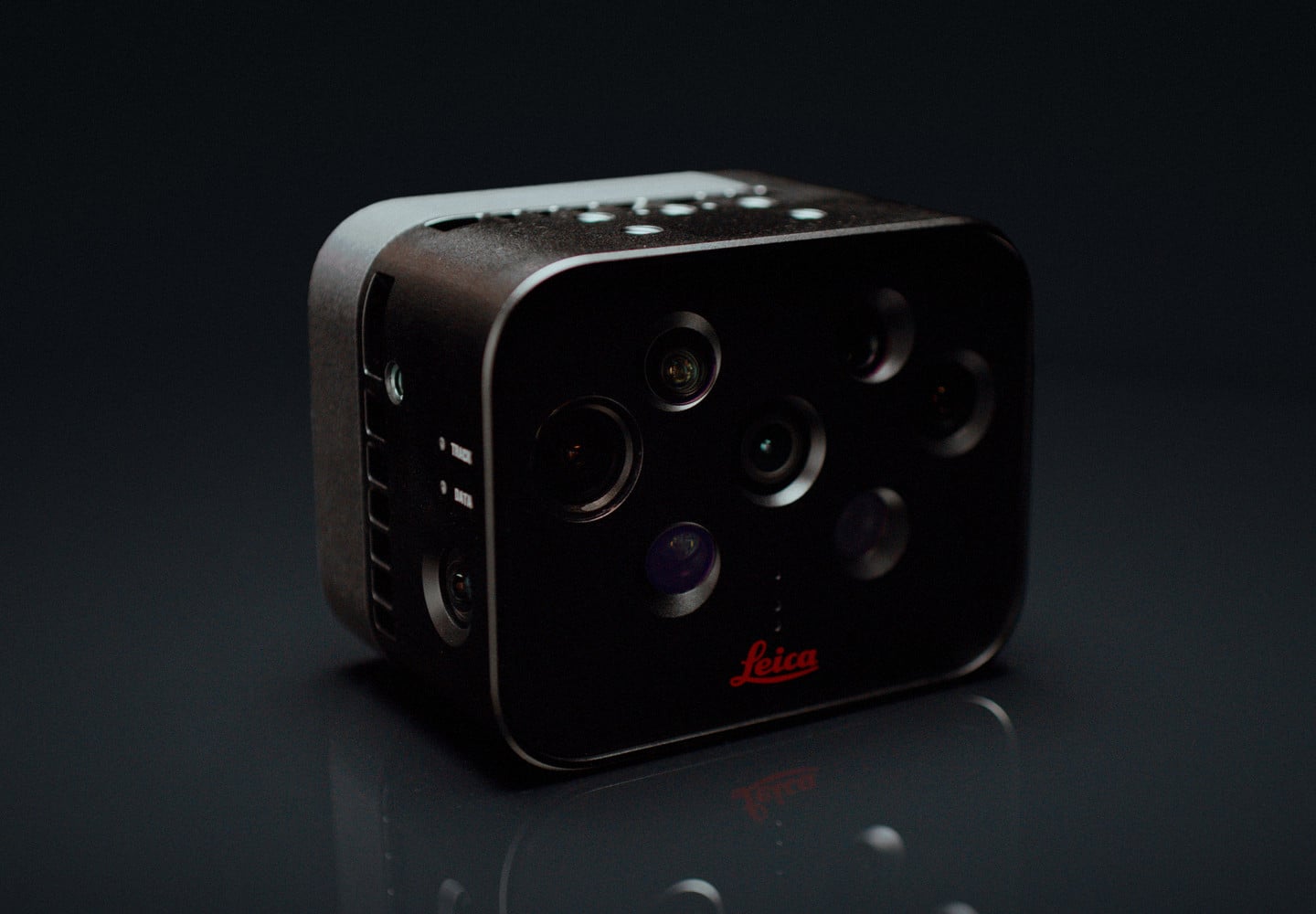
A camera records what happens in front of the lens, but it does not automatically preserve all the spatial information a visual effects team needs to recreate that scene in 3D. Hexagon hopes to close that gap with MANTIS by Leica Geosystems, a camera mounted system that captures scene geometry and camera movement as filmmakers shoot.
The system is designed to give visual effects (VFX) teams a more complete spatial record of a production, potentially reducing the time spent reconstructing sets and tracking camera movements after filming.
Capturing 3D information as the camera rolls
MANTIS records spatial data frame by frame while the camera is filming. It captures scene geometry and camera movement, synchronizing that information with the footage. This gives post production teams additional information about the scene instead of relying entirely on separate scans or estimates made after the shoot.
The system works with MANTIS Studio, which processes the recorded information into several outputs, including LiDAR corrected depth maps, position data, point clouds, and camera tracks. These can be aligned with the original footage and incorporated into existing VFX workflows.
Hexagon says the system supports standard production formats such as EXR, FBX, and Alembic. This should make it easier for artists to bring the spatial data into established tools and workflows.
Less guesswork for visual effects teams
Reconstructing a scene in 3D can be a time consuming part of visual effects production. Artists often need to determine the depth and geometry of objects, establish camera positions, and match the movement of a virtual camera to the original footage.
Separate set scans and camera tracking systems can help, but they do not necessarily preserve all the information needed for complex shots. Missing details may require additional manual work during compositing and matchmoving.
MANTIS aims to reduce that reconstruction work by recording spatial information during filming. With depth maps and camera tracks already aligned to the footage, VFX teams have more data to work with when combining live action and computer generated imagery.
Hexagon describes MANTIS as the first system of its kind for spatial recording and processing in the media and entertainment industry. The company has not yet provided detailed technical specifications, camera compatibility information, or independent performance results.
A new tool for the VFX pipeline
MANTIS reflects a growing need to capture production data that extends beyond the image itself, particularly as films increasingly combine physical sets with virtual environments and computer generated elements. MANTIS is scheduled to begin shipping in the first quarter of 2027.
For filmmakers, the idea is straightforward: capture the scene once, then give post production teams more of the information they need to work with it. The real test will be how well MANTIS integrates into existing productions and how much time it can actually save once it reaches working VFX teams.
[Photos via Leica]
See more from DIYPhotography.net on Google
Add DIYPhotography.net as a trusted source. This makes
our stories more likely to appear in your Google Search results.
 Add as a preferred source on Google

Alysa Gavilan
Alysa Gavilan has spent years exploring photography through photojournalism and street scenes. She enjoys working with both film and mirrorless cameras, and her fascination with the craft has grown over the decades. Inspired by Vivian Maier, she is drawn to capturing everyday moments that often go unnoticed.



Join the Discussion
DIYP Comment Policy
Be nice, be on-topic, no personal information or flames.