
















NASA and ESA Satellites Capture Anak Krakatau Eruption from Space
Sep 10, 2026
Soumyadeep Mukherjee
Soumyadeep Mukherjee is an award-winning astrophotographer from India. He has a doctorate degree in Linguistics. His work extends to the sub-genres of nightscape, deep sky, solar, lunar and optical phenomenon photography. He is also a photography educator and has conducted numerous workshops. His works have appeared in over 40 books & magazines including Astronomy, BBC Sky at Night, Sky & Telescope among others, and in various websites including National Geographic, NASA, Forbes. He was the first Indian to win “Astronomy Photographer of the Year” award in a major category.
Share:
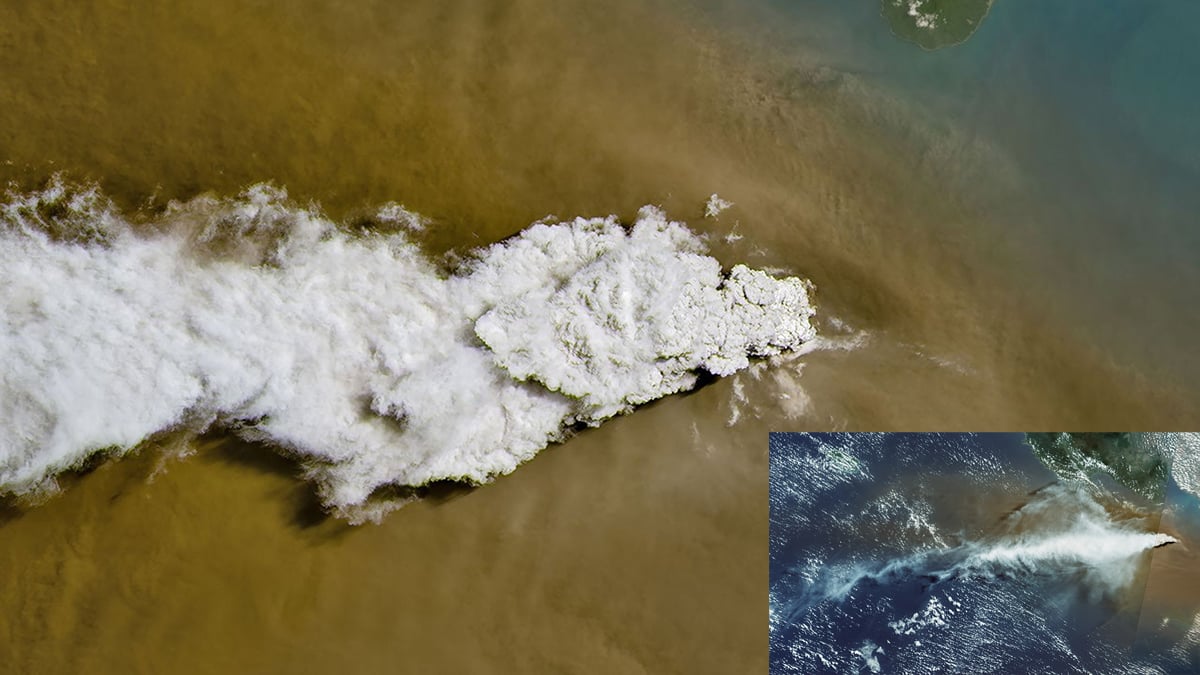
Indonesia’s Anak Krakatau volcano began erupting on September 4, sending ash and volcanic gases into the atmosphere above the Sunda Strait. The eruption continued for more than 24 hours and became strong enough to disrupt air traffic across Indonesia.
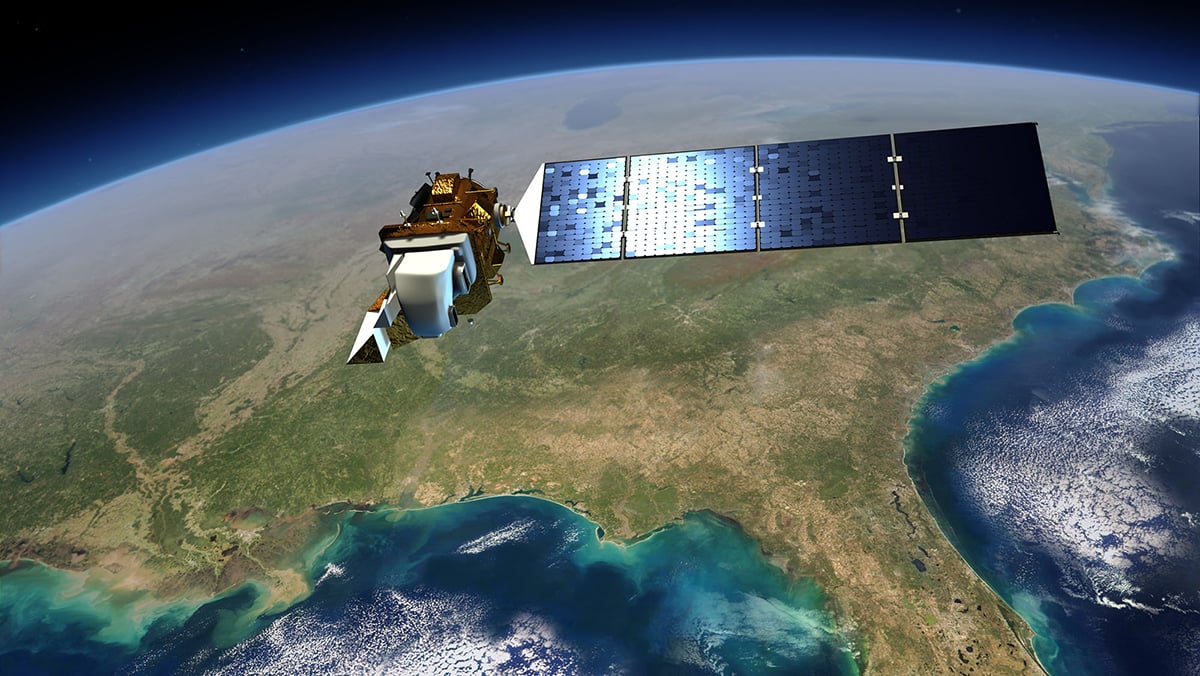
Two satellites captured the volcano during the eruption on September 5. NASA‘s Landsat 8 recorded a close view of the eruption, and ESA‘s Copernicus Sentinel-3 captured the same volcano from a different perspective. Their images show the white volcanic plume rising above a much larger cloud of ash and debris.
NASA’s Landsat 8 captures Anak Krakatau erupting
Landsat 8 photographed Anak Krakatau on September 5 using its Operational Land Imager, or OLI. The image shows a small green island beneath a huge cloud of volcanic material. A white plume rises from the volcano and trails across the image, and a much larger tan-brown cloud spreads beneath it.
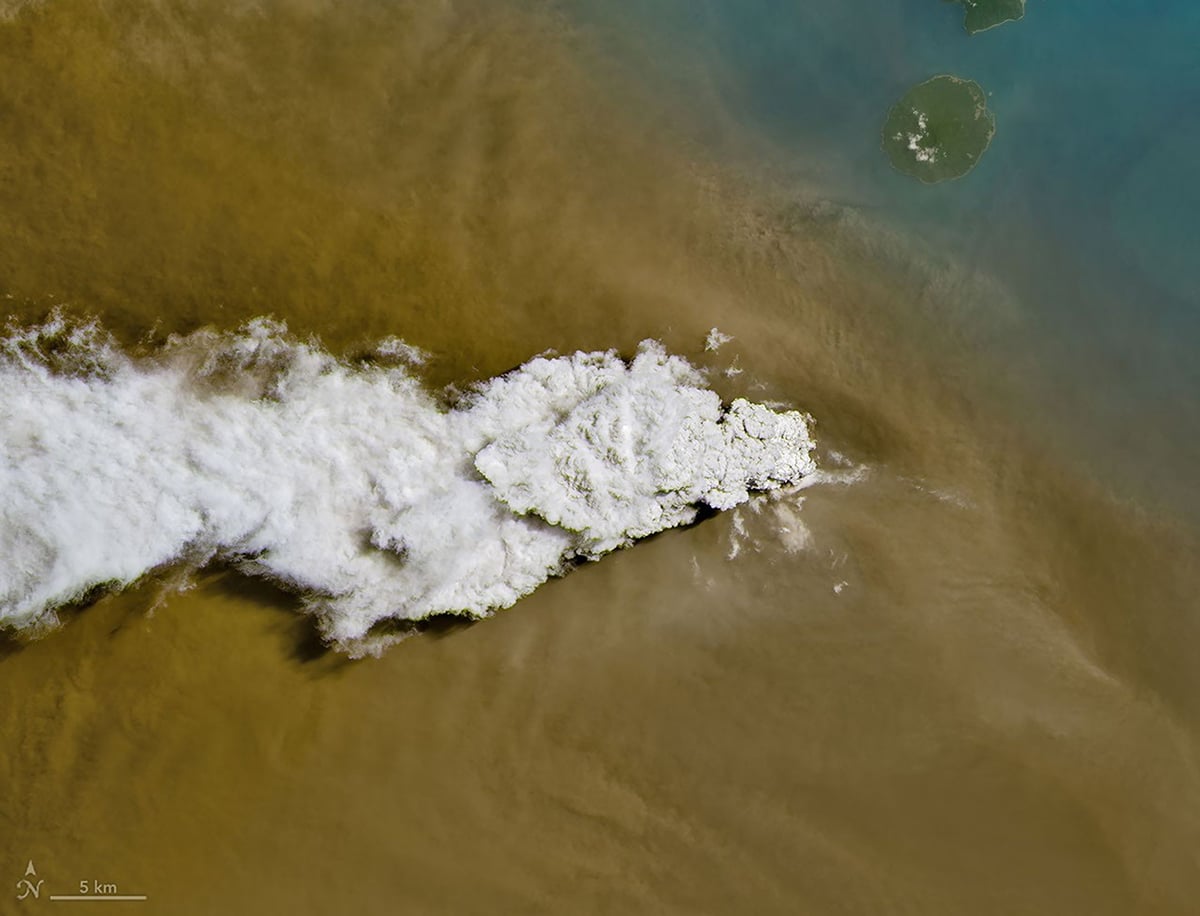
NASA identifies the white plume as volcanic gas. The brown material consists of ash. The gases rose higher into the atmosphere, while ash and other particles remained at lower altitudes and spread across the region.
Landsat 8 carries two instruments, OLI and the Thermal Infrared Sensor. OLI records reflected light in nine spectral bands. Those bands cover visible light, near-infrared, and shortwave infrared wavelengths. Its multispectral bands have a ground resolution of 30 metres, while its panchromatic band reaches 15 metres.
NASA also shared a second view from the VIIRS instrument aboard the Suomi NPP satellite. That image steps back from the volcano and shows the plume spreading over a much larger area.
ESA’s Sentinel-3 captures another view
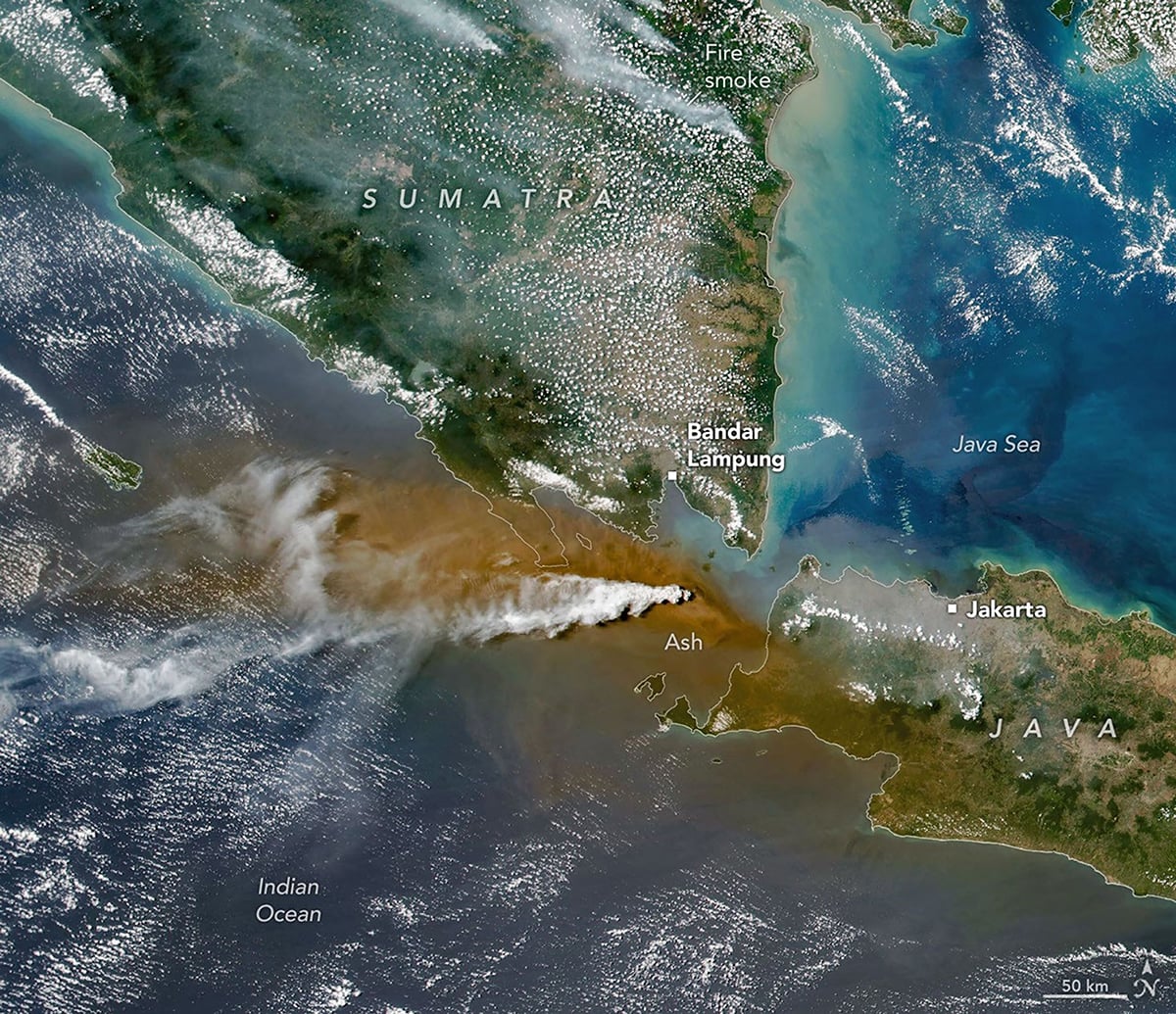
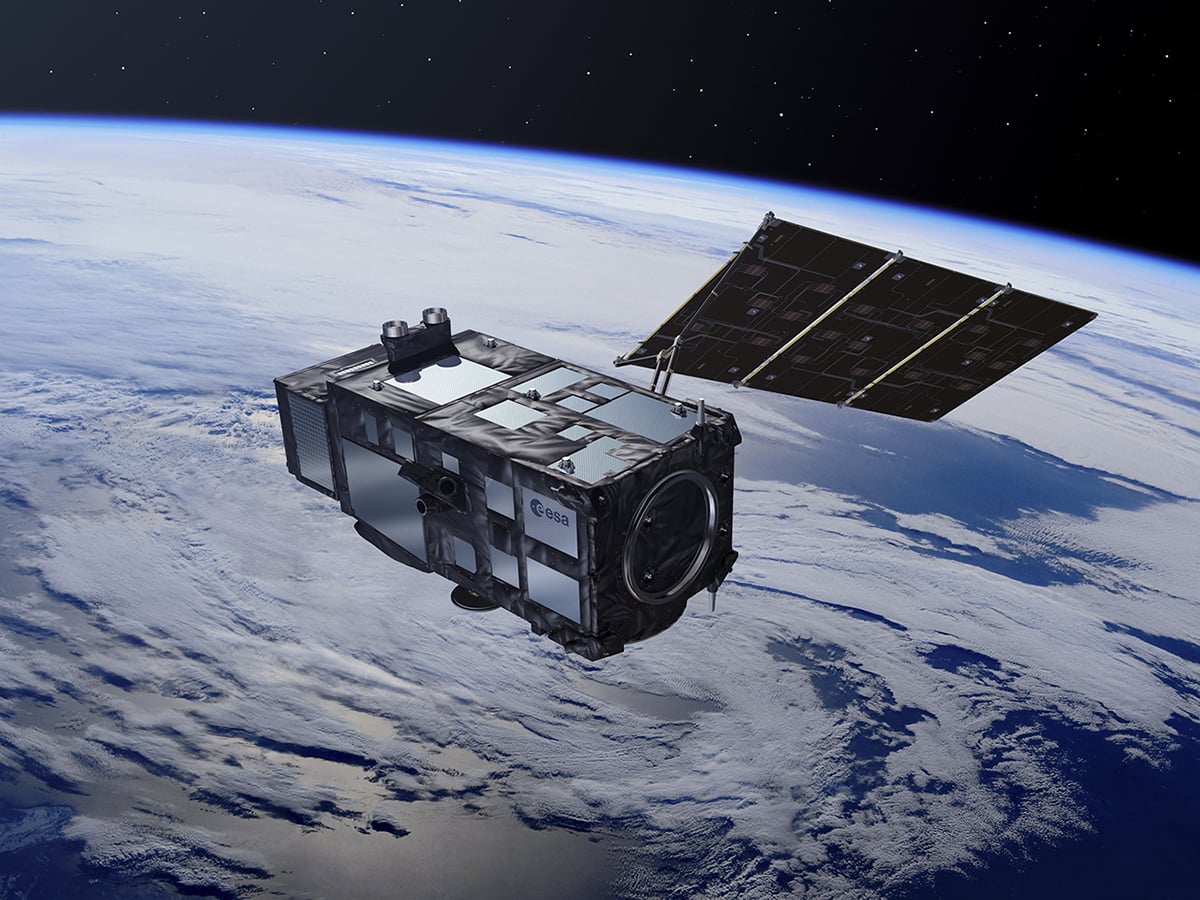
Sentinel-3 passed over Anak Krakatau on the same day as Landsat 8. The satellite captured a broader view of the volcano surrounded by a large cloud of ash and debris. A white plume rises from the island and stretches into the atmosphere.
ESA describes the white material as volcanic gases. Eruptions release gases including water vapor, carbon dioxide, and sulphur dioxide. The lower brown clouds contain ash and debris drifting away from the volcano.
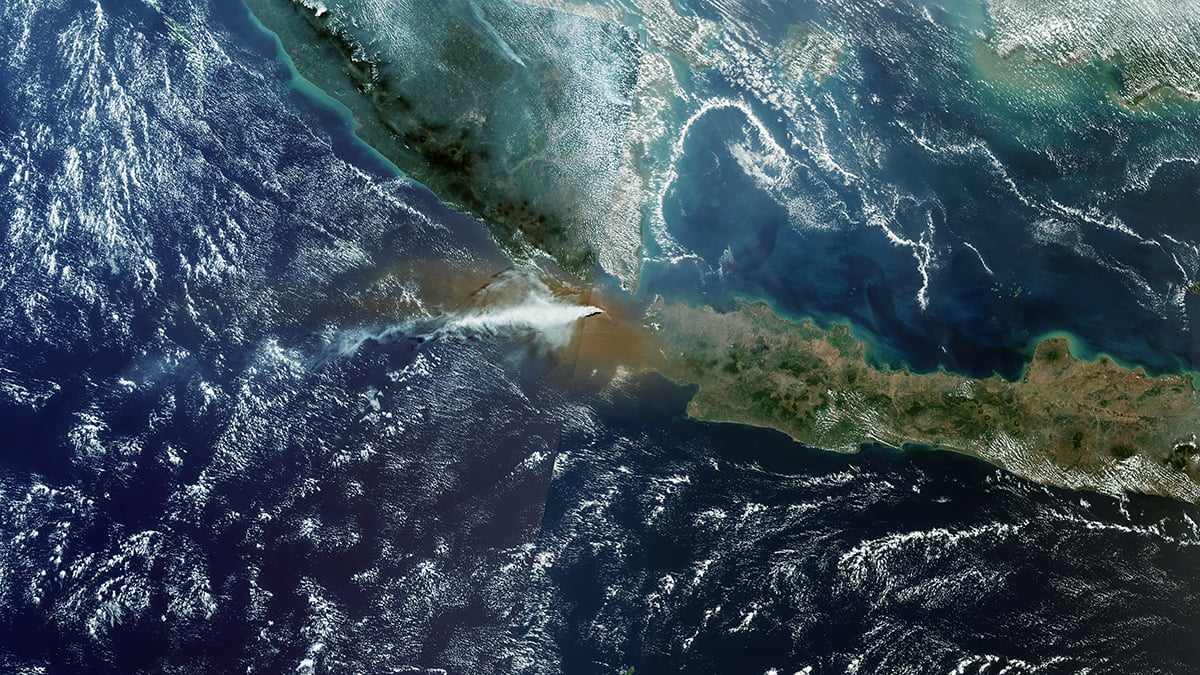
The image was captured by Sentinel-3’s Ocean and Land Color Instrument, or OLCI. OLCI is an imaging spectrometer with 21 spectral bands. It records information across different parts of the electromagnetic spectrum and has a spatial resolution of 300 meters. ESA uses its data to study ocean color, vegetation, atmospheric aerosols, and clouds.
Two satellites, two different views
Landsat 8’s OLI has nine spectral bands. Seven of its reflective bands cover visible, near-infrared, and shortwave infrared wavelengths, while the panchromatic band records a wider range at higher spatial resolution.
Sentinel-3, on the other hand, records 21 spectral bands, each covering a selected part of the spectrum. ESA designed the instrument around measurements of Earth’s land, oceans, and atmosphere.
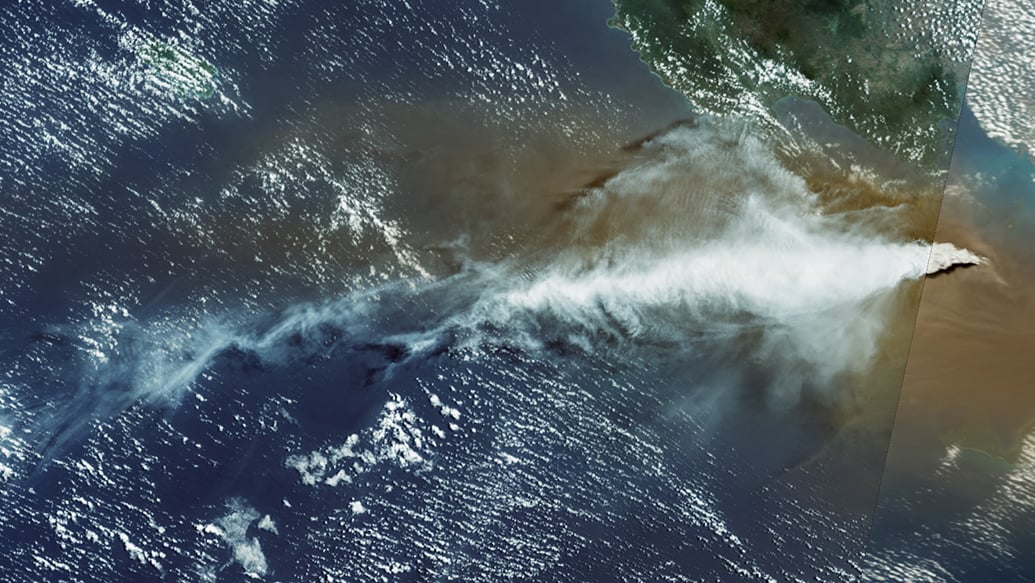
NASA‘s wider VIIRS image shows ash and volcanic gases stretching away from Anak Krakatau. The plume crossed a large section of the surrounding region and goes to show how quickly material from a volcano can enter the atmosphere and travel with the winds.
Indonesia’s meteorological agency reported ash reaching 15,000 meters to the west and 6,000 meters to the east by September 6. The resulting aviation hazard led authorities to temporarily close eight airports on Java and Sumatra. Nearly 3,000 flights were disrupted.
Clear skies!
See more from DIYPhotography.net on Google
Add DIYPhotography.net as a trusted source. This makes
our stories more likely to appear in your Google Search results.
 Add as a preferred source on Google

Soumyadeep Mukherjee
Soumyadeep Mukherjee is an award-winning astrophotographer from India. He has a doctorate degree in Linguistics. His work extends to the sub-genres of nightscape, deep sky, solar, lunar and optical phenomenon photography. He is also a photography educator and has conducted numerous workshops. His works have appeared in over 40 books & magazines including Astronomy, BBC Sky at Night, Sky & Telescope among others, and in various websites including National Geographic, NASA, Forbes. He was the first Indian to win “Astronomy Photographer of the Year” award in a major category.

Join the Discussion
DIYP Comment Policy
Be nice, be on-topic, no personal information or flames.