





















Fujifilm’s Film Camera Mode vs. 35mm Film: One Lies Beautifully, the Other Costs More
Nov 3, 2025
David Prochnow
Our resident “how-to” project editor, David Prochnow, lives on the Gulf Coast of the United States in Ocean Springs, Mississippi. He brings his expertise at making our photography projects accessible to everyone, from a lengthy stint acting as the Contributing How-To Editor with Popular Science magazine. While you don’t have to actually build each of his projects, reading about these adventures will contribute to your continued overall appreciation of do-it-yourself photography. A collection of David’s best Popular Science projects can be found in the book, “The Big Book of Hacks,” Edited by Doug Cantor.
Share:
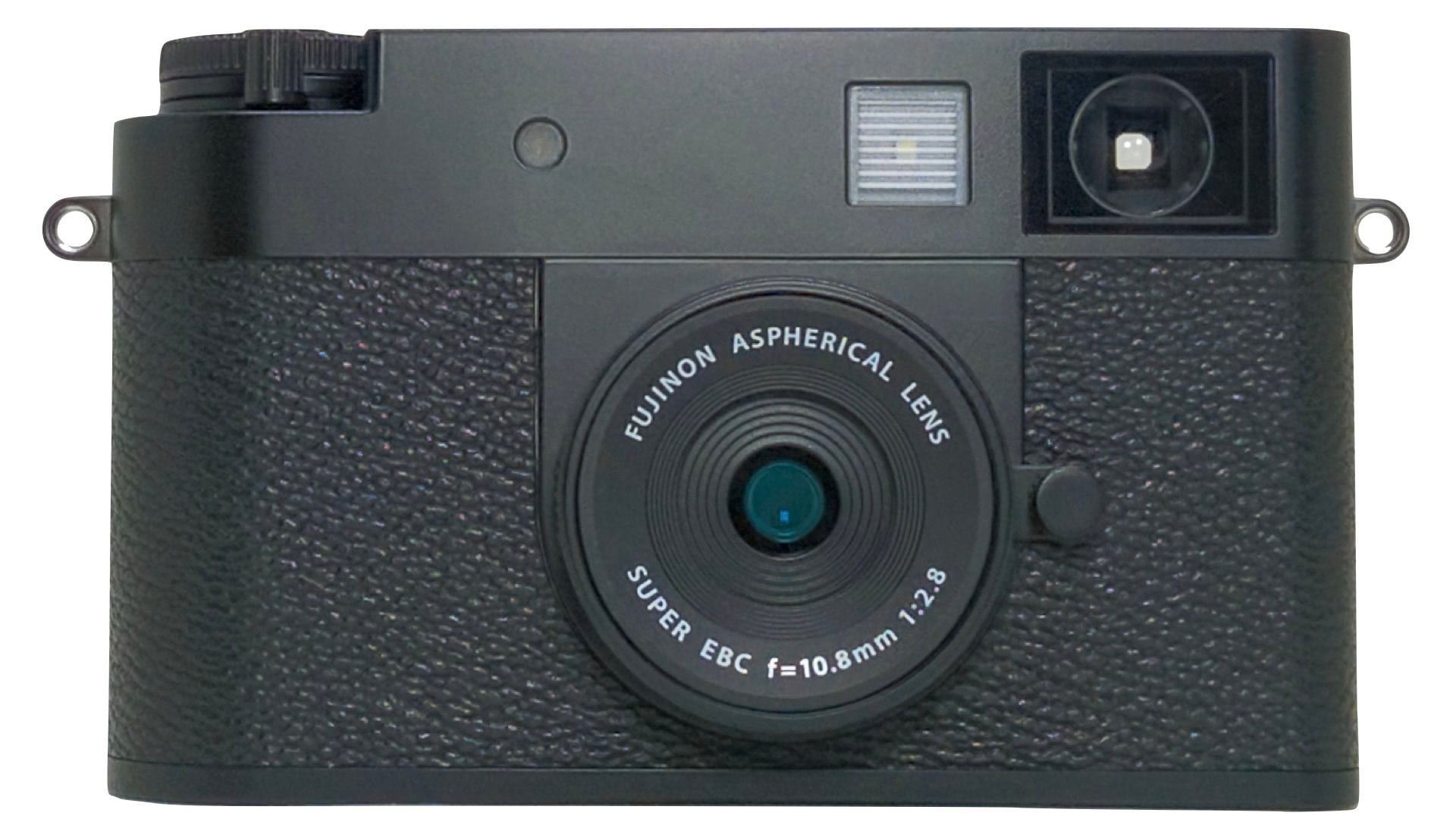
If you’ve ever wanted the vibe of a 35mm film camera without the wallet-draining heartbreak of buying film, developing it, scanning it, crying, and repeating—it’s time to meet Fujifilm’s X half Film Camera Mode. It’s like ordering a salad that tastes exactly like french fries, but minus all of the trans fat. But can a digital imposter truly capture the soul (and dust specks) of a real 35mm camera? Grab your lens cap; we’re about to stir up some grainy controversy.
The Pretender: Fujifilm X half Film Camera Mode
The Fujifilm X cameras are famous for pretending they’re analog icons—complete with fake film names, dial-heavy bodies, and menus that whisper, “Trust me, I’m vintage.” The new X half Film Camera Mode takes that cosplay to the next level, mimicking the look and framing of a half-frame 35mm camera.
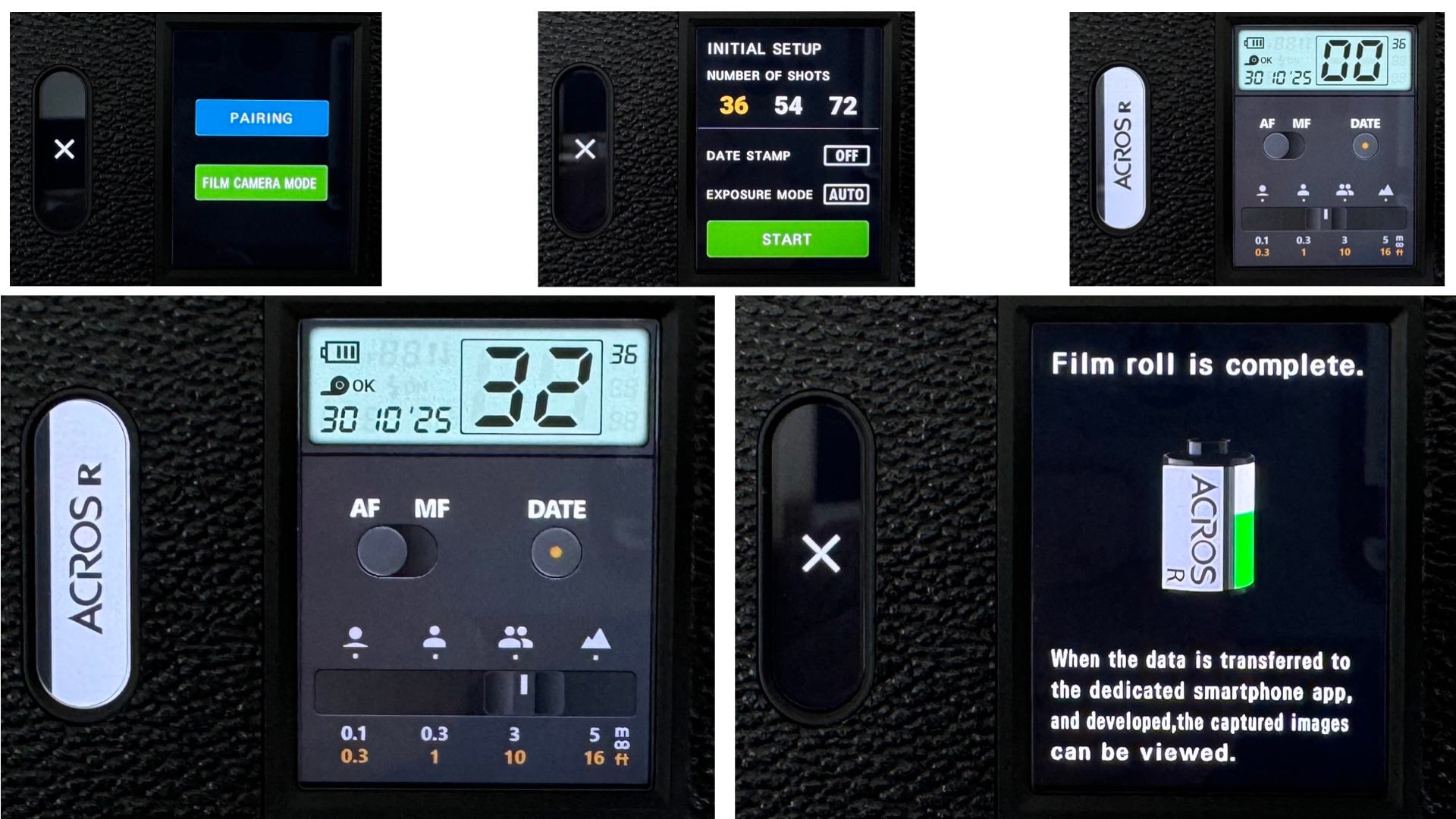
You get the warm hues, the crunchy contrast, and the artsy vibes—all without ever smelling fixer chemicals or accidentally double-exposing Uncle Bob’s birthday party. Better yet, it gives you high exposure count capability—just like a real half-frame camera—but instead of buying another roll of film, you just offload to your smartphone.
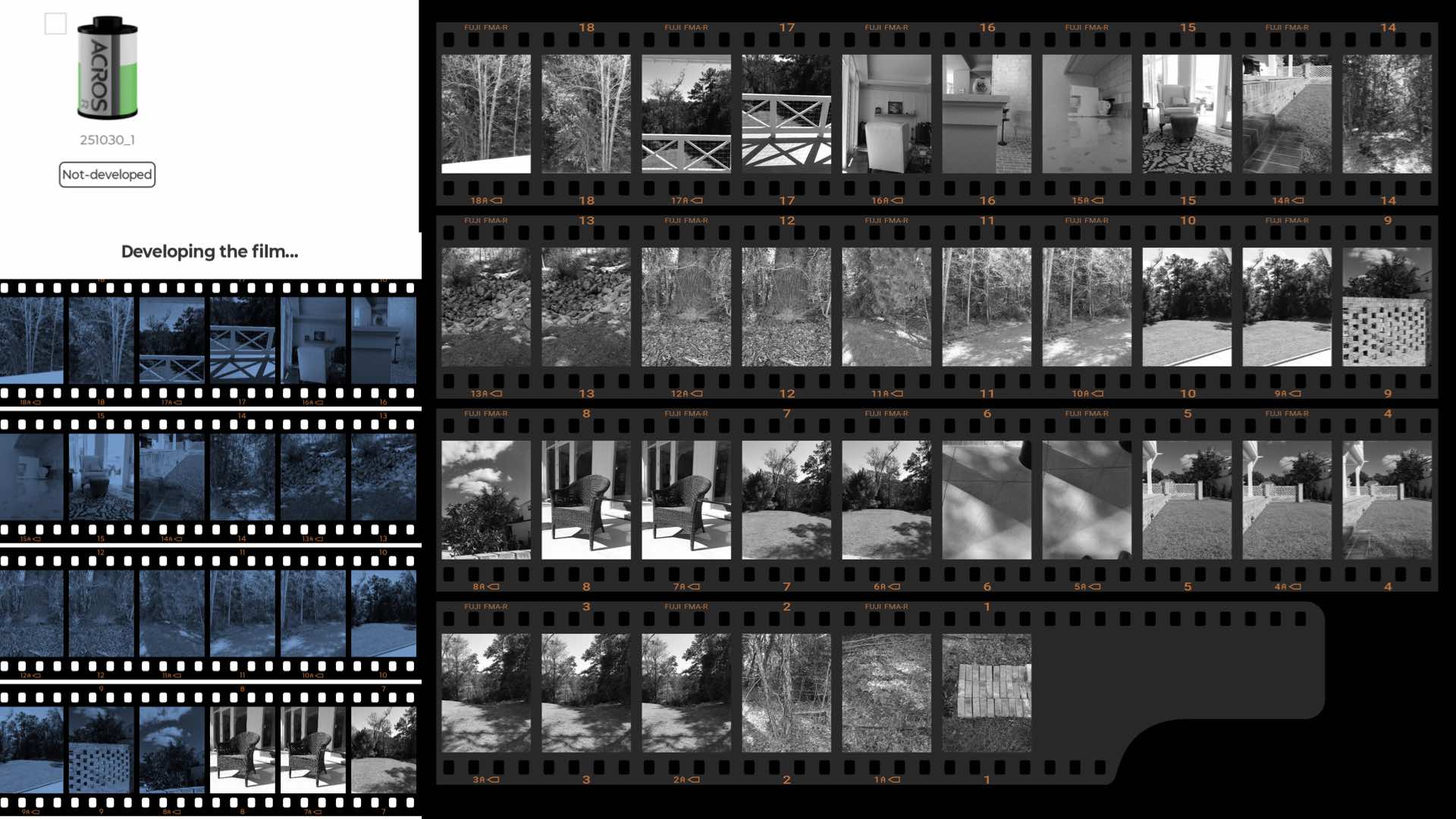
And if you mess up? Delete it. Nobody knows. Film gods might weep, however, at your cavalier approach to photography.
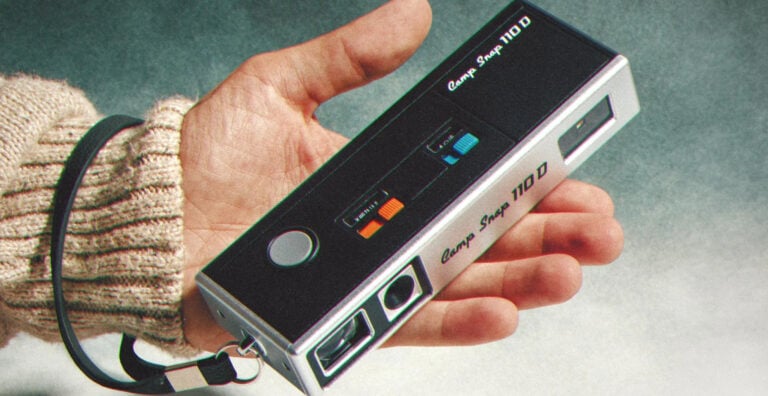
The Contender: 35mm Film Camera
Ah, the 35mm camera—the analog beast that forces patience, precision, and satisfaction. You don’t “spray and pray” here; you “earn every frame.” Every shot costs about the same as a gallon of gas…back in 1973 and the suspense of waiting for development could rival the anticipation of the Detroit Lions winning the Super Bowl.
But the reward? Glorious imperfection. The grain, the unpredictable color shifts, the tiny light leaks that scream authentic film credence. Every photo feels earned—because it was. Plus, there’s an undeniable, palpable excitement that is enjoyed when loading a roll of film.
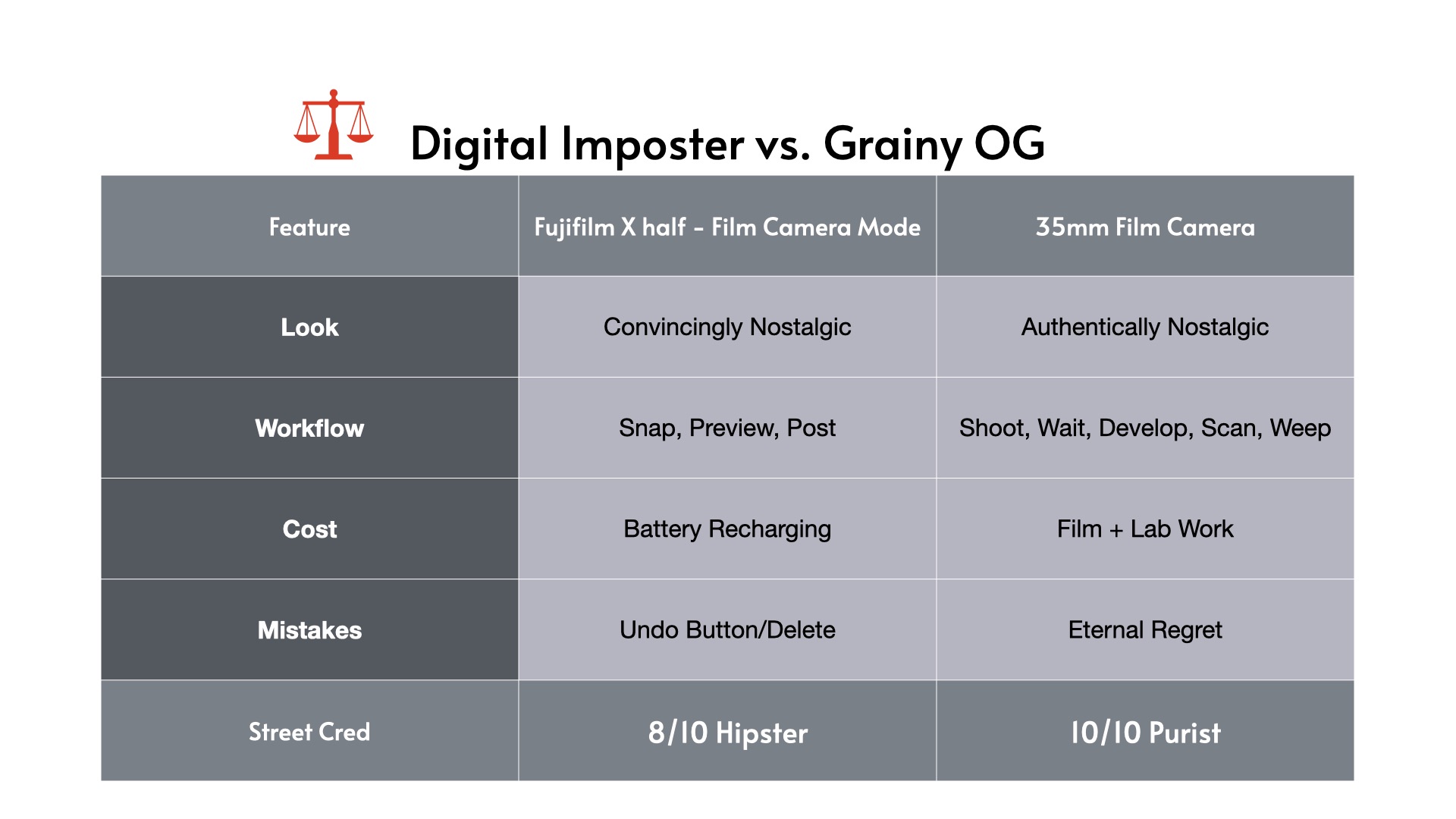
The Verdict
The Fujifilm X half Film Camera Mode is that friend who wears vintage band T-shirts but secretly streams Taylor Swift—it looks authentic, feels authentic, but deep down, it’s running on pixels, not patience.
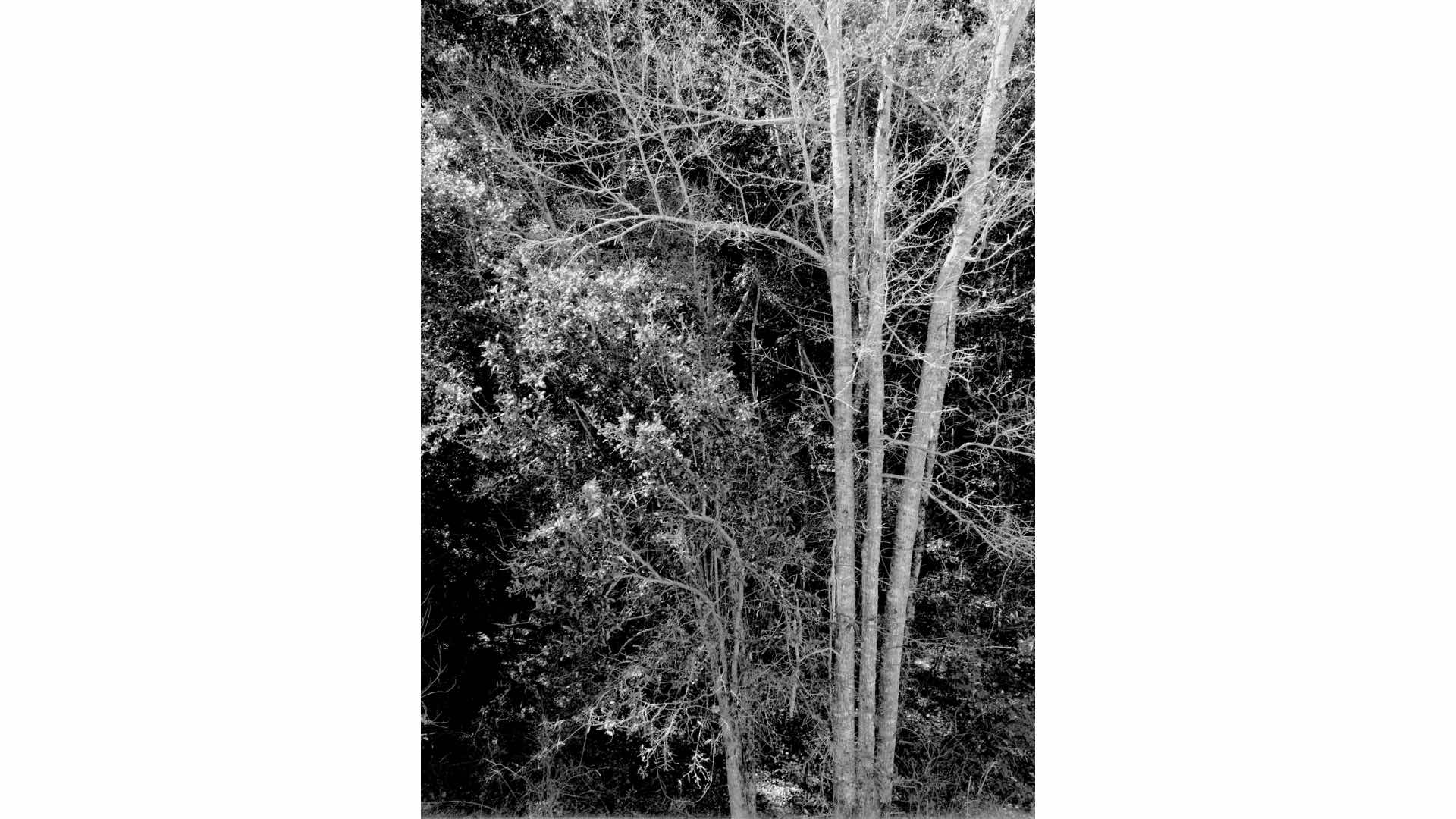
Still, it’s hard to hate: you get the film aesthetic, endless retries, and none of the chemical stains on your fingernails. But if you crave the ritual—the click, the wind, the mystery—your 35mm camera will always win.
So really, the choice is simple: one gives you instant nostalgia; the other makes you earn it.
Enjoy.
See more from DIYPhotography.net on Google
Add DIYPhotography.net as a trusted source. This makes
our stories more likely to appear in your Google Search results.
 Add as a preferred source on Google
Filed Under:
Tagged With:

David Prochnow
Our resident “how-to” project editor, David Prochnow, lives on the Gulf Coast of the United States in Ocean Springs, Mississippi. He brings his expertise at making our photography projects accessible to everyone, from a lengthy stint acting as the Contributing How-To Editor with Popular Science magazine. While you don’t have to actually build each of his projects, reading about these adventures will contribute to your continued overall appreciation of do-it-yourself photography. A collection of David’s best Popular Science projects can be found in the book, “The Big Book of Hacks,” Edited by Doug Cantor.


Join the Discussion
DIYP Comment Policy
Be nice, be on-topic, no personal information or flames.