










Essential Equipment for Portrait Photography
Oct 19, 2025
Alysa Gavilan
Alysa Gavilan has spent years exploring photography through photojournalism and street scenes. She enjoys working with both film and mirrorless cameras, and her fascination with the craft has grown over the decades. Inspired by Vivian Maier, she is drawn to capturing everyday moments that often go unnoticed.
Share:

Portrait photography is one of the most rewarding genres because it allows photographers to capture personality, emotion, and character in a single frame. While creativity, composition, and lighting are fundamental, having the right equipment can make a huge difference in achieving professional-looking results.
For beginners, the wide range of cameras, lenses, and accessories can feel overwhelming. Understanding what equipment is truly essential helps you focus on tools that improve your portraits without unnecessary complexity or cost.
This guide covers the core equipment for portrait photography, from cameras and lenses to lighting, tripods, and accessories, explaining their purpose and how they contribute to better portraits.
Choosing the Right Camera for Portraits
Your camera is the heart of your portrait setup, but you don’t need the most expensive model to create stunning images.
DSLR and Mirrorless Cameras are Versatile Choices
The key is to choose a camera that allows you to control aperture, shutter speed, and ISO precisely, as these settings are critical for portrait work.
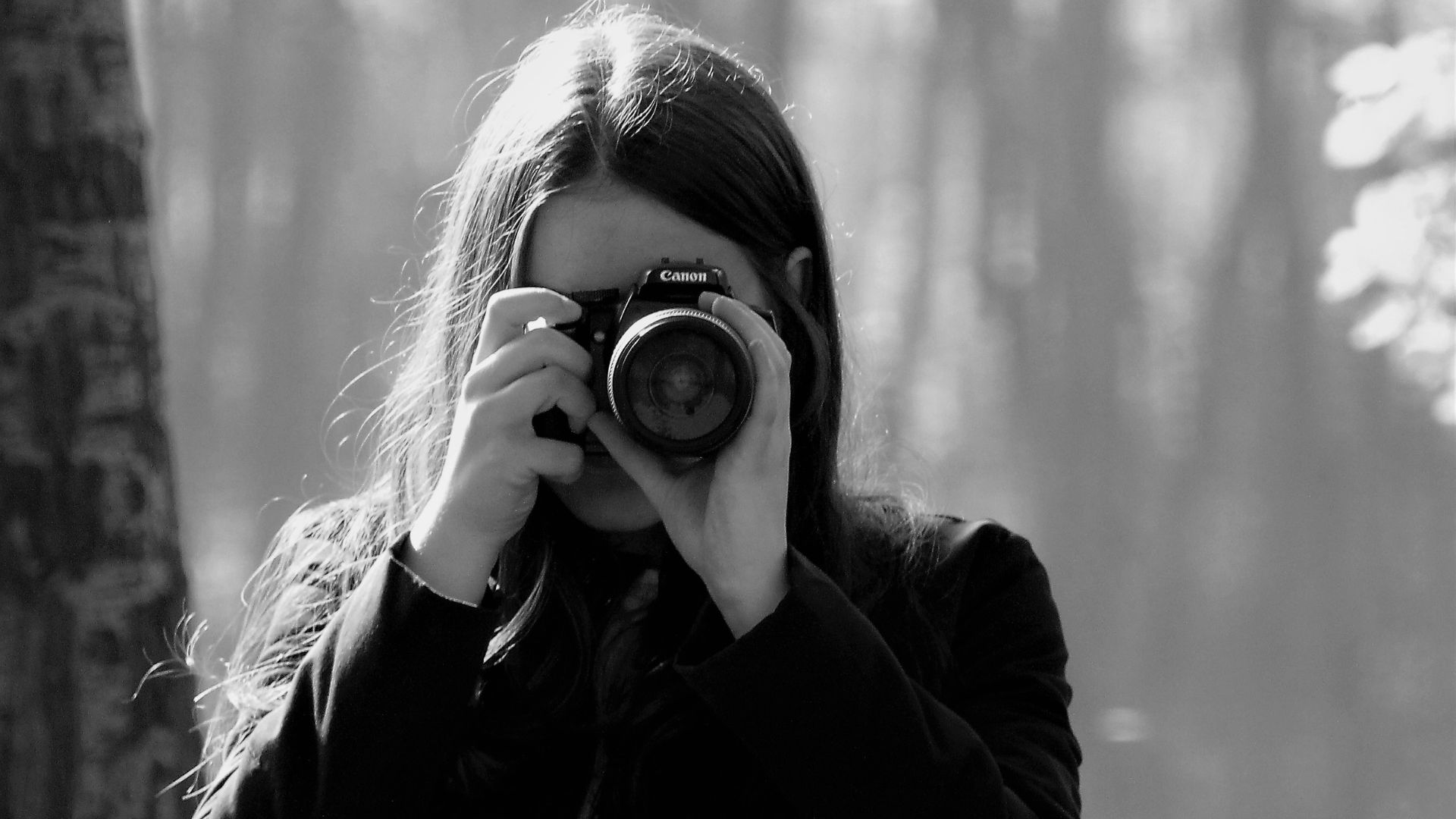
DSLRs and mirrorless cameras are ideal for portrait photography because they offer interchangeable lenses, larger sensors, and more control over settings compared to compact cameras or smartphones.
Full-frame sensors are particularly popular because they produce shallow depth of field, beautiful background blur, and superior low-light performance.
APS-C or Micro Four Thirds cameras can also deliver excellent portraits at a lower price, though depth of field and background compression differ slightly.
Consider Ergonomics and Usability
Beyond specifications, consider how comfortable the camera feels in your hands.
Portrait photography often requires holding the camera for extended periods while guiding your subject, adjusting settings, and observing light. A lightweight mirrorless camera, meanwhile, may be easier to handle than a heavier DSLR for long shoots.
Also, look for features like reliable autofocus, eye-detection tracking, and a responsive interface, as these will help you capture sharper, well-composed portraits consistently.
Lenses Are the Most Important Tool for Portraits
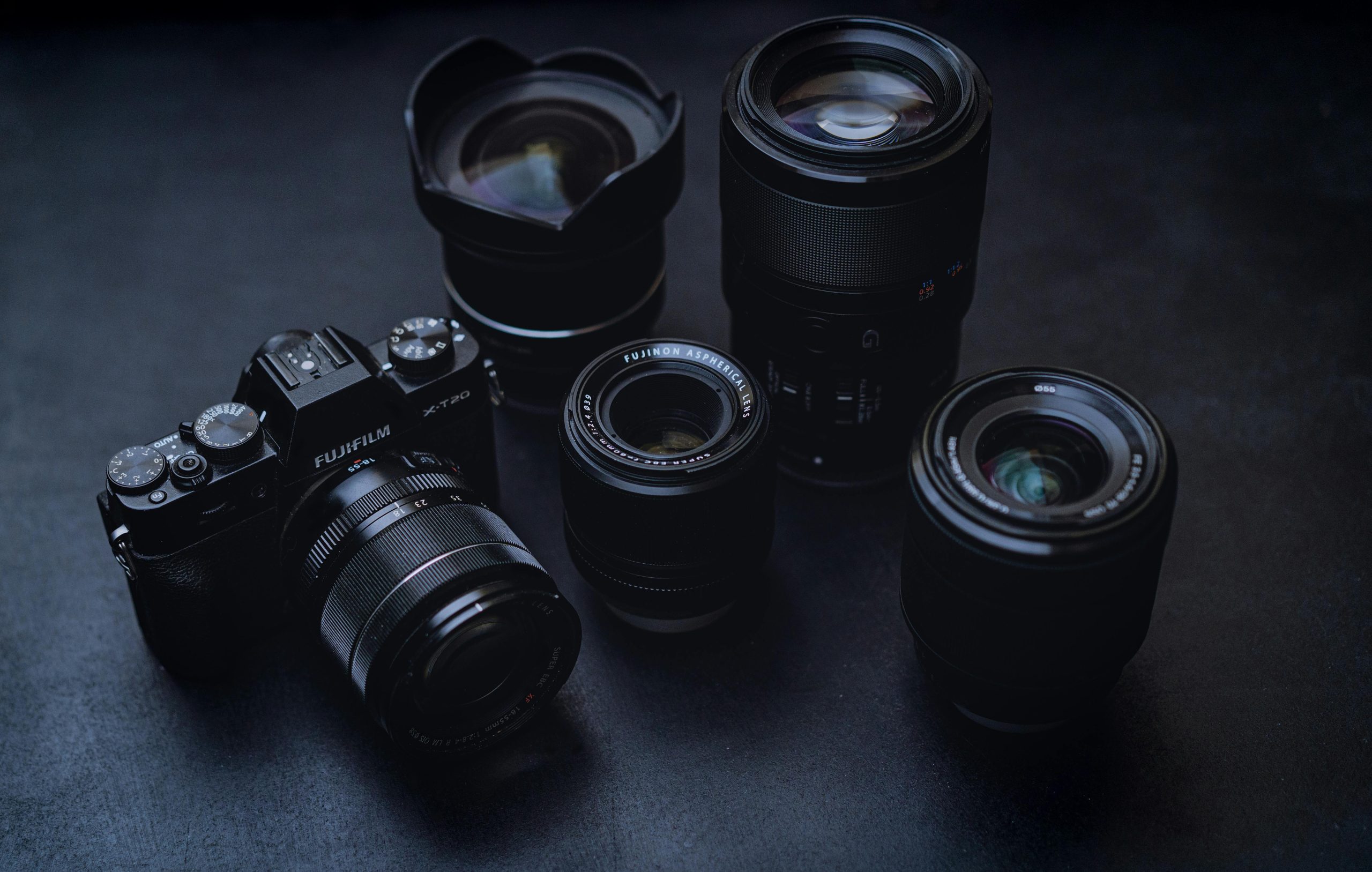
While your camera body matters, the lens often has the greatest impact on portrait quality. Lenses dictate field of view, perspective, background blur, and subject isolation.
Prime Lenses Offer Sharpness and Beautiful Bokeh
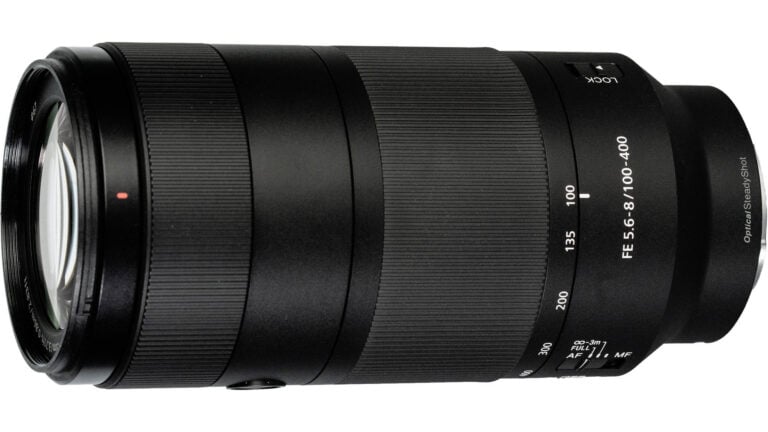
Prime lenses, such as 50mm, 85mm, or 135mm, are favorites for portrait photographers because they deliver exceptional optical quality and wide apertures, often ranging from f/1.2 to f/1.8.
These wide apertures create a shallow depth of field that allows the subject to stand out against a blurred background. They also let in more light, making them excellent for low-light environments.
The slight compression of features at longer focal lengths produces flattering results, especially for headshots and close-up portraits.
Zoom Lenses Give Flexibility for Different Shooting Scenarios
Zoom lenses, like a 24–70mm f/2.8 or 70–200mm f/2.8, are highly versatile. They allow you to adjust framing quickly without moving physically, which is especially useful for dynamic subjects, environmental portraits, or event photography.
While zoom lenses may not achieve the same extreme background blur as primes at their widest apertures, their convenience and flexibility make them ideal for photographers who need adaptability in various settings.

Lighting Equipment Elevates Portraits
Even the best camera and lens cannot compensate for poor lighting. Understanding and controlling light is fundamental in portrait photography, and the right lighting equipment makes this easier.
Continuous Lights Are Great for Beginners
Continuous LED panels or ring lights provide constant illumination which allows you to see how light falls on your subject in real-time. This makes it easier to adjust angles, shadows, and intensity before taking a shot.
They are particularly useful for indoor or studio portraits, product-related lifestyle shoots, or when recording video alongside still images.
Off-Camera Flash Provides Control and Creativity
Learning to use flash creatively expands your options and allows for more artistic control over mood and style.
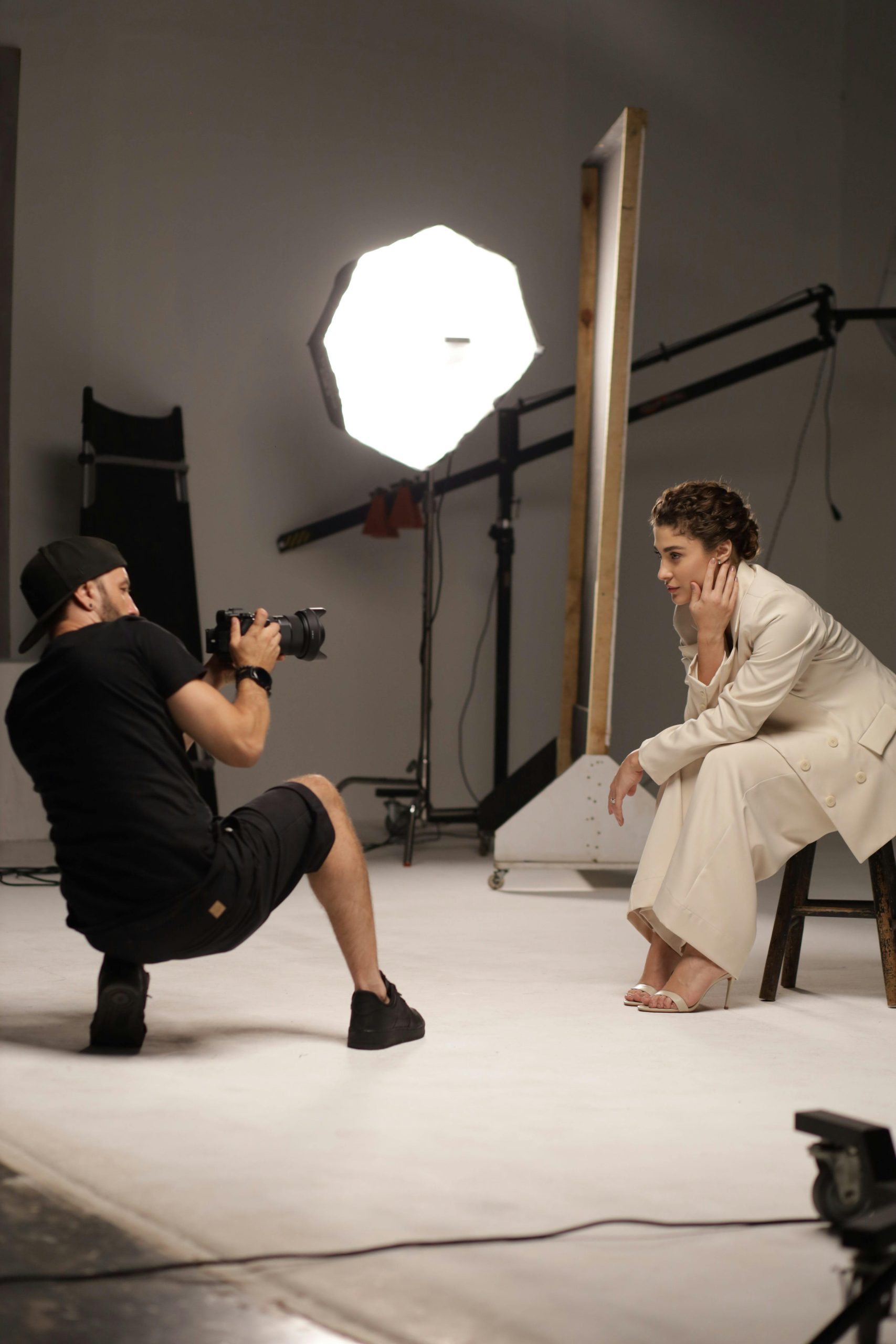
Off-camera flash (or speedlights) allows photographers to manipulate direction, intensity, and quality of light. Using modifiers like softboxes, umbrellas, or diffusers can produce soft, flattering light for portraits.
Meanwhile, placing a flash at an angle can create depth, highlight textures, and sculpt the subject’s face. This can produce professional-looking results even in challenging lighting conditions.
Reflectors and Diffusers are Affordable Essentials
Reflectors bounce light back onto the subject, which reduces shadows and enhances highlights naturally. Diffusers soften harsh sunlight or strong artificial light, creating gentle, even illumination on skin.
These tools are inexpensive, portable, and invaluable for controlling light without needing complex setups. Even a simple white or silver reflector can dramatically improve outdoor or window-lit portraits.
Tripods and Stabilization for Sharp Portraits
Sharpness is critical in portraits, and even minor camera shake can affect image quality, especially with longer lenses or slow shutter speeds.
Tripods Provide Stability for Controlled Setups
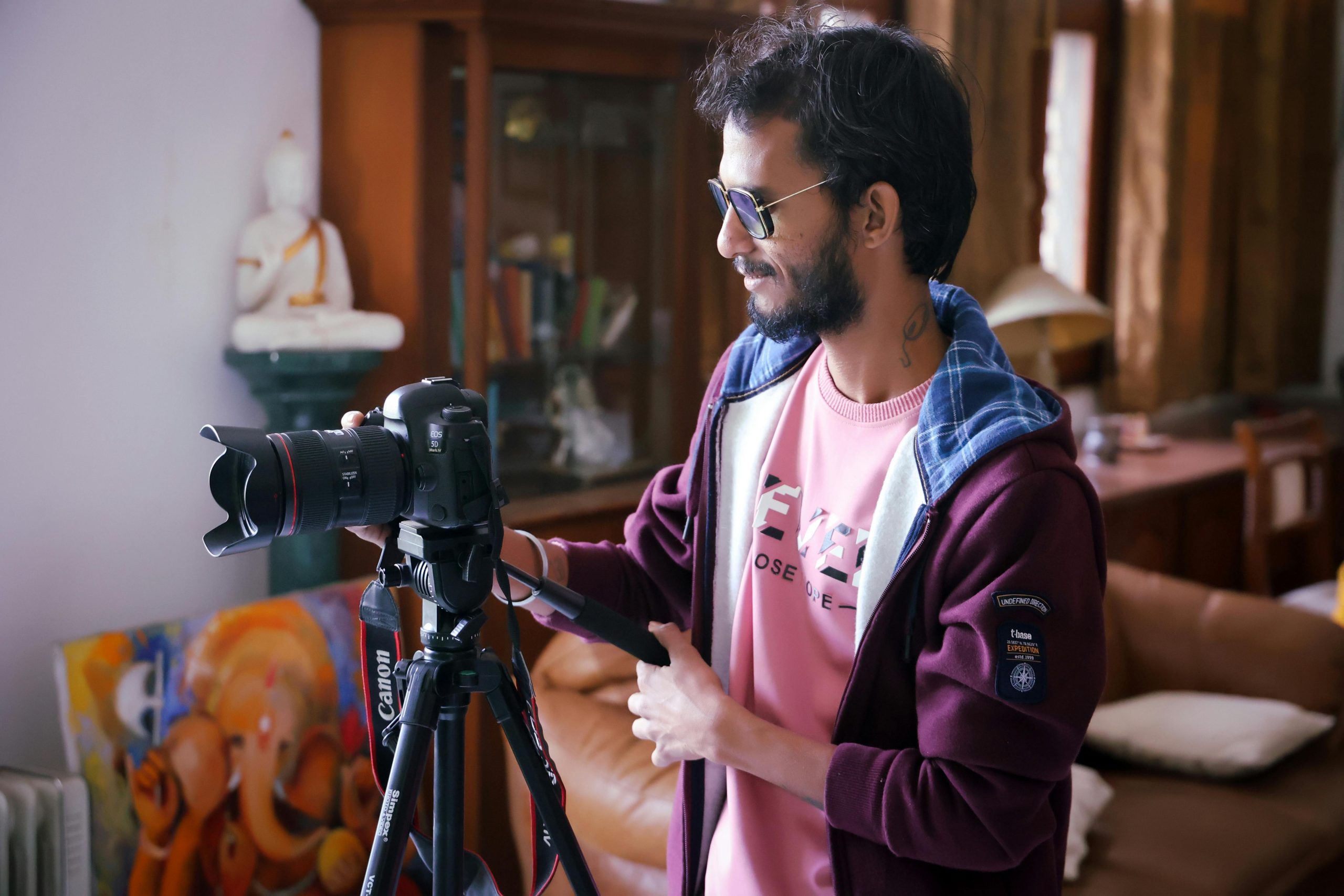
Tripods allow you to maintain precise framing, experiment with long exposures, and work in low-light situations without worrying about camera shake. They are particularly useful for studio work, environmental portraits with wider compositions, and self-portraits or remote shooting scenarios.
When paired with a tripod, you can also use timers or remote triggers to interact with your subject more freely.
Monopods and Handheld Stabilizers for Flexibility
While tripods provide maximum stability, monopods or gimbals offer mobility. They are useful for event photography, lifestyle shoots, or dynamic environments where a full tripod would be impractical.
Handheld stabilization devices help reduce blur while allowing the photographer to move fluidly around the subject, capturing candid moments with more freedom.
Accessories That Enhance Portrait Photography
Beyond cameras, lenses, and lighting, a few key accessories can make your portrait sessions smoother and more professional.
Memory Cards and Batteries are Essential for Uninterrupted Shooting
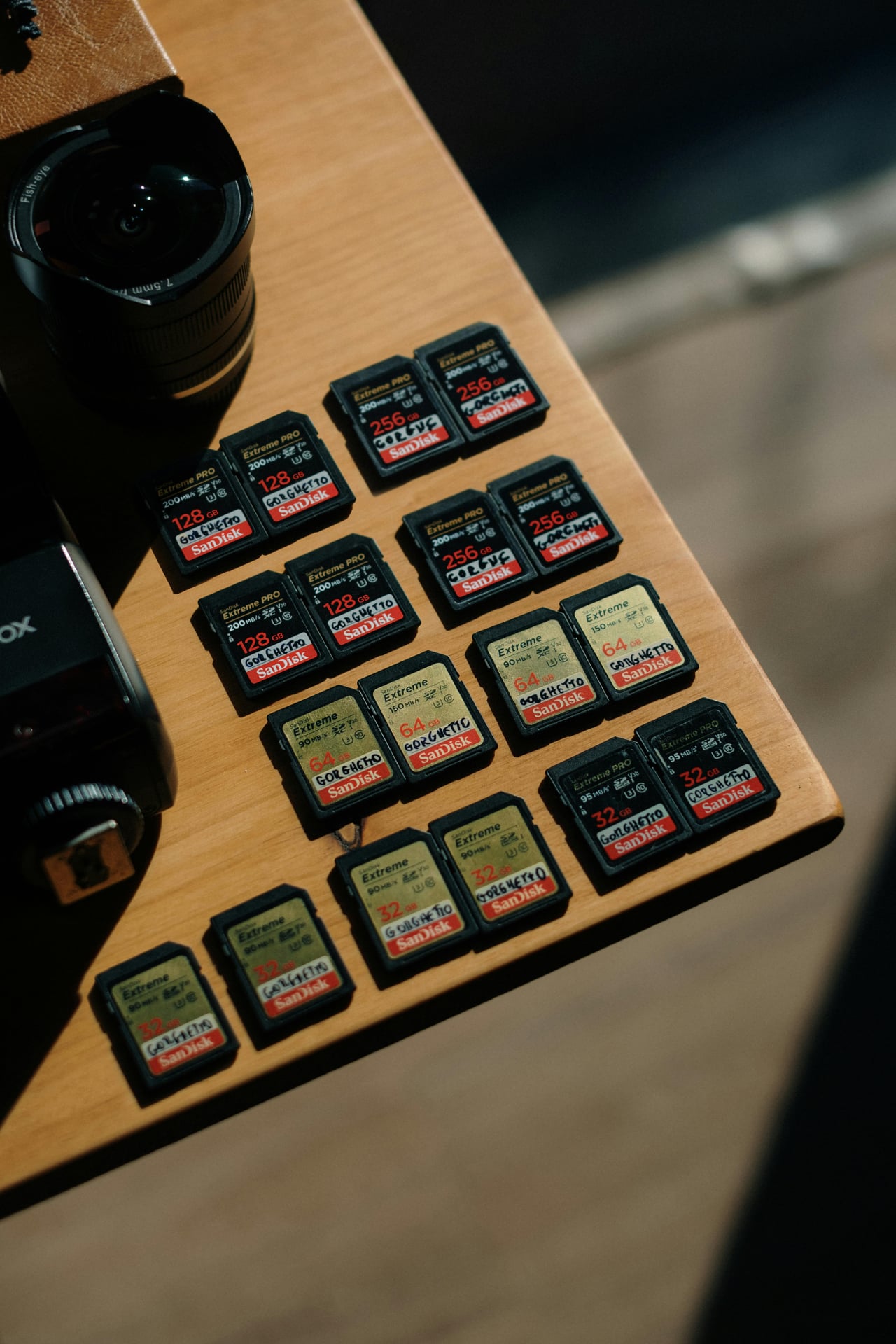
High-capacity memory cards with fast write speeds allow you to capture multiple high-resolution images without delays.
Spare batteries are equally important, especially during long sessions or outdoor shoots, where running out of power mid-session can disrupt your workflow.
Lens Filters Protect and Enhance Images
UV filters, polarizers, or ND filters can protect your lens while also helping control reflections, glare, and exposure.
Though not always essential for beginners, certain filters are useful in outdoor portrait photography to balance bright sunlight or create creative effects.
Camera Bags and Cases for Organization and Protection
A sturdy, well-organized camera bag keeps your equipment safe, accessible, and ready for any shooting scenario.
Compartments for cameras, lenses, lighting gear, and accessories help prevent damage and make transporting equipment easier, which is especially important for location shoots.
Optional Gear for Advanced Portraits
As you gain experience, additional equipment can expand your creative options.
Remote Triggers Allow Precise Control
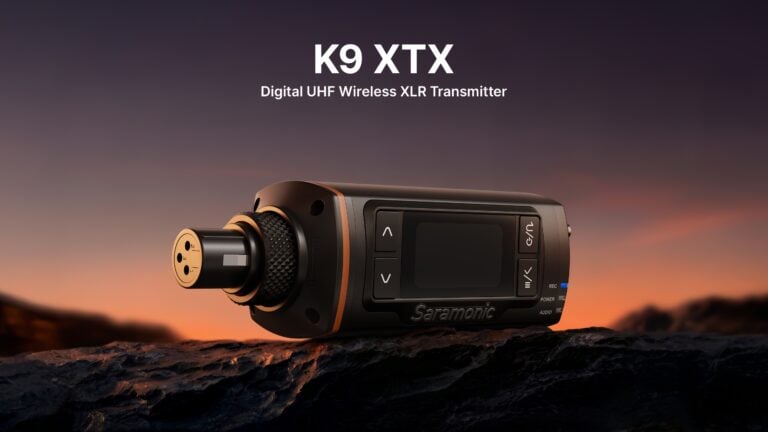
Wireless triggers let you fire off-camera flashes or cameras without touching the equipment, reducing the risk of camera shake and giving you more freedom to move around the subject.
They are particularly useful for studio portraits or creative setups requiring precise timing.
Backgrounds and Props Enhance Storytelling
Using backdrops, fabric, or props can add depth, context, or visual interest to portraits.
Simple, solid-color backgrounds work for professional headshots, while textured or thematic setups enhance environmental, conceptual, or fashion portraits.
Props can also help subjects feel more comfortable and add narrative elements to your images.
Editing Software Completes the Workflow
While not physical equipment, post-processing software like Adobe Lightroom or Photoshop is essential for modern portrait photography.
Editing allows photographers to correct exposure, fine-tune colors, retouch skin, and enhance overall image quality, ensuring the final portrait meets professional standards.
Tips for Choosing Your Portrait Equipment
When building your portrait photography kit, organization and accessibility are just as important as having the right gear. Keeping everything organized not only protects your equipment from damage but also allows you to focus on capturing great portraits instead of scrambling for tools mid-session.
For example, a well-structured camera bag with dedicated compartments for lenses, lighting, and accessories ensures you can quickly grab what you need during a shoot. Small accessories like lens caps, cleaning kits, or spare memory cards are easy to overlook but can save time and prevent frustration.
Understanding how to integrate your equipment into your workflow is another key factor for beginners. For one, knowing when to use natural light versus off-camera flash, when to switch between lenses, or how to set up a tripod efficiently can dramatically improve your shooting efficiency.
Planning ahead for different shooting scenarios helps you pack and arrange gear purposefully. This can also minimize downtime and ensure you are prepared for unexpected lighting or environmental challenges.
Finally, consider the practical longevity and versatility of your equipment. Investing in durable gear that can adapt to various portrait styles and conditions will save money and reduce stress in the long run.
Accessories like portable reflectors, collapsible backgrounds, and compact lighting kits can travel easily and be used in multiple settings, from studio shoots to outdoor locations. Pairing reliable, versatile gear with thoughtful organization and a clear workflow allows beginners to focus on creativity and connection with their subjects instead of being hindered by technical limitations.
The right equipment doesn’t make a photographer. It, however, empowers you to bring your creative vision to life. Cameras, lenses, lighting, tripods, and accessories all work together to help you capture sharp, expressive, and professional portraits.
Understanding what each piece does and how to use it effectively allows you to focus more on composition, connection with your subject, and storytelling.
You’ll discover which tools are essential for your style, workflow, and the types of portraits you enjoy creating as you experiment and grow more. With thoughtful investment in equipment and consistent practice, even beginners can produce striking, memorable portraits that highlight not only technical skill but also creativity and personality.
See more from DIYPhotography.net on Google
Add DIYPhotography.net as a trusted source. This makes
our stories more likely to appear in your Google Search results.
 Add as a preferred source on Google

Alysa Gavilan
Alysa Gavilan has spent years exploring photography through photojournalism and street scenes. She enjoys working with both film and mirrorless cameras, and her fascination with the craft has grown over the decades. Inspired by Vivian Maier, she is drawn to capturing everyday moments that often go unnoticed.


Join the Discussion
DIYP Comment Policy
Be nice, be on-topic, no personal information or flames.