



















DJI RS 5 Gimbal Adds Faster Charging and Painless Vertical Shooting
Jan 30, 2026
Dunja Đuđić Kalinin
Dunja Djudjic is a multi-talented artist based in Novi Sad, Serbia. With 15 years of experience as a photographer, she specializes in capturing the beauty of nature, travel, concerts, and fine art. In addition to her photography, Dunja also expresses her creativity through writing, embroidery, and jewelry making.
Share:
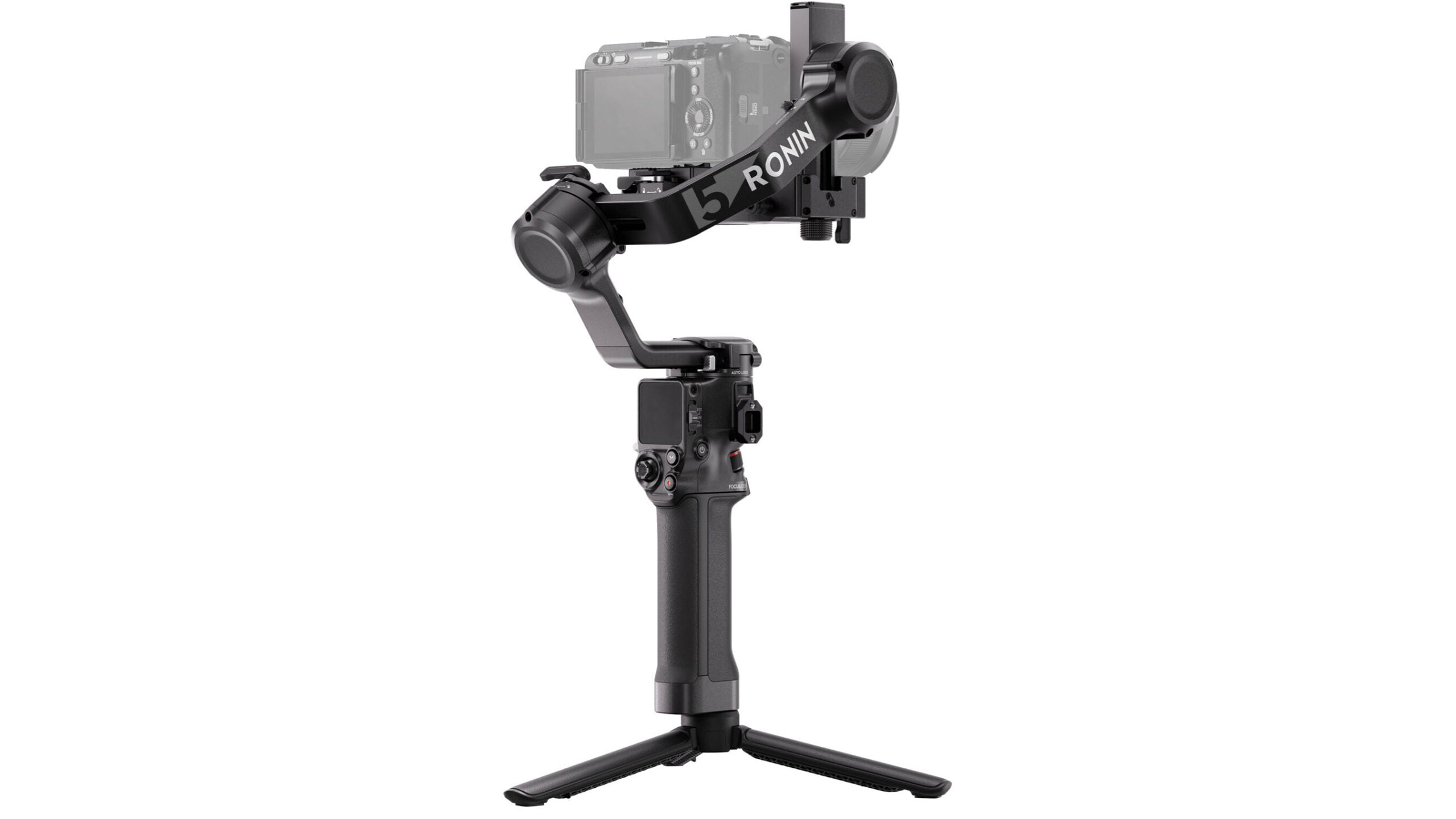
The DJI RS 5 gimbal is now on the market. Focusing on faster workflows, longer runtime, and easier transitions between horizontal and vertical shooting, it’s DJI’s smoothest gimbal yet. At first glance, the RS 5 looks familiar. In design, it doesn’t look much different thanits predecessor. Spend a little time with it, though, and the updates add up. Let’s see what it brings to the table and how it differs from the RS 4.
Battery Life and Charging Get A Real Upgrade
One of the most tangible upgrades over the RS 4 is power management. When paired with the BG33 battery grip, the RS 5 can fully recharge in just one hour using a 65W PD charger. That’s a notable improvement for shooters who rely on quick turnaround times between shoots or locations.
Runtime is rated at up to 14 hours, which DJI says is roughly a 15% increase over the RS 4. For longer productions, the optional BG70 battery grip extends that figure to a claimed 30 hours, something the RS 4 simply couldn’t match without external power solutions.
Vertical Shooting Is Faster and Less Fiddly
Vertical video support existed on the RS 4, but the RS 5 makes the switch faster and more intuitive. DJI’s third-generation vertical shooting design allows you to move into portrait orientation in seconds. A single-side knob unlocks the mechanism, the horizontal plate rotates, and you’re ready to shoot.
Compared to the RS 4, which often required more adjustment and rebalancing, the RS 5’s approach feels like it was built more for reels, shorts, and social-first content.
Refined Quick Release and Balancing System
Both gimbals use DJI’s dual-layer quick release plates, but the RS 5 introduces subtle refinements. The horizontal plate has been redesigned to better support native vertical shooting, while a fine-tuning knob on the tilt axis allows more precise forward and backward adjustments.
The upper plate also adds placement guides for more consistent camera mounting. These are small changes, but together they reduce setup time compared to the RS 4, especially when swapping between different camera bodies or lens combinations.
Auto-Locking OLED Screen and Improved Axis Locks
The fixed OLED touchscreen returns, but with a new auto-lock feature. Once locked, the screen displays gimbal status and joystick movements at low brightness, preventing accidental inputs while conserving battery. This is something the RS 4 lacked and should appeal to operators working in tight or fast-moving environments.
DJI has also refined its automated axis locks. As with the RS 4, powering on unlocks all three axes automatically. On the RS 5, however, the second-generation design reduces the gaps between locked arms, helping to minimize shake during transport and setup.
Z-Axis Indicator Adds Feedback, Not Stabilization
A new Z-axis indicator visually displays vertical movement as you walk or run. This helps operators adjust their motion for smoother footage, but it’s important to note that the RS 5 does not add Z-axis stabilization. The RS 4 lacked this visual feedback entirely, making this a helpful, if modest, addition rather than a headline feature.
Expanded Accessory and Control Options
Like its predecessor, the RS 5 supports DJI’s Ronin ecosystem, but it expands flexibility through the RSA communication port. This allows Ronin-specific and third-party accessories to integrate directly into the gimbal’s control system. DJI’s RS SDK support means further customization and future accessories are likely.
Focus Pro support is also improved. The RS 5 can drive two Focus Pro motors simultaneously, allowing focus and zoom control via the gimbal dial and joystick. Pair it with DJI SDR Transmission, and you gain live video feed alongside remote camera and gimbal control. These workflows were either more limited or required additional workarounds on the RS 4.
Wireless Shutter Control and Integrated App Monitoring
Dual-Mode Bluetooth enables wireless shutter control without cables. Once paired, compatible cameras automatically reconnect, letting you trigger photo and video recording directly from the gimbal. Support includes select Fujifilm and Panasonic models.
Through the Ronin app, users can remotely adjust camera exposure, control the gimbal via a virtual joystick, or even use a smartphone as a motion controller when paired with the Ronin Image Transmitter. These features existed in some form on the RS 4, but feel more cohesive on the RS 5.
Familiar Controls With Better Customization
The physical control layout remains largely unchanged, which will be welcome news for existing DJI users. A dedicated mode switch toggles between Pan Follow, Pan and Tilt Follow, and FPV modes. FPV can be customized for 3D Roll 360, Portrait, or Custom behavior.
The trigger can also be reassigned to FPV mode, forcing all three axes to follow handle movement when held. Intelligent modes such as motion-lapse, track, and panorama carry over from the RS 4, rounding out a familiar but more refined control experience.
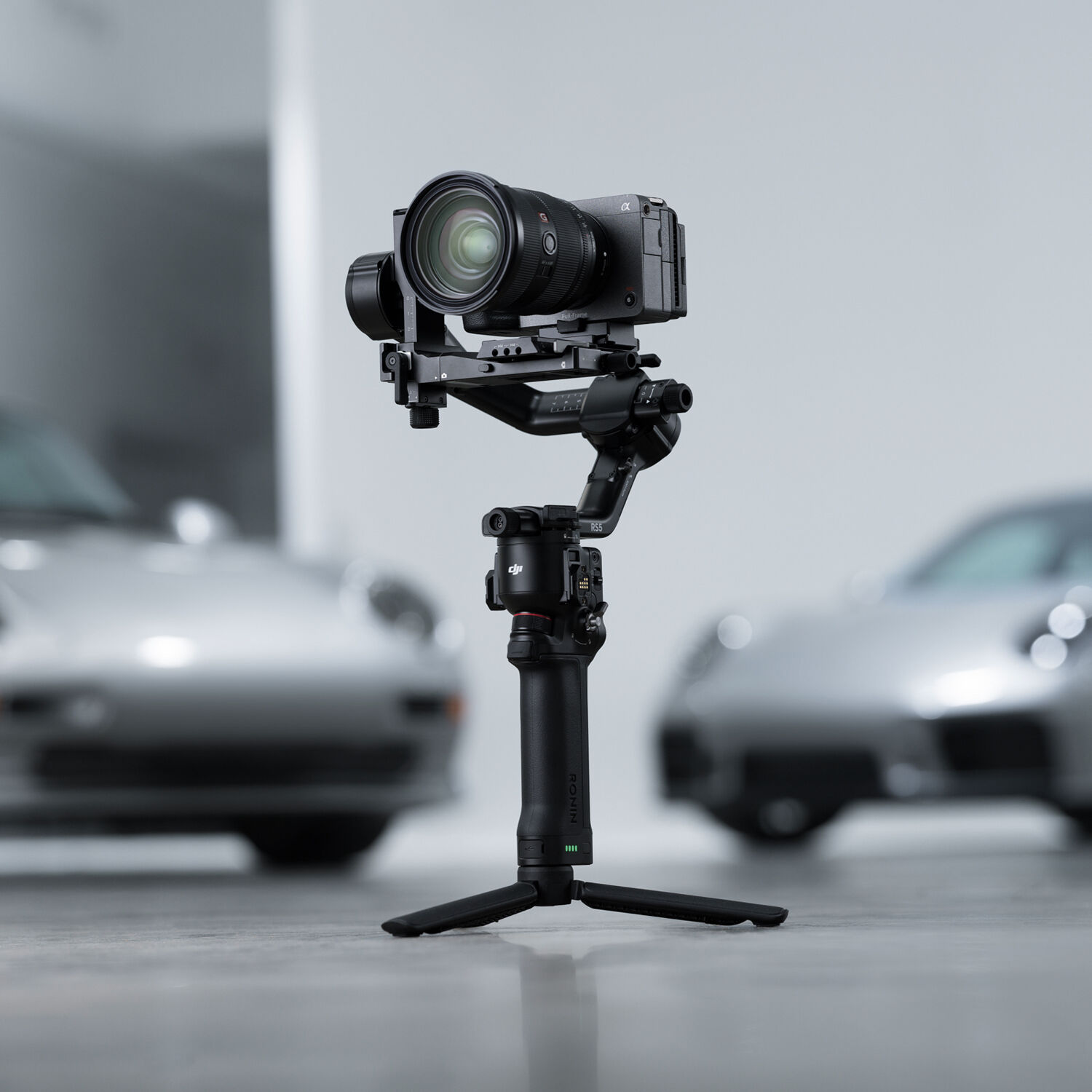
DJI RS 5 Specs
| Specification | Details |
|---|---|
| Gimbal Design | Single handgrip |
| Load Capacity | 6.6 lb / 3 kg |
| Number of Axes | Three: Pitch (Tilt) / Roll / Yaw (Pan) |
| Camera Control | On Compatible Models (See Full Compatibility List) |
| Mobile App Compatible | Yes: android & iOS |
| Display Type | Fixed Touchscreen OLED |
| Weight | 2.630 lb / 1.193 kg |
| Transmission System | Bluetooth 5.1, 2.4 GHz |
| Rotation Range | Pan: 360°, Roll: 335°, Tilt: 326° |
| Follow Speed | Pan/Tilt/Roll: 360°/s |
| Battery Runtime | 14 Hours |
| Battery Charging Time | 1 Hour |
| Operating Temperature | -4 to 113°F / -20 to 45°C |
| Materials | Aluminum Alloy |
Pricing and Availability
The DJI RS 5 is available to order now, priced at $569 for gimbal only. If you want to add the AI Tracking Module and Briefcase Handle to the kit, you’ll pay $719.
See more from DIYPhotography.net on Google
Add DIYPhotography.net as a trusted source. This makes
our stories more likely to appear in your Google Search results.
 Add as a preferred source on Google

Dunja Đuđić Kalinin
Dunja Djudjic is a multi-talented artist based in Novi Sad, Serbia. With 15 years of experience as a photographer, she specializes in capturing the beauty of nature, travel, concerts, and fine art. In addition to her photography, Dunja also expresses her creativity through writing, embroidery, and jewelry making.
Related Posts
 The Hohem iSteady X is a great smartphone gimbal for vertical video social media users
 Perfect, painless panoramic paper prints from your smartphone
 Flashpoint releases vertical TTL flash trigger adapter for shooting high on a tripod
 The Atoll is a unique take on the traditional tripod lens collar for easy vertical shooting for stills and video
Join the Discussion
DIYP Comment Policy
Be nice, be on-topic, no personal information or flames.