


















DJI Drones Are Out of Stock: Why America’s Top Drone Brand Has Empty Shelves
Sep 17, 2025
Darlene Lleno
Darlene Lleno brings a unique perspective to DIY Photography as someone who grew up surrounded by camera gear but chose words over lenses. With five years of writing experience, she specializes in photography content that’s both technically informed and genuinely passionate. Growing up with a photographer twin brother meant camera talk was everyday conversation in her household. While he mastered capturing moments, Darlene discovered she preferred being the subject and the storyteller behind the scenes. As a travel enthusiast and mother of two, she understands the importance of preserving life’s precious moments. When not exploring new destinations or writing for DIY Photography, you’ll find her reading or tending to her garden. Her approach to photography writing is refreshingly authentic, she may not be behind the camera, but she knows exactly what it takes to help others capture the shots that matter most.
Share:
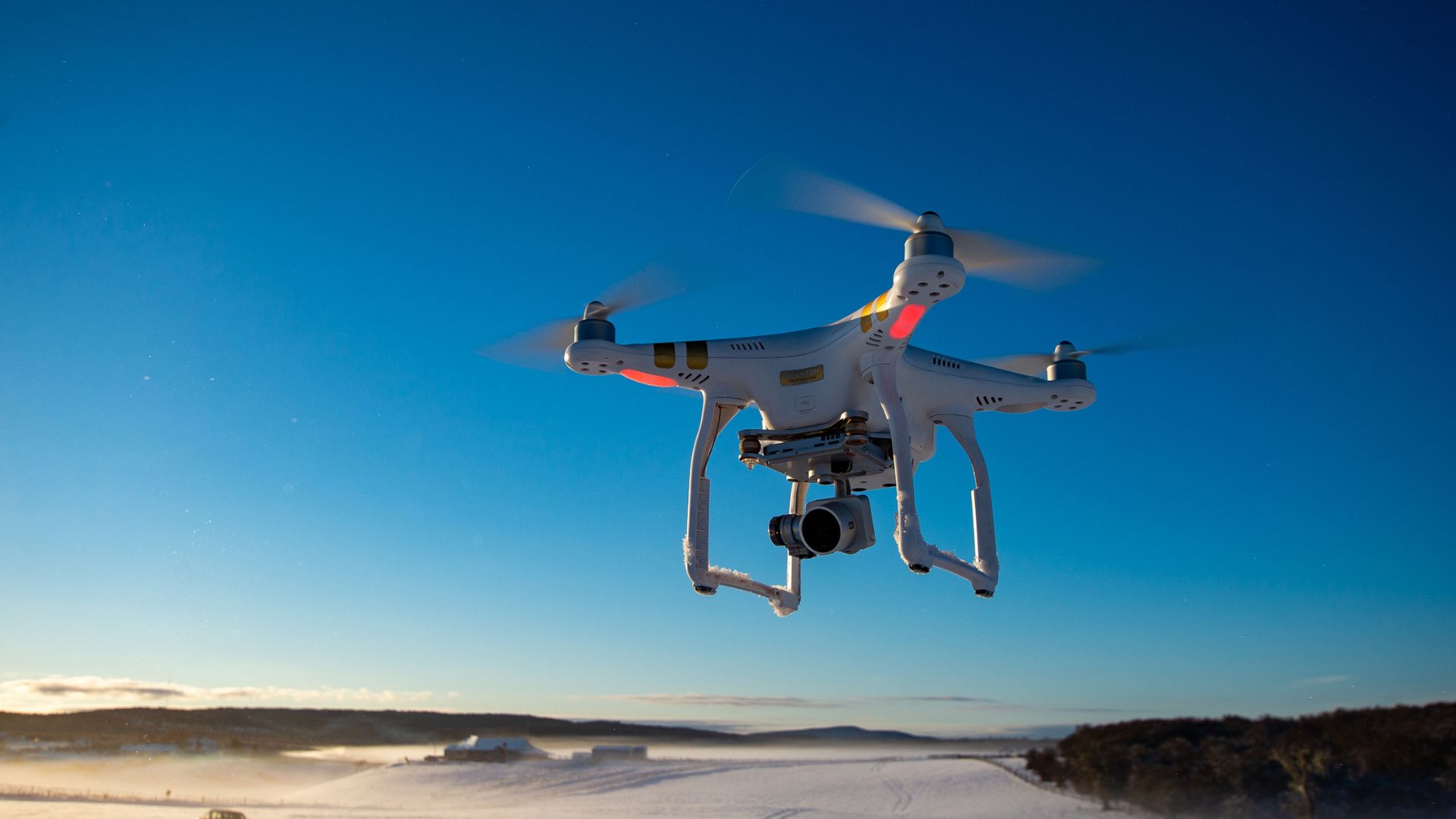
DJI drones are out of stock everywhere you look right now. Walk into any electronics store or check online retailers. You’ll see the same frustrating message over and over again. The world’s biggest drone maker can’t keep products on American shelves.
This isn’t just a small hiccup in supply. DJI faces serious problems getting their products into the US. Government restrictions and customs delays have created a perfect storm. Drone photographers and hobbyists are scrambling to find alternatives.
The shortage affects everything from basic consumer drones to professional camera equipment used by content creators. Many photographers who rely on DJI for aerial shots are now exploring different options for their work.
Current Stock Problems Hit Every Major Retailer
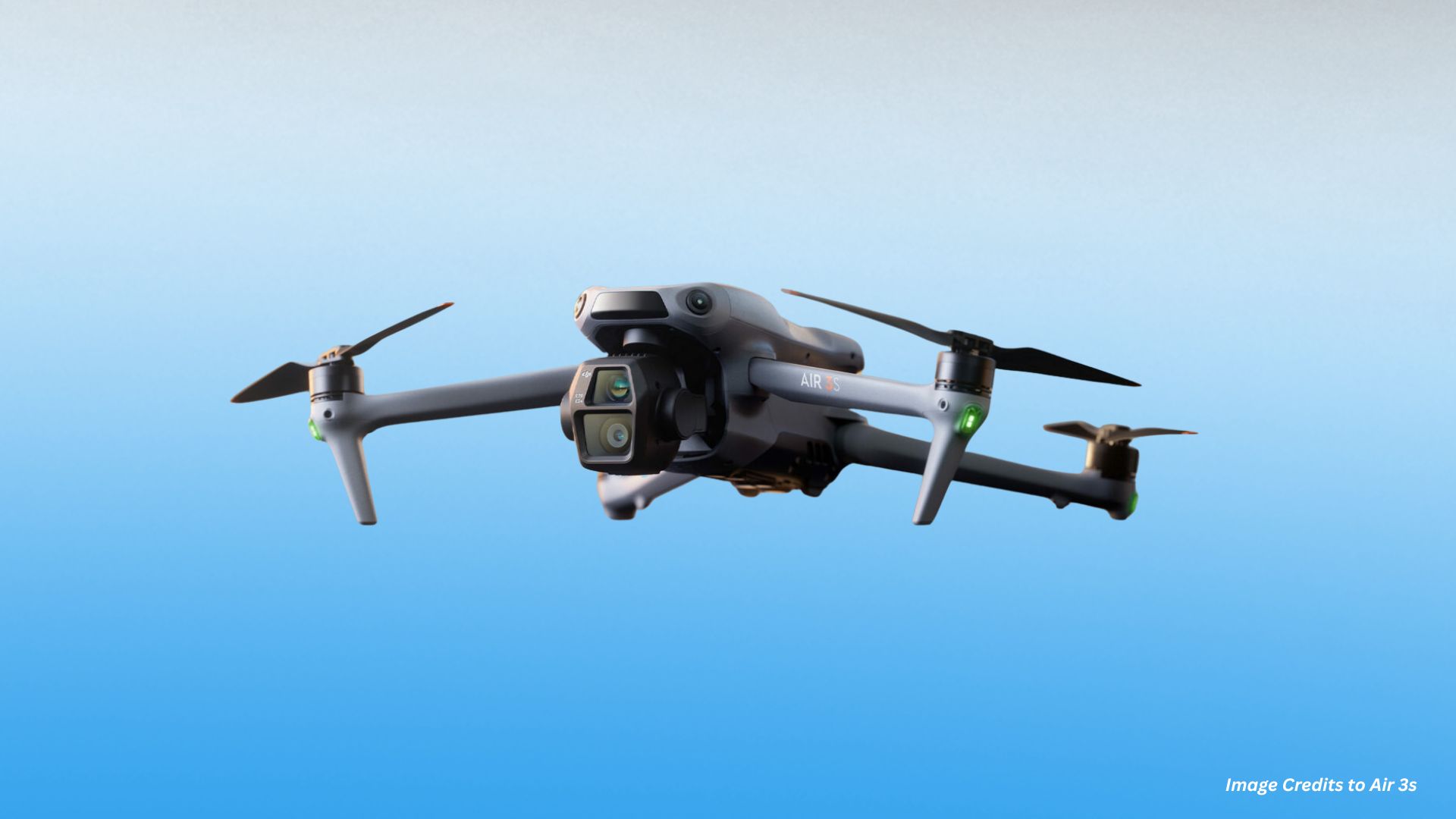
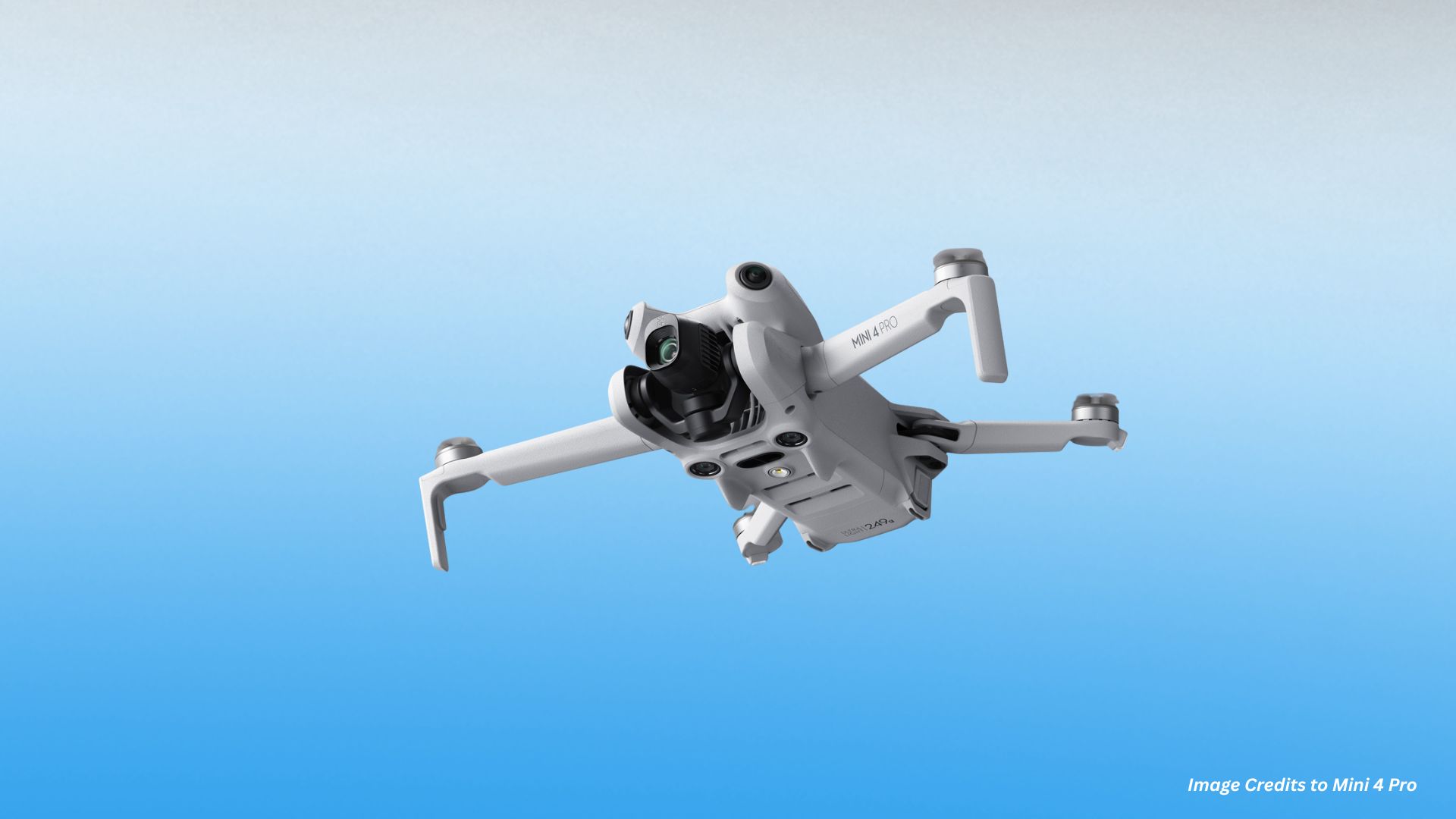
DJI being out of stock has become the new normal across all sales channels. Visit DJI’s official website and you’ll see “out of stock” labels on almost every product page. Popular models like the Air 3S and Mini 4 Pro show zero availability.
Major retailers face the same problem. Best Buy, Amazon, and other big stores can’t keep DJI products in inventory. When they do get shipments, the drones sell out within hours of becoming available.
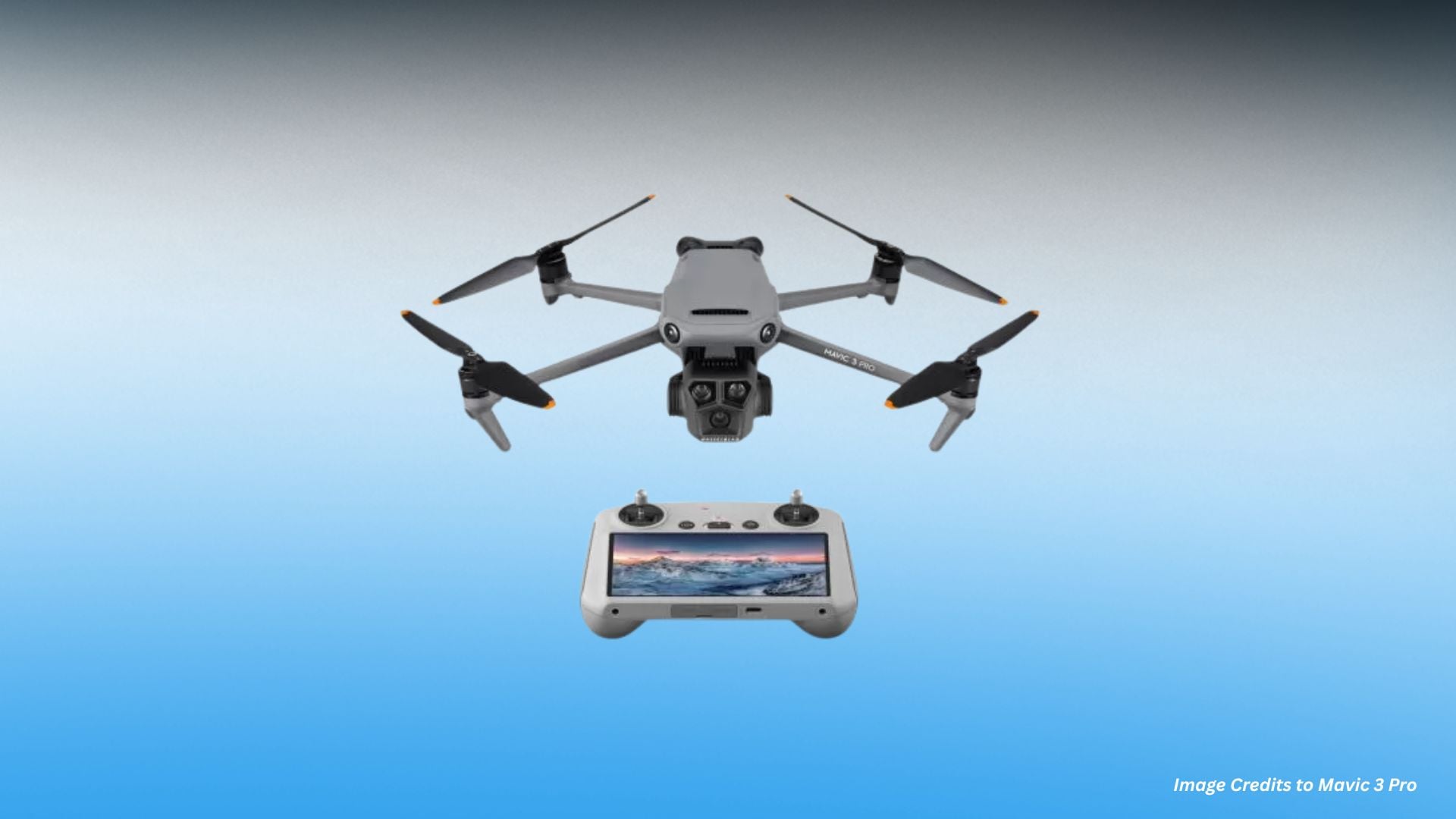
Even older models that usually stick around at discount prices have disappeared. The Mavic 3 Pro got replaced by newer models but you still can’t find leftover stock anywhere. This suggests the problem goes deeper than just new product launches.
Why Basic Supply Chain Management Isn’t Working
US Customs and Border Protection started doing much stricter checks on DJI shipments in late 2024. These inspections take weeks instead of the usual few days. Each drone shipment gets examined for potential forced labor concerns in manufacturing.
DJI keeps saying they don’t use forced labor in their factories. They claim their drones aren’t even made in regions where these problems exist. But customs officials haven’t backed down from their increased scrutiny.
The inspection process has become so slow that retailers can’t plan inventory properly. Stores don’t know when their next shipment will clear customs. This uncertainty makes it impossible to promise customers reliable availability.
Third-party sellers sometimes get lucky with smaller shipments that move through customs faster. But these quantities are tiny compared to normal market demand. Most consumers still face empty shelves and waiting lists.
The December 2025 Ban That Changes Everything
DJI faces an automatic ban if they don’t complete a security audit by December 23, 2025. The National Defense Authorization Act includes this deadline. Miss it and new DJI products get added to the FCC’s banned list.
This creates a ticking clock situation that affects everyone involved. Retailers hesitate to place big orders when a potential ban looms. Consumers wonder if they should wait for better availability or switch brands entirely.
DJI has publicly asked the government to start the required security investigation. They seem confident about passing any security review. But no federal agency has stepped up to begin this process yet.
Read our complete guide about the upcoming DJI drone ban here.
Multiple Government Agencies Create Confusion
The Commerce Department plans to restrict Chinese drone imports starting in September 2025. These rules work separately from the NDAA audit requirements. DJI could face import limits even if they pass security reviews.
This multi-layered approach shows how serious the US government is about reducing Chinese tech dependence. But it also creates confusion about which rules apply when. Companies and consumers struggle to understand what might happen next.
The uncertainty affects more than just DJI. Other Chinese drone manufacturers watch these developments closely. They know similar restrictions could target their products next.
Industry experts suggest the drone market has permanently changed. Higher compliance costs and regulatory uncertainty will likely become standard features of doing business with Chinese tech companies.
How Border Security Concerns Slow Down Everything
The forced labor allegations have completely changed how DJI manages its US supply chain. What used to be predictable shipping schedules now involve extensive paperwork and uncertain timelines.
Customs officials examine more than just the physical products. They want manufacturing documentation, supply chain records, and component sourcing information. This level of detail creates bottlenecks that normal logistics can’t handle.
DJI hired additional compliance specialists and legal teams to deal with new requirements. But building these new processes takes time. The company essentially has to rebuild how it imports products while maintaining quality and competitive pricing.
Manufacturing Reviews Add More Delays
DJI has to review its entire manufacturing network even though they deny forced labor allegations. This review process involves documenting every step of production from raw materials to final assembly.
Each component supplier must provide detailed information about their labor practices and manufacturing locations. The administrative burden affects not just DJI but their whole network of partners and suppliers.
Some experts think DJI might need to move manufacturing outside China to address ongoing US concerns. Such changes would require massive investment and years to implement. The company faces tough choices about how to maintain market access.
Professional photographers who use DJI drones for portrait photography and commercial work are particularly affected by these supply chain disruptions.
Real Market Impact on Drone Users
The DJI shortage situation has pushed consumers toward competing brands like Autel Robotics, Skydio, and Parrot. But these alternatives often cost more and offer different features than people expect from DJI products.
Many drone photographers built their workflows around specific DJI capabilities. Switching brands means relearning software, buying new accessories, and potentially accepting different image quality. The transition isn’t always smooth.
Professional users face the biggest challenges. Commercial drone operators often standardized on DJI products for consistency across their fleets. Finding suitable replacements affects everything from pilot training to client deliverables.
Price Inflation Hits Available Units
DJI stock shortages have created price inflation across the market. Third-party sellers charge 20-30% above normal retail prices for available units. Simple supply and demand economics drive these premium prices.
Online marketplaces show the clearest evidence of scarcity pricing. Sellers know desperate consumers will pay extra for hard-to-find models. This creates a secondary market that benefits resellers more than actual users.
Some consumers turn to international shipping services to buy DJI products from other countries. But this approach involves extra costs, warranty complications, and potential customs issues when products cross borders.
Local camera shops sometimes have better luck securing inventory through alternative distribution channels. These stores often serve photographers who need reliable camera gear for their work.
Amazon and Third-Party Sellers Fill Some Gaps
Amazon has become a crucial source for available DJI inventory though stock levels remain unpredictable. The platform sometimes receives inventory through distribution channels that avoid some customs delays.
Third-party Amazon sellers often command premium prices reflecting both supply constraints and additional sourcing risks. Buyers need to verify seller credibility and product authenticity since shortages create opportunities for counterfeit products.
The verification process has become more important as desperate consumers consider unfamiliar sellers. Fake DJI products can’t match the image quality standards that photographers expect from genuine equipment.
Experienced drone users share tips about identifying authentic products and reliable sellers. Online communities have become valuable resources for finding legitimate inventory sources.
Regional Variations Create Opportunities
DJI stock levels vary significantly by region and retailer type. Some electronics stores in smaller markets report occasional small shipments that sell quickly. Major metropolitan retailers show more consistent out-of-stock status.
Drone specialty shops sometimes succeed with alternative distribution methods but their quantities remain limited. These shops typically serve as early warning systems for when new stock might reach larger retailers.
The regional differences create opportunities for persistent shoppers willing to call multiple stores or travel for available inventory. But most consumers don’t have time for extensive product hunting.
Photography professionals who depend on drones for commercial work often maintain networks of contacts at different retailers to track inventory movements.
What Current Availability Really Tells Us
A look through DJI’s official online store shows how bad DJI inventory shortages have become. Current-generation products with strong consumer demand all show “out of stock” status. Even accessories and replacement parts have limited availability.
The shortage extends beyond drones to DJI’s complete product ecosystem. Action cameras, gimbals, and stabilizers show similar problems. This suggests import issues affect the entire supply chain rather than specific categories.
Discontinued models that normally maintain some discounted inventory have also disappeared. The Mavic 3 Pro replacement cycle should have left some older units available but those have vanished too.
Competition Benefits from DJI’s Problems
Other drone manufacturers have seen increased interest from consumers who previously defaulted to DJI products. But most alternatives come with trade-offs in features, pricing, or ecosystem support.
Autel Robotics has gained traction among professional users looking for alternatives. Their products offer competitive specifications though the accessory ecosystem remains smaller than DJI’s offerings.
Skydio focuses on autonomous flight features that appeal to specific use cases. But their pricing and product range don’t match DJI’s broad consumer appeal.
Many photographers experiment with different brands while hoping DJI availability returns to normal levels. The learning curve for new systems affects productivity in the short term.
Content creators who built their workflow around specific camera settings and DJI features find switching particularly challenging.
Professional Photography Impact
Aerial photographers face unique challenges during the DJI shortage crisis. Many built their businesses around specific DJI capabilities for landscape photography and commercial projects.
Wedding photographers who use drones for ceremony coverage can’t easily switch to different brands mid-season. Client expectations and editing workflows depend on consistent image quality and specific camera features.
Real estate photographers particularly feel the impact since drone shots have become standard for property marketing. Alternative brands may not offer the same exposure control or automated shooting modes.
Equipment Standardization Problems
Professional photography studios often standardize on specific equipment brands for consistency across projects. DJI being out of stock forces difficult decisions about maintaining fleet uniformity versus accepting mixed equipment setups.
Training costs increase when teams must learn multiple drone systems instead of mastering one platform. This affects both operational efficiency and the quality of final deliverables.
Insurance and licensing considerations also complicate equipment switches. Commercial drone operators need specific certifications for different aircraft types and capabilities.
Some photographers postpone equipment upgrades rather than switching brands mid-project. This creates pent-up demand that will eventually flood the market when availability returns.
Photo editing workflows built around DJI’s specific color profiles and file formats require adjustment when switching to alternative equipment.
Looking Forward: Timeline and Solutions
DJI’s stock problems don’t have simple solutions given the complex political and regulatory factors involved. The December 2025 deadline creates urgency but regulatory processes move slowly.
Security audits typically require months to complete and no agency has committed to specific timelines for DJI’s review. The company’s best path involves simultaneously addressing border control concerns and completing required investigations.
Industry watchers predict DJI availability might not return to pre-2024 levels for several years. Political tensions between the US and China show no signs of decreasing. This suggests ongoing compliance requirements will become permanent business features.
Market Adaptation Strategies
Consumers are developing new strategies for dealing with DJI shortage conditions. Some join waiting lists at multiple retailers to increase their chances of finding available inventory.
Photography communities share information about stock availability and alternative equipment options. Online forums have become valuable resources for finding both products and technical support.
Some users explore used equipment markets where DJI products command premium prices but remain available. This creates opportunities for sellers but increases costs for buyers.
The situation affects more than immediate purchases. Long-term planning for camera equipment upgrades becomes more complex when availability remains uncertain.
Professional photographers are diversifying their equipment sources and considering backup options from multiple manufacturers. This risk management approach helps maintain business continuity during supply disruptions.
The US government continues exploring additional restrictions on Chinese technology imports. The Federal Aviation Administration provides updates on drone regulations that affect both commercial and recreational users.
The broader implications extend beyond DJI to the entire consumer electronics market. DJI being out of stock represents shifting relationships between American consumers and Chinese technology companies that will influence photography equipment choices for years to come.
This situation teaches photographers the importance of equipment diversity and backup planning. Relying too heavily on any single manufacturer creates risks when supply chains face political or regulatory disruption.
See more from DIYPhotography.net on Google
Add DIYPhotography.net as a trusted source. This makes
our stories more likely to appear in your Google Search results.
 Add as a preferred source on Google

Darlene Lleno
Darlene Lleno brings a unique perspective to DIY Photography as someone who grew up surrounded by camera gear but chose words over lenses. With five years of writing experience, she specializes in photography content that’s both technically informed and genuinely passionate. Growing up with a photographer twin brother meant camera talk was everyday conversation in her household. While he mastered capturing moments, Darlene discovered she preferred being the subject and the storyteller behind the scenes. As a travel enthusiast and mother of two, she understands the importance of preserving life’s precious moments. When not exploring new destinations or writing for DIY Photography, you’ll find her reading or tending to her garden. Her approach to photography writing is refreshingly authentic, she may not be behind the camera, but she knows exactly what it takes to help others capture the shots that matter most.
Related Posts
 Germany’s biggest electronics retailer removes DJI drones from its shelves (and online store) over “security concerns”
 Audubon Photography Awards 2025 Winners Showcase the Beauty of Birds Across the Americas
 DJI is running out of stock – could new drones be on the way?
 Another new black & white film from Europe hits the online shelves in 35mm, 120 and large formats
Join the Discussion
DIYP Comment Policy
Be nice, be on-topic, no personal information or flames.
4 responses to “DJI Drones Are Out of Stock: Why America’s Top Drone Brand Has Empty Shelves”
I wish we could get this DJI thing resolved here in the USA so we can have fun and run a business .
Good luck ! We have corrupt politicians like Elise Stefanik who took money from skydio so she could ban DJI . American companies can not compete against Chinese ones so they get the politicians to ban them . We the consumers lose .
Perhaps you should look at Unusual Machines. Look at the news for the past few weeks. see who is getting the contracts and who is on the board, and then tell us.
If there’s a shortage, how come when I turn my VPN to a Canadian source, suddenly there is no shortage and everything is in stock?