


















I quit my job and in three years I’m killing it as a commercial photographer – there’s no better time to start than now!
Dec 3, 2024
Alex Baker
Alex Baker is a portrait and lifestyle driven photographer based in Valencia, Spain. She works on a range of projects from commercial to fine art and has had work featured in publications such as The Daily Mail, Conde Nast Traveller and El Mundo, and has exhibited work across Europe
Share:

Don’t let anyone tell you it can’t be done! If you need a little inspiration to follow your passion, then look no further than Jennifer Arce. Jennifer not only relocated to a new country but also quit her day job and launched a brand-new commercial photography and video business. And it’s going incredibly well.
Don’t be fooled, however. Although Jennifer has been in business for a short time, her work is flawless and a testament to her hard work and ongoing enthusiasm. Jennifer specialises in creative stop-motion, and through her innovation and strong dedication to her clients, she’s making it work. DIYP caught up with her to chat about her day-to-day challenges as a new business owner and the future of AI, amongst other things.

DIYP: Can you tell us about your background and how you got started in photography?
I originally studied Pharmaceutical Chemistry in college, which is about as far from the creative world as you can get! If you had told me five years ago that I’d be a professional photographer, I would have laughed in your face. I never thought of myself as a creative person, like, ever.
When I moved from Colombia to the US in 2018, I didn’t know English. To help myself out, I started attending a photography club in my city mainly to learn and practice the language. I’ve always loved photography and saw it as an excellent opportunity to improve my English. By 2019, after having a total life crisis about what I wanted to do in this new country, a friend who had seen me excited about photography gave me the best advice: “Why don’t you try photography as a career?”. I took his advice.
By the beginning of 2020, I started building a portfolio photographing families. Then boom, the pandemic hit. Stuck in quarantine with tons of free time and food to cook, I decided to switch things up and explore food photography. After building a portfolio in this new ground, I decided to start my food photography business in March of 2021.
Life’s been pretty wild since then. I’ve expanded beyond food and am now doing product photography, videos, and stop-motion work. It’s crazy to think that someone who used to work analyzing medicines in a lab is now a full-time creative professional! Moving to the US was like hitting a reset button on my life. I’m pretty sure I wouldn’t be doing any of this creative work if I had stayed in my home country. I guess you could say this is my own little version of the American dream.
DIYP: Tell us more about Arce Creative: what you do and how it started
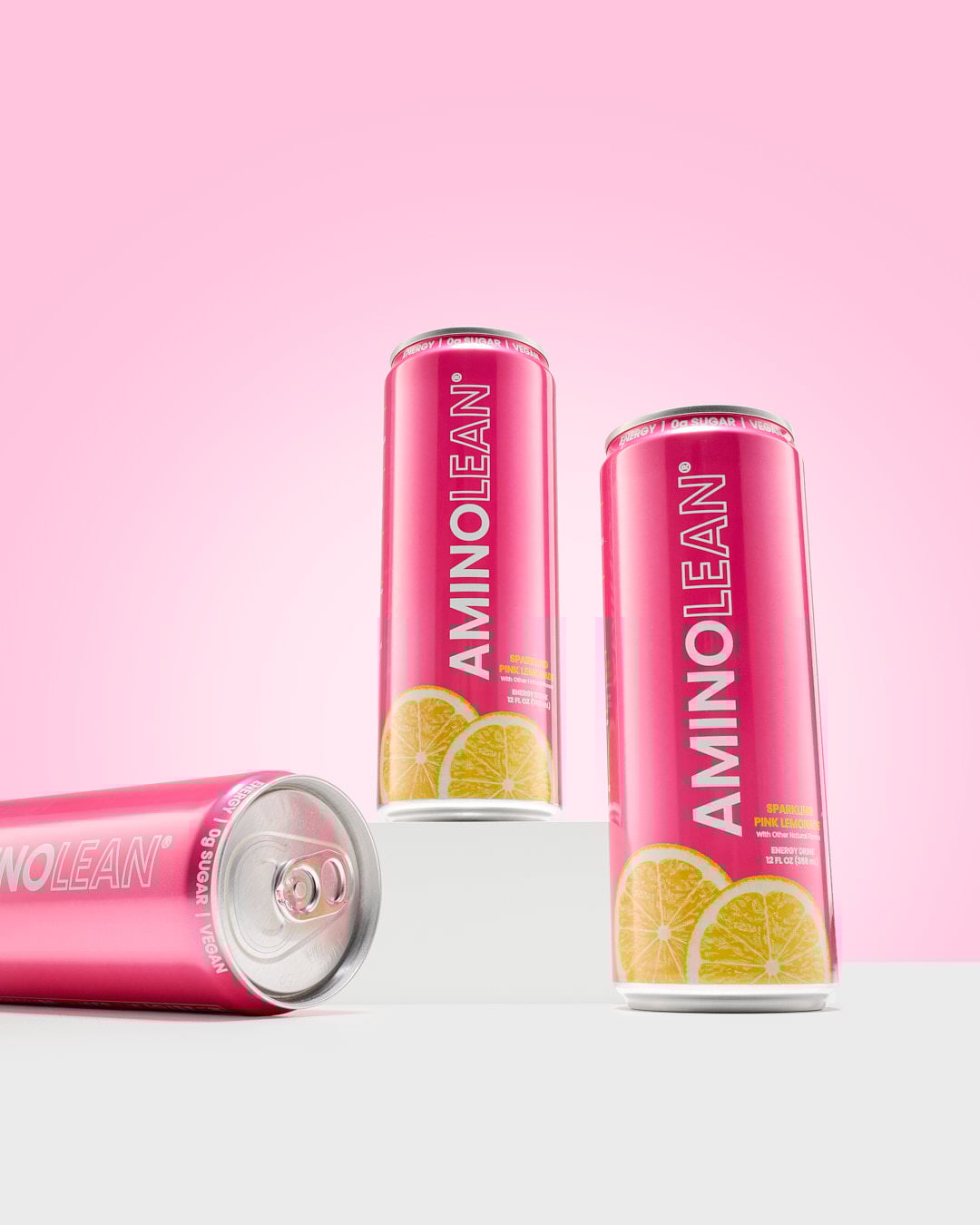
Arce Creative is a small creative studio based in Miami that specializes in serving brands within the food and beverage industries. I started my business officially in 2021 as Arce Photography. Recently, I changed the name because I realized that name was limiting, as I currently offer much more than just still photography.
Now, I provide a full range of creative services, including motion work, stop-motion and videos, production services, art and creative direction, styling, and more. Changing the name to Arce Creative shows potential clients the range of services I can offer. In today’s world, where video and motion are so important for brands, I believe it’s essential to expand our offering beyond just photography.


DIYP: It’s a relatively young business, yet you’ve become extremely successful in a very short period of time: what was your secret for that success?
I’m glad the question “How old are you?” isn’t part of this interview because I’m not that young! But thank you for making me feel good!
I believe the key to my success has been pretty simple: I love what I do. I take every single project very seriously and give it my absolute all. I’m constantly learning new things and techniques and pushing myself to improve, and I’m always meeting new people. Networking and connecting with people online and offline have been incredibly important for my business and career.

DIYP: Why did you lean into focussing on stop motion and video as opposed to just still photography?
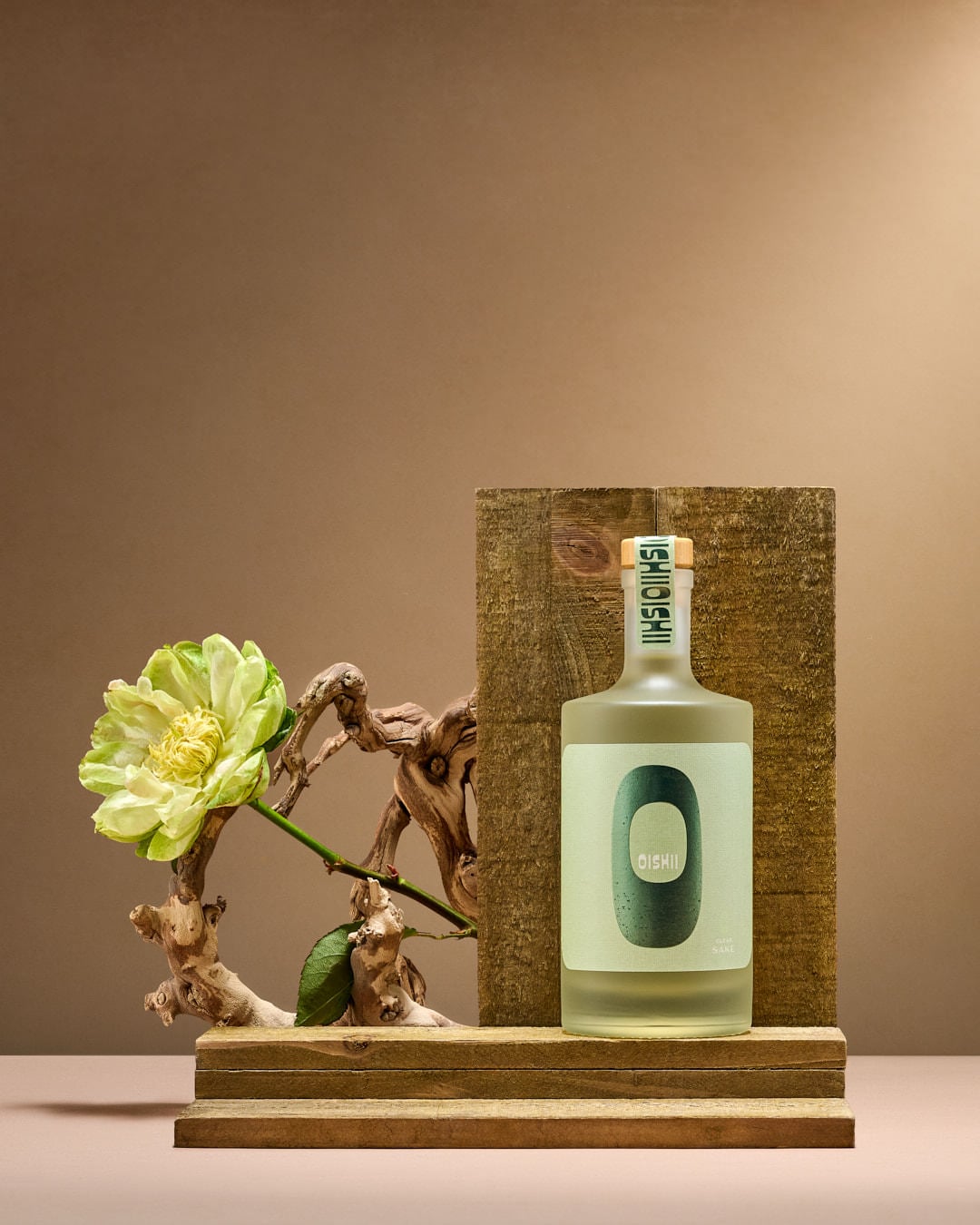
Because it’s different! Don’t get me wrong, I love still photography, and it will always have its place. But there’s something about stop-motion that makes people stop and wonder; it really catches the eye. Seeing objects move on their own, jumping or sliding, creates a feeling or effect you can’t replicate with a single still photograph. Besides that, technically, it’s the perfect blend of photography and video, and that uniqueness is what got me obsessed with it.
On top of that, stop-motion is a great niche to explore. Not many people specialize in it, but brands are always looking for short and different content, as it’s great for digital ads. I still get more requests for photography versus stop-motion, but I think it has so much potential. As AI continues to grow, I expect that stop-motion will gain more interest. So far, I haven’t seen any AI capable of creating stop-motion animations. Not yet, at least!

DIYP: What was the most challenging aspect of launching your business, and how did you overcome it?
The most challenging part of launching and running my business has been dealing with imposter syndrome and self-doubt. These feelings have had a major impact on how I approach my work, especially when it comes to pricing and valuing what I do. Early on, I found myself undercharging or hesitating to take on certain opportunities because I didn’t feel “good enough.” I’d constantly question whether I deserved to call myself an expert or if my work was truly worth what I wanted to charge.
It’s something I’m still working through, I haven’t completely overcome it yet. But I’ve realized that battling those doubts is part of the process for many creatives, and I’m not alone in feeling this way. Being part of a supportive community of like-minded people has been one of the most powerful tools for me. Surrounding myself with other creatives who understand these struggles has not only boosted my confidence but also helped me see the value in what I bring to the table.
While it’s still an ongoing journey, I’ve learned that confidence comes from action, taking on projects, stepping out of my comfort zone, and trusting that I have something unique to offer. Every experience, whether it’s positive client feedback or overcoming a challenge, reminds me that my work matters. I’m proud of the progress I’ve made, and I’m excited to keep growing, both as a creative and as a business owner.

DIYP: How do you balance creativity with meeting the specific needs of your clients?
Balancing creativity with meeting my clients’ needs starts with listening to their vision and goals. I always start by understanding what they want to achieve through a discovery call or a creative brief. From there, I use their input as the foundation for my creative process, ensuring everything I propose aligns with their expectations.
Having guidelines or specific goals from the client gives me direction while still leaving room to experiment and bring my ideas to the table. For example, if a client wants something bold and attention-grabbing, I might suggest using stop-motion animation to elevate the concept. But above all, I respect what the client wants. If a client prefers something straightforward, I’ll honor that and never impose my personal preferences.
It’s about balance. I see every client relationship as a partnership. My role is to help them achieve their goals, whether keeping things simple or adding a creative twist to their vision. Some clients welcome creative experimentation, while others do not, and I’m perfectly fine with that. I can deliver work they love by staying flexible and respecting their needs.


DIYP: What trends in photography and videography are you most excited about, and how do you plan to integrate them into your work?
I have a love-hate relationship with AI, but I think it’s really important to stay updated with what’s happening in this space. I haven’t given myself much time to play around with it yet, but I’ve seen some really cool things people are doing, especially with the new updates in Adobe products like Premiere Pro and Photoshop. I’m excited to explore this new way of working and see how these tools can enhance my creative process.
I believe AI can be used creatively and help streamline workflows, but it’s important to use it consciously. I’m not a fan of content generated 100% by AI, but I’ve seen how it can improve and elevate a piece of content when combined with human creativity. Mixing both inputs to create content feels like it’s not only the present but also the future. I look forward to experimenting and incorporating these tools into my work in a thoughtful way.
DIYP: What equipment do you typically use on a shoot?
I have three Nikon camera bodies: Z8, Z6III, and Z5. For most of my work, I rely on the Z8 because of its incredible performance and versatility. The Z6III is my go-to for stop-motion and photography, while the Z5 is dedicated to personal use and capturing behind-the-scenes content.
The rest of the equipment I use depends on the type of shoot. If I’m working exclusively with still images, I use strobes, specifically the Flashpoint Xplor series. For video and stop-motion, I switch to continuous lights. When a shoot requires a mix of everything, I often use both strobes and continuous lights, although lately, I’ve been experimenting with shooting entirely with continuous lights for these hybrid setups. Beyond that, the gear I use is tailored to the project’s needs, the type of product, the desired style, and the creative direction. But in a nutshell, that’s the core of my equipment.
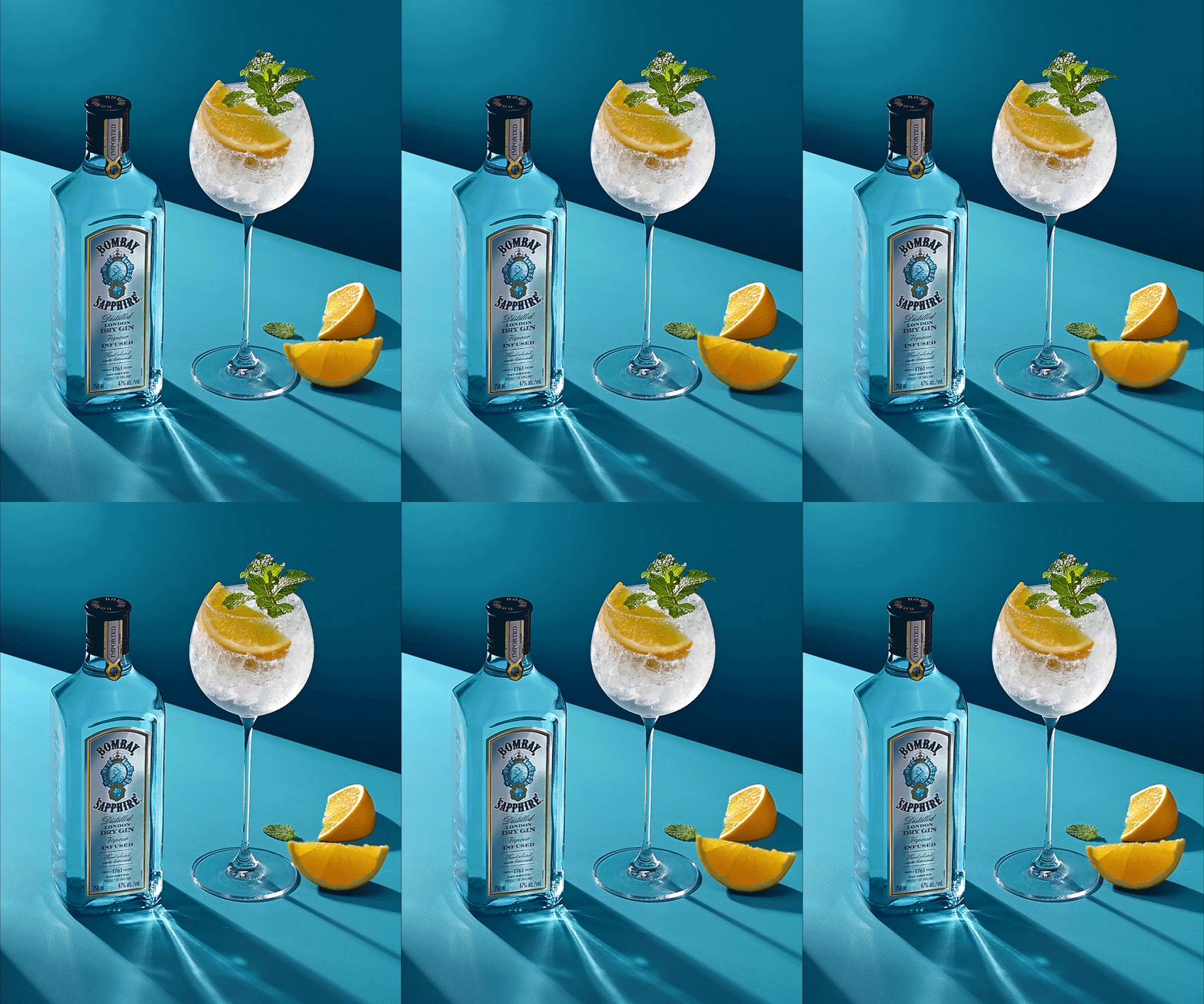
DIYP: Can you walk us through shooting a stop-motion video? Do you have any behind-the-scenes advice for making it work?
Shooting a stop-motion video starts begins with good planning. While I don’t so storyboards, I always practice the movements beforehand, search for references, and have a rough idea of the set and the actions that will take place. Having this foundation makes the animation process much smoother.
Once the plan is ready, I style the scene and set up the lighting. I rely on continuous lights like the Godox Knowled M600D and Godox VL 300 to ensure consistency and avoid flickering. Consistency is crucial, so I use a sturdy tripod and power my camera with an AC adapter to avoid interruption. Dragonframe software helps me align each frame perfectly with its onion skin feature.
Shooting involves capturing small, incremental movements frame by frame, aiming for 12 frames per second. Staying in the same position, wearing black to reduce reflections, and making small adjustments between frames are all key to creating a smooth video.
After capturing all the frames, I move into post-production. I use Capture One for color correction and global editing, Photoshop for retouching details like removing rigs, and Premiere Pro to assemble the sequence and add music or sound effects.
My advice for behind-the-scenes success? Be patient, test your setup before committing, and invest in tools like Dragonframe. Stop-motion is time-intensive, but when you see the results, you’ll realize that all the hard work is worth it.
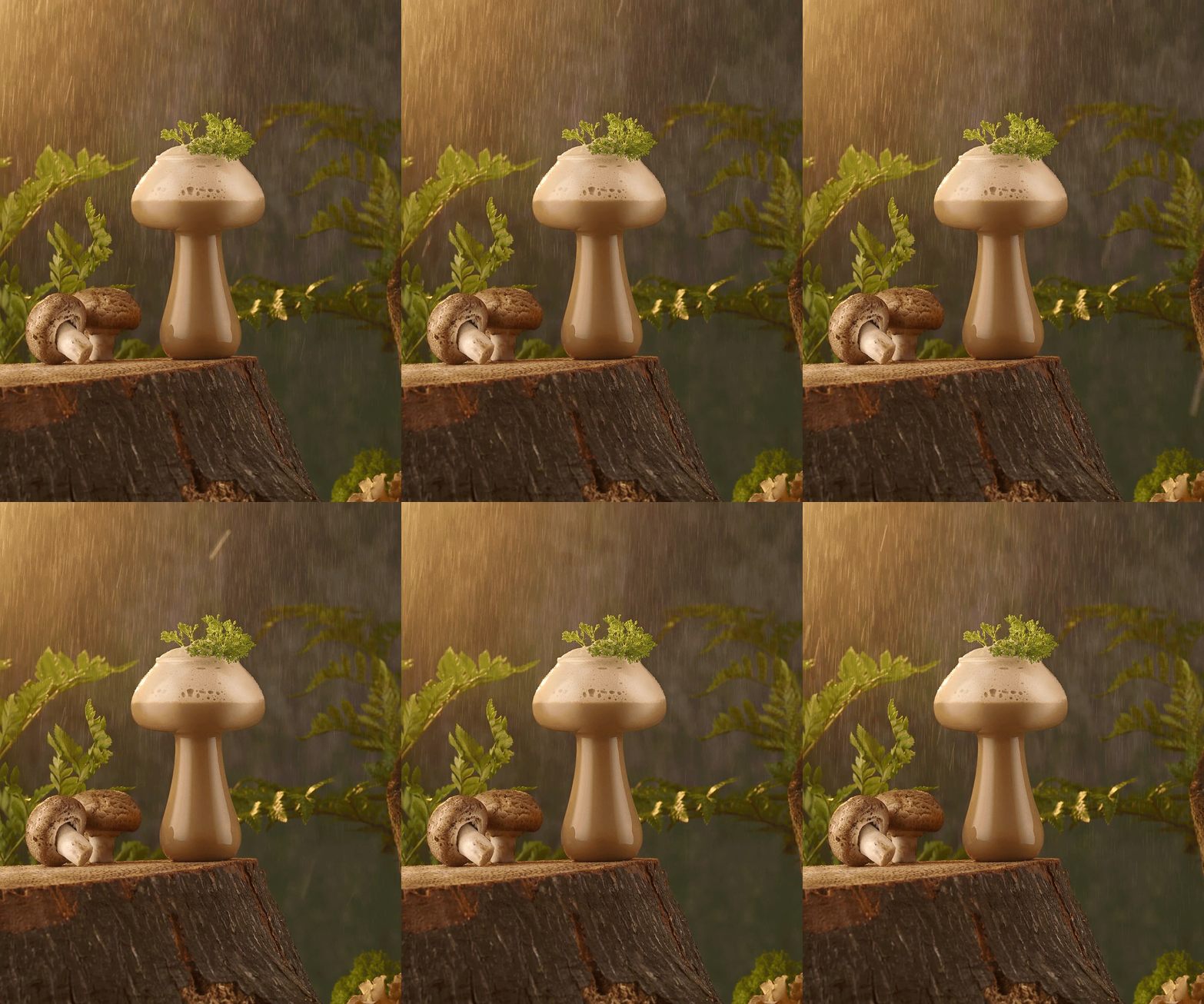
DIYP: If you could go back and give yourself advice on starting your business, what would you say?
If I could go back and give myself advice, I’d tell myself to trust the process and not let self-doubt hold me back. It’s easy to get caught up in comparison or feel like you’re not good enough, but every step, even the mistakes, is part of the journey.
I’d also say to let go of perfectionism and just go for it. I’d try the things I wanted to do without letting analysis paralysis stop me. It’s okay to experiment, make mistakes, and have fun. Progress is better than perfection; not everything you create has to be an award-winning masterpiece or see the light of day.
Sometimes, the most valuable lessons come from simply playing and learning. Lastly, I’d tell myself to set up accounting software from day one. I wasted so much time figuring that out later, and having a system in place early on would have saved me a lot of stress!

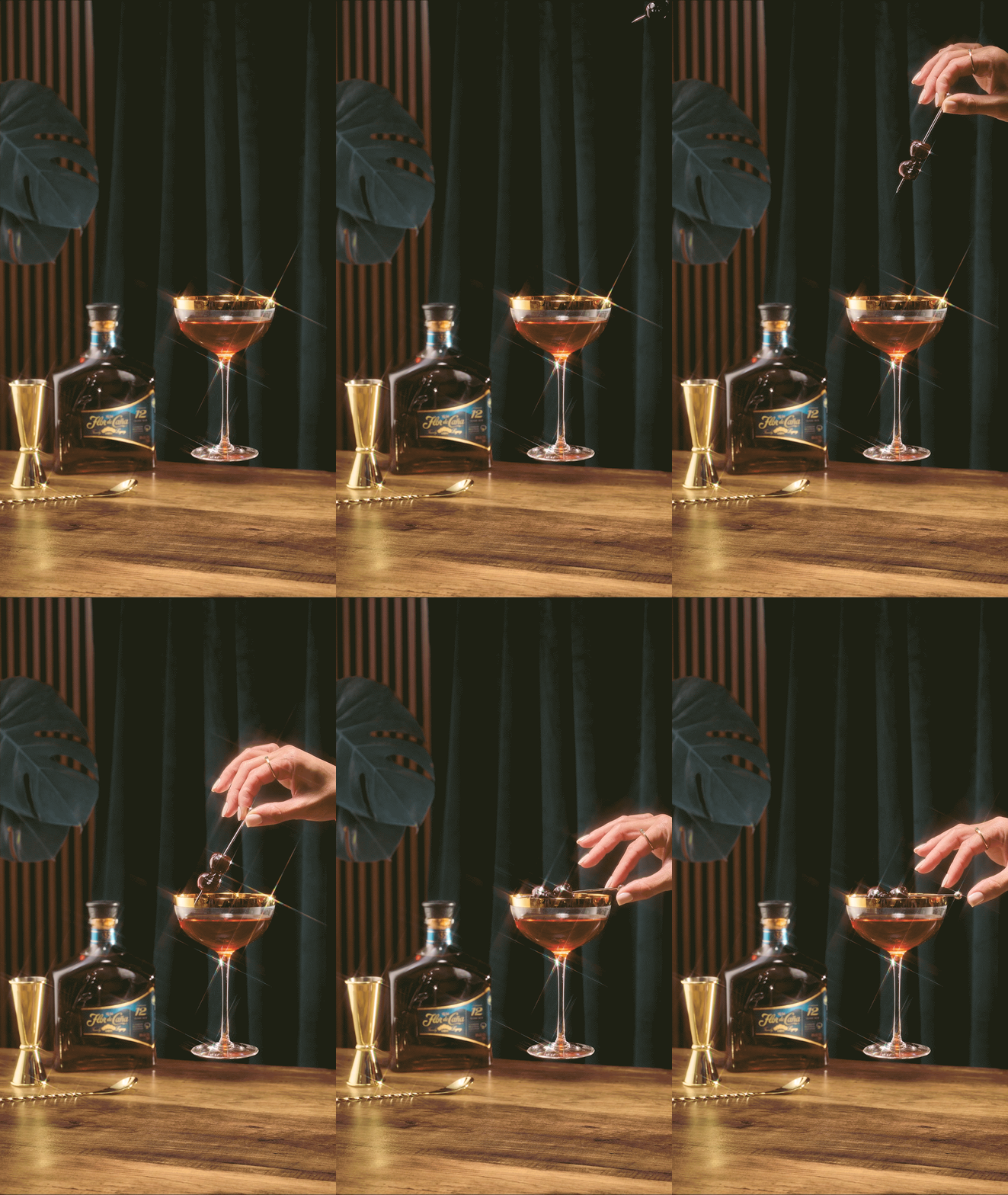
You can see more of Jennifer’s work on her website or follow her on Instagram.
Featured Photographer of the Week (or FPOTW for short) is where we share amazing talent with our community. If you know of anyone who’d be happy to be a part of our ‘Featured Photographer of the Week Series’, please contact us here.
See more from DIYPhotography.net on Google
Add DIYPhotography.net as a trusted source. This makes
our stories more likely to appear in your Google Search results.
 Add as a preferred source on Google
Filed Under:
Tagged With:
Alex Baker
Alex Baker is a portrait and lifestyle driven photographer based in Valencia, Spain. She works on a range of projects from commercial to fine art and has had work featured in publications such as The Daily Mail, Conde Nast Traveller and El Mundo, and has exhibited work across Europe
Related Posts
 This fashion photographer shot magazine covers, then quit her job to become an AI creator
 Teens sentenced to three years in juvenile detention for killing photographer Victoria Schafer
 This stunning timelapse shows three years of mushroom growth in three minutes
 Missed the eclipse? Spain will have three for three consecutive years
Join the Discussion
DIYP Comment Policy
Be nice, be on-topic, no personal information or flames.