



















DJI Is Out of Stock: How US Shoppers Are Dealing with the Drone Shortage
Sep 17, 2025
Darlene Lleno
Darlene Lleno brings a unique perspective to DIY Photography as someone who grew up surrounded by camera gear but chose words over lenses. With five years of writing experience, she specializes in photography content that’s both technically informed and genuinely passionate. Growing up with a photographer twin brother meant camera talk was everyday conversation in her household. While he mastered capturing moments, Darlene discovered she preferred being the subject and the storyteller behind the scenes. As a travel enthusiast and mother of two, she understands the importance of preserving life’s precious moments. When not exploring new destinations or writing for DIY Photography, you’ll find her reading or tending to her garden. Her approach to photography writing is refreshingly authentic, she may not be behind the camera, but she knows exactly what it takes to help others capture the shots that matter most.
Share:
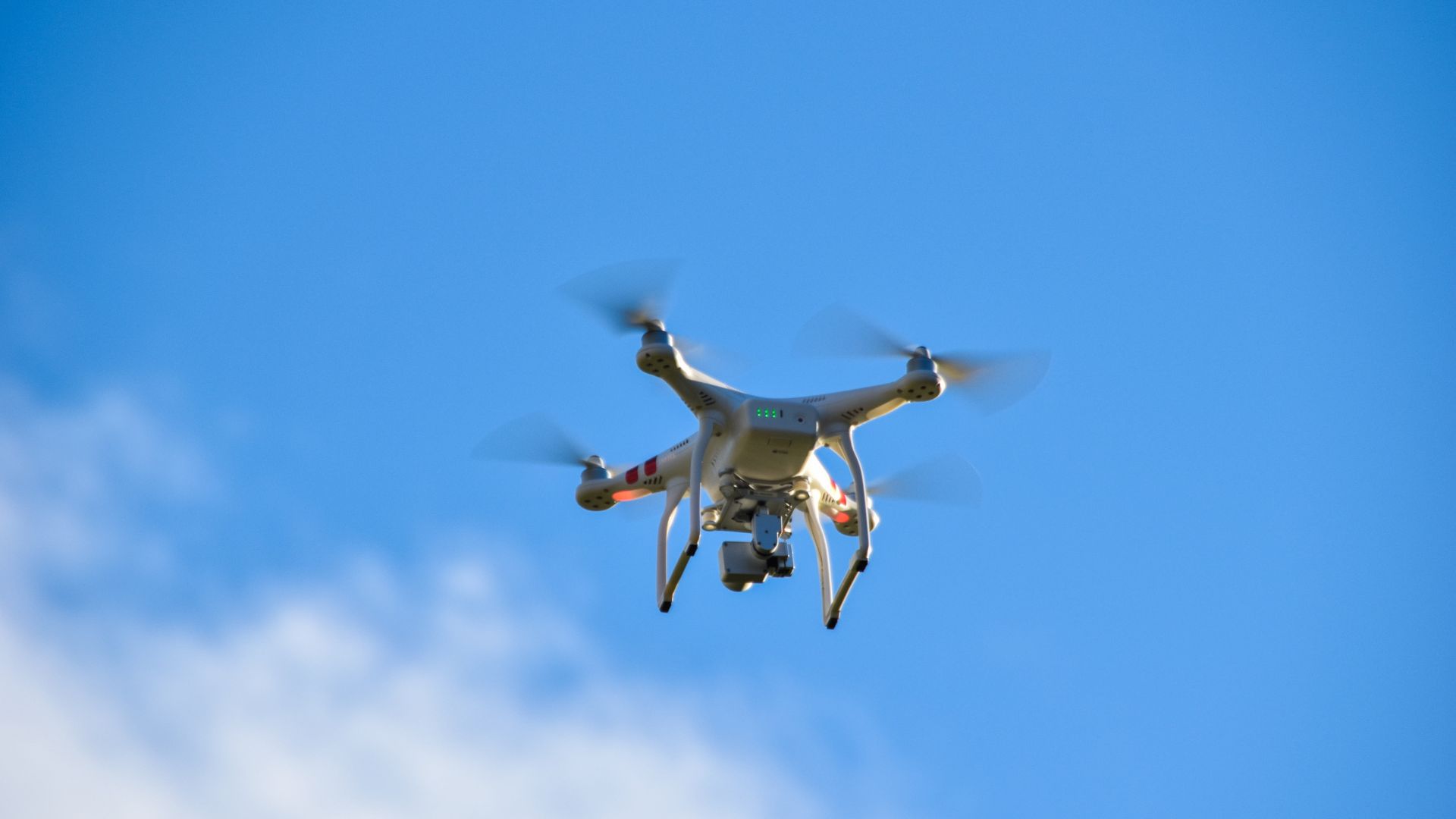
DJI is out of stock at virtually every major retailer across the United States right now. Check Best Buy, Amazon, or even DJI’s own website and you’ll find the same disappointing result. Empty shelves and “unavailable” notifications have become the norm for America’s most popular drone brand.
The shortage stems from serious government restrictions and an impending ban that threatens to permanently remove DJI products from American stores. US Customs and Border Protection has increased scrutiny of DJI shipments, while the National Defense Authorization Act sets a December 2025 deadline for an automatic ban unless DJI completes a security audit. The Commerce Department also plans new restrictions on Chinese drone imports starting September 2025.
This isn’t just affecting casual hobbyists anymore. Professional photographers, real estate agents, and content creators who depend on DJI equipment are scrambling to find alternatives or pay inflated prices from third-party sellers. The ripple effects are changing how Americans shop for drones entirely.
US consumers are learning hard lessons about supply chain vulnerabilities and the politics behind their favorite tech products. What seemed like a reliable purchase just months ago has become a treasure hunt that requires patience, connections, and often much deeper pockets.
Read our complete guide about the upcoming DJI drone ban here.
How US Consumers Are Responding to Empty Shelves
DJI being out of stock has forced American shoppers to completely change their buying habits. Instead of walking into stores and choosing from multiple models, consumers now join waiting lists and follow stock tracker websites.
Social media groups dedicated to DJI availability have popped up across platforms. Members share tips about which stores might have inventory and when restocks typically happen. These communities have become essential resources for determined buyers.
Many Americans are discovering the used equipment market for the first time. Previously, most people bought new DJI products without thinking twice. Now eBay, Facebook Marketplace, and specialized drone reseller sites see heavy traffic from desperate buyers.
The New Reality of Drone Shopping in America
US retailers have had to adjust their entire approach to selling DJI products. Store employees now spend more time explaining why products aren’t available than actually selling drones. Many have stopped taking pre-orders because they can’t predict delivery dates.
Best Buy and other major chains report that customers frequently ask about DJI alternatives. Sales staff have become impromptu consultants, helping people understand the differences between DJI and competing brands like Autel or Skydio.
Some specialty camera shops have started carrying more diverse drone brands to fill the gap. These stores often become gathering spots for photographers sharing information about aerial photography techniques and equipment alternatives.
The shopping experience has become much more complex for average consumers. People who expected simple online ordering now research extensively before making any drone purchase decisions.
Regional Differences Across American Markets
DJI stock levels vary dramatically depending on where you live in the US. Major metropolitan areas like New York and Los Angeles see inventory disappear faster than smaller markets. Urban demand simply outpaces whatever limited supply makes it through customs.
Rural electronics stores sometimes have better luck maintaining small amounts of inventory. These shops often serve farming communities and local businesses that use drones for practical applications rather than recreation.
West Coast retailers face additional challenges since many tech-savvy consumers in California and Washington actively seek the latest drone models. East Coast stores report similar demand but with slightly better success finding alternative brands.
Border State Complications
States near the Mexican border have seen some entrepreneurs attempt to import DJI products through alternative channels. However, US customs officials remain vigilant regardless of entry point. These efforts rarely result in significant inventory increases.
Texas and California drone retailers report customers asking about cross-border shopping options. Most stores advise against this approach due to warranty issues and potential customs complications.
Some Americans living near the Canadian border have explored purchasing DJI products during trips north. But bringing drones back across the border still involves US customs scrutiny that can result in confiscation.
The geographic lottery of DJI availability has created an informal network of buyers and sellers across state lines. Online communities help people connect across regions to share inventory information.
Price Impact on American Consumers
The shortage has dramatically changed pricing dynamics for US drone buyers. DJI being out of stock at normal retail prices has pushed many consumers toward overpriced alternatives or extended waiting periods.
Amazon third-party sellers now regularly charge 40-50% above normal retail prices for popular models. These inflated prices reflect both scarcity and the risks sellers take when sourcing inventory through uncertain channels.
Used DJI drones hold their value much better than before the shortage. Models that typically depreciated quickly now sell for near-original prices even with significant wear. This has created unexpected windfalls for existing owners considering upgrades.
The Economics of Waiting vs Switching
American consumers face difficult economic decisions about whether to wait for DJI stock to return or invest in alternative brands. Waiting might save money but could mean missing important projects or opportunities.
Professional photographers often can’t afford to wait since their income depends on having reliable equipment. Many have reluctantly purchased more expensive alternatives to maintain their businesses.
Hobbyist buyers have more flexibility to wait but face the psychological challenge of indefinite uncertainty. Some have postponed drone purchases entirely rather than compromise on their preferred brand.
The shortage has educated consumers about the true cost of depending on single suppliers. Many Americans now consider backup options when making any significant tech purchases.
How US Businesses Adapt to Equipment Shortages
Real estate agencies across America have had to modify their marketing strategies as DJI drones remain out of stock. Many built their property photography around aerial shots that require specific equipment capabilities.
Some agencies have partnered with freelance drone pilots who managed to secure equipment before the shortage hit. This creates a service economy around scarce equipment rather than direct ownership.
Construction companies that use drones for site surveying face similar challenges. Projects that depend on aerial data collection must work around equipment availability rather than optimal scheduling.
Professional Photography Sector Adjustments
Wedding photographers who incorporated drone shots into their packages now struggle to deliver promised services. Many have had to renegotiate contracts or find creative alternatives for wedding photography coverage.
Event photographers are exploring ground-based alternatives that can simulate aerial perspectives. Elevated platforms, tall tripods, and creative camera angles help compensate for missing drone capabilities.
Some photography studios have invested in professional-grade alternatives from companies like Autel despite the higher costs. The business need for reliable equipment outweighs brand preferences.
Commercial photography clients have become more understanding about equipment limitations. Many accept modified deliverables rather than canceling projects entirely.
Alternative Shopping Strategies Americans Are Using
DJI being out of stock has forced US consumers to develop creative shopping approaches. Many now monitor multiple retailers simultaneously using stock tracking apps and browser extensions.
Some Americans have turned to international retailers that ship to the US. However, this approach involves additional costs, longer shipping times, and potential warranty complications that many find prohibitive.
Rental companies have seen increased demand from people who need DJI equipment for specific projects. Short-term rentals sometimes make more economic sense than buying overpriced alternatives.
The Rise of Drone Sharing Communities
Local photography groups have started equipment sharing programs where members pool resources and rotate access to available DJI drones. These informal arrangements help maximize the utility of scarce equipment.
Some communities have organized group purchases where multiple buyers split the cost of importing small quantities through specialized dealers. This approach spreads risk while increasing buying power.
Online forums dedicated to photography equipment trading have become more active as people seek specific DJI models from other users.
The shortage has strengthened relationships within photography communities as people share resources and information more freely than before.
What US Retailers Are Telling Customers
Electronics stores across America have developed standard responses to customer questions about DJI availability. Most emphasize uncertainty about future stock while promoting alternative brands.
Best Buy employees report spending significant time explaining the political and regulatory factors behind the shortage. Many customers initially assume the problem involves simple supply chain issues rather than government restrictions.
Camera specialty shops often provide more detailed explanations about the customs delays and potential bans affecting DJI imports. These stores serve more knowledgeable customers who understand the complexity of the situation.
Retailer Adaptation Strategies
Some US retailers have expanded their drone selections to include more brands from other countries. European and American drone manufacturers have gained shelf space previously dominated by DJI products.
Store employees receive training about alternative brands to help customers make informed decisions. This education helps maintain sales volume even when preferred products remain unavailable.
Many retailers have stopped providing estimated availability dates for DJI products. Previous promises about restocks proved unreliable and created customer frustration.
The focus has shifted from selling specific products to educating customers about capabilities and helping them find workable solutions for their needs.
Government Communications About the Situation
US officials have provided limited public information about the timeline for resolving DJI import issues. Most government communications focus on national security concerns rather than consumer convenience.
The Department of Commerce has indicated that drone import restrictions will likely expand regardless of DJI’s compliance efforts. This suggests that DJI being out of stock may become a permanent rather than temporary condition.
Congressional representatives from districts with significant drone user populations have received constituent complaints about the shortage. However, national security concerns generally override local economic interests in policy discussions.
Consumer Advocacy Response
Some consumer advocacy groups have raised concerns about the lack of alternatives for specific use cases that DJI products previously filled. Professional applications particularly suffer when suitable replacements don’t exist.
The Federal Aviation Administration continues to approve DJI drones for commercial use despite import restrictions. This creates confusion about whether existing equipment remains legal while new purchases become impossible.
Industry associations representing photographers and commercial drone operators have lobbied for clearer timelines and alternative solutions. However, these efforts have produced limited results so far.
According to reports from The Wall Street Journal, the situation reflects broader tensions between US and Chinese technology companies. The Transportation Security Administration provides current guidelines for traveling with drones, though availability remains the primary challenge.
Consumer Education and Market Evolution
The shortage has educated American consumers about the geopolitical factors that influence their technology purchases. Many people now consider the country of origin when buying electronics, not just features and pricing.
DJI being out of stock has accelerated interest in domestic drone manufacturers. Companies benefit from consumers seeking alternatives made in America, even if the products cost more or offer different capabilities.
Photography education has expanded to include discussions about equipment diversity and backup planning. Photography courses now emphasize working with multiple brands rather than mastering single ecosystems.
Long-term Shopping Behavior Changes
US consumers are developing more sophisticated approaches to technology purchases that consider supply chain risks. Single-source dependencies now seem riskier than before the shortage.
Many Americans plan equipment purchases further in advance and maintain backup options for critical applications. This represents a fundamental shift from just-in-time buying to more strategic planning.
The experience has increased appreciation for domestic and allied-nation manufacturers among consumers who previously focused primarily on features and pricing.
Professional users particularly emphasize equipment redundancy and cross-training on multiple platforms to avoid future disruptions.
Regional Support Networks
Photography communities across different US regions have developed unique approaches to dealing with equipment shortages. West Coast groups often focus on finding cutting-edge alternatives, while East Coast communities emphasize traditional problem-solving approaches.
Southern states with strong agricultural drone usage have maintained better connections to commercial distributors who sometimes have different inventory sources than consumer retailers.
Midwest photography groups have created extensive equipment sharing networks that help maximize the utility of whatever DJI inventory remains available in their communities.
State-Level Market Differences
California’s large tech industry has created sophisticated secondary markets for drone equipment. Bay Area photographers often have access to startup companies testing alternative equipment.
Texas retailers serve diverse markets from urban photographers to rural agricultural users. This diversity has helped some stores maintain relationships with specialized distributors.
Florida’s tourism industry creates steady demand for aerial photography equipment. Local businesses have invested more heavily in alternative brands to maintain service capabilities.
New York’s dense photography market has intensified competition for available equipment while also creating opportunities for equipment rental and sharing services.
The Bottom Line for American Drone Buyers
DJI is out of stock throughout the US and this situation shows no signs of quick resolution. American consumers must adapt to a new reality where their preferred drone brand simply isn’t available through normal retail channels.
The shortage has permanently changed how people approach drone purchases in America. Waiting for DJI availability means missing opportunities, while switching brands requires learning new systems and accepting different capabilities.
Smart consumers are diversifying their equipment knowledge and considering alternatives before they actually need to make purchases. The days of depending entirely on one manufacturer for critical equipment appear to be over for American drone users.
See more from DIYPhotography.net on Google
Add DIYPhotography.net as a trusted source. This makes
our stories more likely to appear in your Google Search results.
 Add as a preferred source on Google

Darlene Lleno
Darlene Lleno brings a unique perspective to DIY Photography as someone who grew up surrounded by camera gear but chose words over lenses. With five years of writing experience, she specializes in photography content that’s both technically informed and genuinely passionate. Growing up with a photographer twin brother meant camera talk was everyday conversation in her household. While he mastered capturing moments, Darlene discovered she preferred being the subject and the storyteller behind the scenes. As a travel enthusiast and mother of two, she understands the importance of preserving life’s precious moments. When not exploring new destinations or writing for DIY Photography, you’ll find her reading or tending to her garden. Her approach to photography writing is refreshingly authentic, she may not be behind the camera, but she knows exactly what it takes to help others capture the shots that matter most.


Join the Discussion
DIYP Comment Policy
Be nice, be on-topic, no personal information or flames.