



















Dark and Moody: The Photography Style Dominating 2025
Oct 16, 2025
Darlene Lleno
Darlene Lleno brings a unique perspective to DIY Photography as someone who grew up surrounded by camera gear but chose words over lenses. With five years of writing experience, she specializes in photography content that’s both technically informed and genuinely passionate. Growing up with a photographer twin brother meant camera talk was everyday conversation in her household. While he mastered capturing moments, Darlene discovered she preferred being the subject and the storyteller behind the scenes. As a travel enthusiast and mother of two, she understands the importance of preserving life’s precious moments. When not exploring new destinations or writing for DIY Photography, you’ll find her reading or tending to her garden. Her approach to photography writing is refreshingly authentic, she may not be behind the camera, but she knows exactly what it takes to help others capture the shots that matter most.
Share:

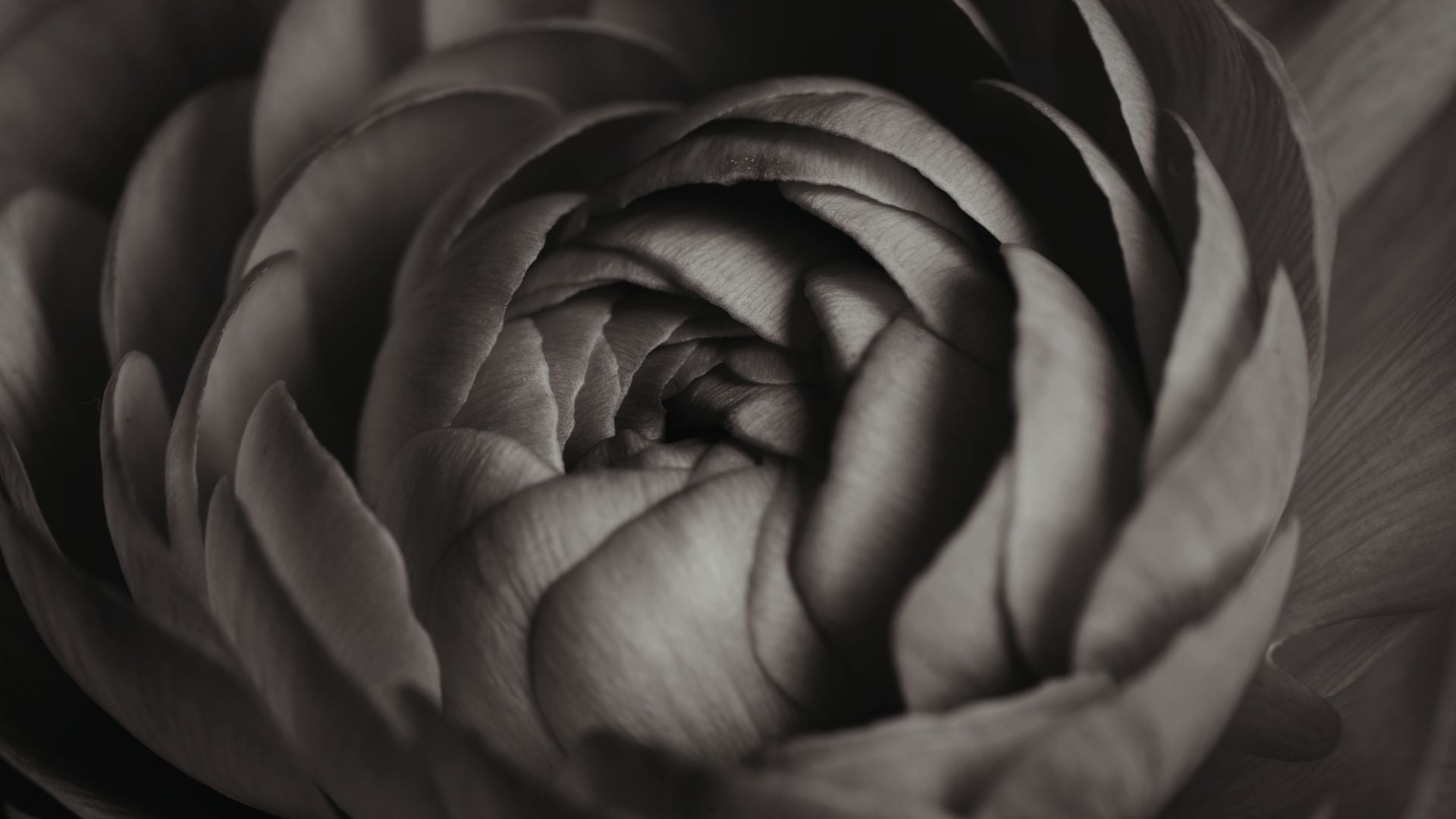
Photography style is taking a dramatic turn in 2025. Dark and moody has become the go-to look for photographers everywhere. This aesthetic swaps bright and airy for rich shadows and deep tones.
The style hits different than traditional bright photos. Dark and moody photography creates mystery that lighter styles can’t touch. People connect with the raw emotion in these images. You can shoot portraits, still life, or scenery with this approach. It adds serious depth to any subject you capture.
Read more: Dark and Moody: The Photography Style Dominating 2025Why This Photography Style Is Taking Over
People are tired of seeing the same bright photos everywhere. Social media feeds look identical these days. Dark and moody images grab attention because they look nothing like typical posts. They stand out instantly.
The style matches how people feel right now. Uncertain times push folks toward art with real depth. Dark design speaks to this cultural mood better than cheerful imagery. It feels honest instead of fake.
Photographers love the challenge too. You need solid exposure skills to pull this off. The style rewards technique over lucky shots. That’s why serious shooters gravitate toward it.
Getting the Dark and Moody Photography Style Right
This look centers on smart light control and purposeful shadows. You’re not just making things dark randomly. You create specific contrast that guides where people look.
Deep, rich colors matter a lot here. Think burgundy, forest green, charcoal, and navy. Skip the pastels and bright colors. These saturated darker tones carry more emotional weight.
Your histogram will push left with this style. You’ll see big spikes in the shadow areas. Your camera might say you’re underexposing. That’s the point. You keep detail in bright spots while letting shadows tell your story.
Negative space becomes super important. Large dark areas give illuminated subjects room to pop. The push and pull between light and dark shapes your whole composition.

How to Shoot Dark and Moody Photography Style
Getting this look starts in your camera, not editing software. Your lighting choices make everything work or fall apart. Window light gives you great control with simple curtains or blinds.
Pick Your Light Direction Carefully
Directional light creates the drama you need. Side lighting makes gorgeous shadows that shape your subject. Backlighting with underexposure creates cool silhouettes with glowing edges.
Your camera settings need to change from normal shooting. Underexpose by 1.5 to 2.5 stops from what your meter says. Then tweak based on what you see. This keeps highlight detail while building those deep shadows.
Choose Dark Backgrounds
Pick darker backgrounds and props for your shots. Black, charcoal, deep brown, or navy backdrops soak up light. This gives you total control over where light shows up.
Overcast days work better than you’d think for outdoor work. The soft light lets you underexpose without harsh shadows. Golden hour gives you warm tones that pair great with darker processing.
Find the Right Locations
Location matters big time. Forests, urban alleys, industrial spaces, and dramatic interiors naturally fit this style. Look for places with existing mood. Don’t fight against bright, happy settings.

Working With Light and Shadow
Portrait lighting patterns become extra important with dark and moody work. Rembrandt lighting, split lighting, and low-key setups all work perfectly here.
Set Up Your Key Light
Your main light should create clear, defined shadows. Don’t aim for even illumination across everything. Position it at 45 degrees or more from your subject. This builds maximum drama. Avoid filling in those shadows too much.
Hard light gets criticized a lot in photography. But it shines with dark and moody photography style. Direct sunlight or bare flash creates bold shadows and strong contrast. Just use it on purpose.
Control Your Ambient Light
Controlling stray light becomes critical. In studio work, block off extra light with black cards or fabric. Outside, use your subject’s position to create the contrast you want.
You can use multiple light sources. Just keep it simple. A main light plus a subtle rim light often works best. Too many lights flatten your shadows. Remember, shadows tell the story in this style.

Editing Dark and Moody Photography Style Images
Your raw files give you way more flexibility. JPEG files don’t have the shadow and highlight data you need. Always shoot raw when you can.
Start With Your Black Point
Set your black point lower in your editing software. The Shadows and Blacks sliders in Lightroom let you deepen dark areas. Don’t lose all detail though. Pull them down slowly while watching your histogram.
The tone curve becomes your best tool. Create a classic S-curve to add contrast. Or target just the shadow areas. Dropping the bottom of the curve while raising highlights creates that film look.

Add Color Grading
Color grading takes good dark images to the next level. Cool blues and teals in shadows work great with warm oranges in highlights. This creates that cinematic quality everyone wants. You can also keep things consistent with cooler or warmer tones throughout.
Pulling down saturation works for some shots. Lower overall saturation while keeping some color. This creates a muted, sophisticated look. Use the HSL panel to hit specific colors instead of everything at once.
Add Definition Without Overdoing It
The Clarity and Texture sliders bring out details. They add definition without looking fake. A small bump in clarity highlights your lit areas. It won’t mess up the soft quality of your shadows.
Vignetting adds polish at the end. Subtle darkening around edges focuses attention on your subject. It pumps up the moody vibe. Don’t go with it. Natural-looking vignettes work best.
Mistakes That Kill Dark and Moody Photography
Lots of new photographers just underexpose without knowing why. Random darkness doesn’t make moody photos. Every shadow needs a reason to be there.
Don’t Block Up Your Shadows
Losing too much detail in shadows creates muddy images. You need some detail and texture in dark areas. Check your shadows at 100% zoom. Make sure you haven’t pushed too far.
Over-editing destroys the natural feel fast. Heavy adjustments make images look fake and processed. You want to boost what you captured. Don’t try to create something totally different in editing.
Respect Your Camera’s Limits
Your camera can only handle so much contrast. Dynamic range has real limits. Work within what your gear can do. Don’t force impossible contrast ratios.
Wrong colors mess up your whole message. Not every color works with dark and moody shots. Bright, saturated primaries rarely fit this style. Stick with deeper, richer tones.
Using This Photography Style Across Different Subjects
This style works everywhere once you understand it. Different subjects need different approaches though.
Portrait Photography
Portrait photographers love this style because it adds depth to their work. Skin tones glow against dark backgrounds. The contrast draws eyes to facial features naturally.
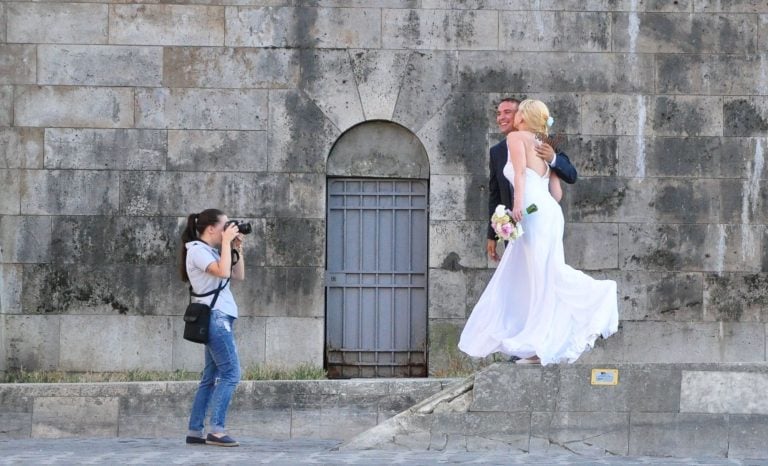
Wedding photography has jumped on darker, moodier shots recently. Couples want images that feel like movie stills. They’re done with traditionally bright and cheerful. This style gives them that cinematic quality.
Product and Still Life
Still life and product shots benefit from the drama too. Food photographers use this to make dishes look amazing. Rich, warm tones with smart shadow work create serious appetite appeal. The style makes simple subjects look worth examining.
Landscape Photography
Scenery work takes on new life with darker processing. Moody skies, foggy forests, and dramatic seascapes gain extra impact. The style works especially well for stormy conditions or late evening shots.
What Gear You Need for Dark and Moody Photography Style
You don’t need expensive equipment to nail this look. Any camera that shoots raw files works fine. Full-frame sensors help in low light. But crop sensors handle the style perfectly well.
Camera and Lenses
Fast lenses give you more options with lower light. An f/2.8 or wider aperture helps a lot. A 50mm f/1.8 lens costs very little and works beautifully. Wide apertures also create a shallow depth of field that fits the style.
Lighting gear can stay minimal. A single speedlight with modifiers handles most situations. Even regular household lamps work when you understand light control.
Essential Accessories
Reflectors and flags matter more here than in other styles. Black reflectors absorb light to deepen shadows. Regular reflectors bounce light into specific spots when you need it. These simple tools cost little but expand your options big time.
Tripods become more important because you’ll work with slower shutter speeds. Even a basic tripod stops camera shake. It lets you use better ISO settings instead of cranking it up.
Where Photography Style Is Heading
Dark and moody photography isn’t going anywhere. The look has moved past trend status into established style territory. Photographers and viewers both love the visual weight it provides.
Hybrid approaches are popping up too. Some photographers mix dark and moody with other styles. Selective lighting or partial darkness creates interesting visual tension. Playing around keeps the style fresh.
The rise of AI editing tools will change how people create this look. Automated presets and quick adjustments make the style easier for beginners. More photographers will try dark and moody work because of this.
Understanding color becomes more important as the style grows. Photographers who really get color relationships create better looks. They do more than just copy presets.
Making This Photography Style Your Own
Building your version of this look takes time and practice. Study work you like but don’t copy it exactly. Notice what pulls you toward certain images. Then bring those elements into your own photos.
Create mood boards before your shoots. Collect images that match the feeling you want. This helps you talk with clients clearly. It keeps your creative vision on track during shooting.
Practice with personal projects before client work. The style needs different technical moves than brighter photography. Get comfortable with the lighting, exposure settings, and editing on practice shoots first.
Staying consistent matters if you want this as your signature style. Build an editing workflow that gives similar results across shoots. Color grading presets help keep things consistent while allowing flexibility.
The photography style taking over 2025 rewards careful thinking about light, shadow, and emotion. Dark and moody work asks more from you than simple snapshots. But the results prove themselves. Images created with this look cut through the noise. They connect with people on a deeper level than typical bright photos ever could.
See more from DIYPhotography.net on Google
Add DIYPhotography.net as a trusted source. This makes
our stories more likely to appear in your Google Search results.
 Add as a preferred source on Google

Darlene Lleno
Darlene Lleno brings a unique perspective to DIY Photography as someone who grew up surrounded by camera gear but chose words over lenses. With five years of writing experience, she specializes in photography content that’s both technically informed and genuinely passionate. Growing up with a photographer twin brother meant camera talk was everyday conversation in her household. While he mastered capturing moments, Darlene discovered she preferred being the subject and the storyteller behind the scenes. As a travel enthusiast and mother of two, she understands the importance of preserving life’s precious moments. When not exploring new destinations or writing for DIY Photography, you’ll find her reading or tending to her garden. Her approach to photography writing is refreshingly authentic, she may not be behind the camera, but she knows exactly what it takes to help others capture the shots that matter most.
Related Posts
 Enjoy The World’s Disappearing Dark Skies With These Spectacular Winning Shots from Capture The Dark 2025
 Photographer creates surreal moody art with only stock photos
 These moody toy car photos were made from stuff we can all find at home
 Visually Impaired Photographer creates stunning, moody images
Join the Discussion
DIYP Comment Policy
Be nice, be on-topic, no personal information or flames.