

















UK Gallery Acquires Only Known Photographs of Ada Lovelace
Jan 19, 2026
Alysa Gavilan
Alysa Gavilan has spent years exploring photography through photojournalism and street scenes. She enjoys working with both film and mirrorless cameras, and her fascination with the craft has grown over the decades. Inspired by Vivian Maier, she is drawn to capturing everyday moments that often go unnoticed.
Share:
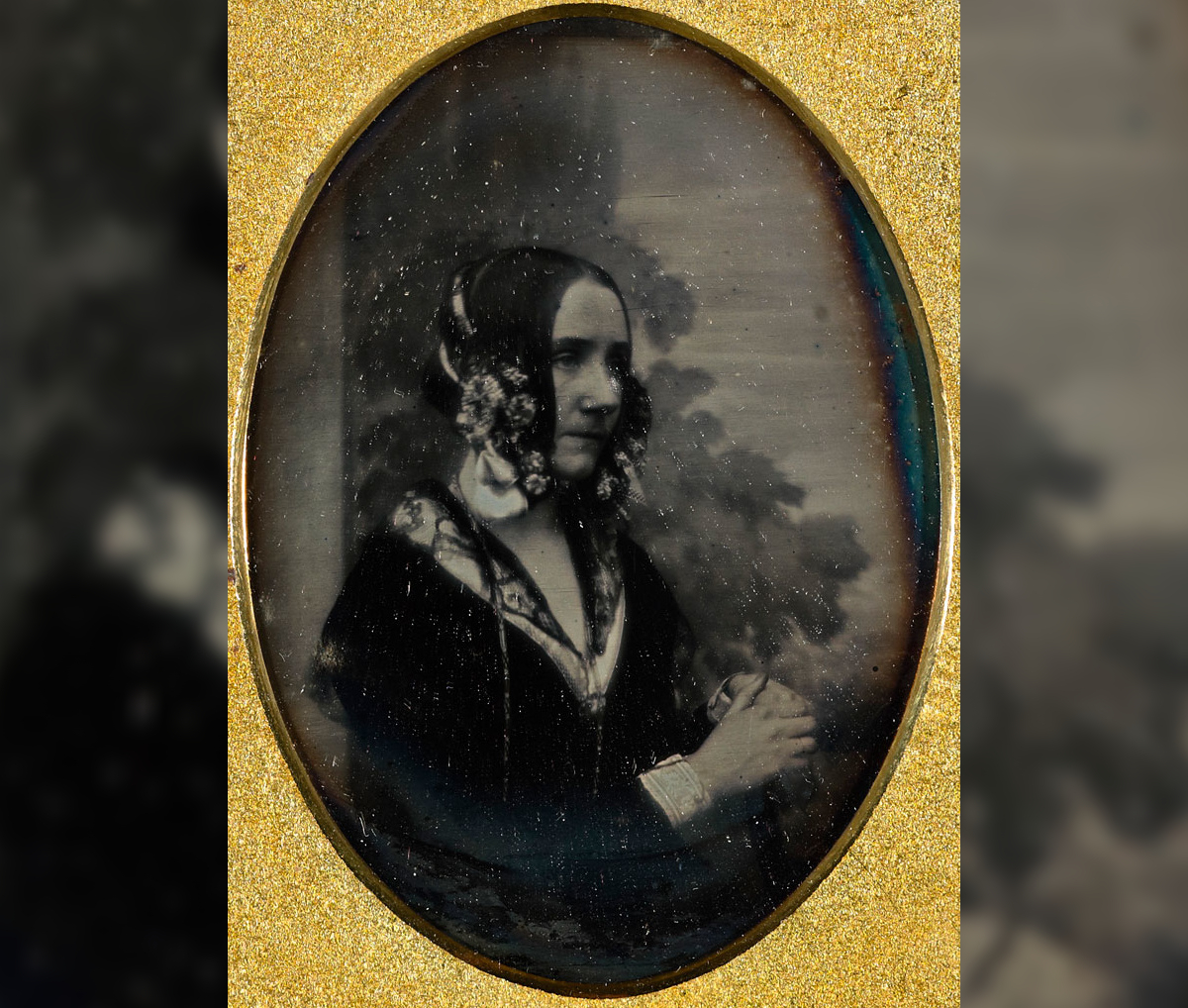
The only surviving photographs of computing pioneer Ada Lovelace have officially joined the National Portrait Gallery in London, marking a historic addition to the museum’s collection.
According to a report by Artnet, the group of three rare daguerreotypes first went up for auction at Bonhams in June 2025. Estimated at £80,000 to £120,000 ($107,395 to $161,090), the lot was withdrawn before the gallery acquired it via a private treaty sale.
For anyone fascinated by the intersection of photography and history, this acquisition is a remarkable opportunity. Lovelace, a 19th-century mathematician widely regarded as the world’s first computer programmer, is now represented in her only known photographic form.
The National Portrait Gallery stated that the acquisition is a “once-in-a-lifetime opportunity” that will “enable the Gallery to celebrate her pioneering work and inspire future generations.”
The Photographs and Their Origins
Two of the daguerreotypes were taken by Antoine Claudet, a French photographer who trained under Louis-Jacques-Mandé Daguerre, the inventor of the daguerreotype process.
Claudet’s images of Lovelace date to around 1843, the same year she published her seminal work on Charles Babbage’s Analytical Engine.
The third daguerreotype, created by an unknown photographer, reproduces an 1852 portrait by Henry Wyndham Phillips. This later image presents a more somber scene: Lovelace seated at a piano, her hands carefully posed while she endured the debilitating effects of uterine cancer.
Her husband, William King, recorded in his diary the intense suffering she endured during the session, as reported by Artnet. Yet the photograph and portrait both preserved the elegance and intelligence that defined her life.
Lovelace and Photography
Though Lovelace lived during the earliest years of photography, she recognized the medium’s potential. In an unpublished paper, she reflected, “it is as yet quite unsuspected how important a part photography is to play in the advancement of human knowledge,” according to the National Portrait Gallery.
These daguerreotypes not only capture her likeness but also serve as historical evidence of photography’s emerging role in documenting science and intellectual achievement.
Photography enthusiasts and historians alike can appreciate the technical and cultural significance of these images. Daguerreotypes require meticulous preparation and exacting exposure, meaning each photograph is unique.
In Lovelace’s case, the portraits provide a rare, intimate glimpse into her life and personality, which are moments frozen in silvered copper plates nearly two centuries ago.
See more from DIYPhotography.net on Google
Add DIYPhotography.net as a trusted source. This makes
our stories more likely to appear in your Google Search results.
 Add as a preferred source on Google

Alysa Gavilan
Alysa Gavilan has spent years exploring photography through photojournalism and street scenes. She enjoys working with both film and mirrorless cameras, and her fascination with the craft has grown over the decades. Inspired by Vivian Maier, she is drawn to capturing everyday moments that often go unnoticed.




Join the Discussion
DIYP Comment Policy
Be nice, be on-topic, no personal information or flames.