

























Glistening Galactic Gems: NASA Shares a Gallery of 16 Galaxies
Aug 27, 2026
Soumyadeep Mukherjee
Soumyadeep Mukherjee is an award-winning astrophotographer from India. He has a doctorate degree in Linguistics. His work extends to the sub-genres of nightscape, deep sky, solar, lunar and optical phenomenon photography. He is also a photography educator and has conducted numerous workshops. His works have appeared in over 40 books & magazines including Astronomy, BBC Sky at Night, Sky & Telescope among others, and in various websites including National Geographic, NASA, Forbes. He was the first Indian to win “Astronomy Photographer of the Year” award in a major category.
Share:
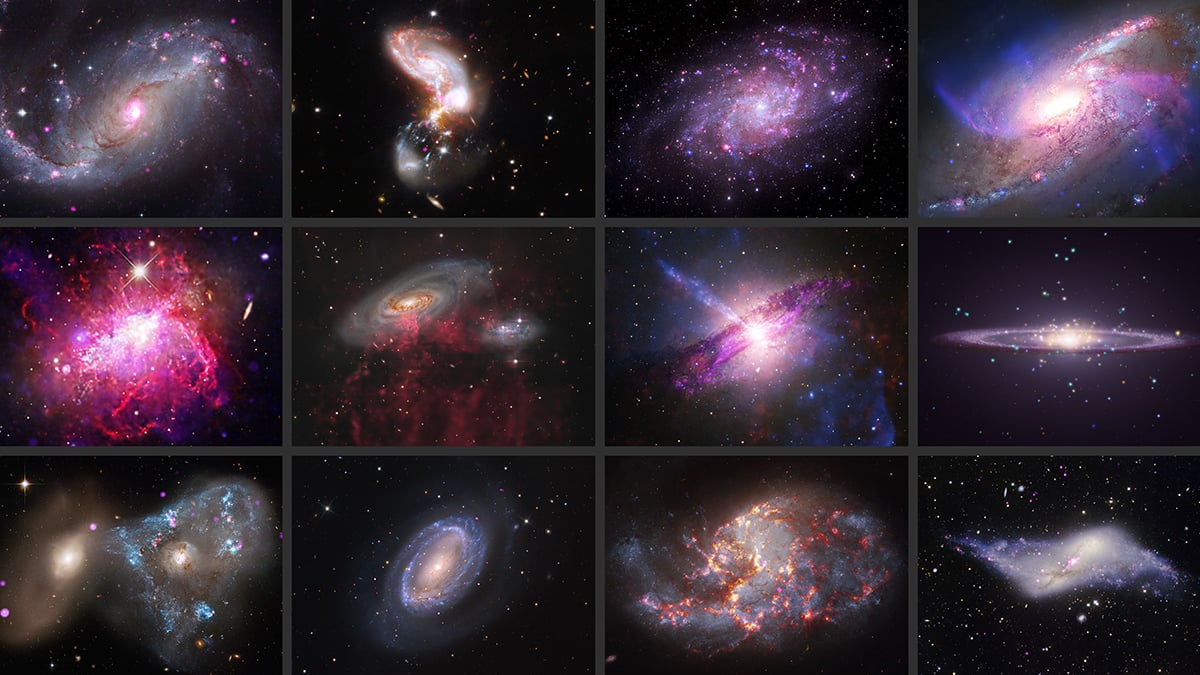
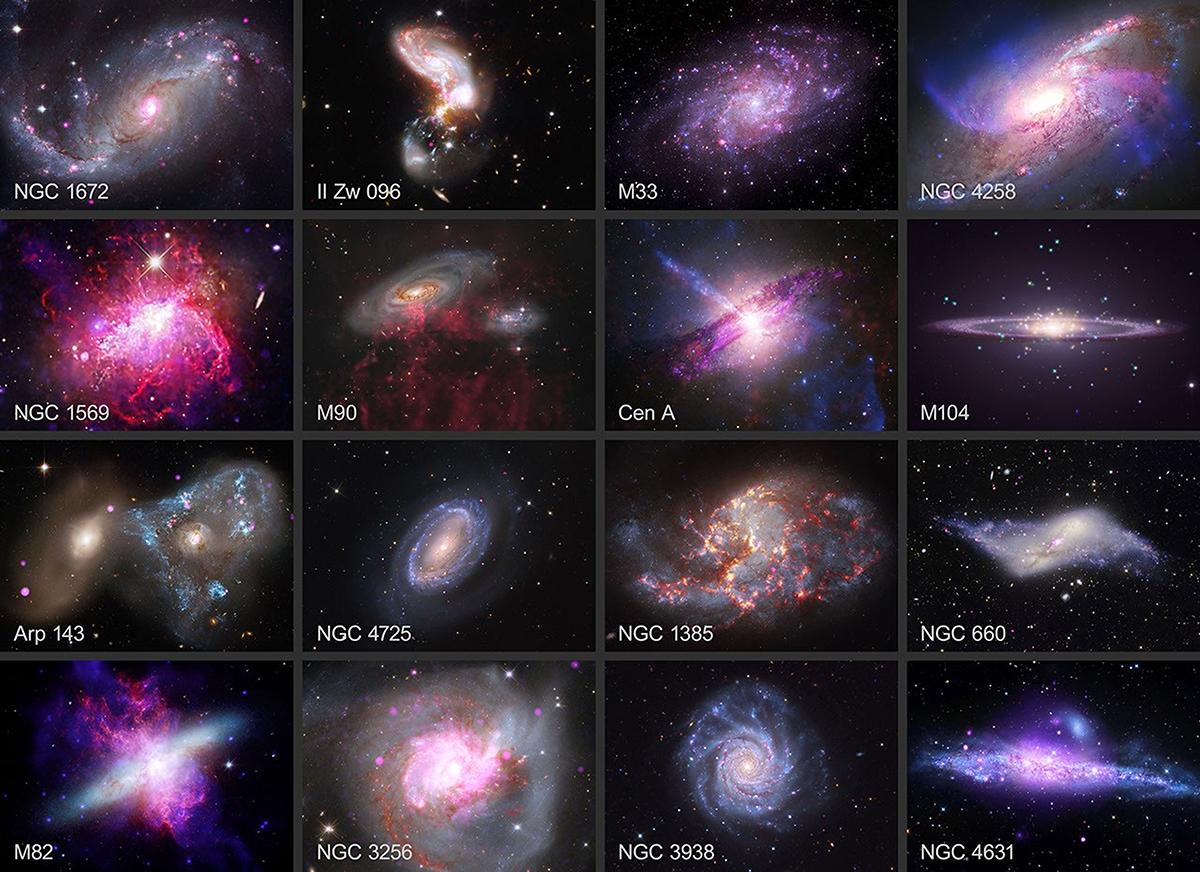
NASA’s Chandra X-ray Observatory has unveiled a new gallery featuring 16 galaxies across the universe. The images combine Chandra’s X-ray data with observations from other telescopes. NASA’s James Webb Space Telescope, Hubble, IXPE, Swift, and NuSTAR all contribute to the collection. Several ground-based observatories also provide data. The 16 galaxies in the gallery represent different types and stages of galactic evolution. They include spiral galaxies, starburst systems, irregular galaxies, and galaxies undergoing mergers.
Spiral galaxies show star formation
Several galaxies in the collection allow astronomers to examine star formation on different scales. NGC 1385 is one example. The barred spiral galaxy contains numerous bright regions associated with active star formation.
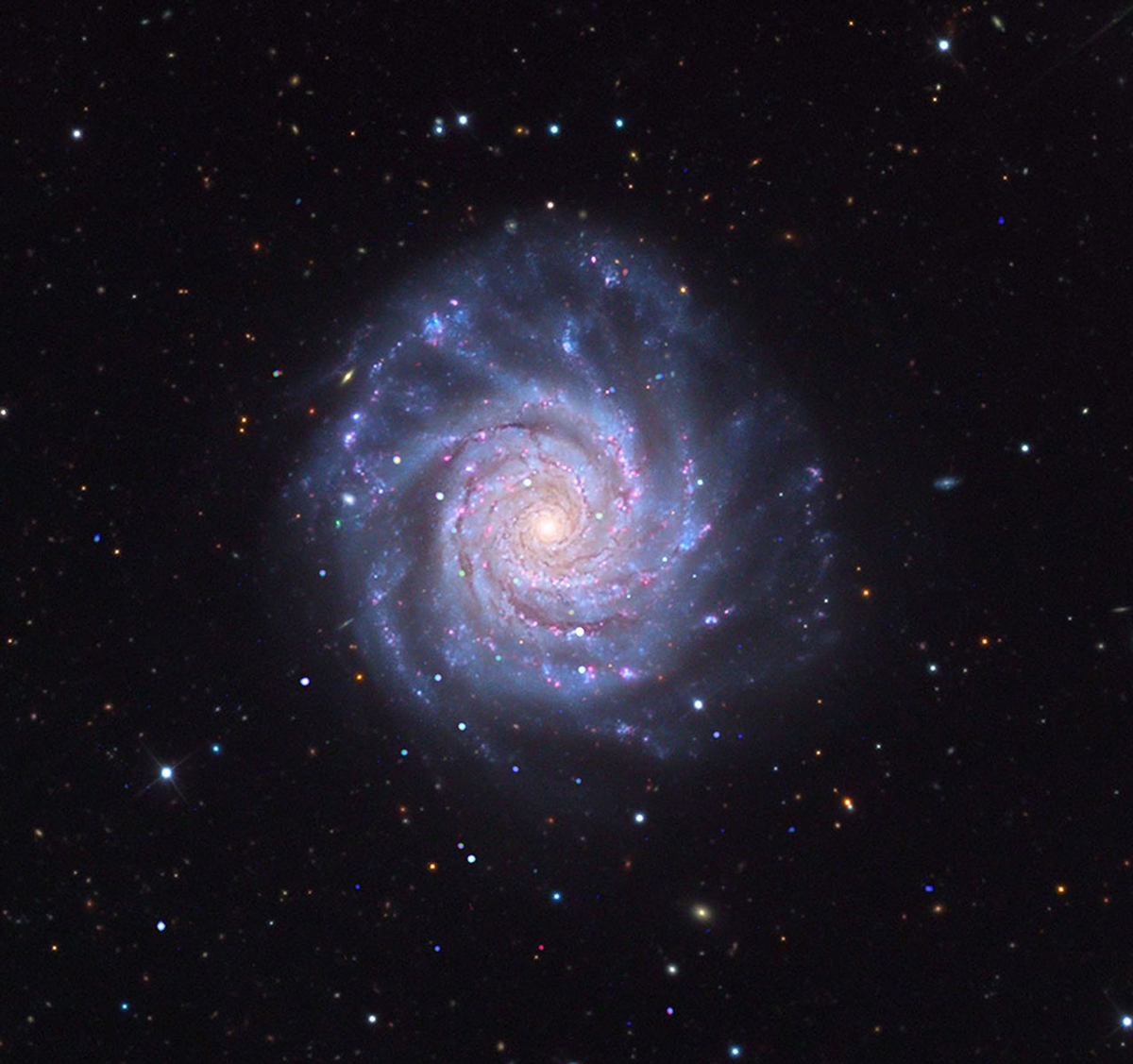
NGC 3938 offers another view of a spiral galaxy. Its relatively face-on structure allows astronomers to study its disk without the heavy overlap caused by an edge-on orientation. The galaxy contains many sites of star formation, along with X-ray sources linked to massive stellar systems.
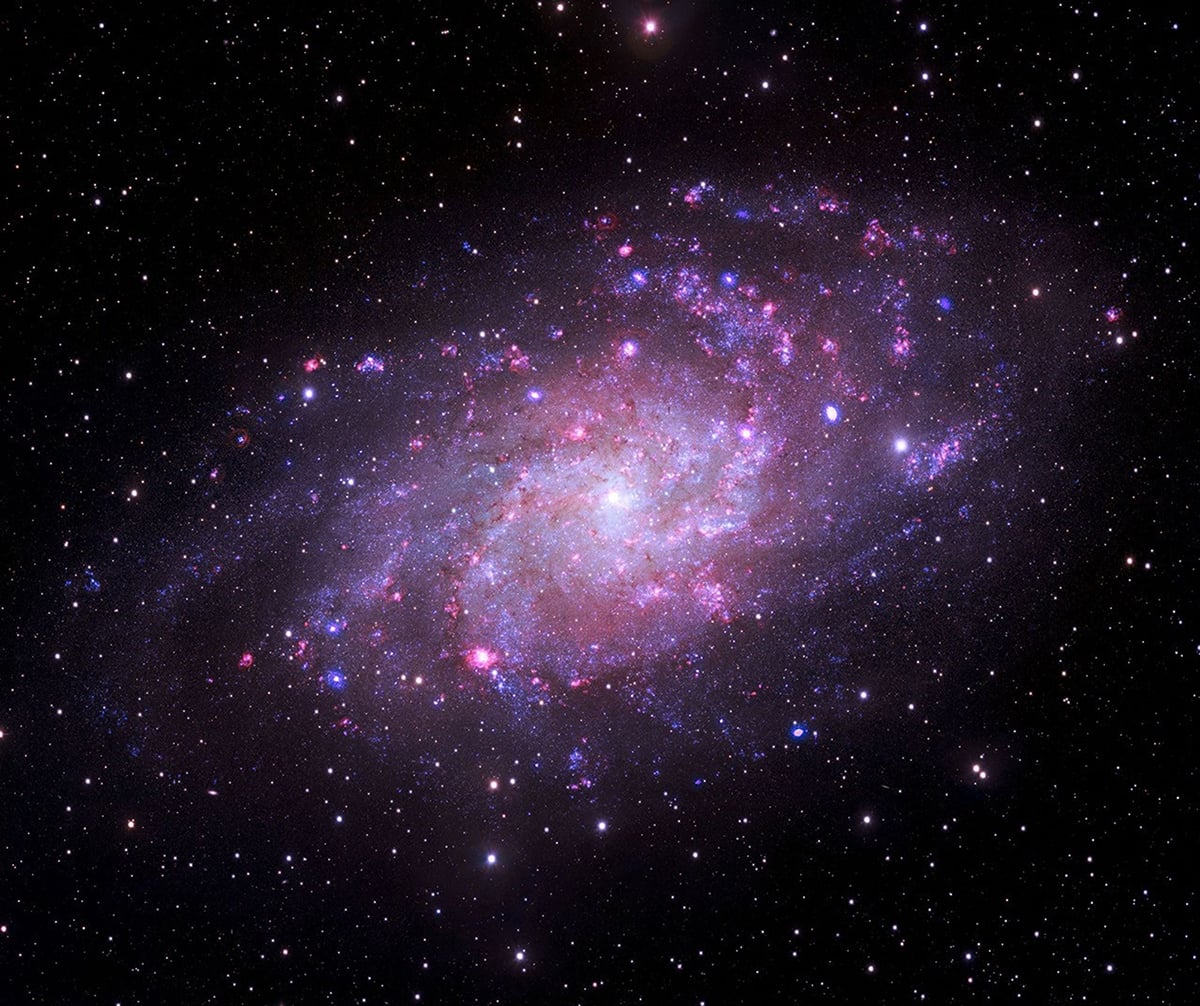
M33 is particularly useful because of its proximity. At roughly 3 million light-years away, M33 allows astronomers to resolve many individual objects within the galaxy.
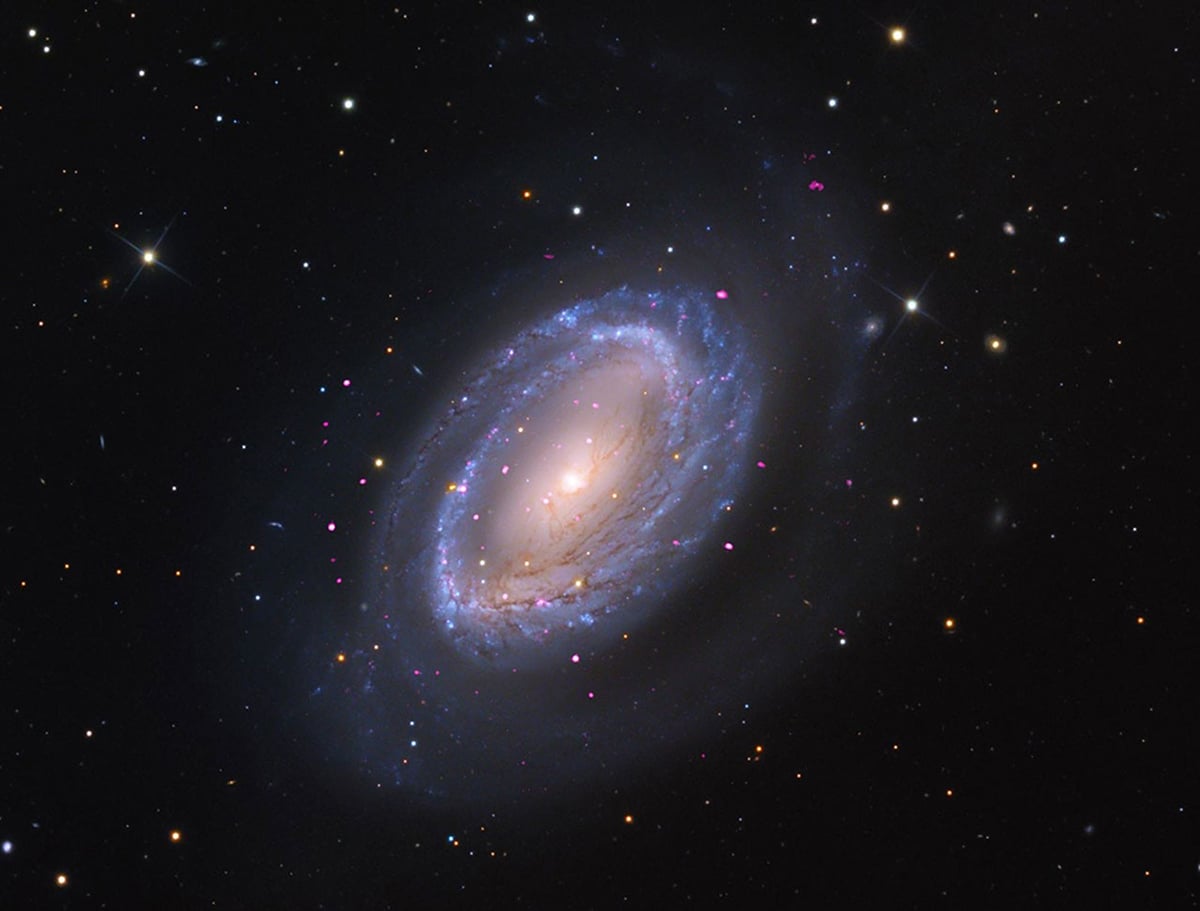
NGC 4725 has a more unusual structure. It is a barred spiral with a prominent ring around its central region and an asymmetric spiral pattern. According to NASA, its star formation may have been influenced by an earlier interaction with another galaxy.
Hot gas rising above galaxy disks
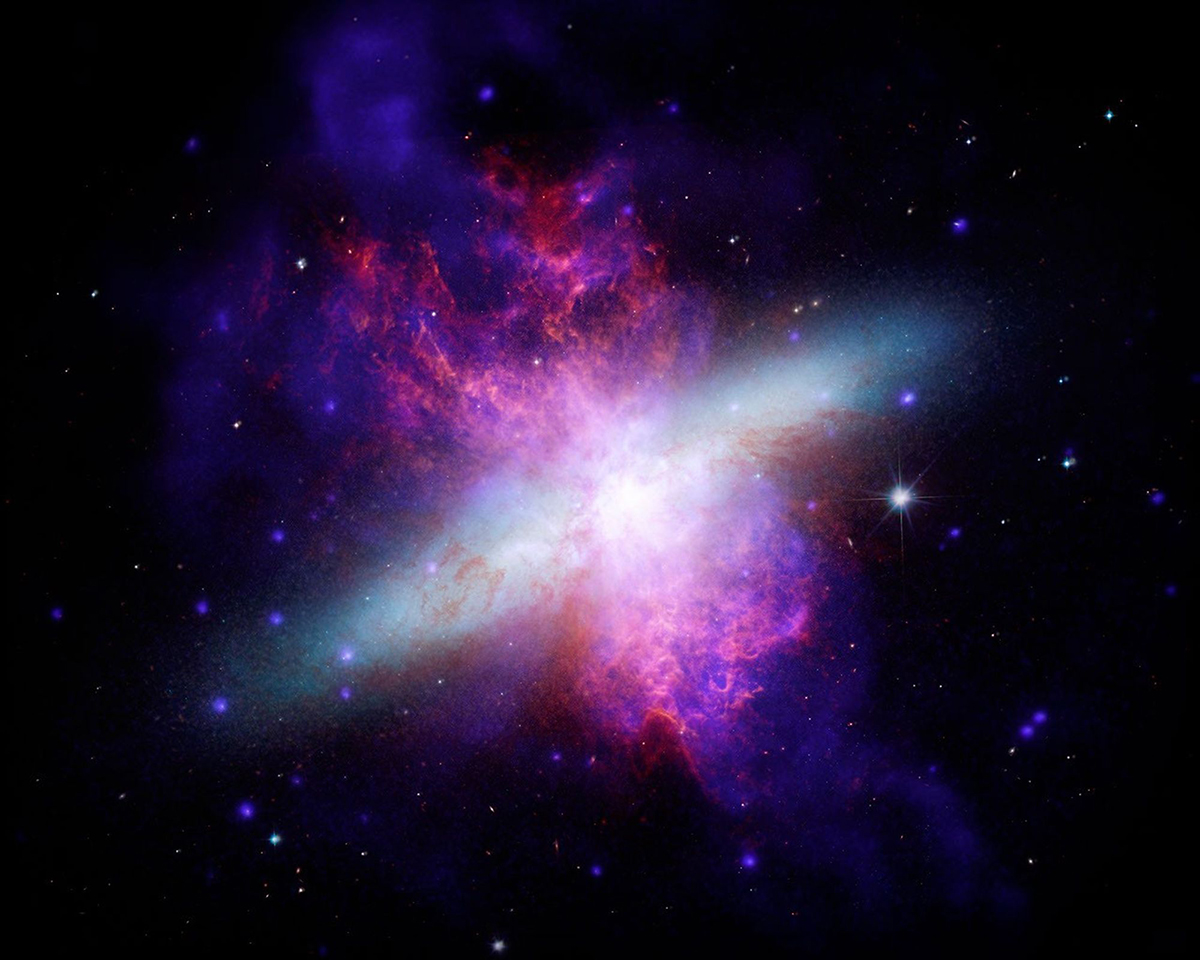
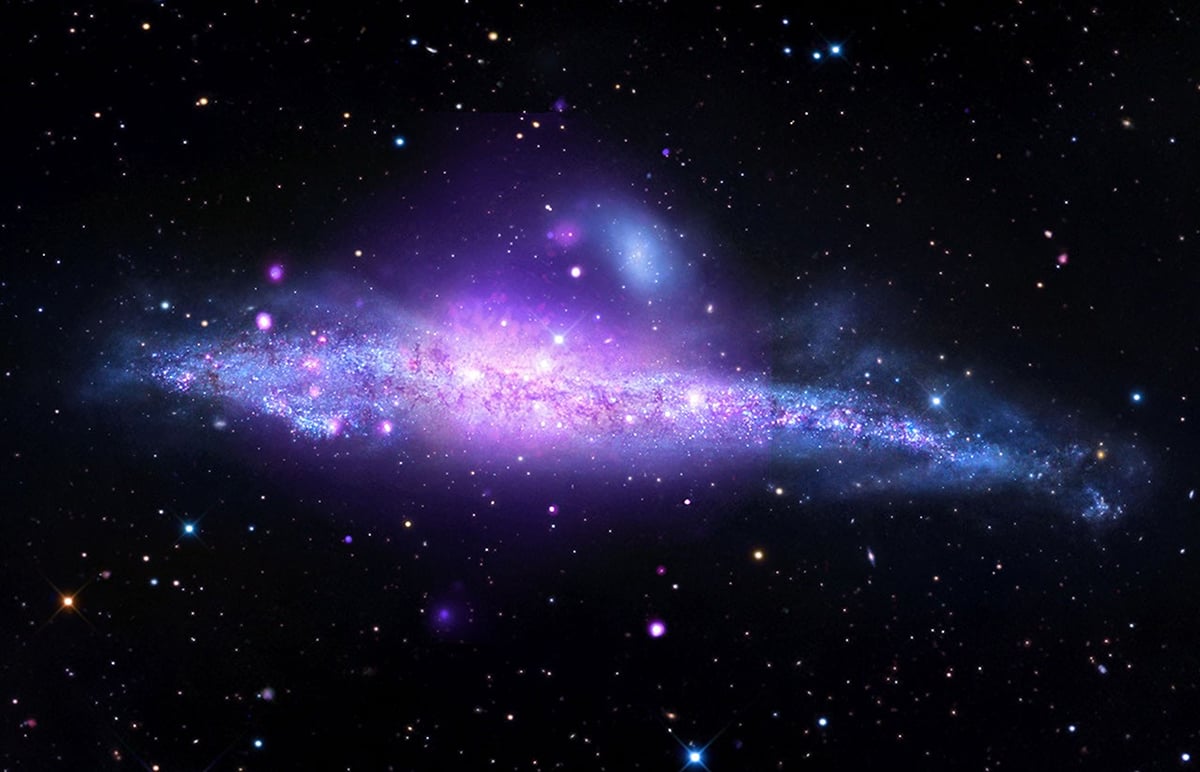
M82, also called the Cigar Galaxy, lies about 12 million light-years away. It is undergoing an intense starburst, with stars forming at a much higher rate than in the Milky Way. Massive stars in these regions evolve rapidly and end their lives in supernova explosions. The combined energy from these events drives hot gas away from the galaxy’s central regions.
We get to see a similar phenomenon in NGC 4631. The galaxy is also viewed edge-on and has a large halo of hot gas surrounding its disk. X-ray observations reveal material that has been heated by energetic processes associated with star formation.
Black-hole jets extending beyond the galactic core
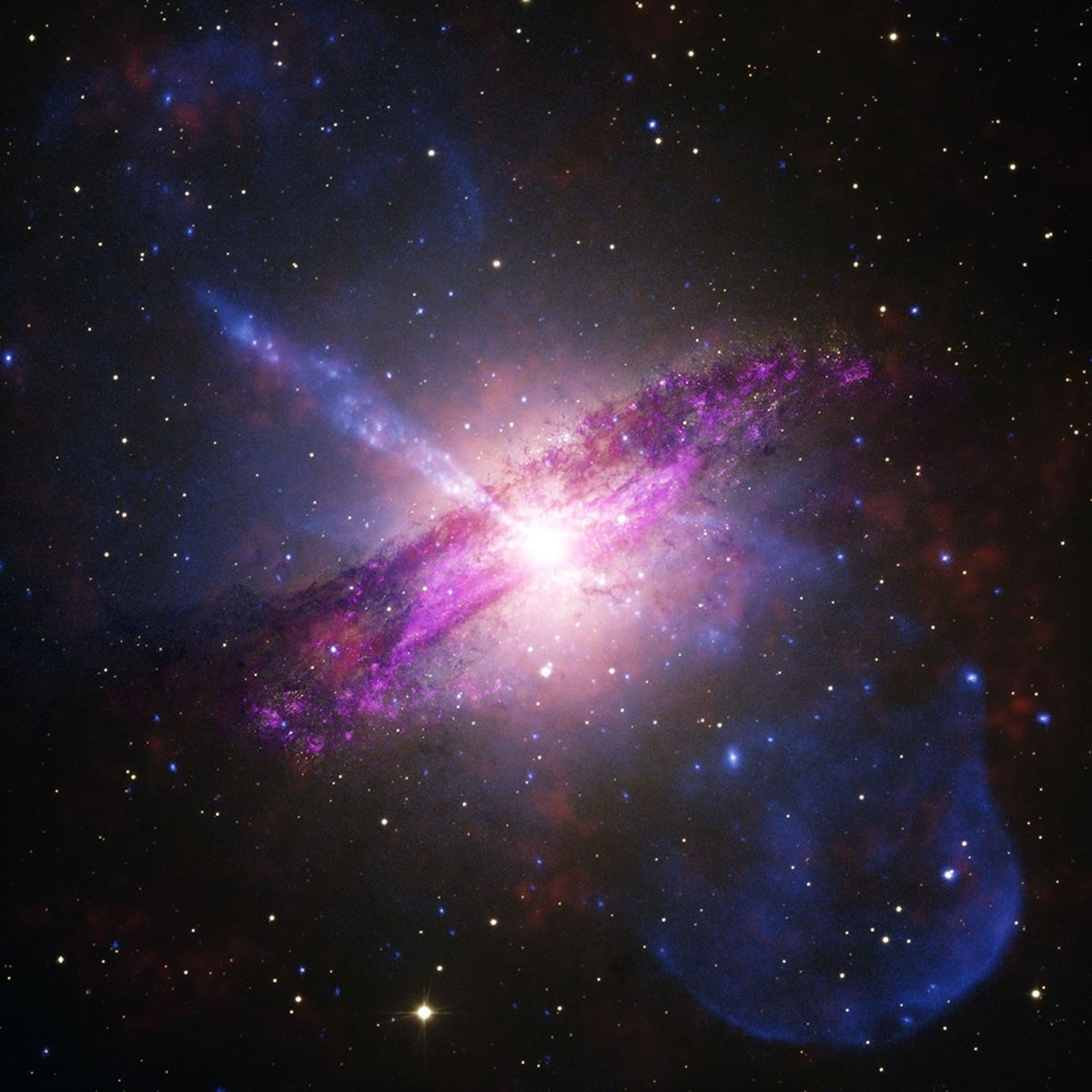
Supermassive black holes can generate enormous amounts of energy when they accrete matter from their surroundings. In some active galaxies, this process produces relativistic jets that travel far beyond the central region.
Centaurus A is one of the best-known examples in this new gallery. The galaxy has a prominent dust lane crossing its central region and shows evidence of a past merger. At its core lies an active supermassive black hole. The black hole launches jets that extend tens of thousands of light-years into space.
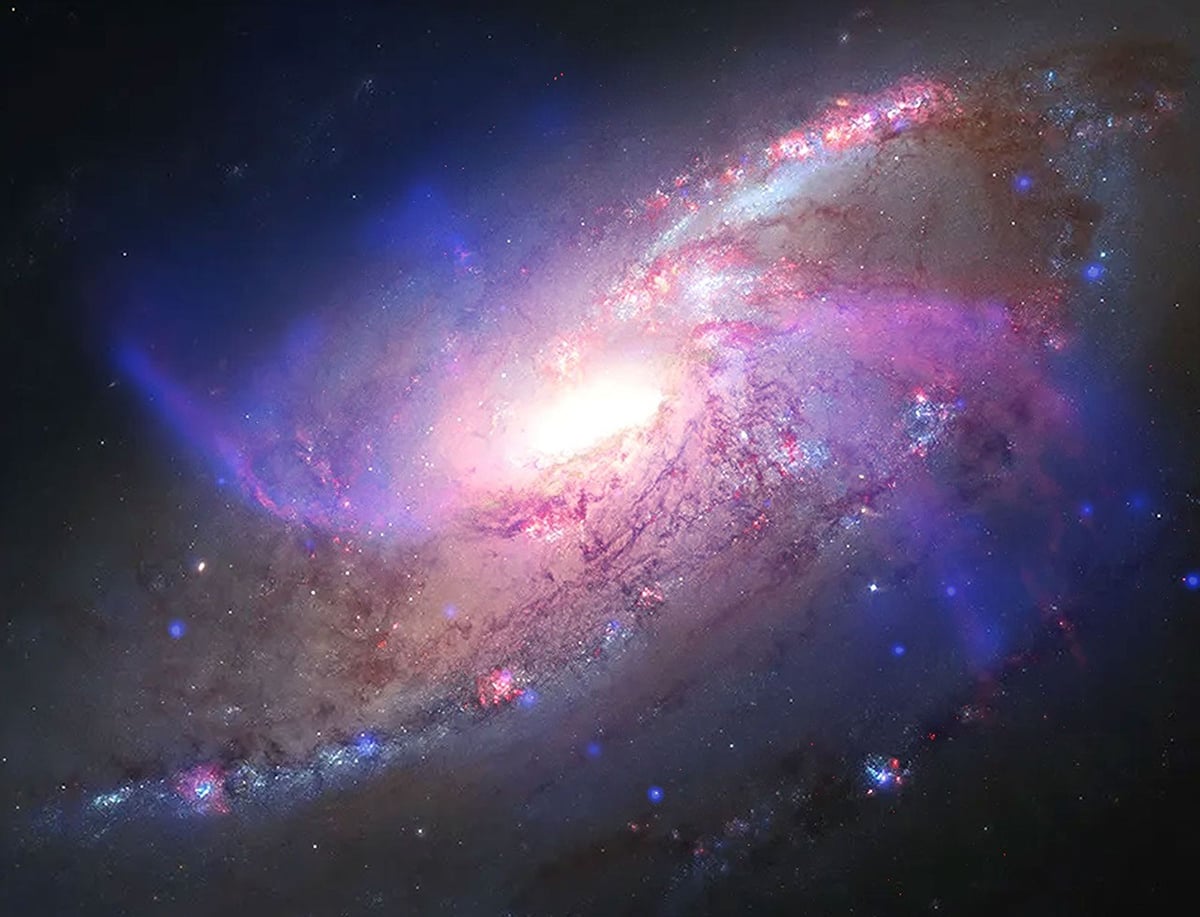
NGC 4258 shows another example of black hole activity affecting its surroundings. Its central supermassive black hole produces jets that interact with gas in the galaxy. The resulting structures appear as additional spiral-like features when viewed in certain wavelengths.
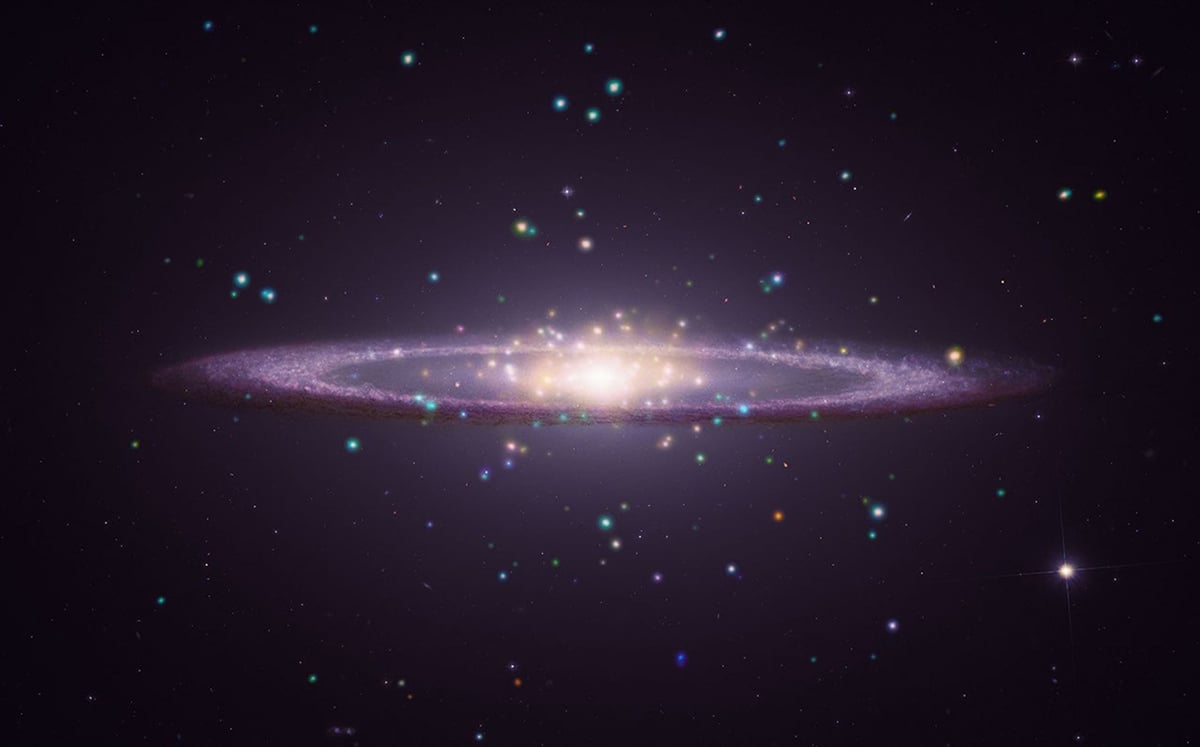
M104, the Sombrero Galaxy, provides another perspective. Its bright central bulge and prominent dust lane dominate visible-light images. Chandra reveals million-degree gas around the galaxy, along with hot stellar remnants and other energetic sources.
Colliding galaxies changing their shape
Galaxies frequently interact through gravity, and those encounters can radically alter their structure. And Arp 143 is one of the most unusual examples. A smaller galaxy had passed through the disk of a larger companion. The encounter created a ring-like structure and compressed gas in the region affected by the collision.
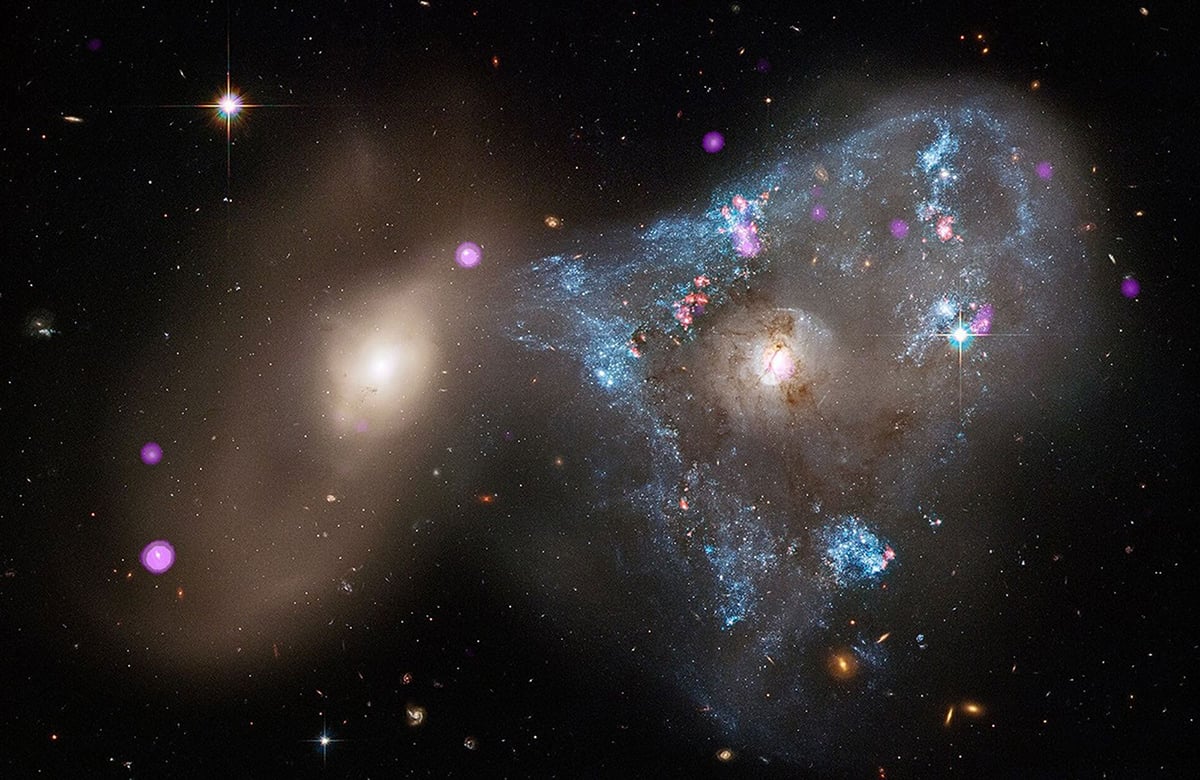
NGC 3256, on the other hand, represents a later stage of a merger. Two gas-rich galaxies are in the process of combining, producing distorted structures and intense star formation.
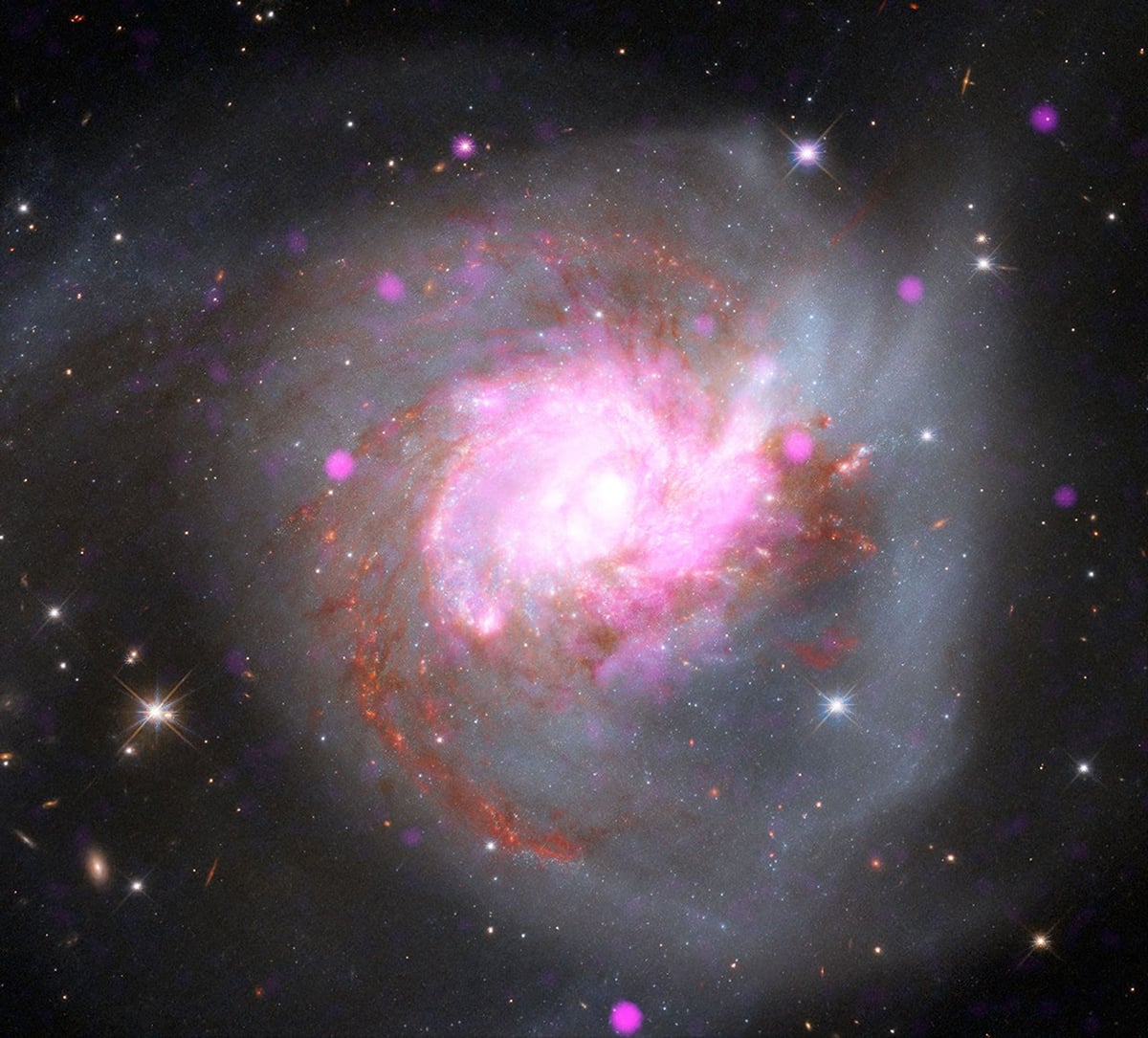
II Zw 096 is another merger system with heavy dust obscuration. Infrared observations show the otherwise hidden star formation in this galaxy. X-ray observations add information about energetic sources within the merging system.
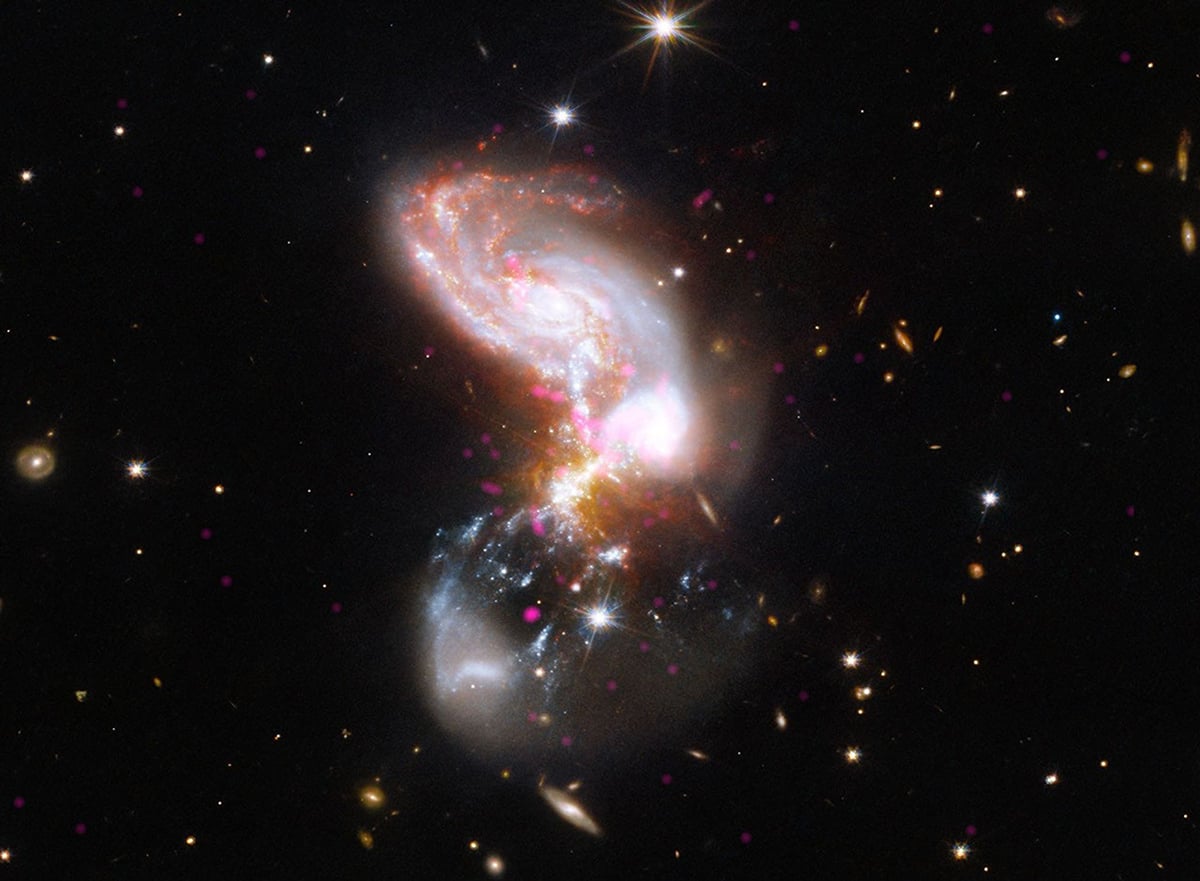
NGC 660 has a large polar ring surrounding its central galaxy. The ring’s orientation differs dramatically from the main disk, suggesting that a past interaction helped create the structure. Chandra also detects a possible growing supermassive black hole in its center.
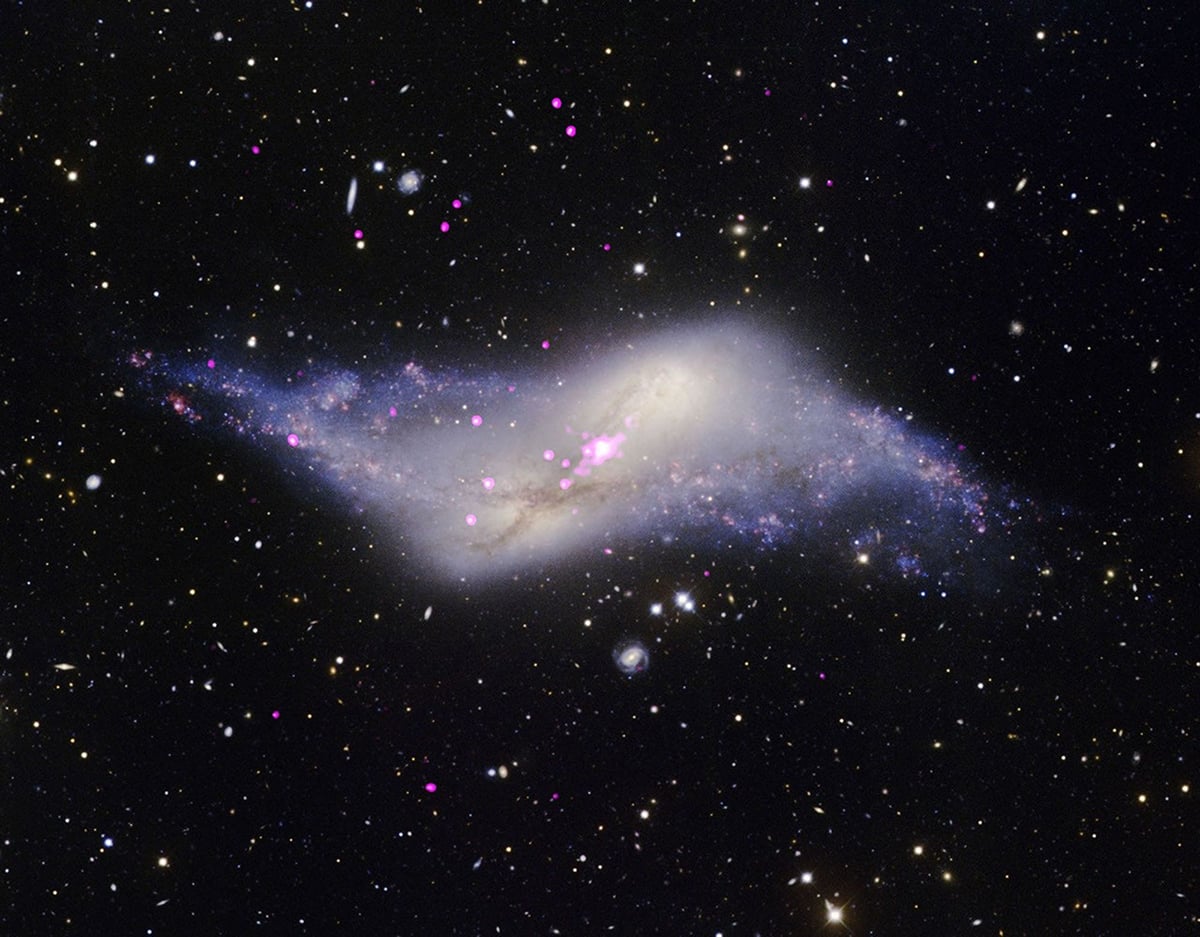
Check out the complete gallery on NASA and Chandra’s website.
Clear skies!
See more from DIYPhotography.net on Google
Add DIYPhotography.net as a trusted source. This makes
our stories more likely to appear in your Google Search results.
 Add as a preferred source on Google

Soumyadeep Mukherjee
Soumyadeep Mukherjee is an award-winning astrophotographer from India. He has a doctorate degree in Linguistics. His work extends to the sub-genres of nightscape, deep sky, solar, lunar and optical phenomenon photography. He is also a photography educator and has conducted numerous workshops. His works have appeared in over 40 books & magazines including Astronomy, BBC Sky at Night, Sky & Telescope among others, and in various websites including National Geographic, NASA, Forbes. He was the first Indian to win “Astronomy Photographer of the Year” award in a major category.

Join the Discussion
DIYP Comment Policy
Be nice, be on-topic, no personal information or flames.