





















Shoot Leica Monopan 50 in Your Medium Format Camera without Adapters
Jun 19, 2026
David Prochnow
Our resident “how-to” project editor, David Prochnow, lives on the Gulf Coast of the United States in Ocean Springs, Mississippi. He brings his expertise at making our photography projects accessible to everyone, from a lengthy stint acting as the Contributing How-To Editor with Popular Science magazine. While you don’t have to actually build each of his projects, reading about these adventures will contribute to your continued overall appreciation of do-it-yourself photography. A collection of David’s best Popular Science projects can be found in the book, “The Big Book of Hacks,” Edited by Doug Cantor.
Share:
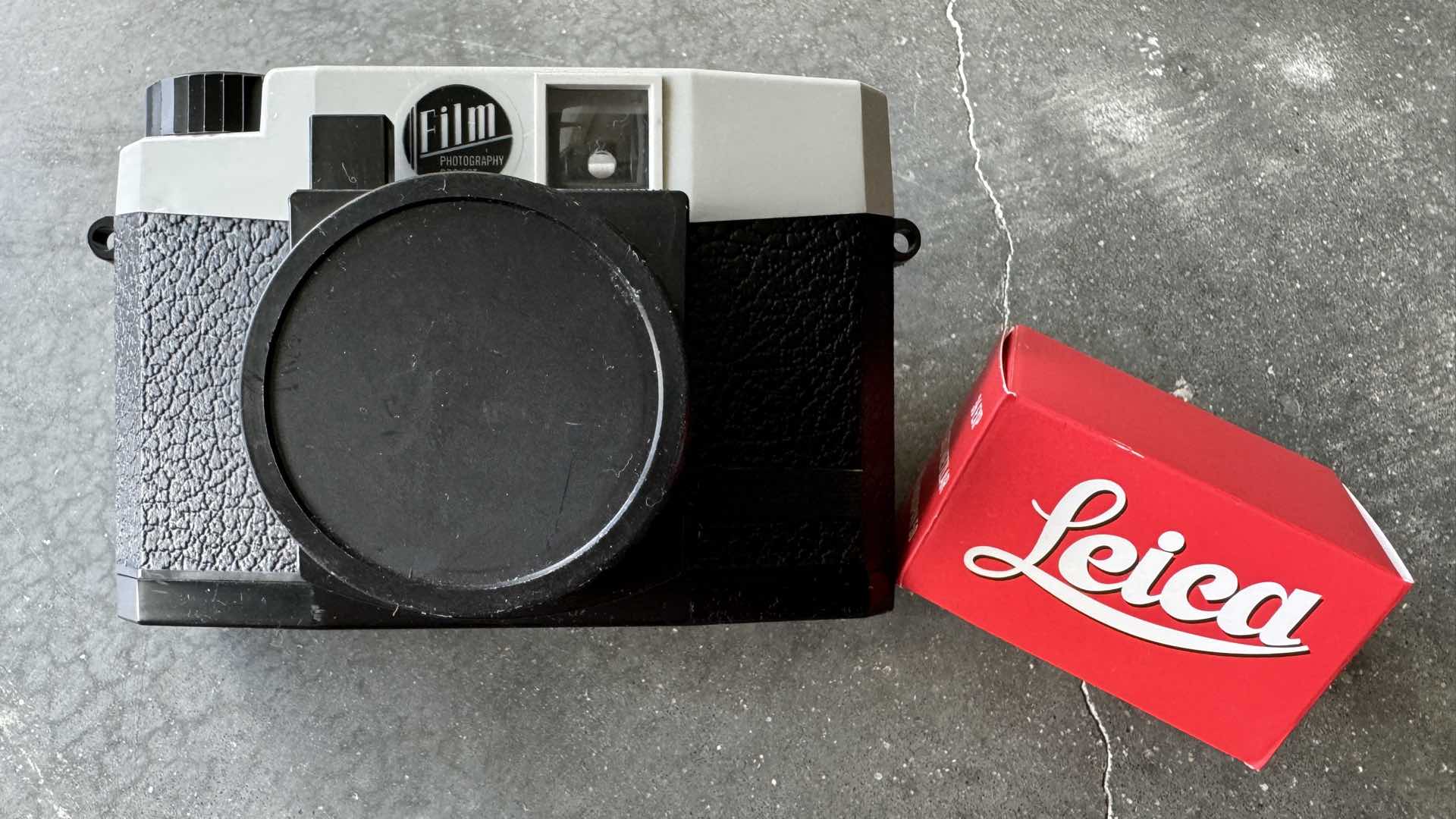
Using a medium format camera is a great way to expose yourself to working with bigger negatives. Well, “bigger,” relatively speaking, as when compared to 35mm format film.
Luckily, experimenting with this larger format film doesn’t require an expensive camera rig, either. For example, the sub-$20 Debonair is able to provide excellent photographs without having to sell your first born.
Unfortunately, the diversity of film selection that is available in 35mm films doesn’t carry over into 120 format film. Case in point, Leica Monopan 50 is strictly limited to 35mm format, only.
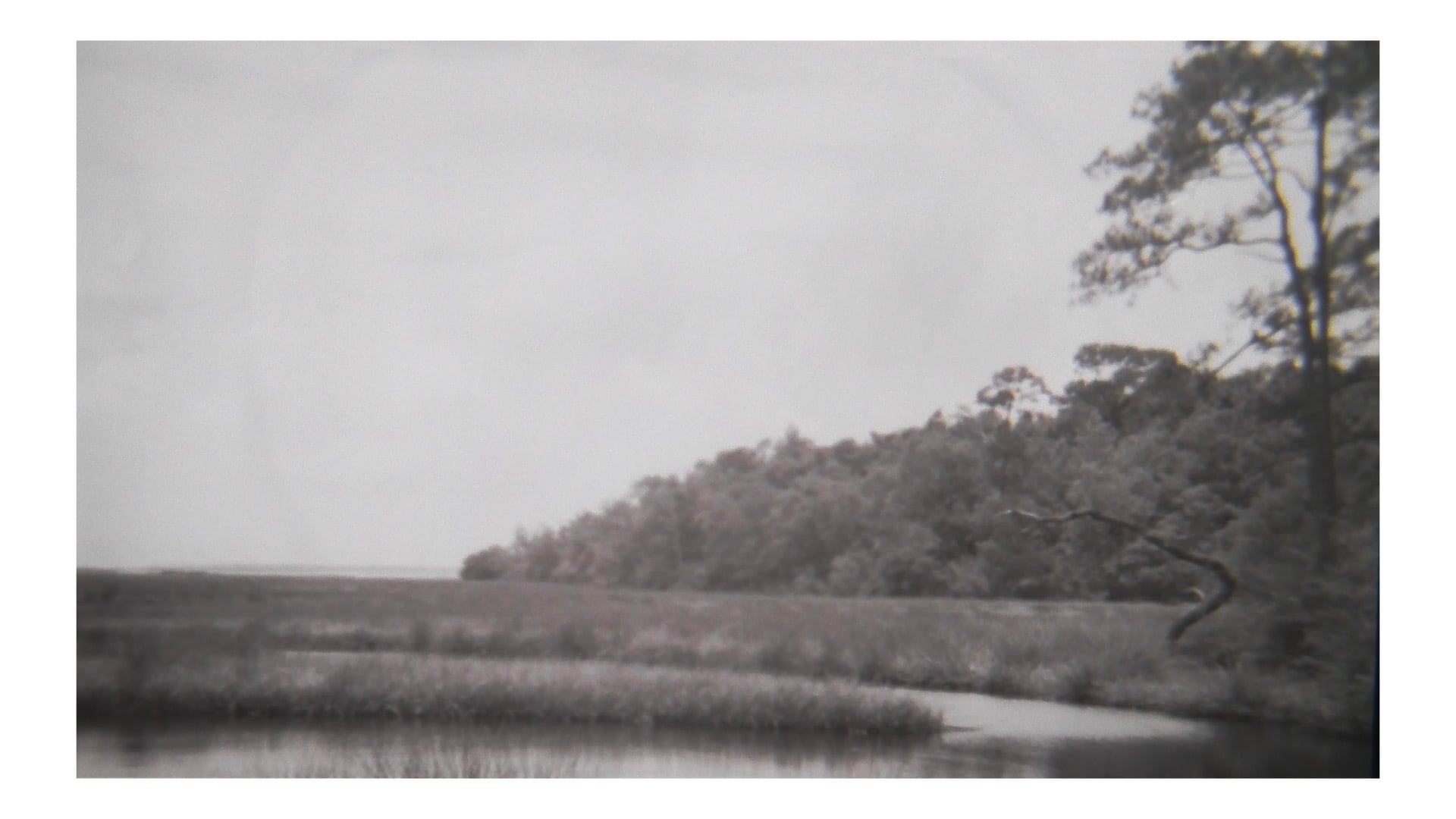
Yes, you can purchase a set of plastic adapters that can convert SOME medium format cameras into using 35mm film. But this technique can produce a limitation in your camera choice. Specifically, only medium format cameras that can “rewind” the film back-and-forth between the take-up spool and the film spool will work.
Naturally, this limitation would rule out using cameras like the Debonair. There is a DIY solution to circumventing this omission, however. It’s just a matter of “rolling your own.”
Reuse, Recycle, Re-Roll
In this DIY project, “rolling your own” refers to repurposing a previously developed roll of 120 film. Both the leftover spool and the discarded paper backing will be combined with a length of Leica Monopan 50 35mm film.
Around 30-inches (77cm) of the Leica film will be tucked and taped inside the 120 backing paper and rewound onto the spool. This relatively simple procedure includes three points that will ensure success of this project.
1. Perform all operations inside a dark, light-tight room. In fact, due to this being a reused piece of 120 format backing paper, even the loading and unloading of the camera should be performed in subdued light.
2. Locate the original point where the 120 film was taped to the backing paper and mark this point with two paperclips. This mark is where the 35mm should be cut and taped into place. Plus, the paperclips should be easy to “feel” in the dark and can be quickly removed when the film has been secured to the backing paper.
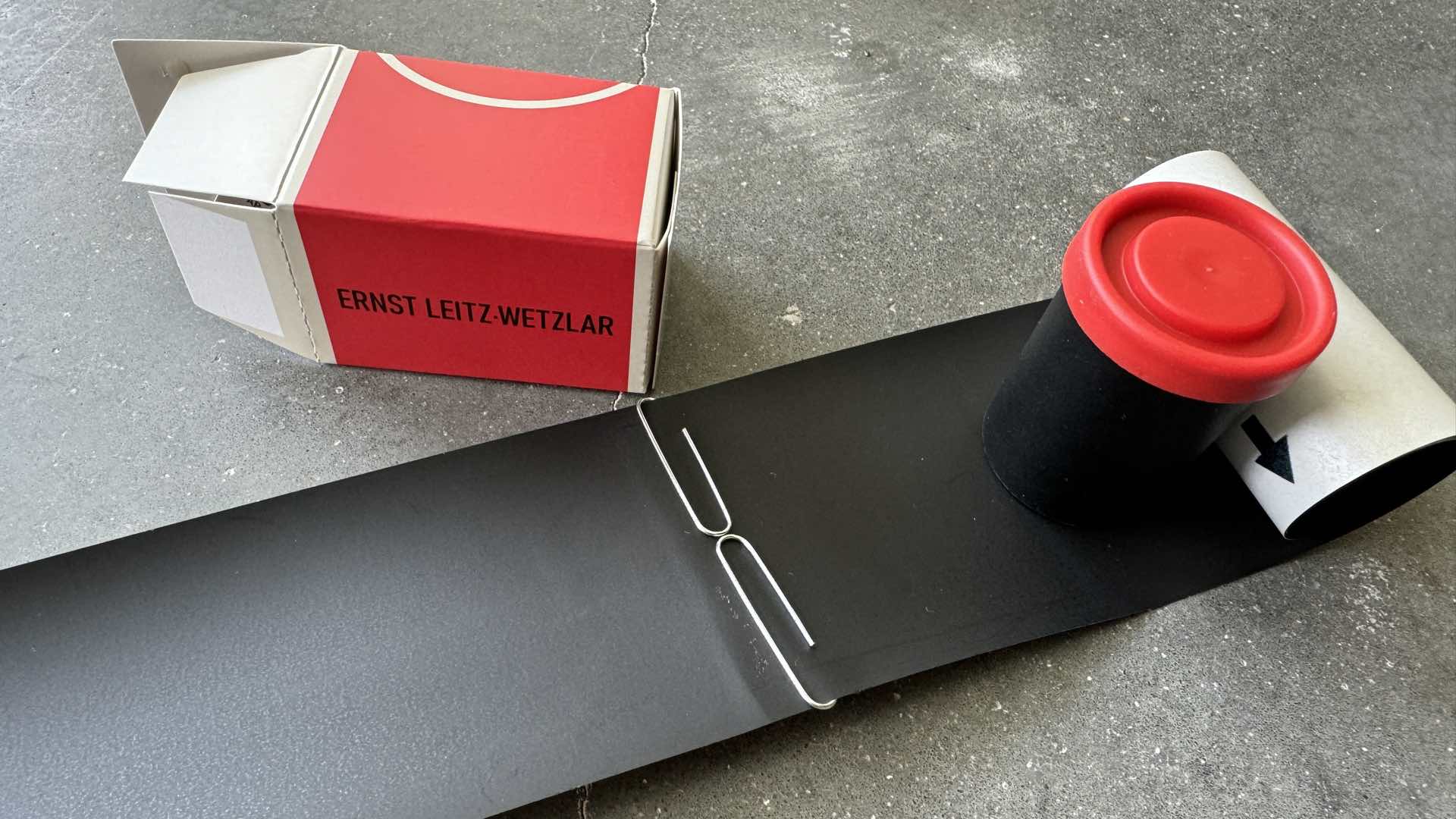
3. Only one end of the 35mm film is taped to the backing paper. This is the film’s leading edge at the start of the backing paper. Remember, this used roll of 120 film is being wound BACKWARDS onto the take-up spool. Therefore, the beginning of the film is taped into place, while the other end of the film is left loose inside the backing paper.
Prior to turning the lights OFF and rolling your 35mm film into the reused 120 backing paper, tuck the Leica Monopan 50’s leader into the tightly rolled end of the medium format paper roll. This is the paper end roll that has been spun around the take-up spool.
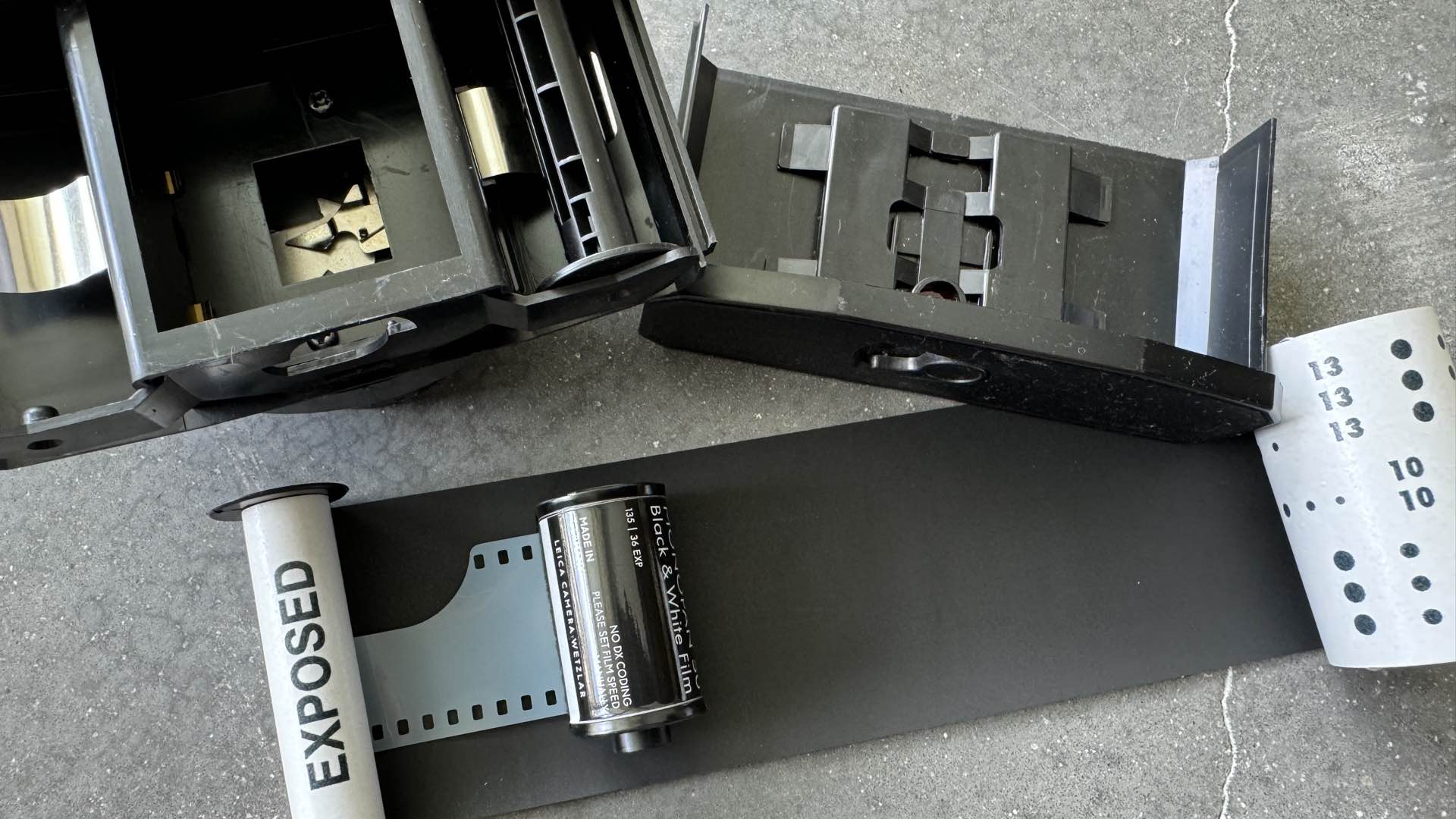
Also, precut a small length of tape for easy access during the final stage of laying the 35mm film along the paper backing. Oh, and keep those scissors handy in the dark, you’ll need them.
Flip OFF the lights, gently pull the 35mm film out of its cassette while running it along the paper, feel for the paperclips, snip the 35mm film, without any bloodshed, tape the loose film end to the paper, remove the paperclips, and finish tightly rolling the paper backing onto the spool.
Load your newly-made roll of Leica Monopan 50 120-format film into your medium format camera. Enjoy shooting “different.”
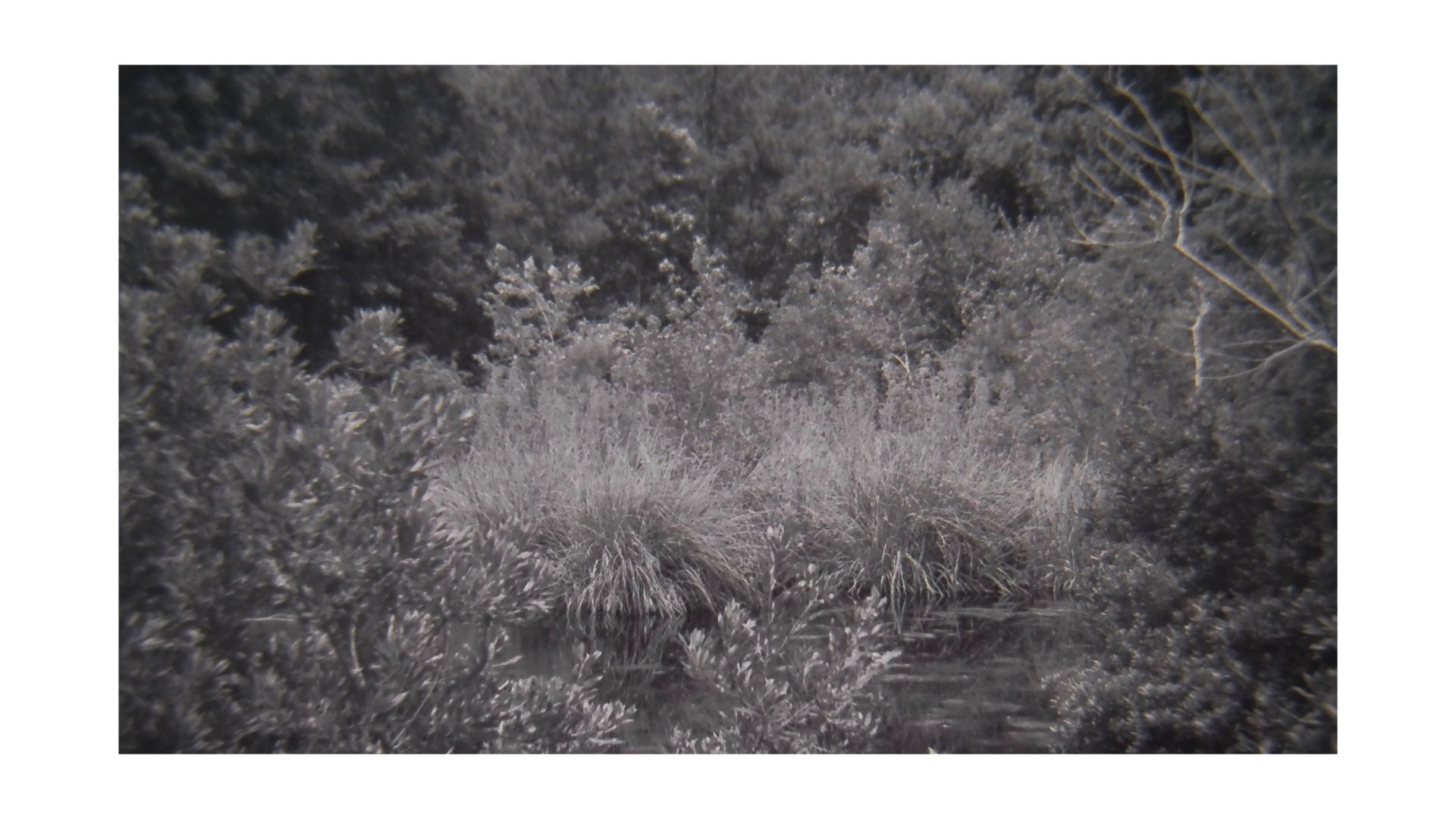
After the final exposure, continue winding your DIY film, exactly like you would wind a conventional roll of 120 film, onto the camera’s take-up spool. Remove the roll and develop the film like you would normally develop Leica Monopan 50 film.
Don’t Do This…
Whatever you do, DON’T mail this “fake” 120 roll of film to a film processing laboratory. It won’t load/work properly with the lab’s automated equipment. Rather, develop this film yourself, you’ll love the experience.
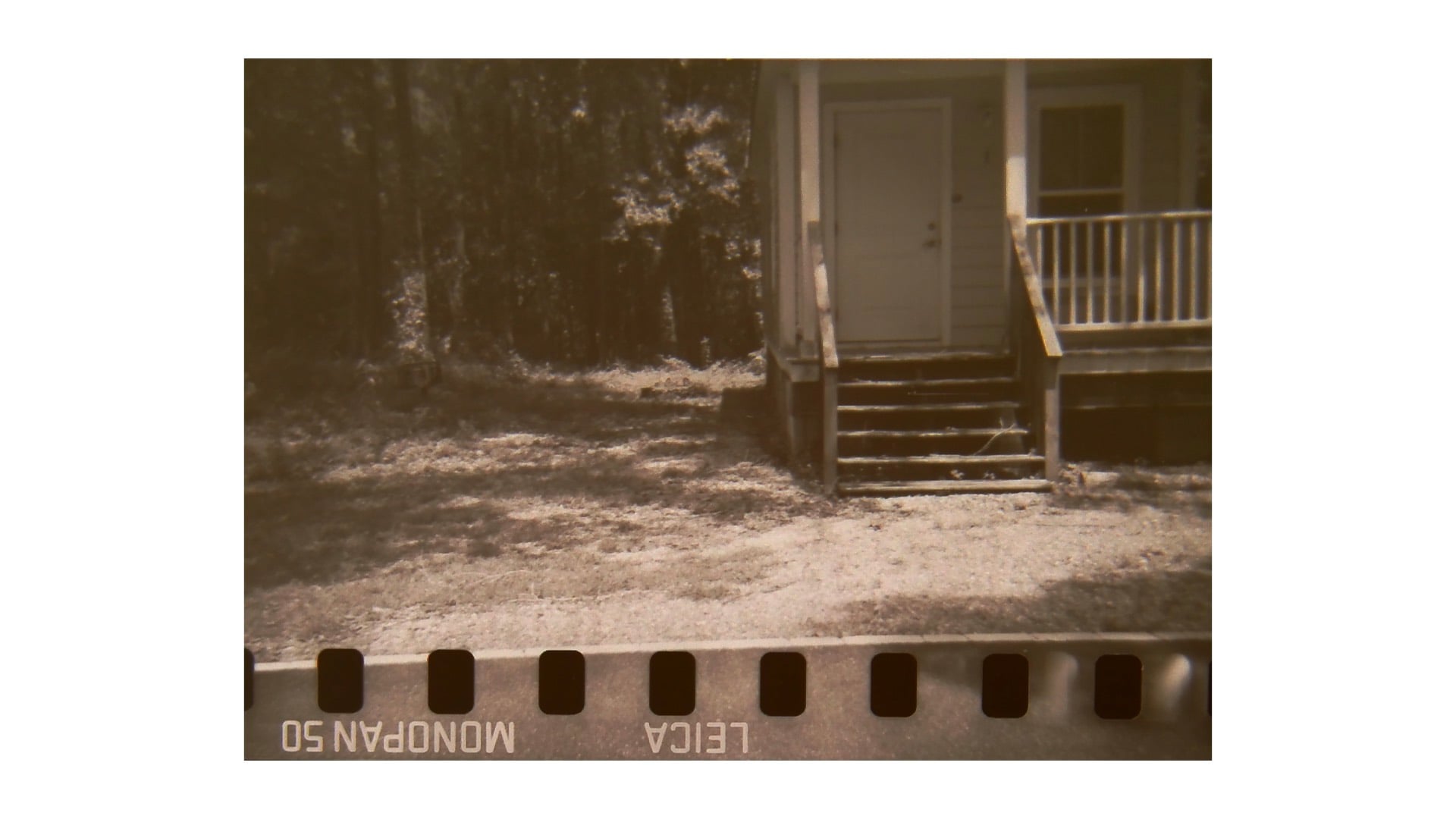
Finally, remember that leftover cassette of Leica Monopan 50 that you used for creating your recycled roll of 120-format film? It’s still usable! Just pull a couple of inches of film out and trim it into a leader shape. Now this “short roll” can be loaded into your 35mm camera. Expect about 13-15 “bonus” exposures from this dual purpose donor film.
Enjoy.
See more from DIYPhotography.net on Google
Add DIYPhotography.net as a trusted source. This makes
our stories more likely to appear in your Google Search results.
 Add as a preferred source on Google

David Prochnow
Our resident “how-to” project editor, David Prochnow, lives on the Gulf Coast of the United States in Ocean Springs, Mississippi. He brings his expertise at making our photography projects accessible to everyone, from a lengthy stint acting as the Contributing How-To Editor with Popular Science magazine. While you don’t have to actually build each of his projects, reading about these adventures will contribute to your continued overall appreciation of do-it-yourself photography. A collection of David’s best Popular Science projects can be found in the book, “The Big Book of Hacks,” Edited by Doug Cantor.


Join the Discussion
DIYP Comment Policy
Be nice, be on-topic, no personal information or flames.