





















A Medium Format Camera so Sophisticated that it’s a Debonair
Nov 21, 2025
David Prochnow
Our resident “how-to” project editor, David Prochnow, lives on the Gulf Coast of the United States in Ocean Springs, Mississippi. He brings his expertise at making our photography projects accessible to everyone, from a lengthy stint acting as the Contributing How-To Editor with Popular Science magazine. While you don’t have to actually build each of his projects, reading about these adventures will contribute to your continued overall appreciation of do-it-yourself photography. A collection of David’s best Popular Science projects can be found in the book, “The Big Book of Hacks,” Edited by Doug Cantor.
Share:

Back in the mid to late 1960s, a curious all-plastic, teal-colored camera appeared in Hong Kong. It was known simply as Diana. Incredibly, within a few years, this medium format camera that exposed roughly 4- x 4-cm negatives on a roll of 120 format film was all the rage. Photographers fully embraced the fuzzy photos, strange light leaks, and cheap construction. A star was born.
Unfortunately, with fame, came higher prices and limited availability. Granted, there were large numbers of clone cameras that tried to grab a piece of the Diana action, but most faded into oblivion.
One camera, however, remained true to the original Diana ethos: cheap and plastic. This camera was called Debonair. Aside from the high “snicker factor” associated with the pretentious name, the Debonair was a highly sought after camera due to its shockingly good photographic quality and low price of $20.
In fact, art instructors would purchase cases (a carton with 12 Debonair cameras) of Debonair cameras for use by aspiring photography students. I should know, I was one of those early Debonair instructors.

Fast forward to today and the Debonair is still alive and thriving. Now hold onto your hat, because the Debonair today costs exactly the same as in the mid 1980s. That’s right; it’s still $20! Compare that price to the ridiculously overpriced Diana F & Flash from Lomography for $90.
A Suave Shooter for Non-Hipsters
You can purchase a Debonair camera for $20 from Film Photography Project. Likewise, they sell a variety of different 120 roll films that will work with the Debonair. For your comparison, in this article, several rolls of Harman Technology Phoenix film were used with a Debonair.
This is a must buy for every photographer who wants to “develop” a medium format film skill set. And the Debonair is very economical, too. You’ll be able to squeeze 16 6- x 4.5-cm negatives out of one roll of film. There are a couple of tricks that you’ll have to master for reaping the full potential from your new/old Debonair camera, however.
First, and foremost is your selected film stock. Please avoid higher ISO speed films. The slow 1/50 of a second-ish shutter speed and fixed f/8 aperture will overexpose your film. Rather, a ISO 100 – 200 film speed range is ideal for using the Debonair for outdoor sunny photography.
The only other trick that you’ll need to know is sealing the Debonair for protection from undesirable light leaks. Naturally, this is an optional choice for you depending upon your preference for light leaks. All told, whether you prefer to let light leaks happen or not, you should still cover the red plastic window on the camera’s back.
The window is used as an aid for winding the film to the next exposure. Numbers and special markings printed on the rear of the film’s backing paper are displayed through this red window. While, “yes” this window is essential for advancing the film to each exposure, it is also an avenue for fogging your film.

Sure you could just add a piece of tape over this window and lift it up each time you advance the film. But that’s no fun. A much better solution is to tape the film box’s end flap over the window as a flip-up shade. Not only is this a great working window cover and a nifty way to remember the film type that you loaded, but you also will look like a seasoned pro sporting a custom-made film reminder on the back of your Debonair.
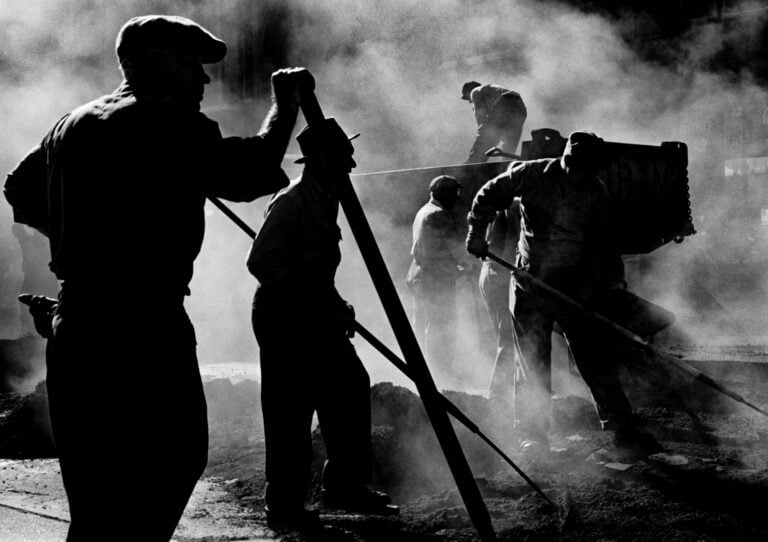
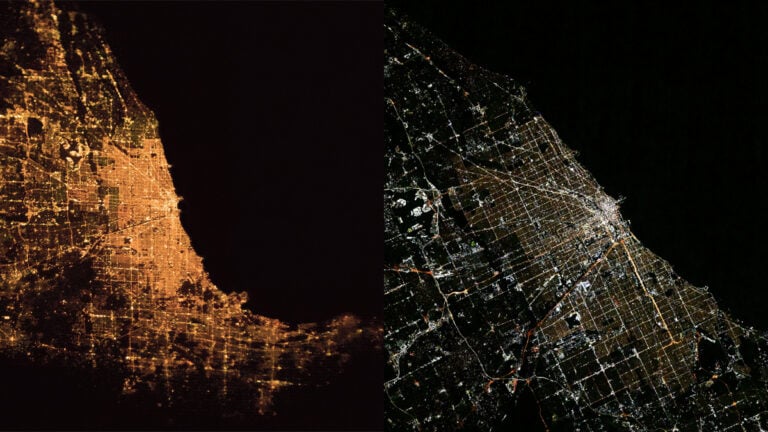
As a demonstration of the photographic ability of the Debonair, here is a sample of photographs for your evaluation:


What’s old is new, again. Or, back to the future. Or, however else you want to explain the new/old Debonair phenomenon, this is a reasonably-priced medium format camera that can be just as easily stashed in an automobile, in a camera bag, or carried as a supplemental support for your smartphone. Regardless, you’ll shine as a wayward sophisticated non-hipster who is both a suave and debonair photographer.
Enjoy.
See more from DIYPhotography.net on Google
Add DIYPhotography.net as a trusted source. This makes
our stories more likely to appear in your Google Search results.
 Add as a preferred source on Google
Filed Under:
Tagged With:

David Prochnow
Our resident “how-to” project editor, David Prochnow, lives on the Gulf Coast of the United States in Ocean Springs, Mississippi. He brings his expertise at making our photography projects accessible to everyone, from a lengthy stint acting as the Contributing How-To Editor with Popular Science magazine. While you don’t have to actually build each of his projects, reading about these adventures will contribute to your continued overall appreciation of do-it-yourself photography. A collection of David’s best Popular Science projects can be found in the book, “The Big Book of Hacks,” Edited by Doug Cantor.
Related Posts
 A primer on shooting 35mm, medium format and large format film
 Shooting Brenizer method portraits on medium format film to simulate a large format look
 Fuji is making its first cinema camera, and it’s got a medium format GFX sensor
 Shoot Leica Monopan 50 in Your Medium Format Camera without Adapters
Join the Discussion
DIYP Comment Policy
Be nice, be on-topic, no personal information or flames.
One response to “A Medium Format Camera so Sophisticated that it’s a Debonair”
“Outre le côté un peu ridicule de son nom prétentieux, le Debonair (…)”
en français débonnaire (adjectif) signifie = Qui est bon jusqu’à la faiblesse !