










Is It Illegal to Take Pictures of People? A Photographer’s Guide to Privacy, Permits and the Law
Jun 15, 2026
Leonard Skapp
Alex Baker is a portrait and lifestyle driven photographer based in Valencia, Spain. She works on a range of projects from commercial to fine art and has had work featured in publications such as The Daily Mail, Conde Nast Traveller and El Mundo, and has exhibited work across Europe
Share:
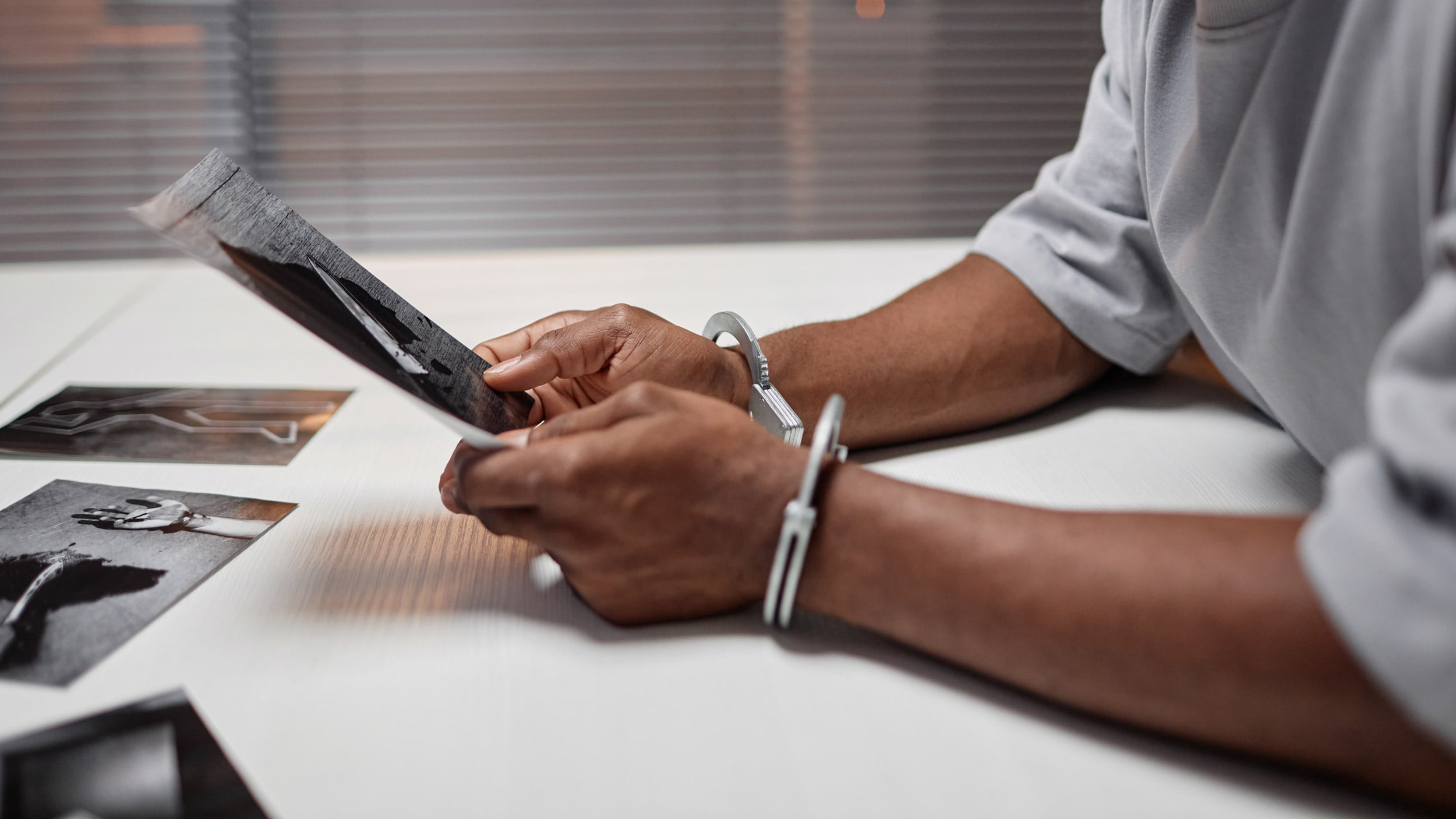
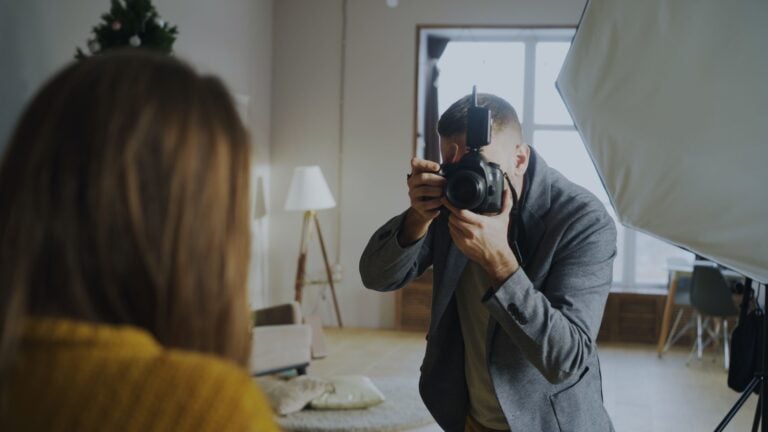
If you’ve ever pointed a camera at a stranger in a public place, you might have wondered where the law stands. Is it legal to photograph people in public? Do you need permission? And what happens if someone asks you to delete the image?
The answer is more complicated than a simple yes or no, and it depends on where you’re taking the photo. In many countries, photography in public places is generally legal, but there are important exceptions. Privacy laws, commercial use, permits, and local regulations can all affect what you’re allowed to photograph and how you can use those images, and it’s good to know these things before you click the shutter.
Is it legal to photograph people in the United States?
In the US, the guiding principle is simple: if you’re in a public place where people have no reasonable expectation of privacy, you’re generally free to photograph them. A busy sidewalk, a park, a street market, these are all fair game. This is backed by decades of First Amendment case law that treats photography as a protected form of expression.
That said, there are real limits. Photographing someone in a place where they do have a reasonable expectation of privacy, such as a changing room, a restroom, or through a window into their home, is illegal under voyeurism and similar statutes in every state. Some states have also passed laws against “upskirt” photography and similar non-consensual intimate imaging, even in public spaces.
Taking a photo and using a photo are different things
One of the most misunderstood areas of photography law is the distinction between taking a photograph and using it. In many countries, including the United States, taking a photograph of someone in public is often legal. However, using that image in advertising, marketing, or commercial promotions may require a model release from the person pictured.
Editorial uses, such as journalism, documentary photography, books, and news reporting, are often treated differently from commercial advertising. This is why professional photographers frequently obtain signed releases, even when the photograph itself was taken legally.
Permits may still be required
Even if photography is legal, permits may sometimes be required depending on the location and purpose of the shoot. In the United States, certain national parks, state parks, historic sites, government-owned properties, and protected areas may require permits for commercial productions, large crews, extensive equipment setups, or other organised shoots.
The exact requirements vary by location, so it’s always worth checking local regulations before planning a professional shoot. A permit requirement doesn’t necessarily mean photography is prohibited, it simply means additional permission may be needed.
Photography laws vary around the world
While photography is generally permitted in public places in many countries, the rules can differ significantly, and it’s definitely worth looking up the exact laws before you travel.
Many European countries place a stronger emphasis on privacy rights than the United States. In countries such as France and Germany, publishing photographs of identifiable individuals may be subject to stricter regulations, even if the image was taken legally.
Spain also has additional considerations for photographers. While it is not automatically illegal to photograph police officers, publishing or distributing images that identify officers in ways that could compromise their safety, operations, or security may create legal issues. As with many areas of law, context matters.
Many countries also restrict photography around military facilities, border crossings, government buildings, critical infrastructure, and certain transportation hubs. Before travelling, it’s always worth researching local laws and restrictions.
Other Countries Worth Knowing About
The rules get even stricter beyond Europe. In the UAE and many Gulf states, photographing locals, particularly women, without consent can result in fines or arrest, and government buildings and military sites are strictly off-limits.
Japan has no blanket law against public photography, but anti-harassment statutes mean photographing someone in a way that causes distress can lead to legal trouble. China has sweeping restrictions on photographing government facilities and infrastructure, with unpredictable enforcement.
Russia introduced tighter portrait rights laws in 2014, giving individuals significant control over their own image. Even in generally permissive countries like Canada and Australia, provincial and state-level laws add complexity, and several Australian states have introduced or are considering specific photo harassment legislation.
Drone photography follows different rules
If you’re using a drone, an entirely separate set of regulations may apply. Many countries require drone registration, operator certification, insurance, or flight authorisation, depending on the aircraft and intended use. There are often restrictions around airports, military installations, government facilities, nature reserves, and densely populated areas.
A photograph that is perfectly legal to take from the ground may not be legal to capture from the air. For that reason, photographers should always check local aviation regulations before flying a drone, or they may face hefty fines.
Be especially careful when photographing children
Children deserve special consideration, both legally and ethically. In many countries, there is no blanket law preventing photographers from taking pictures of children in public places. However, photographs of minors often receive additional scrutiny, particularly when they are published online or used commercially.
Even where the law allows it, photographing children without the knowledge or consent of a parent or guardian can understandably make people uncomfortable. Many photographers choose to avoid photographing identifiable children unless they have permission or a clear editorial reason for doing so. Good judgment is often just as important as understanding the law.
Can someone make you delete a photograph?
In many situations, no. If a photograph was taken legally, a member of the public generally cannot force a photographer to delete it simply because they dislike being photographed. That said, legal rights and good manners are not always the same thing. There may be occasions where respecting someone’s wishes is the right thing to do, even if you’re under no legal obligation to comply.
So, is it illegal to take pictures of people?
Usually not, but context matters and it’s still worth double checking especially if you’re visiting a new country.. In the United States and many other countries, photographing people in public is generally legal. However, privacy laws, commercial usage, permits, drone regulations, and local restrictions can all affect what is allowed. What’s perfectly acceptable in one country may be restricted in another.
The safest approach is to understand the laws where you’re shooting, respect people’s privacy, and remember that being legally entitled to take a photograph doesn’t always mean it’s the right photograph to take.

About Leonard Skapp
Leonard “Len” Skapp is a photographer with a particular interest in cameras, lenses, accessories, camera bags, lens filters, tripods, camera straps, and, on rare occasions, photography itself. Equal parts reviewer and enthusiast, he enjoys digging into the technical details behind the latest gear and translating them into plain English for fellow photographers. He maintains that every purchase is a carefully considered investment, although his bank account and overflowing camera cupboard continue to dispute this claim.
We love it when our readers get in touch with us to share their stories. This article was contributed to DIYP by a member of our community. If you would like to contribute an article, please contact us here.



Join the Discussion
DIYP Comment Policy
Be nice, be on-topic, no personal information or flames.