





















Thermal Printer Cameras Are Fun Until Your Photos Start Fading
Feb 9, 2026
Alysa Gavilan
Alysa Gavilan has spent years exploring photography through photojournalism and street scenes. She enjoys working with both film and mirrorless cameras, and her fascination with the craft has grown over the decades. Inspired by Vivian Maier, she is drawn to capturing everyday moments that often go unnoticed.
Share:
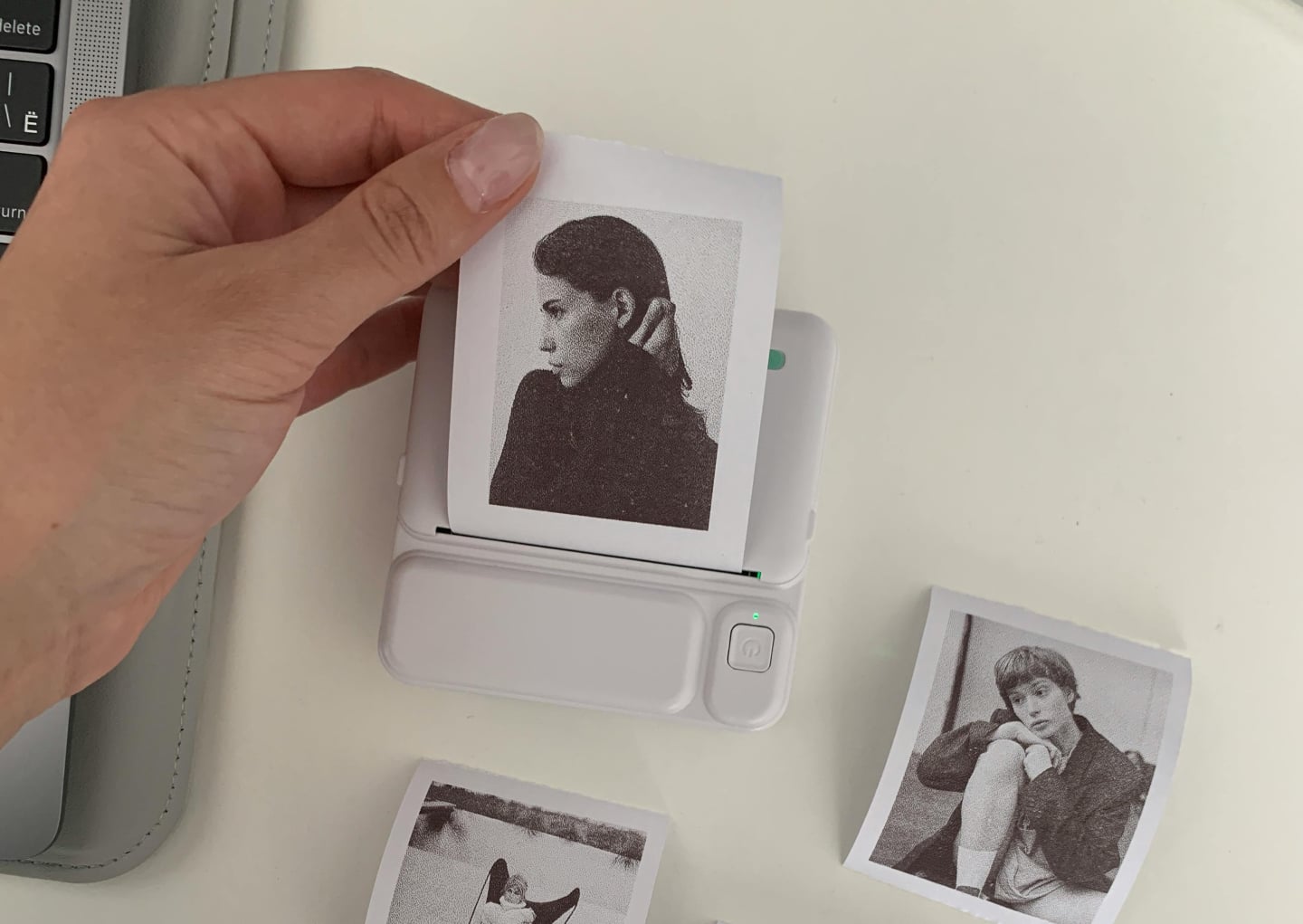
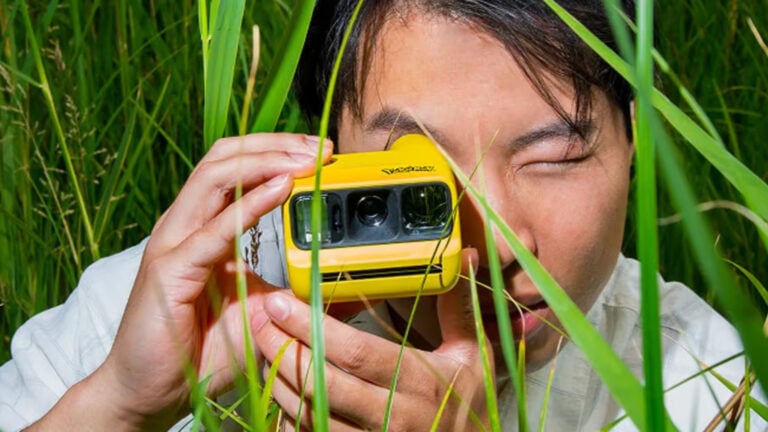
Thermal printer cameras have become a favorite for photographers who enjoy instant, tangible prints. They let you capture memories on the spot and create a physical keepsake that you can hold or display immediately.
While these prints are fun and convenient, they come with unique vulnerabilities. I’m currently facing this issue now, as the prints I got from a friend’s wedding are slowly fading. This is expected though, as unlike traditional ink-based photographs, thermal prints are sensitive to heat, light, moisture, and handling.
Now I’ve been doing my best to find tips on how to protect what’s remaining of my thermal prints to ensure that the memories remain vibrant and lasting. These images, after all, can fade, darken, or even become damaged in just a few weeks without proper care.
So here’s what I found so far!
Keep Prints Away From Direct Sunlight
Thermal prints are highly sensitive to ultraviolet light. Even short periods of exposure to direct sunlight can cause the images to fade or become washed out. Over time, prolonged exposure may make the entire print look dull, erasing fine details that make the image unique.
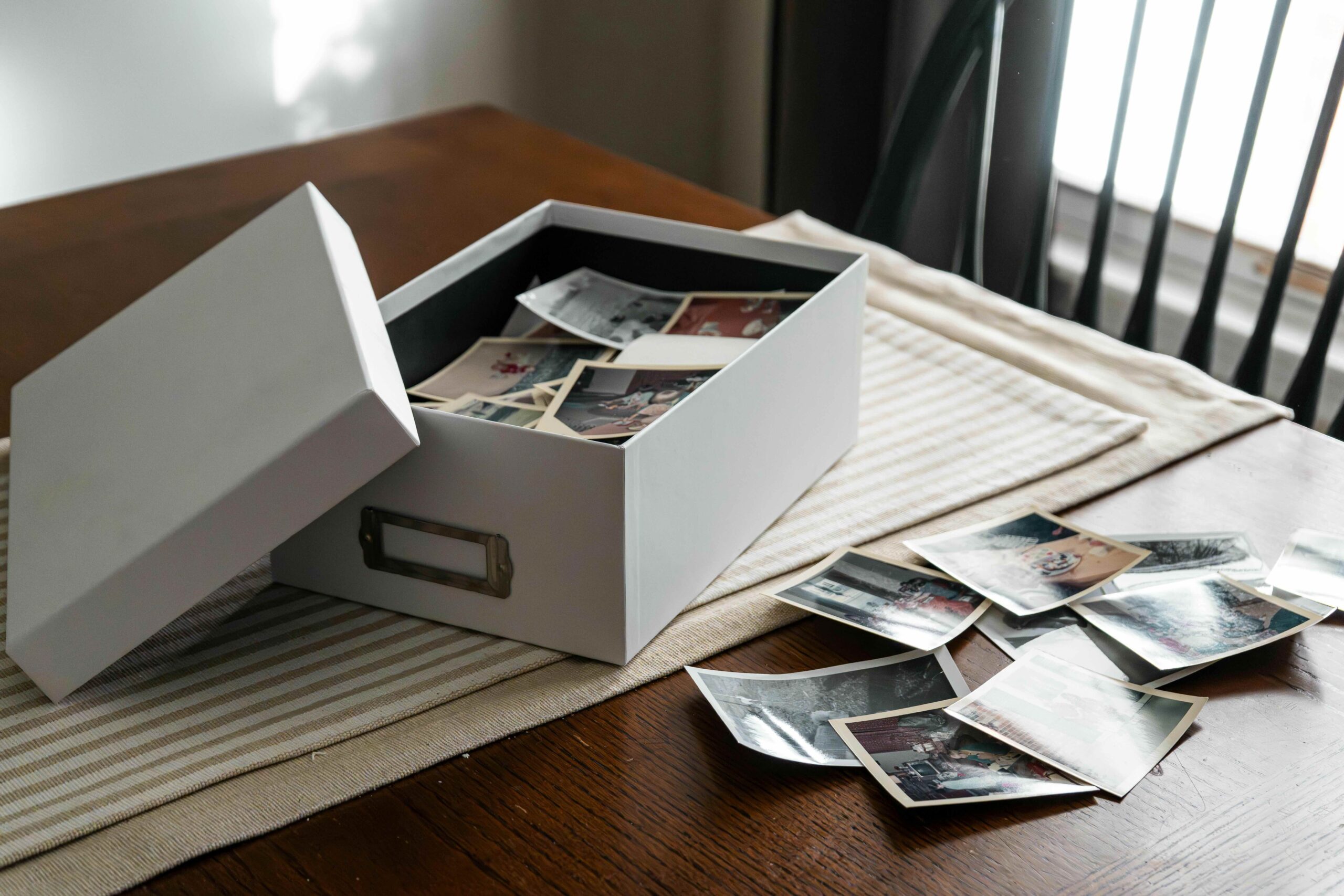
Store your prints in dark envelopes, photo boxes, or albums that block out UV light. If you want to display them, consider using frames with UV-protective glass. Position displayed prints away from windows and strong light sources.
Even indoor lighting can contribute to gradual fading, so rotating your displayed prints occasionally can help maintain their quality.
Store Prints In Cool, Dry Conditions
Heat and humidity are two of the biggest threats to thermal prints. High temperatures can accelerate the chemical reactions that darken or distort images, while moisture can make the print surface sticky or cause smudging.
Keep your prints in a temperature-controlled environment, ideally between 15–25°C (59–77°F), with low humidity. Avoid leaving prints in cars during hot days, near radiators, or in bathrooms where steam levels fluctuate.
You can use storage boxes with built-in silica gel packets to absorb moisture and protect prints in slightly humid climates. Consistently maintaining cool and dry storage conditions is one of the most effective ways to extend the life of thermal prints.
Use Acid-Free Storage Materials
Many conventional storage materials contain acids that can gradually degrade photographs. Envelopes, folders, and papers with high acidity can cause thermal prints to yellow, fade, or become brittle over time.
Opt for acid-free albums, sleeves, and folders specifically designed for photo preservation. Acid-free tissue paper can be placed between prints if you need to stack them, preventing chemical reactions that may damage the image.
By investing in proper storage materials, you reduce the risk of long-term deterioration and help your prints last much longer.
Avoid Touching The Print Surface
Thermal prints are highly sensitive to oils and residues from your hands. Touching the image surface can cause smudging, dark spots, or accelerated fading. Even a single fingerprint can leave a mark that becomes permanent over time.
Handle prints by the edges, or use cotton gloves if you’re working with particularly valuable or sentimental images. Keep your hands clean and dry when moving or organizing prints.
By treating each print with care, you can prevent unnecessary damage and keep the images looking fresh.

Protect Prints From Friction And Pressure
Rubbing, stacking, or pressing thermal prints against rough surfaces can leave scratches or impressions. Even light, repeated pressure can distort the image, leaving permanent marks.
Store prints individually in protective sleeves or pockets. If you need to stack multiple prints, place acid-free tissue paper between them to prevent contact. When transporting prints, use a rigid envelope or backing board to maintain flatness and avoid bending.
These steps reduce friction and preserve the integrity of the image surface.
Avoid Exposure To Solvents And Cleaning Chemicals
Thermal prints react negatively to many common chemicals, including household cleaners, alcohol, perfumes, and aerosol sprays. Contact with these substances can dissolve the image, cause fading, or leave permanent stains.
Keep prints away from cleaning products and chemical exposure. If you are cleaning around a print, remove it from the area first and store it safely.
Even accidental exposure to cleaning sprays while dusting shelves can compromise the image, so be mindful of your storage and display areas.
Limit Exposure To Air Pollutants
Airborne pollutants like smoke, dust, and gases can interact with the surface of thermal prints, gradually degrading the image. This is especially concerning in urban environments or households where cooking, smoking, or heating generates airborne particles.
Store prints in sealed containers or albums to minimize exposure. Using silica gel packets or other moisture-absorbing materials inside storage boxes can further reduce environmental damage.
Keeping prints in controlled spaces helps prevent discoloration, spotting, and gradual fading caused by pollutants.
Digitize Prints For Backup
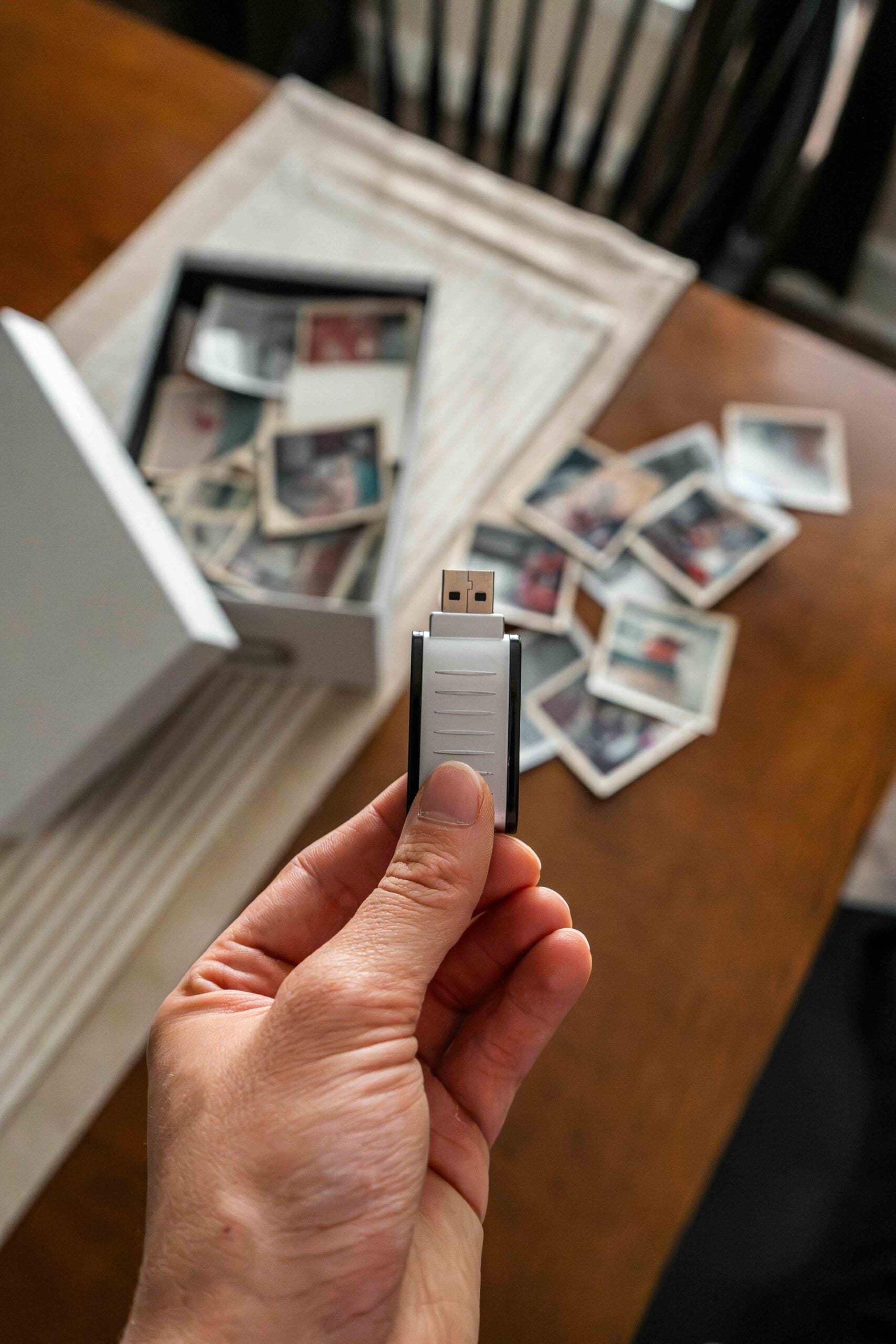
Even with the most careful handling, thermal prints naturally degrade over time. Digitizing your prints ensures you have a permanent backup that can be revisited, shared, or reprinted without risking the original.
Scan your prints with a high-resolution scanner or use a camera to photograph them under consistent lighting. Save digital copies in multiple locations, including cloud storage and external drives, to avoid loss due to accidents or hardware failure.
Having a digital backup complements your physical storage and provides long-term security for your images.
Keep Prints Flat And Avoid Folding
Thermal prints are thin and flexible, but they are not immune to physical damage. Folding or bending a print can create creases that are permanent and visually disruptive.
Store prints flat in albums, boxes, or protective sleeves. If you need to transport them, use rigid sleeves or cardboard backing for support. Avoid tucking prints into pockets, journals, or wallets where bending is inevitable.
Maintaining flatness helps preserve both the appearance and the structural integrity of your prints.
Protect Prints From Heat Sources
Thermal prints are sensitive to heat by design. Placing them near radiators, warm electronics, or even prolonged sunlight can darken or distort the image.
Always check storage and display areas for potential heat sources. Avoid leaving prints on laptops, heaters, or sunny windowsills. Even moderate, repeated heat exposure can accelerate fading over time, so consistency in placement matters.
Avoid Long-Term Exposure To Adhesives
Some display methods use tapes, sticky notes, or glue to attach prints to surfaces. These adhesives can chemically react with thermal paper, causing staining, discoloration, or even peeling.
Use photo corners, removable photo mounts, or protective frames instead of adhesives directly on the print. This approach protects the integrity of the image while still allowing you to display or organize your collection.
Thermal printer camera prints are a fun and convenient way to capture memories instantly. They give you a physical image to hold, share, or display right away. However, these prints are fragile and require careful handling to maintain their quality.
By taking these precautions, you ensure that the special moments captured with your thermal printer camera remain vibrant and intact for years, allowing you to enjoy your images just as much tomorrow as the day you created them.
See more from DIYPhotography.net on Google
Add DIYPhotography.net as a trusted source. This makes
our stories more likely to appear in your Google Search results.
 Add as a preferred source on Google

Alysa Gavilan
Alysa Gavilan has spent years exploring photography through photojournalism and street scenes. She enjoys working with both film and mirrorless cameras, and her fascination with the craft has grown over the decades. Inspired by Vivian Maier, she is drawn to capturing everyday moments that often go unnoticed.


Join the Discussion
DIYP Comment Policy
Be nice, be on-topic, no personal information or flames.