









Are Thermal Printer Cameras Worth It? What You Should Know
Jan 26, 2026
Alysa Gavilan
Alysa Gavilan has spent years exploring photography through photojournalism and street scenes. She enjoys working with both film and mirrorless cameras, and her fascination with the craft has grown over the decades. Inspired by Vivian Maier, she is drawn to capturing everyday moments that often go unnoticed.
Share:
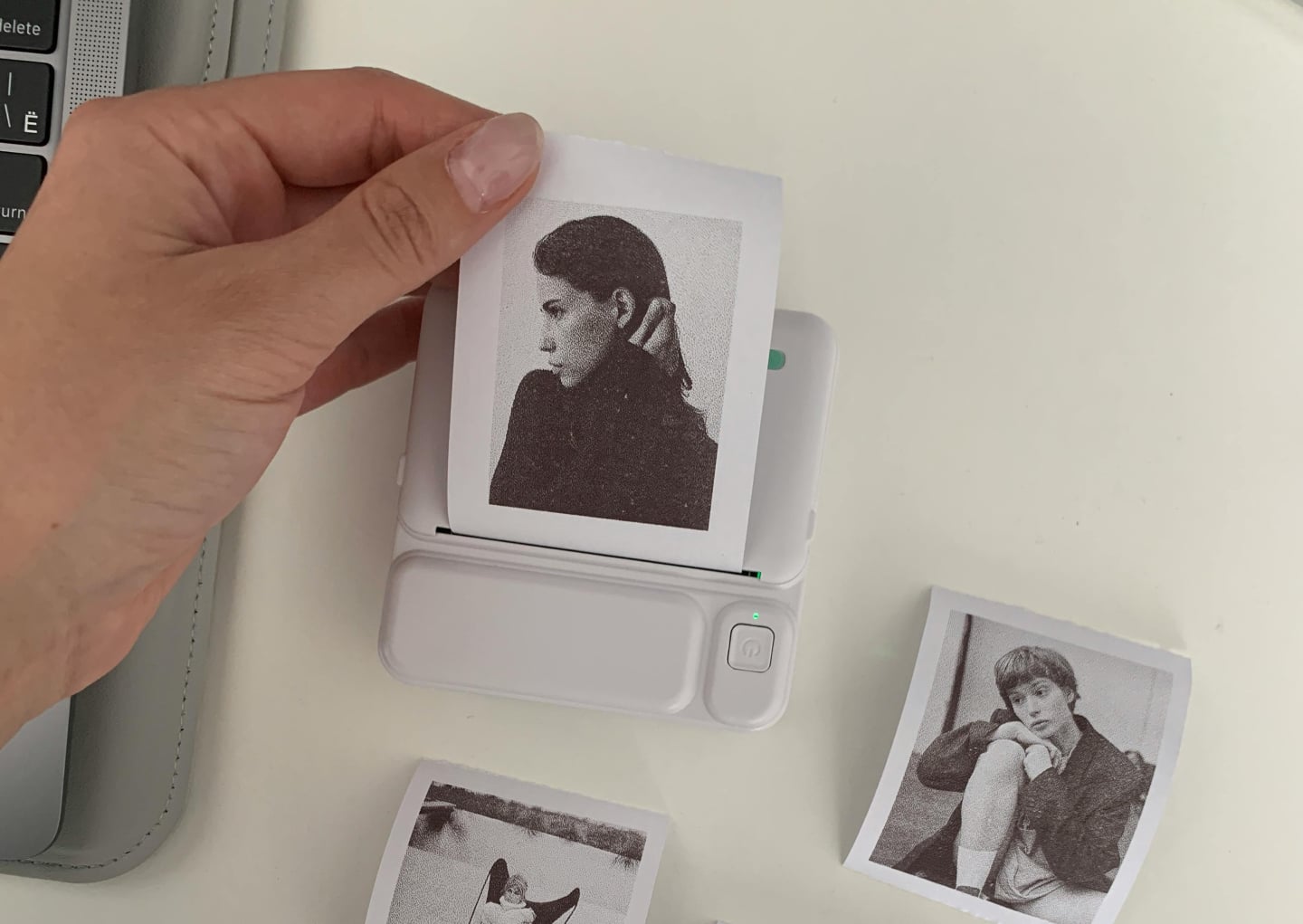
The first time I saw a thermal printer camera in action, I understood the appeal immediately. You press the shutter, hear a soft mechanical whirr, and a black and white image slowly rolls out like a receipt from a convenience store. It feels instant, physical, and oddly satisfying.
Thermal printer cameras have been popping up everywhere lately, from toy stores to social media feeds, often framed as a fun alternative to instant film cameras. But after the novelty wears off, a fair question remains. Do you really need one?
Like many photographers, I was curious enough to look past the hype and think about what these cameras actually offer, and what they do not.
What a Thermal Printer Camera Actually Is
At its core, a thermal printer camera is a simple digital camera paired with a thermal printer. Instead of ink or film, it uses heat to darken special paper, producing monochrome prints. The technology is similar to what you see in receipt printers, which explains the distinctive look and the low running cost.
You get instant results, no ink cartridges, and paper that is relatively cheap compared to instant film. The cameras themselves are usually lightweight, plastic, and intentionally simple. Most are aimed at casual users rather than photographers chasing image quality.
That simplicity can be part of the charm, but it also defines the limits.
The Image Quality Reality Check
Thermal prints are low resolution, high contrast, and strictly black and white. Fine details disappear. Highlights can blow out easily. Shadows often collapse into solid black areas. If you are used to controlling tone, texture, or subtle gradations, this can feel frustrating.
On the other hand, those same limitations can be freeing. You stop worrying about sharpness and dynamic range and start thinking about shape, gesture, and graphic contrast. Faces, silhouettes, and bold compositions work best. Busy scenes do not.
If you enjoy lo fi aesthetics or experimental photography, the look can be part of the appeal. If you want keepsake prints with lasting visual quality, thermal paper will not deliver that.
Print Longevity and Storage
This is an important point that often gets overlooked. Thermal prints are not archival. Over time, heat, light, and friction can cause images to fade or darken. Leave one in a warm car or tape it to a sunny wall and you will see changes quickly.
That does not make them useless, but it does define their role. These prints are better treated as notes, sketches, or ephemeral objects rather than long term photographs. Think journaling, scrapbooks, or temporary displays.
If your goal is to create prints that last for decades, this is not the tool for that job.
The Cost Question
Thermal printer cameras are relatively affordable upfront. The paper is cheap, especially compared to instant film packs. That makes them attractive if you want instant prints without worrying about every shot costing money.
However, low cost does not always equal high value. Ask yourself how often you will actually use it after the initial excitement. Many people enjoy these cameras intensely for a few weeks, then forget about them.
If you already own a smartphone and a regular printer, or even a small dye sublimation printer, you may already have a more versatile setup.
Where Thermal Printer Cameras Shine
There are situations where these cameras make a lot of sense. They work well for kids, classroom projects, visual note taking, and casual events where the print itself is part of the experience. They are great for creative prompts, daily photo journals, or leaving visual messages.
You might also enjoy one if you like constraints and playful tools. Much like shooting with a toy camera, the limitations can spark creativity rather than block it.
If you approach it as a photographic sketchbook instead of a serious camera, expectations stay aligned.
So Do You Really Need A Thermal Printer Camera?
For most photographers, the honest answer is no. You do not need a thermal printer camera. But you might enjoy one if you understand its limits and embrace its purpose.
It is a niche tool, not a universal solution. Think of it as a playful sidekick rather than a main camera. If that sounds appealing, it might earn a place in your bag. If not, you are not missing out on essential photographic capability.
Sometimes the best gear choice is knowing what not to buy!
See more from DIYPhotography.net on Google
Add DIYPhotography.net as a trusted source. This makes
our stories more likely to appear in your Google Search results.
 Add as a preferred source on Google

Alysa Gavilan
Alysa Gavilan has spent years exploring photography through photojournalism and street scenes. She enjoys working with both film and mirrorless cameras, and her fascination with the craft has grown over the decades. Inspired by Vivian Maier, she is drawn to capturing everyday moments that often go unnoticed.
Related Posts
 Thermal Printer Cameras Are Fun Until Your Photos Start Fading
 Build your own instant camera with a Raspberry Pi and a thermal printer
 The BBC used IR RED, thermal imaging and Sony A7S cameras to get night shots for Planet Earth 2
 Kodak launches new Smile instant cameras, printer and Luma projectors
Join the Discussion
DIYP Comment Policy
Be nice, be on-topic, no personal information or flames.