






















What Is Focus Peaking and Should You Use It
Dec 26, 2025
Darlene Lleno
Darlene Lleno brings a unique perspective to DIY Photography as someone who grew up surrounded by camera gear but chose words over lenses. With five years of writing experience, she specializes in photography content that’s both technically informed and genuinely passionate. Growing up with a photographer twin brother meant camera talk was everyday conversation in her household. While he mastered capturing moments, Darlene discovered she preferred being the subject and the storyteller behind the scenes. As a travel enthusiast and mother of two, she understands the importance of preserving life’s precious moments. When not exploring new destinations or writing for DIY Photography, you’ll find her reading or tending to her garden. Her approach to photography writing is refreshingly authentic, she may not be behind the camera, but she knows exactly what it takes to help others capture the shots that matter most.
Share:
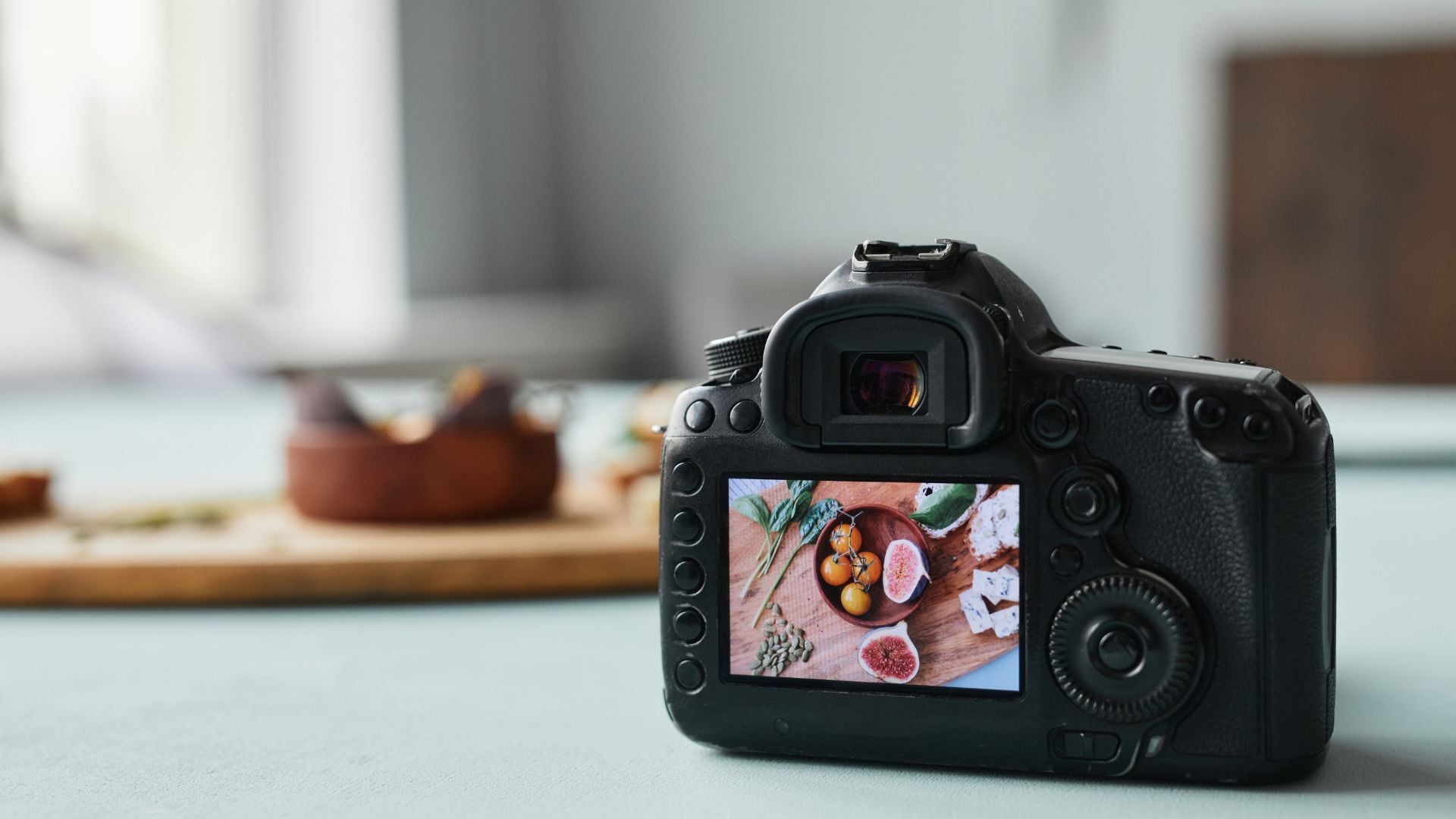
Focus peaking in cameras helps you nail sharp focus every single time. This visual tool highlights the sharpest parts of your image in real time. Your camera shows colored edges where focus is absolutely perfect.
How Focus Peaking Works
Your camera detects areas with the highest contrast while you shoot. These high contrast zones usually mark the sharpest parts of your frame. The camera then overlays colored highlights on these exact spots.
Think of it like a visual guide showing what’s actually sharp. Most cameras let you pick the highlight color yourself. Red, yellow, white, and blue are common options you’ll find.
The system analyzes your image continuously through the viewfinder or screen. As you adjust your focus ring, the colored highlights move around. Sharp areas light up bright while blurry areas stay normal-looking.
The Tech Behind It
Focus peaking uses edge detection algorithms built into your camera. These algorithms scan for rapid changes in brightness between individual pixels. Sharp edges create a strong contrast that the system detects easily.
Your camera processes this info incredibly fast in real time. The colored overlay appears instantly as you turn your focus ring. This gives you immediate feedback about your manual focus accuracy.
Sensitivity settings control how aggressively the system highlights edges overall. Higher sensitivity shows more edges but might include slightly soft areas. Lower sensitivity only marks absolutely crisp zones with perfect sharpness.

When You Need Focus Peaking
Manual lenses don’t communicate with modern camera bodies at all. This means autofocus systems can’t help you one bit. Focus peaking becomes absolutely essential here for getting sharp shots.
Vintage lenses from decades ago work great on mirrorless cameras today. These old lenses often deliver beautiful character and excellent optical quality. Focus peaking makes using them practical and actually enjoyable daily.
Low-light situations challenge even the best autofocus systems out there. Your camera might hunt endlessly trying to lock focus properly. Switching to manual focus with peaking often works better and faster.
Perfect for Video Work
Video shooters rely on focus peaking way more than photographers do. Smooth focus pulls require precise manual control throughout your recording. The colored highlights show exactly where focus transitions happen clearly.
Cinematic video demands deliberate focus control for professional-looking results. You can’t rely on autofocus hunting back and forth randomly. Focus peaking gives you complete creative control over rack focuses.
Shallow depth of field in video makes accurate focus absolutely critical. Missing focus by even a tiny bit ruins your shot completely. The visual feedback from peaking prevents these costly shooting mistakes.
Setting Up Focus Peaking
Getting focus peaking right starts with picking the best color for your needs. Here’s how to choose and adjust your settings:
Color Selection:
- Red works great for most scenes, but blends into warm subjects
- Yellow shows up well against nearly all backgrounds and subjects
- White provides high visibility but might distract some shooters
- Blue works perfectly for outdoor and daytime shooting situations
Sensitivity Levels:
- Low sensitivity only highlights areas with absolutely perfect focus
- Medium sensitivity balances accuracy with helpful visual feedback well
- High sensitivity shows more edges, including slightly softer zones
Start with medium sensitivity and your preferred highlight color first. Take some test shots and check them closely at full size. Adjust sensitivity up or down based on your actual shooting results.
Some cameras offer intensity or brightness controls for the highlights, too. Lower intensity provides subtle hints without overwhelming your entire view. Higher intensity makes the highlights impossible to miss at all.
Focus Peaking vs Other Methods
Focus confirmation through your viewfinder only tells you that something is sharp. It doesn’t show you exactly which areas achieved perfect focus. This limitation causes problems with complex subjects pretty often.
Magnified live view helps you check focus, but slows down shooting. You can’t compose and focus at the same time using this method. Focus peaking lets you do both things at once naturally.

According to PetaPixel’s focusing guides, focus peaking delivers faster results than repeatedly magnifying. The instant visual feedback speeds up your focusing workflow dramatically. You see what’s sharp immediately without extra button presses needed.
Speed and Accuracy
Accuracy depends partly on your sensitivity settings and experience level. Practiced photographers achieve excellent accuracy with peaking consistently. The learning curve is actually quite short for most people.
Back button focus combined with peaking creates an efficient manual focusing system. You control exactly when and where your camera focuses completely. This combination works brilliantly for challenging shooting conditions daily.
Common Mistakes to Avoid
Setting sensitivity too high creates highlights everywhere across your entire frame. This floods your view with colored spots that don’t actually help. You can’t tell what’s really sharp anymore at all.
Picking the wrong highlight color makes peaking nearly useless fast. Red highlights disappear completely against red subjects, obviously. Always match your color choice to your actual shooting situation.
Trusting peaking blindly without double-checking results causes disappointment later on. The system helps tremendously, but isn’t absolutely perfect every time. Review your critical shots at full magnification whenever you can.
Combine focus peaking with good camera settings for the best results overall. Proper exposure and white balance help the system work accurately. Poor lighting conditions can confuse the edge detection algorithms sometimes.
Portrait Photography Uses
Portrait photography demands precise focus on the eyes every single time. Focus peaking makes this easier, especially with fast prime lenses. The shallow depth of field shows clearly in the colored highlights.
Wide apertures like f/1.4 or f/1.8 create razor-thin focus planes. Missing the eyes by even a few millimeters ruins portraits completely. Peaking helps you nail eye focus consistently and really quickly.
Moving subjects challenge even experienced portrait photographers regularly. Focus peaking lets you track focus manually as people move around. This works better than autofocus in certain creative lighting situations.

Wedding photographers face constantly changing lighting and fast action all day long. Autofocus sometimes fails during ceremonies in dark churches. Manual focus with peaking provides a reliable backup option always.
Artistic shots often require deliberate focus placement for creative effect, specifically. You might want the bride’s hands to be sharp instead of her face. Peaking gives you complete control over these creative decisions.
Landscape and Macro Applications
Landscape photography often requires everything to be sharp from front to back, completely. Focus peaking helps you find the perfect focus distance really easily. The highlights show you when foreground and background achieve sharpness together.
Star photography and astrophotography benefit enormously from accurate manual focus always. Stars are tiny points that autofocus systems struggle with badly. Focus peaking helps you achieve crisp star points every time.
Macro photography presents unique focusing challenges because of extremely shallow depth. The tiniest focus adjustment changes everything in your frame dramatically. Peaking shows exactly which part of your tiny subject is sharp.
Stack multiple exposures at different focus distances for extended sharpness throughout. Peaking helps you shoot the necessary frames with precise control easily. This technique works great for detailed close-up work and landscapes.
Video Content Creation
Professional videographers rely on focus peaking for smooth focus transitions daily. The colored highlights make achieving cinematic results much easier and more consistent. Professional-looking footage becomes achievable with less expensive equipment, too.
Recording interviews or talking head videos requires maintaining a sharp focus constantly. Your subject might move slightly forward or backward while talking naturally. Peaking helps you make tiny adjustments without stopping your recording.
Dolly shots and camera movements challenge focus control significantly during recording. You need to adjust focus smoothly as your camera position changes. The visual feedback from peaking makes this technique much more manageable.
Modern Camera Systems
Sony mirrorless cameras pioneered focus peaking in consumer cameras back in 2010. By 2025, nearly every mirrorless system will include this feature as standard. Even many DSLRs now offer it in live view mode.
Fujifilm cameras provide excellent focus peaking with multiple customization options available. Their implementation is intuitive and works reliably across their entire lineup. Many photographers praise Fujifilm’s peaking specifically for its accuracy consistently.
Panasonic and Olympus cameras include robust peaking features across their ranges. These systems work well for both photos and video work. The feature integrates smoothly into their overall camera operation naturally.
Canon and Nikon finally added competitive focus peaking to their mirrorless systems. Their implementations work well, but came later than competitors, honestly. Both brands now offer solid peaking in their latest cameras.
Should You Actually Use It
Yes, if you shoot manual lenses regularly for any type of photography. The feature makes manual focusing dramatically easier and way more accurate. Most modern mirrorless cameras include this feature built in already.
Yes, if you create video content where focus control matters a lot. The visual feedback proves absolutely invaluable during all your recording sessions. You’ll wonder how you ever managed without it before, honestly.
Maybe not if you only shoot with modern autofocus lenses exclusively. Autofocus already handles most situations perfectly fine without any manual intervention. Peaking might add complexity you don’t actually need, then really.
Learning the System
New photographers sometimes feel overwhelmed by too many technical features right away. Focus peaking adds another setting to learn and master over time. Start simple with autofocus until you understand basic photography concepts first.
Experienced photographers often embrace peaking immediately with great enthusiasm right away. The feature solves real problems they face regularly while shooting daily. Adding it to your workflow feels natural and helpful pretty quickly.
The technique requires minimal learning time compared to its actual benefits. Spend an afternoon practicing with different subjects and various settings. You’ll understand how it works within a few hours of use.
Practical Shooting Tips
Enable focus peaking before you start shooting with manual lenses, obviously. Going into your menu mid-shoot wastes valuable time and shooting opportunities. Set it up once and leave it on permanently.
Practice with stationary subjects first before tackling moving ones initially. This builds your confidence and understanding of the system gradually. You’ll learn how the highlights respond to different focus adjustments.
Combine peaking with your camera’s focus magnification for critical shots. Use peaking for composition and rough focus placement first. Then magnify briefly to verify absolutely perfect sharpness before shooting.
Test your settings in different lighting conditions throughout various situations. What works great in bright daylight might not work well indoors. Adjust your sensitivity and color choices based on actual shooting conditions.
Implementing Focus Peaking in Photography
Focus peaking in cameras transforms manual focusing from frustrating to genuinely enjoyable. The real-time visual feedback removes all guesswork from the process. You see exactly what’s sharp before pressing the shutter button.
Modern mirrorless cameras make this feature accessible to absolutely everyone now. It’s not just for professionals with expensive gear anymore at all. Budget cameras often include surprisingly good peaking implementations these days.
Manual lenses become practical tools again instead of just nostalgic collectibles. You can use amazing vintage glass with complete confidence daily. This opens up huge lens collections at really affordable prices.
Should you enable focus peaking on your camera right now? If you ever shoot manually or struggle with autofocus sometimes, absolutely yes. Try it for a weekend, and you’ll wonder how you managed without it before.
The feature costs nothing beyond a few minutes learning your menu settings. Most cameras already have it waiting in your system somewhere. Turn it on and experiment until you find settings that work perfectly.
Start with medium sensitivity and a bright color like yellow or red. Adjust based on your actual results and personal shooting preferences over time. You’ll develop your own system that fits your style perfectly eventually.
See more from DIYPhotography.net on Google
Add DIYPhotography.net as a trusted source. This makes
our stories more likely to appear in your Google Search results.
 Add as a preferred source on Google

Darlene Lleno
Darlene Lleno brings a unique perspective to DIY Photography as someone who grew up surrounded by camera gear but chose words over lenses. With five years of writing experience, she specializes in photography content that’s both technically informed and genuinely passionate. Growing up with a photographer twin brother meant camera talk was everyday conversation in her household. While he mastered capturing moments, Darlene discovered she preferred being the subject and the storyteller behind the scenes. As a travel enthusiast and mother of two, she understands the importance of preserving life’s precious moments. When not exploring new destinations or writing for DIY Photography, you’ll find her reading or tending to her garden. Her approach to photography writing is refreshingly authentic, she may not be behind the camera, but she knows exactly what it takes to help others capture the shots that matter most.



Join the Discussion
DIYP Comment Policy
Be nice, be on-topic, no personal information or flames.
One response to “What Is Focus Peaking and Should You Use It”
Informative and well written! I just upgraded to mirrorless and shoot astro with manual lens, so I’m looking forward to using this feature.