






















Nikon and RED Launch Recipes for Cinematic Color Grading
Dec 12, 2025
Alysa Gavilan
Alysa Gavilan has spent years exploring photography through photojournalism and street scenes. She enjoys working with both film and mirrorless cameras, and her fascination with the craft has grown over the decades. Inspired by Vivian Maier, she is drawn to capturing everyday moments that often go unnoticed.
Share:
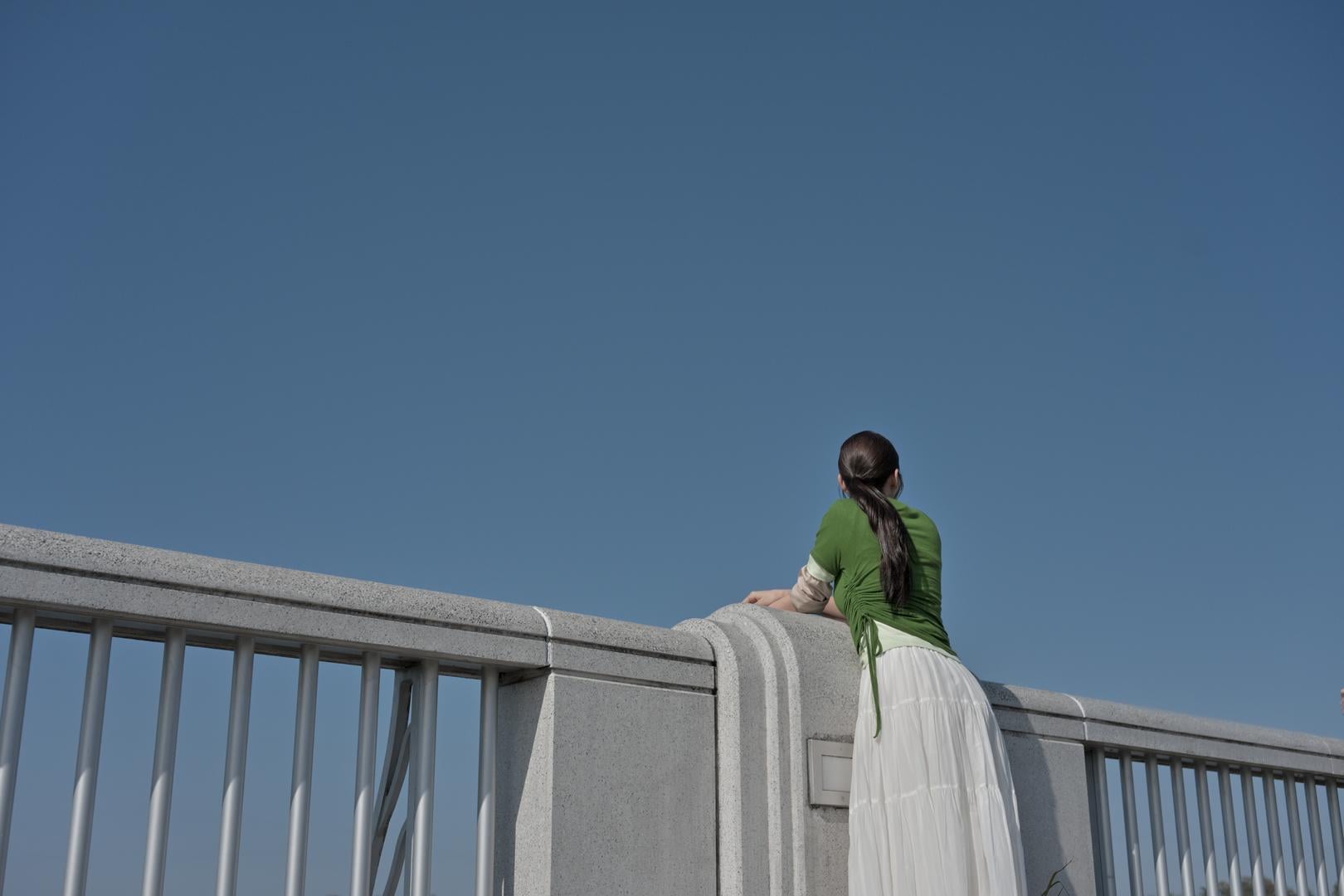
If you’re looking to bring a cinematic edge to your photography and filmmaking, the collaboration between Nikon and RED offers an exciting path forward. Their new series of recipes combines the precision of Nikon cameras with the cinematic expertise of RED, providing unique color grading options that transform ordinary footage into visually compelling stories.
You can experiment with a wide spectrum of cinematic moods and storytelling aesthetics. Each recipe also comes with specific recommendations to preserve highlight detail and tonal richness, ensuring your images achieve professional-grade cinematic results.
CineBias: A Foundation for Cinematic Storytelling
The CineBias recipe sets a clean, cool-toned foundation with a soft cinematic touch.
Blues and greens are subtly enhanced, while skin tones retain a natural, slightly cooled look. Shadows remain deep but smooth, adding dimension without harshness, and moderate contrast gives clarity and depth while maintaining a soft, atmospheric feel.
This look works well for storytelling scenes that require a modern cinema vibe.
When using CineBias, it’s recommended to set Active D-Lighting to Extra high or Extra high 1 to preserve highlight details, ensuring your image maintains richness in tonal gradations. CineBias is versatile enough to serve as a starting point for additional color grading or as a standalone cinematic base.
CineBias-T: Cool Atmosphere
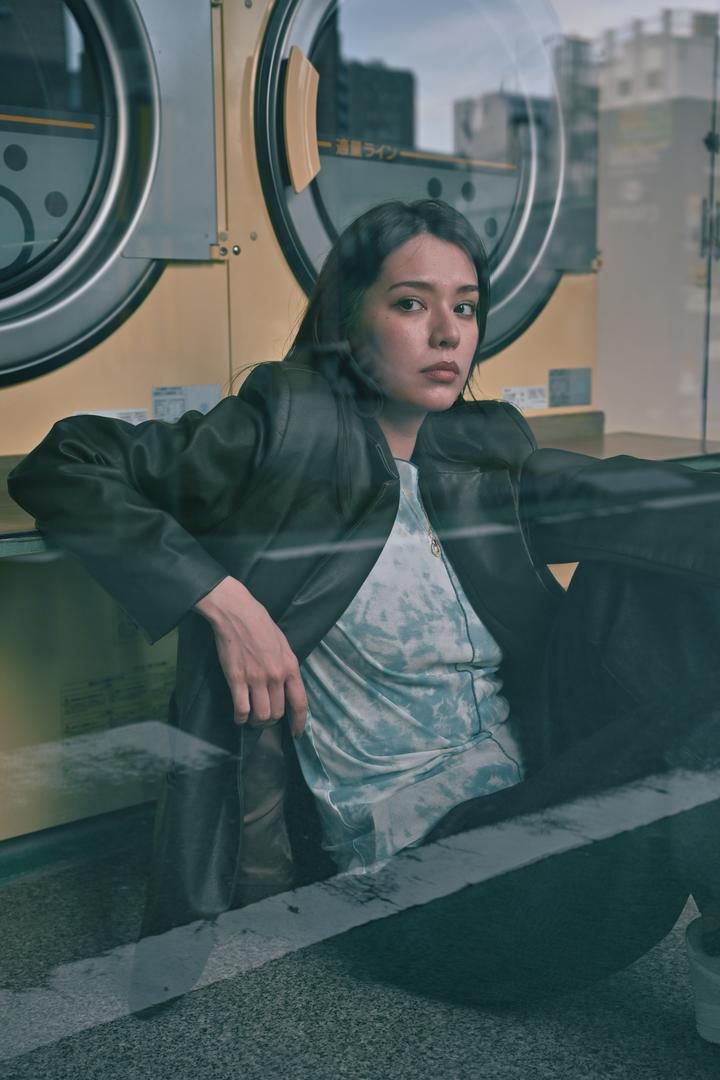
CineBias-T, or Cool Atmosphere, wraps your images in a gentle teal-green hue, creating a moody, introspective vibe.
Blues shift subtly toward teal while greens deepen, adding environmental richness. Skin tones are cooled down slightly, resulting in a desaturated, ethereal appearance. Shadows are present but not harsh, maintaining balanced contrast across the scene.
This recipe is ideal for indoor portraits or quiet, reflective moments in your narrative. To get the most from CineBias-T, set Active D-Lighting to Extra high or Extra high 1. Soft lighting complements this look, enhancing its serene, cinematic qualities without overexposing highlights or flattening shadows.
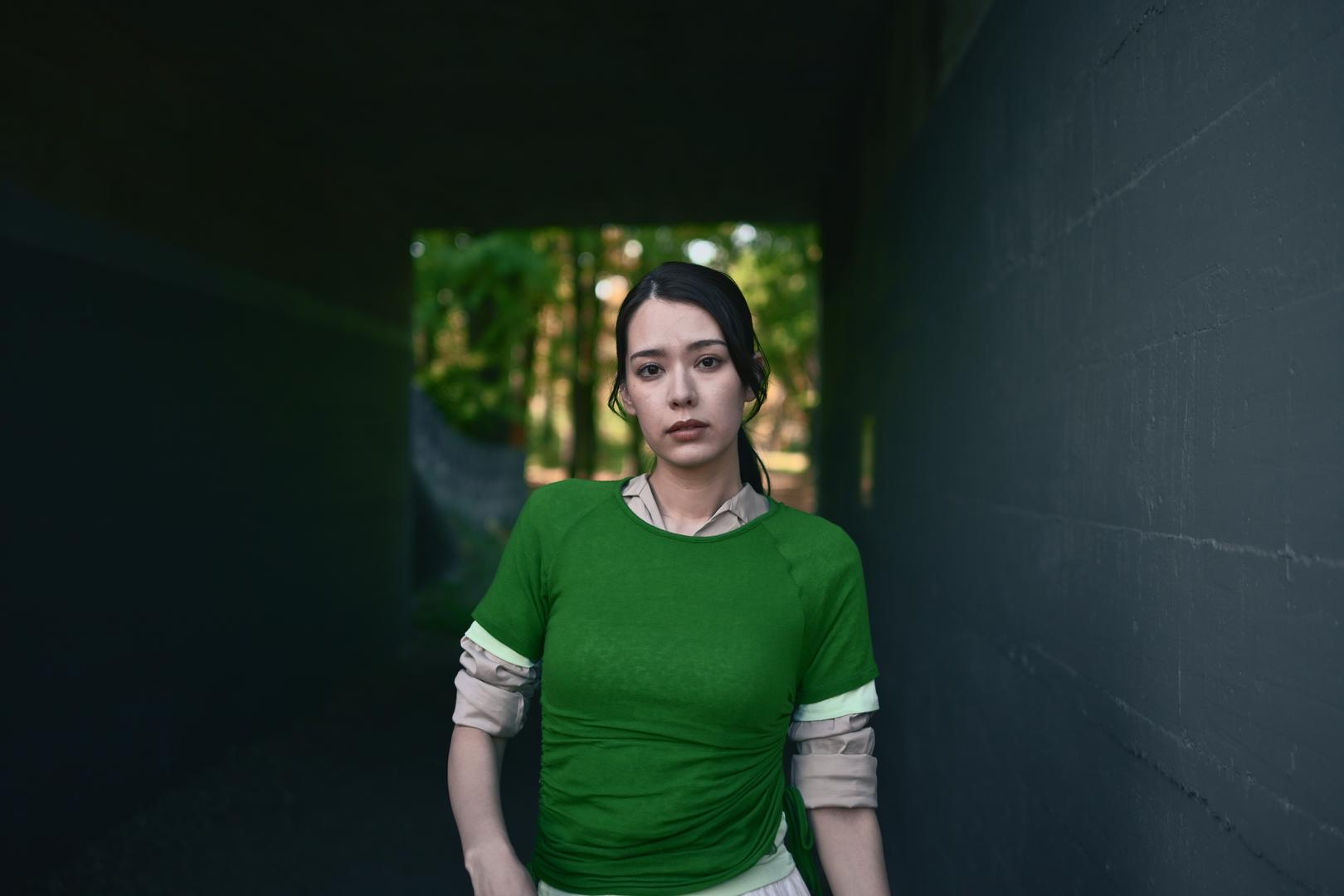
CineBias-C: Crisp Teal Contrast
CineBias-C, or Crisp Teal Contrast, infuses images with sharp, dramatic contrasts that highlight both shadows and highlights.
Cool tones dominate, giving the scene a fresh, edgy feel, while colors remain rich without oversaturation. Skin tones retain a natural cooler undertone, providing realism alongside visual intensity. Shadows are deep, enhancing structure and depth, making this recipe perfect for portraiture where clarity and mood are essential.
When using CineBias-C, set Active D-Lighting to Extra high or Extra high 1 to preserve highlight details and ensure smooth tonal transitions, which is especially important when working with high-contrast compositions or directional lighting.
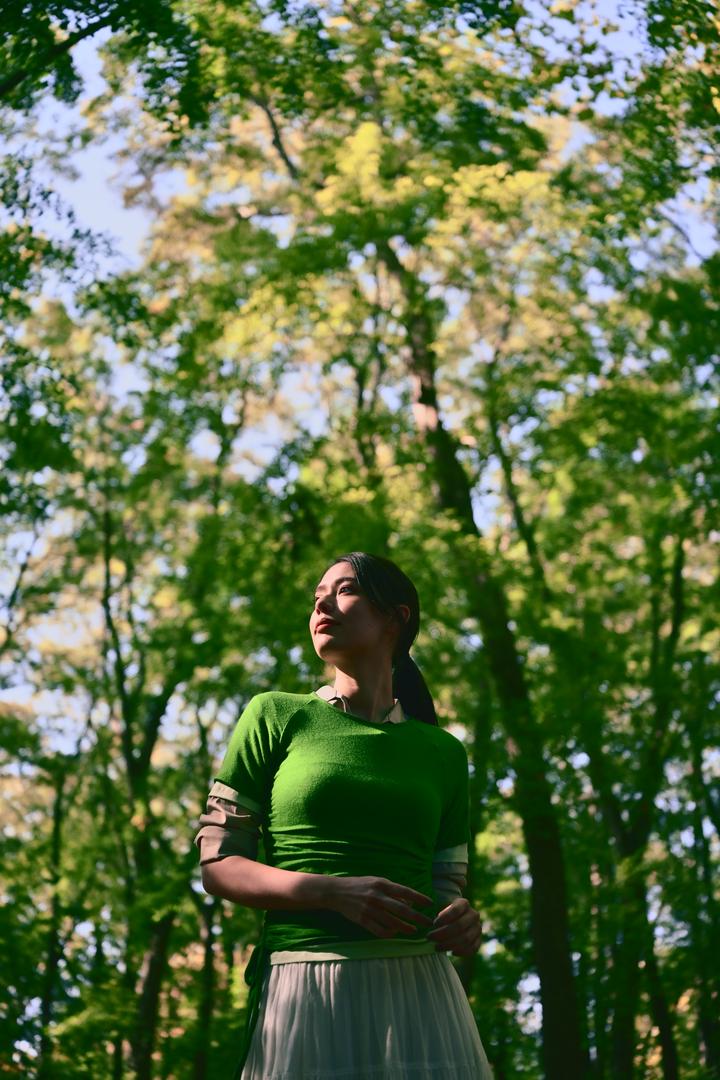
CineBias-CC: Noir Vibes
Noir Vibes, or CineBias-CC, immerses your images in a teal-tinged, almost surreal aesthetic.
Greens and blues stand out while warmer reds and oranges are dialed back, emphasizing the cool, mysterious ambiance. Shadows are rich and dark, amplifying drama and supporting dystopian or highly stylized storytelling.
For the best results, set Active D-Lighting to Extra high or Extra high 1, and consider using lower ISO settings to minimize noise in shadowed areas. This recipe is ideal for cinematic scenes with intentional moodiness or experimental narratives requiring strong visual tension.
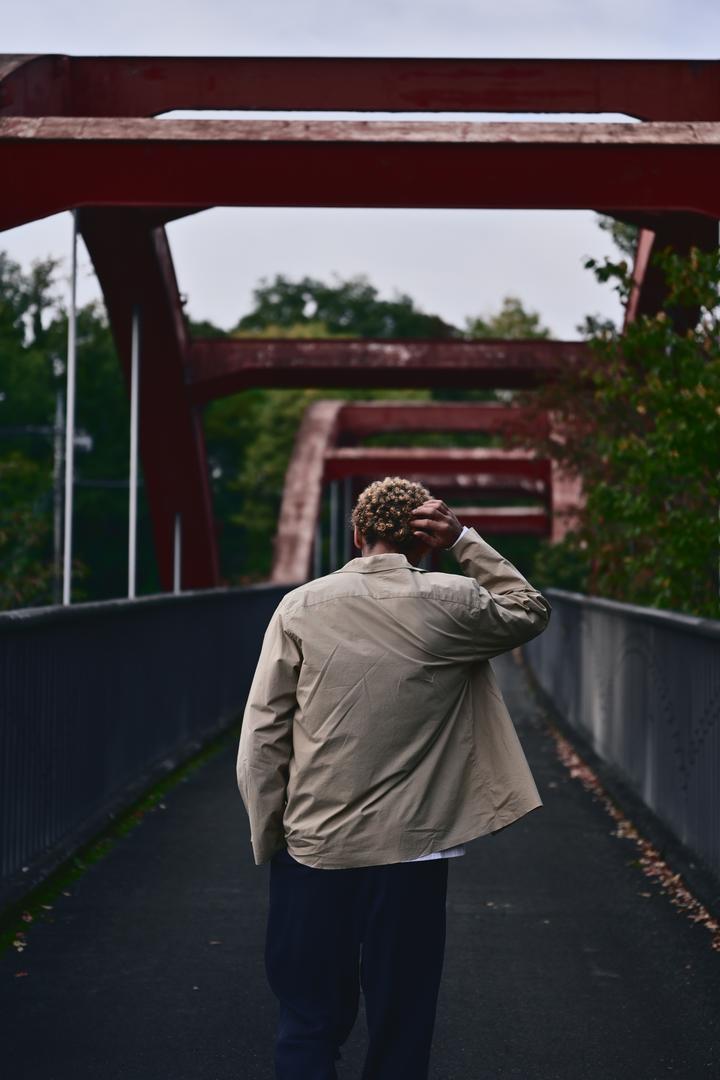
CineBias WC: Grit & Glow
Grit & Glow brings high contrast and vibrant highlights together with deep, shadowed areas to create a bold cinematic look.
Colors, particularly oranges and reds, pop against the darker background, adding energy and intensity. Skin tones maintain a subtle warmth to balance the cool shadows, producing a visually dynamic yet natural result.
For optimal results with Grit & Glow, Active D-Lighting should be set to Extra high or Extra high 1. This recipe excels in outdoor or mixed-light conditions and narrative scenes that benefit from tension and dramatic visual storytelling.
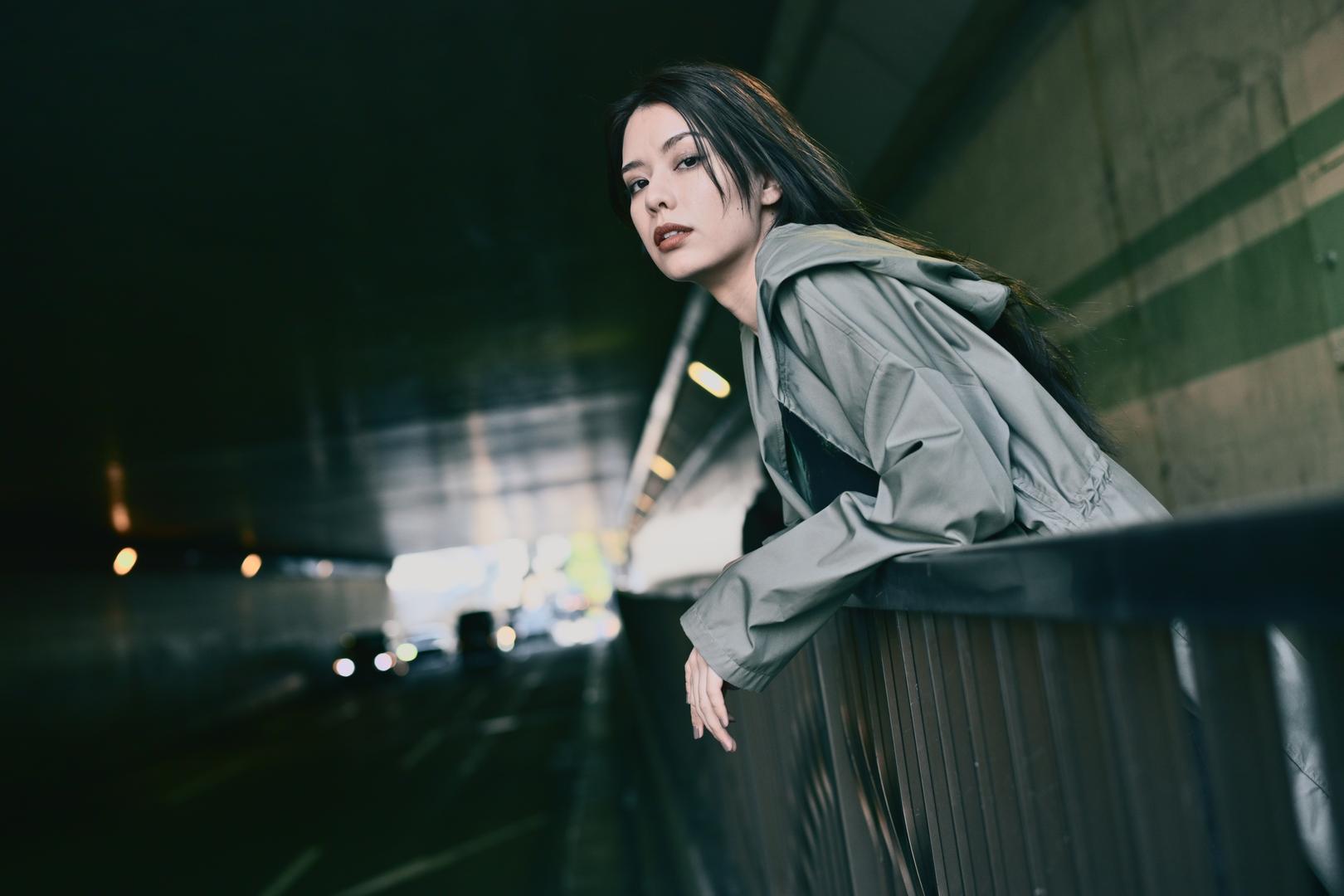
CineBias-TC: Green Edge Experimental
Green Edge Experimental pushes creative boundaries with a dominant greenish tint in the mid-tones. Shadows are dramatic, and bold blues and greens enhance the surreal, avant-garde aesthetic. Skin tones are muted and cool, blending seamlessly with the experimental atmosphere.
Use Active D-Lighting set to Extra high or Extra high 1 to maintain highlight details while preserving depth in shadowed areas.
This recipe is perfect for conceptual photography or experimental cinematography, giving your images a distinctly surreal, edgy look that challenges traditional color grading norms.
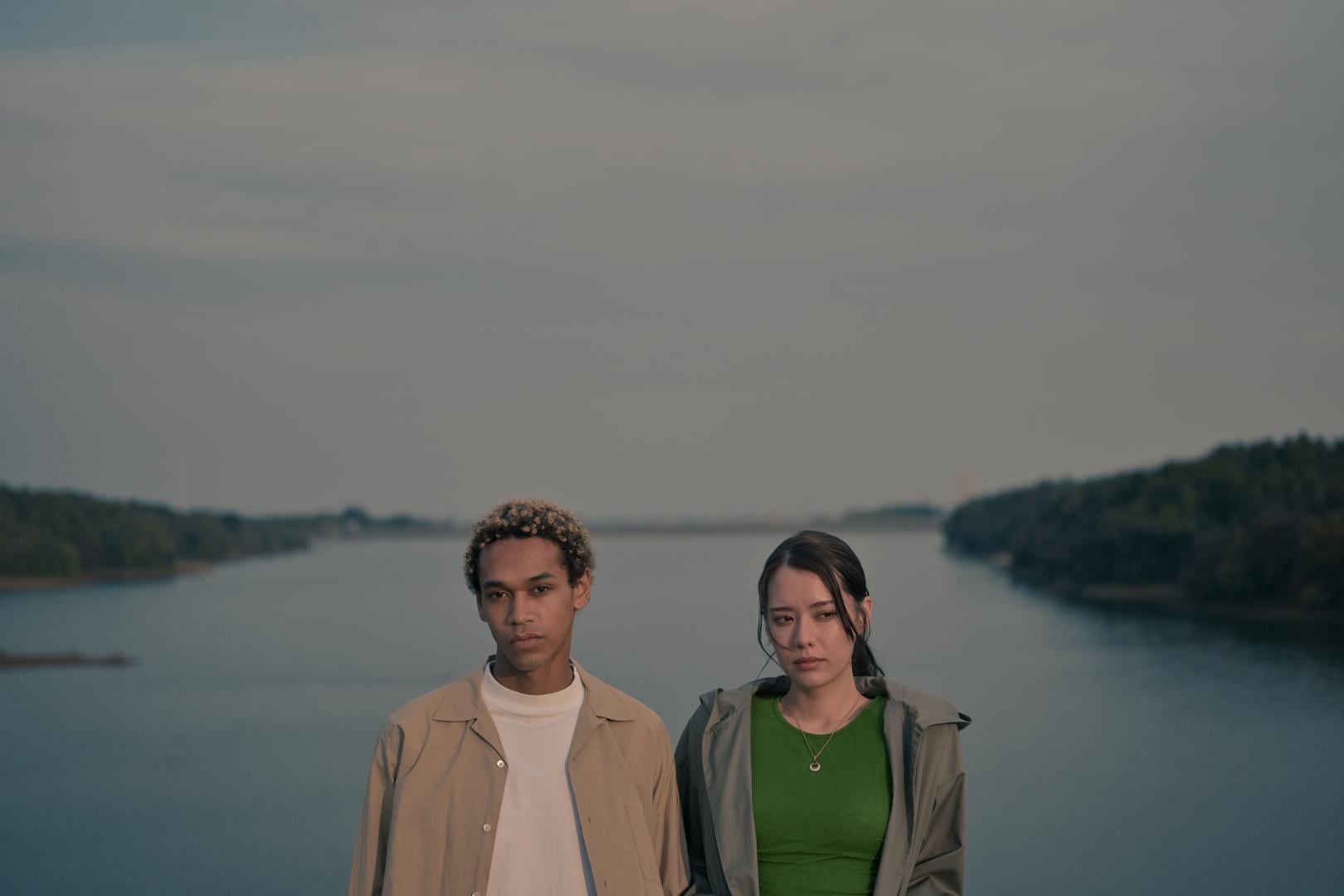
CineBiasOffset: Subtle Cinematic Control
CineBiasOffset provides a refined, understated cinematic tone with soft blues and greens. Skin tones appear natural with a slightly de-saturated warmth, and shadows add depth without overpowering the scene.
This recipe is ideal for narrative or documentary work where a natural, yet cinematic look is desired.
For the best outcome, set Active D-Lighting to Extra high or Extra high 1 to preserve highlight detail and achieve smooth tonal transitions. This subtle approach allows you to maintain realism while adding a gentle cinematic touch.
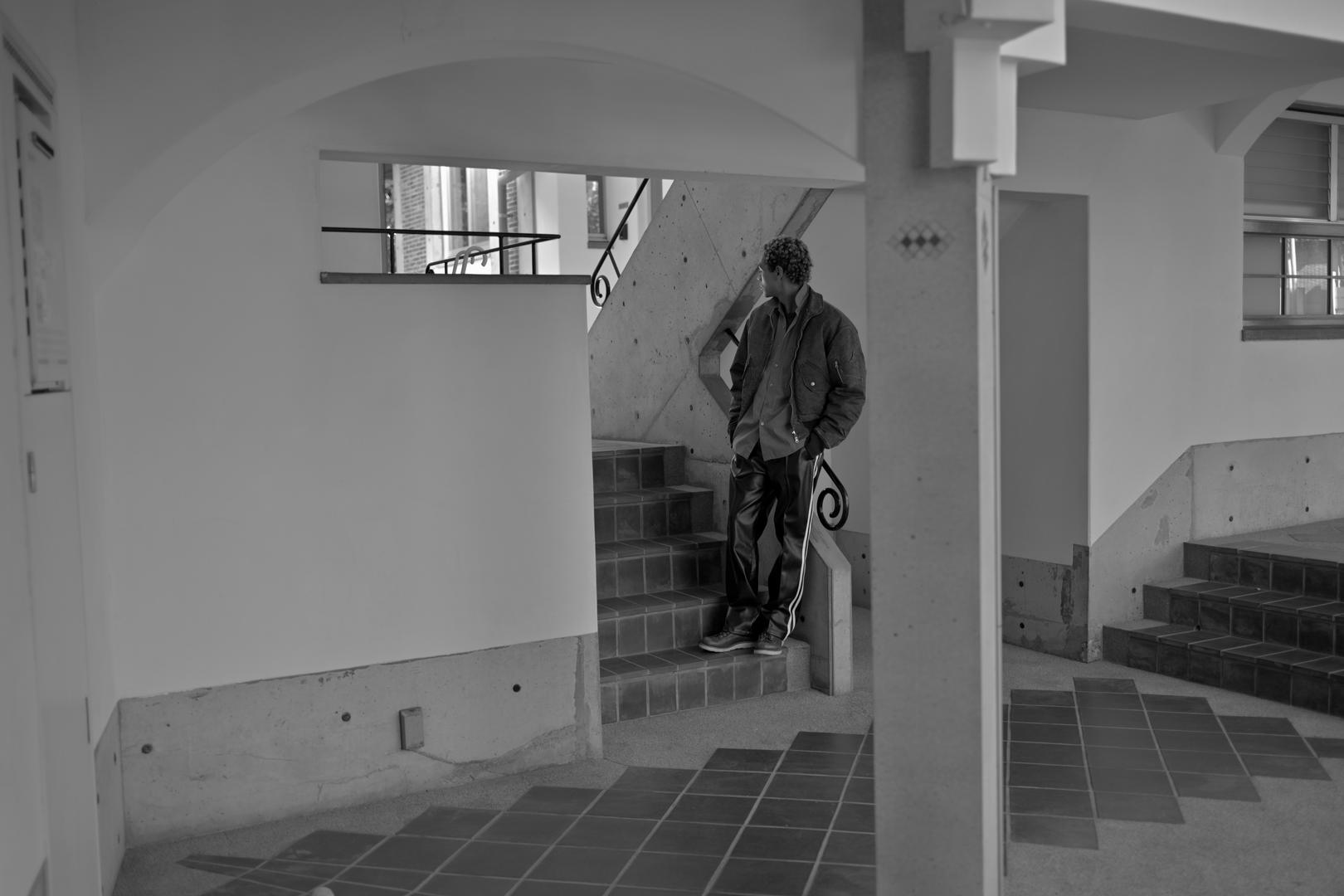
CineBias Achromic: Timeless Black-and-White
CineBias Achromic strips color entirely, producing a balanced grayscale palette with deep blacks, soft mid-tones, and bright highlights. This look emphasizes textures, facial features, and lighting, drawing attention to details that color might otherwise distract from.
It evokes timelessness and emotional depth, perfect for portraits or editorial projects aiming to tell an authentic story.
Use Active D-Lighting set to Extra high or Extra high 1 to retain highlight details and ensure smooth gradations across grayscale tones, which is essential for maintaining texture and dimensionality.
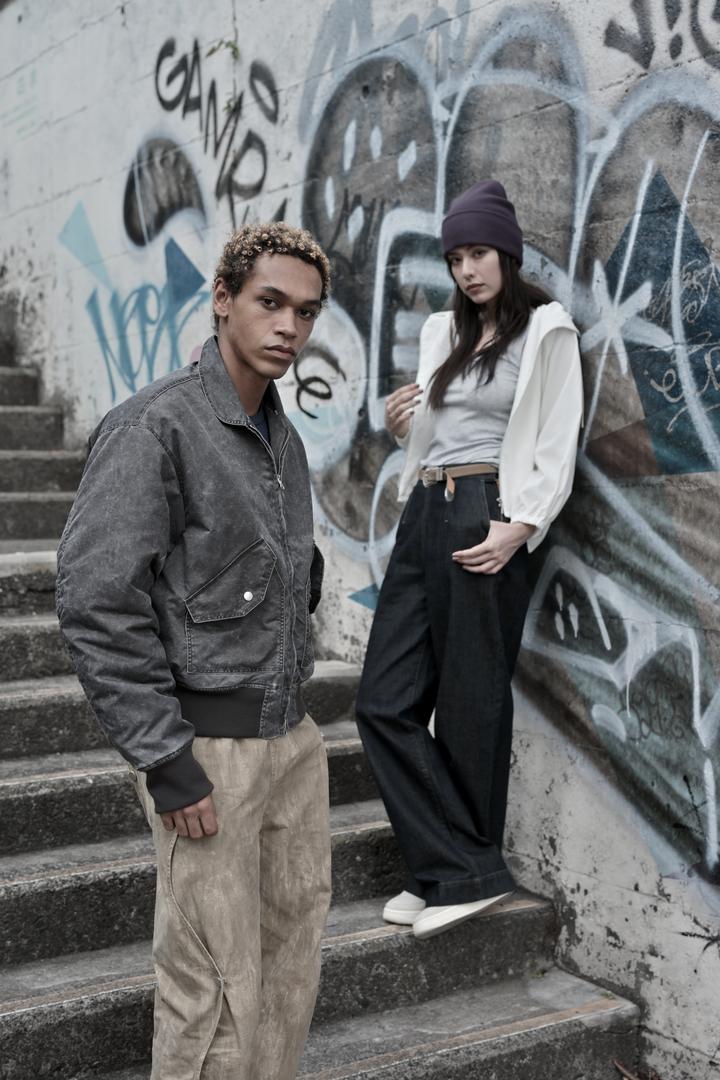
CineBias BleachBypass: Dramatic Desaturation
BleachBypass delivers a high-contrast, desaturated aesthetic reminiscent of classic film processing.
Cool, almost metallic tones dominate while skin appears pale with muted undertones. Shadows are bold and deep, adding a gritty, intense vibe.
This recipe works particularly well for editorial shoots or cinematic projects requiring a darker, more serious atmosphere. To achieve the intended look, set Active D-Lighting to Extra high or Extra high 1, preserving highlight details and enhancing the dramatic interplay between light and shadow.
See more from DIYPhotography.net on Google
Add DIYPhotography.net as a trusted source. This makes
our stories more likely to appear in your Google Search results.
 Add as a preferred source on Google

Alysa Gavilan
Alysa Gavilan has spent years exploring photography through photojournalism and street scenes. She enjoys working with both film and mirrorless cameras, and her fascination with the craft has grown over the decades. Inspired by Vivian Maier, she is drawn to capturing everyday moments that often go unnoticed.




Join the Discussion
DIYP Comment Policy
Be nice, be on-topic, no personal information or flames.