




















AI-Powered Super-Zoom Camera Set to Debut on Kickstarter This December
Dec 3, 2025
Alysa Gavilan
Alysa Gavilan has spent years exploring photography through photojournalism and street scenes. She enjoys working with both film and mirrorless cameras, and her fascination with the craft has grown over the decades. Inspired by Vivian Maier, she is drawn to capturing everyday moments that often go unnoticed.
Share:

The upcoming release of RocX has captured the attention of photographers interested in long-distance and wildlife photography. RocX is an AI-powered camera system designed for distant-subject shooting, and its Kickstarter campaign is set to launch in December 2025.
With a 50x zoom that reaches up to a 1,750 mm equivalent focal length, RocX aims to bring distant subjects into sharp focus without the cumbersome setups typically required for super-telephoto photography. This combination of reach and automated tracking makes the system a notable development for photographers seeking a more streamlined workflow.
RocX is developed by Farseer, a startup founded by former senior engineers from DJI. These engineers previously worked on flagship products such as the Mavic Pro, Osmo Pocket, and Ronin camera systems.
The team’s background suggests a strong foundation in imaging technology, stabilization, and hardware design, which is reflected in the technical ambition of RocX. Farseer markets RocX as the “world’s first AI-powered distant view camera,” focusing on applications like wildlife and bird photography while leaving the door open to broader use cases for capturing distant subjects.
Technical Specifications of RocX
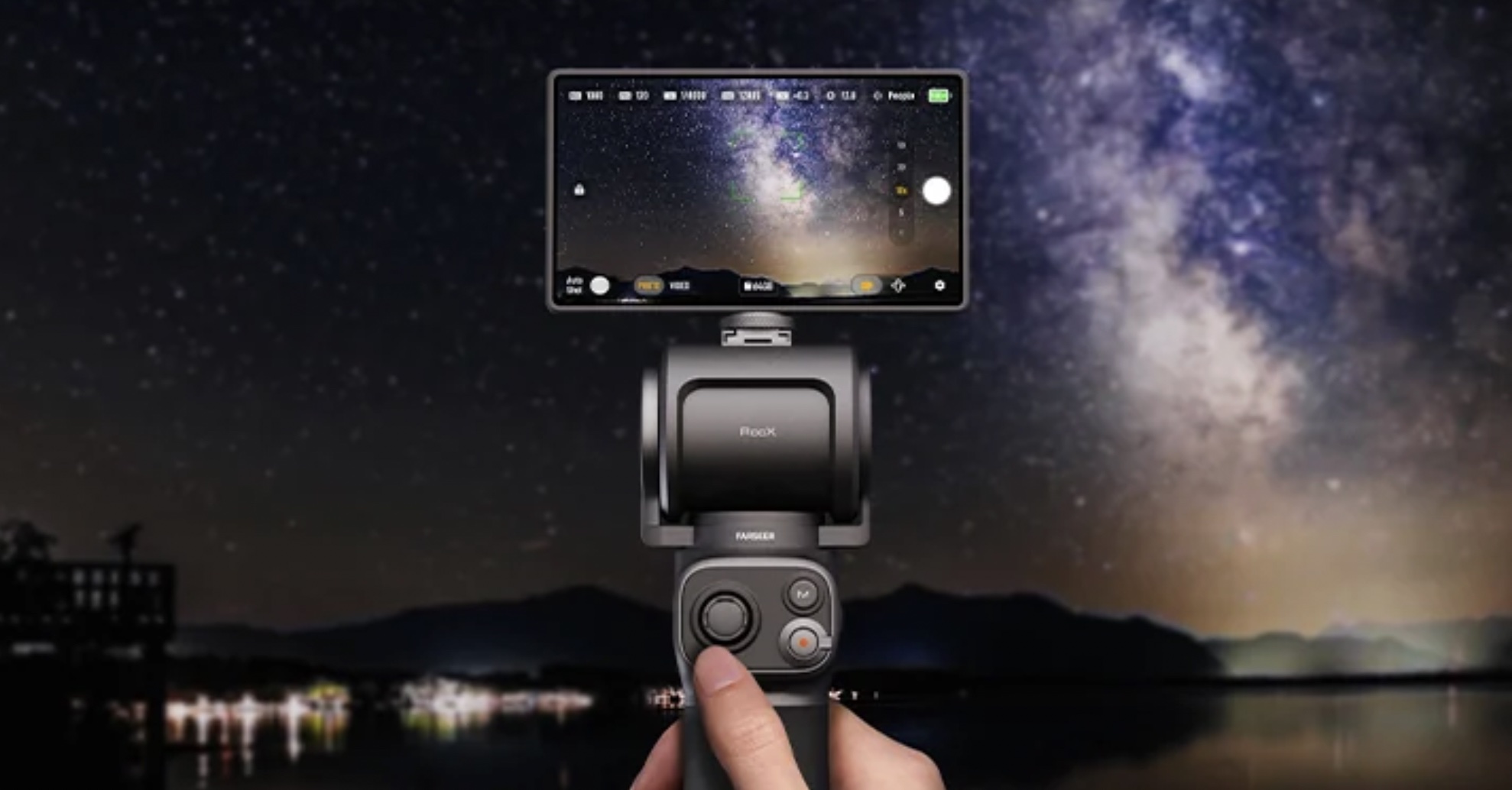
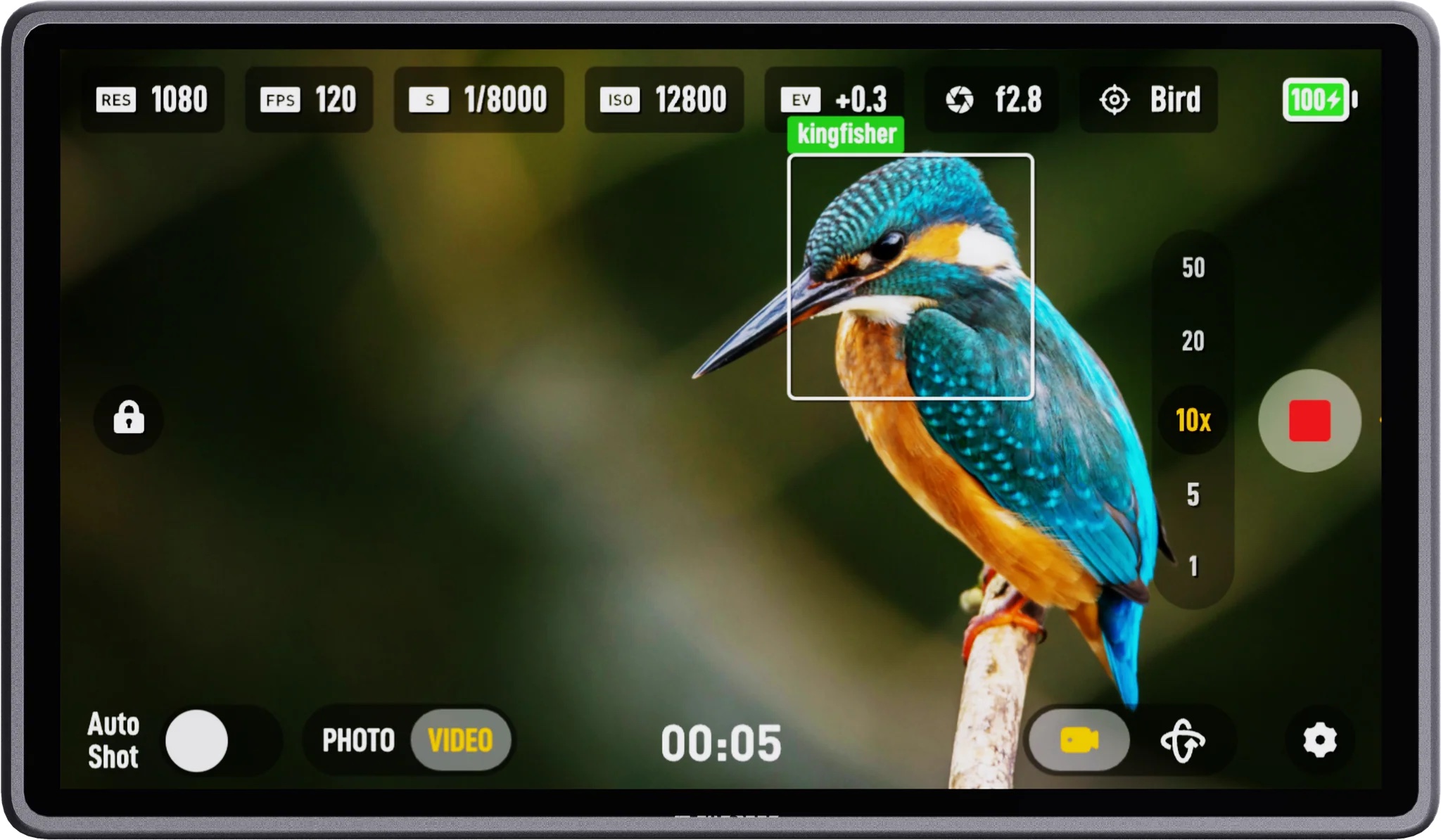
RocX features a 1/2.8-inch sensor capable of capturing images across an ISO range from 100 to 12,800. The optical design provides a zoom range from 35 mm at the wide end to 1,750 mm at maximum reach, with an aperture range spanning f/2.0 to f/3.2. The camera can record 4K video at 30 frames per second and 1080p video at up to 120 frames per second, allowing for slow-motion capture. Both optical and electronic stabilization are integrated into the system to counteract shake and maintain sharp images at extreme focal lengths.
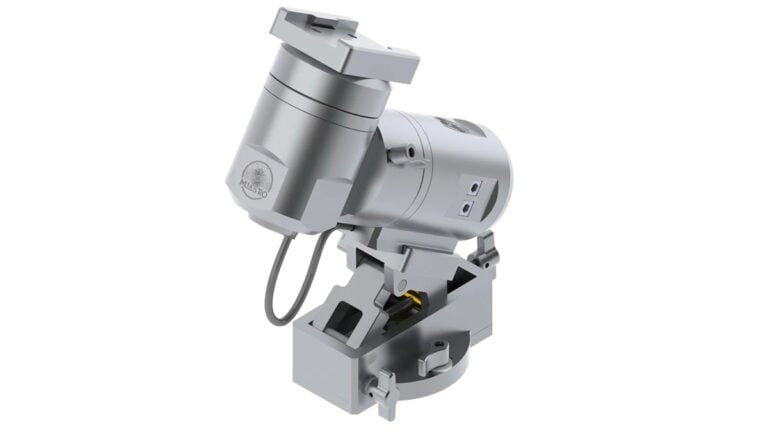
RocX is offered in multiple configurations. As a standalone unit, it provides basic long-range shooting capabilities. For photographers seeking more advanced setups, the camera can be mounted on a handle with stabilization for handheld use or attached to a gimbal that supports a DSLR or mirrorless camera, providing automatic tracking and framing of distant subjects. The entire system reportedly offers up to six hours of battery life, giving photographers extended shooting time in the field.
How Can You Use RocX?
The primary feature that distinguishes RocX from traditional super-zoom cameras is its subject tracking capability. The camera can detect and follow subjects such as birds, wildlife, or people, automatically panning to maintain framing. When paired with a DSLR or mirrorless camera, RocX handles the tracking and framing while the mounted camera captures high-resolution images. This setup reduces the manual effort typically required to track distant subjects with heavy lenses, potentially transforming the workflow for wildlife and bird photographers.
For photographers who often struggle to keep fast-moving or distant subjects in frame, RocX could offer a fundamentally different approach. It combines portability, automated subject tracking, and modular mounting options to provide a versatile tool for both hobbyists and semi-professional users.
Pricing and Availability
Farseer has outlined the Kickstarter pricing structure. The standalone RocX camera is expected to retail at approximately $199, while the handle-mounted version with stabilization will be around $299.
The full package, which includes the gimbal mount for a DSLR or mirrorless camera and complete tracking support, is estimated at $699.
These early-bird Kickstarter prices suggest substantial savings compared to traditional long-telephoto setups. The Kickstarter campaign will go live in December 2025, with a public demonstration planned around CES 2026.
If RocX performs as advertised, it could lower the barrier for long-range photography, allowing users to capture subjects previously out of reach without investing in heavy, expensive telephoto lenses. By handling stabilization and subject tracking, the system frees photographers to focus on composition rather than constantly adjusting the camera or gimbal.
For hobbyists, this could democratize access to distant-subject photography, while for professionals, it offers a flexible, modular solution that balances portability with functionality!
See more from DIYPhotography.net on Google
Add DIYPhotography.net as a trusted source. This makes
our stories more likely to appear in your Google Search results.
 Add as a preferred source on Google

Alysa Gavilan
Alysa Gavilan has spent years exploring photography through photojournalism and street scenes. She enjoys working with both film and mirrorless cameras, and her fascination with the craft has grown over the decades. Inspired by Vivian Maier, she is drawn to capturing everyday moments that often go unnoticed.


Join the Discussion
DIYP Comment Policy
Be nice, be on-topic, no personal information or flames.