


















OSIRIS-APEX Captures Earth and Moon Together: On the Road to Apophis
Nov 29, 2025
Soumyadeep Mukherjee
Soumyadeep Mukherjee is an award-winning astrophotographer from India. He has a doctorate degree in Linguistics. His work extends to the sub-genres of nightscape, deep sky, solar, lunar and optical phenomenon photography. He is also a photography educator and has conducted numerous workshops. His works have appeared in over 40 books & magazines including Astronomy, BBC Sky at Night, Sky & Telescope among others, and in various websites including National Geographic, NASA, Forbes. He was the first Indian to win “Astronomy Photographer of the Year” award in a major category.
Share:

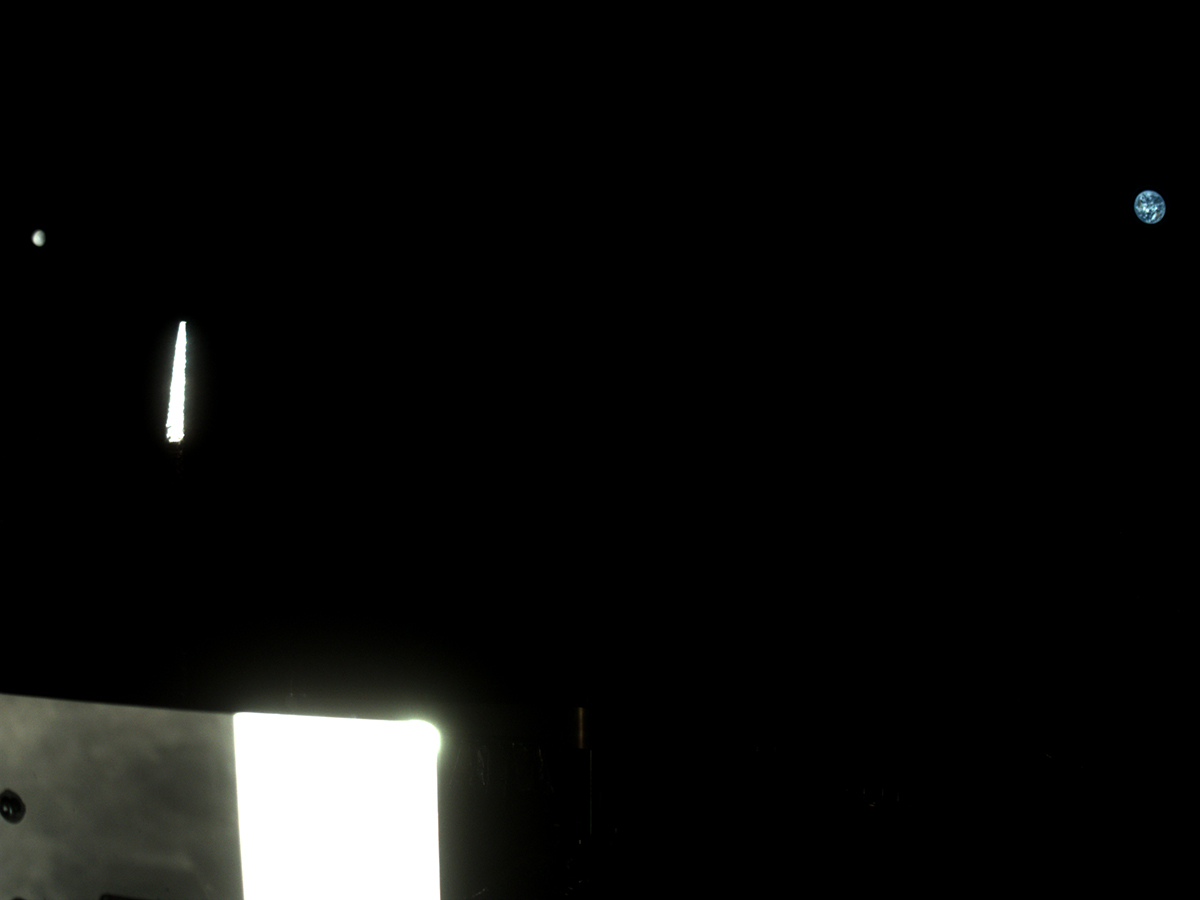
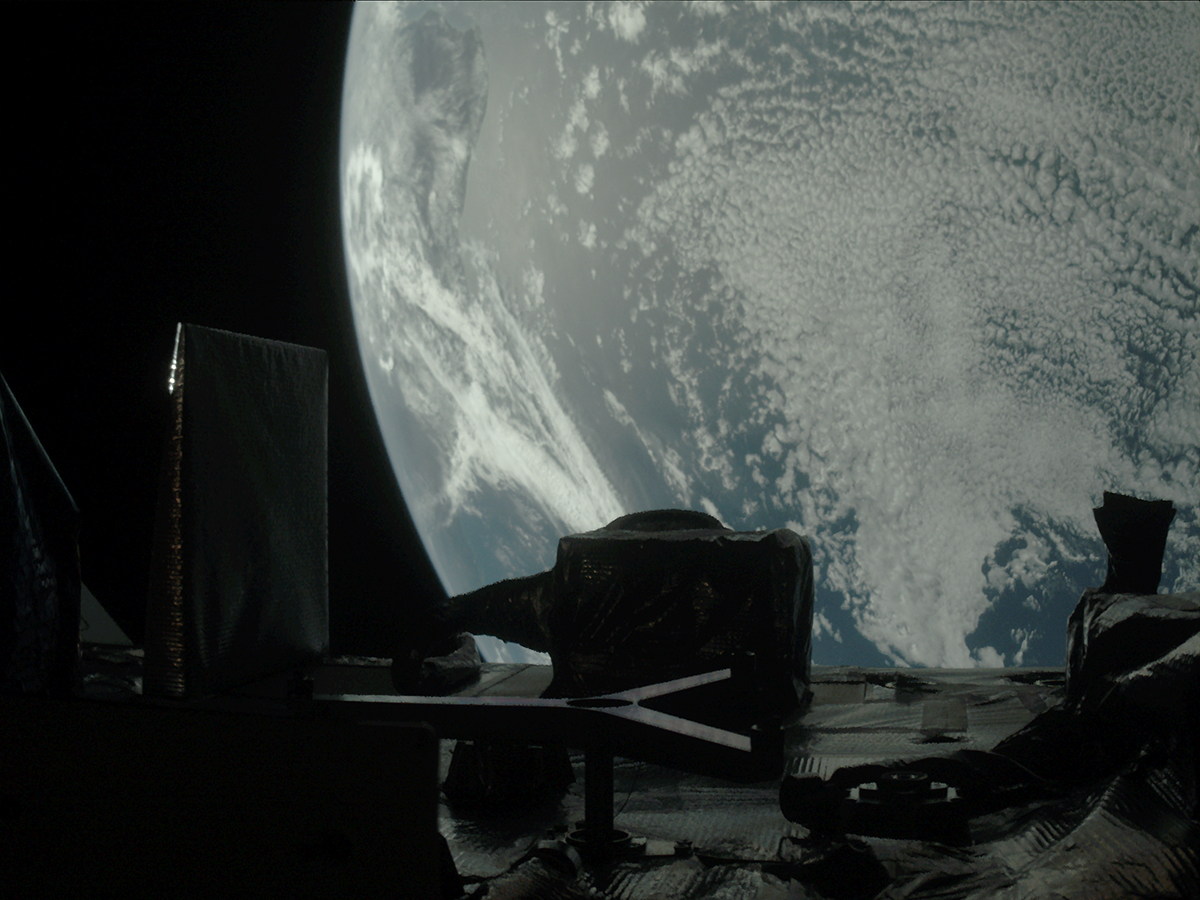
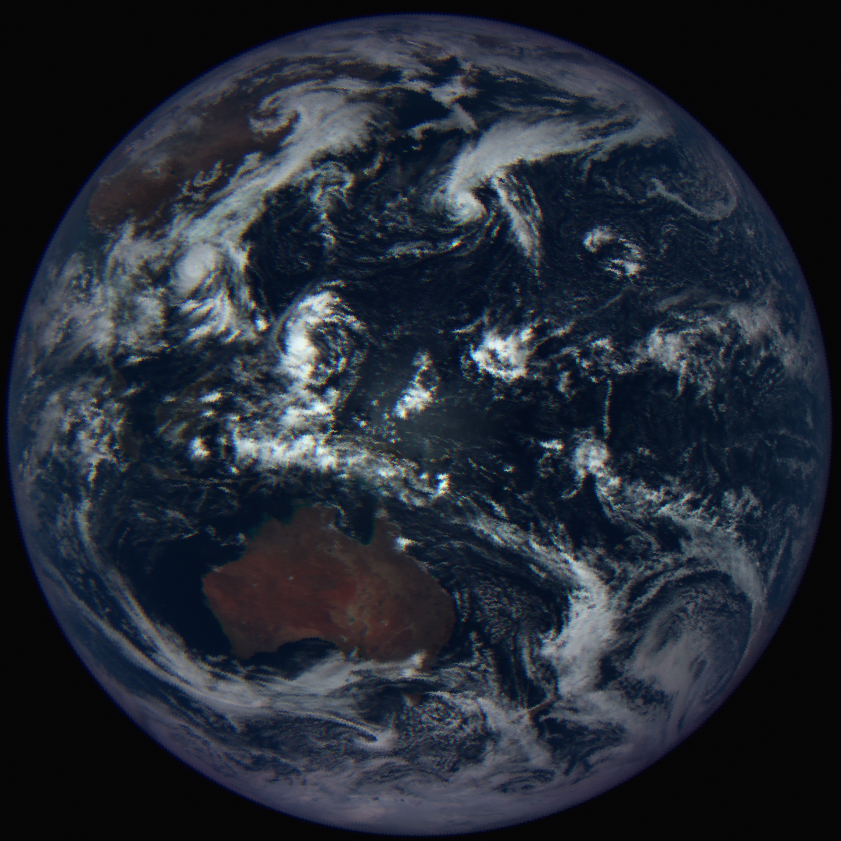
Space missions rarely pause for a moment of reflection. They push forward, cross distances that feel abstract, and operate on timescales far from everyday life. Yet, every once in a while, a spacecraft turns back toward home. The recent images from NASA’s OSIRIS-APEX, showing both Earth and the Moon in one frame, carry that brief moment of stillness. These pictures arrived as the spacecraft swung past Earth for a gravity assist on its long journey to the near-Earth asteroid Apophis.
The images look simple. A pale Moon sits to one side, Earth glows on the other, and a piece of the spacecraft’s hardware catches sunlight in the foreground. But behind that simplicity sits a deeper purpose. These views mark a check-in, a calibration, and a confirmation that OSIRIS-APEX is ready for the demanding work ahead.
A gravity assist for the mission
OSIRIS-APEX returned to Earth’s vicinity for physics. Its path toward Apophis required a precise change in speed and direction. The most efficient way to achieve that change was a gravity assist. The spacecraft approached Earth at high speed, dipped just over 3,400 kilometers above the surface, and allowed our planet’s gravity to alter its trajectory.
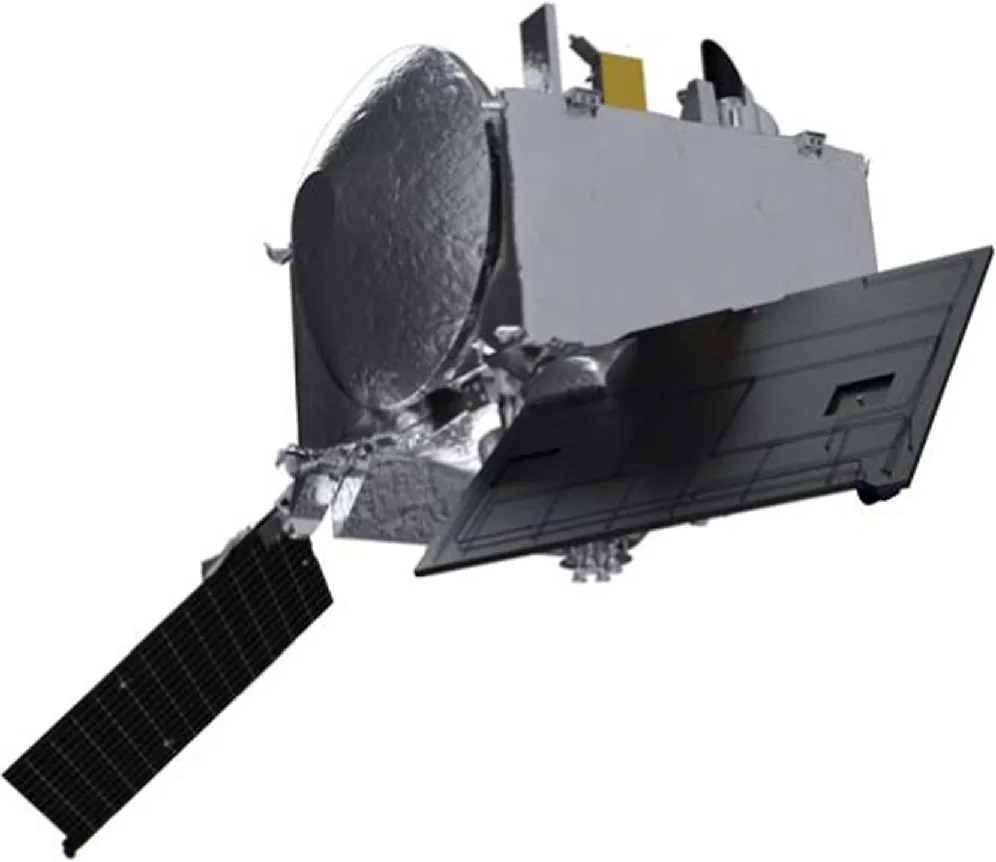
This kind of maneuver is routine in deep-space navigation. Yet each one is unique. Engineers model the approach in advance, refine commands, and monitor the spacecraft through every phase. A small deviation can turn into a large navigational problem months later. When OSIRIS-APEX cleared the closest point of its flyby, the team could finally breathe. The burn had succeeded. The trajectory correction had worked. The mission could proceed as planned.
Only then did the team command the cameras to turn outward. The spacecraft was already climbing away from Earth. It had no intention of staying. But that short window gave the instruments exactly what the team needed: bright, familiar targets at known distances.
The OSIRIS heritage cameras have flown long and hard. They mapped asteroid Bennu during the OSIRIS-REx mission, helped guide sample collection, and survived a return journey around the Sun. Instruments age in space. Temperature cycles take a toll. Radiation changes sensor behavior. Mechanical assemblies drift, even in microgravity. The photos of Earth and the Moon confirm that the cameras still work as intended. They also confirm that color channels respond correctly.
The journey for Apophis
Most asteroids never come close enough to Earth to matter beyond pure science. Apophis is different. In April 2029, it will pass closer than geostationary satellites. People in many parts of the world might even be able to photograph it. A pass like this will not happen again for a long time.
That extreme proximity offers a scientific opportunity that cannot be recreated in a lab. Earth’s gravity will tug on Apophis during the encounter. That tug may change the asteroid’s rotation. It may shift surface material and expose fresh layers. It may even alter the asteroid’s orbit slightly.
OSIRIS-APEX will arrive soon after this encounter, when the changes are fresh. It will map the asteroid, analyze its surface, and measure how tidal forces shaped it. No spacecraft has ever studied an asteroid right after a close planetary pass. The mission will build models that help scientists understand how near-Earth objects evolve. Those models support planetary-defense planning. They also help researchers understand the long-term behavior of asteroids.
A mission with a long memory
When OSIRIS-REx delivered its Bennu sample to Earth, most spacecraft would have ended their operational life. But this spacecraft had strength left. Its systems were stable. Its propulsion remained healthy. And it still carried instruments that could handle new scientific work.
NASA decided to extend its life and rename it OSIRIS-APEX, the Apophis Explorer. The transition from one mission to the next created a rare continuity. A spacecraft that once worked on a carbon-rich asteroid now prepares to study a dynamically disturbed one. That contrast will give researchers valuable comparisons. It will help answer questions about how the environment and history shape small bodies differently.
The path to Apophis is long. The spacecraft will continue adjusting its course. It will conduct instrument rehearsals. It will prepare for the intense observation phase that begins in the weeks after the asteroid’s close Earth pass. When it arrives, OSIRIS-APEX will document an event that planetary-science teams have anticipated for nearly two decades. It will help explain how asteroids respond to gravitational encounters. It will give researchers data that will remain useful long after the mission ends.
Clear skies!
See more from DIYPhotography.net on Google
Add DIYPhotography.net as a trusted source. This makes
our stories more likely to appear in your Google Search results.
 Add as a preferred source on Google

Soumyadeep Mukherjee
Soumyadeep Mukherjee is an award-winning astrophotographer from India. He has a doctorate degree in Linguistics. His work extends to the sub-genres of nightscape, deep sky, solar, lunar and optical phenomenon photography. He is also a photography educator and has conducted numerous workshops. His works have appeared in over 40 books & magazines including Astronomy, BBC Sky at Night, Sky & Telescope among others, and in various websites including National Geographic, NASA, Forbes. He was the first Indian to win “Astronomy Photographer of the Year” award in a major category.


Join the Discussion
DIYP Comment Policy
Be nice, be on-topic, no personal information or flames.